
In today's competitive market, launching a startup in the air purifier industry requires more than just a great idea; it demands strategic partnerships. The success of your venture hinges significantly on the reliability and capability of your manufacturing partner. Choosing the right air purifier manufacturer is a critical decision that can impact everything from product quality and market compliance to customer satisfaction and long-term brand credibility. A strong manufacturing partnership ensures that your products not only meet but exceed industry standards, providing a solid foundation for your startup's growth.
This guide will walk you through the essential criteria for identifying a reliable air purifier manufacturer. We will delve into key areas such as manufacturer experience, compliance with industry standards, the quality of customer support, and the importance of verifying their reputation. By carefully evaluating these aspects, you can forge a partnership that fosters innovation, ensures product excellence, and ultimately contributes to your startup's enduring success.
Esperienza del produttore
The experience of your chosen produttore di purificatori d'aria is paramount. It directly correlates with their ability to deliver high-quality products, adhere to stringent industry standards, and mitigate potential risks throughout the production process. An experienced manufacturer brings invaluable insights and a proven track record, which can be particularly beneficial for startups navigating the complexities of product development and market entry.
Why it Matters
Partnering with an experienced manufacturer ensures product quality and consistency. They have refined their processes over time, leading to fewer defects and more reliable products. Furthermore, seasoned manufacturers are well-versed in adhering to various national and international standards, which is crucial for market access and legal compliance. Their experience also translates into better risk management, as they are more likely to anticipate and address challenges before they escalate, saving your startup time and resources.
Key Evaluation Points
When assessing a manufacturer's experience, consider the following:
-
Years in Industry and Track Record, Especially in the U.S. Market: Look for manufacturers with a substantial history in the air purifier industry. Their longevity often indicates stability, adaptability, and a deep understanding of market dynamics. Pay particular attention to their experience and track record within your target markets, such as the U.S. market, as regulatory landscapes and consumer preferences can vary significantly by region.
-
Communication Quality and Ability to Provide Industry Guidance: An experienced manufacturer should be an active partner, not just a production facility. Evaluate their communication skills: are they responsive, clear, and proactive? More importantly, can they offer valuable industry guidance? This includes advising on design improvements, material selection, cost-effective production methods, and emerging market trends. Their ability to provide such insights can be a significant asset to your startup.
-
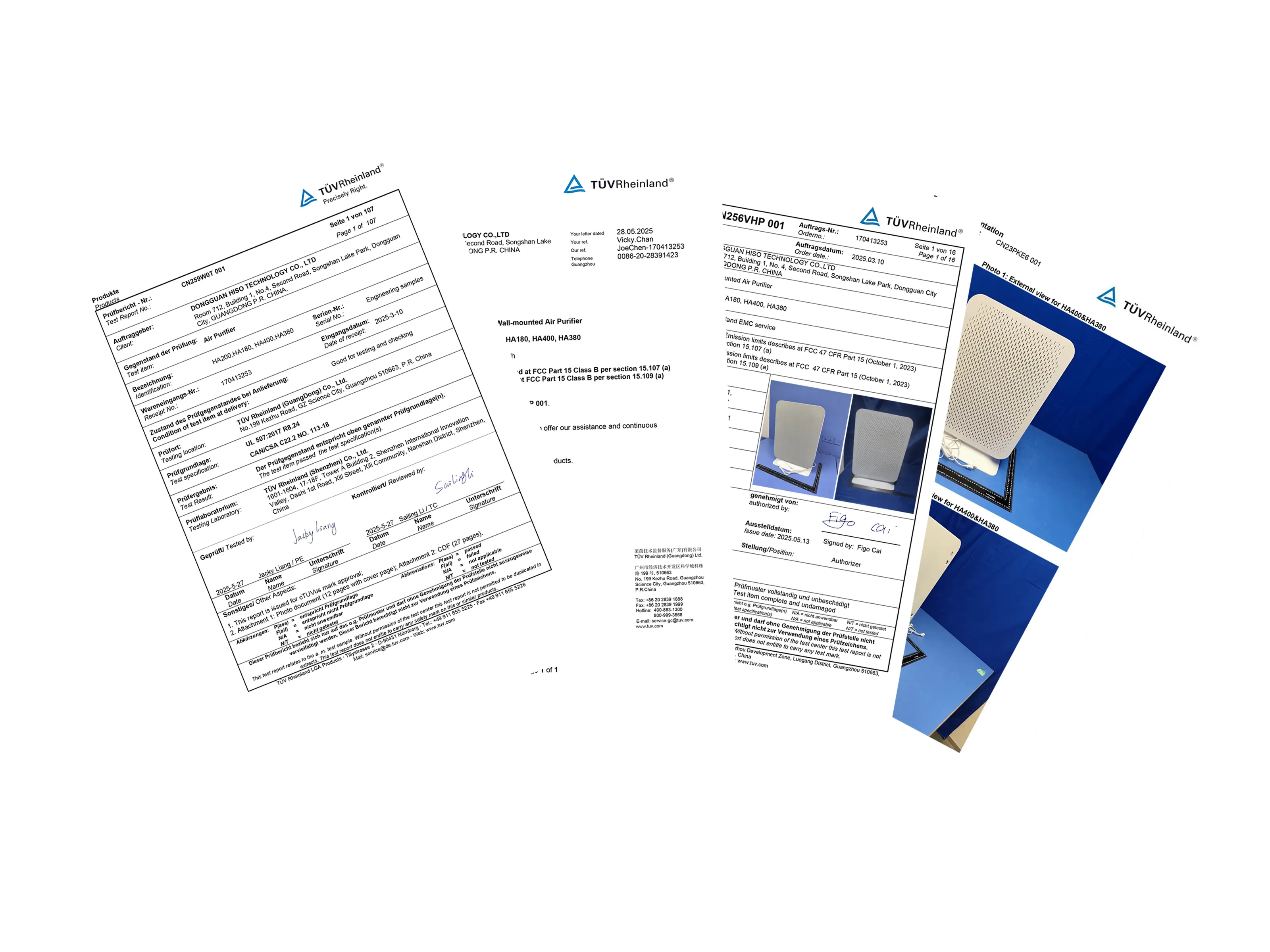
Presence of Robust Testing Capabilities—e.g., CNAS Labs, UL/ETL Certifications: A reliable manufacturer invests in robust testing capabilities to ensure product performance and safety. Inquire about their in-house testing facilities, such as CNAS (China National Accreditation Service for Conformity Assessment) accredited laboratories, which signify adherence to international standards for testing and calibration. Furthermore, verify their experience with obtaining and maintaining critical certifications like UL (Underwriters Laboratories) or ETL (Electrical Testing Laboratories). These certifications are often mandatory for selling electronic products in North America and demonstrate a commitment to safety and quality.
-
Feedback from Existing (Especially U.S.) Clients to Confirm Reputation: The most accurate measure of a manufacturer's experience and reliability comes from their existing clients. Request references, particularly from companies operating in your target market (e.g., U.S. clients). Direct feedback on their service reliability, product quality, communication effectiveness, and post-production support can provide invaluable insights into what you can expect from the partnership.

Compliance with Industry Standards
Compliance with industry standards is not merely a regulatory hurdle; it is a cornerstone of product quality, safety, and market acceptance. For a startup, ensuring that your air purifier manufacturer adheres to relevant standards is crucial for building a credible brand and gaining consumer trust. It also streamlines market entry and minimizes legal and financial risks.
Importanza
-
Ensures Product Safety and Reliability: Adherence to standards means that products have undergone rigorous testing and meet specific safety and performance benchmarks. This directly translates to safer and more reliable products for your customers, reducing the likelihood of malfunctions or hazards.
-
Builds Brand Credibility and Customer Trust: In an increasingly discerning market, consumers are more likely to trust brands whose products are certified by recognized bodies. Compliance acts as a seal of approval, signaling to customers that your products are of high quality and meet established safety guidelines. This trust is invaluable for a new brand trying to establish itself.
-
Opens Access to Markets Requiring Regulatory Compliance (UL, ETL): Many markets, particularly in North America, have strict regulatory requirements for electronic devices. Certifications like UL and ETL are often prerequisites for selling air purifiers in these regions. Partnering with a manufacturer experienced in obtaining these certifications ensures that your products can legally and smoothly enter these lucrative markets.
-
Enhances Production Efficiency and Reduces Legal/Financial Risk: Manufacturers who consistently comply with industry standards typically have well-defined and efficient production processes. This reduces errors, waste, and rework, leading to enhanced production efficiency. More importantly, compliance significantly reduces your startup's exposure to legal liabilities, product recalls, and financial penalties associated with non-compliant products.
Customer Support
Beyond manufacturing capabilities, the quality of customer support offered by your air purifier manufacturer is a critical factor for a successful partnership. Effective customer support ensures smooth collaboration, addresses issues promptly, and ultimately contributes to the overall success of your product in the market.
Role: Ensures Smooth Collaboration and Product Success
Customer support from a manufacturer extends beyond troubleshooting. It encompasses their willingness to engage, educate, and support your startup through every phase of product development and beyond. A manufacturer that prioritizes strong customer support acts as a true partner, invested in your success.
Key Aspects of Customer Support
-
Manufacturer’s Willingness to Educate Startups on Regulatory and Performance Matters: For startups, navigating the complex landscape of air purifier regulations and performance metrics can be daunting. A supportive manufacturer will proactively educate you on these matters, explaining technical specifications, certification requirements, and performance standards. This guidance is invaluable for making informed decisions and ensuring your product meets market expectations.
-
Providing References or Testimonials from Current Clients — Essential for Insight: A manufacturer confident in their customer support will readily provide references or testimonials from their current clients. These insights offer a direct perspective on their responsiveness, problem-solving abilities, and overall partnership quality. Pay close attention to feedback regarding their support during challenging situations or unexpected issues.
-
Effectiveness in Online Meetings, Clarity in Communications: In today's globalized manufacturing environment, effective communication, especially through online meetings, is crucial. Assess their ability to conduct clear, concise, and productive online meetings. Do they come prepared? Are they able to articulate complex technical details clearly? Is there a language barrier that could hinder effective communication? Clarity in all forms of communication is paramount to avoid misunderstandings and delays.
-
Availability of Internal Testing Facilities to Back Performance Claims: A manufacturer's claims about product performance should be verifiable. Inquire about their internal testing facilities and their ability to provide data and reports that back up their performance claims (e.g., CADR, filtration efficiency). This demonstrates transparency and a commitment to delivering products that perform as advertised.

Reputation and Feedback Verification
While a manufacturer's self-assessment and provided references are valuable, independent verification of their reputation and client feedback is crucial. This step provides an unbiased perspective on their reliability, product quality, and consistency of support.
Reach out to existing customers for honest feedback on service reliability, product quality, and support consistency.
Directly contacting existing customers, especially those with similar business models or product needs to your startup, can yield invaluable insights. When reaching out, consider asking about:
- Service Reliability: How consistently does the manufacturer meet deadlines and deliver on promises? Are there frequent delays or unexpected issues?
- Product Quality: Do their products consistently meet the agreed-upon quality standards? How do they handle quality control issues or defects?
- Support Consistency: Is their customer support responsive and helpful, not just during the initial phases but throughout the entire partnership? How do they handle post-production support, warranty claims, or technical assistance?
- Problem Resolution: How effectively and efficiently do they resolve problems or disputes? Are they proactive in addressing issues, or do they require constant follow-up?
- Overall Satisfaction: Would the client recommend this manufacturer to others? What are their biggest strengths and weaknesses?
Gathering diverse feedback from multiple sources will help you form a comprehensive and accurate picture of the manufacturer's true reputation.
Conclusione
Selecting the right air purifier manufacturer is a pivotal decision for any startup entering this dynamic industry. It's a partnership that extends far beyond a simple transaction, influencing your product's quality, your brand's reputation, and your long-term market success.
To recap, prioritize manufacturers who demonstrate a strong foundation in three key areas:
-
Extensive Experience: Look for a manufacturer with a proven track record, particularly in your target markets like the U.S. Their years in the industry, robust testing capabilities (e.g., CNAS labs, UL/ETL certifications), and ability to provide insightful industry guidance are invaluable assets.
-
Unwavering Compliance: Ensure they strictly adhere to industry standards and possess necessary certifications (UL, ETL). This commitment to compliance guarantees product safety and reliability, builds brand credibility, and facilitates market access while mitigating legal and financial risks.
-
Exceptional Customer Support: A manufacturer's willingness to educate, provide transparent communication, and offer verifiable client references speaks volumes about their dedication to your success. Their internal testing facilities further validate their performance claims.
By diligently evaluating these aspects and verifying their reputation through honest feedback from existing clients, you can forge a robust partnership. This strategic alliance will not only help you build high-quality air purifiers but also establish a solid foundation for your startup's growth and enduring success in the competitive market.
For more insights into air purification technology and solutions, visit Hisoair.



 English
 Français
 Español
 Italiano
 Deutsch
 Português
 Русский
 العربية
 日本語
 한국어
 Tiếng Việt

