
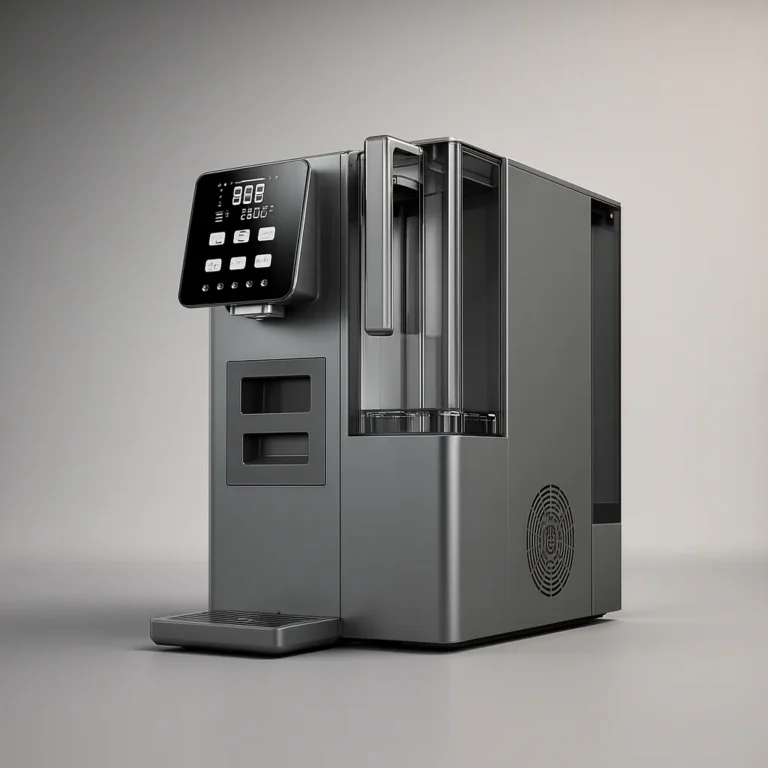
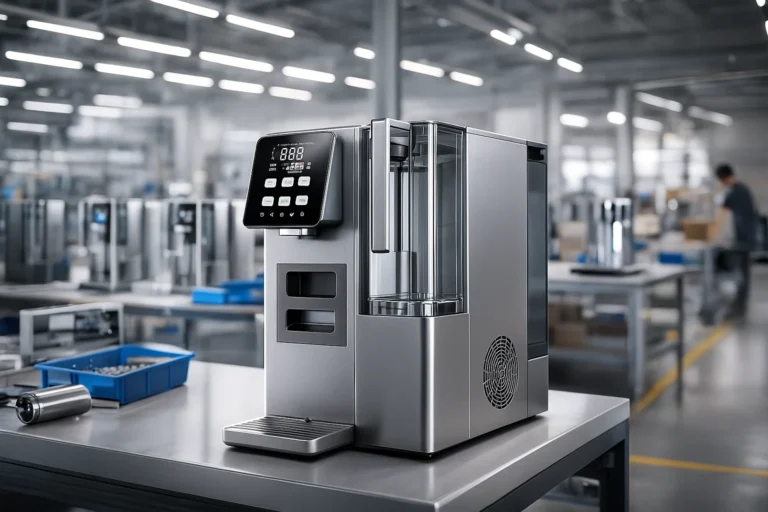
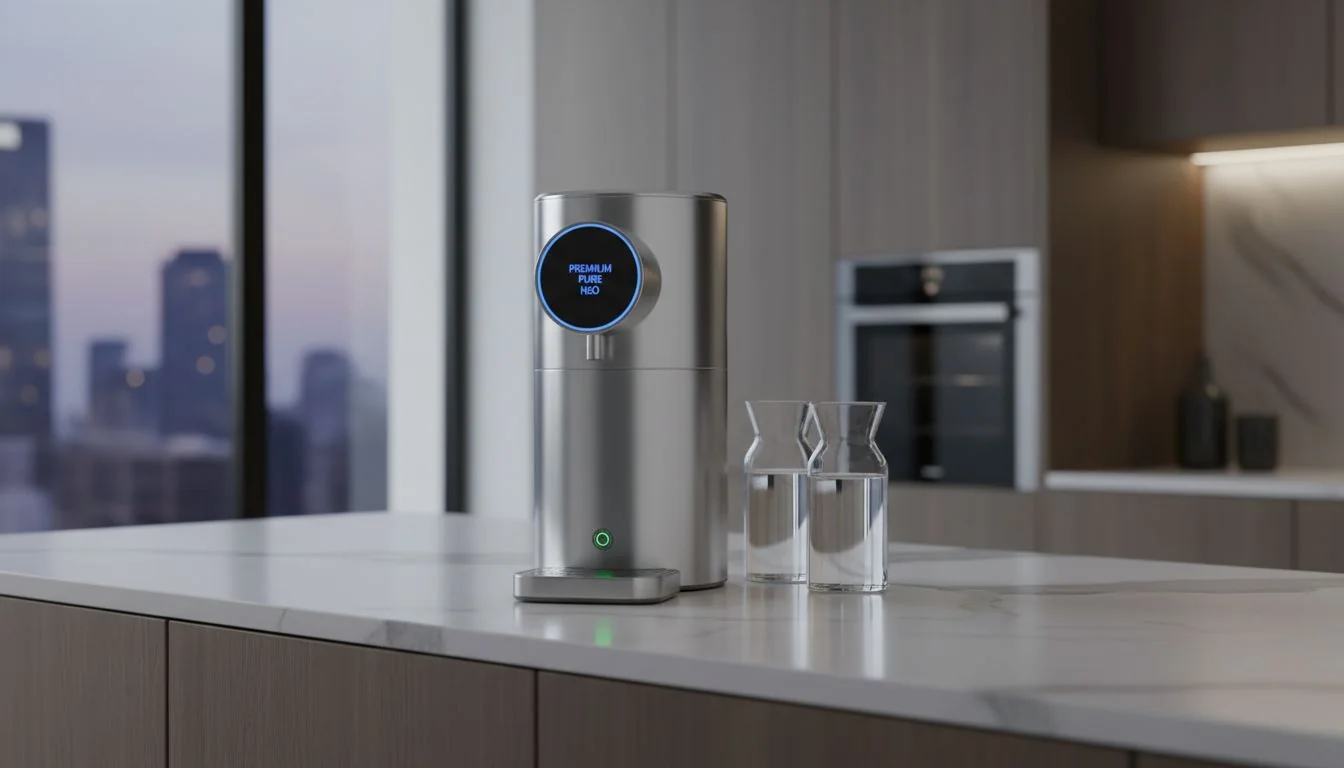
You see wellness brands promising pure, clean lifestyles every day. But then, they sell you a plastic pitcher. It feels like a contradiction, doesn't it?
Stainless steel1 is becoming the standard for premium water purifiers because it is an "inert" material. Unlike plastic, it does not leach chemicals or affect the taste of water. This material shift allows brands to move from low-margin commodities to high-end appliances, aligning hardware quality with their health promises.
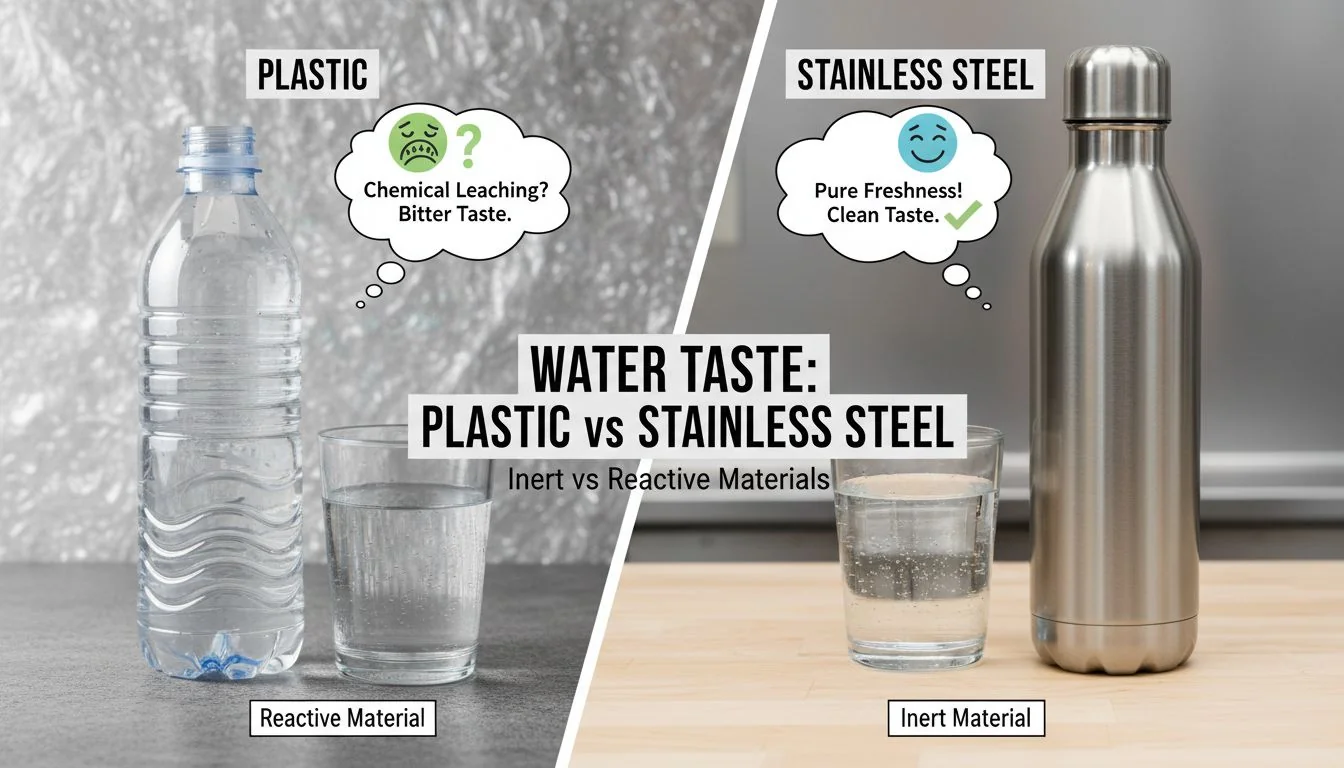
I have watched the manufacturing trends shift for years. We used to focus only on cost. Now, we focus on value. If you want to understand why the market is moving this way, you need to look at the materials.
Stainless steel is an inert material that does not react with water.Verdadeiro
Inert materials do not chemically react with the substances they hold, preventing leaching.
Plastic water pitchers improve the taste of water over time.Falso
Plastic is reactive and can cause off-gassing, leading to a stale or plasticky taste, especially in warm environments.
Is "Inert" the New "Organic" for Health Consumers?
In the food industry, people pay extra for "Organic." In the hardware world, the new buzzword is "Inert." It is the strongest selling point right now.
Consumers are anxious about microplastics and Chemical leaching2. Stainless steel is "inert," meaning it does not react with the water it holds. By marketing this scientific distinction, brands can position their purifiers as the hardware equivalent of organic food, offering a safer and purer experience.
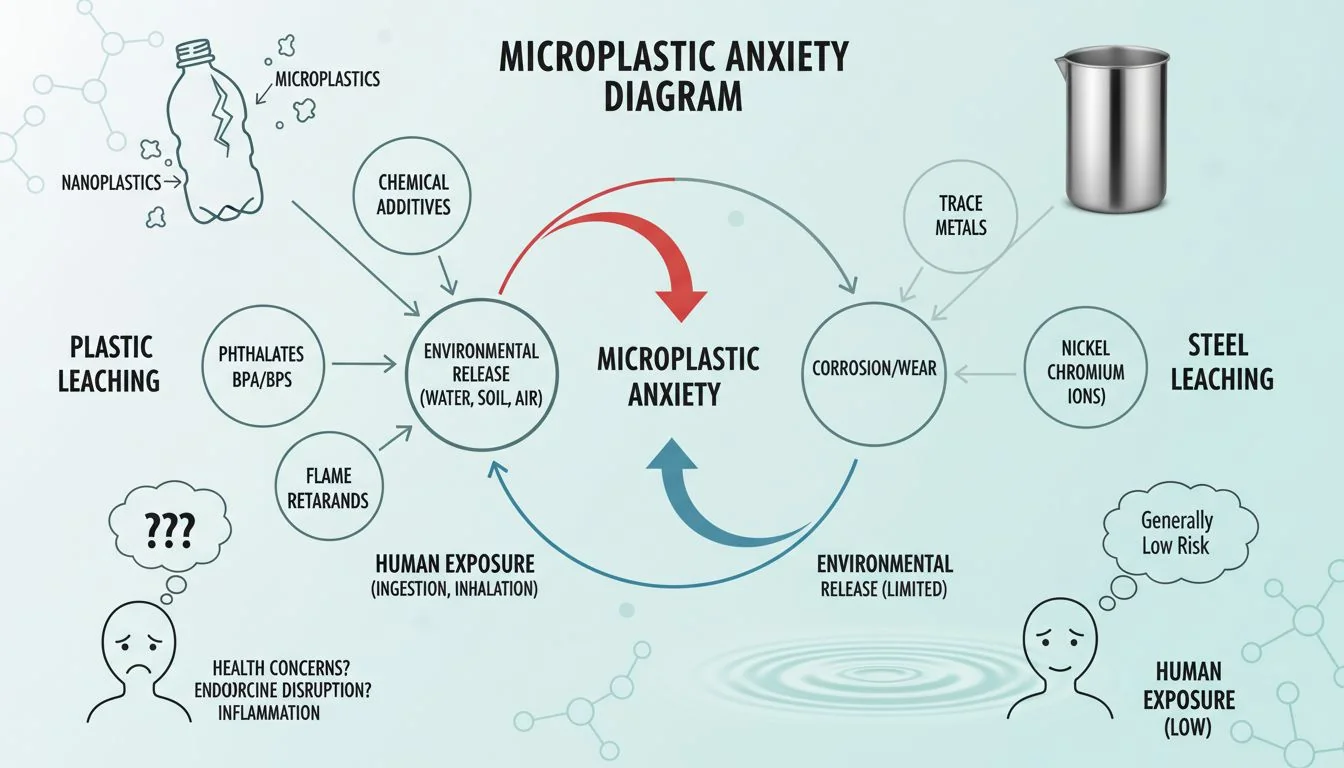
I want to talk about a concept called the "Purity Paradox." Wellness brands spend millions marketing clean living. But if they put their water in a plastic tank, they break that promise. As a mold expert, I know that plastic is reactive. It interacts with its environment.
This is where the word "Inert" becomes powerful. In my experience, technical terms can become marketing gold. "Inert" means the material does nothing. It just holds the water. It adds nothing. It takes nothing away. This is exactly what health-conscious buyers want.
There is also the issue of taste. We call this the "Taste Differentiator3." Have you ever drunk water from a plastic bottle left in a warm car? It tastes like plastic. That is off-gassing. Water stored in steel tastes crisp and neutral. For tea and coffee lovers, this "Superior Flavor Integrity" is essential. If you are designing a product for high-end users, you cannot ignore this.
Material Comparison for Wellness Brands
| Caraterística | Plastic (Reactive) | Stainless Steel (Inert) |
|---|---|---|
| Chemical Interaction | High (Leaching risk) | None (Stable) |
| Taste Profile | Can become "stale" | Remains crisp/neutral |
| Consumer perception4 | Cheap, Temporary | Premium, Permanent |
| Marketing Keyword | "BPA-Free" (Defensive) | "Inert" (Proactive) |
Inert materials actively remove bacteria from water.Falso
Inert means the material does not react; it does not actively filter or clean, but it prevents contamination from the container itself.
Off-gassing in plastics can alter the flavor profile of water.Verdadeiro
Volatile organic compounds can release from plastics, especially under heat, changing the taste of the water.
How Does Steel Win the Battle Against Biofilm?
We all know the struggle of cleaning a slimy plastic water tank. That slime is Biofilm5. It is a hygiene nightmare for any water product.
Biofilm adheres easily to the microscopic pores and scratches found in plastic containers. Stainless steel offers a smooth, non-porous surface that resists bacterial buildup. This makes the purifier much easier to clean and maintain, solving a major pain point for users concerned about hygiene.
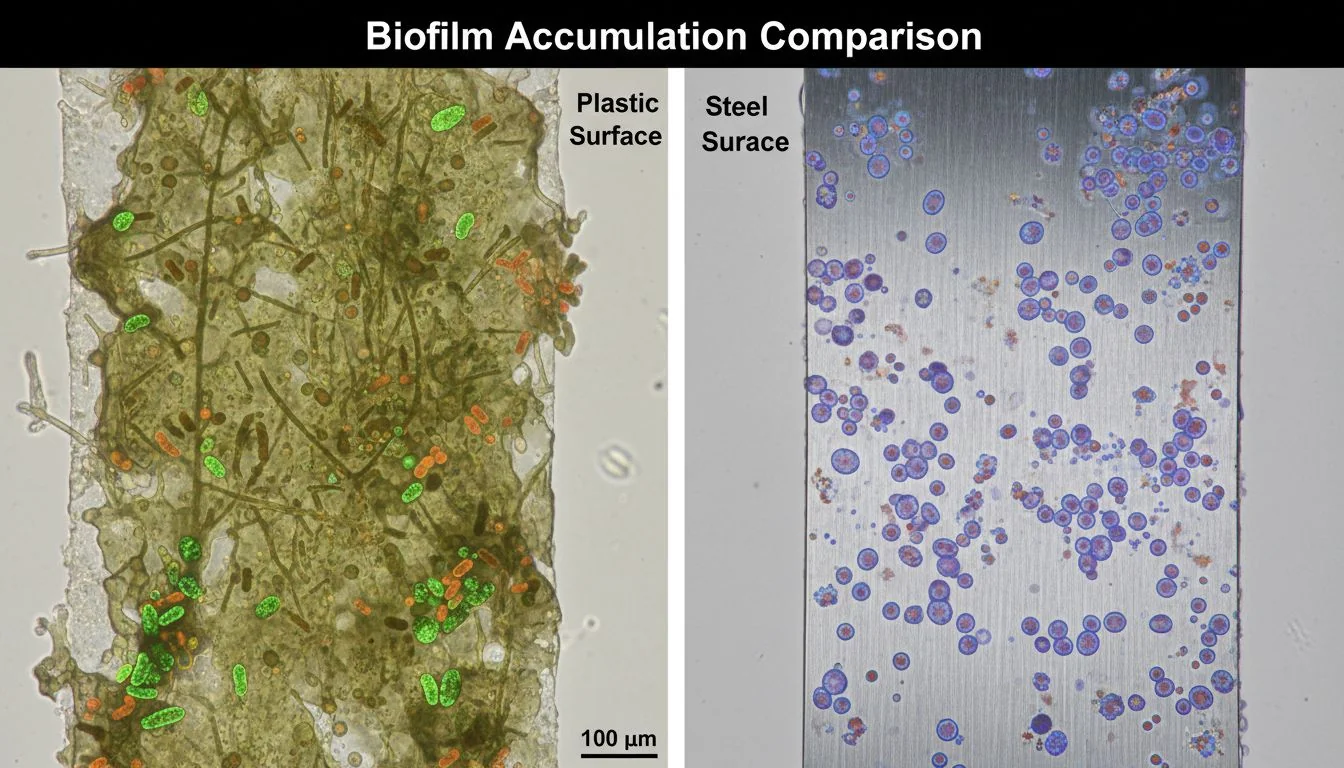
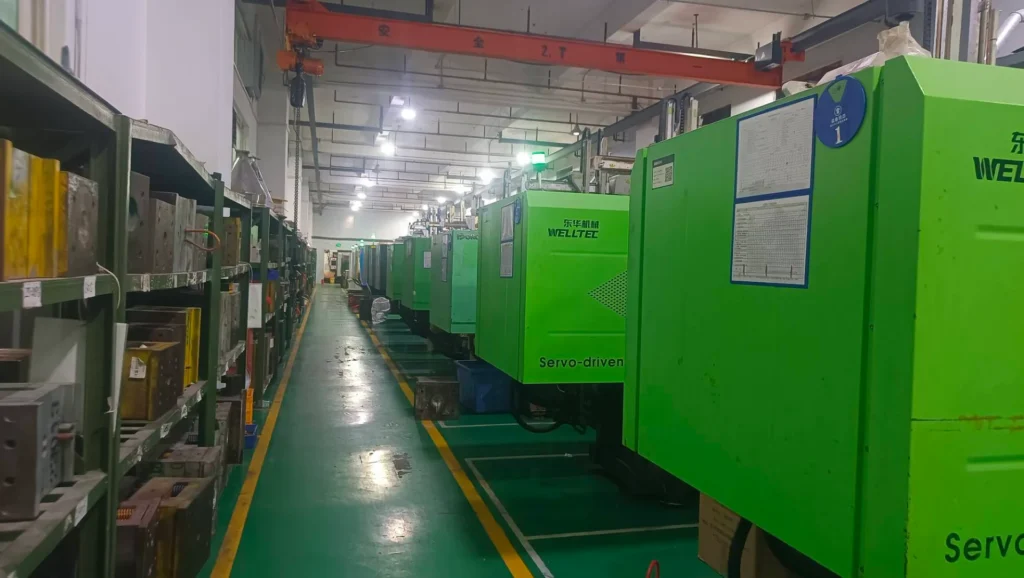
Let's look at this from a manufacturing perspective. When we injection mold a plastic part, the surface finish is determined by the mold cavity. Over time, however, plastic degrades. It gets micro-scratches from cleaning sponges. These scratches become breeding grounds for bacteria.
Stainless steel is different. It is hard. It can be polished to a mirror finish. This leaves bacteria with nowhere to hide. I call this the "Hygiene Advantage." For a user, the difference is obvious. They wipe the steel, and it is clean. They scrub the plastic, and it still feels slippery.
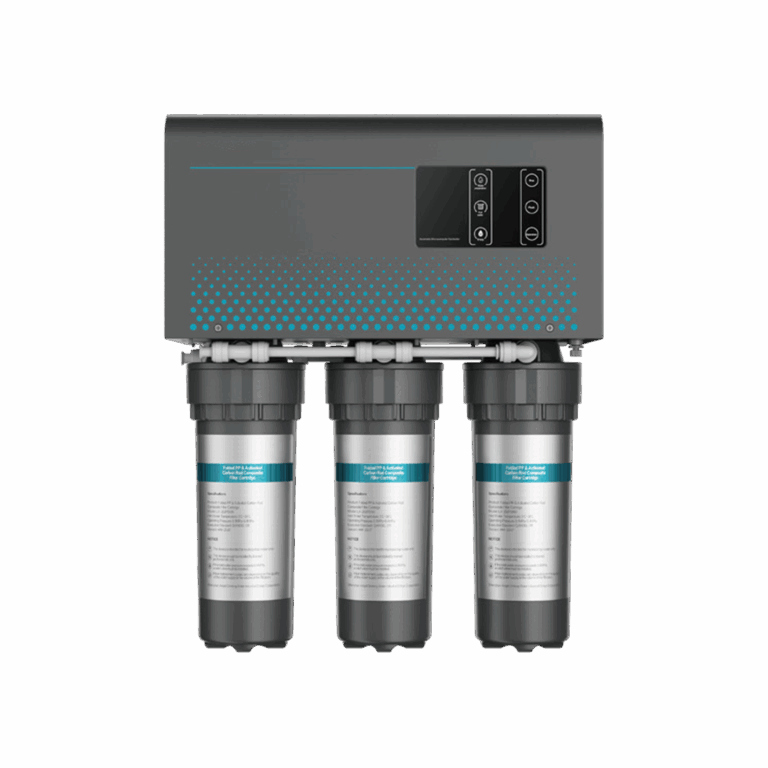
This is why brands like Hisoair are gaining traction. They position themselves as the "Metal Artisan." Working with steel is hard. You cannot just inject it. You have to deep draw it, weld it, and polish it. It takes real Craftsmanship6. But the result is a product that fights biofilm naturally. If you are designing for longevity and health, steel is the only logical choice.
Hygiene Factors in Design
- Surface Hardness: Steel resists scratching; plastic scratches easily.
- Porosity: Plastic can be porous; steel is dense.
- Cleaning Agents: Steel withstands hot water and harsh cleaners; plastic can warp or degrade.
Micro-scratches in plastic containers promote bacterial growth.Verdadeiro
Scratches provide surface area and shelter for bacteria to colonize and form biofilm.
Stainless steel is easier to injection mold than plastic.Falso
Stainless steel cannot be injection molded; it requires complex processes like deep drawing and welding.
Can a Water Purifier Be a "Countertop Worthy" Status Symbol?
Think about the last time you saw a plastic pitcher. It was probably hidden inside a fridge. Premium brands want their products to be seen.
Consumers have already accepted stainless steel as a premium material through brands like Yeti and HydroFlask. By using the same material for home purifiers, brands can piggyback on this trend. This transforms the device from a hidden utility into a "countertop worthy" appliance that signals status.
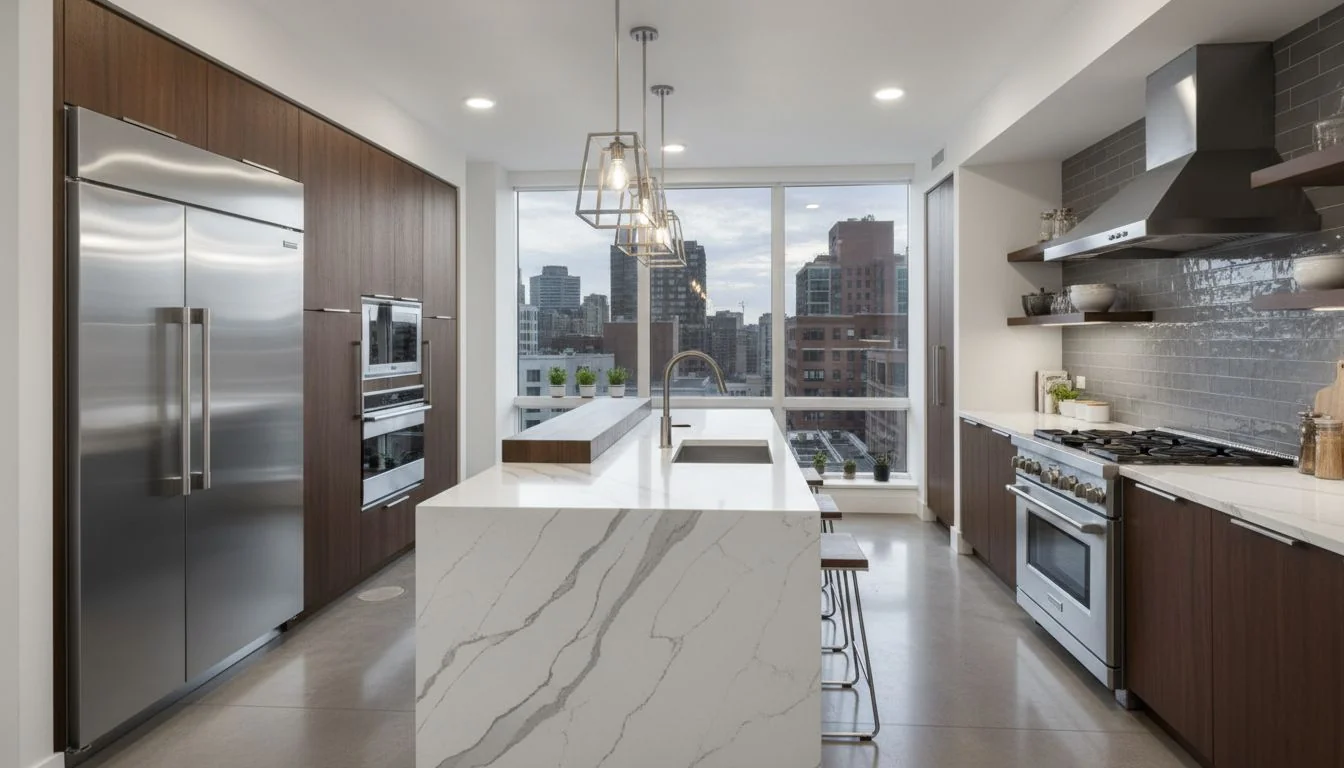
Designers like us, Jacky, often think about function first. But in the consumer market, aesthetics drive the price. A plastic pitcher sells for $30. It is a commodity. You buy it, use it, and hide it.
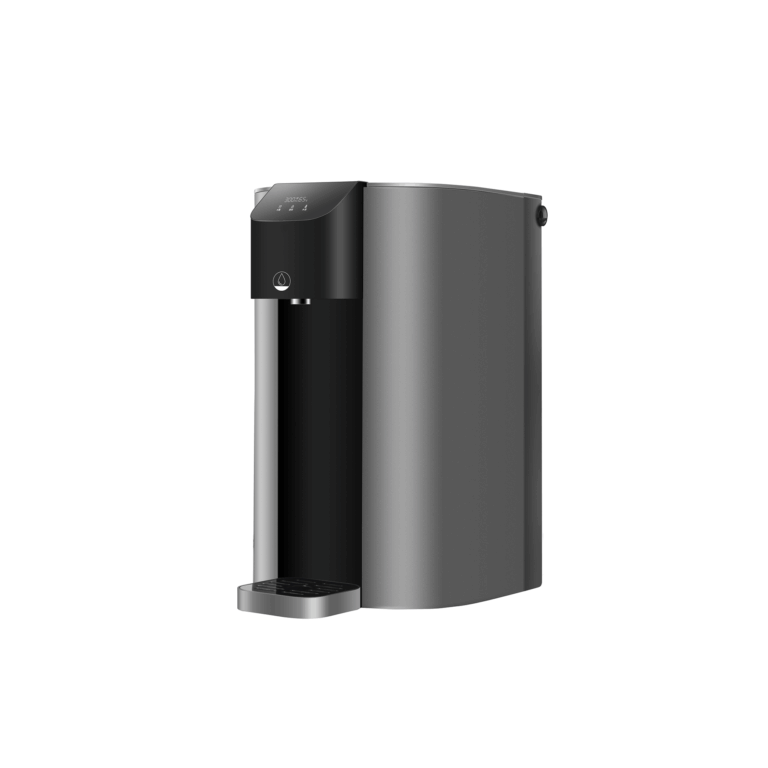
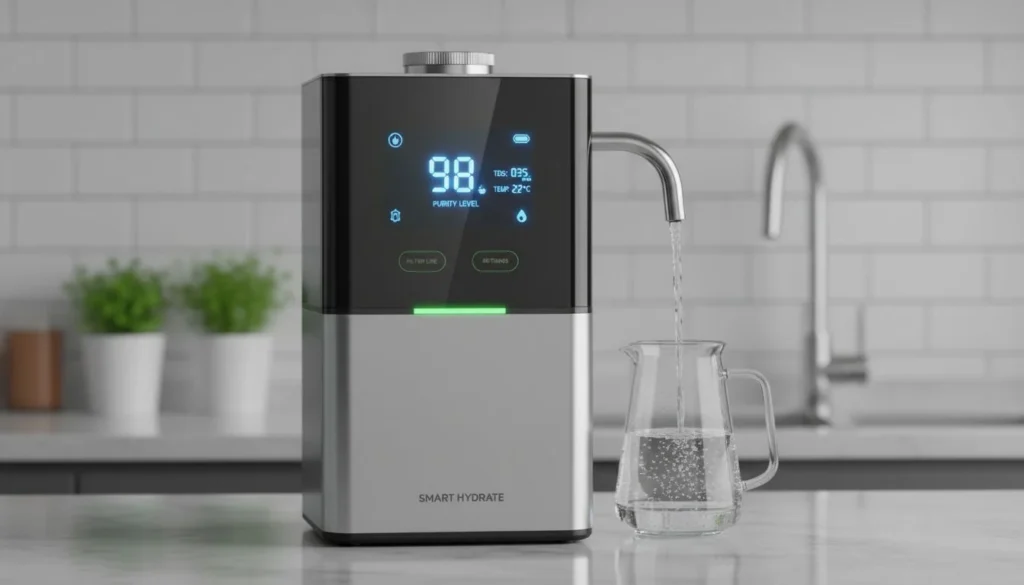
A stainless steel system sells for $150 to $400. Why? Because it looks like a high-end appliance. It matches the espresso machine and the sub-zero fridge. By switching materials, you move your client out of the "commodity aisle" and into the "Premium appliance7" category. The margins there are significantly higher.
You do not even need to educate the customer. They already own a $50 water bottle. They believe steel is cleaner and better. You just need to say: "The same premium material as your favorite water bottle, now for your entire home." It is an easy mental bridge for them to cross.
The Value Ladder
- Level 1: Plastic Pitcher ($30) - Hidden, functional, cheap.
- Level 2: Glass Pitcher ($60) - Visible, fragile, heavy.
- Level 3: Stainless Steel System ($300+) - Displayed, durable, premium.
Switching to stainless steel can move a product into a higher price category.Verdadeiro
Premium materials allow brands to position products as appliances rather than disposable commodities, justifying higher margins.
Consumers prefer to hide stainless steel appliances.Falso
Stainless steel is generally considered aesthetically pleasing and modern, meant to be displayed on countertops.
Is Sustainability the Ultimate Luxury Feature?
We used to design things to break so people would buy them again. That era is ending. Today, Durabilidade8 is the ultimate form of luxury.
Sustentabilidade9 is becoming a status symbol. A stainless steel purifier is a "buy it for life" investment, whereas plastic units often crack or degrade within a few years. This durability appeals to eco-conscious consumers who view long-lasting products as a responsible and luxurious choice.
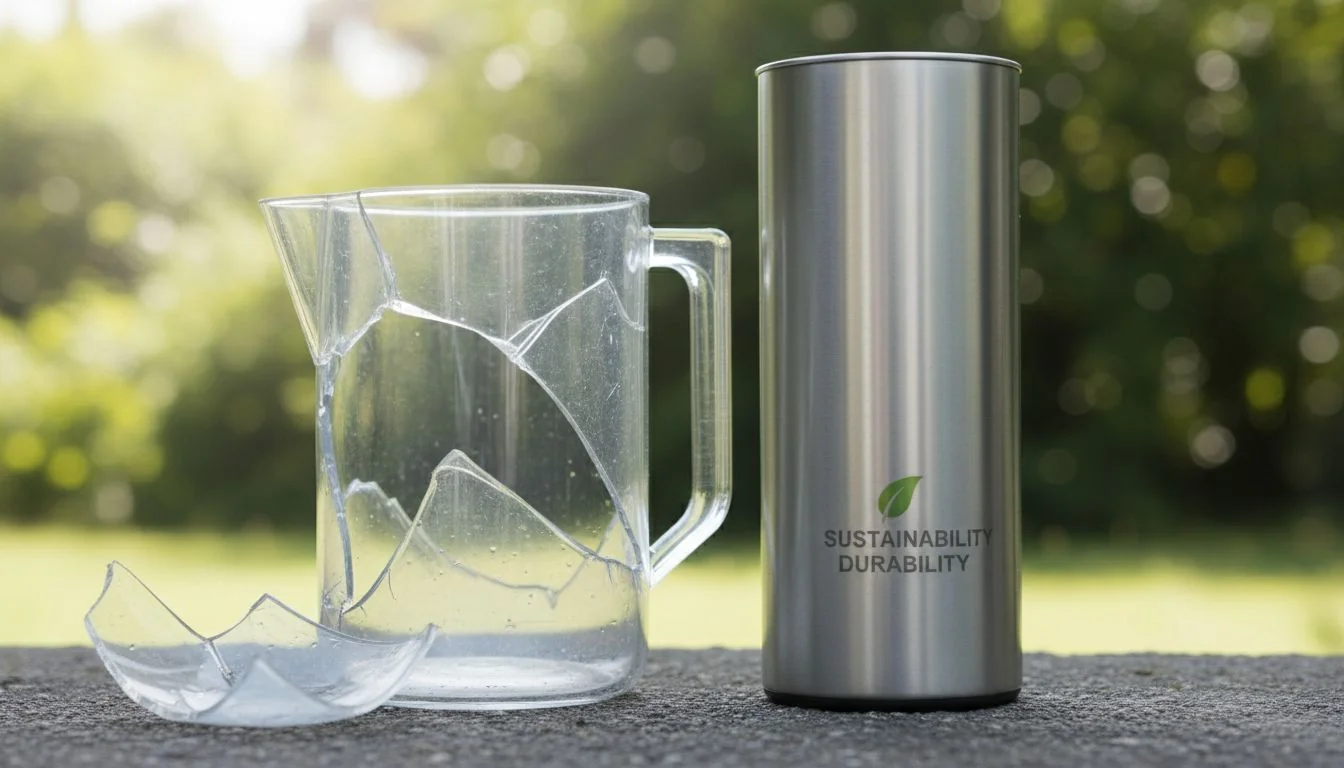
I have seen thousands of molds in my life. I know that plastic has a fatigue limit. It gets brittle with UV exposure and temperature changes. It eventually cracks. When a customer buys a plastic purifier, they know they will replace it.
Stainless steel is different. It is a "forever material." When a brand uses steel, they are making a promise of quality. This is where the manufacturing difficulty becomes a selling point. As I mentioned, Hisoair positions itself as a "Craftsman Manufacturer." Deep drawing steel is an art form. It is much harder than the injection molding we are used to.
But this difficulty is valuable. It creates a barrier to entry. Not every factory can do it. If you partner with a manufacturer who has mastered this, you have a unique story. You are not just selling a filter; you are selling a piece of industrial art that will last for decades. That is true sustainability.
Lifecycle Analysis
- Plastic: 2-3 years lifespan -> Landfill -> Microplastics.
- Steel: 20+ years lifespan -> 100% Recyclable -> Circular Economy.
Deep drawing stainless steel is a simple manufacturing process.Falso
Deep drawing requires precise tooling and high forces, making it significantly more complex than plastic injection molding.
Stainless steel products support a 'buy it for life' philosophy.Verdadeiro
The durability and resistance to degradation of steel allow products to last for decades, reducing waste.
Conclusão
To win in the wellness market, you must align your hardware with your promise. Stainless steel offers purity, taste, and premium status. It is the clear choice for the future.
References
-
Explore how stainless steel enhances water purity and taste, making it a preferred choice for health-conscious consumers. ↩
-
Understand the risks of chemical leaching from plastic and the benefits of using inert materials. ↩
-
Find out how different materials influence the flavor of water and why stainless steel is superior. ↩
-
Investigate how branding and material choice shape consumer attitudes towards water purification products. ↩
-
Understand the hygiene issues related to biofilm in water storage and how stainless steel can mitigate these problems. ↩
-
Discover how skilled manufacturing processes enhance the quality and appeal of stainless steel products. ↩
-
Explore the characteristics that elevate kitchen appliances to premium status and the role of materials. ↩
-
Learn about the long-lasting nature of stainless steel and its advantages over plastic alternatives. ↩
-
Discover how stainless steel contributes to a sustainable lifestyle by reducing waste and promoting durability. ↩

 Português
  English
  Français
  Español
  Italiano
  Deutsch
  Русский
  العربية
  日本語
日本語  한국어
한국어  Tiếng Việt

