
In today's world, where indoor air quality is a growing concern, air purifiers have become essential household appliances. Among the myriad of brands available, KOKOFIT air purifiers offer a compelling alternative to more established names. But have you ever wondered about the origins of these devices? Understanding where an air purifier is manufactured can provide valuable insights into its quality, cost-effectiveness, and the brand's commitment to global supply chain strategies. This article delves into the manufacturing origins of KOKOFIT air purifiers, explores their key features, addresses common consumer questions, and highlights the broader trends shaping the air purifier market.
Где производятся воздухоочистители KOKOFIT?
KOKOFIT air purifiers, while perhaps not as widely recognized as some industry giants, have carved out a niche in the market due to their effective performance and accessible pricing. A key factor contributing to their competitive edge is their manufacturing origin. KOKOFIT air purifiers are primarily manufactured in China, a global hub for electronics and home appliance production. This strategic choice allows KOKOFIT to leverage China's robust manufacturing infrastructure, experienced workforce, and cost-efficient production capabilities.
China's manufacturing prowess in the home appliance sector is well-documented. The country offers a comprehensive ecosystem for production, including access to raw materials, advanced machinery, and a skilled labor force. This enables companies like KOKOFIT to maintain high production volumes while managing manufacturing costs effectively. Furthermore, the established supply chains within China facilitate efficient assembly and quality control processes, ensuring that KOKOFIT air purifiers meet certain performance standards.
It's worth noting that the practice of outsourcing manufacturing to China is not unique to emerging brands. Many well-known international brands, including some prominent names in the air purifier industry, also utilize manufacturing facilities in China. This global manufacturing trend underscores the economic advantages and logistical efficiencies that China offers to companies seeking to produce consumer electronics on a large scale. For KOKOFIT, manufacturing in China translates into a product that offers a good balance of quality and affordability, making it an attractive option for consumers seeking reliable air purification solutions without a premium price tag.
KOKOFIT Air Purifiers: Features and Performance
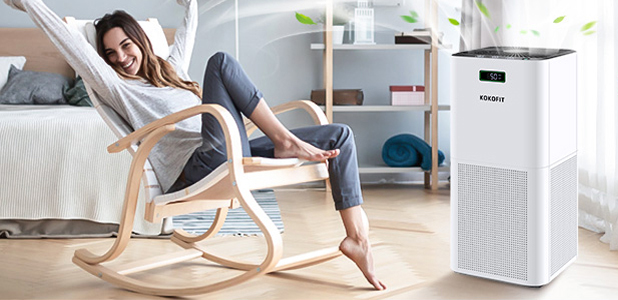
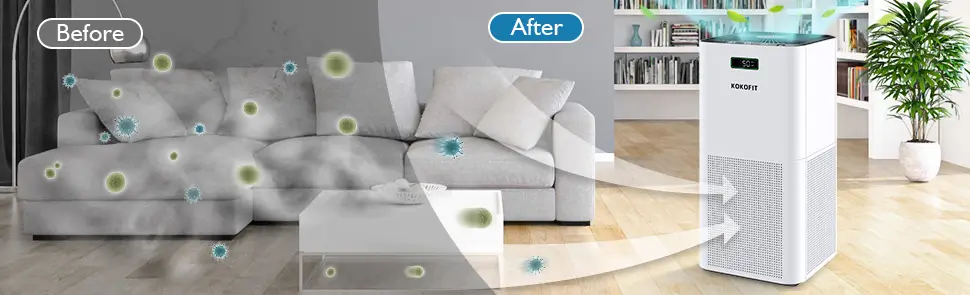
Despite being a less prominent brand compared to some market leaders, KOKOFIT air purifiers offer a range of features designed to effectively improve indoor air quality. Based on consumer feedback and product specifications, KOKOFIT units are generally well-regarded for their ability to remove airborne contaminants, including dust, pet hair, and odors. Their construction often involves rugged materials, high-quality fans, and efficient motors, contributing to their durability and performance.
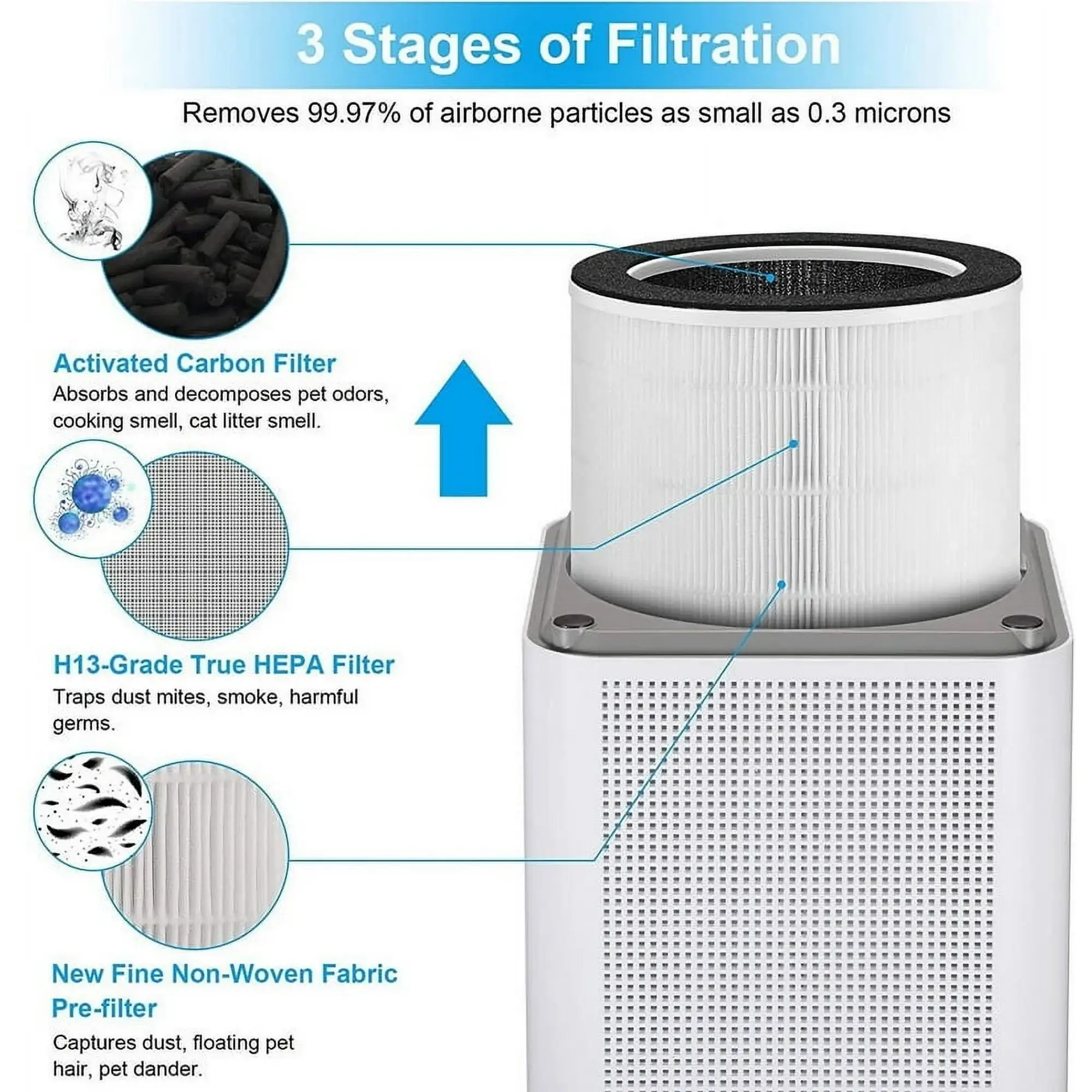
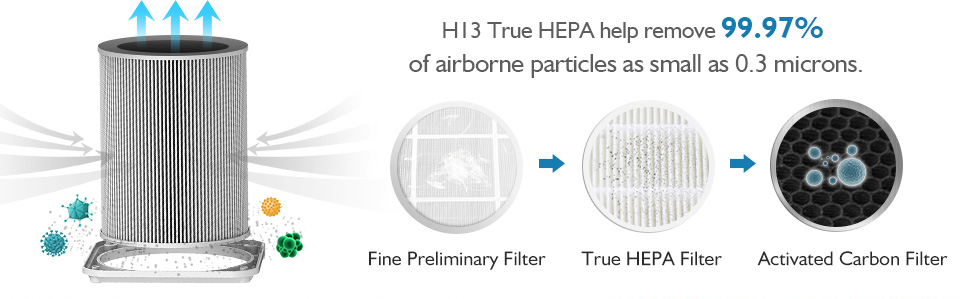
One of the key components often highlighted in KOKOFIT air purifiers is the H13 True HEPA filter. This type of filter is crucial for capturing 99.97% of airborne particles as small as 0.3 microns, which includes common allergens like pollen, dust mites, pet dander, and mold spores. This makes KOKOFIT air purifiers a suitable option for individuals with allergies or respiratory sensitivities.
Furthermore, many KOKOFIT models are designed with user convenience in mind. They often feature quiet operation, with some models running as low as 26dB in sleep mode, making them ideal for bedrooms or quiet living spaces. The design is often sleek and modern, allowing them to blend seamlessly with various home decors. The ease of setup and use is also frequently praised by users, indicating a focus on a straightforward user experience.
While the original article mentions uncertainty regarding energy efficiency, consumer reviews often suggest that KOKOFIT air purifiers are not power-hungry devices, especially when operated at lower settings. However, it's important to note that not all KOKOFIT models may carry an Energy Star certification, which is a common benchmark for energy-efficient appliances in some markets. Consumers concerned about electricity consumption should consider models with specific energy-saving features or certifications.
Часто задаваемые вопросы о воздухоочистителях KOKOFIT
Consumers often have questions about air purifiers, especially those from brands like KOKOFIT that might be less familiar than household names. Here, we address some of the most common inquiries regarding KOKOFIT air purifiers:
Безопасно ли использовать воздухоочистители KOKOFIT на ночь?
Yes, KOKOFIT air purifiers are designed for continuous operation, including overnight use. Like most modern air purifiers, they come with various speed settings, allowing users to adjust their performance based on their needs. For overnight use, it is generally recommended to operate the air purifier on its lowest or
sleep setting. This ensures quiet operation and minimizes electricity consumption while still providing effective air purification. As long as the unit is placed in an appropriate location and maintained according to the manufacturer's instructions, it can safely run for extended periods.
Где разместить очистители воздуха KOKOFIT?
The optimal placement of an air purifier can significantly impact its effectiveness. For KOKOFIT air purifiers, consider the following guidelines:
- Children's Rooms: If placing in a child's room, ensure the unit is on an elevated surface, out of reach of small children, to prevent accidental tampering.
- Bedrooms: For bedrooms, avoid placing the air purifier too close to the bed, even if it's rated quiet. While KOKOFIT units are designed for low noise, some individuals may still be sensitive to any sound during sleep. Placing it a few feet away can help.
- Common Living Spaces: In larger common areas like living rooms or open-plan spaces, position the air purifier in a central location. This allows for better air circulation and distribution of purified air throughout the room. Avoid placing it directly against walls or furniture that could obstruct airflow.
- Obstructions: Regardless of the room, ensure that the air purifier is not surrounded by obstructions that could block its air intake or output vents. Proper airflow is essential for efficient operation.
Являются ли эти очистители воздуха энергоэффективными?
While specific energy consumption data for all KOKOFIT models may vary and not all may have Energy Star certification, KOKOFIT air purifiers are generally designed with optimized motors to be reasonably energy-efficient. However, like any electrical appliance, running them at their highest settings continuously will consume more power. To moderate energy usage, especially if your indoor air quality is generally good, consider using the lower fan settings or utilizing features like a timer or auto mode (if available) that adjust operation based on detected air quality.
The Broader Air Purifier Market: Trends and Key Players
The air purifier market is experiencing significant growth globally, driven by increasing awareness of indoor air pollution, rising health concerns, and rapid urbanization. The market is projected to continue its upward trajectory, with various reports indicating a compound annual growth rate (CAGR) of around 7% in the coming years. This expansion presents both opportunities and challenges for brands like KOKOFIT.
Key factors contributing to this market growth include:
- Increasing Air Pollution: Both outdoor and indoor air pollution levels are a major concern worldwide, prompting consumers to seek solutions for cleaner indoor environments.
- Growing Health Awareness: A heightened understanding of the link between air quality and respiratory health, allergies, and other conditions is driving demand for air purifiers.
- Technological Advancements: Continuous innovation in filtration technologies (e.g., HEPA, activated carbon, UV-C), smart features, and energy efficiency are making air purifiers more effective and appealing.
- Urbanization and Lifestyle Changes: More people living in urban areas with higher pollution levels, coupled with increased time spent indoors, contribute to the need for air purification.
The market is highly competitive, with a mix of established giants and emerging brands. Major players include Sharp Corporation, IQAir, Daikin Industries, Honeywell International, LG Electronics, and Panasonic Corporation. The residential air purifier segment, in particular, is witnessing robust growth, as consumers prioritize creating healthier living spaces.
For brands like KOKOFIT, understanding these market dynamics is crucial. While they may not have the extensive marketing budgets of larger corporations, their focus on cost-effective manufacturing and delivering essential purification features can help them capture a segment of the growing market, especially among budget-conscious consumers or those seeking reliable alternatives.
Exploring Other Options: HisoAir as a Leading Manufacturer
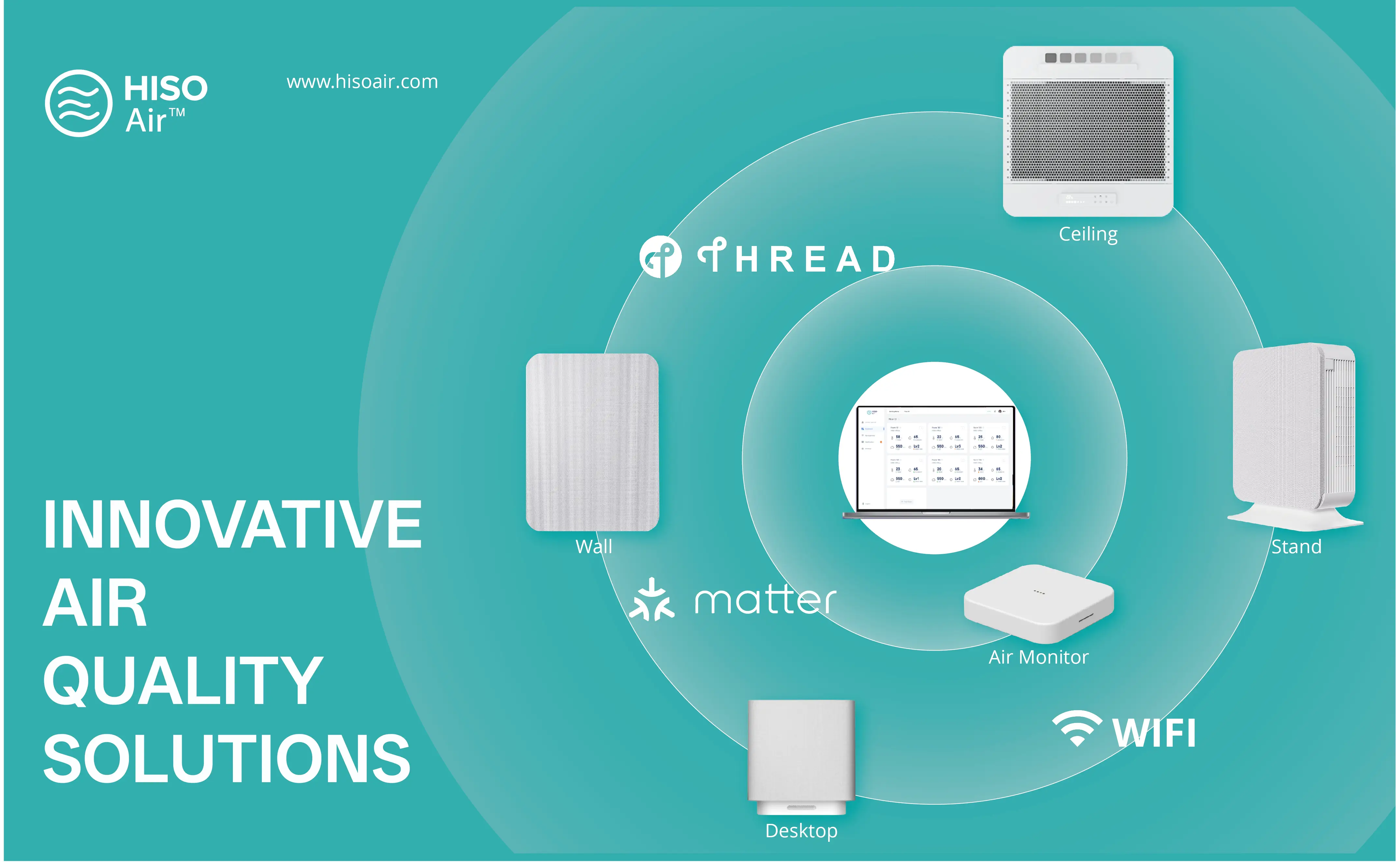
While KOKOFIT offers a viable option for many consumers, it's also beneficial to be aware of other reputable manufacturers in the air purifier industry, especially for those seeking established brands with extensive experience. HisoAir, a prominent Chinese manufacturer, stands out as a leading player in the air purification sector.
HisoAir has a strong reputation for producing highly effective and durable air cleaners. With over a decade of experience in the industry, they specialize in medical-grade air purifiers designed for both residential and commercial applications. Their commitment to quality is evident in their use of robust components, including HEPA filters, powerful fans, and long-lasting motors, all built to withstand continuous use.
What sets HisoAir apart is their focus on meeting international quality standards and incorporating advanced technology. Their products are designed to effectively reduce a wide range of airborne contaminants and allergens. Furthermore, HisoAir air purifiers are known for being energy-efficient, safe to use, and operating with low noise levels, aligning with key consumer demands in the market. Their continuous innovation allows them to compete effectively with more globally recognized air purifier brands.
For consumers who prioritize a manufacturer with a proven track record, extensive experience, and a focus on medical-grade purification, HisoAir presents a compelling choice. Their presence in the market underscores China's significant role not just as a manufacturing base, but also as a source of innovative and high-quality air purification solutions.
Заключение
KOKOFIT air purifiers, primarily manufactured in China, offer a practical and effective solution for improving indoor air quality. While they may not boast the same brand recognition as some industry giants, their focus on essential purification features, combined with cost-efficient production, makes them a noteworthy alternative in the competitive air purifier market. Understanding their manufacturing origins helps shed light on their affordability and accessibility.
The global air purifier market continues to expand, driven by increasing environmental awareness and health consciousness. As consumers seek reliable solutions for cleaner indoor air, brands like KOKOFIT play a vital role in providing accessible options. Simultaneously, established manufacturers like HisoAir demonstrate the depth of expertise and innovation present within the industry, offering advanced solutions for diverse purification needs.
Ultimately, the choice of an air purifier depends on individual needs, budget, and priorities. Whether opting for a KOKOFIT unit or exploring offerings from manufacturers like HisoAir, investing in an air purifier is a proactive step towards ensuring a healthier indoor environment for you and your family.


 English
  Français
  Español
  Italiano
  Deutsch
  Português
  Русский
  العربية
  日本語
日本語  한국어
한국어  Tiếng Việt
