
Cats are beloved companions for millions worldwide, bringing joy and comfort to our homes. However, for many, the presence of a feline friend can also trigger uncomfortable and sometimes severe allergic reactions. Cat allergies are a common issue, affecting a significant portion of the population. While often attributed to cat hair, the true culprits are specific proteins found in a cat's dander (dead skin flakes), saliva, and urine. These microscopic allergens can become airborne, settling on surfaces and triggering symptoms ranging from mild sneezing and itchy eyes to more severe respiratory issues like asthma.
Living with cat allergies doesn't necessarily mean saying goodbye to your cherished pet. This comprehensive guide explores effective, natural strategies to manage cat allergies, allowing you to coexist peacefully with your furry companion. We will delve into the science behind cat allergies, discuss various purification methods, and provide practical tips for prevention and natural remedies. By understanding the causes and implementing proven techniques, you can significantly reduce allergic reactions and enjoy a comfortable, allergen-free environment.
What Causes Cat Allergies? Debunking Myths and Understanding the Science
Contrary to popular belief, cat hair itself is not the primary cause of cat allergies. The real culprits are proteins produced by cats, primarily Fel d 1, found in their dander, saliva, and urine. When cats groom themselves, they spread these proteins onto their fur. As their dander sheds, these microscopic particles become airborne and can remain suspended in the air for extended periods, or settle on furniture, carpets, and clothing. 1
The Role of Fel d 1 Protein
Fel d 1 is a potent allergen, and even small amounts can trigger significant reactions in sensitive individuals. This protein is produced in the cat's sebaceous glands (skin), salivary glands, and anal glands. All cats produce Fel d 1, regardless of breed, hair length, or sex, though some studies suggest variations in allergen levels. For instance, male cats tend to produce more Fel d 1 than female cats, and neutered males produce less than intact males. 2
How Allergies Develop
Allergies occur when your immune system mistakenly identifies a harmless substance (like cat allergens) as a threat. In response, it produces antibodies called Immunoglobulin E (IgE). Upon subsequent exposure, these IgE antibodies bind to the allergens, triggering the release of chemicals like histamine, which cause allergy symptoms. This immune overreaction can be genetically inherited, meaning if your parents have allergies, you are more likely to develop them too. 3

Is It Normal to Have Cat Allergies? Prevalence and Manifestation
Cat allergies are indeed common. In the United States, an estimated 50 million people suffer from various allergies, including those to pets. The prevalence of pet allergies, particularly cat allergies, is significant and does not discriminate by age, sex, or demographics. Symptoms can manifest even in environments where a cat is no longer present, as allergens can linger for months in dust and on surfaces. 3
Symptoms of Cat Allergies
Symptoms of cat allergies can vary in severity and may include:
- Respiratory Symptoms: Sneezing, runny nose, stuffy nose, coughing, wheezing, shortness of breath, and asthma attacks.
- Ocular Symptoms: Itchy, red, or watery eyes.
- Skin Symptoms: Hives, rash, or itchy skin.
- Other Symptoms: Facial pain (from nasal congestion), swollen, blue-colored skin under the eyes.
When Cat Allergies Can Be Dangerous
While most cat allergy symptoms are bothersome but not life-threatening, severe reactions can occur. Anaphylaxis, a rare but severe allergic reaction, can cause life-threatening symptoms such as difficulty breathing, a sudden drop in blood pressure, and shock. If someone experiences severe symptoms like swelling of the face or throat, or significant difficulty breathing after exposure to a cat, immediate medical attention is crucial. 3
Why Cat Allergy Management is Crucial
Managing cat allergies is essential for several reasons. Firstly, it allows individuals to live comfortably and harmoniously with their beloved pets, fostering a stronger bond without constant discomfort. Secondly, untreated allergies can lead to chronic health issues, including persistent asthma, sinus infections, and sleep disturbances. The long-term costs associated with managing chronic allergy symptoms can also be substantial. Therefore, proactive management not only improves quality of life but also contributes to overall well-being and reduces healthcare burdens.
Effective Strategies for Cat Allergy Management
Managing cat allergies involves a multi-faceted approach, combining environmental controls, personal hygiene, and in some cases, medical interventions. Here are some of the most effective strategies:
1. Environmental Control: Minimizing Allergen Exposure
Reducing the presence of cat allergens in your home is paramount. This involves consistent cleaning and strategic modifications to your living space.
- Regular Cleaning: Vacuum frequently with a vacuum cleaner equipped with a HEPA filter. HEPA filters are designed to trap tiny particles, including pet dander, that ordinary vacuums might recirculate. Mop hard floors regularly to remove settled dust and dander. Wash bedding, curtains, and pet beds weekly in hot water (at least 130°F or 54°C) to kill dust mites and remove allergens. 4
- Очистка воздуха: Investing in a high-quality air purifier with a True HEPA filter is one of the most effective ways to remove airborne cat allergens. These devices draw in air, trap particles, and release cleaner air. Look for models with a high Clean Air Delivery Rate (CADR) suitable for your room size. Activated carbon filters can also help neutralize pet odors. [5]
- Create Allergy-Free Zones: Designate certain areas of your home, especially your bedroom, as pet-free zones. This provides a sanctuary where you can escape from allergens and get a good night's sleep. Keep the bedroom door closed and prevent your cat from entering.
- Allergen-Proof Covers: Encase mattresses, pillows, and duvets in allergen-proof covers. These tightly woven covers prevent dust mites and pet dander from accumulating in your bedding.
- Улучшить вентиляцию: Open windows and doors regularly to allow fresh air to circulate, reducing the concentration of indoor allergens. Use exhaust fans in bathrooms and kitchens to remove moisture and airborne particles.
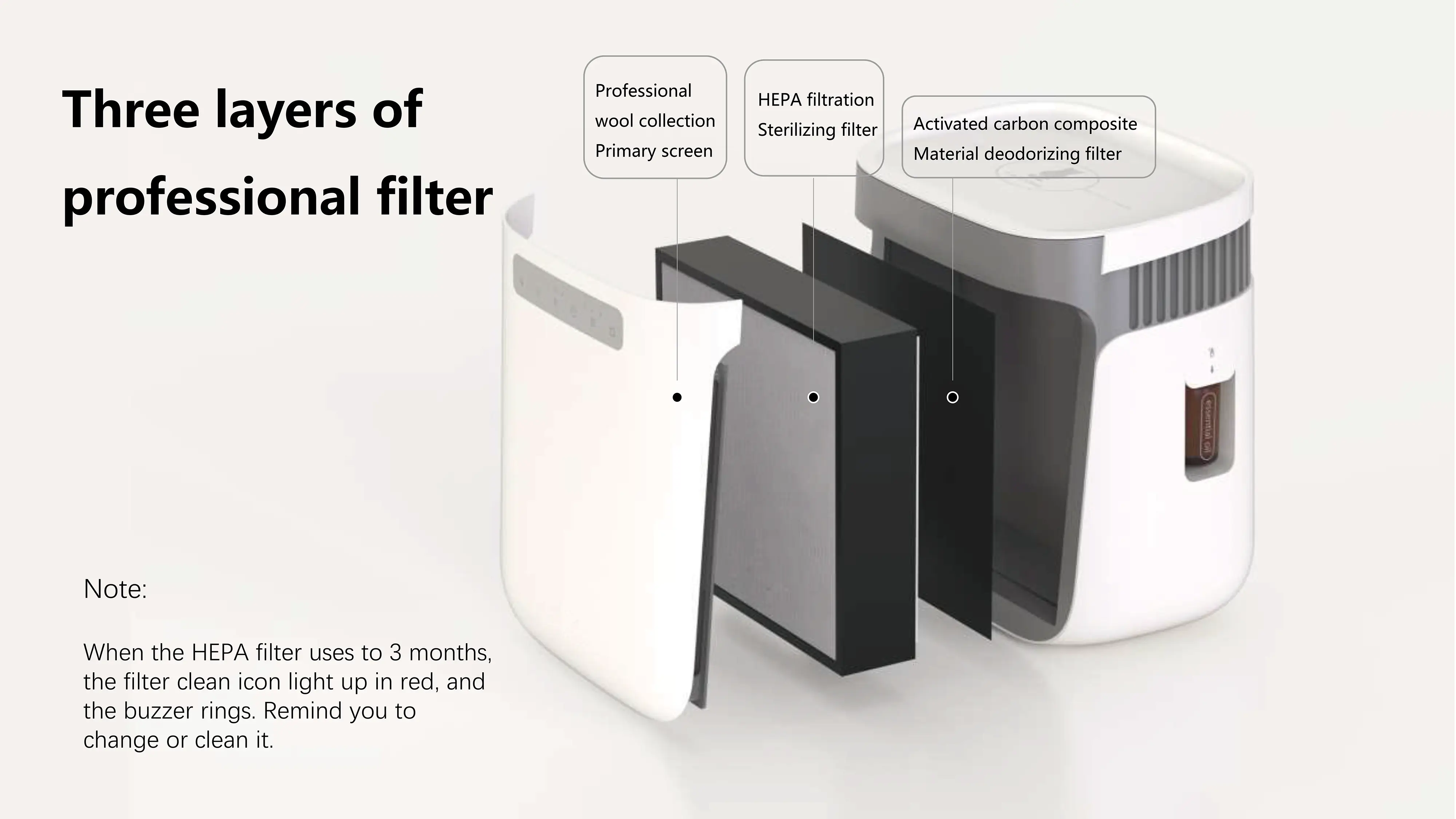
HisoAir - Pet Air Purifier HA-D3002
2. Personal Hygiene and Pet Care
Beyond environmental controls, personal hygiene and proper pet care play a crucial role in managing cat allergies.
- Groom Your Cat Regularly: Brush your cat outdoors to remove loose fur and dander before it spreads indoors. Consider bathing your cat weekly with a pet-friendly shampoo specifically designed to reduce dander. Consult your veterinarian for recommendations on suitable grooming practices and products. 4
- Wash Hands After Pet Contact: Always wash your hands thoroughly with soap and water after touching your cat, their toys, or their bedding. Avoid touching your face, especially your eyes and nose, before washing your hands.
3. Natural Remedies and Lifestyle Adjustments
While not a substitute for medical advice, several natural remedies and lifestyle adjustments can help alleviate cat allergy symptoms.
- Dietary Changes: Some anecdotal evidence suggests that certain dietary changes, such as increasing omega-3 fatty acid intake, may help reduce inflammation and allergy symptoms. Foods rich in omega-3s include fatty fish (salmon, mackerel), flaxseeds, and walnuts. However, always consult a healthcare professional before making significant dietary changes. 5
- Herbal Remedies: Certain herbs are believed to possess antihistamine or anti-inflammatory properties. These include:
- Nettle Leaf: Often used for seasonal allergies, nettle leaf may help reduce histamine production. It can be consumed as a tea or in supplement form.
- Butterbur: Studies suggest butterbur may be effective in relieving allergy symptoms, particularly nasal congestion and sneezing. 6
- Quercetin: A flavonoid found in many fruits and vegetables, quercetin acts as a natural antihistamine and anti-inflammatory agent. 7
Always consult a doctor or a qualified herbalist before using herbal remedies, especially if you are on other medications.
- Essential Oils: Some essential oils, when diffused or applied topically (diluted), may help with respiratory issues and inflammation. Examples include lavender, eucalyptus, and peppermint. Always dilute essential oils with a carrier oil (e.g., coconut oil, jojoba oil) and perform a patch test on a small area of skin before widespread application. Consult a healthcare professional before using essential oils, especially if you have underlying health conditions or are pregnant. 8
- Nasal Rinsing: Using a saline nasal rinse, such as with a neti pot or saline spray, can effectively flush out allergens, mucus, and irritants from your nasal passages, providing relief from congestion and sneezing. 9
- Probiotics: Research suggests that probiotics may help modulate the immune system and potentially reduce allergy symptoms by promoting a healthy gut microbiome. Incorporate probiotic-rich foods like yogurt, kefir, and fermented vegetables into your diet, or consider probiotic supplements after consulting with a healthcare professional. 10
- Vitamin C: A powerful antioxidant, Vitamin C can act as a natural antihistamine and support immune function. Foods rich in Vitamin C include citrus fruits, bell peppers, and broccoli. 11
4. Medical Interventions (When Necessary)
For more severe or persistent allergies, medical interventions may be necessary. These include:
- Over-the-Counter Medications: Antihistamines (e.g., cetirizine, loratadine), decongestants (e.g., pseudoephedrine), and nasal sprays (e.g., fluticasone) can help manage symptoms. 12
- Allergy Shots (Immunotherapy): For severe and chronic allergies, your doctor may recommend allergen immunotherapy. This involves a series of injections that gradually desensitize your immune system to cat allergens, reducing your allergic reactions over time. 13
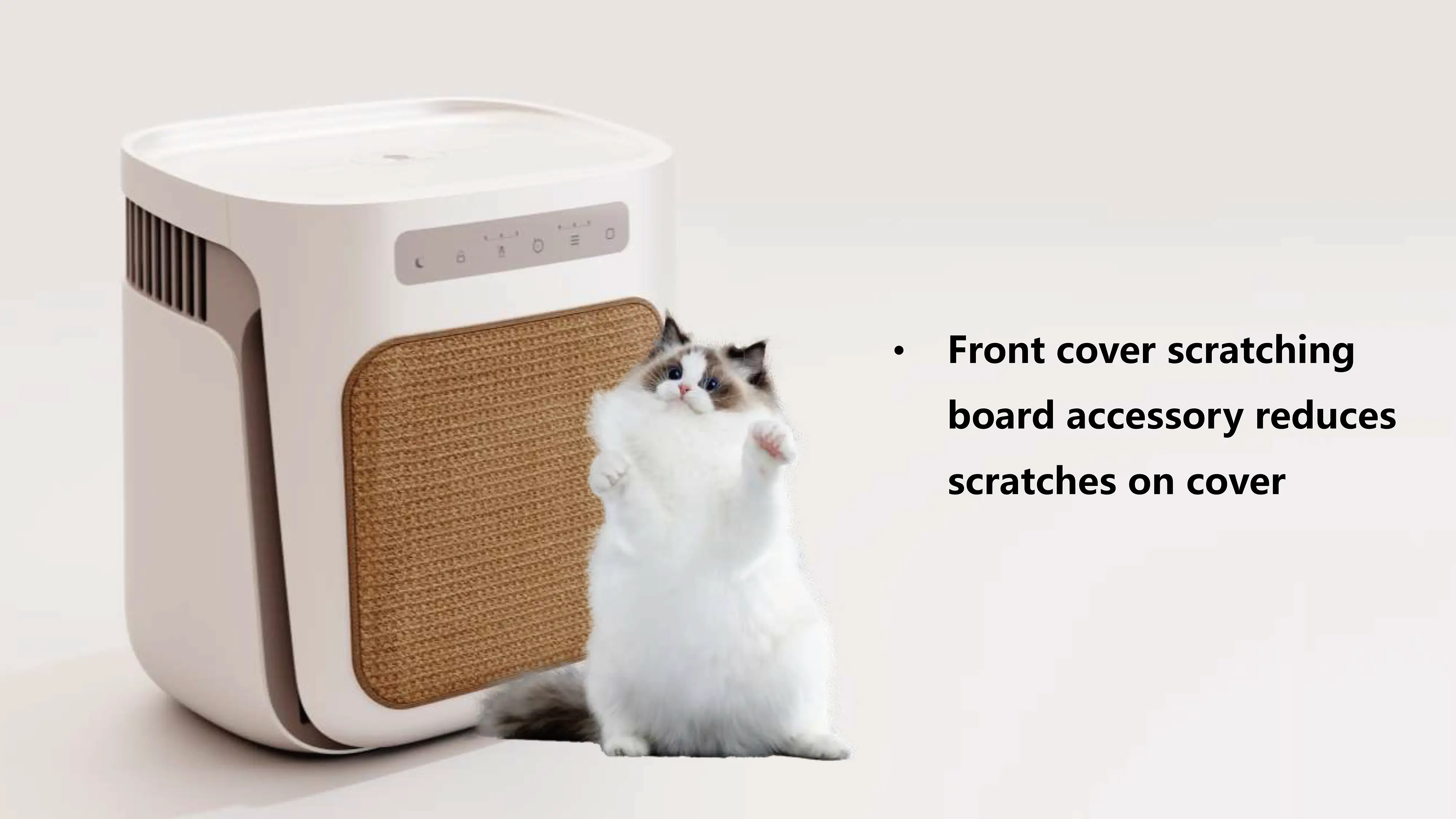
HisoAir - Pet Air Purifier HA-D3002
Conclusion: Living Comfortably with Your Feline Companion
Cat allergies can be a significant challenge for pet owners, but with a combination of informed strategies, you can effectively manage and reduce their impact. By understanding the true causes of cat allergies, implementing rigorous environmental controls, practicing good personal and pet hygiene, and exploring natural remedies, you can create a more comfortable and allergen-free home. Remember to consult with healthcare professionals for personalized advice and treatment options, especially for severe allergic reactions or if symptoms persist. With dedication and the right approach, you can enjoy the companionship of your beloved cat without the constant struggle of allergies, fostering a harmonious living environment for everyone.
Disclaimer: The information provided in this blog post is for general informational purposes only and does not constitute medical advice. Always consult with a qualified healthcare professional for any health concerns or before making any decisions related to your health or treatment.
References
-
American Academy of Allergy, Asthma & Immunology (AAAAI). Cat Allergy. Available at: https://www.aaaai.org/conditions-treatments/allergies/pet-allergy/cat-allergy ↩
-
Butt, A., Rashid, D., & Lockey, R. F. (2011). Do hypoallergenic cats and dogs exist?. Current Allergy and Asthma Reports, 11(4), 337-341. Available at: https://link.springer.com/article/10.1007/s11882-011-0192-7 ↩
-
Mayo Clinic. Pet allergy - Symptoms and causes. Available at: https://www.mayoclinic.org/diseases-conditions/pet-allergy/symptoms-causes/syc-20352192 ↩ ↩ ↩
-
Asthma and Allergy Foundation of America (AAFA). Pet Allergy. Available at: https://www.aafa.org/pet-allergy/ ↩ ↩
-
Docs Medical Group. Natural Remedies: How to Get Rid of Cat Allergies?. Available at: https://docsmedicalgroup.com/docsurgentcare/natural-remedies-how-to-get-rid-of-cat-allergies/ ↩
-
Lee, D. K., & Car, D. (2004). Butterbur, a herbal remedy for allergic rhinitis: systematic review. BMJ, 328(7430), 10. Available at: https://www.bmj.com/content/328/7430/10 ↩
-
Mlcek, J., Jurikova, T., Krizek, M., & Smerka, K. (2016). Quercetin and its anti-allergic properties. Journal of Food and Nutrition Research, 4(1), 28-33. Available at: https://www.jfnr.org/wp-content/uploads/2016/01/jfnr-4-1-28.pdf ↩
-
National Association for Holistic Aromatherapy (NAHA). Safety Information. Available at: https://naha.org/explore-aromatherapy/safety ↩
-
American Academy of Allergy, Asthma & Immunology (AAAAI). Nasal Saline Irrigation. Available at: https://www.aaaai.org/conditions-treatments/allergies/nasal-saline-irrigation ↩
-
Vliagoftis, H., & Kouranos, V. (2018). Probiotics and allergic diseases. Current Opinion in Allergy and Clinical Immunology, 18(2), 140-146. Available at: https://journals.lww.com/co-allergy/Abstract/2018/04000/Probiotics_and_allergic_diseases.10.aspx ↩
-
Johnston, C. S., & Barkyoumb, G. M. (2014). Vitamin C supplementation and the common cold: a meta-analysis of randomized controlled trials. The American Journal of Clinical Nutrition, 100(6), 1619-1626. Available at: https://academic.oup.com/ajcn/article/100/6/1619/4576506 ↩
-
Mayo Clinic. Pet allergy - Diagnosis & treatment. Available at: https://www.mayoclinic.org/diseases-conditions/pet-allergy/diagnosis-treatment/drc-20352198 ↩
-
American Academy of Allergy, Asthma & Immunology (AAAAI). Allergy Shots (Immunotherapy). Available at: https://www.aaaai.org/conditions-treatments/allergies/allergy-shots-immunotherapy ↩







 English
  Français
  Español
  Italiano
  Deutsch
  Português
  Русский
  العربية
  日本語
日本語  한국어
한국어  Tiếng Việt

