
In today's global marketplace, understanding where our household appliances are manufactured provides valuable insights into quality standards, supply chain resilience, and corporate strategies. Philips humidifiers, known for their innovative technology and reliable performance, have gained popularity worldwide. But where exactly are these devices made? This article explores the manufacturing journey of Philips humidifiers, from research and development to production facilities, and examines how recent corporate changes have influenced their production landscape.
The Evolution of Philips Domestic Appliances to Versuni
Before diving into manufacturing locations, it's important to understand the recent corporate evolution. In 2021, Royal Philips sold its Domestic Appliances division to Hillhouse Capital, a global investment firm, for €3.7 billion. This division, which includes humidifiers and other home appliances, was rebranded as Versuni in February 2022. Despite this change in ownership, the products continue to carry the trusted Philips brand name through licensing agreements.
The transition from Philips to Versuni represents a significant shift in the company's operational structure. Royal Philips, founded in 1891, had been manufacturing household appliances for over a century, establishing a reputation for quality and innovation. The decision to divest the Domestic Appliances division was part of a strategic move to focus on healthcare technology, allowing the company to streamline its operations and invest more heavily in medical equipment and services.
Hillhouse Capital, the new owner, is a global investment firm with extensive experience in consumer goods and retail. The firm's portfolio includes numerous consumer brands across Asia and beyond, positioning it well to manage and grow the former Philips Domestic Appliances business. Under Hillhouse's ownership, Versuni has maintained the manufacturing infrastructure established during the Philips era while implementing new strategies to enhance profitability and market reach.
Versuni now operates as an independent entity headquartered in Amsterdam, Netherlands, with innovation, manufacturing, and commercial centers across the globe. In 2023, the company achieved €2.9 billion in global sales with 10% comparable sales growth, demonstrating the continued strength of the business post-separation from Royal Philips. This growth suggests that the transition has been successful, with consumers continuing to trust the Philips brand despite the change in corporate ownership.
Manufacturing Locations: China's Dominant Role
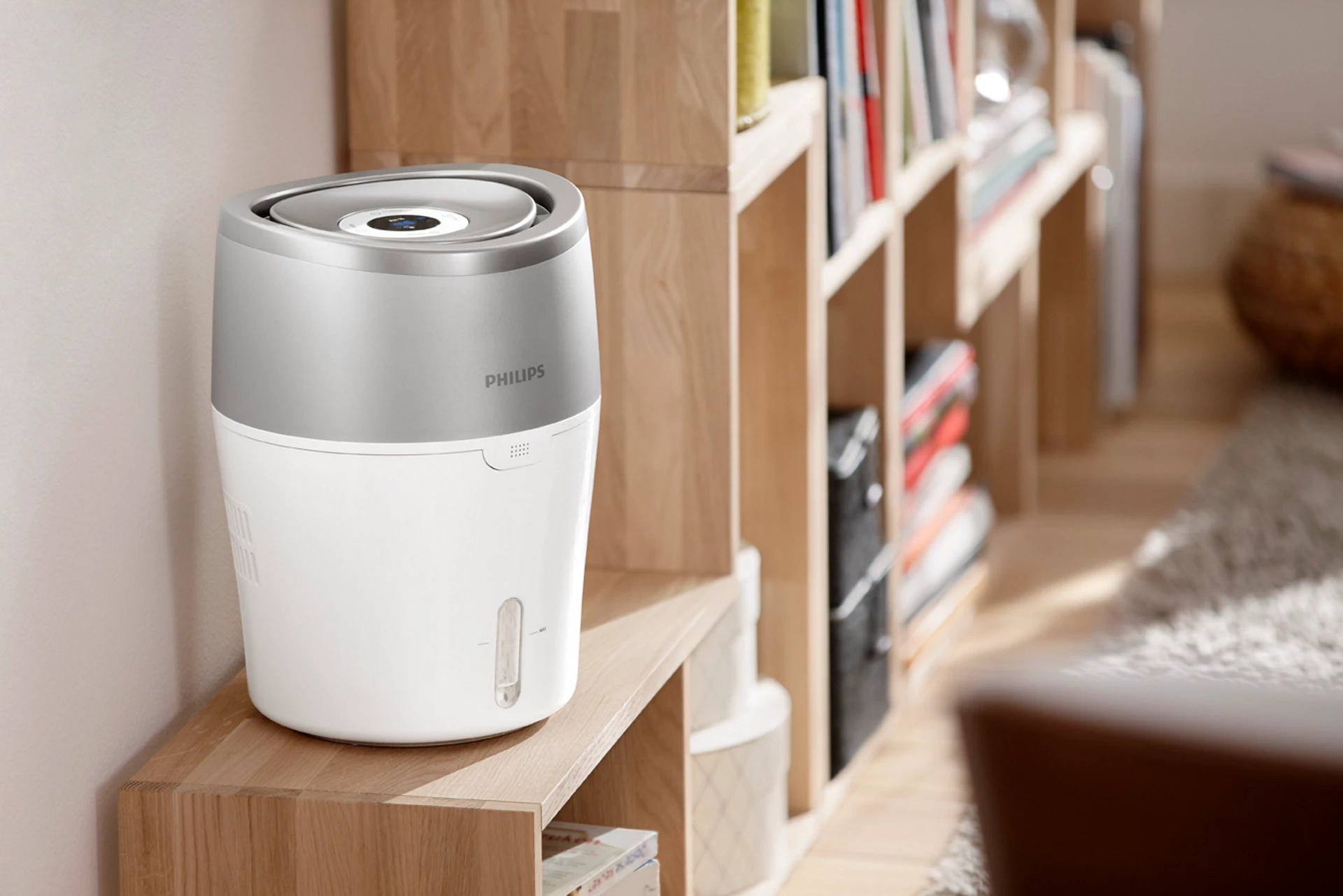
Philips humidifiers are predominantly manufactured in China, leveraging the country's advanced manufacturing capabilities, cost efficiencies, and established supply chains. Based on comprehensive research, three primary manufacturing hubs have been identified:
Primary Manufacturing Locations for Philips Humidifiers
| Город | Province | Специализация | Manufacturing Capacity |
|---|---|---|---|
| Нинбо | Zhejiang Province | Main production center for standalone humidifiers | High-volume production with advanced automation |
| Foshan | Провинция Гуандун | Specialized in purifier-humidifier combination units | Medium to high volume with focus on integrated systems |
| Сямынь | Провинция Фуцзянь | Production of components and select humidifier models | Component manufacturing and specialized models |
These manufacturing centers employ thousands of workers and utilize advanced production techniques to ensure consistent quality across all products. The concentration of manufacturing in China is part of Versuni's strategic approach to maintain cost competitiveness while meeting global demand.
Ningbo, located in Zhejiang Province on China's eastern coast, serves as the primary production hub for Philips standalone humidifiers. The city has developed into a major manufacturing center over the past few decades, with a robust infrastructure supporting electronics production. The Ningbo facilities utilize state-of-the-art assembly lines with significant automation, allowing for high-volume production while maintaining quality control. These facilities are equipped with advanced testing equipment to ensure each unit meets Philips' specifications before shipping.
Foshan, situated in Guangdong Province in southern China, specializes in the production of more complex purifier-humidifier combination units. These products require additional technical expertise due to their dual functionality. The Foshan manufacturing center has developed specialized production lines to handle the integration of purification and humidification systems, ensuring that both functions operate effectively within a single unit. The proximity to Shenzhen, a major electronics manufacturing hub, provides access to a robust supply chain for electronic components.
Xiamen, in Fujian Province, focuses on component manufacturing and the production of select humidifier models. The city has a long history of manufacturing expertise and serves as an important link in Versuni's supply chain. The Xiamen facilities produce critical components such as fans, motors, and electronic control systems that are then shipped to other manufacturing centers for final assembly. This distributed manufacturing approach allows for specialization and efficiency across the production network.
European Innovation vs. Asian Manufacturing: A Strategic Balance
While manufacturing occurs primarily in China, the intellectual foundation of Philips humidifiers remains firmly rooted in Europe. The Drachten facility in the Netherlands continues to serve as the climate-care R&D hub, despite recent restructuring and staffing adjustments.
R&D and Manufacturing Division of Labor
| Функция | Расположение | Activities | Strategic Importance |
|---|---|---|---|
| Research & Development | Drachten, Netherlands | Airflow modeling, NanoCloud evaporation research, compliance testing | Maintains European innovation standards and intellectual property development |
| Инженерия | Netherlands & China | Product design, technical specifications, quality standards | Ensures design feasibility and manufacturability |
| Производство | China (Ningbo, Foshan, Xiamen) | Mass production, assembly, packaging | Optimizes cost efficiency and production scale |
| Контроль качества | Netherlands & China | Final testing, compliance verification, quality assurance | Maintains brand reputation and regulatory compliance |
This division of labor represents a strategic balance that allows Versuni to maintain European innovation standards while benefiting from the cost efficiencies of Asian manufacturing. The engineering teams in the Netherlands focus on advanced research and development, while the Chinese facilities excel in efficient mass production.
The Drachten facility, established in 1950, has a long history of innovation in household appliances. Despite the corporate transition to Versuni, this center continues to play a crucial role in developing new technologies for humidifiers and other climate-care products. The facility houses specialized laboratories for airflow modeling, where engineers use computational fluid dynamics to optimize humidifier performance. These simulations help design more efficient water evaporation systems and improve air distribution patterns, resulting in more effective humidification with lower energy consumption.
The NanoCloud evaporation research conducted at Drachten represents one of Philips' most significant innovations in humidifier technology. This natural evaporation system produces invisible moisture that is up to 99% less likely to spread bacteria compared to leading ultrasonic humidifiers. The technology was developed through extensive research into evaporation physics and microbiology, requiring specialized expertise that continues to be centered in the Netherlands.
Compliance testing, another critical function maintained in Europe, ensures that all humidifiers meet stringent European safety and performance standards. This includes electromagnetic compatibility testing, electrical safety verification, and materials analysis to confirm the absence of harmful substances. By maintaining these testing capabilities in Europe, Versuni ensures that products meet the highest regulatory standards globally, even as manufacturing occurs in China.
Post-Spin-Off Restructuring and Manufacturing Strategy
Following the acquisition by Hillhouse Capital and rebranding to Versuni, the company has implemented significant restructuring to optimize operations and protect profit margins. A key aspect of this strategy has been the reinforcement of flexible Original Design Manufacturer (ODM) partnerships in China and Southeast Asia.
Versuni's Manufacturing Strategy Post-Acquisition
| Strategy Element | Implementation | Воздействие | Timeline |
|---|---|---|---|
| ODM Partnerships | Increased reliance on Chinese manufacturing partners | Enhanced production flexibility and cost control | Initiated 2021, expanded 2022-2023 |
| Supply Chain Optimization | Consolidated suppliers and streamlined logistics | Improved efficiency and reduced operational costs | Ongoing since 2021 |
| Regional Focus | Strengthened presence in Asian markets | Aligned production with growing market demand | Strategic shift 2022-present |
| Product Consistency | Standardized manufacturing across all markets | No regional variations in production quality or features | Maintained throughout transition |
| Управление затратами | Reduced overhead through operational efficiencies | Protected profit margins despite inflationary pressures | Continuous improvement program |
This approach allows Versuni to maintain competitive pricing while preserving the quality standards associated with the Philips brand. The company has shown no indication of plans to relocate production facilities outside of China, particularly given the strategic importance of the Asian market for humidifier sales.
The increased reliance on ODM partnerships represents a significant shift in manufacturing strategy. Rather than owning and operating all production facilities directly, Versuni has expanded its network of manufacturing partners who produce humidifiers according to Philips specifications. This approach reduces capital investment requirements and provides greater flexibility to adjust production volumes based on market demand. It also allows Versuni to leverage the specialized expertise of manufacturers who focus exclusively on specific product categories.
Supply chain optimization has been another focus area post-acquisition. By consolidating suppliers and streamlining logistics, Versuni has reduced costs and improved efficiency throughout the production process. This includes negotiating better terms with component suppliers, optimizing inventory management, and improving transportation logistics. These efforts have become particularly important in the face of global supply chain disruptions that have affected many industries since 2020.
The company's regional focus on Asia reflects both market realities and manufacturing practicalities. Asia, particularly China, represents a significant and growing market for humidifiers due to increasing awareness of air quality issues and rising disposable incomes. By maintaining production in China, Versuni can efficiently serve this market while also exporting to other regions. This strategy aligns with broader industry trends, as many consumer electronics manufacturers have concentrated production in Asia to benefit from established supply chains and manufacturing expertise.
NanoCloud Technology: A Core Component Made in China
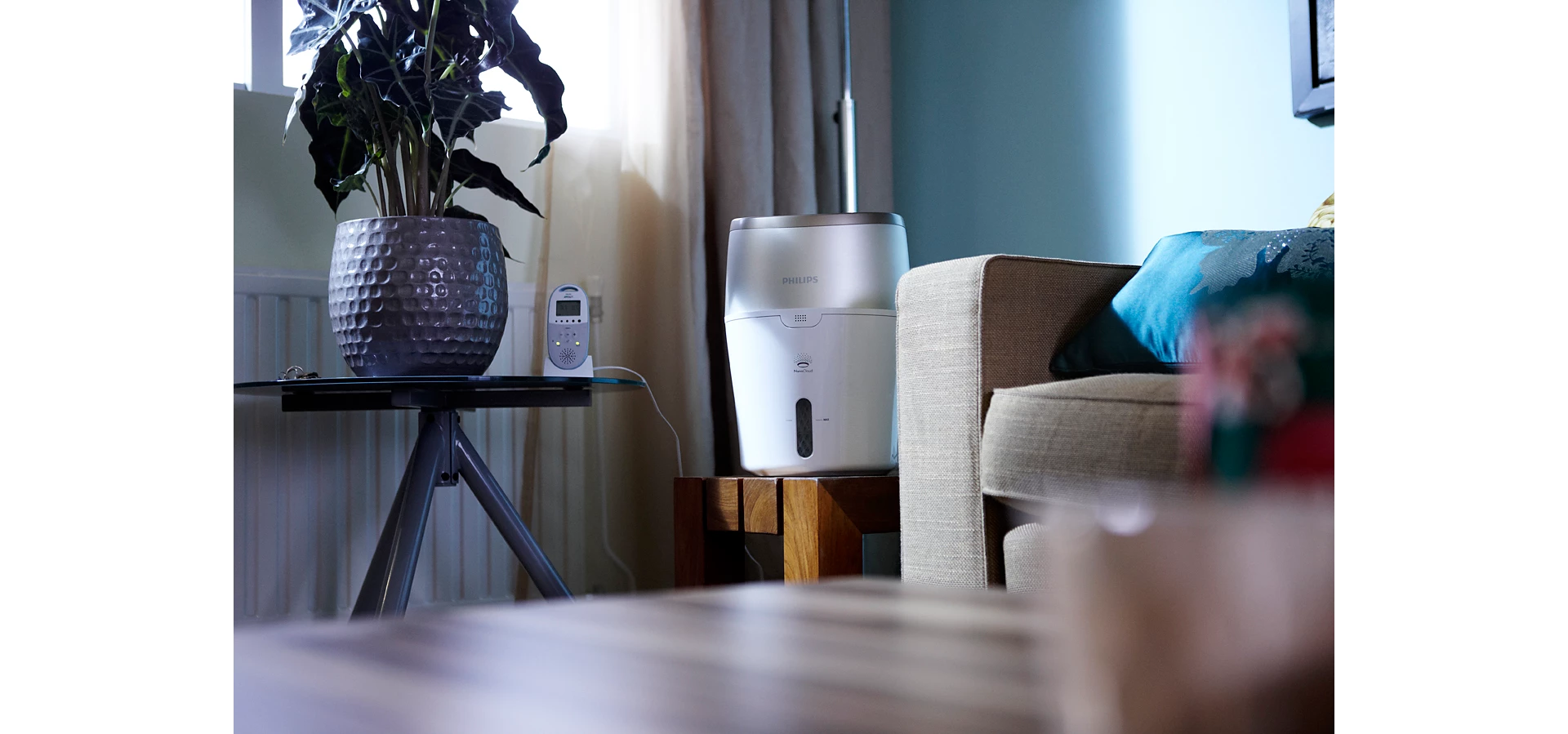
One of the distinguishing features of Philips humidifiers is the patented NanoCloud technology, which uses natural evaporation to humidify air with significantly reduced bacterial spread compared to conventional ultrasonic humidifiers. The components that enable this technology—including wick filters and specialized plastic tanks—are manufactured alongside the humidifier units in the same Chinese factories.
NanoCloud Component Manufacturing
| Компонент | Расположение производства | Интеграция | Technical Specifications |
|---|---|---|---|
| Wick Filters | Chinese production facilities | Produced in same factories as main units | Specialized material composition for optimal evaporation |
| Water Tanks | Chinese production facilities | Designed for optimal NanoCloud evaporation | BPA-free plastic with antimicrobial properties |
| Evaporation Chambers | Chinese production facilities | Engineered to Drachten R&D specifications | Precision-molded components for consistent performance |
| Replacement Parts | Chinese production facilities | Distributed through same supply chain | Identical specifications to original components |
| Control Electronics | Chinese production facilities | Integrated with mechanical components | Humidity sensors and microcontroller systems |
This integrated manufacturing approach streamlines logistics and ensures consistent quality across both the main units and replacement components. For consumers, this means replacement parts maintain the same standards as the original equipment, though it also ties aftermarket availability to the same supply chain.
The NanoCloud technology represents a significant innovation in humidification. Unlike ultrasonic humidifiers that create a fine mist by vibrating water at ultrasonic frequencies, NanoCloud uses natural evaporation through a specialized wick filter. Water from the tank is drawn up through the filter, where it evaporates into the air naturally. This process eliminates the white dust often associated with ultrasonic humidifiers and significantly reduces the spread of bacteria.
The wick filters, a critical component of the NanoCloud system, are manufactured using a proprietary process developed by Philips engineers. The filter material consists of multiple layers designed to maximize surface area and optimize water absorption and evaporation rates. Manufacturing these filters requires specialized equipment and quality control processes to ensure consistent performance across all units. By producing these filters in the same facilities as the humidifiers themselves, Versuni maintains tight control over quality and reduces logistics complexity.
The water tanks used in Philips humidifiers are designed specifically for the NanoCloud system. They are manufactured from BPA-free plastic with antimicrobial properties to prevent bacterial growth. The tanks include precision-molded components that ensure proper water flow to the evaporation system. The manufacturing process includes rigorous testing for leaks and material integrity to prevent failures during use.
The evaporation chambers, where the actual humidification occurs, are engineered according to specifications developed at the Drachten R&D center. These chambers must maintain precise airflow patterns to maximize evaporation efficiency while minimizing energy consumption. The manufacturing process includes multiple quality control checks to ensure that each chamber meets the required specifications.
Market Focus and Future Manufacturing Outlook
Philips humidifiers, under Versuni's management, maintain a strong focus on the Asian market, where demand for air quality products continues to grow. This market focus reinforces the strategic decision to keep manufacturing operations in China.
Market and Manufacturing Alignment
| Market Region | Manufacturing Strategy | Rationale | Market Growth Potential |
|---|---|---|---|
| Азия | Maintain Chinese production | Proximity to largest market, established supply chains | High growth, increasing air quality awareness |
| Europe | Import from Chinese facilities | Cost efficiency, standardized quality control | Moderate growth, established market |
| North America | Import from Chinese facilities | No separate production lines for different markets | Moderate growth, increasing competition |
| Глобальная | Consistent manufacturing approach | No "premium" lines with different origins | Varied by region, overall positive trend |
| Emerging Markets | Leverage existing Chinese production | Cost-sensitive markets require efficient production | High potential, dependent on economic growth |
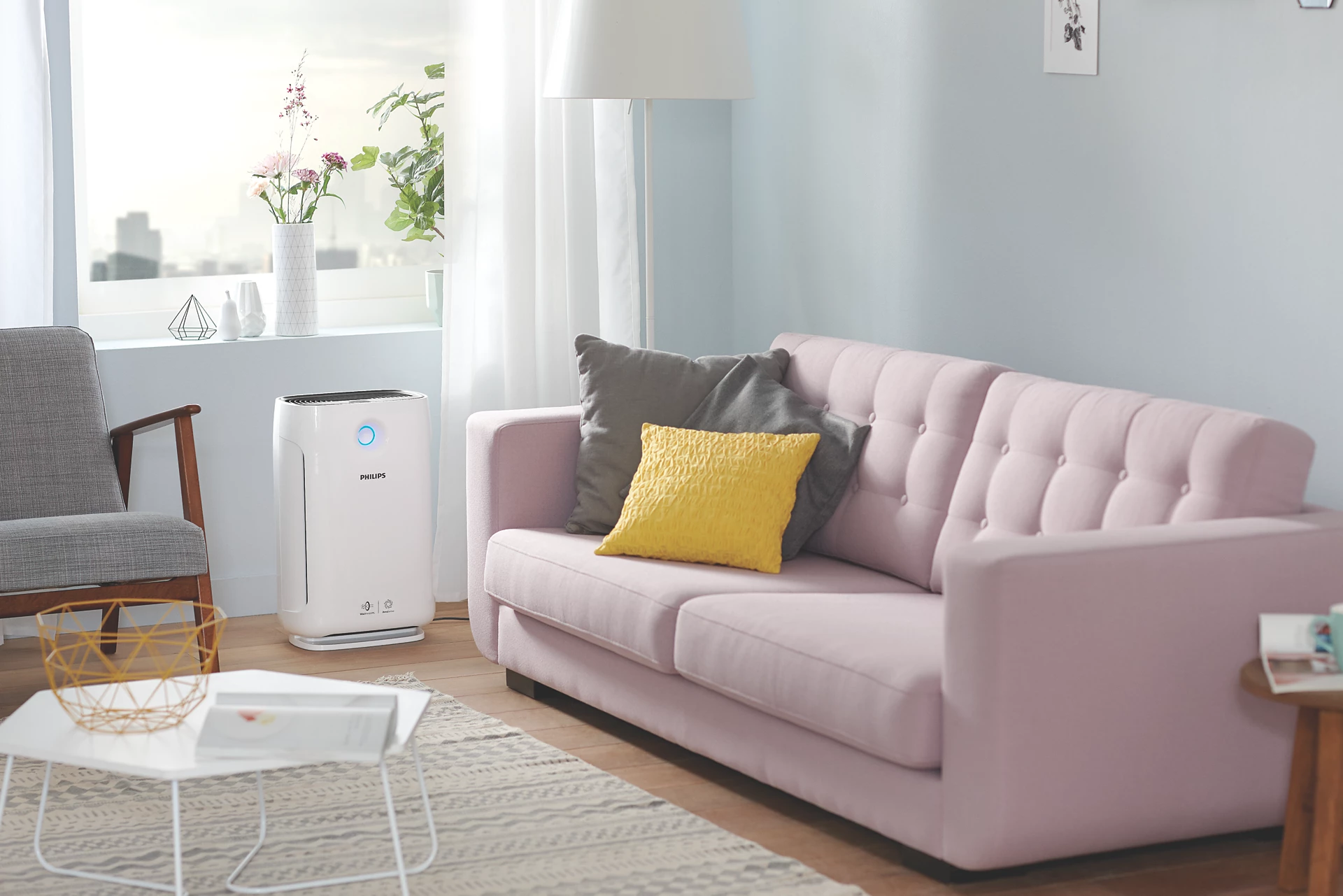
Unlike some competitors that produce different quality tiers in various regions, Philips maintains consistency across its humidifier lineup. All current standalone humidifiers and purifier-humidifier combinations are manufactured in China, regardless of their destination market. This approach ensures uniform quality standards worldwide but means consumers seeking non-Chinese manufactured alternatives will find few options within the Philips brand.
The Asian market, particularly China, represents a significant opportunity for humidifier sales due to increasing air quality concerns in major urban centers. Air pollution and low humidity in heated indoor environments during winter months drive demand for devices that can improve air quality. Versuni has positioned Philips humidifiers as premium products in this market, emphasizing their health benefits and innovative technology.
The European market, while more mature, continues to show steady demand for humidifiers, particularly in northern regions where indoor heating during winter months can create dry air conditions. By importing products manufactured in China, Versuni can offer competitive pricing while maintaining the European design aesthetic and quality standards that appeal to this market.
In North America, Philips humidifiers compete in a crowded marketplace with numerous established brands. The consistent manufacturing approach allows Versuni to maintain competitive pricing while differentiating based on technology and design. The NanoCloud technology, in particular, provides a unique selling proposition in a market where many competitors use similar ultrasonic humidification methods.
Looking to the future, Versuni appears committed to maintaining its current manufacturing strategy, with no indications of plans to diversify production locations. This approach aligns with the company's focus on operational efficiency and cost control. However, the company continues to invest in research and development to enhance product features and performance, ensuring that Philips humidifiers remain competitive in all markets.
Environmental and Quality Considerations
Despite the concentration of manufacturing in China, Versuni maintains strict environmental and quality standards across its production facilities. The company works with suppliers like Xiamen Salom Electronics to implement sustainability initiatives and improve social performance throughout the supply chain.
Environmental considerations have become increasingly important in manufacturing operations globally, and Versuni has implemented various initiatives to reduce the environmental impact of its production processes. These include energy efficiency improvements in manufacturing facilities, waste reduction programs, and the use of more sustainable materials where possible. The company has also worked to reduce packaging waste and optimize shipping logistics to minimize carbon emissions during product distribution.
Quality assurance remains a priority, with rigorous testing protocols established by European R&D teams being implemented in Chinese manufacturing facilities. This ensures that each humidifier meets the brand's high standards before reaching consumers. The quality control process includes multiple checkpoints throughout the manufacturing process, from component inspection to final product testing.
Each humidifier undergoes functional testing to verify that it operates according to specifications, including proper humidity output, noise levels, and energy consumption. Safety testing ensures that all electrical components meet international standards and pose no risk to consumers. The NanoCloud technology is also tested to confirm that it performs as expected, providing effective humidification without spreading bacteria or producing white dust.
Consumer Implications: What Manufacturing Location Means for Buyers
For consumers considering a Philips humidifier purchase, understanding the manufacturing origins provides context for making informed decisions. The Chinese manufacturing base offers several advantages, including cost efficiency that translates to competitive pricing. However, it also means that consumers seeking products manufactured in specific regions for personal or political reasons may need to look beyond the Philips brand.
The consistent manufacturing approach across all markets means that consumers receive the same quality product regardless of where they purchase it. A Philips humidifier bought in Europe, North America, or Asia will have been manufactured in the same Chinese facilities to the same specifications. This consistency is a hallmark of the brand's global strategy.
Replacement parts and consumables, such as NanoCloud filters, are also manufactured in China and distributed through the same supply chain. This integrated approach ensures compatibility and consistent performance but may affect availability in some markets. Consumers should consider the long-term availability of replacement parts when purchasing any appliance, particularly those with proprietary components like the NanoCloud filters.
Conclusion: A Global Product with Chinese Manufacturing
Philips humidifiers represent a truly global product, combining Dutch innovation with Chinese manufacturing efficiency. The strategic decision to concentrate production in China reflects both economic realities and market focus, particularly following Versuni's separation from Royal Philips.
This manufacturing strategy exemplifies the modern global supply chain, where design, engineering, and production may occur in different regions to optimize efficiency and quality. The European R&D foundation ensures that Philips humidifiers incorporate advanced technology and meet stringent safety standards, while Chinese manufacturing provides the scale and cost efficiency needed to compete in global markets.
For consumers, understanding the manufacturing origins of Philips humidifiers provides context for their purchase decisions. While the devices are predominantly made in China, they continue to benefit from European design principles and quality standards established over decades of Philips' engineering excellence.
As Versuni continues to evolve as an independent company, its manufacturing strategy appears firmly anchored in China, with no indications of plans to diversify production locations in the near future. This approach allows the company to maintain competitive pricing while delivering the innovative features and reliable performance that consumers have come to expect from the Philips brand.



 English
  Français
  Español
  Italiano
  Deutsch
  Português
  Русский
  العربية
  日本語
日本語  한국어
한국어  Tiếng Việt

