
Seasonal allergies pose a significant challenge for individuals and a growing opportunity for businesses focused on Indoor Air Quality (IAQ). Their pervasive impact extends beyond personal discomfort, influencing productivity, well-being, and operational efficiency. As someone deeply involved in the IAQ industry, I've seen firsthand how seasonal allergies affect individuals and businesses. This isn't just about sneezing; it's about productivity, comfort, and creating healthier environments. The increasing awareness of environmental factors affecting health has amplified the demand for effective IAQ solutions, positioning businesses in this sector at the forefront of a critical public health concern. This blog post provides a comprehensive overview for IAQ professionals and businesses, delving into the intricacies of seasonal allergies, their impact on indoor environments, and strategic mitigation solutions.
Understanding the Enemy: What are Seasonal Allergies?

Seasonal allergies, or allergic rhinitis, are the immune system's overreaction to harmless airborne substances. When allergens like pollen enter the body, the immune system mistakenly identifies them as threats, releasing chemicals like histamines. This triggers symptoms such as sneezing, runny nose, itchy eyes, and congestion, causing significant discomfort.
Common Culprits by Season: Allergen types vary by season and geography. In spring, tree pollen (oak, birch, maple) is the main culprit. In summer, grass pollen (timothy, ryegrass, Bermuda grass) becomes prevalent. Fall is dominated by ragweed pollen, which can travel far and cause severe reactions. Even winter, though free of outdoor pollen, brings increased indoor allergens like dust mites, pet dander, and mold spores due to more time spent indoors and reduced ventilation. Understanding these seasonal variations is crucial for IAQ professionals to address specific allergen challenges.
Featured Snippet Target: Seasonal allergies are an immune system overreaction to airborne substances like pollen, leading to symptoms such as sneezing and itchy eyes, with specific allergens varying by season from tree and grass pollen in spring and summer to ragweed in fall, and indoor allergens like dust mites and mold becoming more prevalent in winter. 1
Beyond the Sneeze: Why Seasonal Allergies are a Business Concern
Seasonal allergies significantly impact the business world, affecting productivity, healthcare costs, and client experience. For businesses, mitigating these effects is a strategic imperative.
Impact on Productivity: Allergy symptoms like sneezing, fatigue, and concentration issues impair employee performance, leading to 'presenteeism' and increased absenteeism 2. This results in decreased output, errors, and lost work hours. For example, an employee constantly battling watery eyes and a runny nose will struggle to focus on complex tasks, leading to delays and potential rework. This cumulative effect across a workforce can significantly dent a company's overall efficiency and bottom line.
Healthcare Costs: The economic burden includes direct costs (medication, doctor visits) and indirect costs (lost productivity). Proactive IAQ solutions can reduce these expenditures. Businesses often bear these costs through health insurance premiums and sick leave. By investing in better indoor air quality, companies can potentially reduce healthcare claims related to allergies, leading to long-term savings and a healthier workforce.
Client/Customer Experience: Poor indoor air quality due to allergens negatively impacts client satisfaction and repeat business. Creating a healthy environment is paramount for businesses relying on client satisfaction. Imagine a client visiting an office for an important meeting, only to be distracted by constant sneezing or itchy eyes due to poor air quality. This can leave a lasting negative impression and even deter future engagements. Businesses, especially those in hospitality, retail, or healthcare, must prioritize a comfortable and allergen-free environment to ensure positive customer experiences and foster loyalty.
The IAQ Professional's Role: IAQ professionals are crucial in identifying allergen sources and implementing mitigation strategies, contributing to healthier, more productive environments and a business's bottom line. Their expertise in assessing indoor environments, recommending appropriate solutions, and overseeing implementation is invaluable. By partnering with IAQ experts, businesses can proactively address allergy concerns, creating spaces that promote well-being and enhance operational success.
Here's a table illustrating the potential impact of common allergy symptoms on work performance:
| Allergy Symptom | Potential Impact on Work Performance |
|---|---|
| Sneezing & Runny Nose | Frequent interruptions, distraction, reduced focus |
| Itchy/Watery Eyes | Discomfort, difficulty reading screens, eye strain |
| Congestion/Sinus Pressure | Headaches, difficulty concentrating, fatigue |
| Fatigue/Drowsiness | Reduced alertness, slower reaction times, decreased productivity |
| Irritability | Strained interpersonal interactions, reduced teamwork |
The Indoor Environment: A Critical Battleground
While outdoor allergens are often the focus, the indoor environment is a critical battleground against allergic reactions. Indoor air quality is largely controllable, presenting opportunities for intervention.
Outdoor vs. Indoor Allergens: Indoor allergens are problematic due to their concentrated and persistent nature. Outdoor allergens, once indoors, become trapped and accumulate to higher concentrations. Individuals spend up to 90% of their time indoors, making this a significant exposure point 3. Lack of natural air circulation indoors allows allergens to settle and re-aerosolize. For instance, pollen brought in on clothing or pets can settle on surfaces and become airborne again with everyday activities like walking or vacuuming, leading to continuous exposure.
Common Indoor Hotspots: Areas where allergens accumulate include Системы отопления, вентиляции и кондиционирования воздуха (if not maintained, they spread dust, pollen, mold), carpets and upholstered furniture (reservoirs for dust mites, pet dander, trapped pollen) 4, и damp areas like basements (ideal for mold growth). Understanding these hotspots helps IAQ professionals recommend targeted cleaning and filtration. For example, a poorly maintained HVAC system can become a breeding ground for mold, circulating spores throughout the building. Similarly, carpets can trap allergens, releasing them into the air with foot traffic. Identifying these specific areas allows for precise and effective intervention strategies.
The Importance of Airflow and Filtration: Effective allergen mitigation relies on proper airflow and robust filtration. Ventilation dilutes pollutants, but during peak allergy seasons, advanced filtration is crucial. HEPA filters capture microscopic particles like pollen, dust mites, and mold spores 5. Integrating HEPA filters into HVAC systems or using standalone air purifiers significantly improves indoor air quality. Regular HVAC maintenance and filter replacement are vital to prevent contamination. By controlling the indoor environment through strategic airflow and filtration, IAQ professionals create allergen-reduced spaces. This includes ensuring adequate fresh air exchange, which can be achieved through mechanical ventilation systems equipped with high-efficiency filters, or by strategically opening windows when outdoor allergen counts are low.
Strategic Solutions for Allergen Management
Effective indoor allergen management requires a multi-faceted approach: advanced filtration, optimized HVAC, precise humidity control, and diligent source control. These measures collectively work to significantly reduce the presence of airborne and surface-bound allergens, creating healthier and more comfortable indoor spaces.
Beyond Basic Cleaning: Advanced Filtration: Basic cleaning is insufficient for microscopic allergens. Advanced filtration is essential.
-
Фильтры HEPA: These are crucial for allergen removal, capturing 99.97% of particles 0.3 micrometers in diameter, including pollen, dust mites, and mold spores 6. They dramatically reduce allergen load. For commercial buildings, this means integrating true HEPA filters into central HVAC systems or deploying portable air purification units with HEPA filtration in high-traffic or sensitive areas. The dense, interwoven fibers of HEPA filters effectively trap even the smallest airborne irritants, preventing their recirculation.
-
Фильтры с активированным углем: Complementing HEPA filters, activated carbon filters adsorb gaseous pollutants, odors, and VOCs that can exacerbate allergy symptoms 7. They provide comprehensive air purification. These filters are particularly important in environments where chemical fumes, cooking odors, or other gaseous irritants are present, as they can trigger respiratory sensitivities even in individuals without traditional allergies. The porous structure of activated carbon allows it to trap these molecular contaminants, neutralizing their presence in the air.
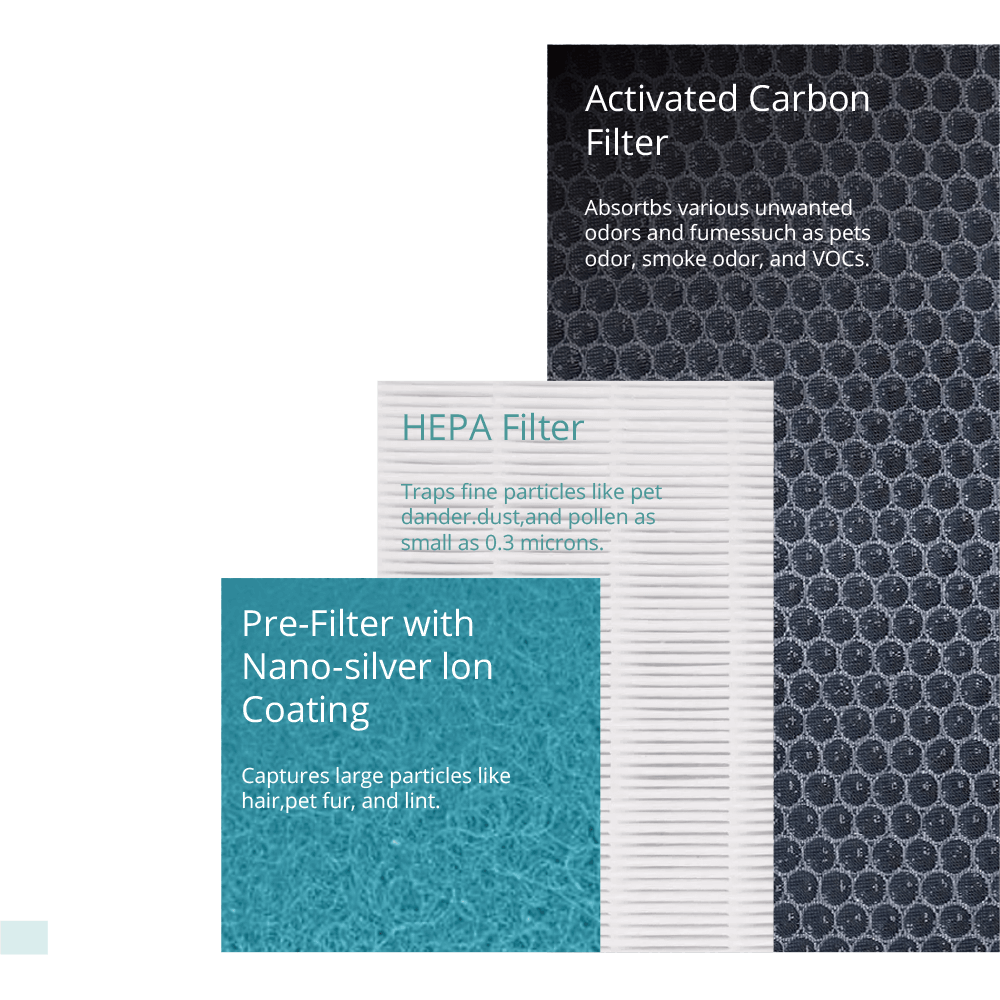
Optimizing HVAC Systems: Proper HVAC functioning is paramount for allergen control.
-
Regular Maintenance and Filter Replacement: Ensures optimal airflow and filtration. Dirty filters reduce efficiency and can spread contaminants. A proactive maintenance schedule, including regular cleaning of coils, ducts, and vents, prevents the buildup of dust, mold, and other allergens within the system itself. Timely replacement of filters, according to manufacturer recommendations, is also critical to maintain filtration efficiency.
-
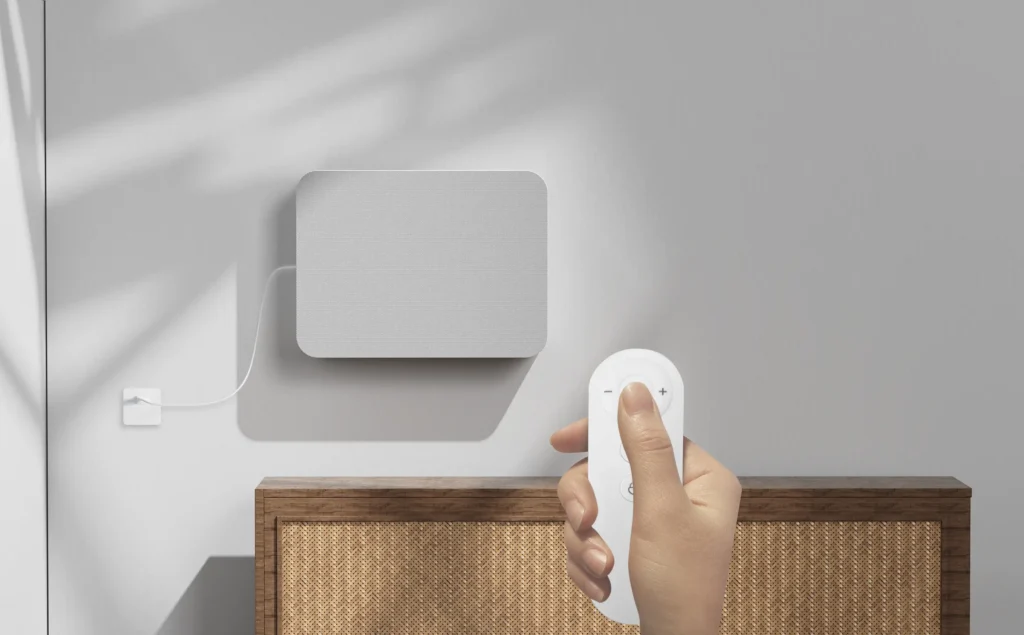
Consideration of MERV Ratings: Higher MERV ratings (e.g., MERV 13+) indicate greater filtration efficiency for smaller allergen particles. Proper system design can accommodate these for superior air quality. For commercial applications, selecting filters with the highest MERV rating compatible with the existing HVAC system's capabilities is recommended. This ensures maximum capture of airborne allergens without unduly restricting airflow or increasing energy consumption.
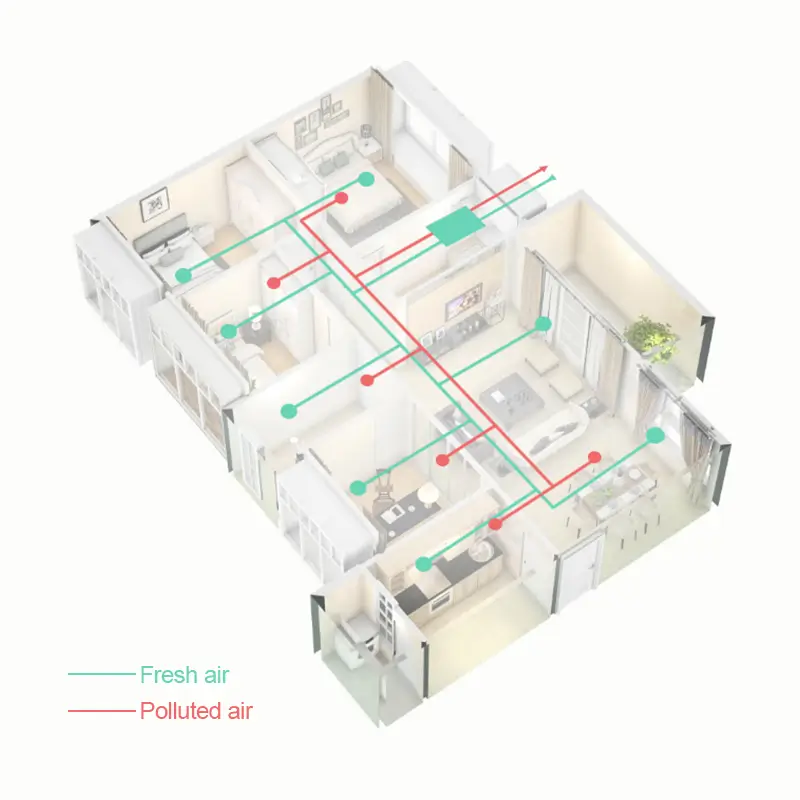
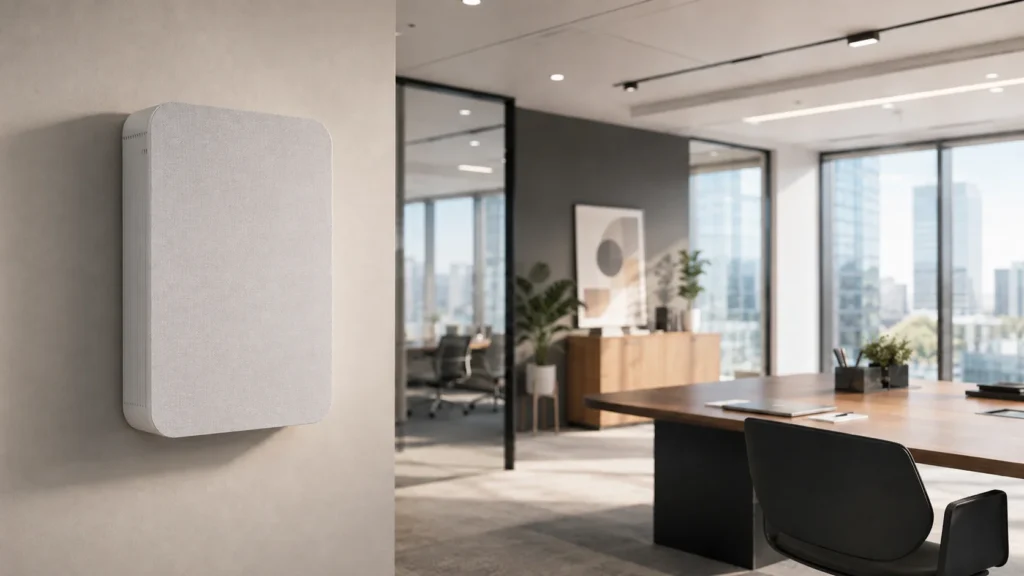
(HisoAir - Energy Recovery System HV-S380)
Humidity Control: Maintaining optimal humidity prevents allergen proliferation.
-
Preventing Mold Growth: Keeping indoor humidity between 30% and 50% inhibits mold growth 8. This involves ventilation, leak repair, and dehumidifiers. Mold spores are potent allergens, and controlling moisture is the most effective way to prevent their growth. This is especially important in areas prone to dampness, such as basements, bathrooms, and kitchens.
-
Controlling Dust Mites: Reducing humidity dehydrates and controls dust mite populations, reducing their allergenic fecal matter 9. Dust mites thrive in humid environments, and by maintaining lower humidity levels, their populations can be significantly reduced, thereby minimizing a major source of indoor allergens.
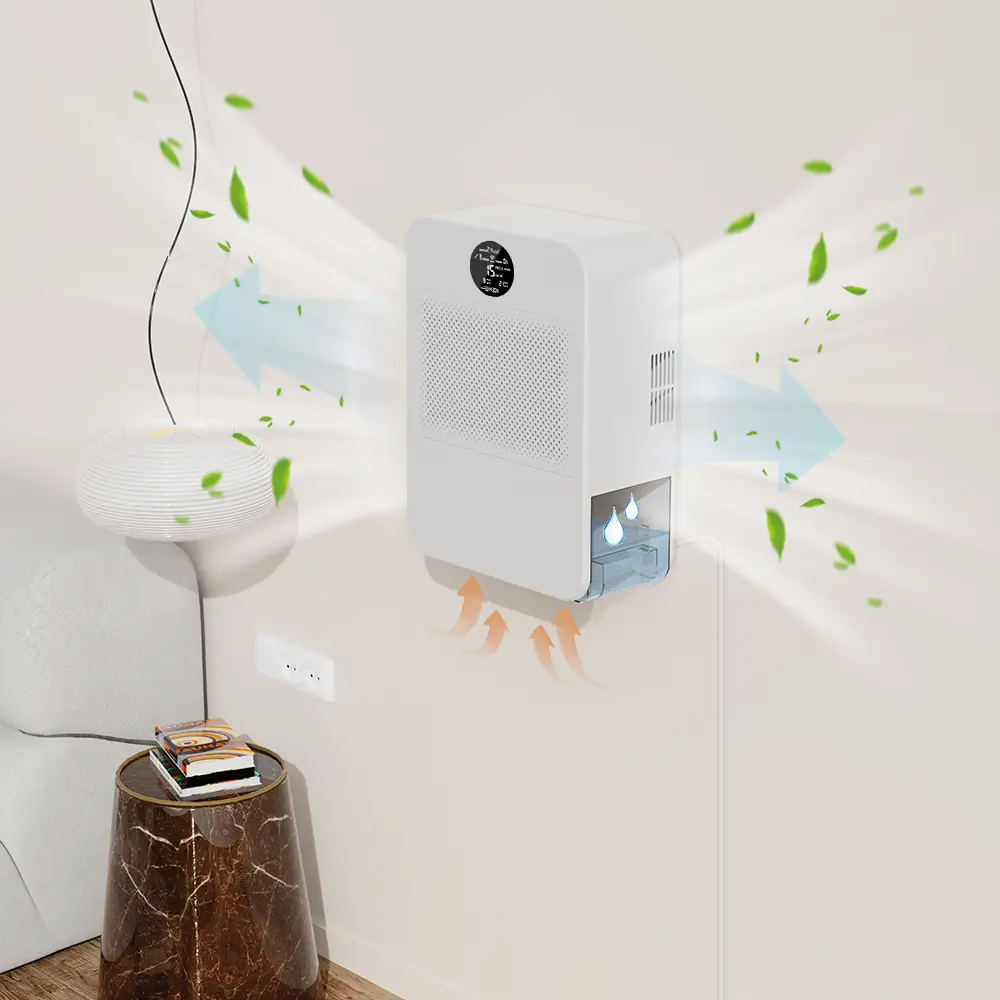
(HisoAir - Wall Mounted Dehumidifier DM-A200)
Source Control: Eliminating or minimizing allergen sources is highly effective.
-
Proper Cleaning Protocols: Regular, thorough cleaning using HEPA-filtered vacuums and wet dusting, and frequent washing of bedding and curtains in hot water. For commercial spaces, this means implementing strict cleaning regimens that target allergen hotspots, using appropriate equipment and cleaning agents to effectively remove rather than redistribute allergens.
-
Material Selection: Choosing materials less likely to harbor allergens, like hard flooring over carpets, reduces accumulation. In new constructions or renovations, selecting allergen-resistant materials for flooring, upholstery, and window treatments can significantly reduce the potential for allergen buildup over time.
By integrating these solutions, IAQ professionals can offer comprehensive allergen management plans for healthier, more productive indoor environments.
The Role of IAQ Products in Allergen Mitigation
Various Indoor Air Quality (IAQ) products are pivotal in allergen mitigation, working together to defend against airborne contaminants. These tools are designed to work in concert, providing a multi-layered defense against airborne contaminants and creating environments conducive to health and well-being.
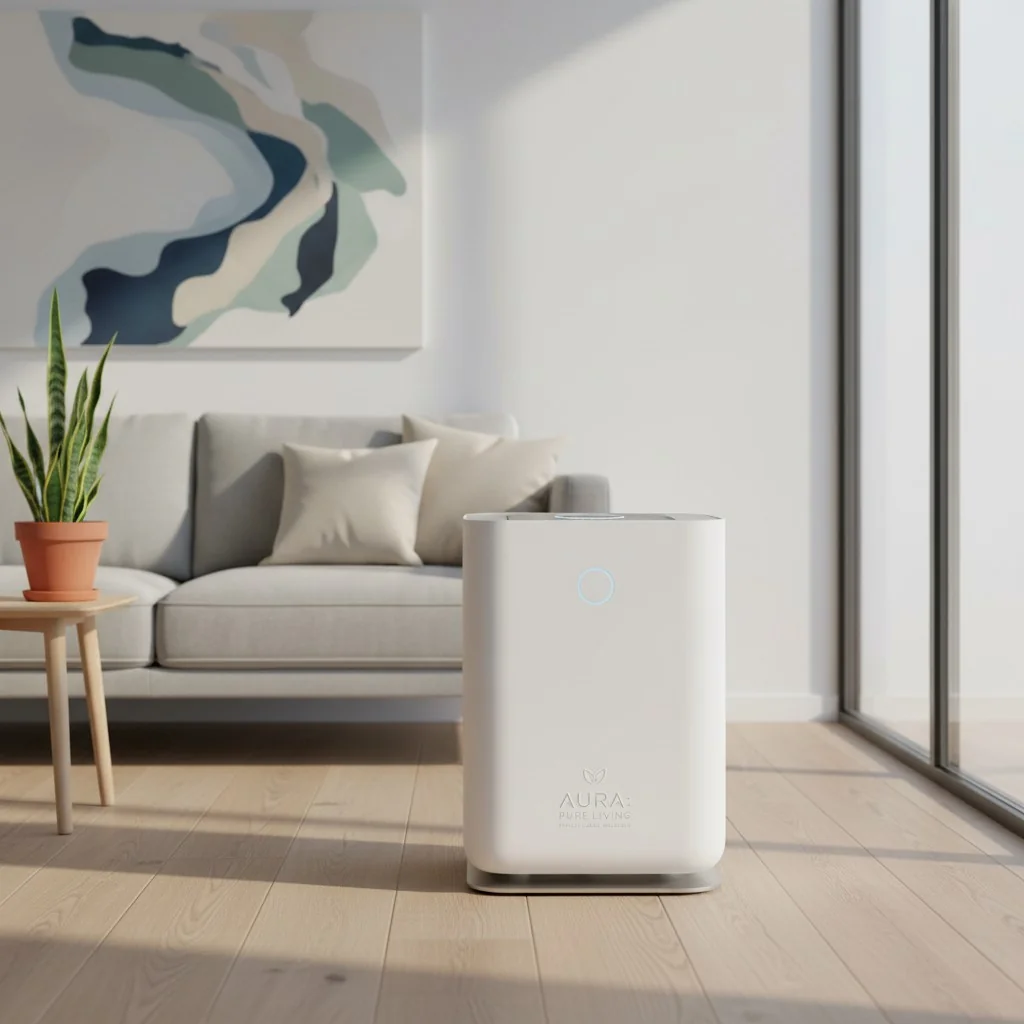
Air Purifiers: These devices remove airborne particles like pollen, dust mites, pet dander, and mold spores. Their effectiveness depends on high-efficiency filtration systems. Regular use significantly reduces airborne allergens, alleviating symptoms and improving overall IAQ. Air purifiers come in various sizes and capacities, suitable for individual rooms or larger commercial spaces. They are an essential component of any comprehensive allergen mitigation strategy, actively cleaning the air of microscopic irritants.
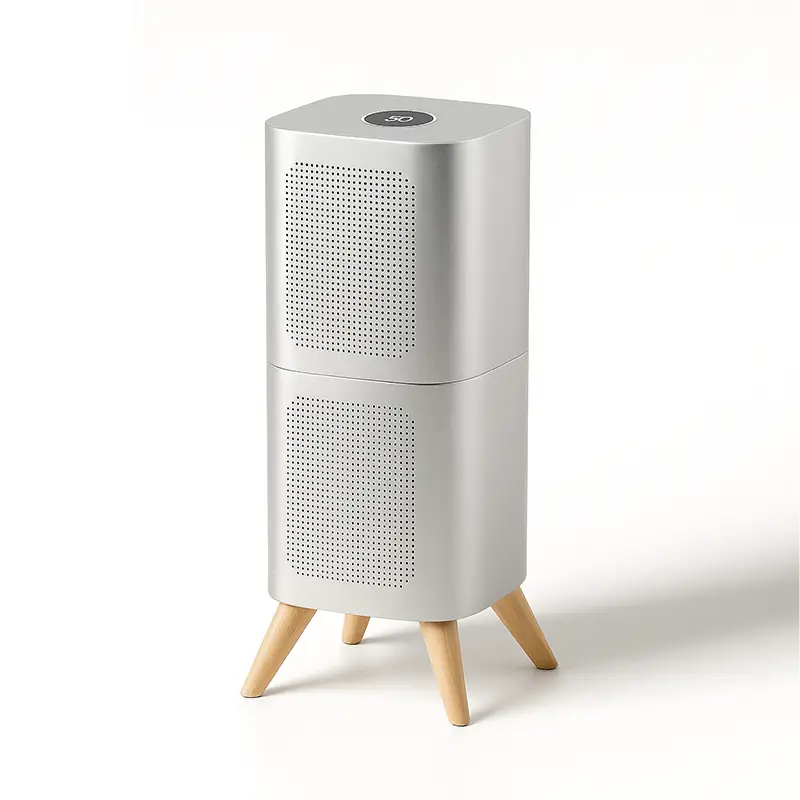
(HisoAir - High Performance Air Purifier HA-B800)
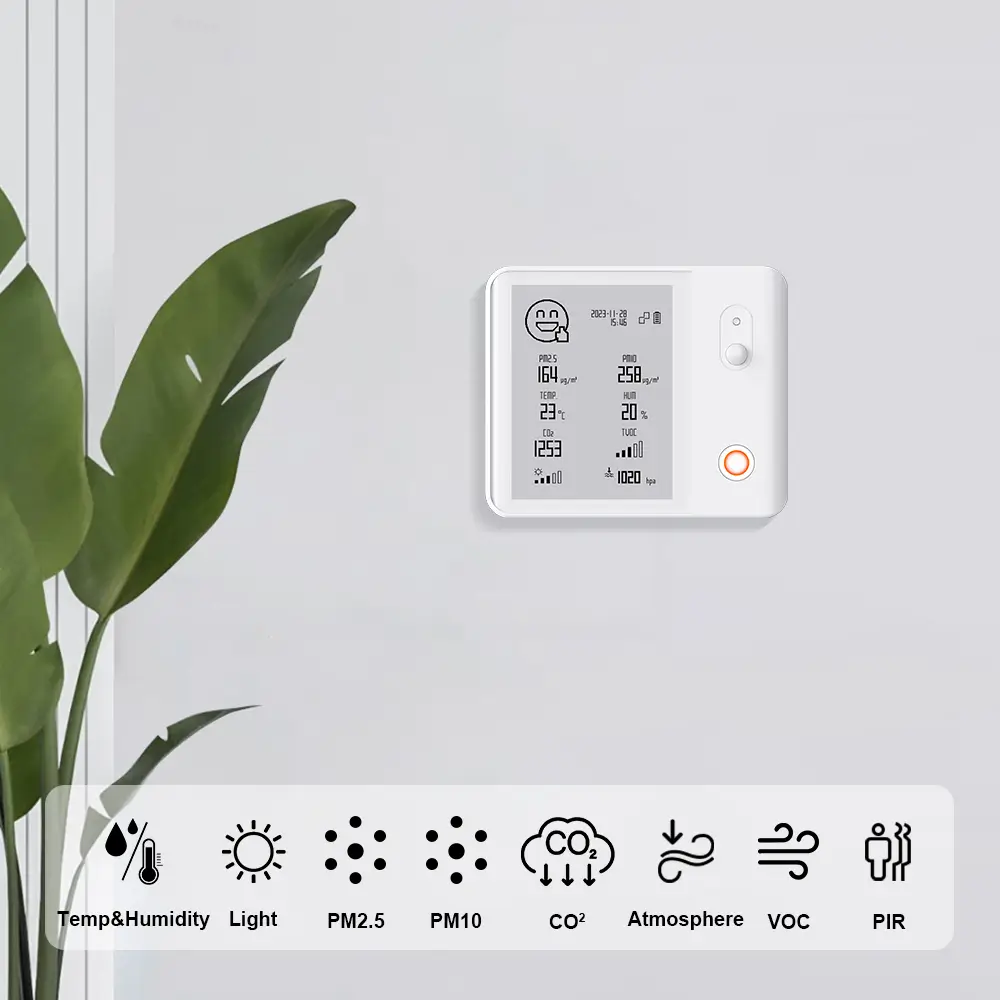
Air Quality Monitors: These provide real-time data on pollutants (particulate matter, VOCs, CO2, humidity), allowing IAQ professionals to identify issues, track allergen levels, and assess mitigation strategies. This data-driven approach enables timely and targeted interventions. For example, an air quality monitor can alert building managers to a sudden increase in pollen levels, prompting them to adjust ventilation settings or activate additional air purification units. This real-time feedback is invaluable for proactive management.
Humidifiers/Dehumidifiers: Maintaining optimal humidity is crucial.
- Dehumidifiers: Remove moisture to inhibit mold and dust mite growth, ideally keeping humidity below 50% 10. These are particularly useful in damp climates or in specific areas of a building prone to moisture accumulation, such as basements or storage facilities. By controlling humidity, dehumidifiers directly address the environmental conditions that allow these allergens to thrive.
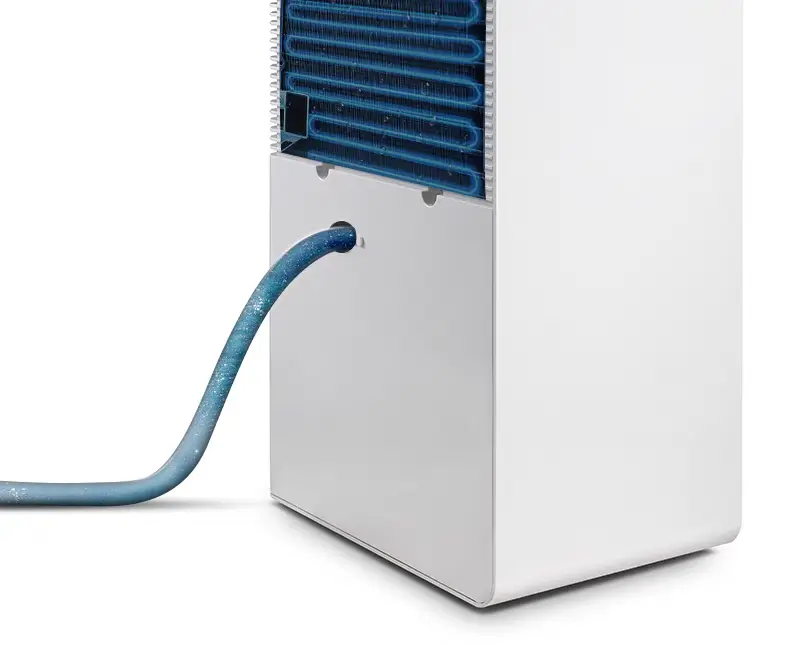
(HisoAir - High-capacity Dehumidifier DM-A216)
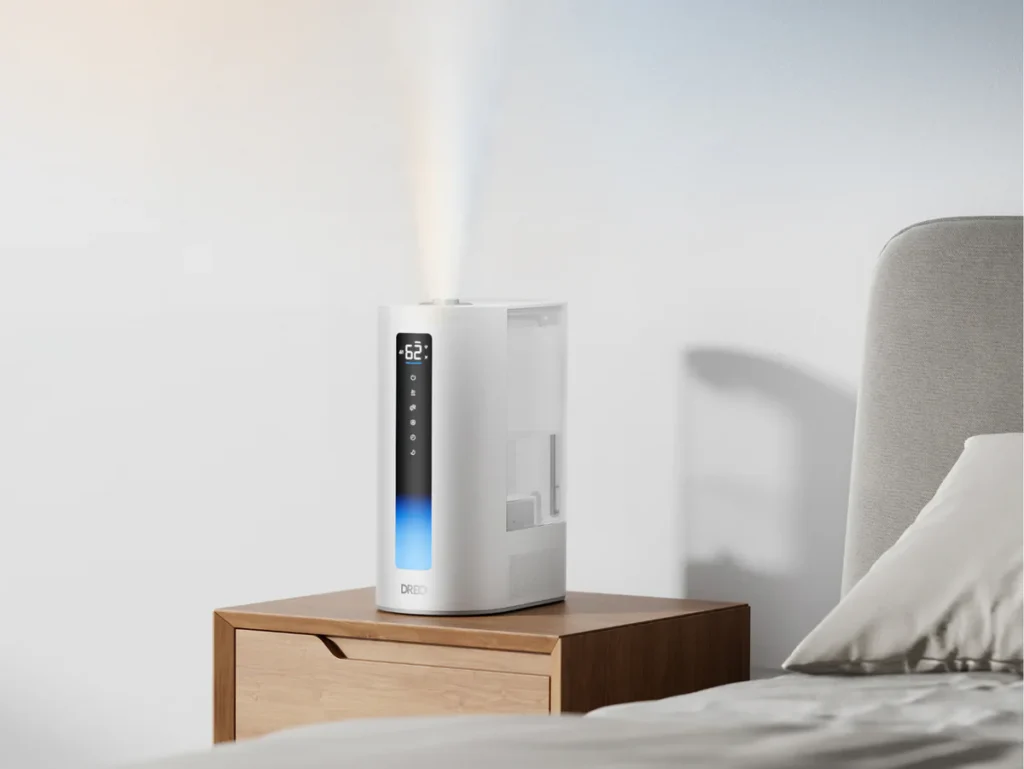
- Humidifiers: In dry conditions, they maintain healthy humidity (30-50%), but require regular cleaning to prevent mold/bacteria growth. While less directly related to allergen removal, maintaining adequate humidity can prevent respiratory irritation that makes individuals more susceptible to allergen effects. Proper maintenance, including regular cleaning and using distilled water, is essential to prevent them from becoming a source of contaminants themselves.
Filters (Beyond Air Purifiers): Other filters contribute to IAQ.
- HVAC Filters: The first line of defense in central systems; higher MERV ratings improve allergen capture. These filters are critical for preventing outdoor allergens from entering the building's air circulation system and for trapping indoor allergens before they are widely distributed. Regular inspection and replacement are key to their effectiveness.
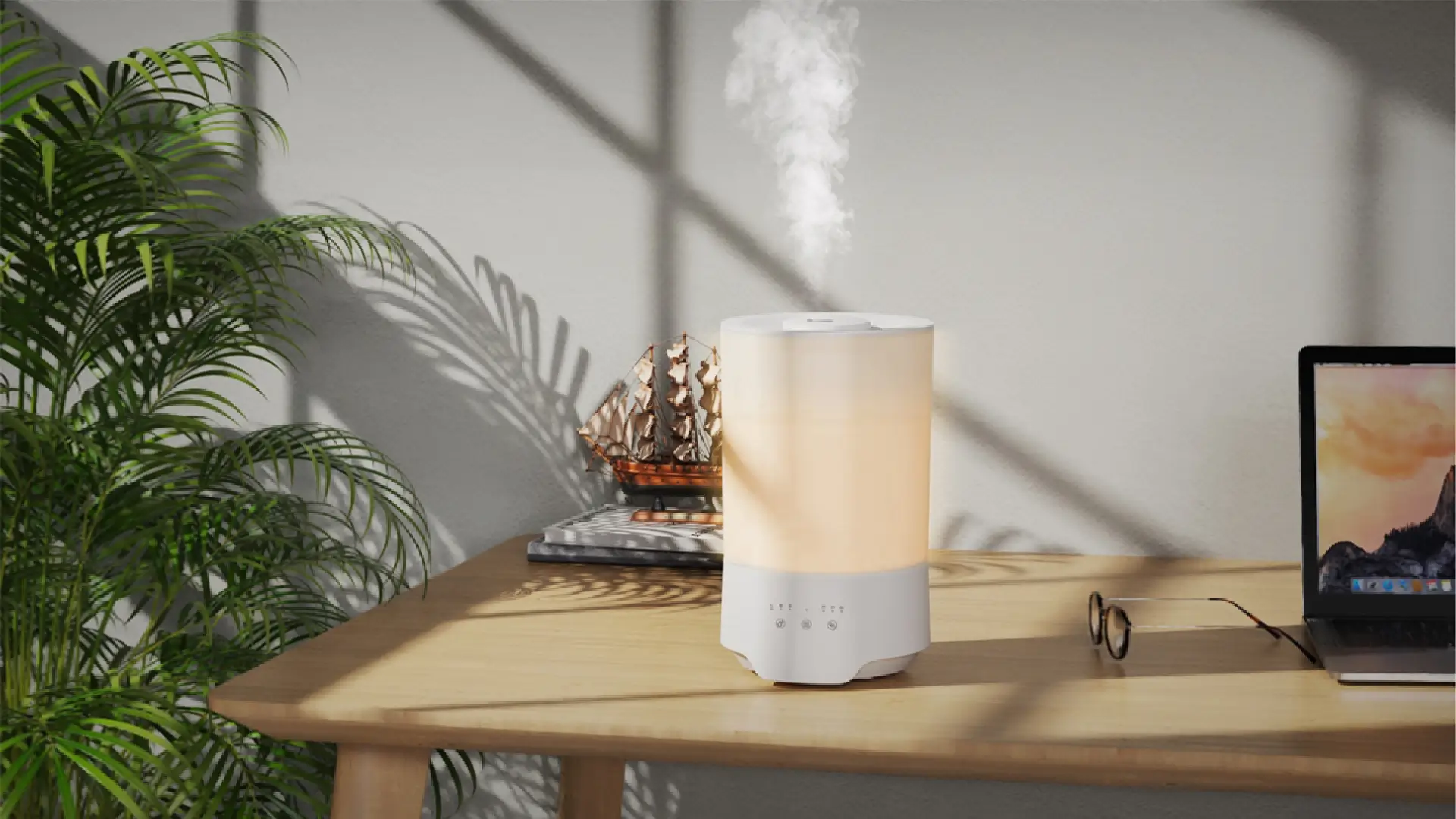
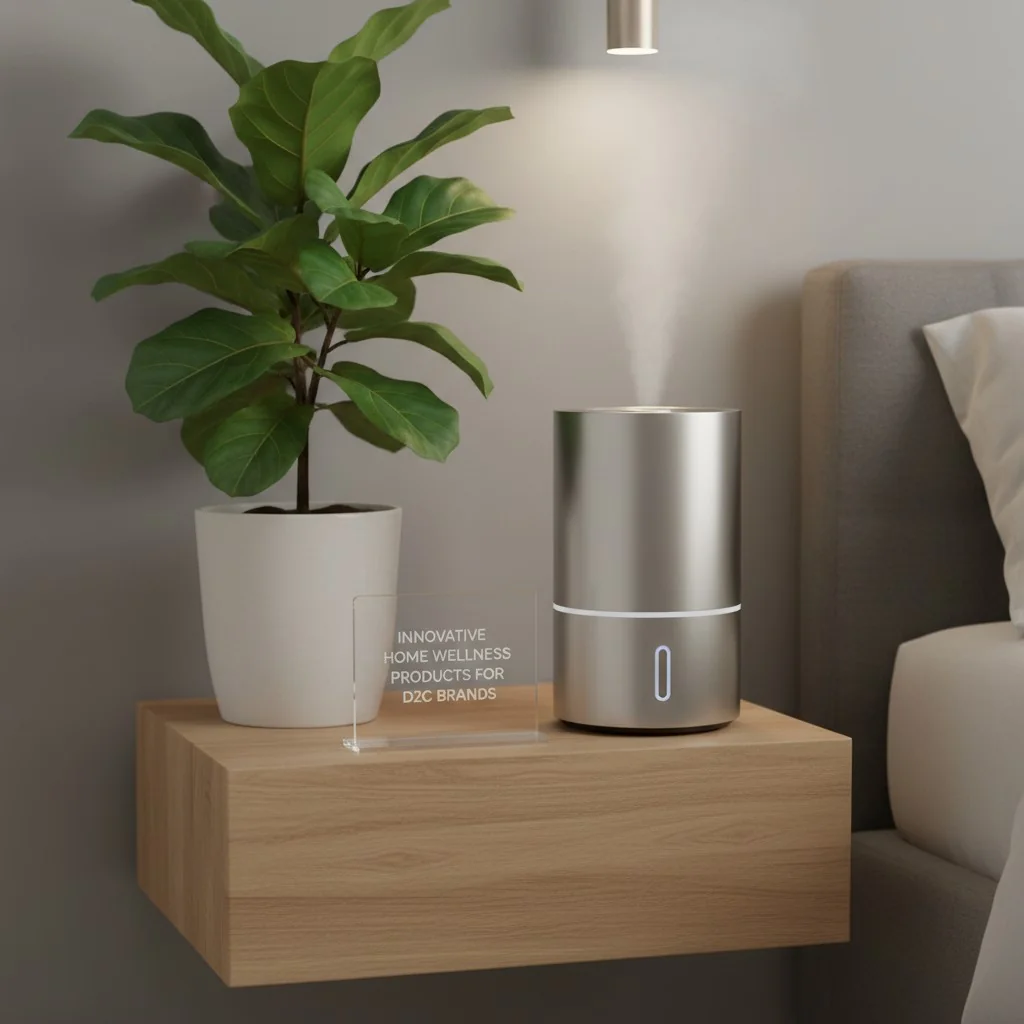
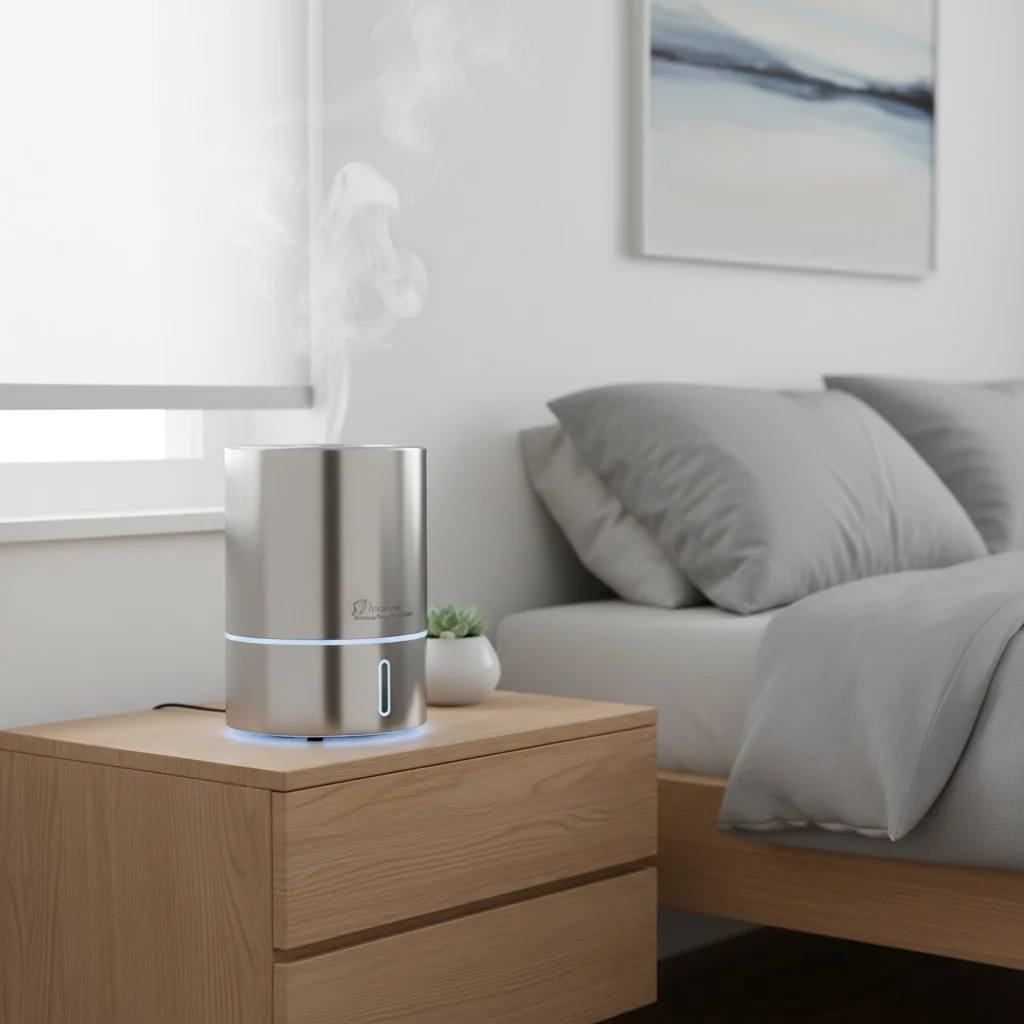
(HisoAir - Hybrid Cool&Warm Mist Humidifer HM-D0328)
- Ventilation Filters: Essential for filtering incoming fresh air to prevent outdoor allergens from entering. In buildings with dedicated fresh air intake systems, these filters ensure that the air being introduced into the occupied spaces is clean and free of pollen, spores, and other outdoor particulate matter.
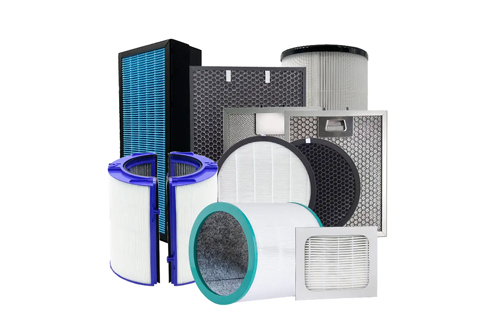
(HisoAir - Air Filter Manufacturer)
Here is a table summarizing the primary functions of various IAQ products in allergen mitigation:
| IAQ Product | Primary Function in Allergen Mitigation |
|---|---|
| Очистители воздуха | Remove airborne particulate allergens (pollen, dust mites, pet dander, mold spores) |
| Air Quality Monitors | Provide real-time data on indoor air pollutants, enabling proactive allergen management |
| Осушители воздуха | Control humidity to inhibit mold and dust mite growth |
| Увлажнители воздуха | Maintain optimal humidity levels to prevent respiratory irritation and excessive dryness |
| Фильтры для систем отопления, вентиляции и кондиционирования воздуха | Capture airborne contaminants entering and circulating within the building |
| Ventilation Filters | Filter outdoor air intake to prevent external allergens from entering the building |
By strategically deploying and maintaining these IAQ products, businesses can establish a robust defense against allergens, creating healthier, more comfortable, and more productive indoor environments. 11
Partnering for Healthier Environments: Why Choose a Reliable Supplier
Choosing an IAQ supplier is critical. For B2B clients, quality, innovation, and robust supply chain management are paramount. Selecting the right manufacturing partner is a strategic investment.
Quality and Performance: Effective IAQ solutions rely on high-quality, high-performance products. Reliable suppliers ensure efficient filtration, optimal airflow, and durable construction through rigorous testing and quality control. This commitment directly impacts allergen mitigation and a business's reputation. For a B2B client, this means confidence in the products they procure, knowing they will perform as expected and contribute positively to their own clients' or employees' well-being.
Customization and Innovation (ODM/JDM): Forward-thinking suppliers offer ODM and JDM capabilities, allowing businesses to customize solutions. Innovation, including advanced sensors and IoT, is key for cutting-edge technologies and market differentiation 12. This flexibility is invaluable for businesses looking to offer unique solutions or integrate IAQ products seamlessly into their existing offerings. A supplier that can adapt to specific design requirements or develop new technologies in collaboration with clients becomes a true strategic partner.
Global Supply Chain and Logistics: Efficient delivery and reliable inventory management are crucial. A robust supply chain, supported by strategic manufacturing and distribution, minimizes delays and ensures consistent product supply, especially for wholesale clients. This is particularly vital in today's dynamic global market, where disruptions can significantly impact business operations. A supplier with a well-established global logistics network can guarantee timely delivery, even for large-volume orders, ensuring that clients can meet their market demands without interruption.
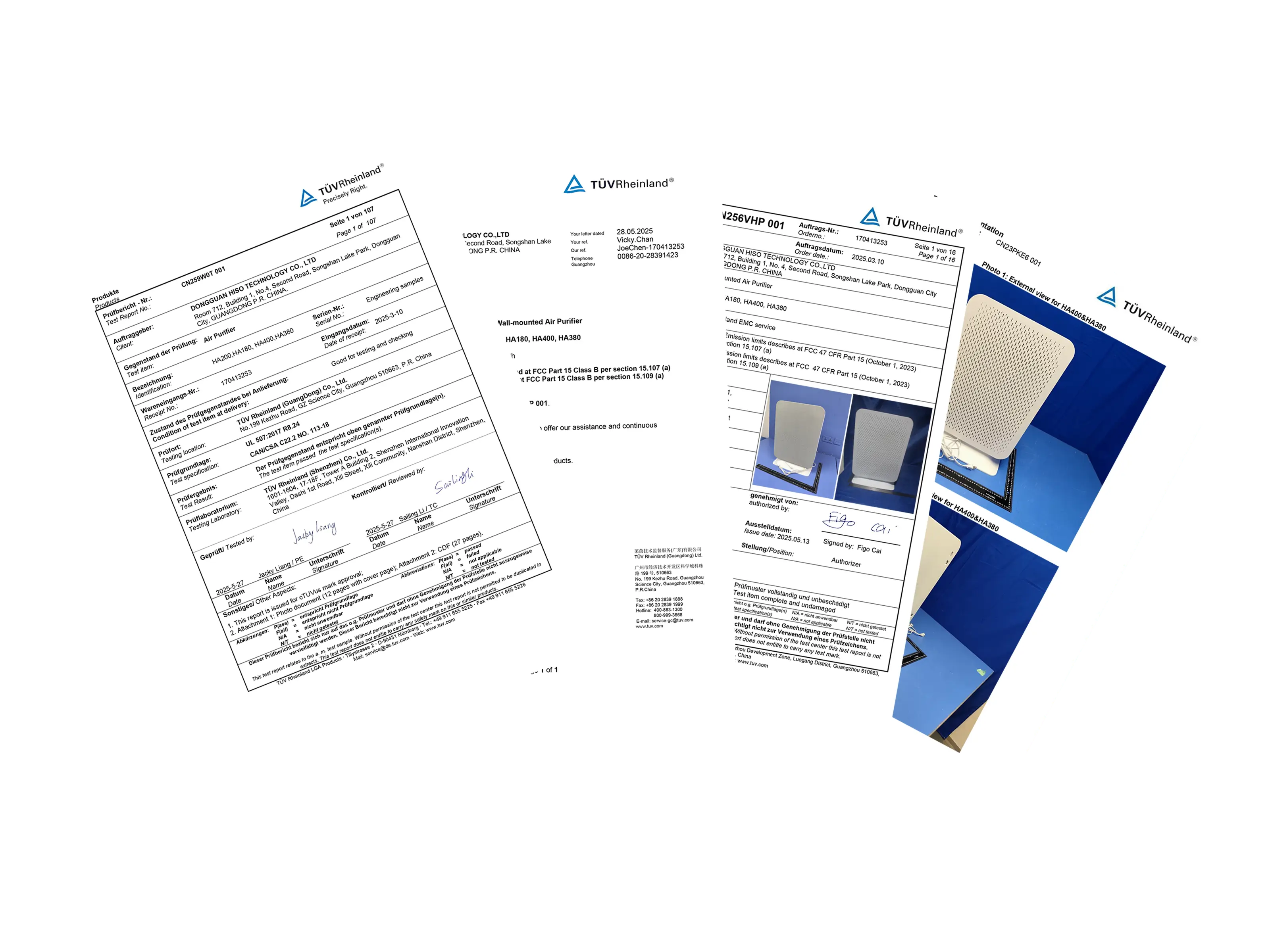
Certifications and Standards: Compliance with certifications (e.g., AHAM, CNAS) indicates commitment to quality and safety 13. These provide assurance of product performance and reliability, reducing risks and enhancing trust. A supplier involved in standards development demonstrates expertise. For businesses, relying on certified products means they are providing solutions that meet recognized benchmarks for performance and safety, which can be a significant selling point and a source of trust for their own customers.
In my experience, choosing the right manufacturing partner is paramount. It's about reliability, innovation, and a shared commitment to healthier indoor environments. A true partner understands your business needs and collaborates to deliver solutions that contribute to long-term success. This collaborative approach, rooted in trust and mutual understanding, is what truly sets exceptional suppliers apart, transforming a mere vendor relationship into a valuable strategic partnership.

(HisoAir - Your air quality innovation partner!)
Заключение
Seasonal allergies pose significant challenges, impacting productivity and environmental quality. For IAQ professionals, understanding these allergies and their indoor proliferation is key to effective mitigation. The indoor environment demands strategic solutions: advanced filtration, optimized HVAC, precise humidity control, and diligent source management.
The array of IAQ products—air purifiers, monitors, humidifiers, dehumidifiers, and filters—are indispensable tools. When thoughtfully deployed and maintained, they create a robust defense against airborne contaminants, leading to healthier, more comfortable, and productive indoor spaces. The efficacy of these solutions hinges on product quality and reliability.
Therefore, selecting a manufacturing partner is a strategic alliance. Businesses should seek suppliers committed to quality, innovation, a robust global supply chain, and adherence to industry standards. Such a partnership ensures access to superior IAQ products and fosters continuous improvement in indoor air quality.
Ultimately, my goal, and HisoAir's mission, is to empower businesses with the tools and knowledge to create environments where health and productivity thrive, free from seasonal allergies. By investing in comprehensive IAQ solutions and partnering with trusted suppliers, businesses can safeguard well-being, enhance operational efficiency, and boost their reputation.
Сноски
-
Learn more about seasonal allergies and their causes: https://www.aafa.org/seasonal-allergies/ ↩
-
Explore the impact of allergies on productivity: https://www.ncbi.nlm.nih.gov/pmc/articles/PMC3206246/ ↩
-
Understand indoor air quality and its effects: https://www.epa.gov/indoor-air-quality-iaq/introduction-indoor-air-quality ↩
-
Discover common indoor allergen sources: https://www.aaaai.org/tools-for-the-public/conditions-treatments/allergies/indoor-allergens ↩
-
Learn about HEPA filter efficiency: https://www.epa.gov/indoor-air-quality-iaq/what-hepa-filter ↩
-
Detailed information on HEPA filter standards: https://www.ashrae.org/technical-resources/standards-and-guidelines/ashrae-standards/standard-52-2 ↩
-
How activated carbon filters work: https://www.epa.gov/indoor-air-quality-iaq/air-cleaners-and-air-filters-home ↩
-
Recommended humidity levels for indoor environments: https://www.epa.gov/indoor-air-quality-iaq/humidity-condensation-and-mold ↩
-
Comprehensive guide to indoor allergen control: https://www.cdc.gov/nceh/publications/books/housing/cha04.htm ↩
-
Managing dust mites and mold with humidity control: https://www.mayoclinic.org/diseases-conditions/dust-mites/diagnosis-treatment/drc-20352178 ↩
-
Overview of IAQ technologies: https://www.epa.gov/indoor-air-quality-iaq/air-cleaners-and-air-filters-home ↩
-
Benefits of ODM/JDM in manufacturing: https://www.investopedia.com/terms/o/original-design-manufacturer-odm.asp ↩
-
Information on AHAM certification: https://www.aham.org/AHAM/What_We_Do/AHAM_Certification.aspx ↩

 English
  Français
  Español
  Italiano
  Deutsch
  Português
  Русский
  العربية
  日本語
日本語  한국어
한국어  Tiếng Việt

