

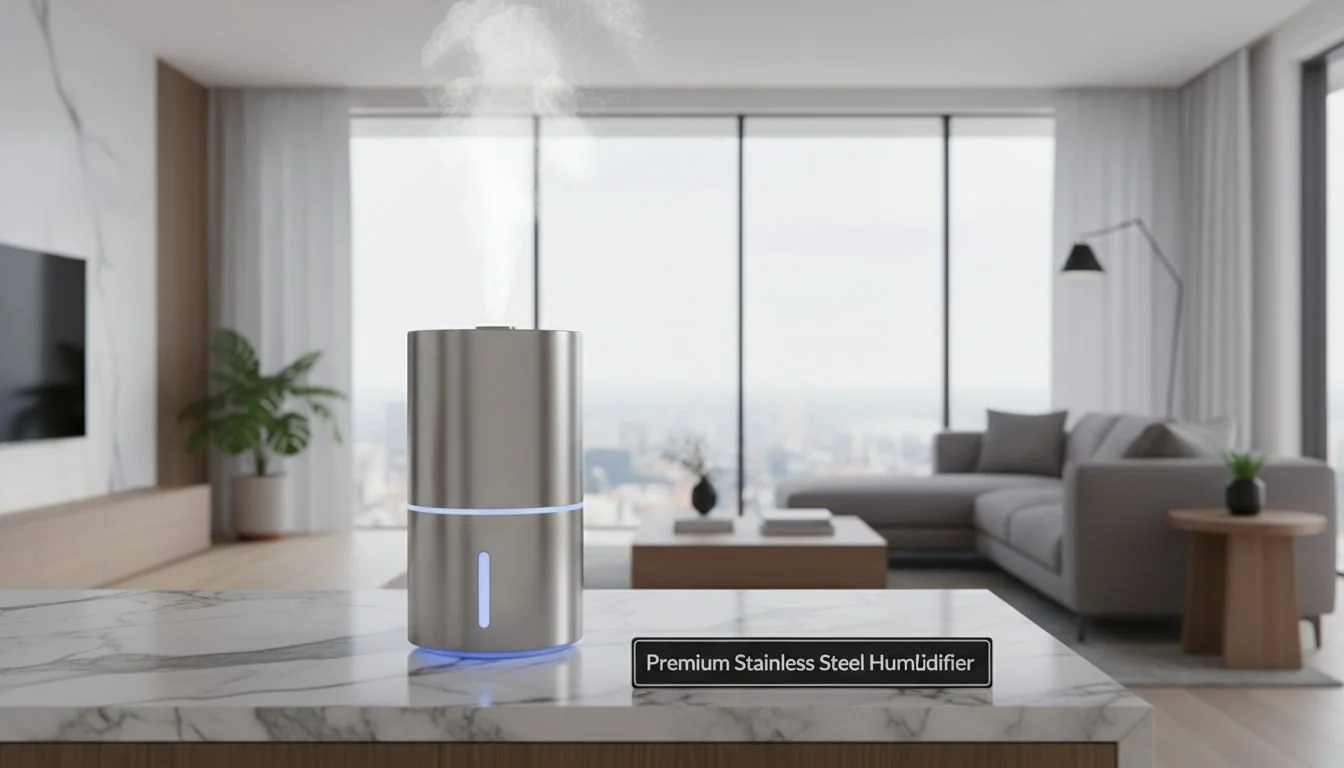
Your premium brand1 is built on trust. A cheap plastic product can shatter that trust with one bad review. The right factory partner protects your brand and elevates your promise.
The best private label factories for premium brands are those that specialize in superior materials like stainless steel2, not plastic. They offer provable hygiene and hold key certifications like ETL, CARB, and EPA, ensuring a safe, fast, and brand-aligned launch that avoids common product liabilities.
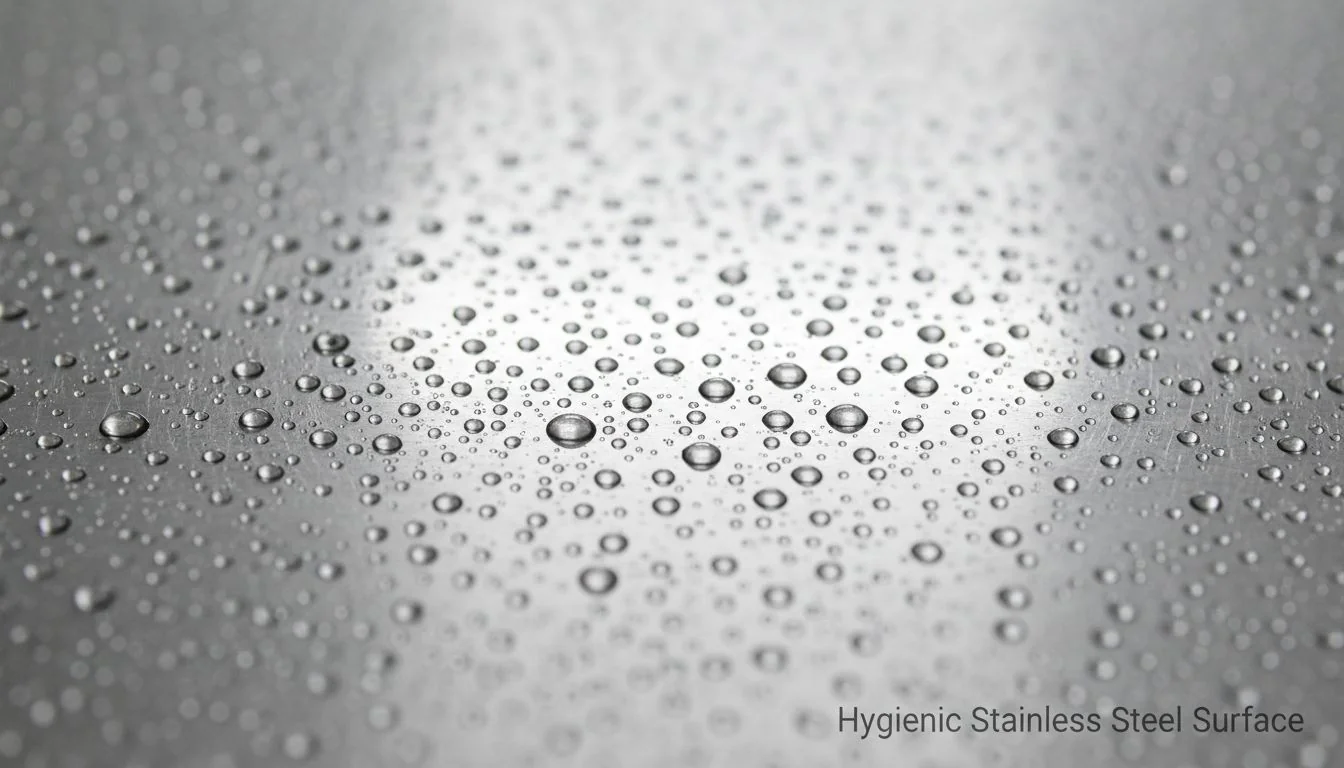
Choosing a manufacturing partner is one of the biggest decisions you'll make. I've spent my career in mold making and manufacturing, and I've seen great brands stumble by choosing the wrong factory. They focus on the logo but forget the product itself. In today's market, that's a fatal mistake. Your customers are smarter than ever. They look past the marketing and inspect the materials, the build quality, and the long-term experience. A product that fails this inspection doesn't just fail the customer; it fails your brand. Let's break down what "premium" really means now and how to find a partner who gets it.
Over 80% of consumers say they would stop buying from a brand after just one or two poor experiences.Правда
Customer experience is directly tied to brand loyalty and reputation. A faulty or unhygienic product constitutes a poor experience that can drive customers away permanently.
Plastic products can take up to 1,000 years to decompose in landfills.Правда
The environmental impact of plastic is a growing concern for consumers, making durable, long-lasting alternatives like stainless steel more appealing to eco-conscious premium buyers.
You've invested years building a premium brand. But are your new products truly living up to that promise? A simple product choice could undermine everything you've worked for.
In today's market, "premium" is not just a logo or high price. It is defined by tangible quality, provable health benefits, and durable materials that align with your brand's core promise of excellence and customer well-being.
From Logo to Lived Experience
I remember when slapping a well-known logo on a standard OEM product was enough. Those days are over. Your audience, especially for home wellness products, is highly educated. They read reviews, research materials, and care deeply about what they bring into their homes. They expect the product's physical reality to match the brand's story. If you promise a premium, healthy lifestyle but deliver a product made from cheap, hard-to-clean plastic, you create a disconnect. This disconnect is where brand trust3 dies. The new marker of premium is a product that feels, performs, and lasts exactly as a high-end product should. It’s about the customer's daily, lived experience with your product.
| Old Premium | New Premium |
|---|---|
| Brand Logo & Marketing | material science4 & Build Quality |
| Perceived Value | Provable Performance & hygiene5 |
| Aesthetic Design Only | Design Fused with Functionality |
| Disposable Lifecycle | Durability & Sustainability |
A majority of consumers are willing to pay more for products from brands that are transparent about their materials and manufacturing process.Правда
Transparency builds trust. Premium brands can leverage this by being open about their choice of superior, safer materials, justifying a higher price point.
All humidifiers are equally effective regardless of the material they are made from.Ложь
While the basic function is the same, the material dramatically impacts hygiene, ease of cleaning, and long-term safety. Materials that harbor mold and bacteria, like some plastics, deliver contaminated moisture into the air.
Is Your Plastic Humidifier a Ticking Time Bomb for Your Brand?
You see plastic humidifiers everywhere. They seem like an easy, cost-effective product line extension. But what happens when customers discover the hidden mold and cleaning issues just weeks after purchase?
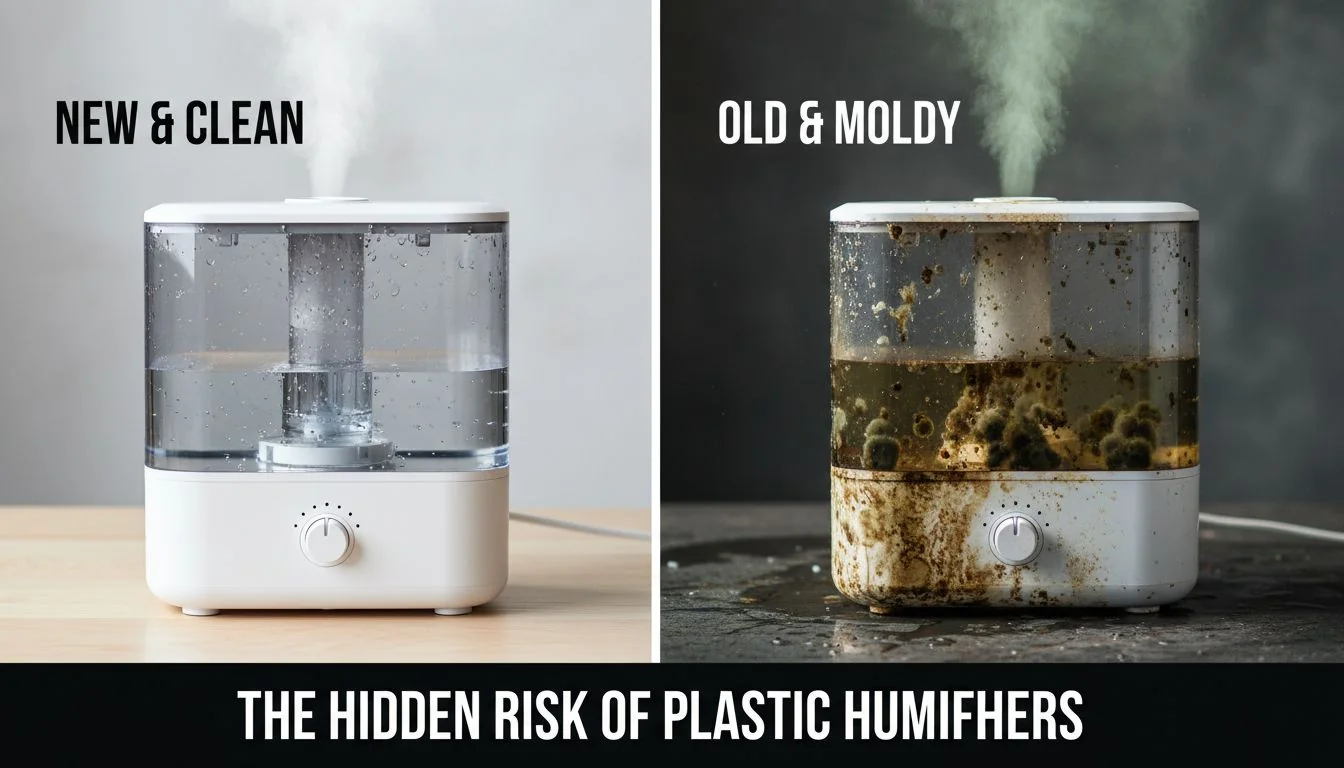
Yes, a standard plastic humidifier is a major liability for a premium brand. Its complex, porous surfaces become breeding grounds for mold and bacteria, leading to 1-star reviews that directly attack your reputation for quality and health.
The Anatomy of a 1-Star Review
I've worked with clients who learned this the hard way. The product journey for a cheap plastic humidifier is predictable. The customer is happy at first. But soon, they notice a musty smell. They open the tank and find pink or black slime coating the inside. They try to clean it, but the complex internal shapes and narrow channels, a result of plastic injection molding, make it impossible. Frustration builds. They feel deceived. They trusted your brand to provide a wellness product, but instead, you sold them a mold factory. That's when they write the review. It won't just say "this product is bad." It will say, "[Your Brand Name] sold me a product that grows mold." This is a direct hit to your brand's core identity, and it's a risk you can't afford.
| Сцена | customer experience6 | Влияние на бренд |
|---|---|---|
| Week 1 | Excitement, enjoys the humidity. | Positive initial reception. |
| Week 4 | Notices a slight musty odor. | First signs of a problem. |
| Week 6 | Opens tank, finds visible slime/mold. | Customer feels disgusted, health concerns arise. |
| Week 7 | Tries to clean, but can't reach all parts. | Frustration and anger build. |
| Week 8 | Writes a detailed 1-star review. | Public brand damage, loss of future sales. |
The internal components of many plastic humidifiers are impossible to fully disassemble and clean, creating 'safe harbors' for bacterial biofilm.Правда
Complex designs, a common feature of plastic molding, result in inaccessible areas where moisture and contaminants accumulate, making complete sanitation impossible for the average user.
Boiling water can effectively sterilize any plastic humidifier part.Ложь
Many plastics used in humidifiers, such as ABS or PS, will warp, deform, or leach chemicals when exposed to boiling water, making this cleaning method unsafe and ineffective.
Your brand promises the best for your customers' homes. But plastic components can feel cheap and raise health concerns. You need a material that physically embodies quality, safety, and durability.
By choosing a superior material like medical-grade stainless steel, you create a product with provable hygiene. This tangible, scientific benefit becomes your new marker of premium, justifying your price and building unbreakable customer trust.
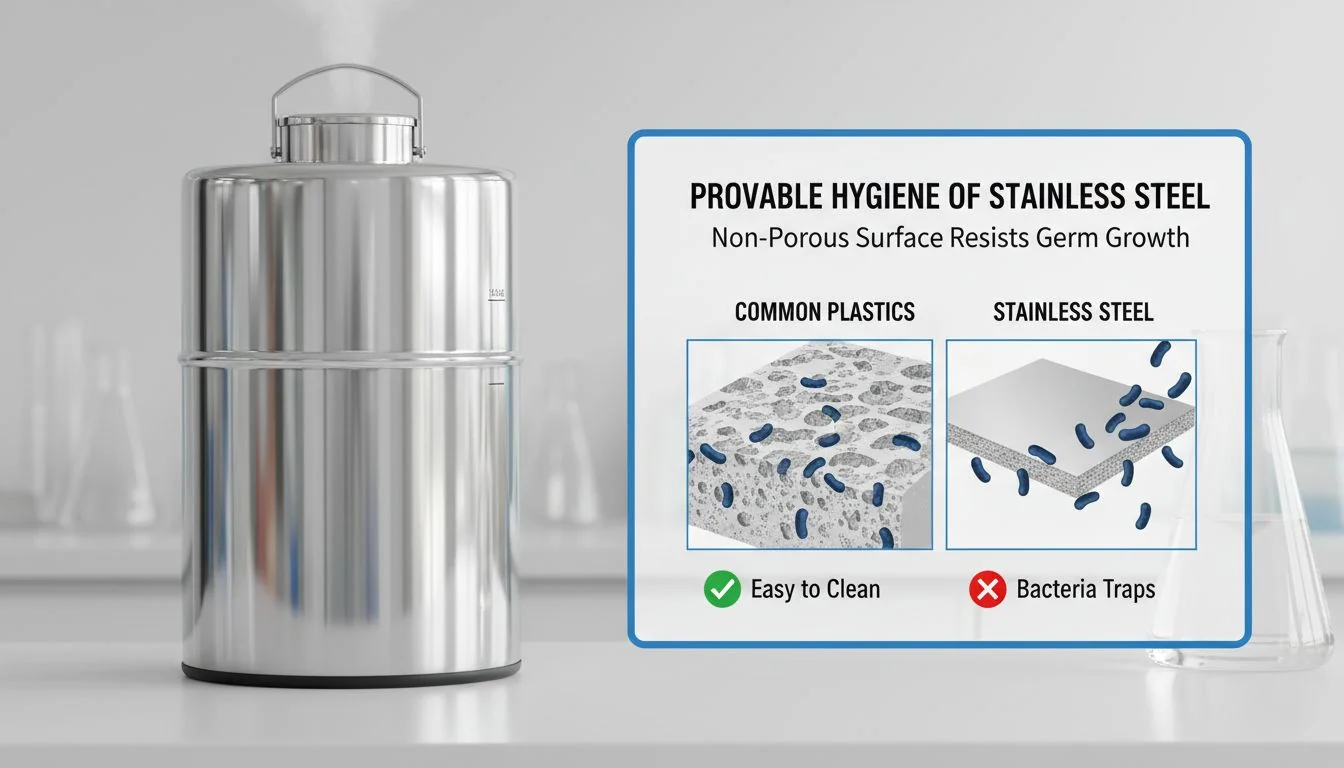
Why Stainless Steel is "Brand-Promise-in-a-Box"
From my perspective as a mold and manufacturing expert, the choice of material dictates everything. Plastic is chosen for cost, not for quality or hygiene. Stainless steel is the opposite. It is a deliberate choice for performance. Its surface is non-porous, meaning there are no microscopic holes for bacteria and mold to hide in. It can be easily and safely cleaned, even with boiling water, ensuring true sterilization. This isn't just a feature; it's a powerful marketing story that aligns perfectly with a premium wellness brand. You're not just selling a humidifier; you're selling peace of mind. You're giving your customers a product that is visibly, tangibly, and scientifically cleaner and safer. That is a promise that plastic can never make.
| Attribute | Пластик | Stainless Steel |
|---|---|---|
| Hygiene | Porous, harbors bacteria. | Non-porous, easy to sterilize. |
| Долговечность | Becomes brittle, can crack. | Resists corrosion, highly durable. |
| Brand Perception | Cheap, disposable. | Premium, healthy, permanent. |
| Cleaning | Difficult, cannot use high heat. | Simple, can be boiled or put in dishwasher. |
Stainless steel is 'biologically inert,' meaning it does not react with or leach chemicals into the water it holds.Правда
This is why stainless steel is the standard material for medical instruments and food processing equipment. It ensures that the water vapor produced by the humidifier is pure and free from leached contaminants.
All stainless steel is the same quality.Ложь
There are many grades of stainless steel. For a humidifier, it's crucial to use a high-quality, corrosion-resistant grade like 304 stainless steel to ensure longevity and safety.
You've decided on a premium material like stainless steel. That's a great first step. But finding a factory that can actually deliver on that vision is a huge risk. How do you avoid production delays, quality failures, and compliance nightmares?
You must demand a factory that specializes in your chosen premium material. They must provide existing, verifiable certifications for your target market (like ETL, CARB, EPA) and prove they have the engineering to back it up.
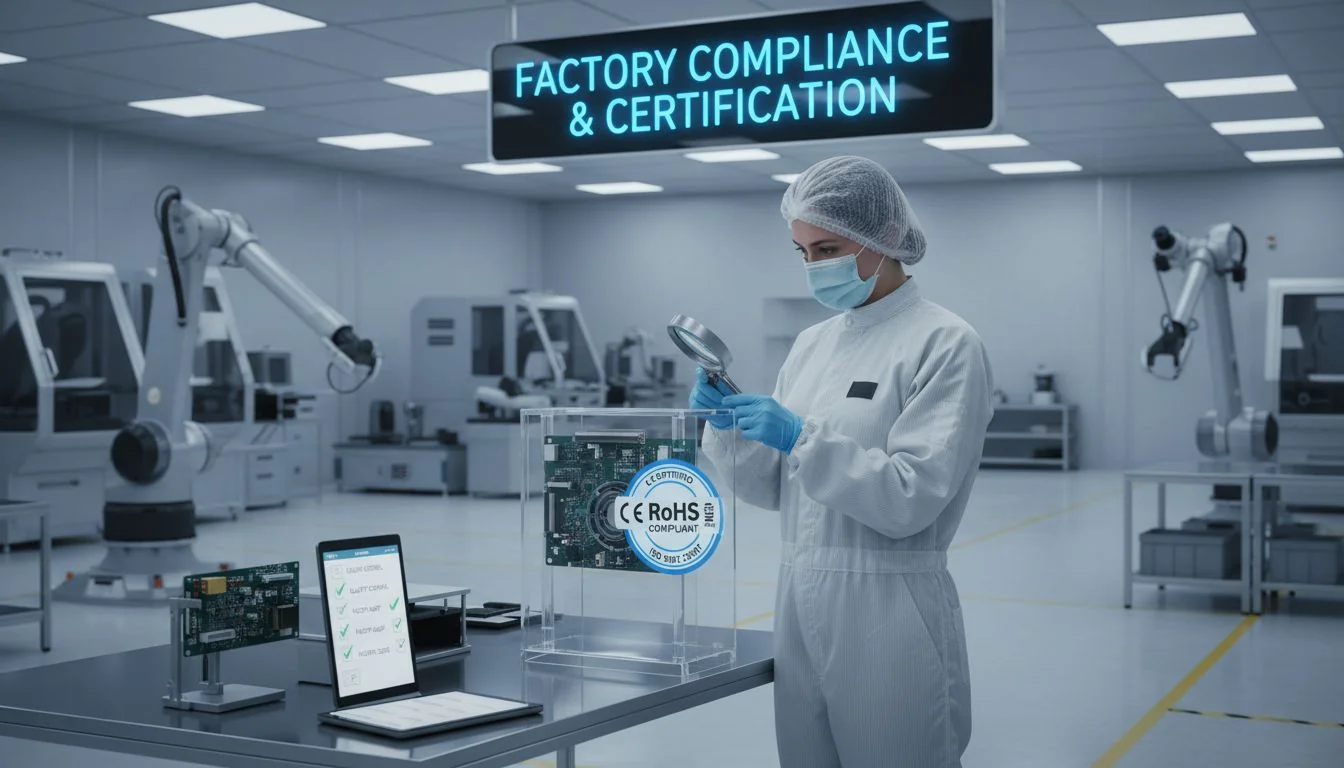
Your Factory Vetting Checklist
I've audited hundreds of factories in my career. The successful partnerships always start with a rigorous vetting process. A factory that makes plastic toys cannot suddenly produce a premium, certified stainless steel electronic device. They lack the expertise, the machinery, and the mindset. You are not looking for a supplier; you are looking for a specialist partner. When you talk to a potential factory, don't just ask for a price. Demand proof. Their answers will tell you everything you need to know about the risk you are taking on. A serious partner will have these answers ready. A risky partner will make excuses.
| Vetting Point | What to Demand | Why It Matters (The Risk of Not Having It) |
|---|---|---|
| Material Specialization | Proof of experience with stainless steel. | A plastic factory will have a steep, expensive learning curve on your project. |
| Verifiable Certifications | Copies of ETL, CARB, EPA certificates. | Without these, your product can't be legally sold. Getting them yourself is slow and costly. |
| In-House Engineering | Talk to their engineers about design for manufacturing. | A factory without strong engineering cannot solve problems or optimize your design. |
| Quality Control Process | Documentation of their QC steps and standards. | Without rigorous QC, you will receive defective units, leading to returns and brand damage. |
| Проверенный послужной список | References from other premium brands. | A factory with no experience in the premium sector won't understand your quality expectations. |
ETL certification ensures a product has met North American safety standards.Правда
The ETL mark is proof that a product is compliant with standards set by bodies like UL and CSA. It is essential for selling electronic goods in the US and Canada.
CARB certification is only for cars.Ложь
The California Air Resources Board (CARB) regulates air quality, including setting limits on ozone emissions from indoor air cleaning devices. Humidifiers that use certain technologies must be CARB certified to be sold in California.
How Can Hisoair Elevate Your Brand and De-Risk Your Launch?
You need a partner, not just a supplier. You need a factory that understands your brand's premium position and won't create headaches with compliance, quality, or delays. You need a safe choice.
Hisoair is the de-risked solution. As a specialist in stainless steel humidifiers with full ETL, CARB, and EPA certifications already in place, they offer a proven, compliant, and brand-aligned product ready for your premium launch.
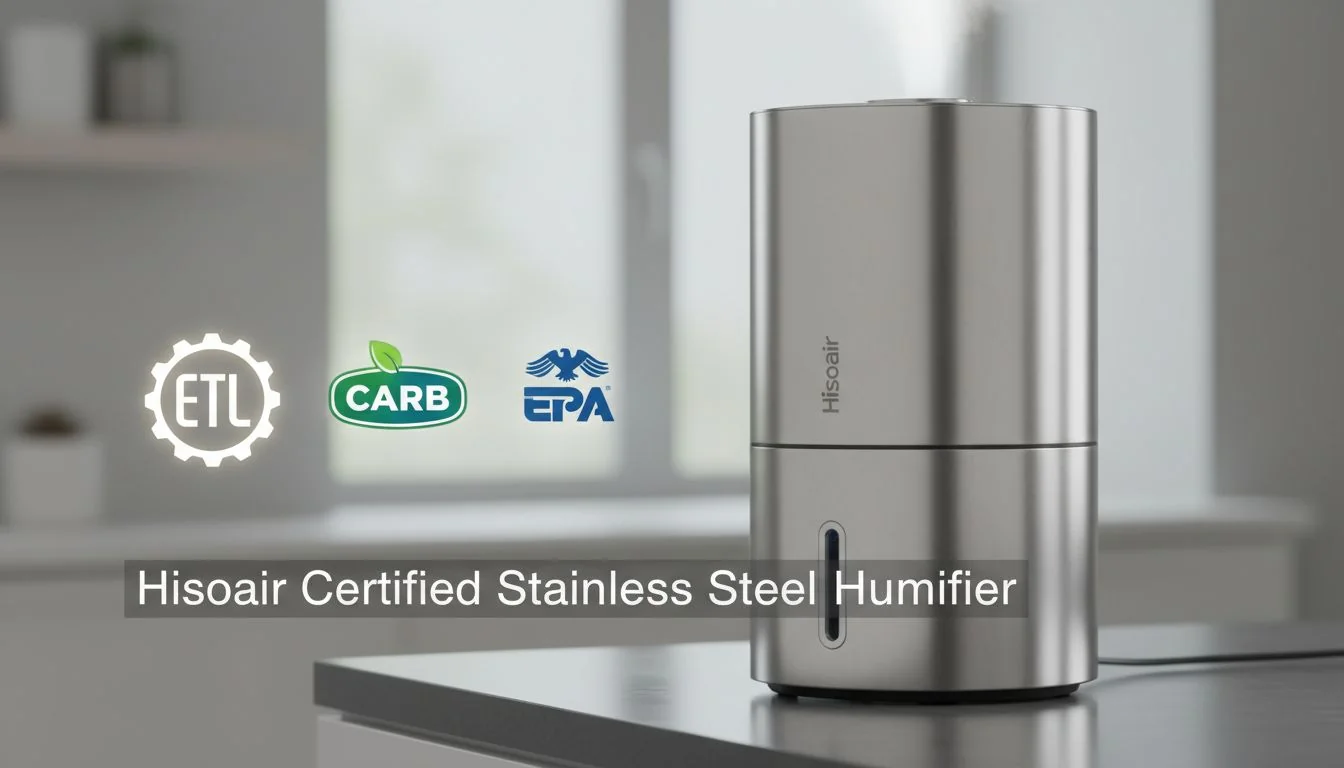
The Hisoair Advantage: Speed, Safety, and Brand Alignment
When I look at a potential manufacturing partner, I look for specialists who have already solved the biggest problems. Hisoair has done exactly that. They didn't just decide to make a stainless steel humidifier; they built their entire process around it. Most importantly, they have already done the hard work of securing the critical certifications for the North American market. For a product designer like Jacky or a brand manager, this is gold. It means you can bypass months, or even years, of costly and uncertain testing. You are partnering with a factory that is not learning on your dime. They are an expert guide, providing a product that is pre-vetted for safety, compliance, and the premium quality your brand demands. This is the fastest, safest path to launching a product that truly enhances your brand.
| Hisoair Partnership Benefit | How It Protects Your Brand |
|---|---|
| Pre-Certified (ETL, CARB, EPA) | Eliminates compliance risk and dramatically speeds up time-to-market. |
| Stainless Steel Specialization | Guarantees expertise in manufacturing, ensuring high quality and no production errors. |
| Proven "Hero Product" Design | Offers a product already designed to solve the hygiene and cleaning problems of plastic. |
| Brand Alignment | Delivers a physical product that perfectly matches a premium brand's promise of quality and health. |
Hisoair is an EPA-registered establishment.Правда
This registration (Est. No. 102923-CHN-1) is required for factories producing devices that claim to control microorganisms, like sanitizing humidifiers, ensuring they meet federal regulations.
Hisoair's humidifiers are fully certified by ETL and CARB.Правда
This means their products have already passed rigorous safety and emissions testing for the US and Canadian markets, making them a compliant, ready-to-launch solution.
Заключение
Don't risk your brand on cheap plastic. Choose a factory and a material that reflect your premium promise, turning a potential liability into a celebrated hero product for your customers.
References
-
Investigate the characteristics that distinguish premium brands and how they can maintain their reputation. ↩
-
Explore how stainless steel enhances hygiene and durability in humidifiers, ensuring a premium product. ↩
-
Explore strategies for building brand trust through quality and transparency in product offerings. ↩
-
Delve into how material science impacts the performance and safety of humidifiers. ↩
-
Find out why hygiene is essential in humidifiers and how it affects customer trust and satisfaction. ↩
-
Learn about the key elements that shape customer experiences and their impact on brand loyalty. ↩










 English
  Français
  Español
  Italiano
  Deutsch
  Português
  Русский
  العربية
  日本語
日本語  한국어
한국어  Tiếng Việt

