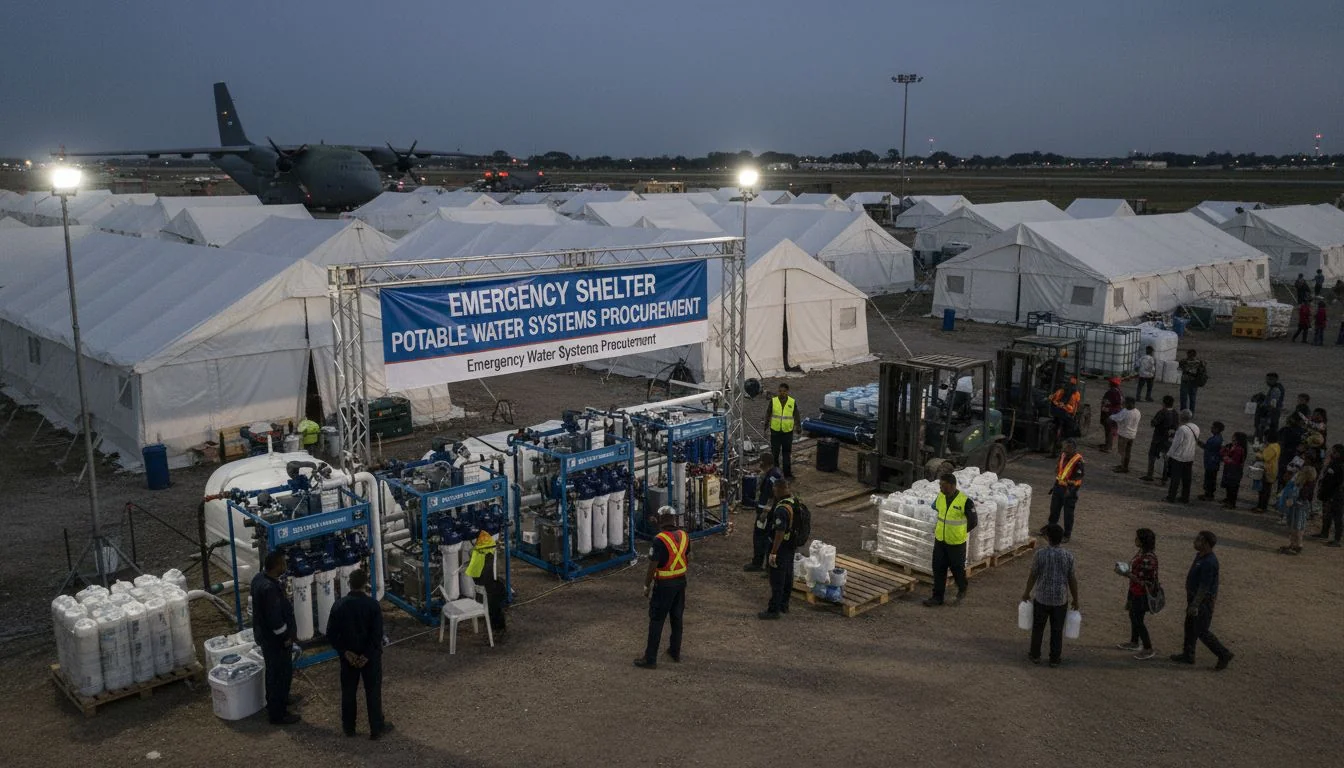
Disasters destroy local water supplies. Without clean water, shelter operations fail fast. I will show you how to procure and deploy rapid water systems to keep shelters running smoothly.
Procuring emergency shelter potable water systems requires focusing on deployment speed1, logistics, and pre-positioning. You must prepare a strict checklist covering packing, transport, installation, and spare parts. This ensures your disaster response team can provide safe water immediately without relying on complex setups.
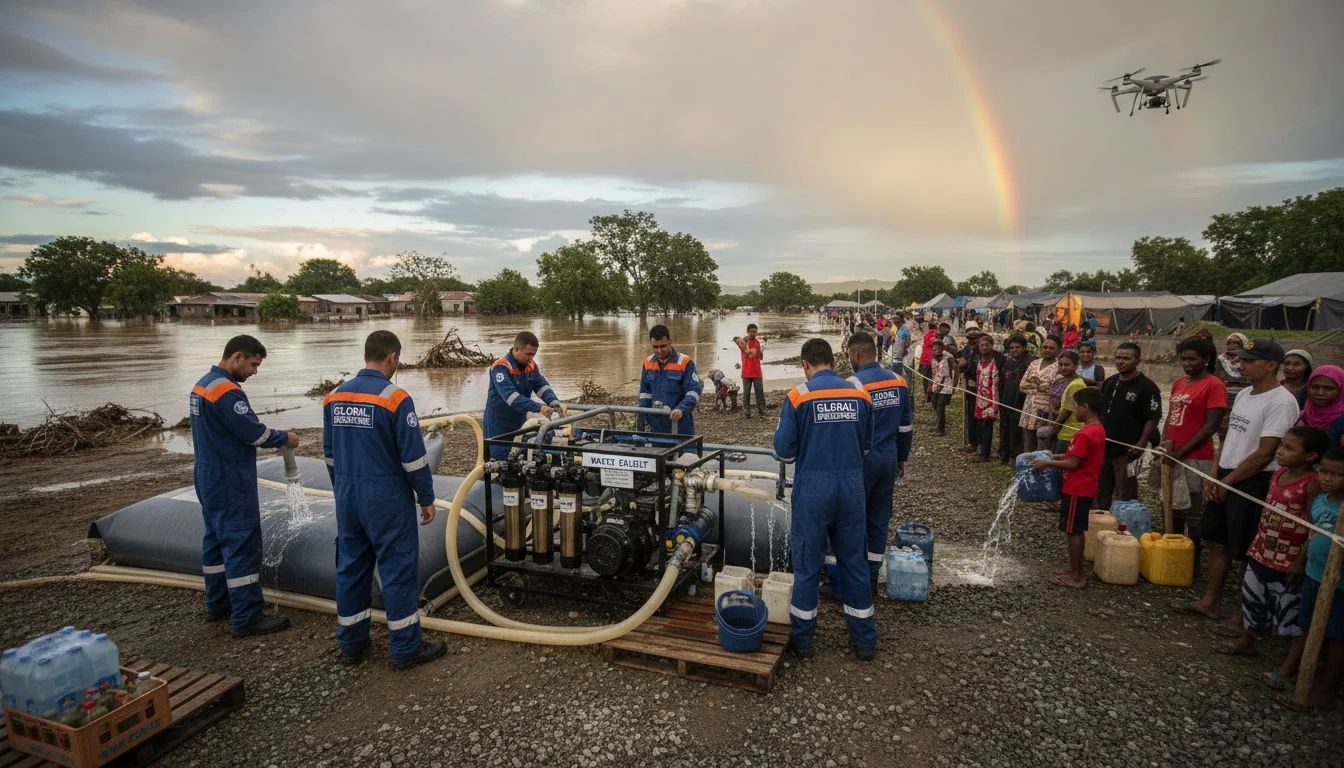
You might think buying a standard water filter is enough for an emergency. However, your system will break down if you ignore logistics and maintenance2. We will look at the real steps for emergency water procurement.
Any commercial water filter works well for emergency disaster shelters.Ложь
Standard commercial filters lack the ruggedness and rapid-deployment features needed for disaster zones.
Pre-positioning water systems reduces deployment time during a disaster.Правда
Storing equipment near high-risk areas allows teams to transport and set up systems much faster.
What Are the Water Challenges in Emergency Shelter Operations?
Shelters face sudden population spikes. Broken infrastructure leaves you with zero water pressure. I will explain how to identify these hurdles before you buy any equipment.
Emergency shelters struggle with unpredictable water sources, lack of power, and difficult terrain. You must choose systems that operate off-grid and handle high turbidity. Your procurement plan must account for these harsh realities to ensure the equipment actually works on site.
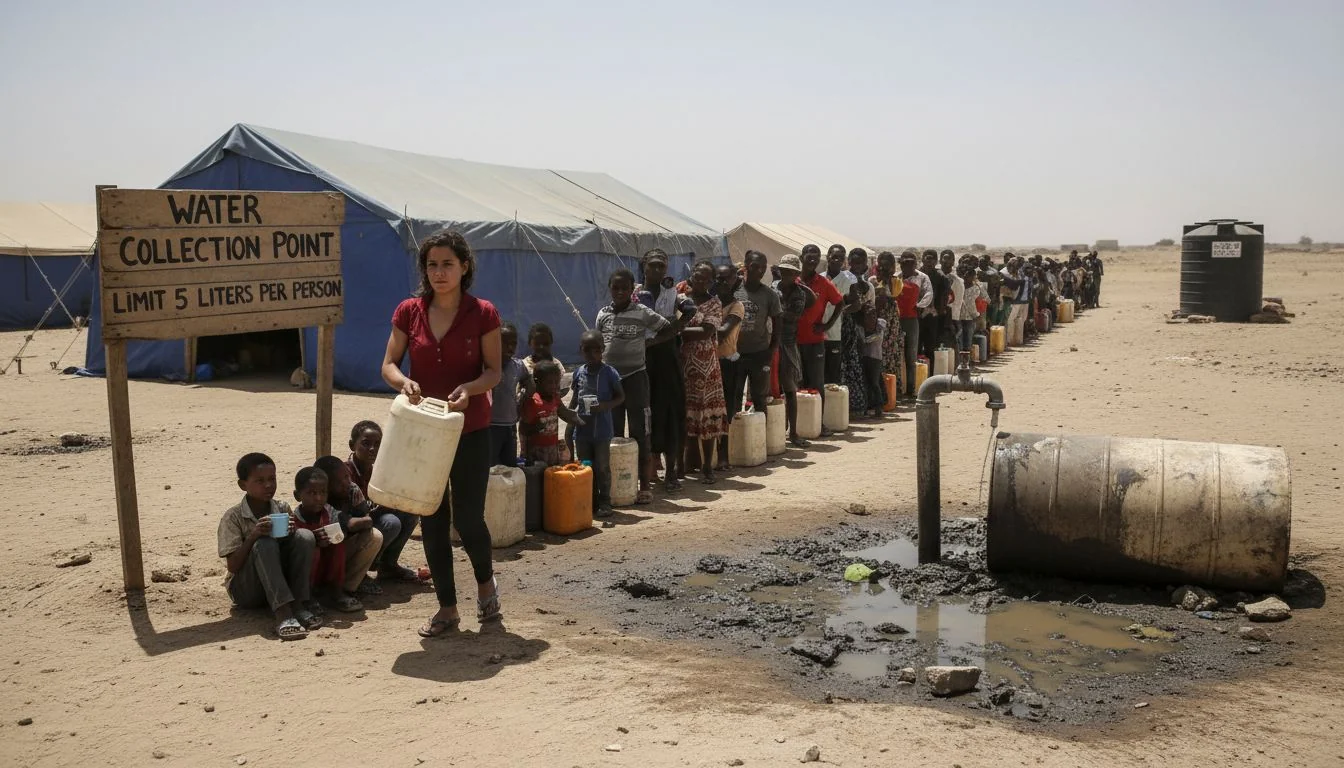
I remember designing a plastic housing for a portable pump. The client forgot to account for impact resistance. The pump broke on the first day. Emergency water systems face similar harsh realities. You cannot predict the water source. Sometimes you pump from a muddy river. Sometimes you use a broken city pipe. You must understand these challenges deeply.
Power and Source Unpredictability
Disaster zones rarely have stable electricity. Your system must run on solar power, generators, or manual pumps. The water source will have high dirt levels. Your system needs heavy-duty pre-filters. The main membranes will clog in hours if you ignore pre-filtration.
Site Conditions
Shelters sit on uneven ground. Mud and debris make installation hard. You need equipment with strong, flat bases. As a mold designer, you know that a weak base ruins the whole structure. You must buy systems built for these exact problems.
| Вызов | Impact on System | Required Feature |
|---|---|---|
| No Grid Power | System cannot run | Solar or diesel generator |
| High Mud Levels | Filters clog fast | Washable pre-filters |
| Uneven Ground | Equipment tips over | Wide, stable skid mounts |
Emergency water systems always have access to clean municipal water.Ложь
Disasters usually destroy municipal pipes, forcing teams to use dirty surface water.
High turbidity water requires heavy-duty pre-filtration.Правда
Pre-filters remove large dirt particles and protect sensitive reverse osmosis membranes from clogging.
What Are the Rapid-Deployment System Types and Capacities?
Slow setup times ruin disaster response efforts. Heavy systems get stuck in transit. I will guide you through the best rapid-deployment options for your team.
rapid-deployment water systems3 include skid-mounted units, trailer-mounted systems, and portable suitcase filters. You must match the system capacity to your shelter size. A small shelter needs 500 liters per hour. A large camp requires industrial trailer units producing over 5,000 liters per hour.
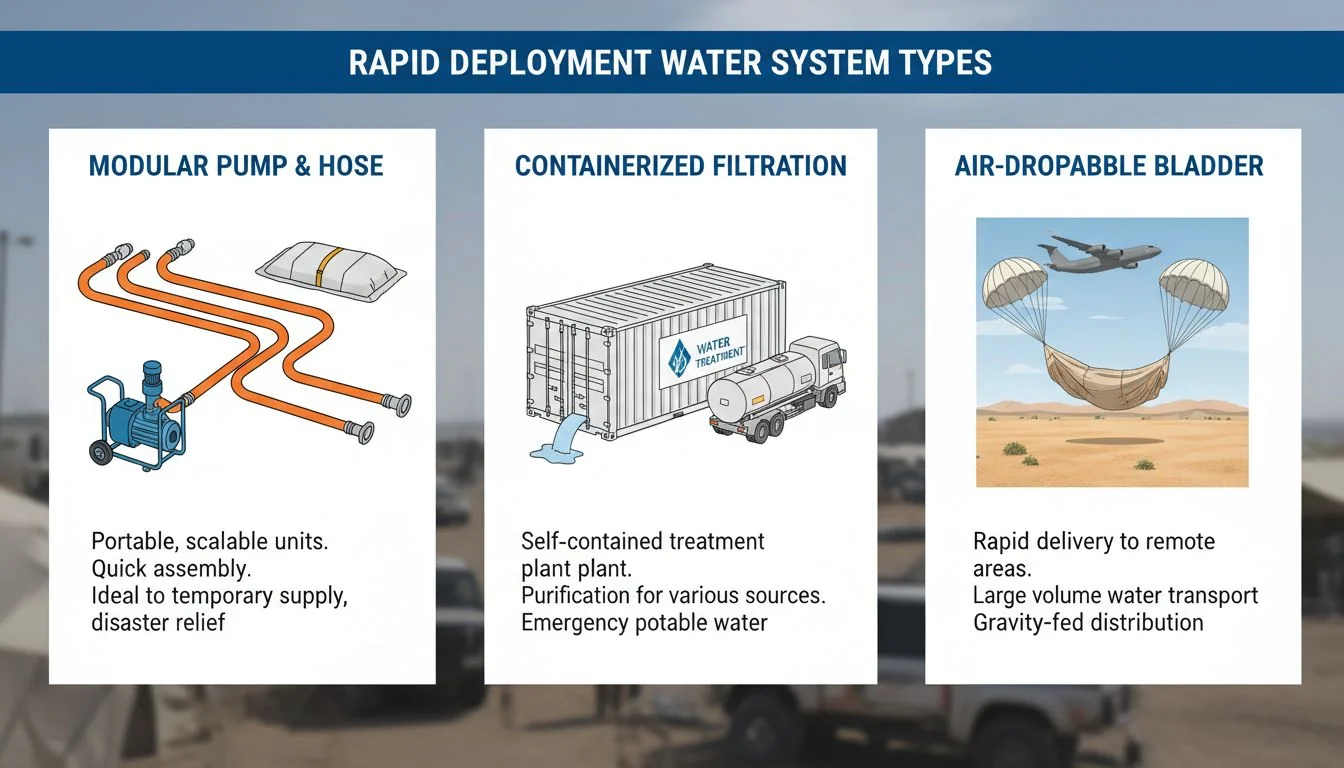
You must choose the right system type for your specific shelter. I often tell my CNC clients to match the machine size to the production volume. The same rule applies to water systems. You cannot use a small filter for a massive camp.
Portable Suitcase Systems
These suitcase systems are small and light. One person can carry them. They work well for small medical tents or advance teams. They usually produce under 200 liters per hour. They use simple plastic molded parts to keep weight low.
Skid and Trailer Systems
Skid-mounted systems sit on metal frames. You move them with a forklift. Trailer-mounted systems have wheels. You tow them behind a truck. These systems serve thousands of people. They include large pumps and multiple filter stages. You must calculate your daily water needs before you buy. You must always buy 20 percent more capacity than you think you need.
| System Type | Capacity (Liters/Hour) | Best Use Case | Мобильность |
|---|---|---|---|
| Suitcase | 50 - 200 | Advance teams | Hand-carried |
| Skid-Mounted | 500 - 2,000 | Medium shelters | Forklift needed |
| Trailer | 2,000 - 5,000+ | Large base camps | Truck towed |
Suitcase water systems can supply enough water for a 5,000-person camp.Ложь
Suitcase systems have low capacities and are only suitable for small teams or medical tents.
Trailer-mounted systems offer high mobility for large-scale water production.Правда
Trailers can be towed directly to the site and start producing large volumes of water quickly.
How to Handle Procurement and Pre-Positioning for Disaster Response?
Buying equipment during a disaster causes massive delays. Supply chains freeze. I will show you how to buy and store equipment before the storm hits.
Procurement must happen months before a disaster. You must pre-position water systems in secure warehouses near high-risk zones. Buyers must establish vendor contracts4 early. This ensures you have guaranteed access to equipment, spare parts, and technical support when an emergency strikes.
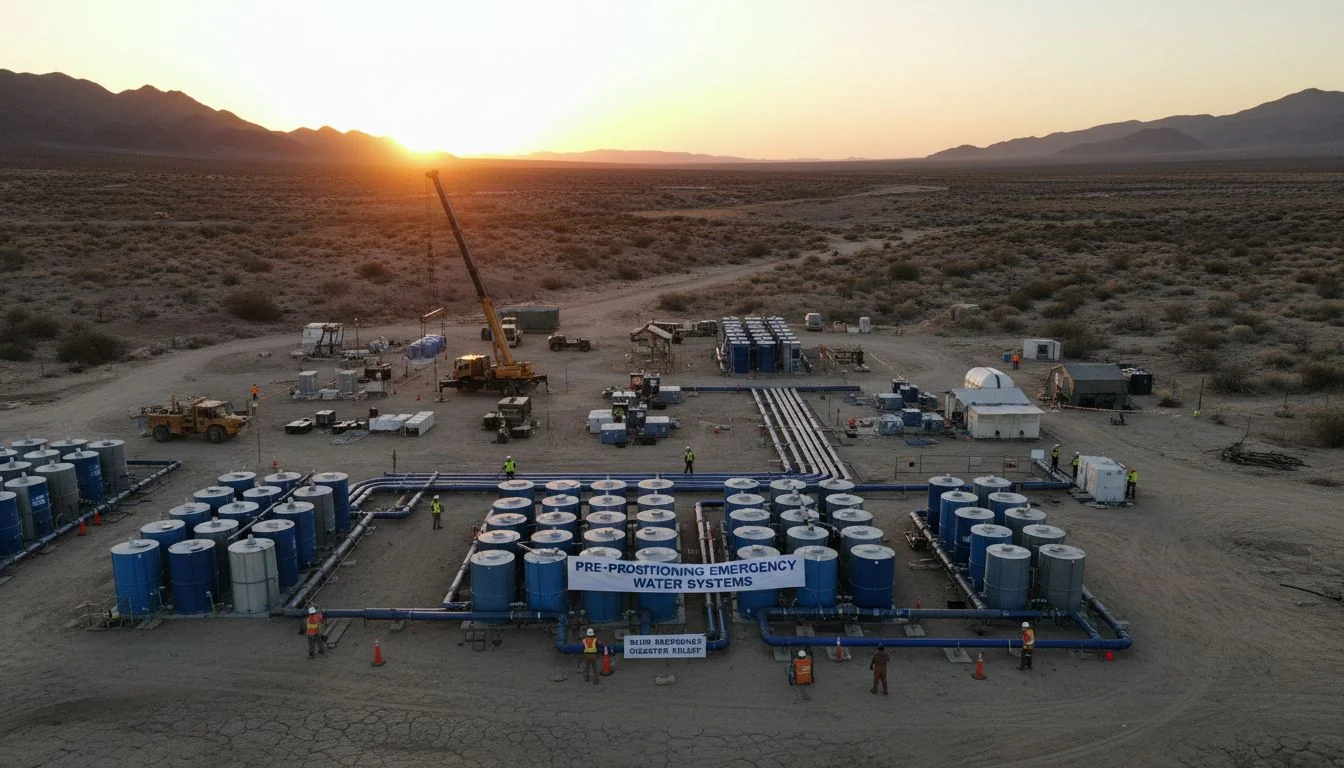
I learned a hard lesson in my trading company. You will pay double and wait weeks if you wait for a crisis to order parts. Emergency procurement works the same way. You must buy your water systems now.
Establishing Vendor Contracts
You need strong relationships with manufacturers. You must not just buy a machine. You must buy a support package. You must ensure the vendor promises fast shipping for spare parts. You should ask them about their plastic molding processes for custom fittings. Strong parts last longer in storage.
Strategic Pre-Positioning
You must store your equipment correctly. You must keep it in a dry warehouse. You must place the warehouse near major highways or airports. You must still reach your equipment if the roads flood. Pre-positioning saves days of transport time. Days save lives in a disaster.
| Procurement Step | Action Required | Выгода |
|---|---|---|
| Vendor Selection | Sign emergency supply contracts | Guarantees part availability |
| Warehouse Choice | Pick high-ground locations | Prevents flood damage to gear |
| Stock Audits | Check inventory every 6 months | Ensures readiness |
You should wait until a disaster happens to buy water systems.Ложь
Supply chains break down during disasters, making it impossible to get equipment quickly.
Pre-positioning equipment near airports speeds up deployment.Правда
Storing gear near transport hubs allows teams to load and fly equipment to disaster zones immediately.
What Are the Logistics, Transport, and Setup Considerations?
Moving heavy water systems across broken roads is a nightmare. Poor packing destroys sensitive filters. I will teach you how to transport and install systems safely.
Logistics dictate your success. You must pack systems in hard cases. Transport requires off-road vehicles or helicopters. Setup must be tool-less and simple. Your team should be able to connect hoses and start the pumps within one hour of arriving at the shelter.
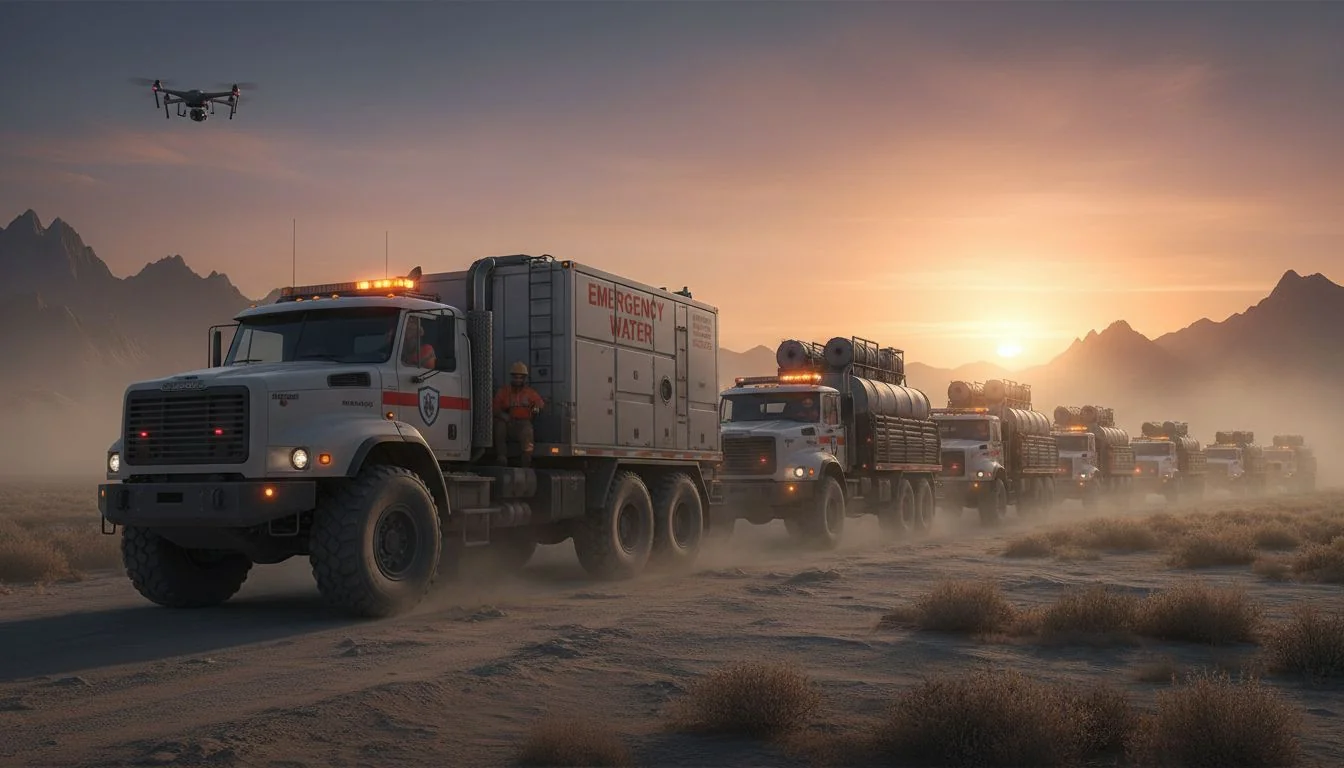
I use reinforced wooden crates when I ship heavy steel molds. The mold gets damaged if the crate breaks. Water systems have fragile membranes and electronic sensors. You must pack them perfectly.
Packing and Transport
You should use custom-molded plastic cases for small parts. These cases absorb shocks. You must use heavy-duty straps for large skids. You must plan your transport route. You might need a helicopter if bridges are down. You must ensure your system has lifting rings for helicopter transport.
Rapid Installation
Setup must be simple. People are tired and stressed in an emergency. You must use color-coded hoses. You must use quick-connect fittings. You should not need special tools to start the system. Your system is too complex if your setup takes more than two hours. You must keep it simple.
| Logistics Phase | Key Requirement | Reason |
|---|---|---|
| Packing | Custom molded hard cases | Protects fragile membranes |
| Transport | Helicopter lifting rings | Allows air-drop into cut-off areas |
| Setup | Color-coded quick connects | Prevents assembly mistakes |
Standard cardboard boxes are fine for shipping emergency water systems.Ложь
Cardboard offers no impact or water protection, leading to damaged equipment during rough transport.
Color-coded hoses reduce installation errors during stressful emergencies.Правда
Visual guides help tired operators connect the right hoses quickly without needing complex manuals.
How to Manage Maintenance and Operation During Extended Use?
Emergency systems often run for months. Without maintenance, pumps burn out and filters fail. I will show you how to keep your system running long-term.
Extended operation requires strict daily maintenance. Operators must backwash pre-filters and check pump oil levels. You must procure a comprehensive spare parts kit. This kit must include extra membranes, O-rings, and chemical dosing supplies. Proper maintenance prevents sudden system failures during long shelter deployments.
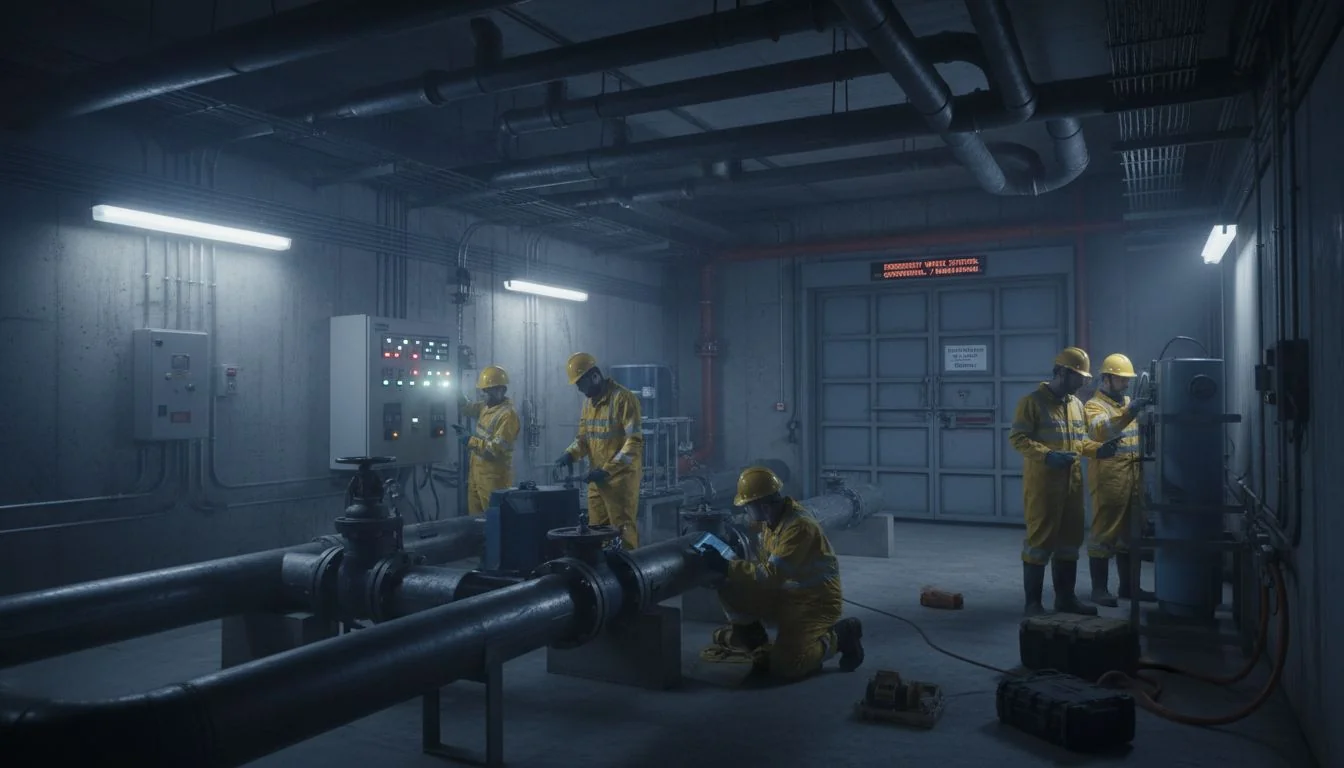
We do daily maintenance on our CNC machines in mold manufacturing. The machine crashes if we skip it. Water systems are exactly the same. You cannot just turn them on and walk away.
Daily Operation Tasks
Your operators must check the system every day. They must clean the intake screens. They must monitor the pressure gauges. A filter is clogged if the pressure drops. They must backwash the system to clear the dirt.
Spare Parts Management
You must buy spare parts when you buy the main system. You must not wait. Rubber O-rings degrade over time. Plastic fittings crack under UV light. You need a dedicated box of spares. You must train your local shelter staff to do these tasks. You cannot keep expensive engineers on site forever.
| Maintenance Task | Частота | Required Spare Part |
|---|---|---|
| Clean Intake Screen | Daily | None (Manual cleaning) |
| Replace Pre-filter | Weekly | Spun cotton filter cartridges |
| Check Seals | Ежемесячно | Rubber O-rings and gaskets |
Emergency water systems require zero maintenance once turned on.Ложь
Filters clog and pumps wear out, requiring daily checks and regular part replacements.
Buying spare parts with the initial system prevents long downtime.Правда
Having parts on hand means you can fix broken components immediately without waiting for shipping.
What Is the Specification Checklist for Emergency Procurement?
Missing one small detail ruins your entire procurement plan. You need a strict checklist. I will give you the exact specifications you must demand from vendors.
Your procurement checklist must cover five main areas. You must specify power requirements, water source compatibility, output capacity, physical dimensions, and spare parts kits. Buyers must prepare this checklist before contacting vendors. This ensures you buy a complete, functional system ready for immediate emergency deployment.
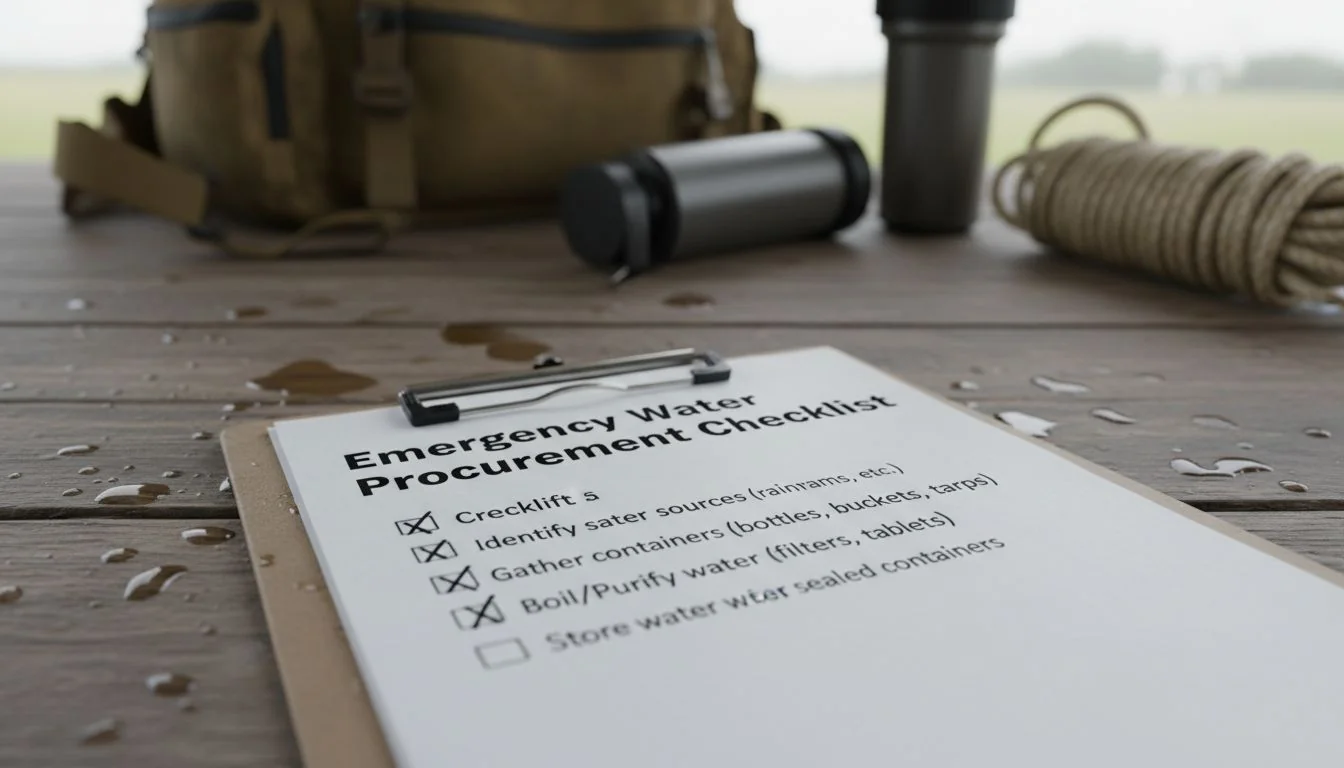
Jacky uses a strict checklist for tolerances and shrinkage when he designs a mold. Procurement needs the same discipline. I use a checklist for every machine I buy. You must do the same for water systems.
Pre-Purchase Preparation
You must know your limits before you call a vendor. You must know your transport vehicle size. You must know your budget. You must know your target shelter population. Vendors will sell you the wrong equipment if you do not know these numbers.
The Core Checklist
You must demand specific features. You must not accept vague promises. You must ask for exact material specs. You must ensure the plastic housings use UV-resistant polymers. You must use this checklist to compare different vendors. It will protect you from buying cheap equipment.
| Specification Category | What to Demand from Vendor |
|---|---|
| Мощность | Dual voltage (110V/220V) and solar ready |
| Фильтрация | 3-stage filtration with washable pre-filters |
| Материалы | Marine-grade aluminum and UV-resistant plastics |
| Spares | 1-year consumable parts kit included |
Vendors always know exactly what your specific shelter needs.Ложь
Vendors only know their products; you must provide exact specifications based on your shelter's unique conditions.
UV-resistant plastics prevent equipment housings from cracking in the sun.Правда
Prolonged sun exposure degrades standard plastics, making UV resistance crucial for outdoor emergency equipment.
Заключение
Procuring emergency shelter potable water systems demands careful planning, strict checklists, and early pre-positioning. Focus on logistics, rapid setup, and spare parts to ensure your disaster response succeeds.
References
-
Understanding deployment speed is crucial for effective disaster response, ensuring timely access to clean water. ↩
-
Logistics and maintenance are vital for the reliability of water systems in emergencies, affecting overall operational success. ↩
-
Exploring rapid-deployment options can enhance preparedness and response capabilities in emergencies. ↩
-
Strong vendor relationships ensure timely access to necessary equipment and support during crises. ↩

 English
  Français
  Español
  Italiano
  Deutsch
  Português
  Русский
  العربية
  日本語
日本語  한국어
한국어  Tiếng Việt
