
Открывается в новой вкладке
Инновационные решения в области качества воздуха
HisoAir-Logo
Запрос сейчас

India vs. Cambodia: Small-Batch Air Purifier Manufacturing Hubs

Related Products

The global demand for air purifiers has surged, driven by increasing awareness of air quality, post-COVID hygiene, and urbanization. This fuels innovation and agile manufacturing solutions. While mass production was the norm, a significant shift towards small-batch manufacturing offers agility, flexibility, and design control, appealing to hardware startups and DTC brands.

This evolving landscape necessitates nuanced strategic sourcing. The traditional reliance on China is being re-evaluated, with the 'China+1' strategy gaining traction. This blog delves into two emerging contenders for small-batch air purifier manufacturing: India and Cambodia. We will provide a comparative analysis, framing sourcing strategies for small-batch production, and offer recommendations for companies with varying goals.

India and Cambodia: Two Contrasting but Viable Options

India and Cambodia present distinct yet viable options for small-batch air purifier production. India, with its vast domestic market and growing industrial base, positions itself as an ecosystem builder, offering long-term scalability and market access. This attracts companies seeking a strong foothold in a rapidly expanding economy.

Cambodia, conversely, offers cost-efficiency and simplicity. Its manufacturing landscape features a straightforward, 'plug-and-play' export model, appealing to businesses focused on lean operations and international distribution. Though smaller than India, Cambodia's strategic location and economic zones offer specific benefits for certain manufacturing operations.

Рабочие на оживленном производстве

The Small-Batch Manufacturing Imperative

Small-batch manufacturing is a strategic imperative driven by market demands and technological advancements. For air purifiers, where innovation and rapid response are crucial, it offers distinct advantages:

  • Lower Minimum Order Quantities (MOQs): Reduces upfront capital, minimizes inventory risk, and allows flexible market testing.
  • Higher Customization and Design Control: Facilitates easier incorporation of specific features and aesthetic variations, crucial for niche markets.
  • Agile Logistics and Faster Time-to-Market: Enables quick response to disruptions, reducing lead times and accelerating market entry.
  • Emphasis on Manual Work and Craftsmanship: Often leads to superior product quality and attention to detail.

Traditional mass manufacturing incentives (e.g., India's PLI scheme) often misalign with small-volume operations. Companies pursuing small-batch strategies must evaluate locations based on suitability for agile, flexible, lower-volume production.

Comparative Deep-Dive: India vs. Cambodia

A. Cost Structure

Фактор Индия Камбоджа
Стоимость труда Medium to High (and rising) Low (among the lowest in Southeast Asia)
Tax Incentives 15% flat corporate tax rate for new manufacturing companies; various state-level incentives Up to 9 years tax-free for Qualified Investment Projects (QIPs), especially in Special Economic Zones (SEZs)
Overhead (Utilities) Moderate, can vary significantly by region; power reliability improving but still a concern in some areas Low, particularly within SEZs where infrastructure is purpose-built and subsidized

Summary: Cambodia leads in cost control, ideal for startups and bootstrapped projects. Lower labor costs and attractive tax holidays offer significant advantages for small-batch operations. India's higher costs reflect its more developed economy.

B. Supply Chain & Component Sourcing

  • India: Nascent local electronics ecosystem; heavy reliance on imported air purifier components. This creates friction for SMEs due to customs and lead times. Government pushes for localization, but specialized components are still maturing.
  • Cambodia: Largely import-based manufacturing. Component import is streamlined, especially within SEZs, which offer simplified customs and efficient logistics for export-oriented manufacturing.

Implication: Cambodia offers more predictable component sourcing for small-batch, particularly for importing complete kits. India presents more immediate challenges for SMEs due to its less mature local supply chain and complex import regulations.

C. Infrastructure & Logistics

  • India: Strong and improving infrastructure, including major ports and extensive road/rail networks. National Logistics Policy aims to enhance efficiency. LPI ranking of 38 reflects commitment to logistics.
  • Cambodia: National infrastructure is less robust. However, SEZs (e.g., Koh Kong) near the Thai border leverage Thailand's superior logistics network, bypassing internal limitations for export.

Summary: India is advantageous for broad domestic distribution. For export-focused small-batch manufacturers, Cambodia's SEZs offer efficient logistics by utilizing neighboring countries' infrastructure.

D. Labor & Workforce

Metric Индия Камбоджа
Avg. Semi-Skilled Wage ~$775/month (varies by region and industry) ~$300–$500/month (significantly lower)
Workforce Flexibility Lower (rigid labor codes, unionization) Higher (Fixed Duration Contracts - FDCs)
Skill Readiness Paper-qualified, needs on-the-job training. Strong engineering talent. Less formally qualified, experienced in basic assembly within SEZs.

Verdict: Cambodia offers easier onboarding and flexibility for basic assembly, suitable for adaptable small-batch production. Lower wages contribute to cost competitiveness. India has engineering talent but requires more training investment for specific manufacturing needs.

E. IP Protection & Business Climate

  • India: Strong and evolving legal framework for IP protection (patent, trademark laws). Well-established judicial system for enforcement. Business climate improving, though bureaucratic hurdles exist.
  • Cambodia: Weaker IP regime. Enforcement can be less robust, but trademark enforcement at customs is effective. Business climate is open, especially in SEZs, offering streamlined procedures. Transparency can be a concern outside SEZs.

Summary: India offers a more reassuring legal environment for highly innovative products with critical IP. Cambodia presents lower risk for products where IP is less critical, especially within well-regulated SEZs.
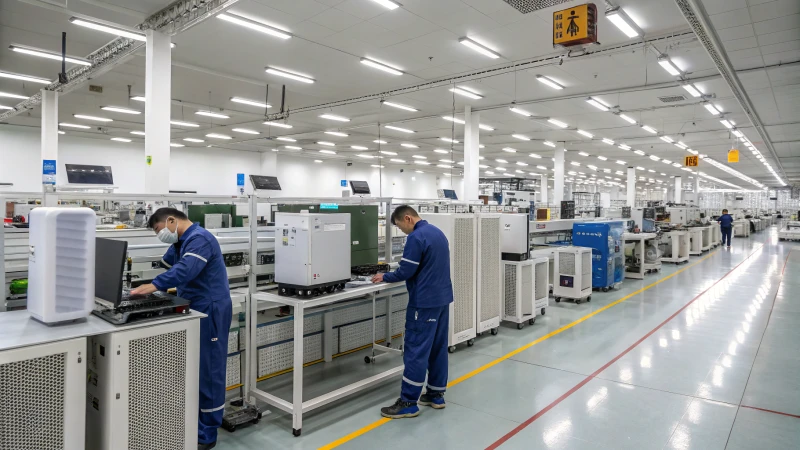
Рабочие собирают воздухоочистители на высокотехнологичном заводе

Strategic Trade-Offs: Which Model Fits You?

The choice between India and Cambodia depends on your company's strategic priorities, operational model, and market entry goals.

If You Prioritize Cost, Speed, and Simplicity: Choose Cambodia

Ideal for lean operations, rapid deployment, and cost efficiency. Perfect for:

  • Minimum Viable Products (MVPs) and Pilot Runs: Low-cost entry for initial production.
  • Export-Oriented Hardware Brands: Efficient export model.
  • Bootstrapped Projects: Lower investment, attractive tax holidays, lean operations.

Best Located: Within SEZs near the Thai border (e.g., Koh Kong, Poipet) for superior infrastructure and efficient shipping via Thailand's ports.

If You Prioritize Market Access and Long-Term Growth: Choose India

Strategic choice for long-term growth and penetration of India's vast consumer market. Ideal for:

  • Companies Targeting India's Domestic Market: Access to over 1.4 billion consumers.
  • Leveraging Local Cluster Infrastructure: Supportive ecosystems (e.g., Noida, Pune) for growth.
  • Future Localization Opportunities: Positions companies to capitalize on maturing manufacturing capabilities.

Consideration: Be prepared for a more complex regulatory environment and potentially higher initial costs. However, the strategic advantage of tapping into the Indian domestic market often outweighs these challenges.

Final Scorecard: Head-to-Head Comparison

Decision Criteria Индия Камбоджа
Стоимость труда 5 9
Tax Incentives 7 10
Logistics (Export-Focused) 8 6 (but 8 in SEZ)
Supply Chain Access (Small-Batch) 6 7
IP Protection (Patent-Based IP) 9 5
Market Scalability 9 4
Ease of Operations (for SME) 6 8

Weighted Total (based on small-batch priority):

  • India: 6.5/10
  • Cambodia: 6.95/10

Note: Weighted total prioritizes factors critical for small-batch manufacturing.
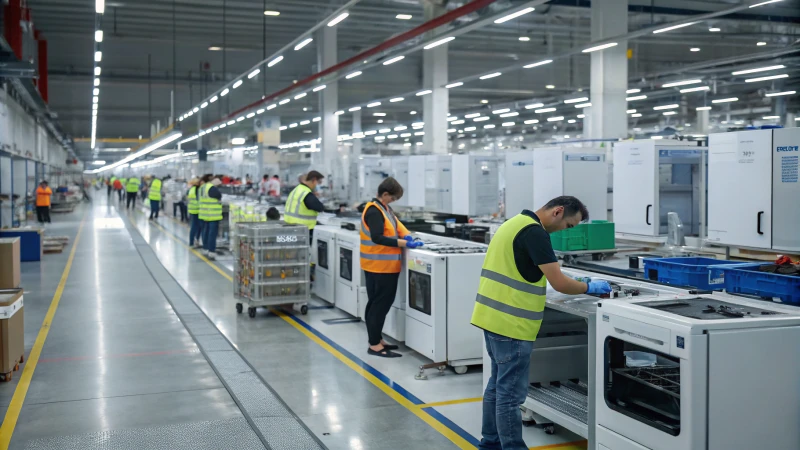
Рабочие собирают бытовую технику на современном заводе

Заключение

No universal “best” choice exists between India and Cambodia for small-batch air purifier production. Each offers distinct advantages aligning with specific business strategies. Cambodia, with its cost efficiencies, simplified export model, and flexible labor, is an excellent tactical launchpad for global exports, suited for lean operations and rapid prototyping.

India represents a strategic bet on long-term growth, localization, and market capture. Its vast domestic market, improving infrastructure, and growing industrial ecosystem make it ideal for companies aiming for significant presence within India. While more complex initially, the strategic advantages for market access are substantial.

Ultimately, the decision hinges on your company’s unique needs, risk appetite, and long-term vision. Evaluate your product’s IP sensitivity, target markets, and operational priorities to guide your choice of manufacturing hub.


Поделиться:
Основатель Hisoair мистер Ли
Alwen Lee, an air purification expert with over 10 years of experience, is a devoted father of two and a passionate traveler, having explored more than 30 countries. With a love for public speaking and swimming, he has dedicated his life to the indoor air quality industry. His mission is to ensure that people around the world enjoy the freedom to breathe clean air and lead happy, healthy lives.

Отправить нам сообщение

Related Products

Больше читать

Modern living room with a family enjoying a healthy indoor environment monitored by smart devices, natural lighting, and greenery.

After IFA 2026: The Healthy Home Is Moving Beyond Smart Devices

In our previous IFA 2026 column, Air Purification Is Becoming Part of the Healthy-Home Platform, we argued that the next generation of indoor-health products would ...
Новости
Modern living room and kitchen with smart home air quality devices including an air purifier, humidifier, and water filtration system, connected with visualized blue connectivity lines.

IFA 2026: Air Purification Is Becoming Part of the Healthy-Home Platform

Pre-IFA Industry Perspective | September 4, 2026 This article is based on official announcements and regulatory information available ahead of IFA 2026, which takes place ...
Новости
Comparison infographic showcasing the differences between carbon block filter and activated carbon fiber. Detailed diagrams illustrate the hierarchical porous structure of the carbon block with long diffusion paths and the open microporous structure of the activated carbon fiber with direct access for PFAS adsorption.

Carbon Block vs. Activated Carbon Fiber (ACF): Matching Media to Target Contaminants

Two carbon media. Same adsorption chemistry. Very different behaviour in a point-of-use cartridge. If you are specifying a water purifier platform for a PFAS-aware market, ...
Новости
NSF base listing and ANF private-label certification pathway for OEM water filters

What Is an NSF Master Listing? A Guide to Base Listings, ANF Certification and OEM Water Filters

For a brand preparing to launch an OEM water purifier, one of the most common supplier claims is: “We already have an NSF master listing, ...
News, Water Purifiers
Healthy-home brand team reviewing PFAS water filter certification, test data and product engineering

Entering the Water Category Is Easy. Building a Credible PFAS Claim Is Much Harder

For air purification, appliance and healthy-home brands, entering the water category can look surprisingly easy. A company can select an existing undersink system, customize its ...
Новости
Team in a business meeting discussing a water filtration system with product components and a comparison table displayed on a screen.

5 Leading OEM Water Purifier Manufacturers in China for Private Label Brands

China has thousands of companies selling water filters, reverse osmosis systems and drinking-water appliances. However, only a portion of them are suitable for private-label, OEM ...
Новости
Contaminant Engineering•3 min read

PFAS Water Filtration Technologies Explained: Carbon, Resin & RO

Key Takeaway:

PFAS reduction depends on the specific compounds present, treatment media, contact time, water chemistry, and system design. Activated carbon, ion exchange, and Reverse Osmosis address PFAS through different mechanisms.

PFAS are a large family of persistent fluorinated compounds that can occur in drinking-water supplies. Their treatment behavior varies significantly by molecular structure, chain length, functional group, concentration, and the chemistry of the source water.

Granular Activated Carbon (GAC) removes PFAS primarily through adsorption. It is generally more effective for many longer-chain PFAS, while shorter-chain compounds tend to break through more quickly. Carbon performance depends on media properties, Empty Bed Contact Time (EBCT), competing organic matter, loading, and replacement frequency.

Ion-exchange resins use charged functional sites to capture many PFAS compounds. Properly selected anion-exchange media can provide high capacity and may perform better than conventional activated carbon for some shorter-chain PFAS, although performance still depends on water chemistry and competing ions.

Reverse Osmosis (RO) uses membrane separation rather than adsorption. Properly designed RO systems can provide broad reduction across many PFAS compounds as well as dissolved salts and other contaminants. Unlike carbon or resin, however, RO also produces a concentrate stream that must be managed.

No single technology should be selected from a PFAS label alone. System design should consider which PFAS compounds are present, their concentrations, required reduction targets, flow rate, media life, and the applicable third-party certification or validation requirements.

HisoAir Water Technical Series
Product Discovery•3 min read

How to Choose an Under-Sink Water Purifier for Modern Kitchens

Key Takeaway:

Match the treatment technology to your water quality first, then evaluate cabinet space, faucet configuration, flow rate, drain and power requirements, and filter replacement needs.

Choosing an under-sink water purifier starts with water chemistry. Carbon filtration is well suited to chlorine, taste, odor, and many organic contaminants, while Reverse Osmosis is more appropriate when dissolved salts, fluoride, nitrates, or broader dissolved contaminants need to be reduced.

For compact kitchens, tankless RO systems eliminate the conventional storage tank and can significantly reduce the space required under the sink. However, membrane capacity stated in GPD does not directly equal faucet flow. When comparing systems, check the actual dispensing flow rate, inlet-pressure requirement, recovery ratio, and whether a booster pump is required.

Installation architecture also matters. Many RO systems require a drain connection, electrical power, and either a dedicated drinking-water faucet or a compatible multi-function faucet. High-flow carbon systems can often connect directly to the existing cold-water line with a simpler installation, but pressure drop and available faucet flow should still be verified.

RO also removes much of the naturally occurring dissolved mineral content. Where taste or mineral balance is a priority, a post-RO remineralization stage can be added. Filter life should be evaluated by both rated capacity and local water quality rather than replacement time alone.

The right system is therefore not simply the smallest or highest-GPD model. It is the configuration that matches the target contaminants, available cabinet space, desired faucet setup, peak dispensing demand, and maintenance expectations.

HisoAir Water Technical Series
Water Quality•2 min read

What Does TDS Mean in Drinking Water? Measurement vs Contaminant Reality

Key Takeaway:

A TDS meter estimates the overall concentration of dissolved ionic substances from electrical conductivity. It cannot identify specific contaminants or determine whether water is chemically safe.

Total Dissolved Solids (TDS) refers to the combined concentration of dissolved substances in water. Most handheld TDS meters do not measure TDS directly. Instead, they measure electrical conductivity (EC) and convert that reading into an estimated parts-per-million (ppm) value.

This means a TDS reading can indicate how much dissolved ionic material is present, but not what that material actually is. Calcium, magnesium, sodium, nitrates, and other dissolved ions can all contribute to conductivity, yet a simple TDS meter cannot distinguish between them.

TDS meters are also not suitable for detecting trace contaminants such as PFAS, many VOCs, pesticides, pharmaceuticals, or disinfection byproducts. These substances may be present at concentrations far below the level needed to noticeably change electrical conductivity.

A low TDS reading therefore does not guarantee safe drinking water, and a higher TDS reading does not automatically indicate contamination. Water-treatment decisions should be based on laboratory testing for specific contaminants of concern rather than TDS alone.

HisoAir Water Technical Series
Technology Selection•2 min read

RO vs UF Water Filtration: Understanding Pore Sizes & Dissolved Minerals

Key Takeaway:

Ultrafiltration can reduce bacteria, turbidity, and suspended particles while retaining most naturally occurring dissolved minerals. Reverse Osmosis provides much broader reduction of dissolved salts and smaller contaminants.

Ultrafiltration (UF) typically uses hollow-fiber membranes with pore sizes in the approximate 0.01–0.1 micron range. These membranes physically retain turbidity, suspended solids, colloids, and many microorganisms while allowing dissolved minerals and salts to remain in the water.

Reverse Osmosis (RO) operates at a much finer separation level. Unlike UF, RO can substantially reduce dissolved ions such as sodium, calcium, fluoride, nitrates, and other contributors to total dissolved solids (TDS). This makes RO more suitable when dissolved-salt reduction is a primary treatment objective.

UF generally requires less system pressure and produces little or no continuous concentrate stream in many point-of-use configurations. RO typically requires greater pressure and produces a reject-water stream, but delivers broader contaminant reduction.

For water with acceptable TDS and mineral content, UF can be a simpler mineral-retaining treatment option. Where dissolved salts, fluoride, nitrates, or broader dissolved contaminants are a concern, RO is generally the more appropriate technology.

HisoAir Water Technical Series
Technology Selection•4 min read

Carbon Block vs Reverse Osmosis: Which Fits Your Need?

Key Takeaway:

Choose RO for dissolved inorganic salts and heavy metals; choose Carbon Block for chemical taste/odor, no wastewater, and high line-pressure flow.

Reverse Osmosis (RO) and Carbon Block filtration represent two fundamentally different treatment methods: membrane separation and adsorption. Understanding these differences helps determine which technology is better suited to a specific water-quality requirement.

Reverse Osmosis uses a semi-permeable membrane with pore sizes of approximately 0.0001 microns. It can significantly reduce dissolved inorganic contaminants such as TDS, fluoride, nitrates, and certain heavy metals. Because water must be forced through the membrane, RO systems require sufficient pressure or a booster pump and generate a concentrated wastewater stream.

Carbon Block filtration relies primarily on adsorption through compressed activated carbon, commonly with nominal pore sizes around 0.5–5 microns. It is highly effective for chlorine, chloramines, VOCs, taste, and odor, while allowing substantially higher direct-flow rates without producing wastewater.

From an operating perspective, Carbon Block systems are generally simpler, require less energy, and avoid the water loss associated with RO. RO involves higher system complexity and operating cost, but provides substantially broader reduction of dissolved contaminants that Carbon Block alone cannot address.

HisoAir Water Technical Series

ЗАПРОСИТЬ ЦИТАТУ















