
In today's health - conscious world, indoor air quality (IAQ) is a top priority, driving up the demand for innovative air purification solutions. The market is moving away from traditional freestanding air purifiers to wall - mounted ones, which are integrated, aesthetically pleasing, and high - performing. This trend is a great business opportunity for ODMs and brands aiming to expand their product lines with advanced technology.
HisoAir, with 20 years of experience in medical - grade air purification and strong ODM capabilities, is well - placed to help you seize this trend. This article will look into the market factors behind the growing popularity of wall - mounted air purifiers, showing they're becoming mainstream rather than remaining a niche product. It will cover the many benefits of these units, such as space - saving design, better performance, and smart integration features.
Most importantly, it will explain how HisoAir's top - notch technology, flexible customization, and solid manufacturing skills give ODM clients a unique competitive advantage. These advantages enable them to meet the global market's changing demands. If you're a brand wanting to lead in air purification, understanding the benefits of working with HisoAir on wall - mounted air purifier development is key.
The Ascendant Market of Wall-Mounted Air Purifiers: A Lucrative Outlook
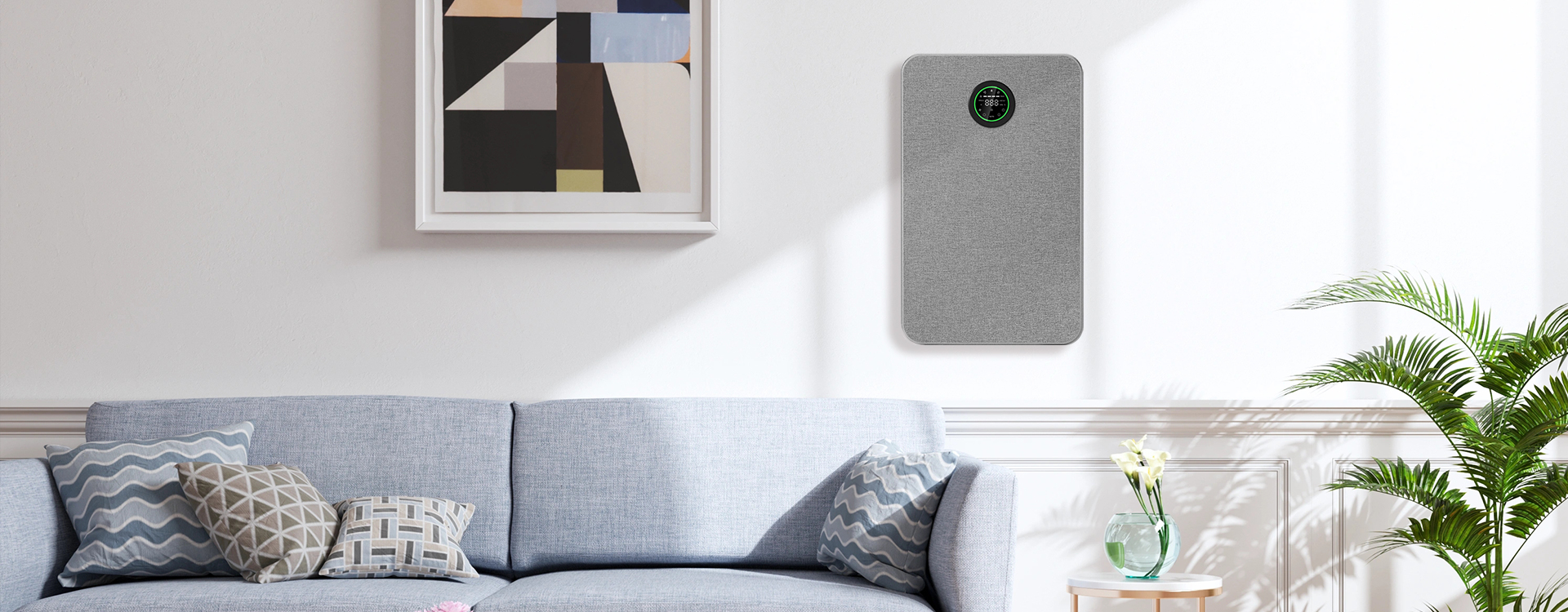
The global air purifier market is experiencing robust growth, driven by increasing awareness of indoor air quality (IAQ) and its profound impact on health, productivity, and overall well-being. Within this expansive market, the wall-mounted air purifier segment is poised for exceptional expansion. Projections indicate that the wall-mounted air purifier market alone is set to expand significantly, from an estimated $4.5 billion in 2024 to $9.8 billion by 2033, achieving a remarkable Compound Annual Growth Rate (CAGR) of 9.5% [5]. This impressive growth trajectory underscores a fundamental shift in consumer and commercial preferences, moving towards solutions that offer both superior performance and seamless integration into modern living and working environments.
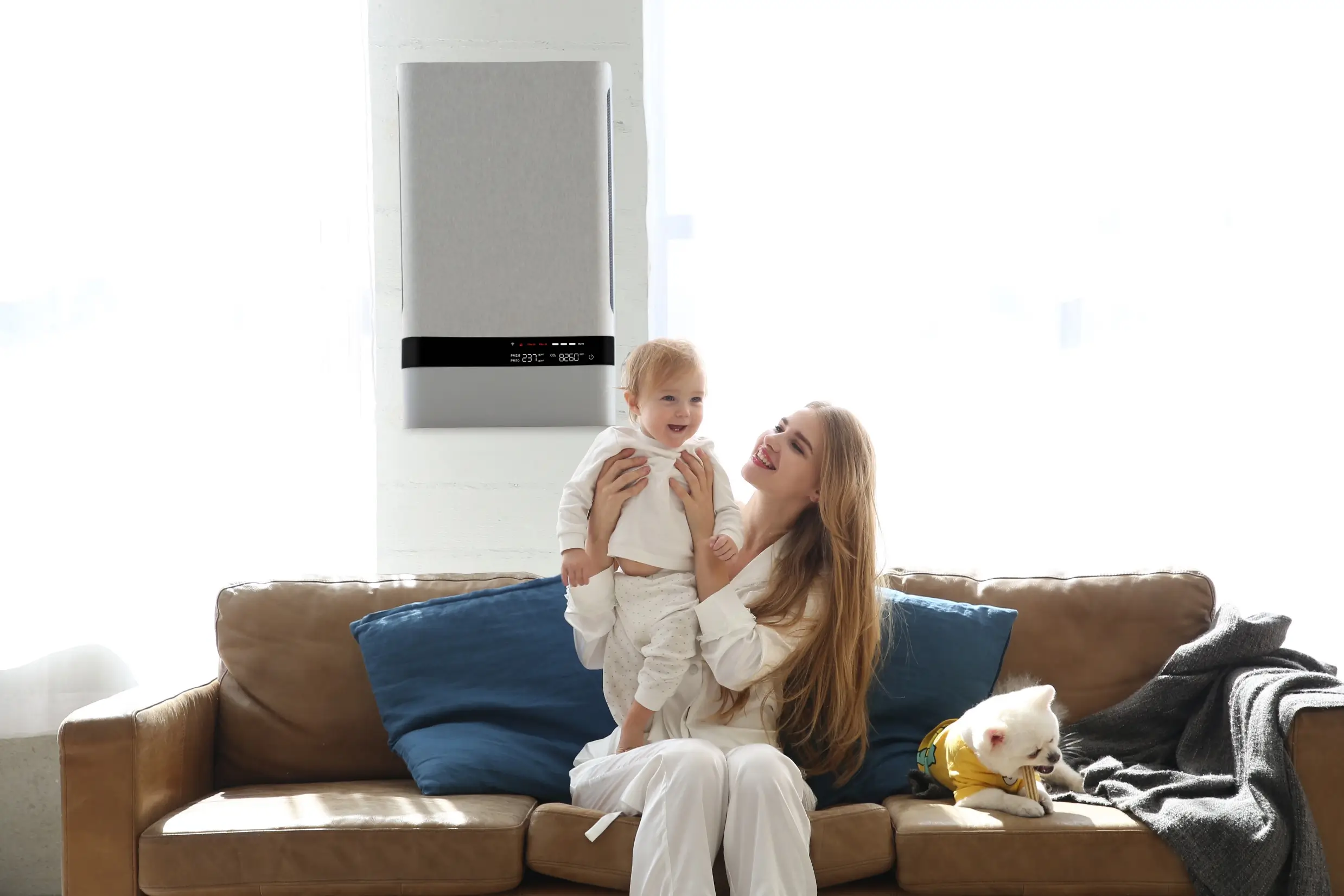
(HisoAir - Ventilation Air Purifier HV600)
Several key factors are fueling this accelerated demand:
- Heightened Health Consciousness: Recent global health crises have elevated public awareness regarding airborne pathogens, allergens, and pollutants. Consumers and businesses are now proactively investing in advanced air purification systems to create healthier, safer indoor spaces.
- Space Optimization: As urban living spaces become more compact and commercial environments prioritize efficient layouts, the demand for space-saving appliances is on the rise. Wall-mounted units free up valuable floor space, offering a discreet yet powerful solution.
- Aesthetic Integration: Modern interior design emphasizes minimalism and functionality. Wall-mounted air purifiers, with their sleek profiles and customizable finishes, align perfectly with these aesthetic trends, transforming a functional appliance into a design element.
- Technological Advancements & Smart Home Integration: The proliferation of smart home ecosystems and IoT devices has created a demand for connected appliances. Wall-mounted purifiers are increasingly incorporating advanced sensors, AI-driven automation, and seamless integration with smart building management systems, enhancing user experience and operational efficiency.
- Regulatory Compliance & Sustainability: Growing environmental concerns and stricter IAQ regulations are compelling businesses to adopt more effective and energy-efficient air purification solutions. Wall-mounted units often offer superior energy efficiency due to optimized airflow and advanced motor technologies.
This burgeoning market represents a significant opportunity for ODMs. By partnering with an experienced manufacturer like HisoAir, brands can tap into this growth, offering products that are not only technologically advanced but also perfectly aligned with contemporary market demands.
The ODM Advantage: Why Partnering for Wall-Mounted Air Purifiers Makes Strategic Sense
For brands looking to enter or expand within the air purification market, leveraging an Original Design Manufacturer (ODM) like HisoAir offers a multitude of strategic advantages, particularly in the rapidly evolving wall-mounted segment. The ODM model allows brands to bring innovative products to market quickly and efficiently, without incurring the substantial costs and complexities associated with in-house research, development, and manufacturing.
Accelerated Time-to-Market
Developing a new product from scratch is time-consuming and resource-intensive. ODMs like HisoAir possess pre-existing designs, established supply chains, and optimized manufacturing processes. This significantly reduces the product development cycle, enabling brands to respond swiftly to market trends and introduce new wall-mounted air purifier models with unprecedented speed. This agility is crucial in a competitive market where early entry can secure significant market share.
Reduced R&D and Manufacturing Costs
Establishing and maintaining in-house R&D facilities, engineering teams, and manufacturing plants requires massive capital investment. By partnering with an ODM, brands can bypass these overheads, leveraging the ODM's existing infrastructure and expertise. HisoAir's two decades of experience in medical-grade air purification means they have already invested heavily in cutting-edge technology, advanced filtration systems, and efficient production lines, translating into significant cost savings for their ODM clients.
Access to Specialized Expertise and Innovation
HisoAir's long-standing presence in the air purification industry has cultivated deep expertise in areas such as advanced filtration technologies (HEPA, activated carbon, UVC, Plasma), motor efficiency, noise reduction, and smart sensor integration. ODM partners gain immediate access to this specialized knowledge, allowing them to offer products with superior performance and innovative features that would be challenging or prohibitively expensive to develop independently. HisoAir's continuous investment in R&D ensures that their ODM clients remain at the forefront of air purification technology.
Scalability and Flexibility
ODM partnerships provide unparalleled scalability. Whether a brand requires small batches for market testing or large-scale production to meet surging demand, HisoAir's manufacturing capabilities can adapt. This flexibility is invaluable for managing inventory, optimizing production costs, and responding to fluctuating market conditions without being constrained by fixed manufacturing capacities.
Quality Assurance and Reliability
HisoAir's background in medical-grade air purification instills a rigorous commitment to quality and reliability. Their manufacturing processes adhere to stringent quality control standards, ensuring that every wall-mounted air purifier produced meets the highest benchmarks for performance, durability, and safety. This inherent quality translates into enhanced brand reputation and reduced warranty claims for ODM clients.
In essence, an ODM partnership with HisoAir is not merely a transactional relationship; it's a strategic alliance that empowers brands to innovate, compete, and thrive in the dynamic wall-mounted air purifier market by leveraging HisoAir's comprehensive capabilities and proven track record.
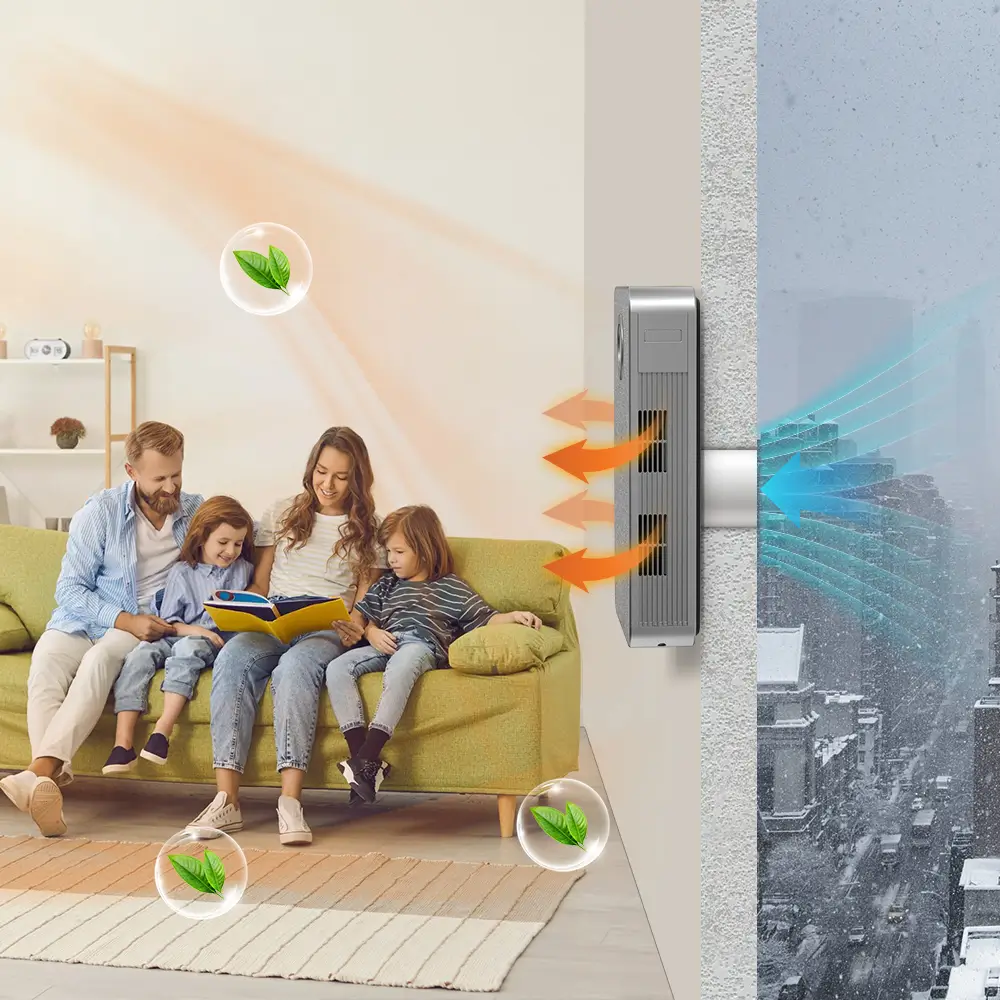
(HisoAir - Ventilation Air Purifier HV380)
HisoAir: Your Premier ODM Partner for Differentiated Wall-Mounted Air Purifiers
HisoAir is not just another manufacturer; we are a dedicated ODM partner committed to empowering brands with innovative, high-quality, and customizable wall-mounted air purification solutions. Our extensive experience, cutting-edge technology, and flexible manufacturing capabilities make us the ideal choice for businesses seeking to make a significant impact in the IAQ market. Here’s how HisoAir stands out:
| Характеристика | HisoAir Differentiator |
|---|---|
| Экспертиза | 20+ years in medical-grade air purification, extensive OEM/ODM experience |
| Фильтрация | Advanced HEPA H13, Activated Carbon, Long-Life HDC filters with Microban®, Optional UVC & Plasma |
| Производительность | High CADR (up to 380m³/h with dual-fan), Ultra-quiet operation (as low as 25dB(A)) |
| Design Flexibility | Ultra-slim profile (144mm), Vertical/Horizontal/Freestanding mounting, Customizable front panels (fabric/ABS), Trims (wood-grain), Branding |
| Smart Features | Standard PM2.5 sensor, Optional advanced sensors (Temp, Humidity, CO₂, VOCs, Noise, Light, Radar), Wi-Fi (Tuya), Matter™ & Thread support |
| Specialized Solutions | Ventilation Air Purifiers (HV Series) with dual airflow paths and energy recovery options |
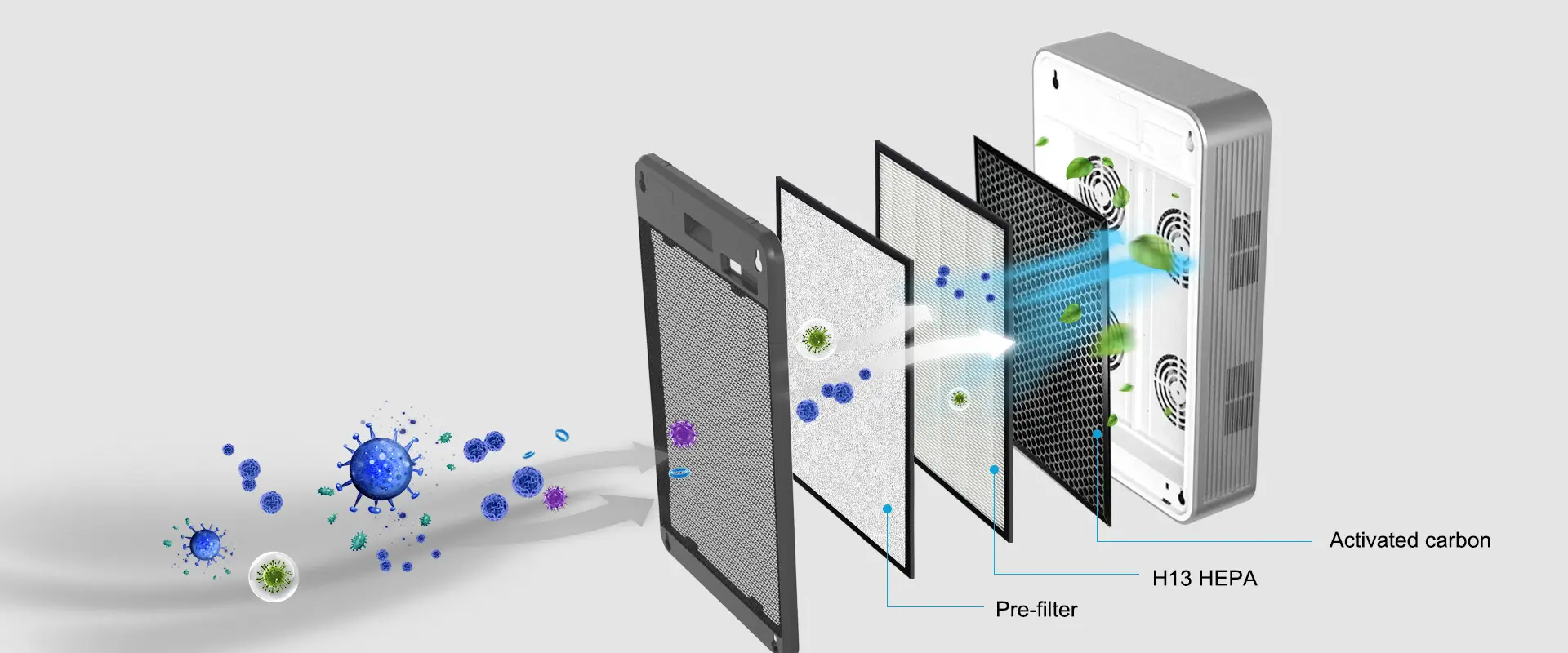
(HisoAir - Multiple Filter solutions)
1. Two Decades of OEM/ODM Expertise in Air Purification
With over 20 years of experience, HisoAir has a deep understanding of the air purification market, from technological intricacies to evolving consumer demands. Our heritage in producing medical-grade air purifiers underscores our commitment to quality, performance, and reliability. This extensive experience translates into a seamless ODM process, from initial concept to final production, ensuring that our partners receive products that meet the highest industry standards.
2. Advanced and Customizable Filtration Technologies
HisoAir offers a comprehensive suite of filtration technologies that can be tailored to meet specific market needs and target applications. Our core offerings include:
- High-Efficiency Particulate Air (HEPA) Filters: True HEPA H13 filters capable of capturing 99.97% of airborne particles down to 0.3 microns, including dust, pollen, pet dander, and mold spores.
- Фильтры с активированным углем: High-grade activated carbon for effective removal of odors, volatile organic compounds (VOCs), smoke, and harmful gases.
- Long-Life Filters with Antimicrobial Treatment: Our High Dust Capacity (HDC) HEPA filters, combined with EPA-registered antimicrobial treatments like Microban®, offer an extended lifespan of up to 12 months, reducing maintenance and replacement costs for end-users.
- Optional Advanced Disinfection: For enhanced protection, we offer optional UVC germicidal lamps and Plasma technology to neutralize airborne viruses, bacteria, and other pathogens.
Our ODM partners can choose and combine these filtration stages to create products with specific performance characteristics, catering to diverse consumer needs, from allergy relief to general wellness.
3. Superior Performance: High CADR and Whisper-Quiet Operation
HisoAir wall-mounted air purifiers are engineered for exceptional performance. Our HA380/HA400 series, for example, features a dual-fan system that delivers a high Clean Air Delivery Rate (CADR) of up to 380m³/h (223 CFM), effectively purifying spaces up to 50m² (538 sq ft). This makes them suitable for a wide range of residential and commercial applications. Despite their powerful performance, HisoAir units operate with remarkable quietness, with noise levels as low as 25dB(A), ensuring minimal disruption in noise-sensitive environments like bedrooms or offices.
4. Unmatched Design Flexibility and Aesthetic Customization
We understand that aesthetics are crucial for market success. HisoAir offers unparalleled design flexibility for our ODM clients:
- Ultra-Slim Profile: Our wall-mounted units boast an ultra-slim design, typically around 144mm (5.7 inches) thick, allowing them to blend seamlessly into any interior.
- Versatile Mounting Options: HisoAir purifiers can be mounted both vertically and horizontally on the wall, and can also be used as freestanding units with an optional base, providing maximum installation flexibility.
- Deep Aesthetic Customization: We offer extensive customization options to align with your brand identity and target market preferences:
- Front Panels: Choose from fabric panels (with Pantone/RAL color matching) or ABS plastic panels (with custom grille/vent patterns).
- Trims and Housings: Options for wood-grain finishes on plastic trims and custom color matching for the main plastic housing.
- Branding: Prominent placement of your brand logo and custom packaging design.
This level of customization allows ODM partners to create truly differentiated products that resonate with their target audience.
5. Smart Features and Future-Ready Connectivity
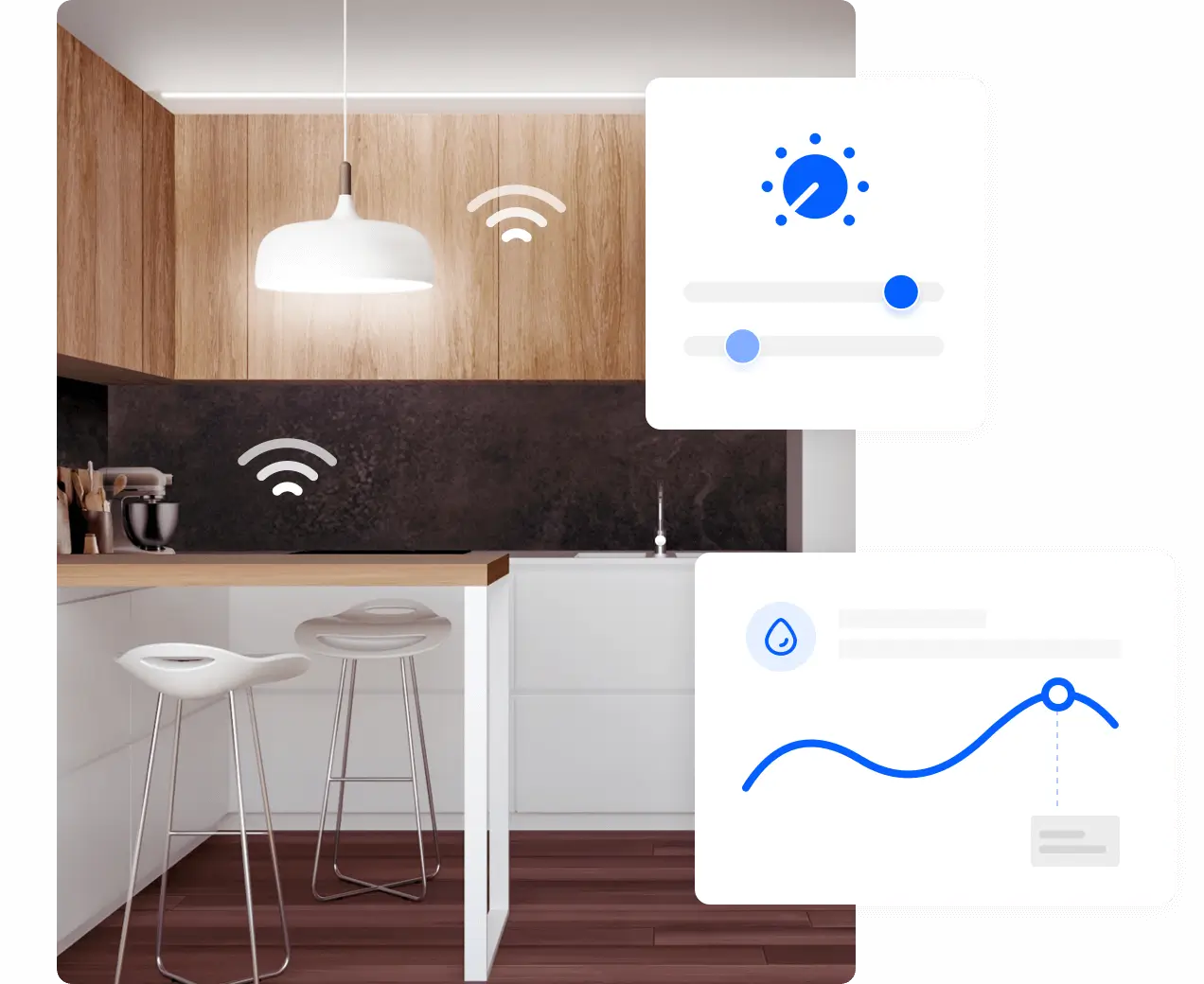
HisoAir is at the forefront of smart air purification technology. Our wall-mounted units can be equipped with a range of sensors and connectivity options:
- Standard PM2.5 Sensor: For real-time monitoring of particulate matter.
- Optional Advanced Sensors: Including temperature, humidity, CO₂, VOCs, noise, light, and even radar-based occupancy sensors for intelligent, automated operation.
- Connectivity: Standard Wi-Fi connectivity via the Tuya app, with support for Matter™ and Thread protocols, ensuring seamless integration with major smart home ecosystems like Apple HomeKit, Google Home, and Amazon Alexa. This future-proofs your product line and enhances its appeal to tech-savvy consumers.
6. Specialized Solutions: Ventilation Purifiers (HV Series)
Beyond standard wall-mounted purifiers, HisoAir also offers innovative Ventilation Air Purifiers like the HV380. These units combine the benefits of air purification with fresh air ventilation, introducing filtered outdoor air while expelling stale indoor air. This is particularly beneficial for maintaining optimal IAQ in modern, airtight buildings. The HV380 features:
- Dual Airflow Paths: Separate channels for indoor air circulation/purification and fresh air intake/purification.
- Energy Recovery: Some models can incorporate energy recovery ventilators (ERVs) to minimize energy loss during air exchange.
- Comprehensive Filtration for Both Air Streams: Ensuring both recirculated and incoming fresh air are thoroughly cleaned.
This specialized product line offers a unique selling proposition for ODM clients targeting markets with a strong emphasis on energy efficiency and comprehensive IAQ management.
Case Study: Differentiating with HisoAir – The HA380B Example
The HisoAir HA380B exemplifies the level of differentiation achievable through our ODM program. This model, designed for robust performance and aesthetic appeal, features:
- High CADR: 330 m³/h (194 CFM), suitable for rooms up to 40m².
- Advanced Filtration: H13 HEPA filter with EPA-registered antimicrobial additive.
- Durable Construction: A combination of plastic and metal mesh for the shell.
- Quiet DC Brushless Motor: Ensuring energy efficiency and low noise (max 54dB).
- Versatile Design: Suitable for both wall-mounting and freestanding use (with optional base).
An ODM partner could take the HA380B platform and further customize it with specific sensor packages, unique front panel designs, or tailored smart home integrations to create a product perfectly aligned with their brand and target market.
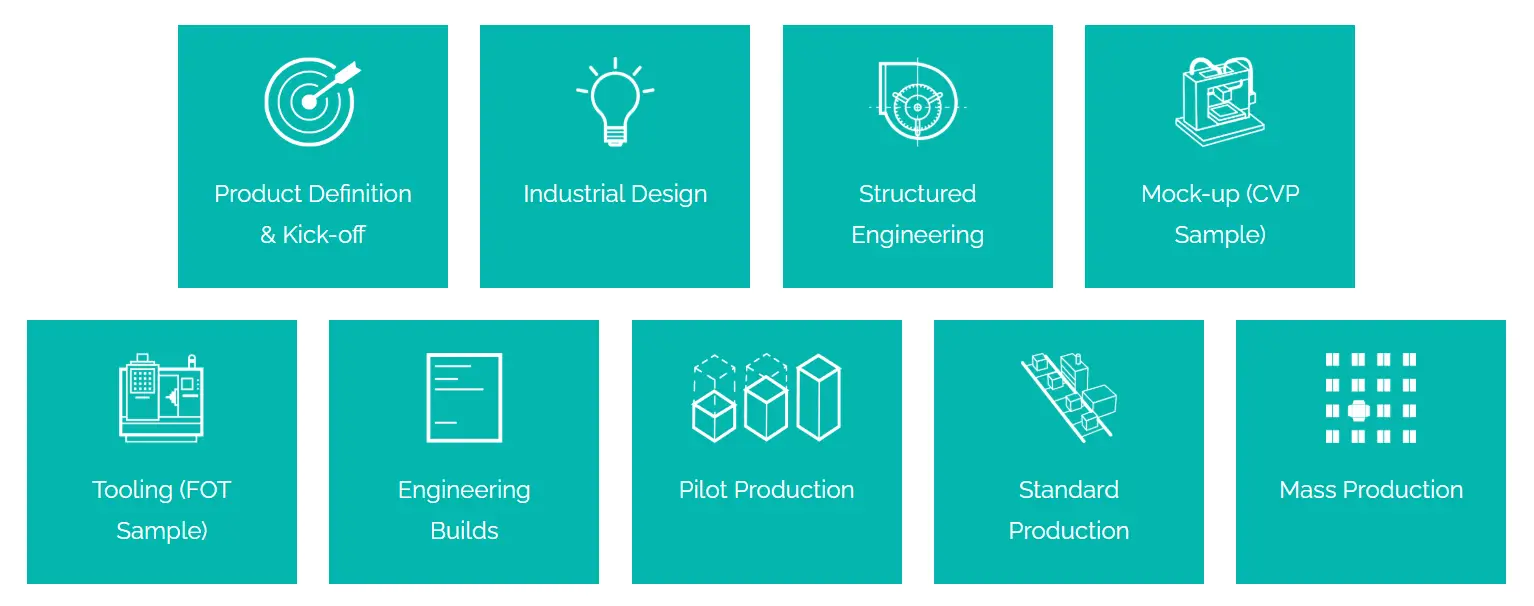
The HisoAir ODM Process: A Collaborative Journey to Success
Partnering with HisoAir for your wall-mounted air purifier needs is a collaborative and transparent process designed to ensure your vision is realized efficiently and effectively:
- Consultation and Requirement Analysis: We begin by understanding your brand, target market, desired product features, and budget.
- Product Design and Customization: Our experienced R&D team works with you to select a base model or develop a custom design, incorporating your desired features, aesthetics, and branding elements.
- Prototyping and Validation: We create prototypes for your review and testing, ensuring the product meets all specifications and quality standards.
- Manufacturing and Quality Control: Upon approval, we commence mass production in our state-of-the-art facilities, adhering to rigorous quality control protocols at every stage.
- Logistics and After-Sales Support: We manage the logistics of delivering your finished products and provide ongoing support as needed.
Throughout this journey, HisoAir acts as an extension of your team, providing expert guidance and ensuring a smooth path from concept to market-ready product.
(HisoAir — ODM — Tailored Air-Quality Solutions)
Conclusion: Seize the Future of Air Purification with HisoAir
The wall-mounted air purifier market is on a steep upward trajectory, driven by evolving consumer preferences for health, wellness, and smart living. This presents a golden opportunity for ODMs and brands to innovate and capture significant market share. HisoAir, with its unparalleled expertise, advanced technology, extensive customization options, and commitment to quality, is the ideal ODM partner to help you navigate this exciting landscape.
По ссылке choosing HisoAir, you are not just sourcing a product; you are gaining a strategic ally dedicated to your success. We invite you to connect with us to explore how a partnership with HisoAir can elevate your brand, differentiate your offerings, and position you as a leader in the future of air purification. Let us help you turn the trend of wall-mounted air purifiers into your next big success story.

 English
  Français
  Español
  Italiano
  Deutsch
  Português
  Русский
  العربية
  日本語
日本語  한국어
한국어  Tiếng Việt