
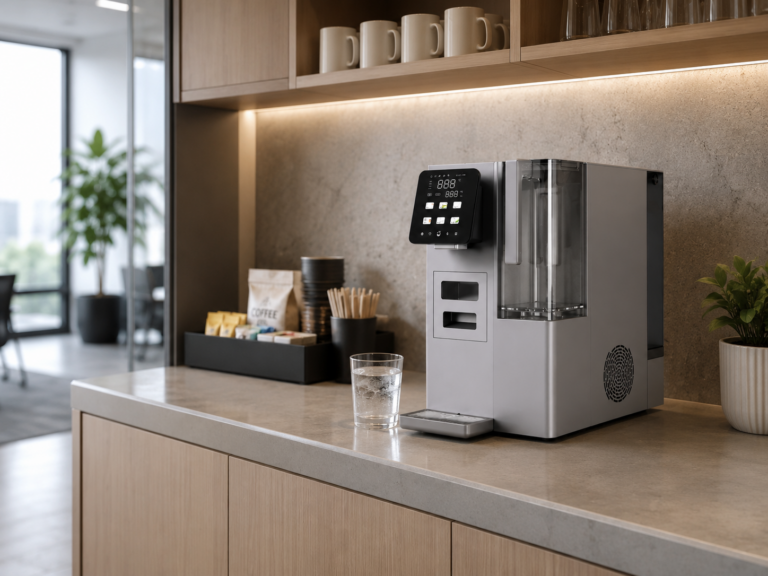
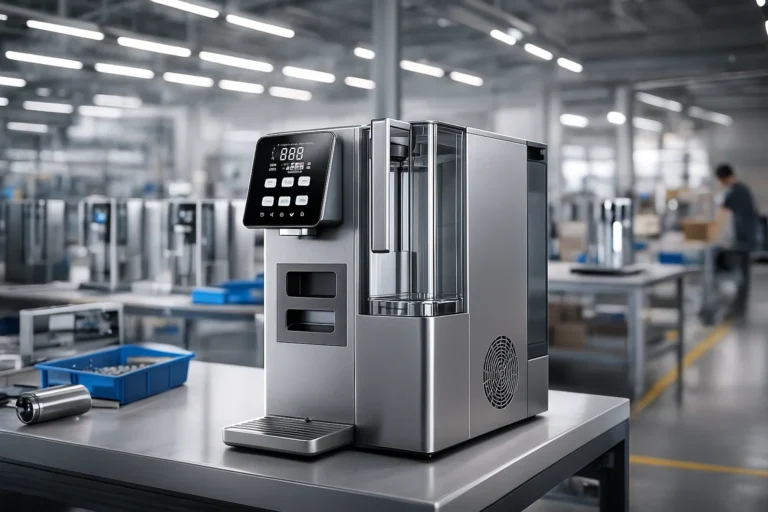

American consumers are scared of their tap water, and they are tired of cheap plastic pitchers. They want safety, but they also want style. If you are designing water systems today, you cannot just focus on utility anymore. You must design for a lifestyle.
Clean Hydration1 is the new market standard. It moves beyond basic filtering to explicitly removing PFAS and microplastics using premium hardware. This trend favors stainless steel materials and countertop Reverse Osmosis (No-Installation) systems. It targets health-conscious renters who view water purifiers as high-end appliances, not just functional tools.

I have spent years in the mold and manufacturing industry. I have seen trends come and go. But this shift in the water market is different. It is not just about better filters. It is about a total upgrade in materials and user experience. If you are a designer like Jacky, you need to know how to build for this new demand. Let’s look at how we got here and how you can design the winning product.
The U.S. water purifier market is projected to grow significantly due to rising health concerns.Правда
Market research indicates a compound annual growth rate driven by awareness of waterborne contaminants.
Plastic water pitchers effectively remove all microplastics.Ложь
Standard plastic pitchers often lack the filtration density to remove microplastics and can degrade, potentially adding more plastic to the water.
1. Introduction: From "Clean Eating" to "Clean Hydration"?
You have seen the "Clean Eating" trend take over the supermarket. Now, that same psychology is moving to water. Consumers do not just want water that tastes okay. They want water that fits their "non-toxic" lifestyle.
This trend is the logical next step in the wellness market. Brands use terms like "Non-Toxic," "Pure," and "Free-From." Your product design must reflect this by looking like a high-end health tool. It cannot look like a cheap utility device anymore.

The Psychology of "Clean"
When I look at the current market, I see a massive opportunity to piggyback on existing trends. You do not need to educate the customer from scratch. They already know what "Clean Beauty2" is. They check labels for parabens and sulfates. Now, they are checking their water purifiers for the same level of purity.
As a designer, you must translate this "Clean" language into hardware. A plastic, clunky unit does not say "Clean." It says "Cheap." To position your water purifier as the missing piece of a clean lifestyle, the visual language must change.
Design Elements for the "Clean" Look
We need to move away from complex, industrial shapes. The "Clean" aesthetic relies on specific visual cues.
| Элемент дизайна | Old Standard | New "Clean" Standard |
|---|---|---|
| Материал | Opaque or clear cheap plastic | Brushed Stainless Steel3 or Glass |
| Color | Blue, White, Grey | Metallic, Matte Black, Cream |
| Form | Utilitarian, bulky | Minimalist, sleek, "Apple-like" |
| Interface | Mechanical buttons | Touch screens or invisible displays |
Your design needs to scream "purity" before the user even drinks the water. It is about trust. If the machine looks clean and premium, the user believes the water is clean and premium.
Consumers are willing to pay more for products labeled as 'clean' or 'non-toxic'.Правда
Studies in consumer behavior show a premium price tolerance for products aligned with wellness and safety trends.
Clean hydration only refers to the taste of the water.Ложь
Clean hydration encompasses the removal of specific toxins like PFAS and the use of safe, non-leaching materials in the device itself.
2. The Driver: What is the American Consumer Afraid Of?
Fear is a powerful motivator. Right now, American consumers are terrified of invisible threats in their water. The news is full of stories about chemical spills and aging pipes.
The two biggest buzzwords driving this anxiety are "PFAS4" and "Microplastics." Legislation in the US is highlighting these dangers every day. This creates a massive demand for hardware that explicitly claims to eliminate these specific contaminants.

Weaponizing the Buzzwords
In the mold industry, we usually talk about shrinkage and cycle times. But for this product, you need to understand the chemistry. PFAS are "forever chemicals." They do not break down. Microplastics5 are everywhere.
Your marketing and your design need to weaponize these terms. You cannot just say "Better Filtration." You must say "Designed to eliminate Microplastics and PFAS."
The Engineering Challenge
Designing for this level of filtration changes the internal structure of the device.
- Pressure Requirements: Removing these tiny particles usually requires Reverse Osmosis (RO). RO needs high pressure.
- Housing Strength: Your plastic or metal housing must withstand this internal pressure without leaking or warping.
- Seal Integrity: If you have a micro-leak, you contaminate the clean water. The mold tolerances for the seals must be incredibly tight.
Why "Zero Plastic" is the Goal
There is a huge irony in the market. People are buying plastic pitchers to filter out microplastics. Educated consumers are realizing this does not make sense. This is why stainless steel is becoming the only material that visually and functionally supports the "Clean" claim. If you design a plastic tank, you are fighting against the very trend you are trying to sell.
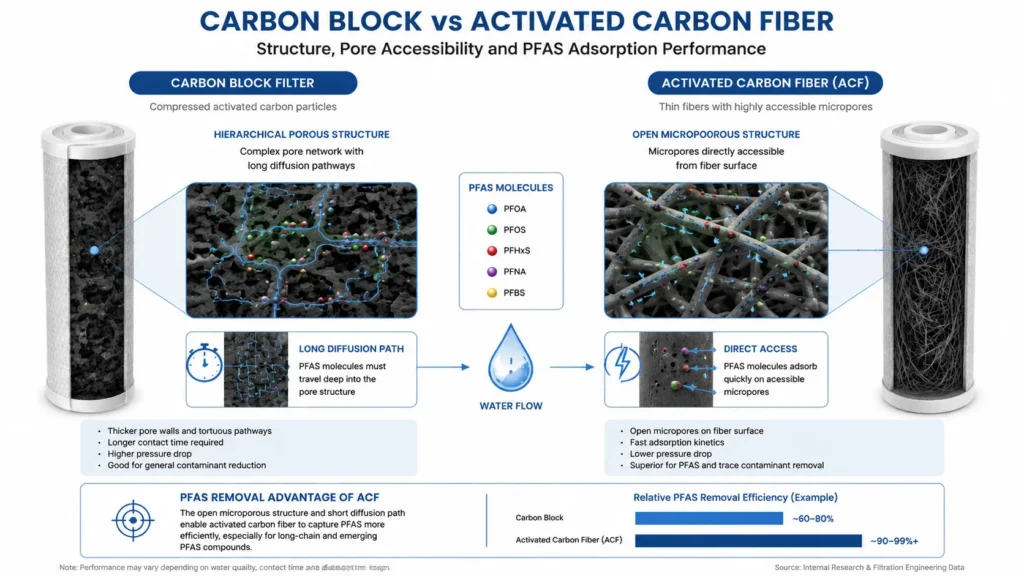
PFAS are easily removed by standard carbon filters.Ложь
PFAS molecules are very strong and small; they typically require Reverse Osmosis or specialized ion exchange resins for effective removal.
Microplastics have been found in human blood and organs.Правда
Recent medical studies have confirmed the presence of microplastics in human biological systems, driving consumer alarm.
3. The "Dirty Secret" of Legacy Water Pitchers?
We all know those ubiquitous plastic pitchers. They sit in the fridge, taking up space. But consumers are starting to turn against them. They are seen as breeding grounds for bacteria.
Old plastic pitchers are often part of the problem. They degrade over time and can add microplastics back into the water. They also look cheap and hide in the fridge, failing to signal the "premium health" status that modern consumers want.

The Material Flaw
I have sourced molds for plastic pitchers before. They are cheap to make. But they have a fatal flaw. Plastic scratches. When you wash a plastic pitcher, you create microscopic grooves. Bacteria love these grooves. Over time, that "clean" pitcher becomes a petri dish.
The Shift to Countertop
Legacy pitchers also have a usability problem. They are slow. You fill them up, wait ten minutes, and get a small amount of water.
- The Wait Time: In a fast-paced world, gravity filtration is too slow.
- The Temperature: Not everyone wants ice-cold water. Many people prefer room temperature or hot water for tea.
- The Visibility: A pitcher hides in the fridge. A countertop unit sits out. It is a reminder to drink water.
Designing for Hygiene
To beat the legacy pitcher, your design must prioritize hygiene.
- Sealed Systems: The water should not be exposed to open air until it is dispensed.
- UV Sterilization: Adding a UV light component in the tank is a great feature. It kills bacteria that might grow.
- Easy Cleaning: The water tank must be easy to remove and wash. No sharp corners where mold can hide.
Scratched plastic containers can harbor bacterial growth.Правда
Surface abrasions on plastic provide shelter for bacteria, making them difficult to clean effectively.
Gravity filters are faster than pump-driven RO systems.Ложь
Gravity filters rely on passive pressure, which is much slower than the active pressure generated by a pump in an RO system.
4. How to Lead the Trend: The "Clean Hardware" Standard?
If plastic is the problem, what is the solution? The answer is stainless steel. But as a mold guy, I know that switching materials is not simple. It changes everything about your manufacturing process.
You must use materials that support the "clean" claim. Stainless steel is the only material that visually and functionally proves you are serious about eliminating microplastics. It signals durability, hygiene, and premium quality.

The Manufacturing Shift
For a designer like Jacky, moving from plastic injection molding to stainless steel is a big jump.
- Tooling: You are not just cutting a mold cavity anymore. You are looking at deep drawing, stamping, and welding.
- Cost: The tooling for steel is different, and the unit cost is higher. But the perceived value is much higher.
- Finishing: Plastic comes out of the mold mostly finished. Steel needs polishing, brushing, or coating.
Hisoair: The "Clean Tech" Enabler
This is where a partner like Hisoair comes in. They anticipated this trend. They didn't just stumble upon stainless steel; they engineered it specifically for the "Clean Hydration" era. They positioned themselves as the manufacturer who makes this trend manufacturable.
Material Comparison for Designers
When you are choosing your BOM (Bill of Materials), look at the difference:
| Характеристика | Medical Grade Plastic | 304 Stainless Steel |
|---|---|---|
| Microplastic Risk | Low (but non-zero) | Zero |
| Долговечность | Medium (can crack) | High (lasts decades) |
| Perceived Value | $50 - $100 | $400+ |
| Mold Cost | Высокие первоначальные инвестиции | Moderate (stamping dies) |
By choosing steel, you justify the higher price point. You tell the customer, "This is a medical device, not a kitchen gadget."
Stainless steel leaches chemicals into water at room temperature.Ложь
Food-grade stainless steel (304 or 316) is inert and does not leach chemicals under normal water storage conditions.
Stainless steel products have a higher perceived value than plastic.Правда
Consumers associate weight and metal finishes with durability and luxury, allowing for higher retail pricing.
5. The Winning Form Factor: Countertop "No-Installation" Systems?
Who is buying these expensive water systems? It is not just homeowners. It is Millennials and Gen Z. Many of them live in cities. They rent apartments. They cannot drill holes in the sink for a traditional under-sink RO system.
Renters are the key demographic for this trend. The Countertop RO (No Installation) is the perfect product-market fit. It requires no plumbing, plugs into a standard outlet, and offers Premium filtration6 in a portable format.

The "Appliance" Upgrade
Americans love countertop appliances. Look at the explosion of Air Fryers and Espresso Machines. These items take up prime real estate in the kitchen.
You need to position the water purifier as a "Premium Countertop Appliance." It is not a utility item. It is a status symbol.
Designing for the Countertop
When you design for the countertop, you have strict constraints.
- Footprint: It must fit under standard cabinets. It cannot be too wide, or it takes up prep space.
- Aesthetics: It will be seen 24/7. It needs to look good from all angles.
- Plug and Play: The user wants to take it out of the box, plug it in, fill the tank, and drink. No hoses, no diverter valves.
The Renter's Dilemma
I have clients who made millions selling under-sink systems. But that market is saturated. The growth is in the "renter-friendly" space. These users have high disposable income. They buy organic food. They want clean water. But they move every two years. A countertop system moves with them. It is an investment they can keep.
Millennials and Gen Z are less likely to own homes than previous generations.Правда
Economic factors have delayed home ownership for younger generations, increasing the rental market size.
Countertop RO systems require permanent plumbing changes.Ложь
Countertop RO systems are designed to be standalone units that operate with a refillable water tank and a power outlet.
Заключение
Don't just sell a filter; sell a "Clean Life." By using stainless steel and targeting renters, you can lead the Clean Hydration trend.
References
-
Explore the concept of Clean Hydration and its significance in modern health trends. ↩
-
Investigate the connection between Clean Beauty trends and the demand for clean hydration solutions. ↩
-
Find out why stainless steel is the material of choice for high-quality water purification. ↩
-
Learn about PFAS, their health risks, and why they are critical in water purification discussions. ↩
-
Understand the impact of microplastics on health and the environment, and why filtration is essential. ↩
-
Learn what constitutes premium filtration and its importance in ensuring safe drinking water. ↩



 English
 Français
 Español
 Italiano
 Deutsch
 Português
 Русский
 العربية
 日本語
 한국어
 Tiếng Việt


