
The home fragrance market is undergoing a profound transformation, evolving from a simple aesthetic enhancement to a sophisticated wellness-focused smart home segment. This shift is driven by a growing consumer awareness of holistic well-being and a desire for integrated solutions that seamlessly blend technology with daily life. Diffusers, once mere dispensers of scent, are now emerging as pivotal components of this evolving landscape, transforming into intelligent wellness hubs that offer far more than just pleasant aromas.
The market size for home fragrance is substantial, with projections indicating robust growth. The global home fragrance market is projected to reach USD 26.63 billion in 2025, with a compound annual growth rate (CAGR) of 5.94% through 2034. Specifically, the aromatherapy diffusers market in the U.S. is valued at USD 0.67 billion in 2024 and is projected to reach USD 1.14 billion by 2032. This significant growth underscores the increasing consumer perception of diffusers as essential tools for enhancing personal well-being and creating a healthier living environment.
This blog post will delve into the five key trends that are poised to redefine the diffuser market in 2025, offering insights for businesses looking to innovate and lead in this dynamic sector. These trends highlight the convergence of advanced technology, efficacy, sustainability, functional benefits, and aesthetic integration, all of which are crucial for shaping the future of wellness tech in the home.
Trend 1: The Smart Scent Ecosystem: Hyper-Personalization and Pervasive Connectivity
A. The Market Mandate for "Smart" Technology
The demand for smart home devices continues to surge, and diffusers are no exception. Consumers are increasingly seeking IoT-compatible devices that offer convenience, control, and seamless integration into their connected living spaces. The smart scent diffuser market is experiencing steady growth, projected to reach a value of $130.7 million in 2025. This indicates a clear market mandate for diffusers that leverage intelligent technology to enhance user experience and provide personalized scent delivery.
B. Key Technological Features
Smart diffusers are characterized by a range of advanced features that elevate them beyond traditional models:
-
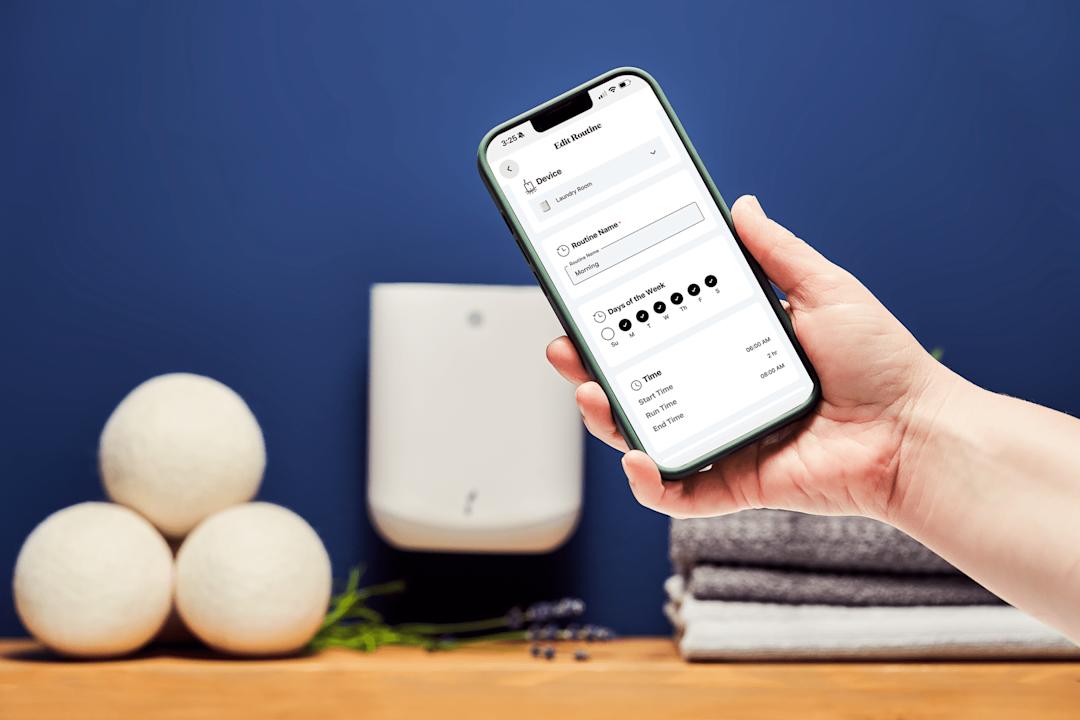
App-Based Control and Voice Assistant Integration: The ability to control diffusers via smartphone apps and integrate with voice assistants like Amazon Alexa or Google Assistant is becoming standard. This allows users to manage scent intensity, schedule diffusion times, and even switch between different fragrances with ease.
-
Intelligent Scheduling and Automation: To combat
"nose-blindness," smart diffusers are incorporating intelligent scheduling and automation features. This allows for varied scent delivery throughout the day, preventing users from becoming desensitized to a particular aroma.
-
Adaptive Diffusion Technology: Advanced smart diffusers are now capable of adjusting scent output based on environmental factors such as room temperature, ensuring optimal fragrance dispersion and longevity.
-
Multi-Scent Capabilities: The ability to hold and diffuse multiple scents, allowing for on-demand fragrance switching, is a significant advancement. This provides users with greater flexibility and customization options for their aromatic environment.
C. The Rise of Closed-Loop Scent Platforms
Inspired by the
"razor-and-blades" recurring revenue model, many smart diffuser companies are developing closed-loop scent platforms. This involves selling proprietary scent cartridges or capsules that are specifically designed for their devices. This model ensures recurring revenue streams and fosters brand loyalty. The strategic importance of building extensive scent libraries and forging strong brand partnerships cannot be overstated, as these elements are crucial for attracting and retaining customers within these ecosystems.
D. The Future: AI-Driven Olfactory Personalization
The most exciting frontier in smart scent technology is the integration of Artificial Intelligence (AI) for olfactory personalization. AI is already being used in perfume design, and its application in diffusers will allow for proactive scent recommendations based on user preferences, mood, time of day, and even biometric data. Imagine a diffuser that learns your sleep patterns and automatically releases a calming lavender scent as you prepare for bed, or an invigorating citrus aroma to help you focus during work hours. This level of intelligent, adaptive scent delivery will redefine the user experience.
Trend 2: The Efficacy Revolution: Advanced Diffusion and the Pursuit of Pure Scent
A. The Dominance and Limitations of Ultrasonic Technology
Ultrasonic diffusers currently hold a significant market share, accounting for 55-66% of the market due to their affordability and quiet operation. However, their inherent limitation lies in their reliance on water to create mist, which dilutes the essential oils and can lead to a weaker, less potent scent experience. This dilution also means that the therapeutic benefits of essential oils may be diminished.
B. The Rise of Waterless & Nebulizing Technologies
As consumers become more discerning about the purity and efficacy of their scent experience, waterless and nebulizing technologies are gaining traction. Nebulizing diffusers, which utilize cold-air diffusion, break down essential oils into a fine, pure mist without the need for water or heat. This method preserves the integrity of the essential oils, delivering a more potent and therapeutically effective aroma. Additionally, simpler passive and fan-based waterless systems are also seeing increased adoption for their convenience and direct scent delivery.
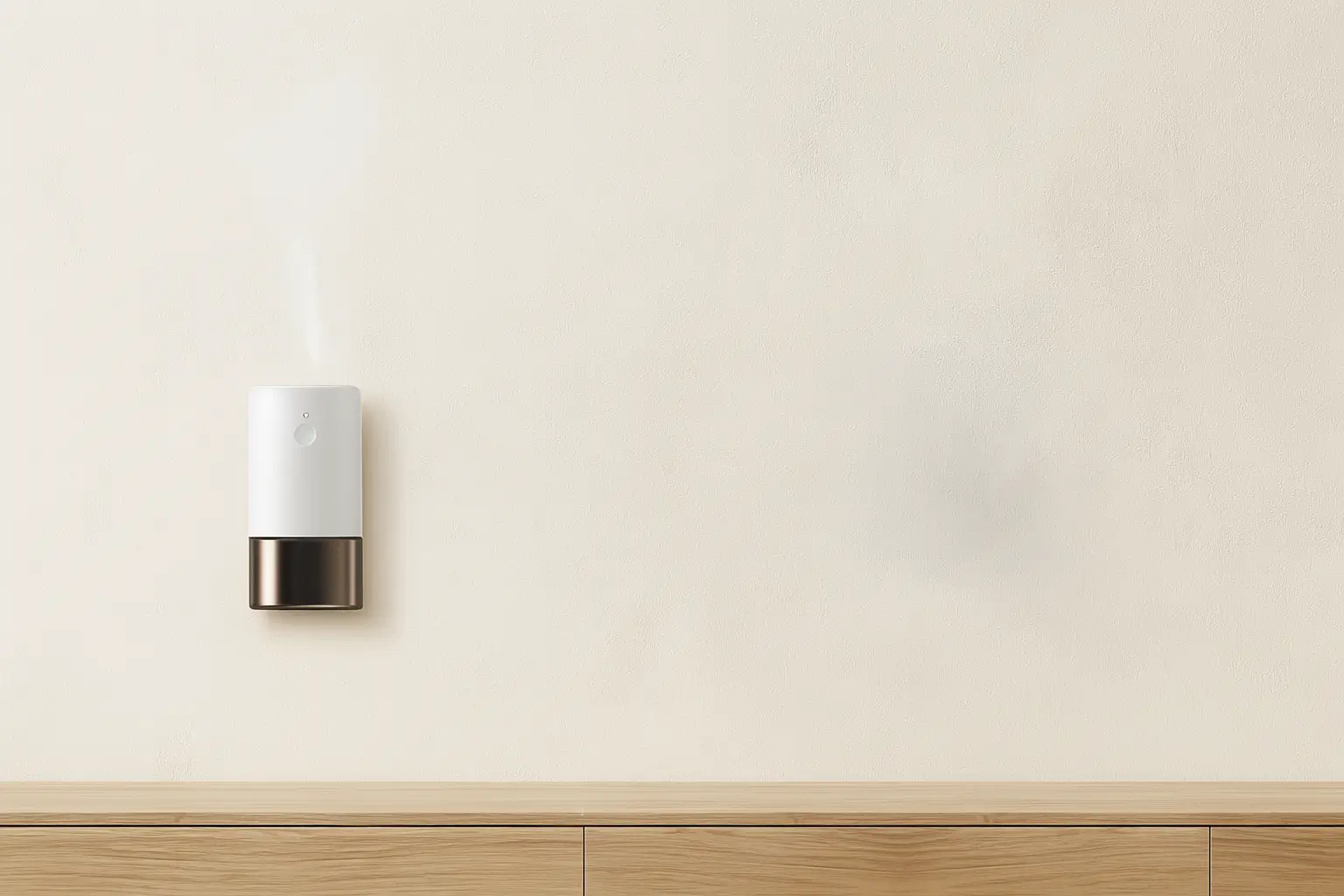
HisoAir - Waterless & Nebulizing Wall Plug Scent Diffuser HD101
C. Cutting-Edge Innovation: Thermal Ink-Jet Technology
One of the most innovative advancements in diffusion technology comes from unexpected quarters: thermal ink-jet technology. Procter & Gamble's AIRIA diffuser, for example, utilizes a "SmartJet" system adapted from thermal ink-jet printers to deliver precise and consistent scent release. This technology allows for highly controlled and efficient diffusion, minimizing waste and maximizing the impact of the fragrance.
D. Addressing the Durability Deficit
As diffusers become more sophisticated and integrated into daily life, durability is becoming a key differentiator. Manufacturers are increasingly using robust materials such as ceramic and stone, and offering lifetime warranties to build consumer trust and signal a commitment to quality. This focus on longevity aligns with the broader trend of conscious consumption and investment in high-quality, long-lasting products.
Trend 3: The Conscientious Purchase: Sustainability as a Core Brand Differentiator
Sustainability is no longer a niche concern but a mainstream expectation for consumers. In 2025, diffusers that prioritize environmental responsibility will gain a significant competitive edge. This trend encompasses several key pillars of sustainable innovation:
A. Key Pillars of Sustainable Innovation
-
Sustainable Materials: There is a clear shift towards using eco-friendly and renewable materials such as bamboo, wood, ceramic, and recycled plastics in diffuser manufacturing. This not only reduces environmental impact but also adds to the aesthetic appeal and perceived value of the product.
-
Eco-Friendly Packaging: Minimalist design, recyclable materials, and refillable systems are becoming standard for packaging. This reduces waste and encourages a circular economy approach.
-
"Clean" Formulations: Consumers are increasingly demanding non-toxic, pet-safe, and transparent ingredients in their essential oils and fragrance blends. Brands that clearly communicate their ingredient sourcing and formulation practices will build greater trust and loyalty.
-
Ethical Sourcing: Focus on supply chain traceability and fair trade practices ensures that the raw materials used in essential oils and diffusers are sourced responsibly and ethically.
B. The Convergence of Sustainability and Luxury
Interestingly, sustainability is increasingly converging with luxury. Eco-friendly materials and ethical practices are no longer seen as compromises but as premium attributes, creating a "Conscious Luxury" category. Consumers are willing to invest in products that align with their values, viewing sustainable diffusers as a reflection of their commitment to a healthier planet and a more mindful lifestyle.
Trend 4: Functional Fragrance: Scent as a Proactive Wellness Tool
The role of scent is evolving beyond mere pleasantness to become a proactive tool for wellness. This trend emphasizes the scientific validation of aromatherapy and the integration of scent into daily routines for specific functional benefits.
A. From Anecdote to Science-Backed Scenting
The shift is from simply "smelling good" to "doing good." Brands are increasingly leveraging scientific studies to validate claims for how specific scents can impact focus, improve sleep quality, and reduce stress levels. This move towards evidence-based aromatherapy builds credibility and empowers consumers to make informed choices about their scenting needs.
B. The Rise of Scent-Driven Routines
Functional fragrances are being integrated into daily routines to support various activities:
-
Morning/Work: Energizing blends featuring citrus and herbal notes are used to promote alertness and concentration during work hours.
-
Evening/Sleep: Calming blends with lavender and chamomile are diffused to aid relaxation and prepare the body for restful sleep.
C. The Flywheel Effect
Smart technology plays a crucial role in automating these wellness routines. By allowing users to schedule and personalize scent delivery, smart diffusers create a "flywheel effect" that drives consistent engagement and brand loyalty. When users experience tangible benefits from their scent routines, they are more likely to continue using the products and exploring new functional fragrances.
Trend 5: The Aesthetic Imperative: The Diffuser as an Integrated Design Object
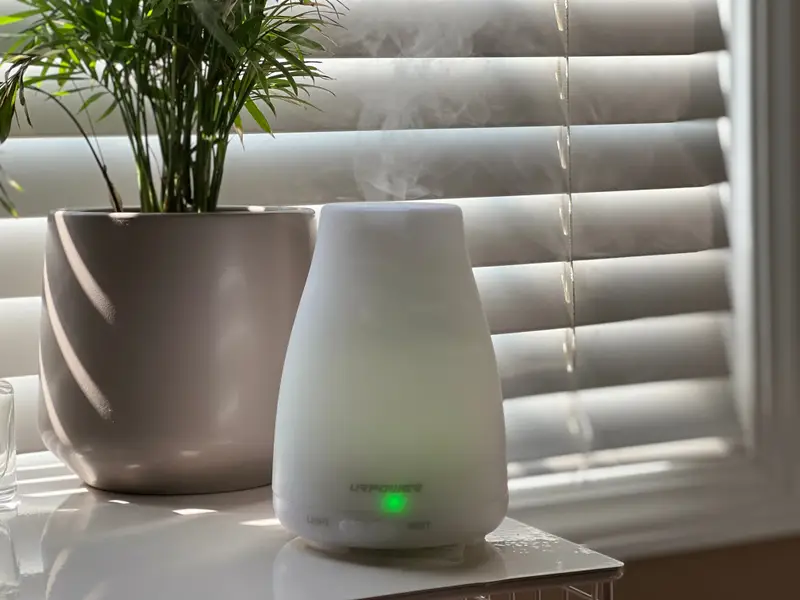
As diffusers become more prevalent in homes and offices, their aesthetic appeal is becoming as important as their functionality. The diffuser is no longer just a utilitarian device but an integrated design object that enhances the overall decor.
A. Scent as Decor
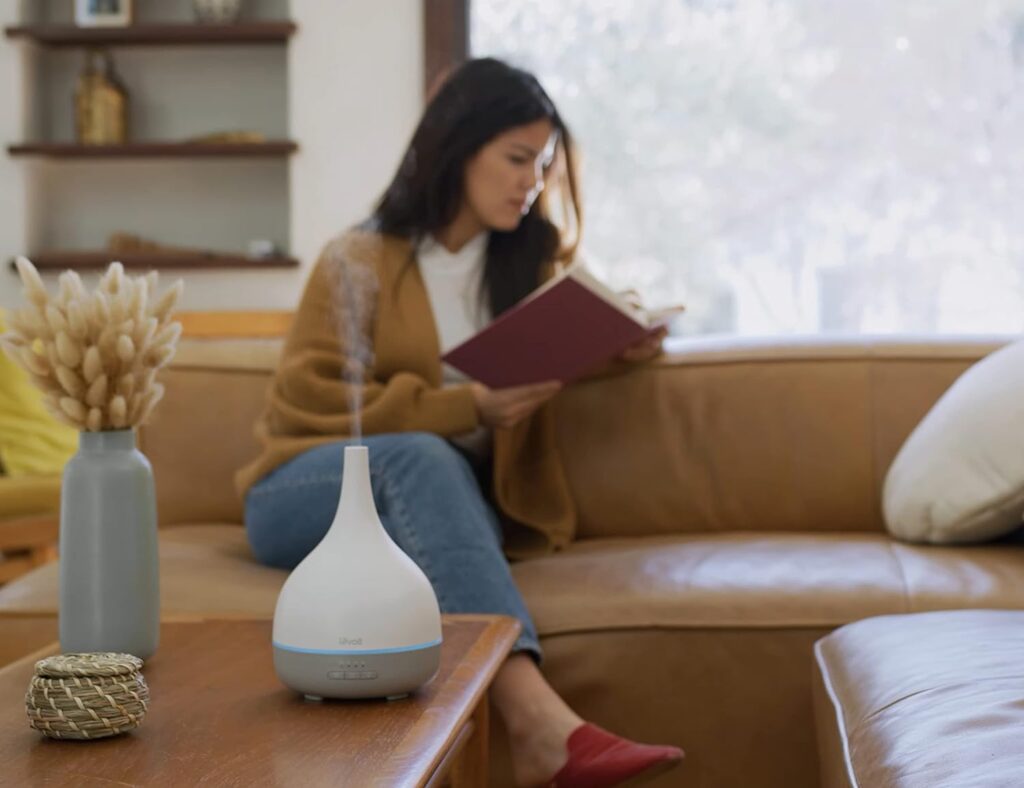
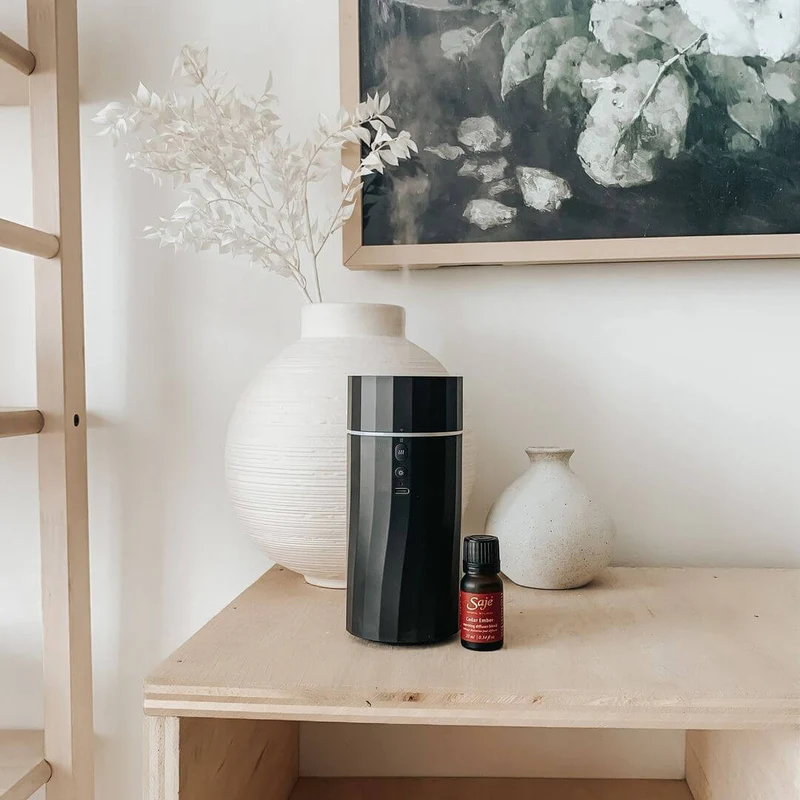
There is a clear pivot towards premium, sculptural materials that allow diffusers to seamlessly blend into or even elevate home aesthetics. Manufacturers are utilizing materials like ceramic (e.g., Vitruvi), wood (e.g., ArOmis), and glass (e.g., Organic Aromas) to create diffusers that are visually appealing and feel luxurious.
B. Design Language and Multi-Sensory Experience
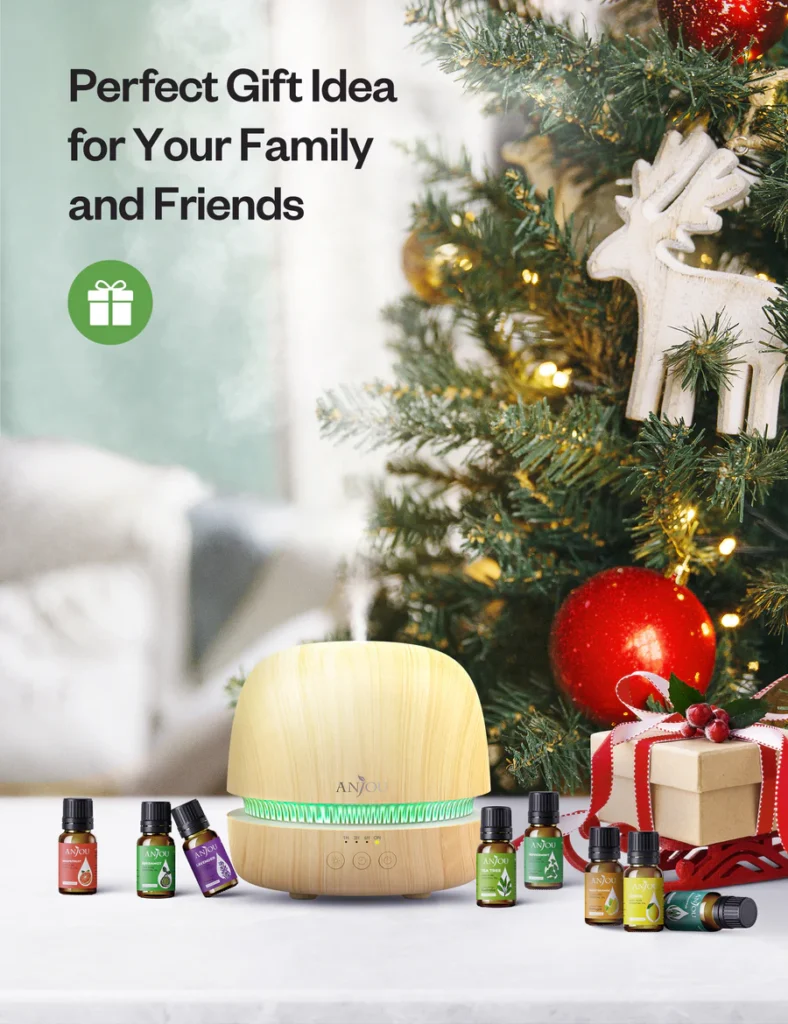
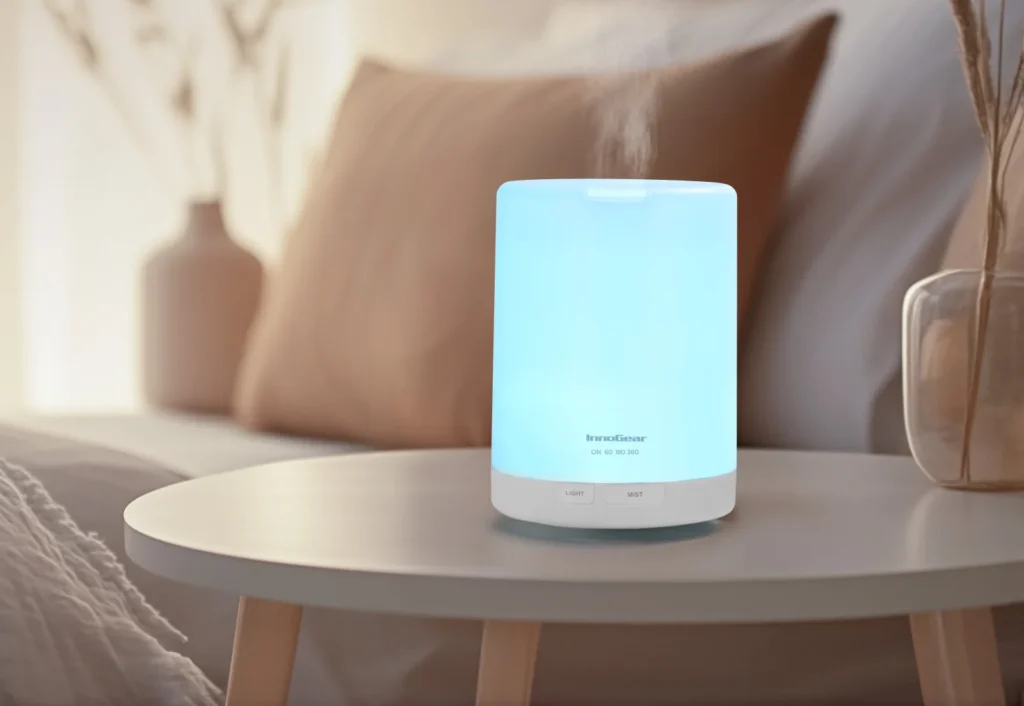
The prevailing aesthetics lean towards minimalist elegance and unique silhouettes, reflecting modern interior design trends. Beyond visual appeal, many diffusers now integrate customizable mood lighting, adding another layer to the multi-sensory experience and allowing users to create a desired ambiance.
C. Strategic Positioning
Diffusers are increasingly inheriting the role of luxury scented candles as decorative status symbols. This strategic positioning elevates the diffuser from a simple appliance to a statement piece, reflecting the user's taste and commitment to a well-curated living space.
VII. Conclusion
The diffuser market in 2025 is poised for significant evolution, driven by the convergence of technology, wellness, and design. The five interconnected trends discussed the smart scent ecosystem, the efficacy revolution, the conscientious purchase, functional fragrance, and the aesthetic imperative collectively shape a future where diffusers are intelligent, personalized, and aesthetically integrated wellness services.
For businesses in the home fragrance and wellness tech sectors, a holistic approach is essential for market leadership. Integrating all five trends into product development, marketing strategies, and customer engagement will be crucial for success. The future of home fragrance is not just about diffusing scents; it's about providing intelligent, personalized, and aesthetically pleasing wellness solutions that enhance daily life.
At HisoAir, we are dedicated to staying ahead of emerging trends in scent and air technology. Our product line including the Wall-Plug Scent Diffuser HD101, Desktop Scent Diffuser HD200, and our range of humidifiers with integrated diffusers is thoughtfully engineered with the future in mind. Featuring smart functionality, advanced diffusion technology, and elegant design, our solutions are tailored to meet the evolving demands of our B2B partners and their customers. By embracing innovation, we aim to help create healthier, more balanced environments for both living and working spaces.

 English
  Français
  Español
  Italiano
  Deutsch
  Português
  Русский
  العربية
  日本語
日本語  한국어
한국어  Tiếng Việt

