
Standard water stations break easily in high-security areas. Broken units cause safety risks and high repair costs. You need vandal-resistant designs1 to keep facilities safe and functional.
Vandal-resistant drinking water stations use heavy-gauge stainless steel2, tamper-proof fasteners, and concealed plumbing. These features prevent unauthorized access and withstand extreme physical abuse. They ensure safe, continuous hydration in correctional facilities while protecting both the users and the maintenance staff.
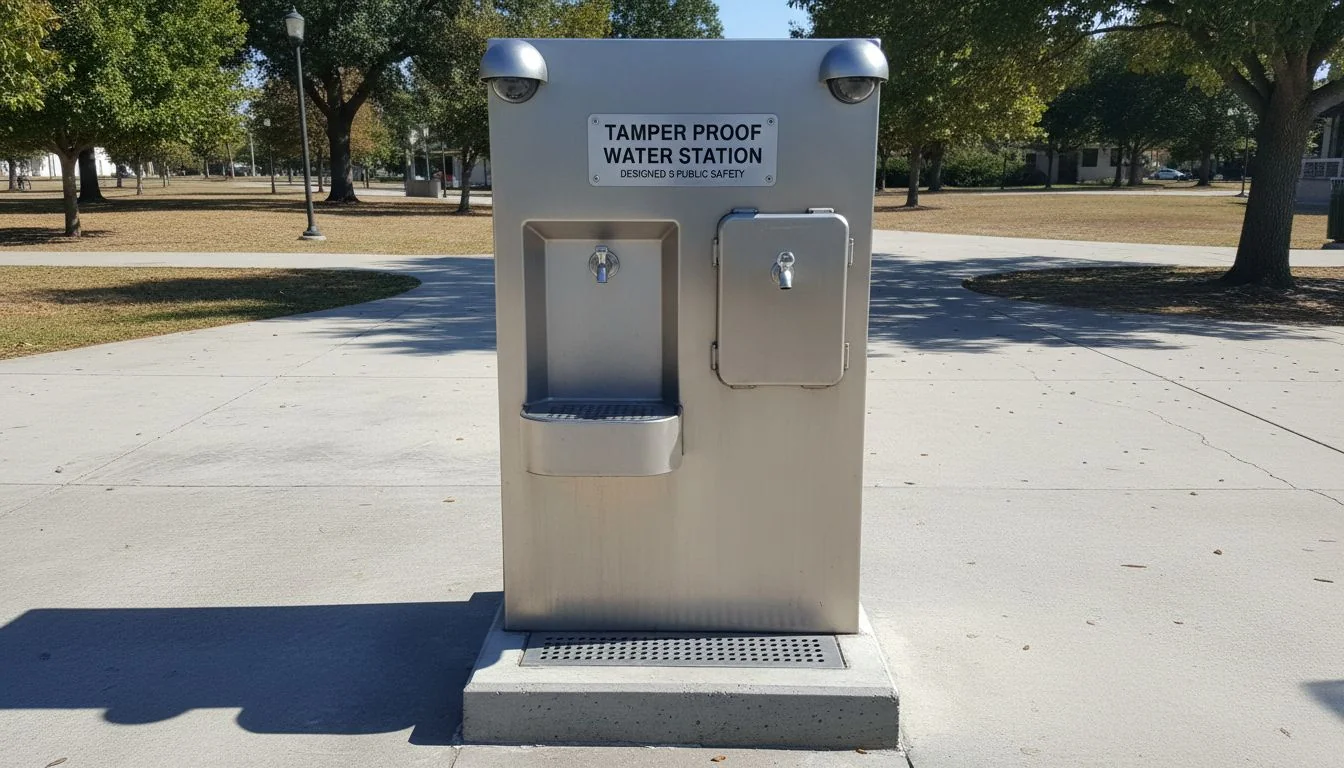
Designing for extreme environments is tough. I remember my early days in mold manufacturing when a client asked for a heavy-duty plastic enclosure. We failed the first drop test because we ignored impact points. That failure taught me a lot. Let us look at how to build water stations that never fail.
Standard commercial water coolers are safe for correctional facilities.Ложь
Standard coolers have exposed parts and weak plastics that can be broken and used as weapons.
Vandal-resistant stations use heavy-gauge stainless steel.Правда
Heavy-gauge stainless steel resists impacts, scratches, and bending, making it ideal for high-security environments.
Why Durability and Tamper-Resistance Are Non-Negotiable?
Weak equipment puts everyone at risk. Inmates can turn broken parts into weapons. You must use durable, tamper-resistant designs to stop these dangers before they happen.
Durability and tamper-resistance are non-negotiable because they prevent equipment from being weaponized or destroyed. High-security environments require fixtures that withstand heavy impacts and block access to internal components, ensuring safety for both inmates and facility staff.

The Real Cost of Weak Design
When I started my CNC trading company, I learned that cheap materials always cost more in the end. In a correctional facility, the cost is not just money. It is human safety. If a water station breaks, sharp edges appear. Loose screws become dangerous tools. We must design products that give zero opportunity for misuse.
Core Security Requirements
To achieve this, designers like you must focus on strict procurement rules. We do not just pick strong metals. We must eliminate all gaps, seams, and exposed edges.
| Requirement | Назначение | Design Action |
|---|---|---|
| impact resistance3 | Stop physical damage | Use 14-gauge or thicker stainless steel |
| gap elimination4 | Prevent hiding items | Weld all seams smoothly |
| Fastener Security | Stop disassembly | Use specialized security screws |
By following these rules, we create a safe environment. We keep the water flowing without giving anyone a chance to cause harm.
Exposed screws are acceptable if they are tightened firmly.Ложь
Even tight standard screws can be removed with improvised tools, posing a severe security risk.
Welded seams prevent contraband concealment.Правда
Smooth, continuous welds eliminate gaps where small items or contraband could be hidden.
What Are the Design Features of Vandal-Resistant Water Stations?
Designing for prisons is hard. Normal buttons break, and exposed pipes get ripped out. You need specific design features to protect the water supply and the equipment.
Vandal-resistant water stations feature push-button valves with non-squirt bubblers, flush-mounted panels5, and fully enclosed plumbing. These designs remove grab points and leverage areas. They ensure the unit remains intact even under severe physical stress and intentional abuse.
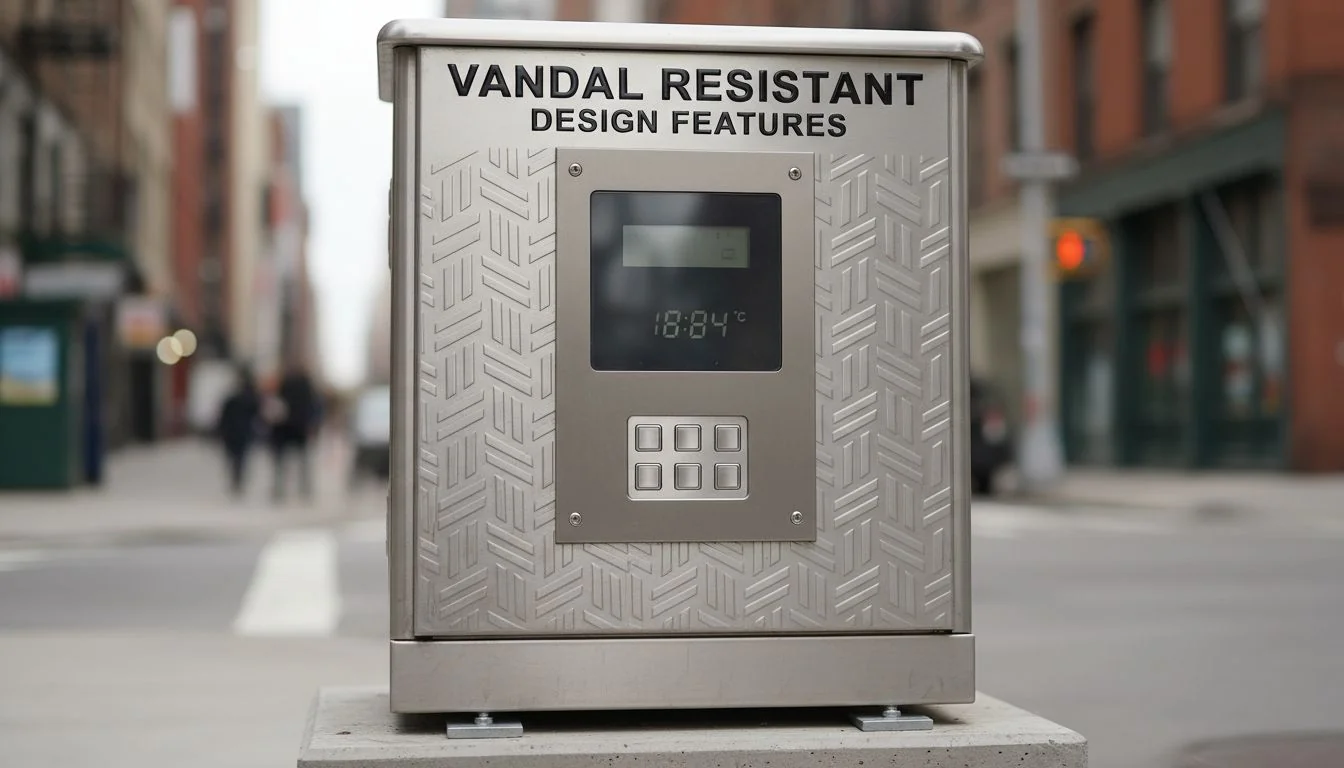
Eliminating Grab Points
In mold design, we often add ribs for strength. In high-security water stations, we must remove anything a person can grab. If a user can wrap their fingers around a part, they can pull it. We must use flush designs. The bubbler head must sit low. The activation button must not stick out.
Smart Component Integration
I always tell my clients to think about the user's intent. In a public park, people just want water. In a prison, someone might want to flood the room.
| Характеристика | Standard Design | Vandal-Resistant Design |
|---|---|---|
| Bubbler | Tall, exposed brass | Low-profile, solid steel |
| Activation | Plastic lever | Flush steel push-button |
| Дренаж | Open grid | Pinhole security drain |
We must use pinhole drains to stop people from stuffing paper inside to cause floods. Every feature must serve its purpose while resisting attack.
Plastic levers are good for vandal-resistant stations because they are cheap to replace.Ложь
Plastic levers break easily and can be sharpened, making them highly dangerous in secure areas.
Flush-mounted buttons reduce the risk of damage.Правда
Flush buttons offer no leverage points, making it nearly impossible to pry them off or break them.
What Are the Materials, Mounting, and Construction Standards?
Weak mounting leads to disaster. A heavy unit can be pulled off the wall. You must use the right materials and mounting standards to keep the station secure.
These stations use heavy-gauge Type 304 or 316 stainless steel. They require in-wall mounting carriers or heavy-duty surface brackets. Construction standards demand seamless welding and tamper-resistant hardware to ensure the unit stays firmly attached to the wall and resists all tampering.

Choosing the Right Steel
When I ran my CNC shop, we machined a lot of steel. For correctional facilities, you cannot use thin metal. You must specify 14-gauge or 16-gauge stainless steel. Type 304 is standard. Type 316 is better if the environment is highly corrosive. The metal must resist scratching and denting.
Secure Mounting Methods
A strong box is useless if it falls off the wall. You must secure the water station properly. We never use standard drywall anchors here.
| Mounting Type | Best Use Case | Security Level |
|---|---|---|
| In-Wall Carrier | New construction | Highest |
| Surface Mount | Retrofit projects | High (with security bolts) |
| Floor Pedestal | Outdoor yards | High (deep concrete anchors) |
In-wall carriers hide the mounting bolts behind the wall. This means the user cannot reach them at all. If you must use surface mounts, you must use security bolts that require special tools to remove.
Standard drywall anchors are sufficient for mounting prison water stations.Ложь
Drywall anchors cannot handle heavy impacts. Stations must be mounted to structural supports or in-wall carriers.
Type 304 stainless steel is highly durable for these applications.Правда
Type 304 stainless steel provides excellent strength and corrosion resistance, making it a standard for secure fixtures.
How to Balance Security With Maintenance Access?
Maintenance teams need access, but inmates must be kept out. If access panels are too simple, security fails. You must balance easy servicing with strict access control.
Balancing security with maintenance requires controlled access points. Designers use concealed hinges and proprietary security screws for access panels. This allows authorized facility staff to quickly open the unit for repairs while completely blocking unauthorized users from reaching the internal plumbing and filters.
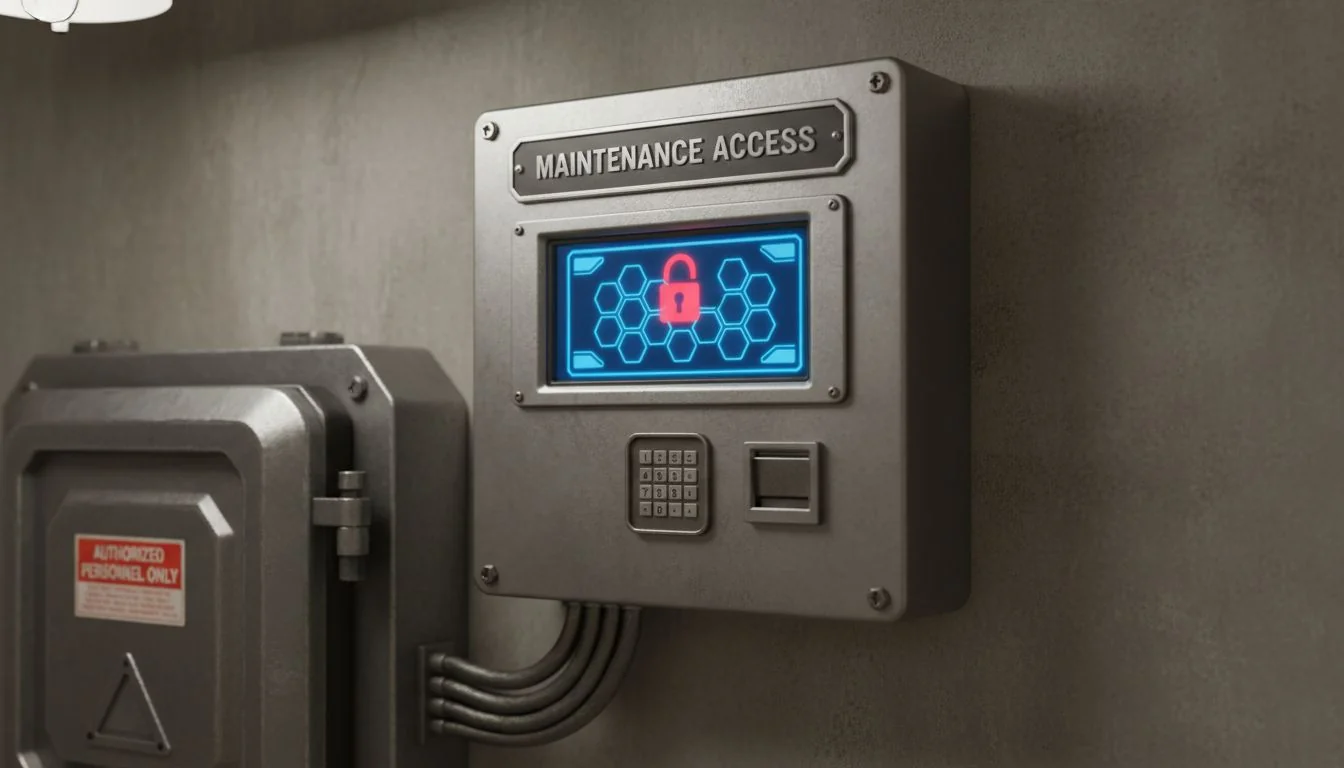
The Access Dilemma
I once designed a mold for a secure lockbox. We made it so strong that even the owner had trouble opening it! We cannot make that mistake with water stations. Plumbers need to change filters and fix leaks. We cannot show any weak points to the users.
Controlled Servicing Design
We solve this by using hidden access methods. The access panel should not look like a door. It should blend into the main body.
| Компонент | Security Method | Maintenance Benefit |
|---|---|---|
| Hinges | Concealed inside the unit | Cannot be tampered with, easy swing open |
| Fasteners | Torx with center pin | Requires special tool, quick to remove for staff |
| Valves | Front-facing internal layout | Fast shut-off once the panel is open |
You must specify proprietary tools for the fasteners. The facility managers keep these tools safe. This way, maintenance is fast, but the internal parts remain completely secure from the outside.
Access panels should use standard Phillips screws for quick maintenance.Ложь
Phillips screws can be easily removed with coins or improvised tools, compromising the unit's security.
Concealed hinges prevent tampering while allowing door movement.Правда
Hinges hidden inside the casing cannot be reached or broken from the outside, maintaining high security.
How Does Filtration Performance Work Within Hardened Equipment?
Clean water is a basic right. Filters are fragile. If you put a standard filter in a prison, it will get destroyed. You must protect the filtration system completely.
Filtration systems in hardened equipment are housed entirely within the heavy-gauge steel casing. They use inline filters that connect directly to the concealed plumbing. This setup protects the fragile filter cartridges from physical damage while ensuring the facility provides safe, clean drinking water to all users.

Protecting Fragile Components
Filters are usually made of thin plastic. In my early days, I saw how easily plastic parts crack under pressure. In a correctional facility, a cracked filter means a massive water leak. We must hide the filter deep inside the hardened shell. The user should never know the filter is there.
Efficient Inline Systems
We use inline filtration systems6. These systems sit between the water supply line and the push-button valve.
| Тип фильтра | Размещение | Replacement Method |
|---|---|---|
| Carbon Block | Inside secure casing | Quarter-turn quick release |
| Sediment | Behind access panel | Drop-in cartridge |
| Lead Reduction | Inline with supply | Push-fit connectors |
The design must allow the maintenance worker to change the filter in under two minutes. We use quick-release fittings. The worker opens the secure panel, swaps the filter, and locks the panel again. The hardened equipment takes all the physical abuse, while the filter safely cleans the water inside.
Filters should be mounted on the outside of the unit for easy changing.Ложь
External filters will be quickly vandalized or destroyed in a high-security environment.
Inline filters can be safely housed inside the stainless steel casing.Правда
Placing the filter inside the secure casing protects it from damage while still cleaning the water.
What to Specify in Correctional Facility Procurement?
Buying the wrong equipment wastes money. Vague specifications lead to weak products. You must write strict procurement rules to get the exact vandal-resistant water stations you need.
procurement specifications7 must demand heavy-gauge stainless steel, tamper-resistant fasteners, and concealed plumbing. Buyers should require detailed documentation, including material certifications and warranty terms for high-abuse environments. Clear specifications ensure the facility receives durable equipment that meets strict safety and security standards.
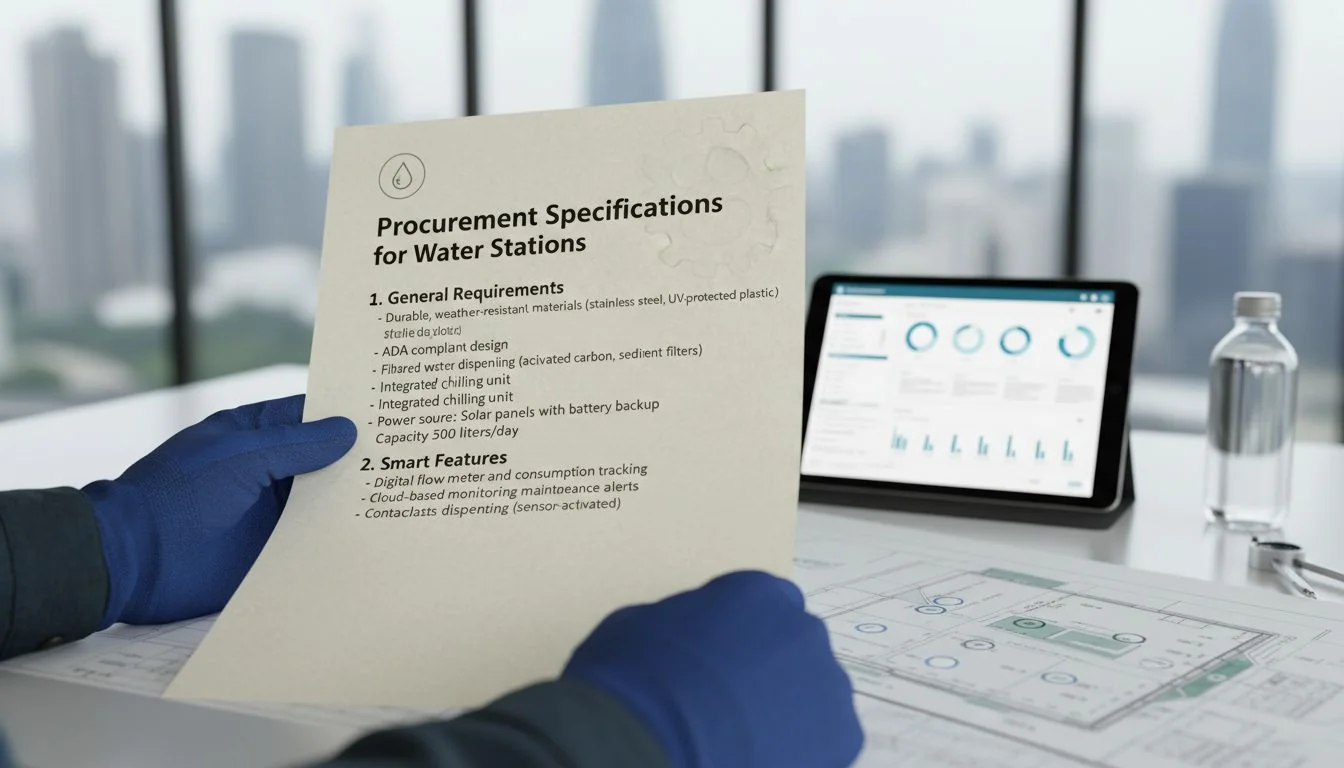
Writing Clear Specifications
When I help clients grow their businesses, I always tell them to be specific. If you ask a supplier for a strong water station, they will give you their cheapest option. You must tell them exactly what you want. You must specify the exact metal gauge and the exact screw type.
Essential Procurement Checklist
Public facility buyers need a clear list. This list protects the buyer and ensures the manufacturer knows the rules.
| Specification Category | Required Detail | Why It Matters |
|---|---|---|
| Housing Material | 14-gauge Type 304 Stainless | Ensures maximum impact resistance |
| Hardware | Pinned Torx security screws | Prevents unauthorized disassembly |
| Documentation | Material test reports | Proves the steel quality is real |
You must ask for controlled servicing guides. The manufacturer must provide manuals that show how to maintain the unit safely. By setting these strict rules, you guarantee that the final product will survive in the toughest environments.
Procurement documents only need to state that the unit is for a prison.Ложь
Vague descriptions lead to inadequate products. Specifications must detail exact materials and security features.
Requesting material test reports ensures you get the correct steel grade.Правда
Test reports verify that the manufacturer used the specified heavy-gauge stainless steel, ensuring durability.
Заключение
Designing vandal-resistant water stations requires heavy-duty materials, hidden plumbing, and secure access panels. By following strict procurement rules, you ensure safety, durability, and reliable hydration in high-security environments.
References
-
Explore how vandal-resistant designs enhance safety and functionality in high-security environments. ↩
-
Learn about the durability and safety benefits of using heavy-gauge stainless steel in high-security applications. ↩
-
Understand the importance of impact resistance in preventing equipment damage and ensuring safety. ↩
-
Learn how eliminating gaps can prevent contraband concealment and enhance security. ↩
-
Explore how flush-mounted panels reduce vulnerabilities and improve the integrity of water stations. ↩
-
Discover the benefits of inline filtration systems for maintaining clean water in high-security environments. ↩
-
Find out how clear procurement specifications ensure the safety and durability of equipment in high-security settings. ↩
 English
 Français
 Español
 Italiano
 Deutsch
 Português
 Русский
 العربية
 日本語
 한국어
 Tiếng Việt

