Открывается в новой вкладке
Инновационные решения в области качества воздуха
HisoAir-Logo
Запрос сейчас

What Are the Best Air Purifiers for Museum

Related Products

Museums, sanctuaries of priceless artifacts, face a silent threat: airborne pollutants. These invisible adversaries relentlessly degrade our shared cultural heritage. Poor air quality is a primary "agent of deterioration," as critical as light, temperature, and humidity in preservation. A 2005 survey revealed that 47% of U.S. institutions suffered collection damage due to air pollution, highlighting environmental control as their most urgent preservation need .

This guide will demystify the threats, explain purification technologies, and outline a strategic, multi-layered approach to safeguard your institution's invaluable collections.

Know Your Enemy – What's Damaging Your Collection?

Airborne threats to museum collections fall into two main categories: particulate matter and gaseous pollutants.

A. The Gritty Stuff (Particulate Matter)

Particulates, including dust, soot, and microscopic particles, physically damage artifacts through abrasion, soiling, and embedding in porous materials . Beyond physical harm, they are chemically and biologically active, acting as carriers for mold spores and attracting pests, contributing to biodeterioration .

B. The Chemical Assault (Gaseous Pollutants)

Gaseous pollutants, from both external and internal sources, cause significant chemical degradation.

Threats from Outside

External gases infiltrate museums, initiating destructive chemical reactions:

  • Acidic Gases (Sulfur Dioxide - SO₂ and Nitrogen Oxides - NOx): From fossil fuel combustion, these form acids that corrode metals, embrittle organic materials, and form destructive salts on stone and ceramics .
  • Oxidizing Gases (Ozone - O₃): A powerful oxidant, ozone breaks down materials at a molecular level, causing fading, yellowing, and cracking of organic materials . Crucially, ozone-producing technologies like electrostatic precipitators and ionizers must be avoided in museums .

High humidity and elevated temperatures accelerate these chemical reactions, emphasizing the need for integrated environmental management .

Threats from Inside: The Enemy Within

Internally generated pollutants accumulate in enclosed spaces, creating toxic micro-environments .

Volatile Organic Compounds (VOCs): These evaporate easily and originate from building materials (plywood, MDF, adhesives, paints), cleaning agents, and even the artifacts themselves (deteriorating film, preserved specimens) .

Key VOCs of concern include:

  • Acetic Acid (CH₃COOH) and Formic Acid: Emitted from wood and adhesives, they corrode lead, copper, and bronze, and cause Byne's Disease on calcareous materials .
  • Formaldehyde (HCHO): From composite wood products and fabrics, it contributes to material degradation .
  • Hydrogen Sulfide (H₂S): Causes severe tarnishing of silver and corrosion of copper, bronze, and lead-based pigments.

Museums are complex chemical reactors where pollutants can synergistically create new, more harmful compounds . A comprehensive purification strategy is essential.

Table 1: Key Airborne Pollutants in Museums and Their Impact on Collections

Загрязнитель Primary Source(s) Mechanism of Damage Highly Vulnerable Materials
Твердые частицы (PM) External: Soot, dust. Internal: Skin cells, fibers. Abrasion, soiling, mold/pest carrier. Porous materials (paper, textiles), painted surfaces.
Ozone (O₃) External: Smog. Internal: Faulty equipment. Oxidation. Pigments, dyes, paper, textiles, rubber, plastics.
Sulfur Dioxide (SO₂) External: Fossil fuel combustion. Acid hydrolysis, corrosion. Paper, leather, metals, calcareous stone.
Nitrogen Dioxide (NO₂) External: Fossil fuel combustion. Acid formation, fading. Paper, textiles, photographic emulsions.
Acetic Acid (CH₃COOH) Internal: Wood, adhesives. Corrosion, salt efflorescence. Lead, copper, bronze, calcareous materials, paper.
Formaldehyde (HCHO) Internal: Resins, fabrics. Acid formation, protein cross-linking. Paper, photographs, protein-based materials.
Hydrogen Sulfide (H₂S) External: Industrial. Internal: Organic matter. Tarnish, corrosion. Silver, copper, bronze, lead-based pigments.

The Right Tools for the Job – Understanding the Technology

Effective air purification in museums requires a strategic system of multiple technologies.

A. Particulate Control: The HEPA Gold Standard

Particulate removal is the first essential stage, protecting collections and downstream gas-phase filters . Mechanical filters capture particles through straining, interception, impaction, and diffusion.

  • HEPA (High-Efficiency Particulate Air): The gold standard, a true HEPA filter captures a minimum of 99.97% of airborne particles at 0.3 microns (MPPS) .
  • Critical Warning: Electronic Filtration: Technologies like electrostatic precipitators and ionizers produce ozone (O₃), a harmful byproduct, and are therefore unsuitable for museums .

B. Gaseous Control: A Two-Pronged Attack

Addressing gaseous pollutants requires specialized media:

  • Activated Carbon (Adsorption): A porous material that adsorbs VOCs and odors like a sponge. It has finite capacity and requires replacement.
  • Chemisorption (Chemical Reaction): Media impregnated with chemicals that chemically react with and neutralize specific harmful gases (e.g., acidic gases, formaldehyde). This process is often irreversible.

The Ultimate Solution: Blended Media: The most effective systems use a blended media combining activated carbon and various chemisorbents for comprehensive removal of a wide spectrum of gaseous pollutants.
banner hv380

Building Your Fortress – A Strategic, Multi-Layered Approach

Protecting museum collections requires a multi-layered strategy, from the entire building to individual artifacts.

Level 1: The Foundation (HVAC System Integration)

Integrating filtration into the central HVAC system provides broad-spectrum air purification. An ideal three-stage setup includes:

  1. Pre-filter (MERV 8-13): Captures larger particles, protecting downstream filters.
  2. Gas-Phase Filter (Blended Media): Removes gaseous pollutants from incoming and recirculated air.
  3. Final HEPA Filter (H13 or H14): Ensures removal of fine particulate matter for the highest level of control.

Level 2: Targeted Reinforcements (Standalone Purifiers)

Standalone purifiers are crucial for specific areas needing enhanced protection (archives, labs, temporary exhibits) or in buildings with older HVAC systems. Key buying criteria:

  • True HEPA Filtration: Non-negotiable for effective particulate removal.
  • Substantial Gas-Phase Media: Ensures effective gaseous pollutant removal.
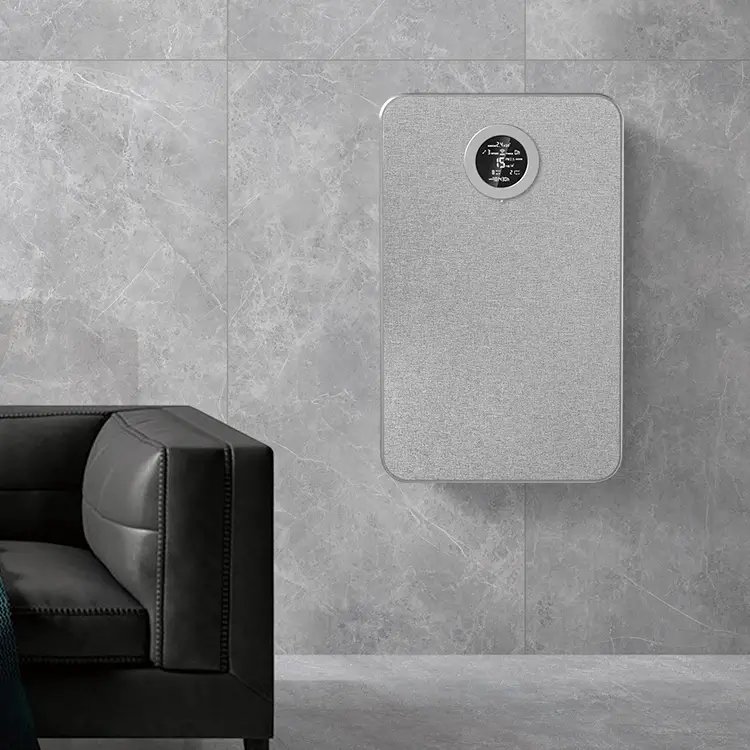
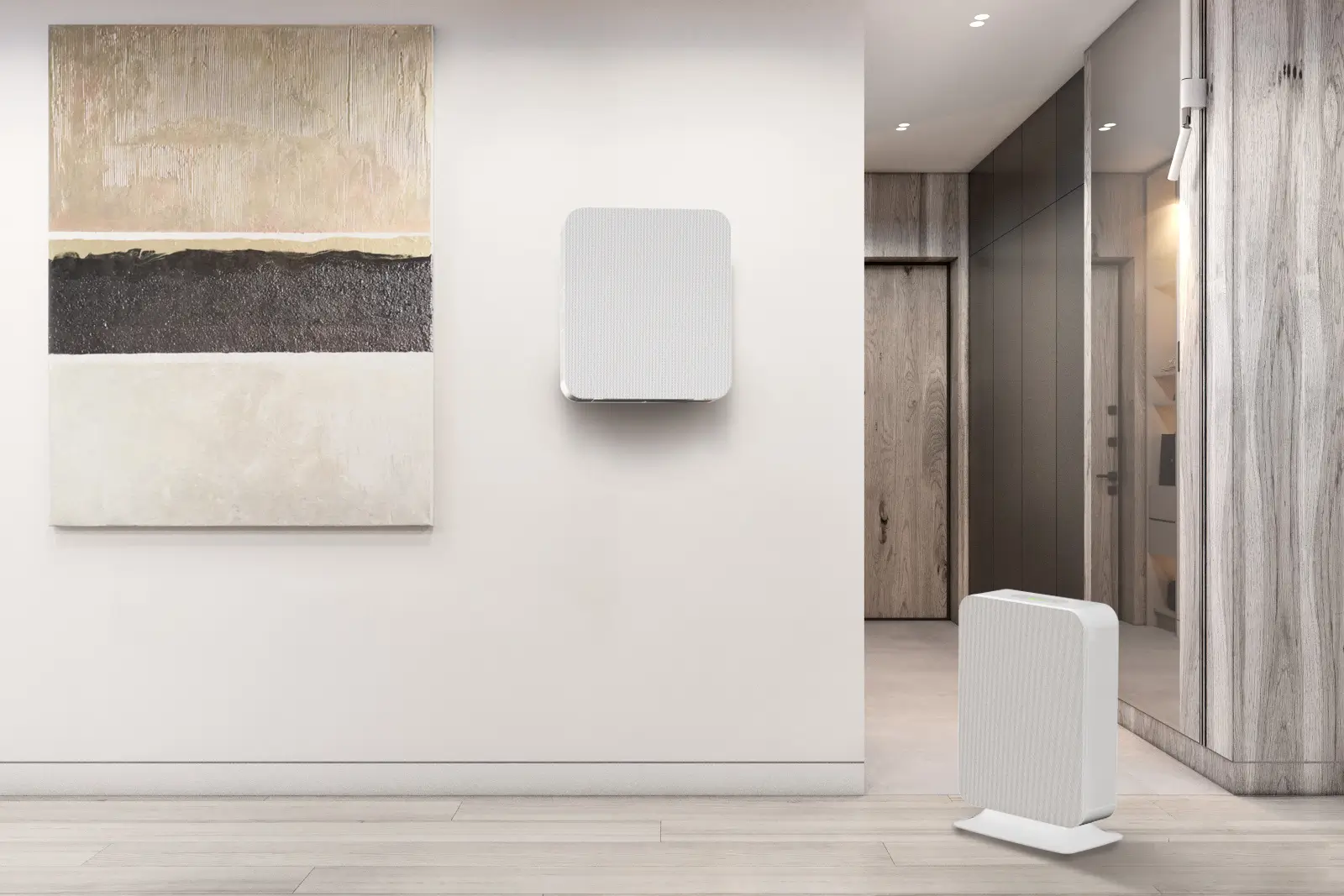
  • Low Noise Operation: Essential for quiet museum environments. HisoAir's wall-mounted air purifiers excel here with Технология Decibel Cancellation™, operating as low as 25 dB(A).
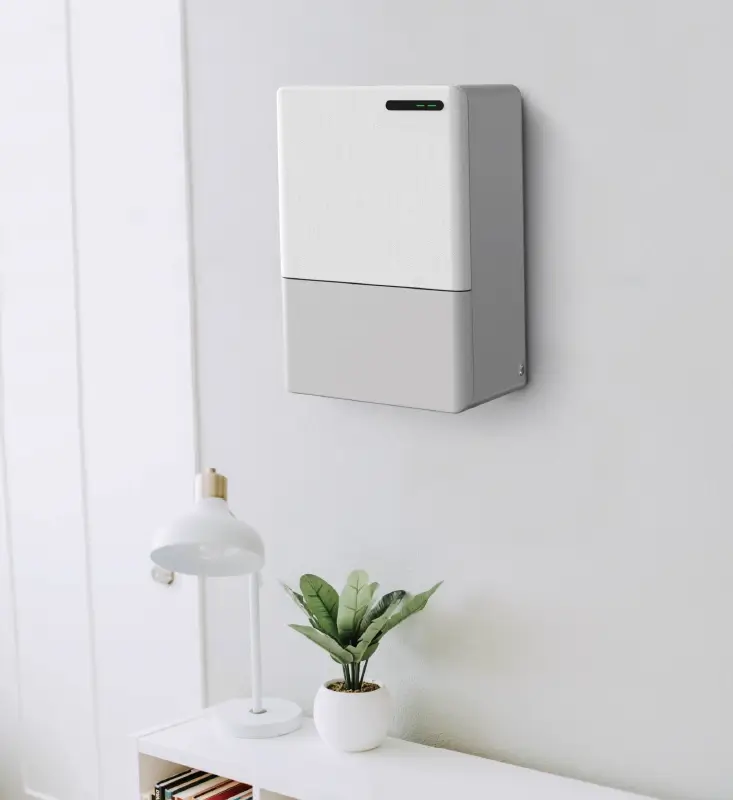
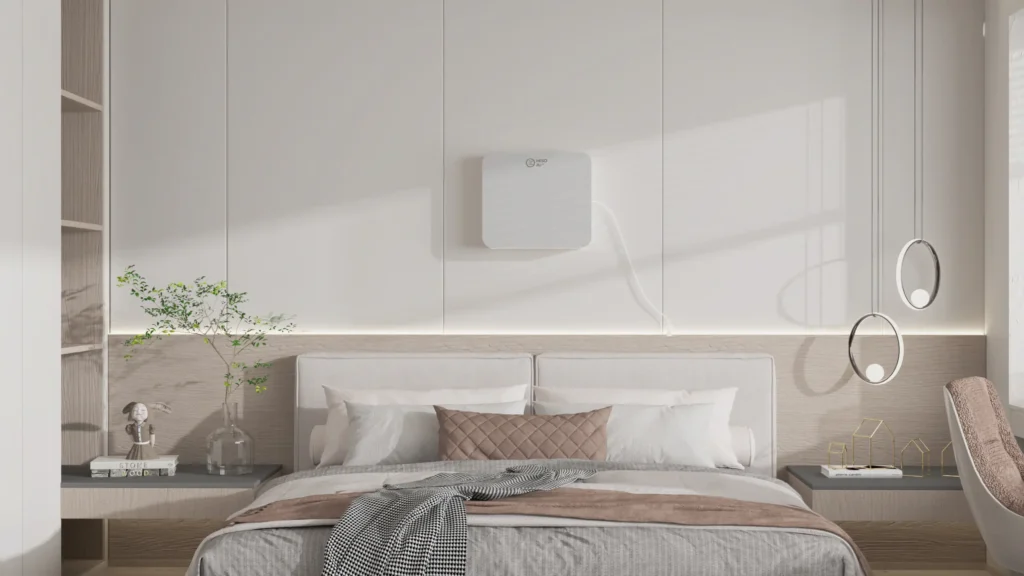
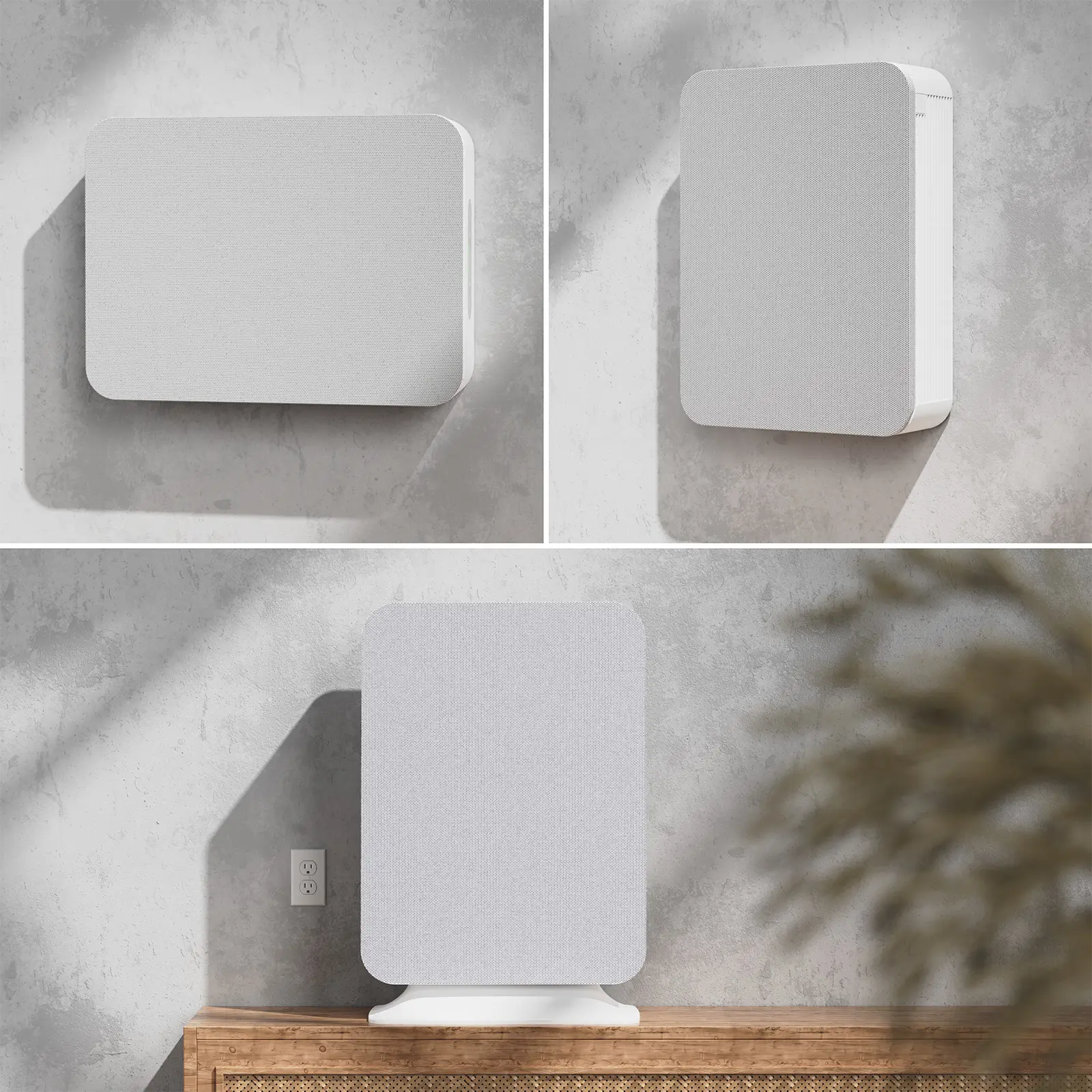
  • Space-Saving Design: HisoAir's wall-mounted air purifiers are ultra-slim (144mm thin), mounting elegantly on walls without occupying floor space, blending seamlessly into the museum aesthetic.
  • High-Dust Capacity HEPA Filtration: HisoAir units offer extended filter life, reducing maintenance.
  • Ultra-Low Differential Pressure (D/P) Technology: HisoAir's meltblown cores ensure superior airflow and exceptional filtration.

Level 3: Ultimate Protection (Micro-Environment Control)

For the most valuable artifacts, micro-environment control within display cases or storage cabinets offers ultimate protection:

  • Passive Sorbent Materials: Discreet packets or sheets that passively adsorb/chemisorb pollutants.
  • Active, Miniature Filtration Modules: Fan-driven modules with small HEPA and gas-phase filters for active circulation and purification within enclosures.

This multi-layered approach provides robust and adaptable protection for museum collections.
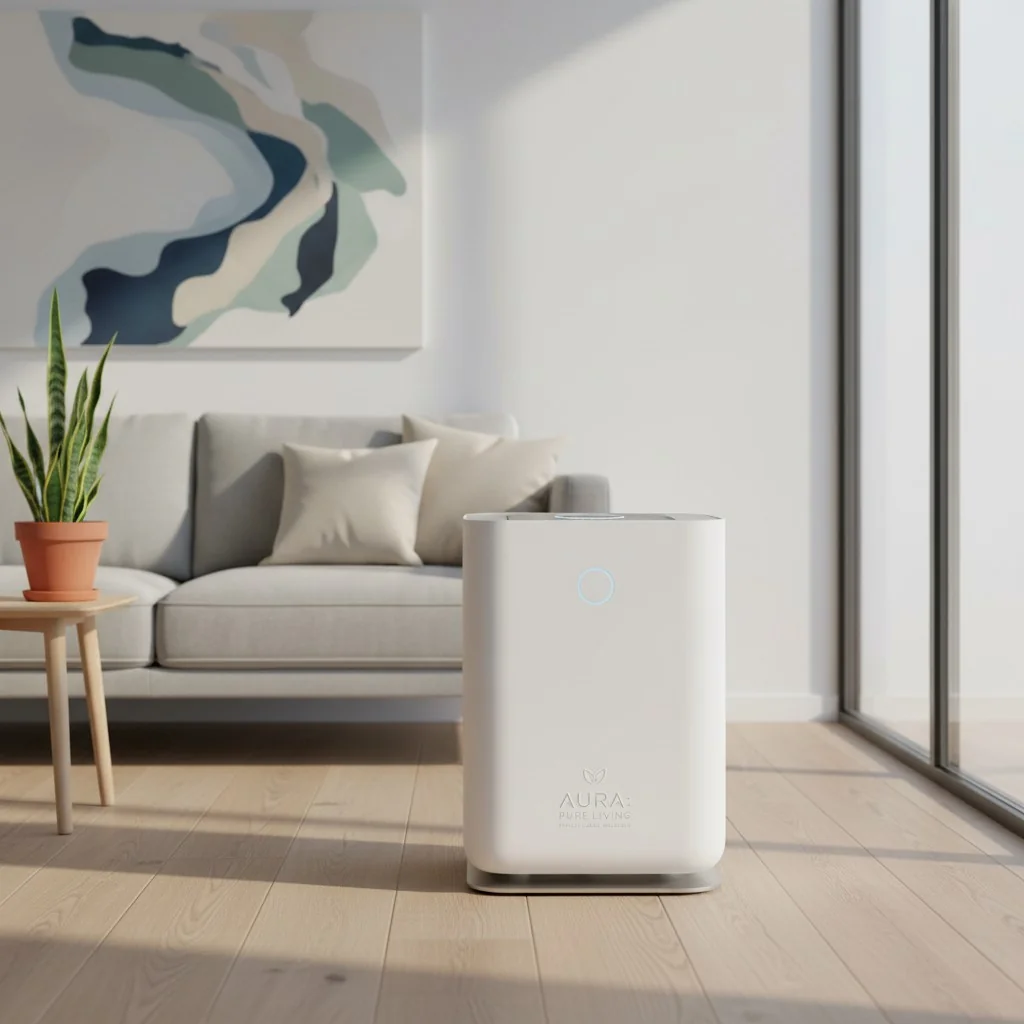
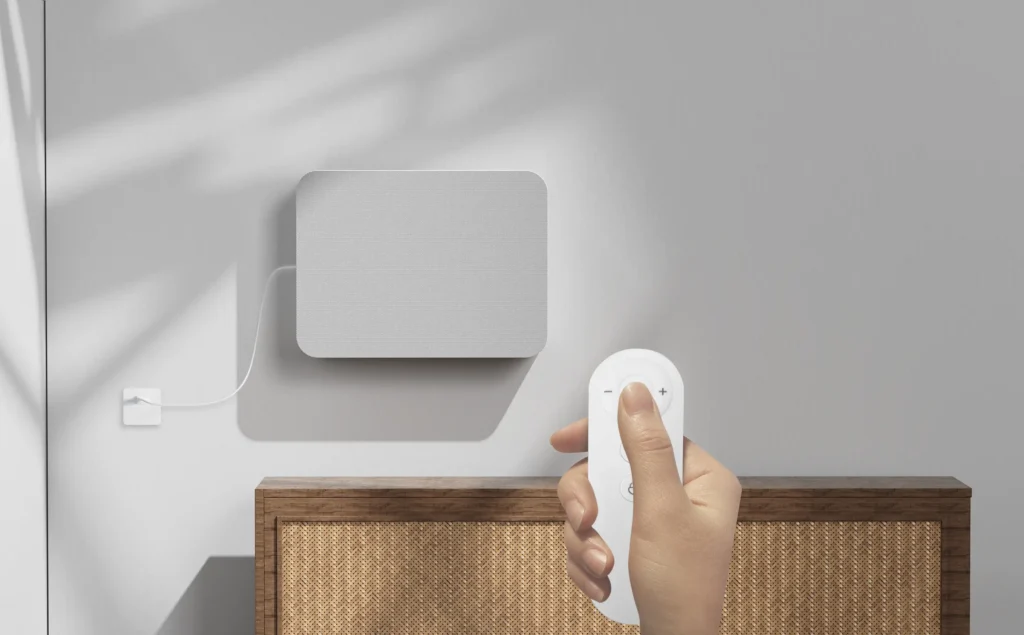
standing & wall mounted air purifier ha180 & ha380 (fabric panel)

The A-List: Who to Trust in Museum Air Quality

Museums must choose industrial-grade manufacturers with proven track records. Key players include:

  • AAF International: Global leader in air filtration, known for specialized chemical media and HVAC integration solutions.
  • Camfil: Renowned for high-quality HEPA and molecular filters, with a strong presence in European museums.
  • PureAir Filtration: Specialists in gas-phase filtration, offering solutions for corrosive gases and VOCs, particularly for archives.

Case Study Spotlight: The New National Museum of Norway

The New National Museum of Norway exemplifies a world-class approach to air quality . Their solution involved sophisticated high-efficiency particulate and gas-phase filtration integrated into their HVAC system, demonstrating the importance of comprehensive planning, integrated solutions, and a data-driven approach.
ha380 10

Conclusion: A Step-by-Step Plan for Protecting Our Shared Heritage

Protecting museum collections from airborne contaminants is paramount. By understanding threats and implementing a strategic, multi-layered air purification strategy, museums can safeguard their environments.

Your action plan:

  1. Assess Your Vulnerabilities: Identify specific threats based on location, collection materials, and internal pollution sources.
  2. Measure, Don't Guess: Conduct regular air quality testing, including corrosion coupons, for objective insights.
  3. Strategize with a Multi-Layered Approach: Combine HVAC integration, targeted standalone purifiers (like HisoAir's wall-mounted units for their quiet, space-saving, and efficient design), and micro-environment control.
  4. Invest Wisely: View air purification as a critical, long-term investment. Consider TCO and partner with reputable industrial-grade manufacturers.

By taking these steps, museum directors and conservators can ensure invaluable cultural artifacts are protected, securing our shared human story for generations.

Поделиться:
Основатель Hisoair мистер Ли
Alwen Lee, an air purification expert with over 10 years of experience, is a devoted father of two and a passionate traveler, having explored more than 30 countries. With a love for public speaking and swimming, he has dedicated his life to the indoor air quality industry. His mission is to ensure that people around the world enjoy the freedom to breathe clean air and lead happy, healthy lives.

Отправить нам сообщение

Related Products

Больше читать

A modern office room with a gray wall-mounted air purifier, large wooden desk, office chairs, indoor plants, and glass windows offering a city view.

Luftreiniger gegen Staub: HEPA-Luftreinigung für Büro, Gewerbe und Industrie

Kurz gesagt: Ein Luftreiniger entfernt Staub aus der Luft – nicht vom Schreibtisch. Er reduziert die Konzentration schwebender Partikel und damit auch die Menge an ...
Air purifier, Filter
Featured image for How to launch a private label wellness product in the US

How to launch a private label wellness product in the US

Stand out in the US wellness market! Partner with innovators for unique products and tap into a booming industry. Start your launch today!
AI Trends, Air purifier
wall mounted air purifier ha380 6

DIY vs. Commercial: Ceiling Purifier vs. Wall-Mounted Purifier

Indoor air quality has become a global concern for both individuals and organizations. Whether at home, in offices, or in public facilities, the need for ...
Очиститель воздуха
air purifier ha2553

The Strategic Guide to Home Air Purification: A Room-by-Room Analysis

In an era where indoor living dominates our daily routines, the quality of the air we breathe within our homes has become a paramount concern. ...
Очиститель воздуха
очиститель воздуха для вентиляции hv 100

Wall-Mounted Purifier vs HVAC for Indoor Air Quality

Indoor air quality isn’t a nice-to-have—it’s daily infrastructure. Wildfire smoke, urban PM2.5, and indoor sources from cooking to cleaners now make clean air a baseline ...
Очиститель воздуха
ha180 bedroom

Wall-Mounted Air Purifiers: Best Choice for Apartments

Save space and breathe cleaner air with wall-mounted air purifiers. Perfect for apartments, they reduce odors, dust, and allergens for healthier living. The rise of ...
Очиститель воздуха
Contaminant Engineering•3 min read

PFAS Water Filtration Technologies Explained: Carbon, Resin & RO

Key Takeaway:

PFAS reduction depends on the specific compounds present, treatment media, contact time, water chemistry, and system design. Activated carbon, ion exchange, and Reverse Osmosis address PFAS through different mechanisms.

PFAS are a large family of persistent fluorinated compounds that can occur in drinking-water supplies. Their treatment behavior varies significantly by molecular structure, chain length, functional group, concentration, and the chemistry of the source water.

Granular Activated Carbon (GAC) removes PFAS primarily through adsorption. It is generally more effective for many longer-chain PFAS, while shorter-chain compounds tend to break through more quickly. Carbon performance depends on media properties, Empty Bed Contact Time (EBCT), competing organic matter, loading, and replacement frequency.

Ion-exchange resins use charged functional sites to capture many PFAS compounds. Properly selected anion-exchange media can provide high capacity and may perform better than conventional activated carbon for some shorter-chain PFAS, although performance still depends on water chemistry and competing ions.

Reverse Osmosis (RO) uses membrane separation rather than adsorption. Properly designed RO systems can provide broad reduction across many PFAS compounds as well as dissolved salts and other contaminants. Unlike carbon or resin, however, RO also produces a concentrate stream that must be managed.

No single technology should be selected from a PFAS label alone. System design should consider which PFAS compounds are present, their concentrations, required reduction targets, flow rate, media life, and the applicable third-party certification or validation requirements.

HisoAir Water Technical Series
Product Discovery•3 min read

How to Choose an Under-Sink Water Purifier for Modern Kitchens

Key Takeaway:

Match the treatment technology to your water quality first, then evaluate cabinet space, faucet configuration, flow rate, drain and power requirements, and filter replacement needs.

Choosing an under-sink water purifier starts with water chemistry. Carbon filtration is well suited to chlorine, taste, odor, and many organic contaminants, while Reverse Osmosis is more appropriate when dissolved salts, fluoride, nitrates, or broader dissolved contaminants need to be reduced.

For compact kitchens, tankless RO systems eliminate the conventional storage tank and can significantly reduce the space required under the sink. However, membrane capacity stated in GPD does not directly equal faucet flow. When comparing systems, check the actual dispensing flow rate, inlet-pressure requirement, recovery ratio, and whether a booster pump is required.

Installation architecture also matters. Many RO systems require a drain connection, electrical power, and either a dedicated drinking-water faucet or a compatible multi-function faucet. High-flow carbon systems can often connect directly to the existing cold-water line with a simpler installation, but pressure drop and available faucet flow should still be verified.

RO also removes much of the naturally occurring dissolved mineral content. Where taste or mineral balance is a priority, a post-RO remineralization stage can be added. Filter life should be evaluated by both rated capacity and local water quality rather than replacement time alone.

The right system is therefore not simply the smallest or highest-GPD model. It is the configuration that matches the target contaminants, available cabinet space, desired faucet setup, peak dispensing demand, and maintenance expectations.

HisoAir Water Technical Series
Water Quality•2 min read

What Does TDS Mean in Drinking Water? Measurement vs Contaminant Reality

Key Takeaway:

A TDS meter estimates the overall concentration of dissolved ionic substances from electrical conductivity. It cannot identify specific contaminants or determine whether water is chemically safe.

Total Dissolved Solids (TDS) refers to the combined concentration of dissolved substances in water. Most handheld TDS meters do not measure TDS directly. Instead, they measure electrical conductivity (EC) and convert that reading into an estimated parts-per-million (ppm) value.

This means a TDS reading can indicate how much dissolved ionic material is present, but not what that material actually is. Calcium, magnesium, sodium, nitrates, and other dissolved ions can all contribute to conductivity, yet a simple TDS meter cannot distinguish between them.

TDS meters are also not suitable for detecting trace contaminants such as PFAS, many VOCs, pesticides, pharmaceuticals, or disinfection byproducts. These substances may be present at concentrations far below the level needed to noticeably change electrical conductivity.

A low TDS reading therefore does not guarantee safe drinking water, and a higher TDS reading does not automatically indicate contamination. Water-treatment decisions should be based on laboratory testing for specific contaminants of concern rather than TDS alone.

HisoAir Water Technical Series
Technology Selection•2 min read

RO vs UF Water Filtration: Understanding Pore Sizes & Dissolved Minerals

Key Takeaway:

Ultrafiltration can reduce bacteria, turbidity, and suspended particles while retaining most naturally occurring dissolved minerals. Reverse Osmosis provides much broader reduction of dissolved salts and smaller contaminants.

Ultrafiltration (UF) typically uses hollow-fiber membranes with pore sizes in the approximate 0.01–0.1 micron range. These membranes physically retain turbidity, suspended solids, colloids, and many microorganisms while allowing dissolved minerals and salts to remain in the water.

Reverse Osmosis (RO) operates at a much finer separation level. Unlike UF, RO can substantially reduce dissolved ions such as sodium, calcium, fluoride, nitrates, and other contributors to total dissolved solids (TDS). This makes RO more suitable when dissolved-salt reduction is a primary treatment objective.

UF generally requires less system pressure and produces little or no continuous concentrate stream in many point-of-use configurations. RO typically requires greater pressure and produces a reject-water stream, but delivers broader contaminant reduction.

For water with acceptable TDS and mineral content, UF can be a simpler mineral-retaining treatment option. Where dissolved salts, fluoride, nitrates, or broader dissolved contaminants are a concern, RO is generally the more appropriate technology.

HisoAir Water Technical Series
Technology Selection•4 min read

Carbon Block vs Reverse Osmosis: Which Fits Your Need?

Key Takeaway:

Choose RO for dissolved inorganic salts and heavy metals; choose Carbon Block for chemical taste/odor, no wastewater, and high line-pressure flow.

Reverse Osmosis (RO) and Carbon Block filtration represent two fundamentally different treatment methods: membrane separation and adsorption. Understanding these differences helps determine which technology is better suited to a specific water-quality requirement.

Reverse Osmosis uses a semi-permeable membrane with pore sizes of approximately 0.0001 microns. It can significantly reduce dissolved inorganic contaminants such as TDS, fluoride, nitrates, and certain heavy metals. Because water must be forced through the membrane, RO systems require sufficient pressure or a booster pump and generate a concentrated wastewater stream.

Carbon Block filtration relies primarily on adsorption through compressed activated carbon, commonly with nominal pore sizes around 0.5–5 microns. It is highly effective for chlorine, chloramines, VOCs, taste, and odor, while allowing substantially higher direct-flow rates without producing wastewater.

From an operating perspective, Carbon Block systems are generally simpler, require less energy, and avoid the water loss associated with RO. RO involves higher system complexity and operating cost, but provides substantially broader reduction of dissolved contaminants that Carbon Block alone cannot address.

HisoAir Water Technical Series

ЗАПРОСИТЬ ЦИТАТУ