
Have you ever wondered about the true origin of your Whirlpool air purifier? In an increasingly globalized market, the answer isn't always as straightforward as the brand name might suggest. While Whirlpool Corporation is a renowned American manufacturing powerhouse, its strategy for certain product categories, like air purifiers, involves a sophisticated brand licensing model. This article delves into the intricacies of Whirlpool-branded air purifier production, exploring the 'how' and 'why' behind their manufacturing locations.
The Whirlpool Corporation: An American Manufacturing Powerhouse
Whirlpool Corporation, founded in Benton Harbor, Michigan, in 1911, is deeply rooted in American manufacturing. The company proudly states that 80% of the appliances it sells in the United States are also manufactured domestically, a testament to its extensive network of manufacturing plants across the country. These facilities specialize in Major Domestic Appliances (MDAs) such as refrigerators, washers, and dishwashers, representing significant capital investment and a source of brand pride.
However, a clear strategic distinction exists between the manufacturing of MDAs and Small Domestic Appliances (SDAs). While the U.S. manufacturing footprint for MDAs is robust, the strategy for SDAs is more global. Whirlpool's "Global Small Domestic Appliances" business, which includes KitchenAid, operates with a significant global presence, indicating that not all products bearing a Whirlpool Corporation brand name follow the same path from factory to consumer.
Table 1: Whirlpool Corporation's U.S. Manufacturing Facilities and Core Products
| Plant Location (City, State) | Primary Products Manufactured |
|---|---|
| Amana, IA | Холодильники |
| Cleveland, TN | Cooking Appliances |
| Clyde, OH | Washing Machines |
| Findlay, OH | Dishwashers |
| Greenville, OH | Stand Mixers, Small Domestic Appliances |
| Marion, OH | Dryers |
| Ottawa, OH | Freezers |
| Tulsa, OK | Cooking Ranges |
The Licensing Imperative: Deconstructing the "Whirlpool" Brand on Air Purifiers
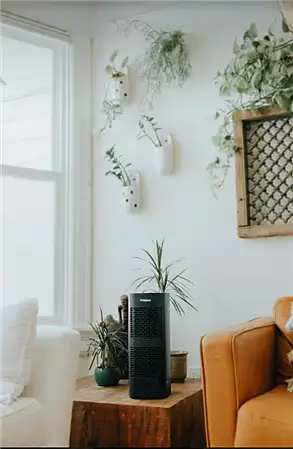
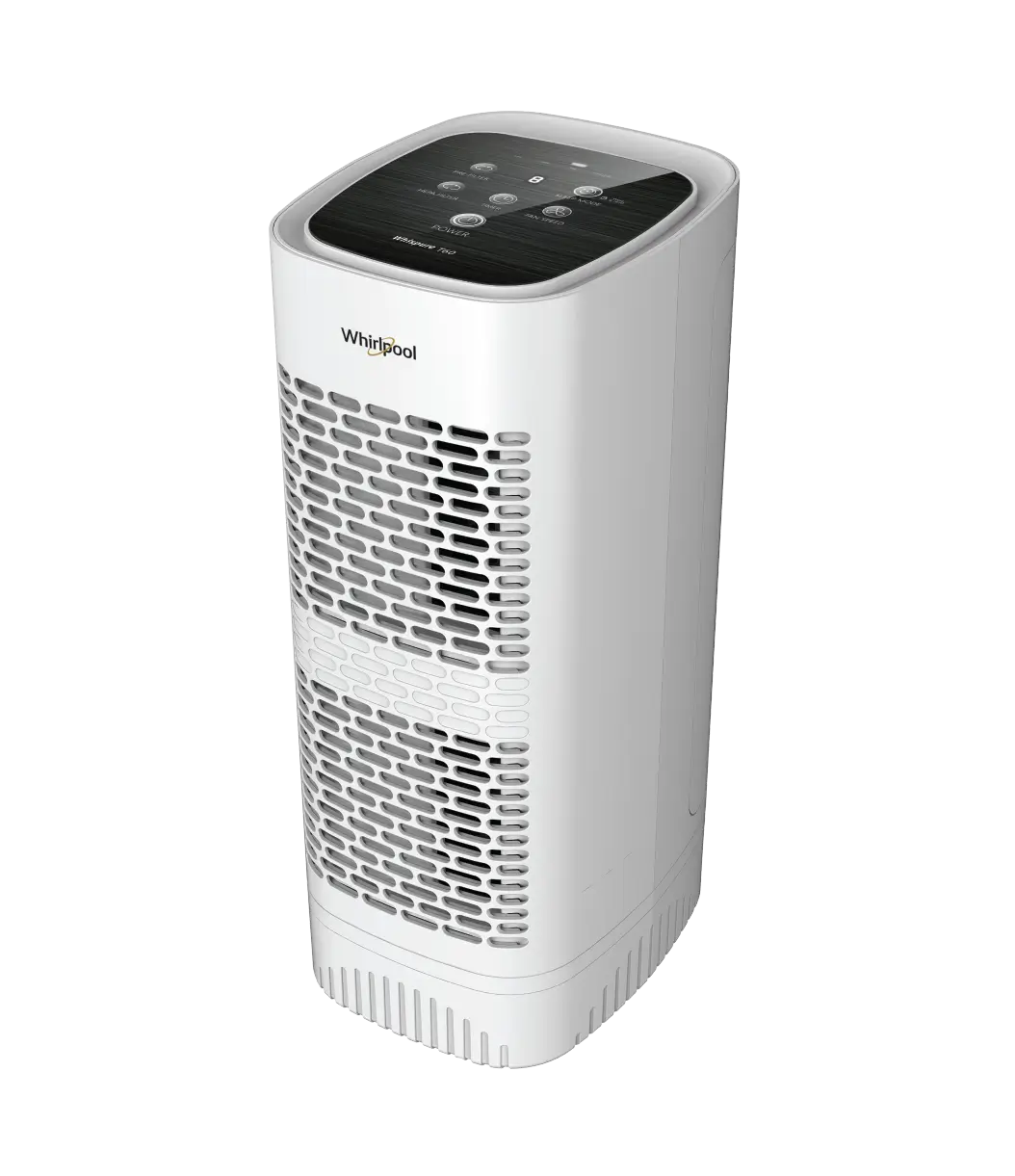
The crucial fact regarding Whirlpool air purifiers is that Whirlpool Corporation does not directly manufacture them. Instead, the "Whirlpool" name on these products is the result of a brand licensing agreement.
The Business of Brand Licensing
A licensing agreement is a legal contract where a brand owner (licensor) grants another party (licensee) permission to use its intellectual property, such as a brand name or logo, on a product. In return, the licensee pays royalties, typically a percentage of sales. This model offers several strategic benefits to Whirlpool:
- New Revenue Streams: Licensing creates revenue with minimal capital investment, as the licensee bears the costs and risks of production, marketing, and distribution. Whirlpool's licensed products generate an estimated retail value of $2.2 billion annually.
- Расширение рынка: It allows a brand to extend its presence into new product categories where it may lack manufacturing expertise, such as air purification, reinforcing brand visibility.
- Risk Mitigation: The licensee assumes the financial and operational risks of bringing a product to market.
Identifying the Licensee: The "Aroma International" Puzzle
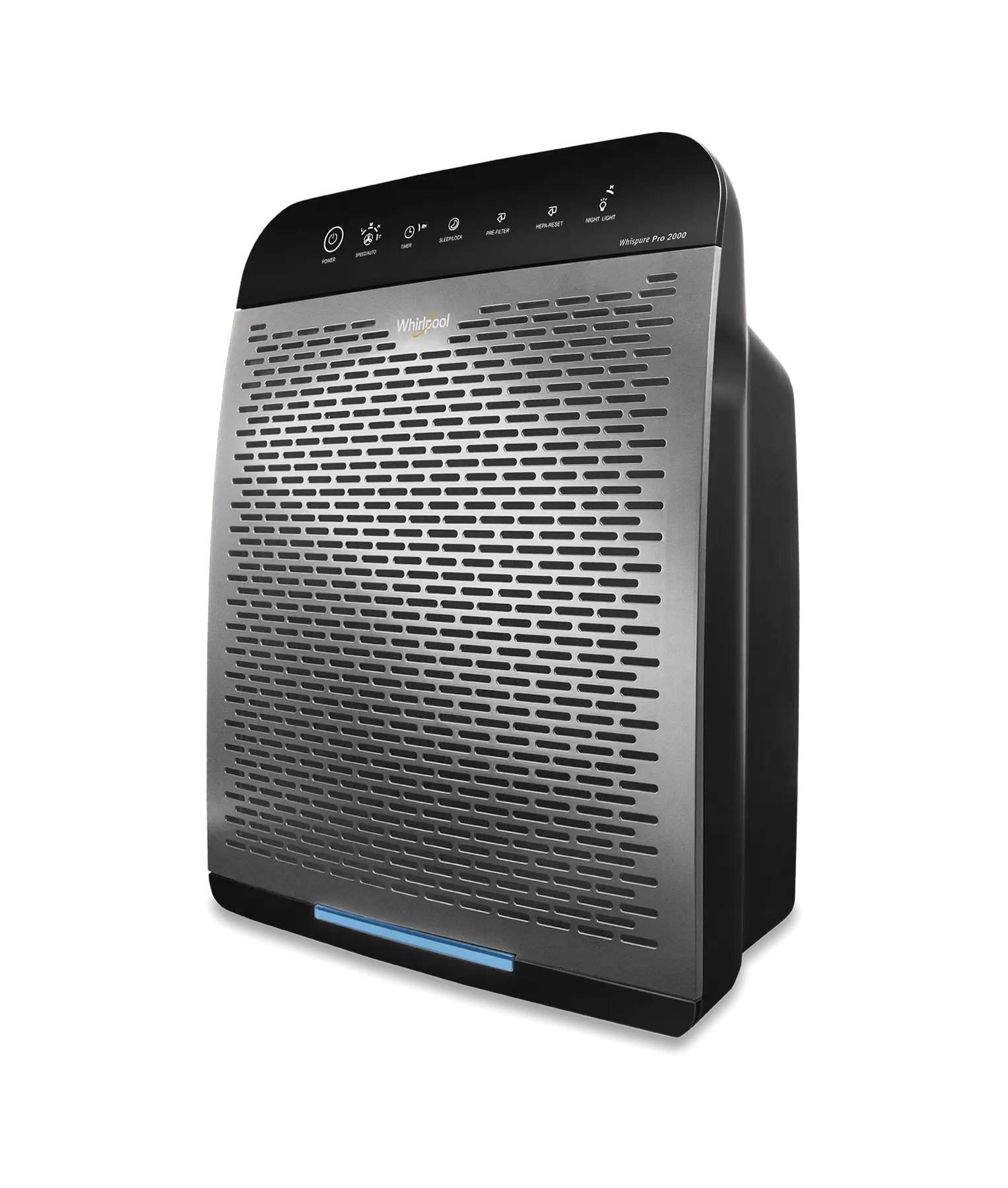
Whirlpool's own website states that customers will be redirected to the site of "Aroma International, which manufactures Whirlpool Air Purifier Products under license". A press release further details that Whirlpool granted "Austin, Texas-based air purification systems manufacturer Aroma International" exclusive rights to manufacture and market these products in North America.
However, the copyright and warranty information on the licensee's retail website clarifies that the products are "Manufactured under license by Aroma International Limited, Hong Kong". This indicates a distinct corporate entity based in Hong Kong, corroborated by records from the Hong Kong Trade Development Council (HKTDC), which lists "Aroma International Ltd" as a Hong Kong-based distributor and importer focused on the North American home appliance market.
This suggests a common international business structure where "Aroma International" operates as a group with distinct functions:
- Aroma International Limited (Hong Kong): Likely serves as the corporate and financial hub, holding the master license, managing financing, and coordinating with manufacturing partners, likely in mainland China.
- Aroma International (Austin, TX): The North American operating arm, responsible for marketing, sales, distribution, and customer-facing activities in the U.S. market.
This structure optimizes global operations, leveraging Hong Kong's financial systems and proximity to mainland China for manufacturing, while maintaining a U.S. presence for market management. The Whirlpool logo on an air purifier thus signifies a sophisticated marketing and financial strategy, not direct manufacturing by Whirlpool Corporation.
The Point of Origin: Tracing the Path from Factory to Consumer
With the licensing structure understood, the physical location where Whirlpool-branded air purifiers are manufactured can be pinpointed. Evidence from consumer-facing retail sites and B2B sourcing platforms provides a definitive answer.
The Definitive Answer: Made in China
Product pages of major North American retailers consistently list the "Country Of Origin" for specific Whirlpool air purifier models, including the WPT60 and WPT80 tower units, as Китай.
Further substantiation comes from B2B sourcing platforms like Alibaba.com and Made-in-China.com, where wholesale listings for "Whirlpool Air Cleaner Air Purifier" are offered by Chinese manufacturers and distributors. One such listing originates from Foshan, a city in Guangdong province known as a major hub for home appliance manufacturing. This convergence of evidence confirms that the final assembly and production of these licensed air purifiers occur in China.
The Contrast Case: U.S. Assembled Licensed Products
It's important to note that a "licensed" Whirlpool product isn't automatically Chinese-made. Whirlpool's broader licensing portfolio shows a nuanced, category-specific approach to manufacturing location. For example, the Whirlpool WHELJ1 Whole Home Central Water Filtration System, also sold under license, is explicitly marketed as being "Designed, engineered, and assembled in the USA".
This contrast reveals that the manufacturing location for a licensed Whirlpool product is determined by the specific supply chain ecosystem of that product category. Air purifiers, as consumer electronics, gravitate toward China's integrated manufacturing ecosystem, while other categories, like large-scale water filtration systems, may have competitive supply bases within North America, making U.S. assembly a viable strategic choice for the respective licensee.
Table 2: Documented Manufacturing Origins of Whirlpool-Branded Purification Products
| Категория продукта | Specific Model | Stated Country of Origin | Licensee/Partner |
|---|---|---|---|
| Портативный очиститель воздуха | WPT60P/B | Китай | Aroma International Ltd. |
| Портативный очиститель воздуха | WPT80P/B | Китай | Aroma International Ltd. |
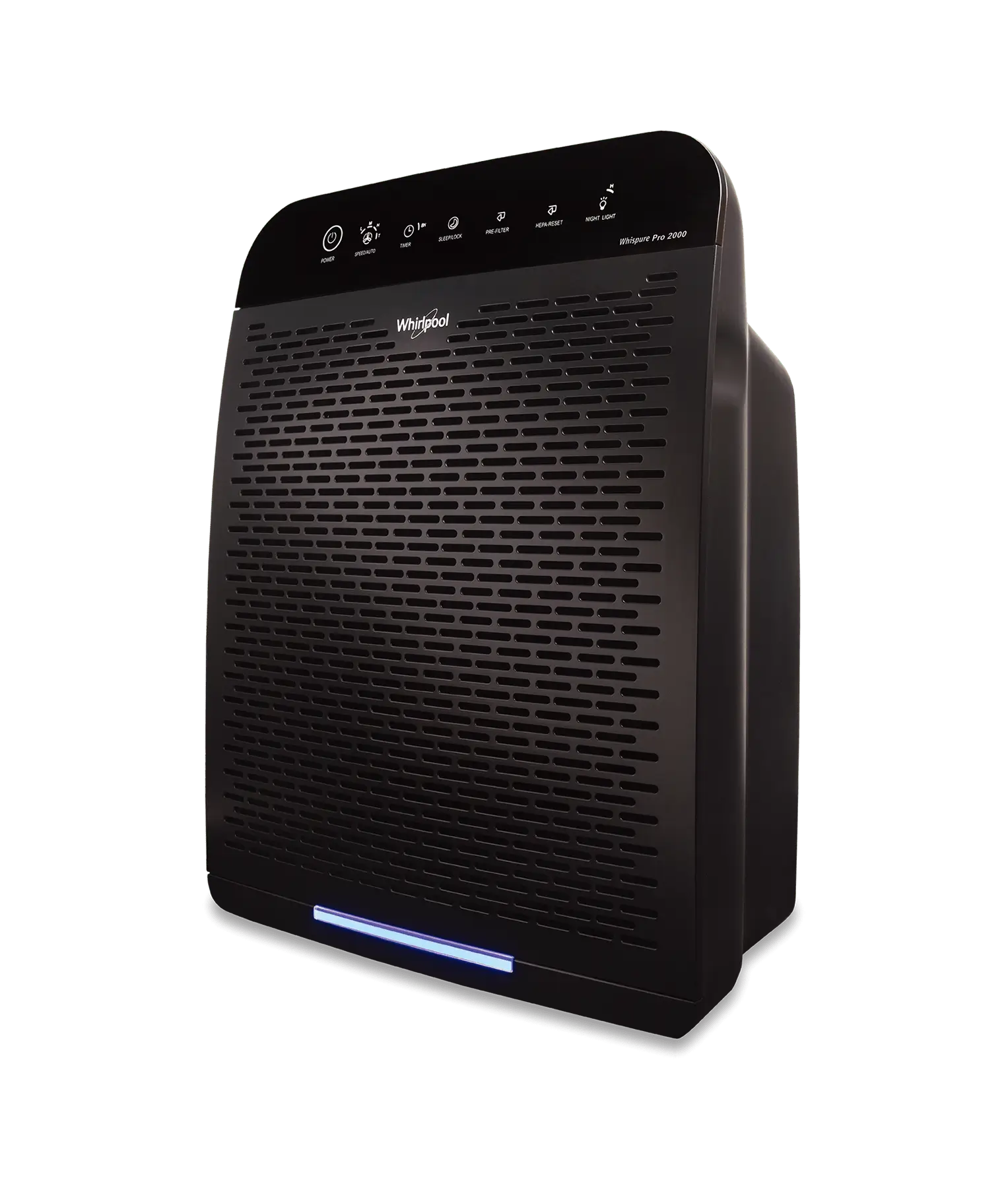
| Портативный очиститель воздуха | WPPRO2000 | China (Inferred) | Aroma International Ltd. |
| Central Water Filtration | WHELJ1 | US - UNITED STATES OF AMERICA | Licensed Partner |
The China Strategy: An Industry-Wide Ecosystem
The decision by Whirlpool's licensee, Aroma International, to manufacture air purifiers in China is not an outlier; it's the dominant and most logical strategy within the global home appliance industry. An analysis of major competitors reveals that manufacturing in China is a structural reality, driven by an ecosystem offering an unmatched combination of scale, skill, speed, and cost-effectiveness.
China as the World's Factory for Air Purifiers
China's dominance as the world's factory for home appliances is built on several pillars:
- Cost-Effectiveness: Despite rising wages, China's production costs remain highly competitive due to immense economies of scale.
- Mature Supply Chain: The country possesses a deeply integrated and hyper-efficient network of component suppliers, assembly plants, and logistics providers, reducing lead times and enhancing flexibility.
- Skilled Labor and R&D: China offers a massive pool of skilled labor and has invested significantly in research and development, transforming it into a center for technological innovation.
Competitor Analysis: A Shared Strategy
An examination of other leading air purifier brands in the North American market demonstrates a clear convergence on a China-centric manufacturing strategy, regardless of the parent company's national origin.
- Honeywell: Manufactures its air purifiers and filters through a global network prominently featuring facilities in China, alongside Korea and Taiwan.
- Coway: This South Korean brand produces most of its air purifiers in Guangzhou, China, to capitalize on supply chain efficiencies and cost advantages.
- Блюэйр: Founded in Sweden and owned by Unilever, Blueair has primary manufacturing bases in Foshan and Ningbo, China.
- Левуа: Another popular U.S.-based brand, Levoit also has its products manufactured in China.
- Medify Air: A top U.S. brand, Medify Air has strong supply chain teams in China, with main manufacturing located in Cixi town, Ningbo city, and Zhangzhou city, Fujian province, making their products very competitive [2]. They are also considering moving supply chains to Eastern Asian countries like Vietnam, Thailand, or Malaysia due to tariffs, a strategy known as China+1 [2].
- Fellowes: Wall-mounted air purifiers are mainly made in Suzhou city, Jiangsu Province, China, which is also the main production facility for Fellowes office supplies [2].
- Cuckoo: Launched wall-mounted air purifiers in March 2025, mainly made in Cixi town, Ningbo city, Zhejiang Province [2].
In contrast, a small number of brands have built their identity around domestic production, such as Остин Эйр (Buffalo, NY), EnviroKlenz (Topeka, KS), and Oransi (Radford, VA), which explicitly market their products as "Made in the USA". RabbitAir wall-mounted air purifiers are mainly made in South Korea, with major sub-assemblies fabricated and integrated locally, leveraging South Korean expertise [2].
Table 3: Comparative Manufacturing Strategies of Major Air Purifier Brands
| Бренд | Parent Company HQ | Primary Manufacturing Location(s) for Air Purifiers |
|---|---|---|
| Whirlpool (Licensed) | USA (Licensor) | Китай |
| Honeywell | США | China, Korea, Taiwan |
| Coway | Южная Корея | Китай |
| Blueair | Sweden (Unilever) | Китай |
| Levoit | USA (Parent Co.) | Китай |
| Medify Air | США | China (Ningbo, Zhangzhou) |
| Fellowes | США | China (Suzhou) |
| Cuckoo | Южная Корея | China (Ningbo) |
| Остин Эйр | США | USA (Buffalo, NY) |
| Oransi | США | USA & China (model dependent) |
| RabbitAir | США | Южная Корея |
This comparative analysis demonstrates that the manufacturing location is not a point of criticism but rather a reflection of a standard, rational business practice for this specific industry. To compete on features, price, and technology in the mainstream air purifier market, leveraging the Chinese manufacturing ecosystem is the established and most viable path.
Ensuring the Whirlpool Standard: Quality Control in Licensed Partnerships
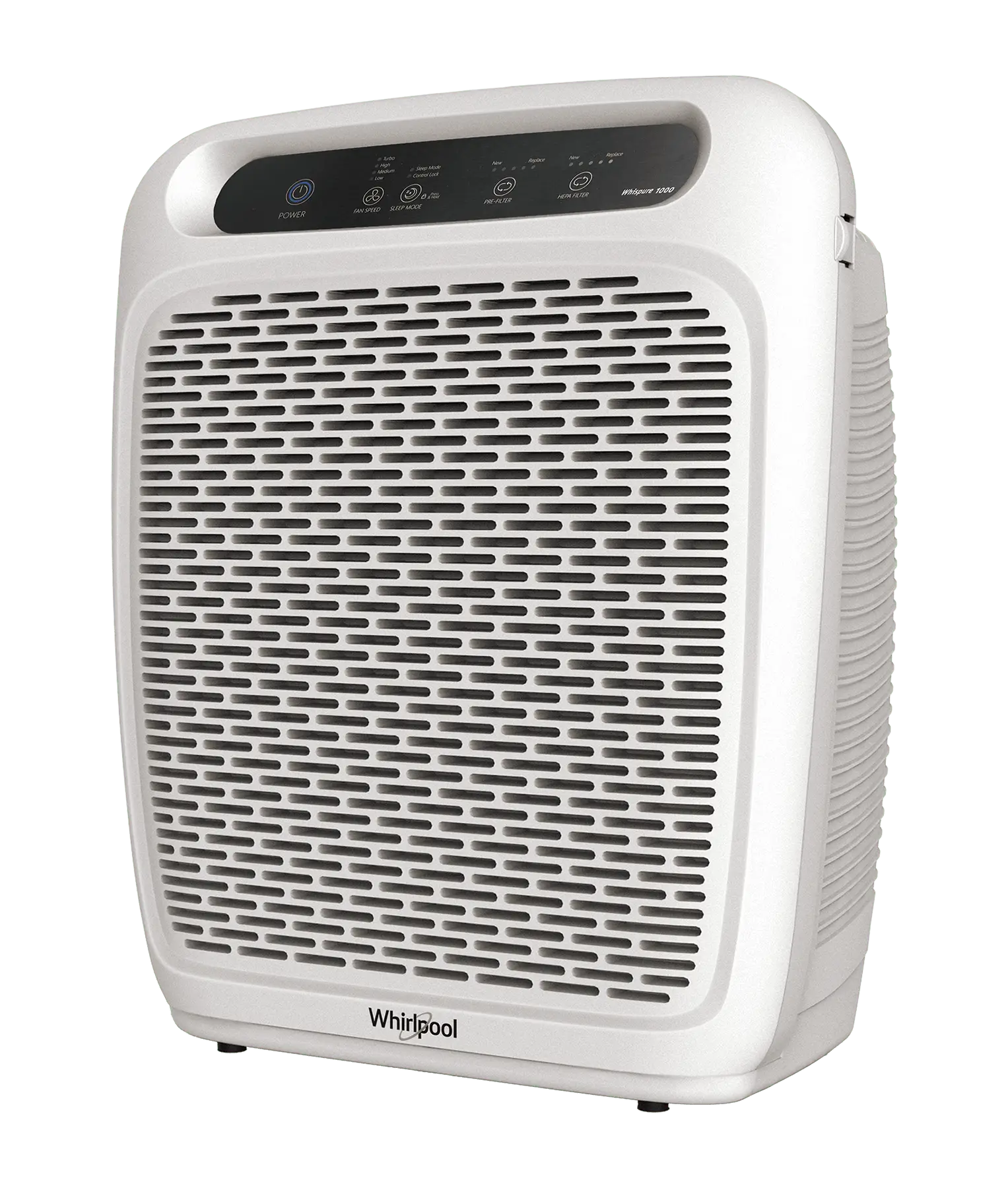
Even though Whirlpool does not directly manufacture these air purifiers, maintaining brand reputation and product quality is paramount. Whirlpool implements stringent quality control measures to ensure that licensed products meet its high standards. This typically involves:
- Regular Audits: Conducting frequent audits of the licensee's manufacturing facilities to ensure compliance with Whirlpool's quality, safety, and ethical standards.
- Product Testing: Requiring rigorous testing of finished products to verify performance, durability, and adherence to specifications.
- Design and Engineering Oversight: Providing input and oversight on product design and engineering to ensure alignment with Whirlpool's brand aesthetic and functional requirements.
- Brand Guidelines: Enforcing strict brand guidelines for packaging, marketing, and customer service to maintain a consistent brand experience.
This multi-layered approach ensures that even though manufacturing is outsourced, the end product reflects the quality and reliability consumers expect from the Whirlpool brand.
Заключение
The question of where Whirlpool air purifiers are manufactured reveals a fascinating insight into modern global supply chains and brand management. While Whirlpool Corporation remains a significant American manufacturer of major appliances, its air purifier line is produced in China through a strategic licensing agreement with Aroma International. This approach allows Whirlpool to expand its brand presence into new product categories without direct manufacturing investment, leveraging China's efficient and cost-effective manufacturing ecosystem.
This strategy is not unique to Whirlpool; it is a common practice among leading air purifier brands globally, reflecting China's established role as the world's factory for consumer electronics. Despite the outsourced manufacturing, Whirlpool maintains rigorous quality control to ensure that all licensed products uphold the brand's reputation for quality and reliability. Understanding this distinction provides a clearer picture of how global brands operate in today's interconnected world, balancing domestic manufacturing strengths with global supply chain efficiencies to meet diverse market demands.

 English
  Français
  Español
  Italiano
  Deutsch
  Português
  Русский
  العربية
  日本語
日本語  한국어
한국어  Tiếng Việt

