Can I filter air through water? If this is your question, then you’re reading the right article. Here’s a comprehensive guide on purifying the air with water, making it free from allergens or dirt using air purifiers.
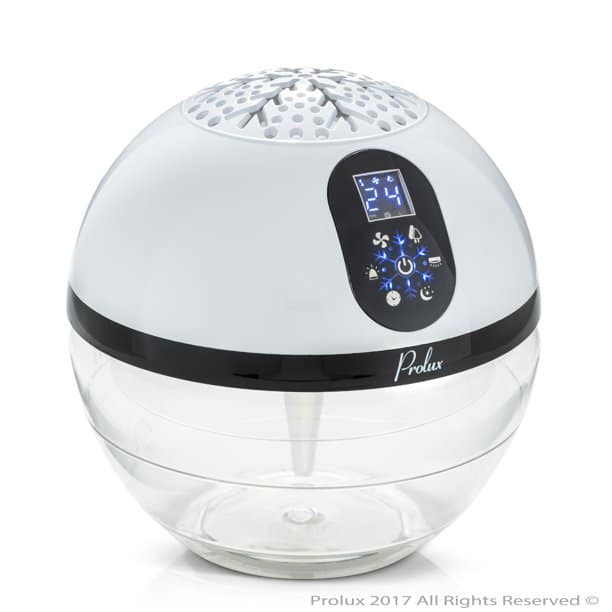
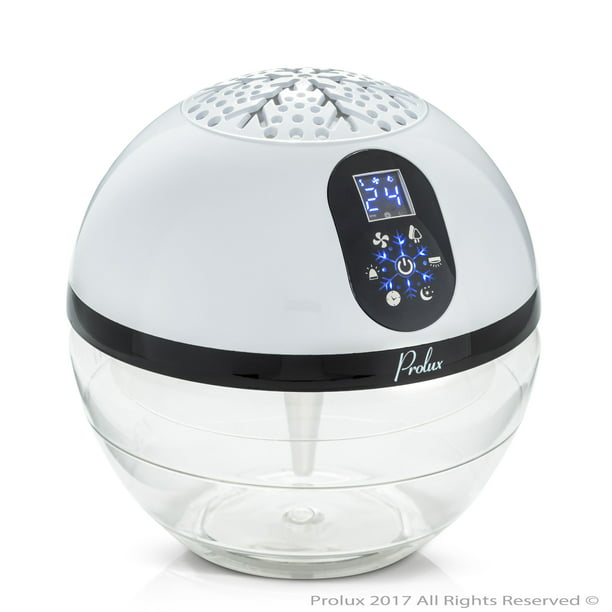
Image Source: Walmart.com
Can Water be Used to Purify Air?
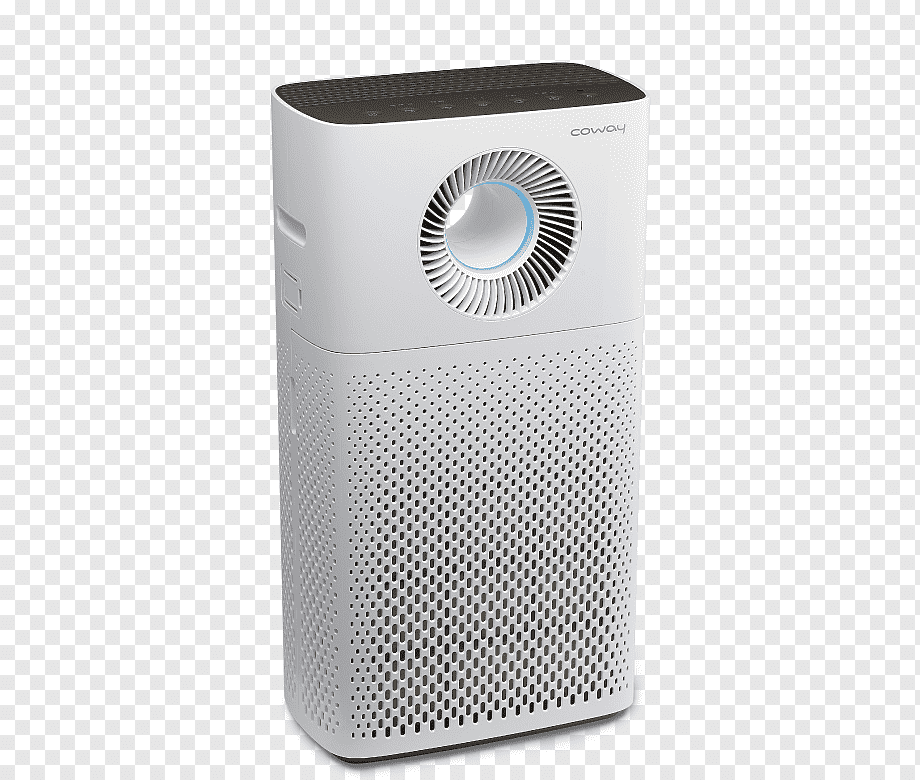
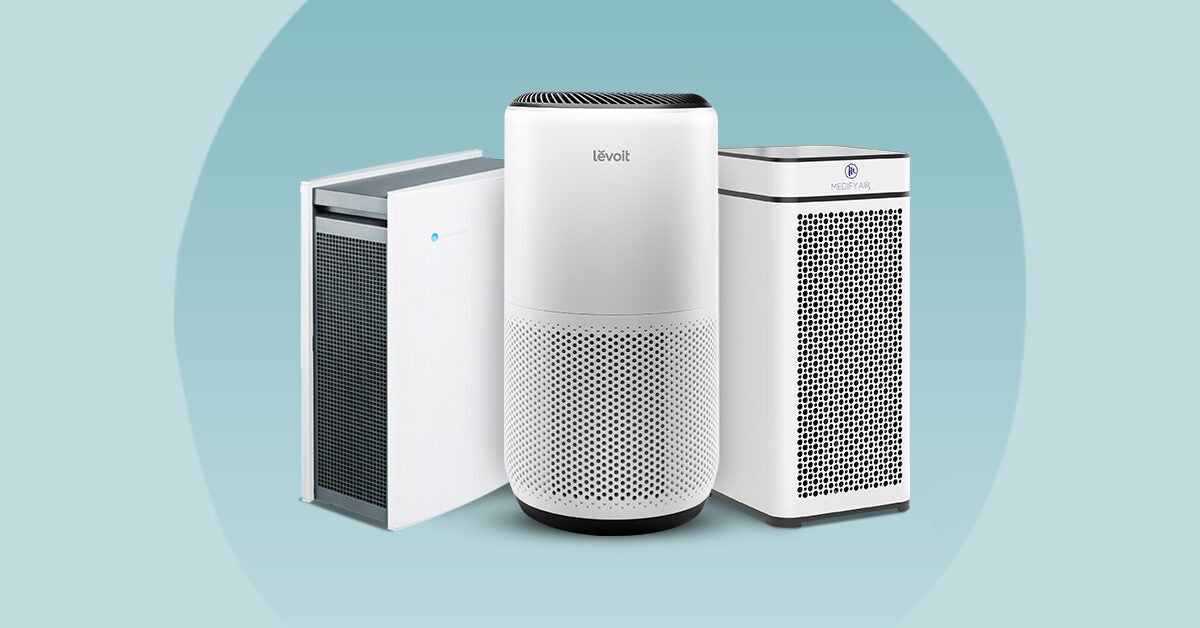
Image Source: PNGWing
Yes, water can be used to purify the air around you. A water-based air purifier is an amazing product of air purifiers that use water to filter the air of dust, spores, allergens, etc.
Do Air Purifiers Need Water?
Air purifiers work mainly to sanitize the air and eliminate pollutants and toxins. The device combines an internal filter and fan to attract unwanted particles from the air within a closed room. And the purified air gets circulated back into the room.
The type of air purifier that needs water to filter the air is called a water-based air purifier, unlike the regular air purifier that cleanses the air without water. Although an air purifier removes impurities from the air around your home, an air humidifier does best to keep your home humid.
How Can Air Be Filtered?
Different portable air purifiers/cleaner devices best sanitize air and improve its quality. These products are designed to filter in your room or enclosed area and work based on different principles, which are explained below;
- UV Filters use short-wavelength ultraviolet light rays to destroy viruses and bacteria.
- High-efficiency Particulate Air (HEPA) Filters can remove at least 99.97% of airborne pathogens and impurities.
- Washable Filters are made with multiple layers of vented air that charge positively as air passes through the layers, trapping dust and pollutants.
- Electrostatic Filters use small cotton or paper fiber to create a static force that magnets to trap dirt and tiny particles.
- Spun Glass Filters are created from fiberglass strands that protect air conditioners and furnaces from dirt.
- Media Filters have a large surface area that seals the filtered dirt into the filter, preventing it from returning to your home, thereby providing a better atmosphere.
- Pleated Filters effectively filter the air by trapping difficult pollutants like mold spores and pet dander.
Using Water to Filter Air
What are Water-based Air Purifiers?
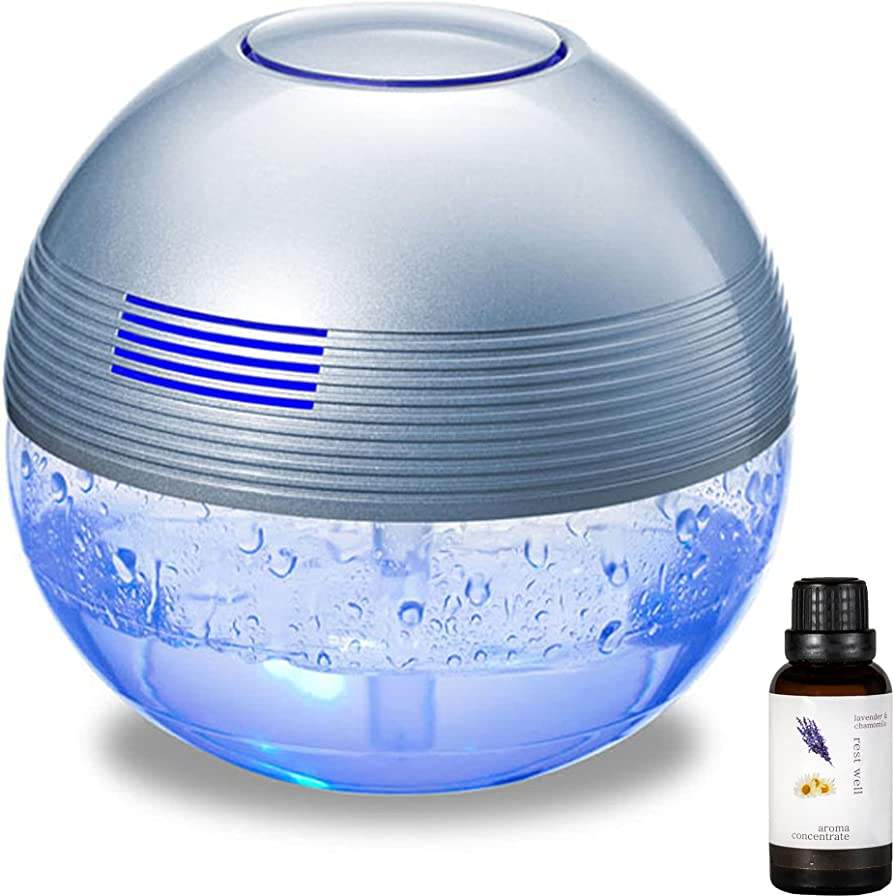
Image Source: Amazon.com
Water-based air purifiers, also known as revitalizers, are a type of air purifier. They decontaminate or filter indoor air and improve its quality by utilizing water, which is different from traditional air purifiers. Water-based purifiers keep the living space fresh and humid and rid it of microbial pollutants.
The interesting thing about this air purifier is that you can DIY using simple materials such as silicone tube segment, PC fan, bowl, and power source.
To get this done, attach the silicone tube segment to the bottom of the fan and place it over the bowl. Then add water to the bowl until it’s half filled, and turn on the power source.
What Does a Water-based Air Purifier Do?
Water is one of the most natural substances that purify the air. Ever wondered why the air feels fresh after a downpour? That is the power of water’s air purification qualities. They are sticky and can capture various harmful organisms in the air. This is the principle by which a water-based air purifier works.
The fan pushes air into and down the water layers. The water traps any impurities in the air, filters them, and pushes them back into the surroundings. This mechanism makes a water-based air purifier best for removing flu.
Do Water Air Purifiers Work
How well do water-based air purifiers work and how well do they work ? Although water-based air purifiers do awesome cleaning of your home air, they aren’t as effective as the traditional air purifier with a HEPA air filter. Also, you need to frequently swap out the water to prevent the build-up of bacteria and viruses.
What are the Benefits of Water Air Purifiers
Choosing a water-based air purifier in your home or office has several benefits. Check out a few of them;
- Humidification: An water-based air purifier model can automatically humidify your room. Humidity is a measure of moisture. So, this device both purifies the air around you and keeps the environment.
- Double function: Water air purifiers can also double as aroma diffusers. Mixing aroma oil and fragrance into the device enhances the smell of your room.
- Easy maintenance: Water air purifiers are easy to clean and maintain because they do not have filters. All you need do is empty the water regularly, and you’re good to go.
Although water air purifiers have many benefits, they aren’t more effective in cleaning the air than HEPA air purifiers.
Water-based Air Purifiers: Where Are They Used For
Water Air Purifier for Smoke
Since water air purifiers are good odor-expellant systems, they can help remove stubborn household unpleasant odors like smoke. It becomes more effective when mixed with aromatic oils. However, if the odor persists, you may need HEPA filter systems.
Water Air Purifier for Dust
Does an air purifier remove dust? A water air purifier helps to suck dirt, dust, and other allergens, eliminating them from your indoor air. They trap large airborne particles and work well to freshen your room and indoor space.
Large Water Air Purifier
A high-tech water air purifier such as the HEPA H13 filter removes 99.97% of air pollutants such as hay fever allergens, pollen, etc., and air purifier for large rooms is optimal.
Home Water Air Purifier
You can clean water and air purifier and revitalize your home or office. The innovative water-based purifying machine sterilizes your home by absorbing particles and contaminants before releasing the air.
Room Water Air Purifier
Air purifiers for rooms can be varied as there are different sizes of this device to fit the air quality need of your bedroom. A Home HEPA filter that is highly effective at removing dirt. They also raise the humidity of your room by a margin.
Car Water Air Purifier
Water air purifiers for cars are constructed with sturdy, durable materials and have cool features that are technologically modernized to remove pollutants, irritants, and allergens by eliminating their particles within the car.
5 Best Air Purifiers Using Water, According to Amazon Top Sellers
The best and top sellers of water-based air purifiers on Amazon are listed below. You want to check them out on their site, following their details, recommendations, and reviews.
#1 NUWAVE Air Purifier OxyPure Pro
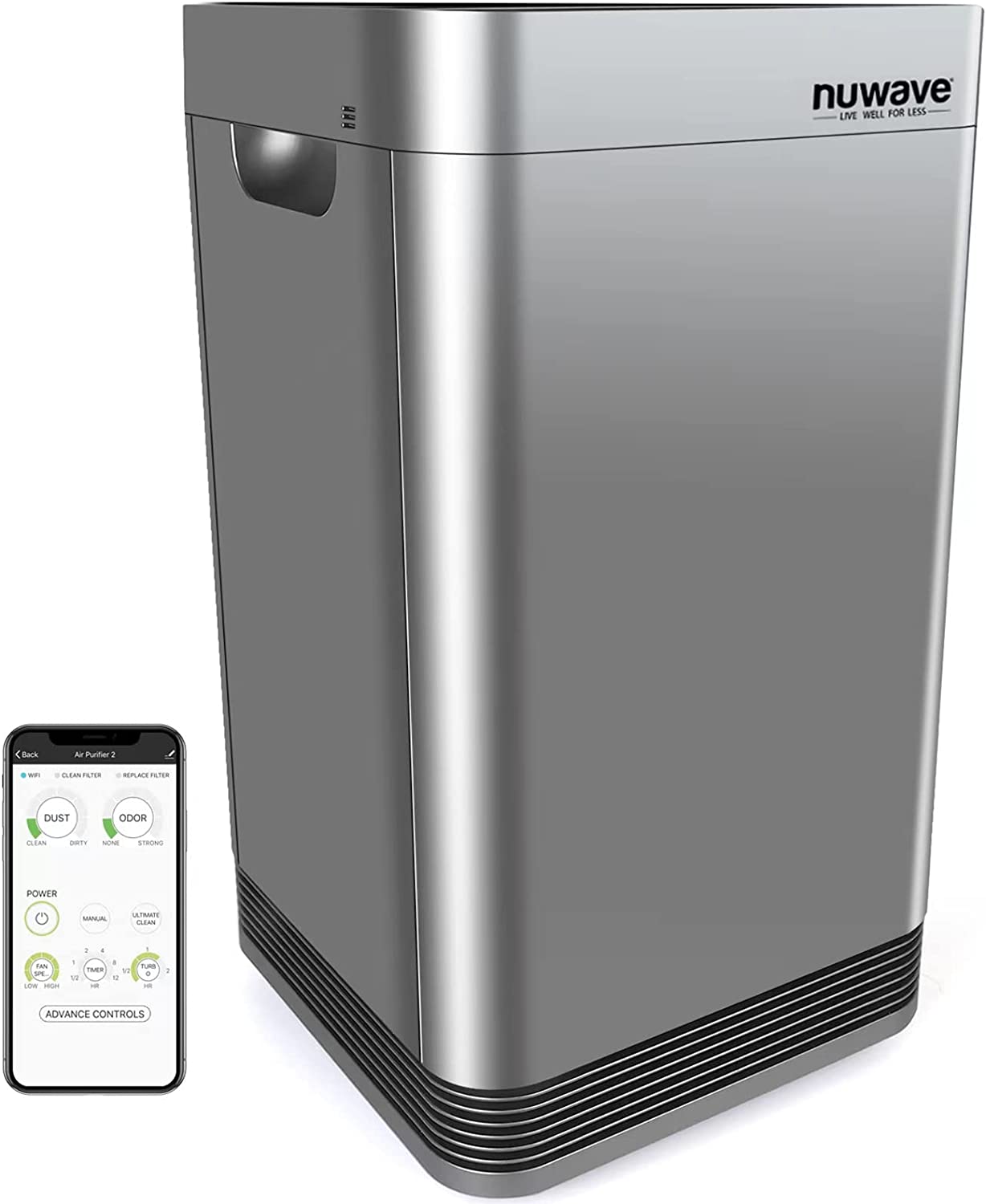
Image Source: Nuwave Amazon.com
The Nuwave Air Purifier OxyPure Pro is best for large rooms up to 2,671sqft. The device has a 5-stage filtration with a HEPA filter, air quality, and two odor sensors. It can remove 100% smoke pollutants. Amazon.com costs about $599 and has a 4.6 out of 5 rating on the site.
#2 Medify MA-40 Air Purifier
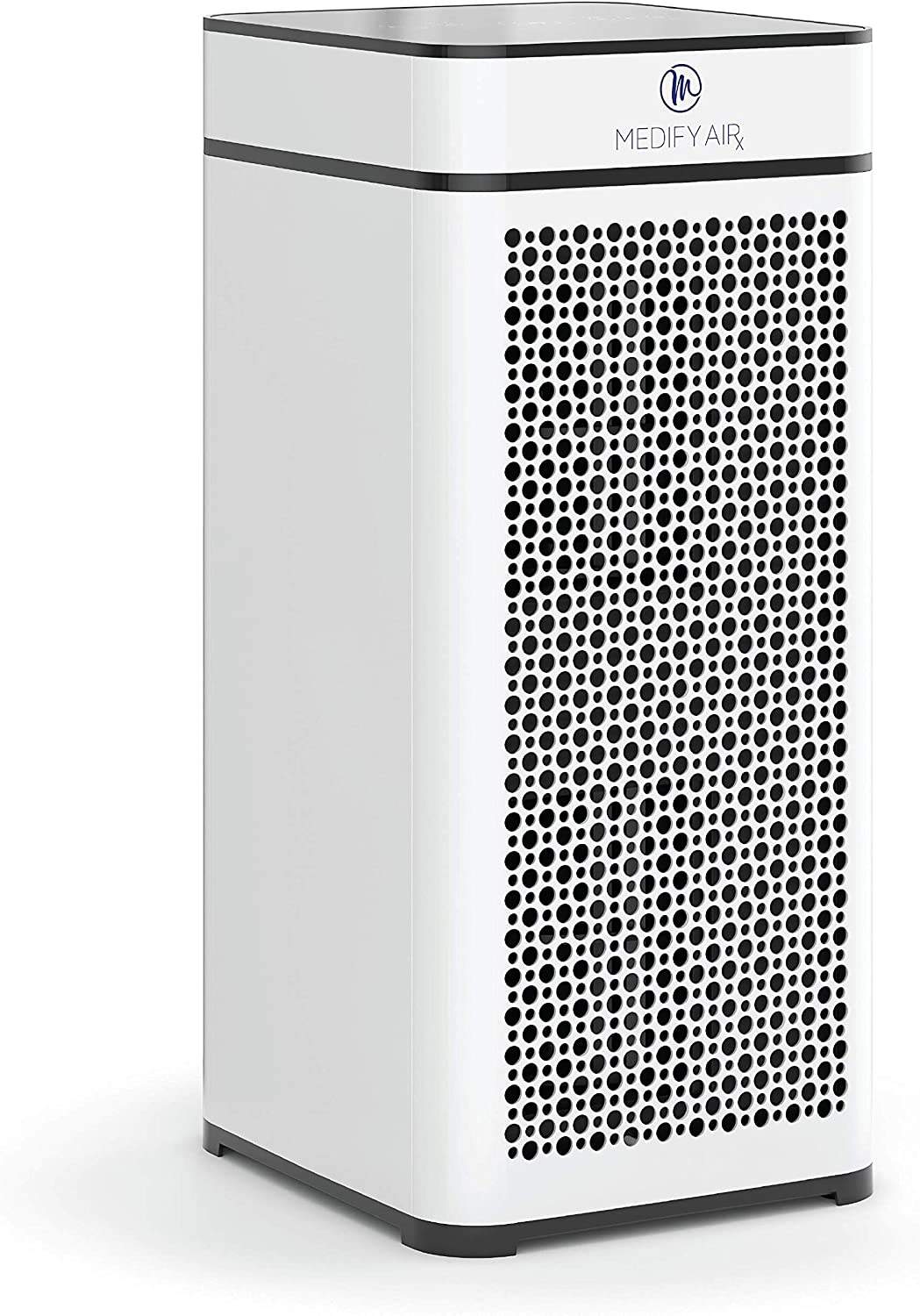
Image Source: Medify Amazon.com
The Medify air purifier has an H13 HEPA filter with an average coverage of 840 sqft in 30 minutes. It is ultra quiet, having 3 fans. It’s quality tested and backed with CARB, ETL, and Energy certification. It costs $269 on Amazon.com and has a 13,064 rating globally.
#3 Sirena Twister Air Purifier

Image Source: Sirena Amazon.com
Sirena Twister Air Purifier is a water filter air washer for homes and offices. Its LED Night light has an essential oil aroma diffuser. It costs about $41 and has 1,728 ratings (4 out of 5) on Amazon. You can check it out.
#4 Bluonics Fresh Aire Water-Based Air Revitalizer
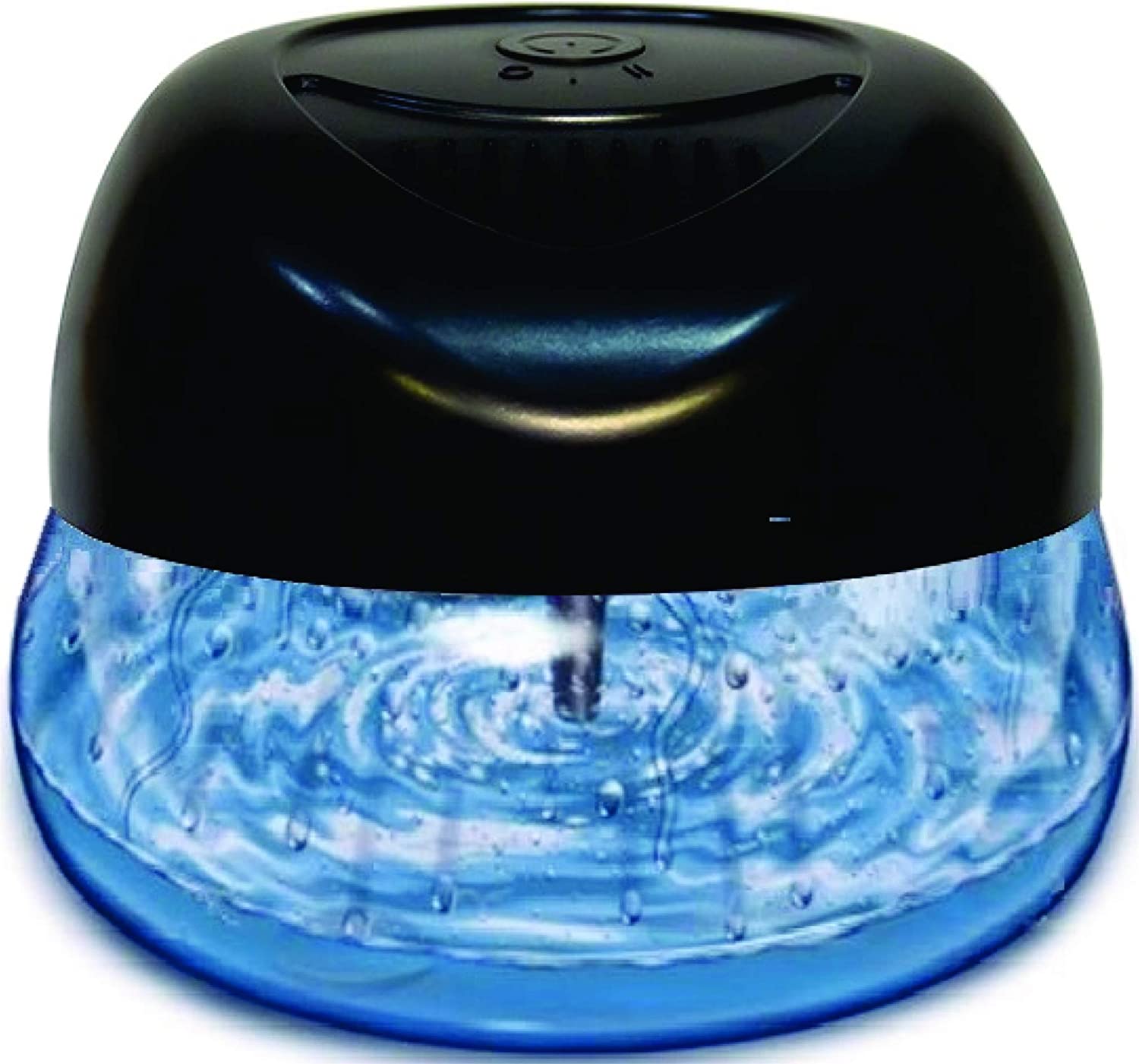
Image Source: Bluonics Amazon.com
Bluonics Fresh Aire Water-Based Air Revitalizer has 6 LED color-changing lights. The device produces fresh and healthy water-washed air that’s best for many allergy and asthma sufferers. The price goes for $54 and has 770 ratings on Amazon.com.
#5 Ap Air-pleasure Purifier Air Washer
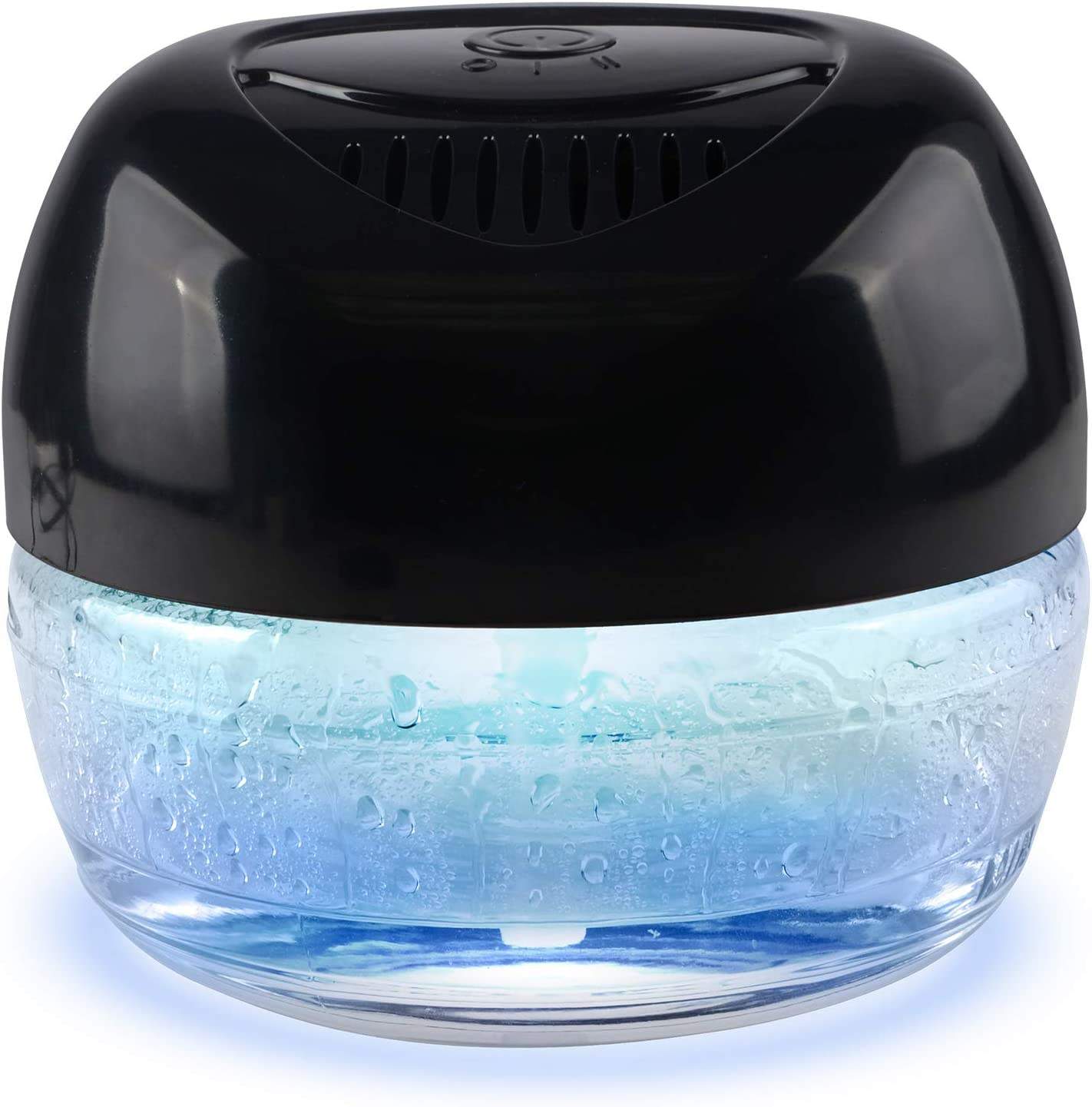
Image Source: Ap Air-pleasure Purifier
Ap Air-pleasure Purifier Air Washer is a highly effective air purifier with a 1600ml capacity. It's made with BPA Free material. Its LED night light design has 7 changing colors, giving you a peaceful night's rest. The price goes for $45 and has 796 ratings on Amazon.com.
Water Air Purifier and Freshener
You can add air fresheners/scents to your water air purifier. Some devices from different brands come with features allowing air fresheners to be added. Water-based air purifiers are sold on Amazon with scents like orange, lemon, citronella, lavender, jasmine, camellia, aroma oils, etc., making the air fresher.
Winix water filter
Winix water filter technology creates hydroxyl (polarity ions) that are discharged into the air by attaching to the air pollutants to neutralize viruses and bacteria before discharging the decontaminated air.
Rainbow water air purifier
The Rainbow Cleaning System offers certified air home appliances. Its scented air freshener comes in different sizes that can cover about 700 square feet.
A.O Smith Air Purifier
A.O smith air purifiers are created with an advanced MERV 17 HEPA filter, having an antibacterial coating. Its HEPA and Carbon filter cleanses the air naturally without re-polluting the ozone.
H20 Air Purifier
CAF-H20(W) air purifier model has 4 adjustable levels/compartments for quick and efficient performance. It’s fit for a room size of 24 square meters.
How to Choose the Best Air Purifiers that Use Water?
Before choosing an air purifier to make your supplies, here are a few options you should consider before making a choice. These factors define the best air purifiers that utilize water.
-
Fan Speed
Depending on the size of your room, choosing an air purifier with a device that covers a space area of 600 square meters is advisable. This is ideal for most rooms.
-
Quiet operation
Select a purifier whose device is noise-free. An air purifier with a quiet operation works at levels less than 45 dB. This makes the environment distraction-free and helps you relax peacefully.
-
Water tank capacity
It’s advisable to choose the best purifier whose device can retain water without dripping, has an easy-to-clean nozzle, and can be detached and attached quickly.
How to Use Water Air Purifier
The best way to use a water-based air purifier is guided below;
- The fan pulls the air into the device and through the water layer.
- The water attracts and holds the impurity in the air.
- The air is filtered and returned to the surroundings.
Homemade Air Purifier Using Water: How to Make
Check out the things you need and steps to know to make a DIY purifier using water from the comfort of your home;
The materials needed
- Two soda bottles
- 12-volt adapter
- DC jack
- Brushless blowing fan
Steps
- Take off the top-heavy part of the soda bottle to reduce the length so that the jack can sit on it.
- Glue the jack to the other end of the soda bottle and place it over the other bottle
- Half-fill the bottle with water and then apply the volt adapter and check for current flow
How to Clean Air Water Purifier with Vinegar
- Fill your bucket or sink with hot water
- Submerge the bowl of the purifier in the hot water and leave to soak for about 30 minutes
- Add a cup of vinegar to the water and leave for another 30 minutes
- After 30 minutes, remove the bowl and wipe over using a clean cloth
Besides Water and Air Purification, Is There Other Air purification Methods?
Aside from water and air purification methods of cleaning the air, there are other types of methods/techniques that can still achieve the same purpose, which are;
- An electrostatic air purifier contains an electrostatic filter that uses charges to kill particulates and other allergens.
- UV Light purifier uses ultraviolet light rays to kill germs.
- Activated carbon filter filter contains porouscarbon that traps odors and dirt passing through them.
Water-based Air Purifier vs. HEPA
As discussed earlier, there are several advantages to using a water-based air purifier. However, a HEPA filter also works to purify indoor air and keep it fresh. This means both devices accomplish the same purpose. Let's further consider the pros and cons of both devices in terms of effectiveness, filtration rate, costs, etc.
| Pros and Cons | Water-based air purifier | HEPA purifier |
|---|---|---|
| Cost | More affordable than any other type | The most expensive of all air purifiers |
| Maintenance | Easy to clean up and maintain due to its water filtration system | Carefulness is needed when cleaning, so you don’t damage the filter material with water |
| Filtration rate | Less effective at removing mold spores and microbial particles. | Removes nothing less than 99.95% of particles with diameters equal to 0.3 microns |
| Effectiveness | Cleans, humidify, and removes odor | It cleans optimally and is also effective at removing odor |
Water-based Air Purifier Alternatives
Other alternatives to water-based air purifiers that are best at eliminating pollutants, dust, dirt, or allergens are
#1 HEPA (hydro-efficiency particulate air) purifiers
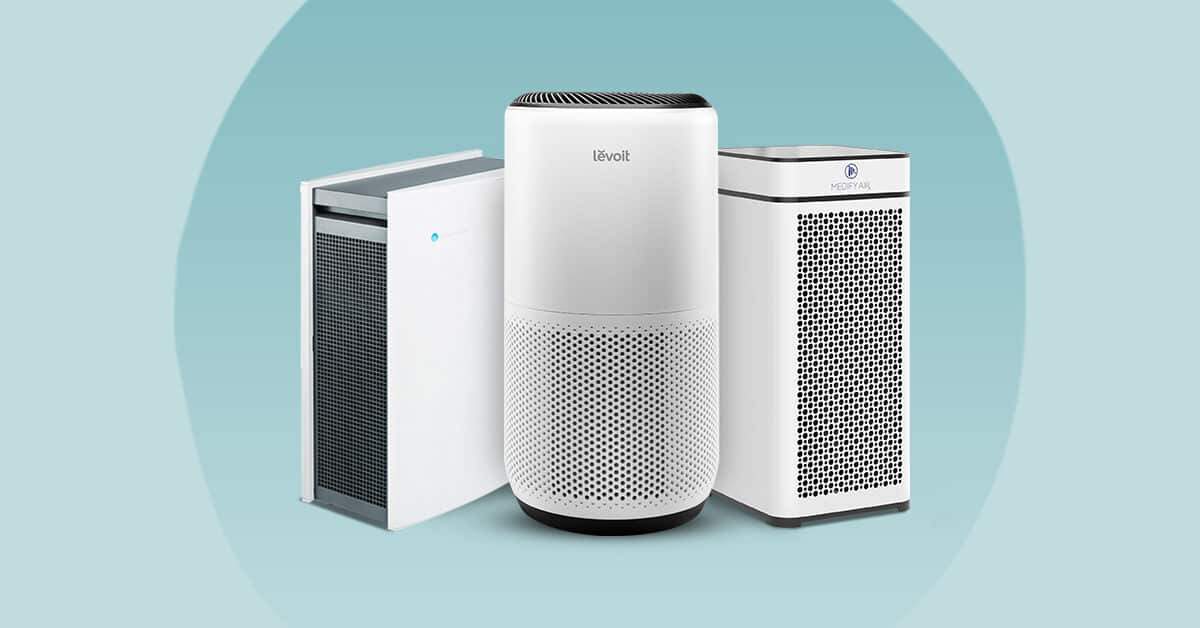
Image Source: Healthline
Residential air purifiers are a common household item globally. They are standard filtration systems designed to strain out microbial pollutants from the air.
#2 Ionic Air Purifiers
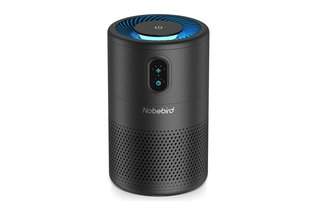
Image Source: Pocket-lint
These purifiers are filterless alternatives to HEPA filters. They produce ions (negative or positive) that attach to particles seen around the purifier.
#3 Ozone air purifiers or Ozone generators
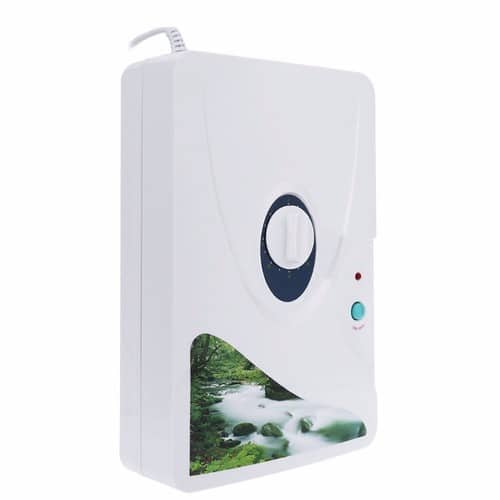
Image Source: IndiaMart
This purifier effectively changes the chemical composition of surrounding molecules by releasing an oxygen atom.
#4 UV Purifiers
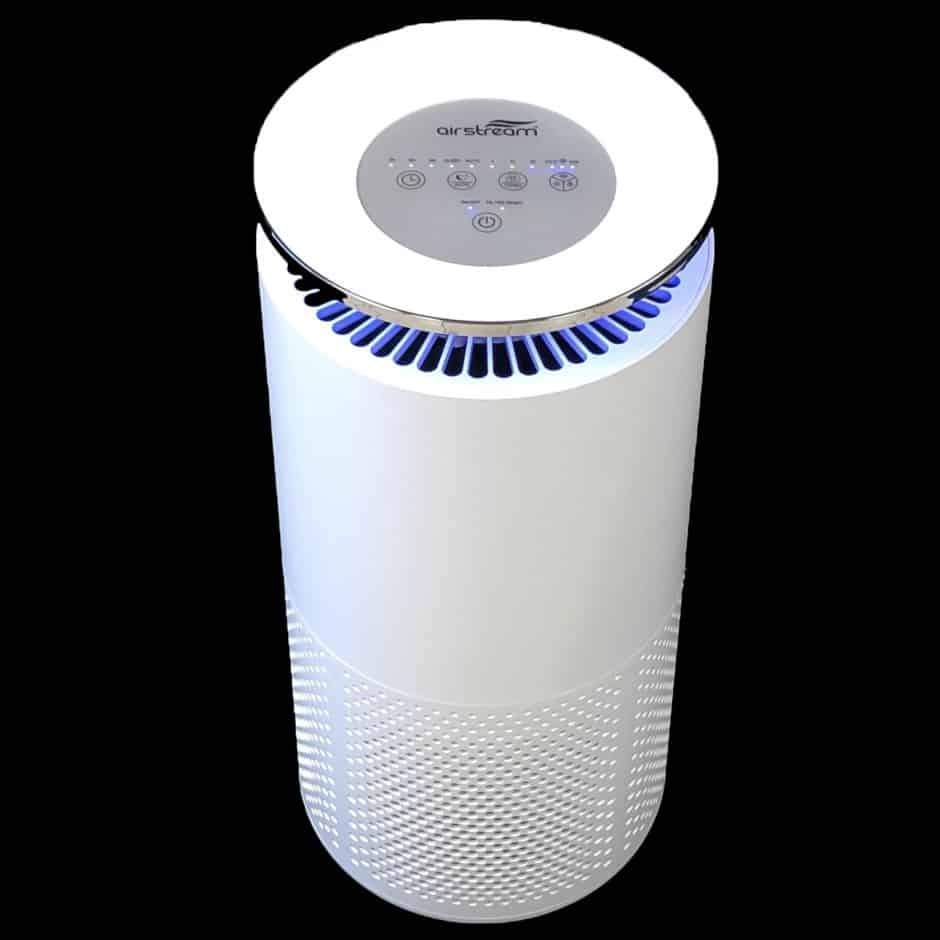
Image Source: Aspirateur 2000
Ultraviolet purifiers use light rays from the sun to destroy the DNA and RNA of microbes found in the air we breathe around us.
#5 Adsorbent Purifier
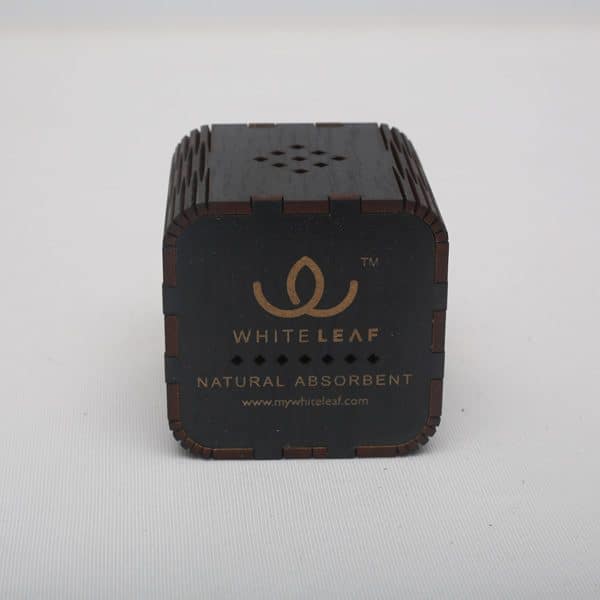
Image Source: Ceiba Green
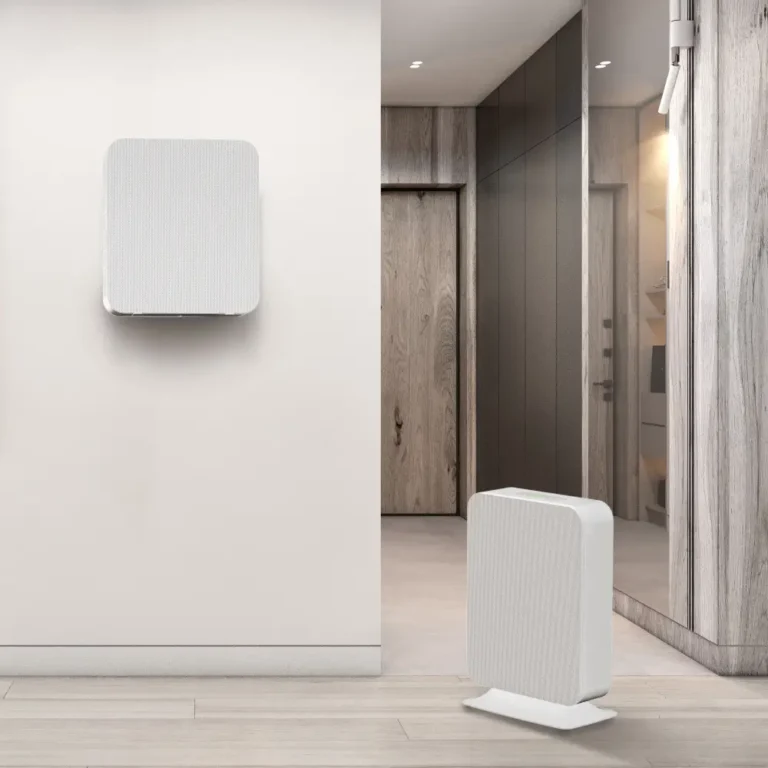
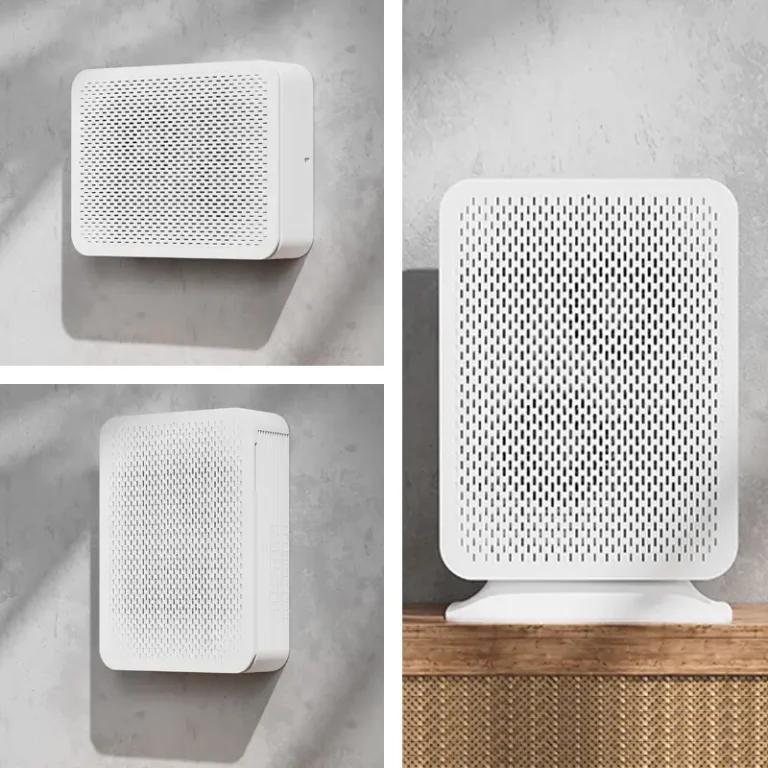
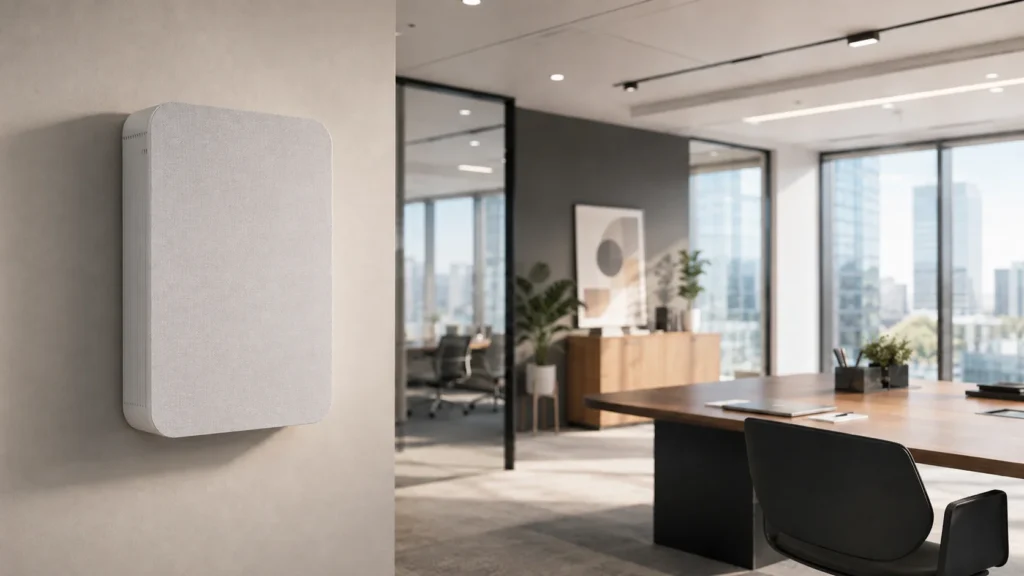
Adsorbent air purifiers use absorbent materials to attract substances found at the surface using chemical or physical processes. They are excellent at removing particular matter and odor like wall mounted purifiers

 English
  Français
  Español
  Italiano
  Deutsch
  Português
  Русский
  العربية
  日本語
日本語  한국어
한국어  Tiếng Việt