
Levoit has emerged as a prominent brand, widely recognized for its commitment to enhancing home environments. From its leading-edge air purifiers to its popular humidifiers and diffusers, Levoit products are a common fixture in homes across the United States and beyond. This widespread adoption frequently prompts a fundamental yet crucial inquiry from both curious direct-to-consumer (D2C) customers and potential business-to-business (B2B) partners: "Where exactly are Levoit diffusers produced?"
The answer to this question is not confined to a single city or manufacturing plant. Instead, it unfolds as a narrative of a sophisticated global strategy, meticulously integrating American design ingenuity with world-class manufacturing capabilities. This comprehensive blog post aims to meticulously dissect Levoit's production methodology, shedding light on the strategic decisions, pivotal locations, and expert collaborations that transform these sought-after devices from initial concept to their presence in your living space.
For consumers, this exploration offers invaluable transparency and a deeper appreciation for the product within their homes. For businesses, it serves as an insightful case study, illustrating the principles of constructing a successful, scalable, and resilient supply chain within the competitive landscape of consumer electronics.
The "Designed in America, Made in Asia" Paradigm
Levoit consistently communicates that its products are "designed in America and manufactured in a Levoit-controlled factory in China". This declaration forms the bedrock of their global operational model, and a deeper examination of each component of this statement is warranted.
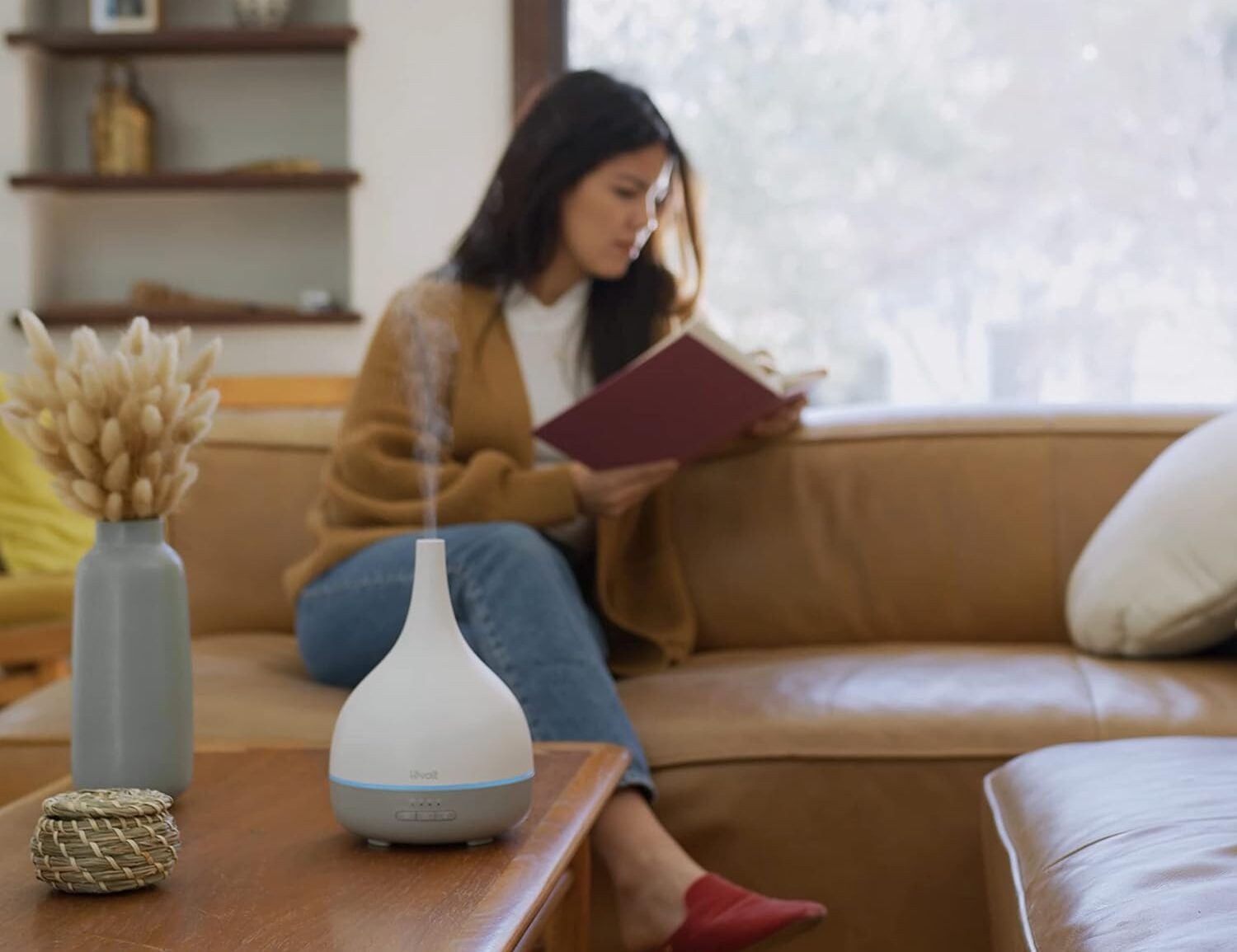
"Designed in America"
The conceptual genesis of a Levoit diffuser resides in Anaheim, California. This location serves as the U.S. headquarters for Levoit and its parent entity, Vesync Co., Ltd.. The American-based teams are entrusted with the critical initial phases of product development, encompassing:
- Market Research: This involves the meticulous identification of the evolving needs and preferences of the contemporary consumer base.
- Industrial Design: This phase focuses on defining the product's aesthetic appeal, including its form, color palette, and material selection, ensuring seamless integration into modern home environments.
- User Experience (UX): This crucial aspect involves conceptualizing the product's feature set and guaranteeing that the final device is intuitive, user-friendly, and easy to operate.
It is within these American operations that the fundamental "what" and "why" of a product are meticulously conceived. However, the technical execution—the intricate "how"—is expertly managed by Vesync's dedicated engineering and Research & Development (R&D) teams situated in Shenzhen, China. This strategic bifurcation allows Levoit to meticulously design products tailored for a Western audience while simultaneously harnessing the unparalleled engineering prowess and robust manufacturing ecosystem prevalent in the East.
"Levoit-Controlled Factory in China"
The phrase "Levoit-controlled factory in China" is particularly significant for both D2C and B2B stakeholders. The term "controlled" denotes a profound level of oversight and collaborative partnership, rather than outright ownership. Vesync operates on an "asset-light" business model, meaning it does not directly own the manufacturing facilities that produce its goods. Instead, it cultivates strategic alliances with highly specialized Original Equipment Manufacturers (OEMs) and Original Design Manufacturers (ODMs).
- OEM (Original Equipment Manufacturer): An OEM is a company that manufactures products strictly in accordance with a client's precise specifications and designs.
- ODM (Original Design Manufacturer): An ODM is a company that undertakes both the design and manufacturing of products, which are then subsequently branded and sold by the client.
This agile model empowers Levoit to maintain flexibility, efficiently scale production to meet fluctuating market demands, and strategically allocate its resources towards its core competencies: brand development, innovation, and the continuous enhancement of its unifying VeSync smart home application. The essence of "control" is manifested through the strategic placement of Levoit's own quality assurance teams directly on-site at these manufacturing facilities. Furthermore, it is reinforced by fostering deep, collaborative relationships with its manufacturing partners and rigorously enforcing a stringent Supplier Code of Conduct. This multi-faceted approach ensures that while manufacturing is outsourced, quality and adherence to Levoit's standards remain paramount.
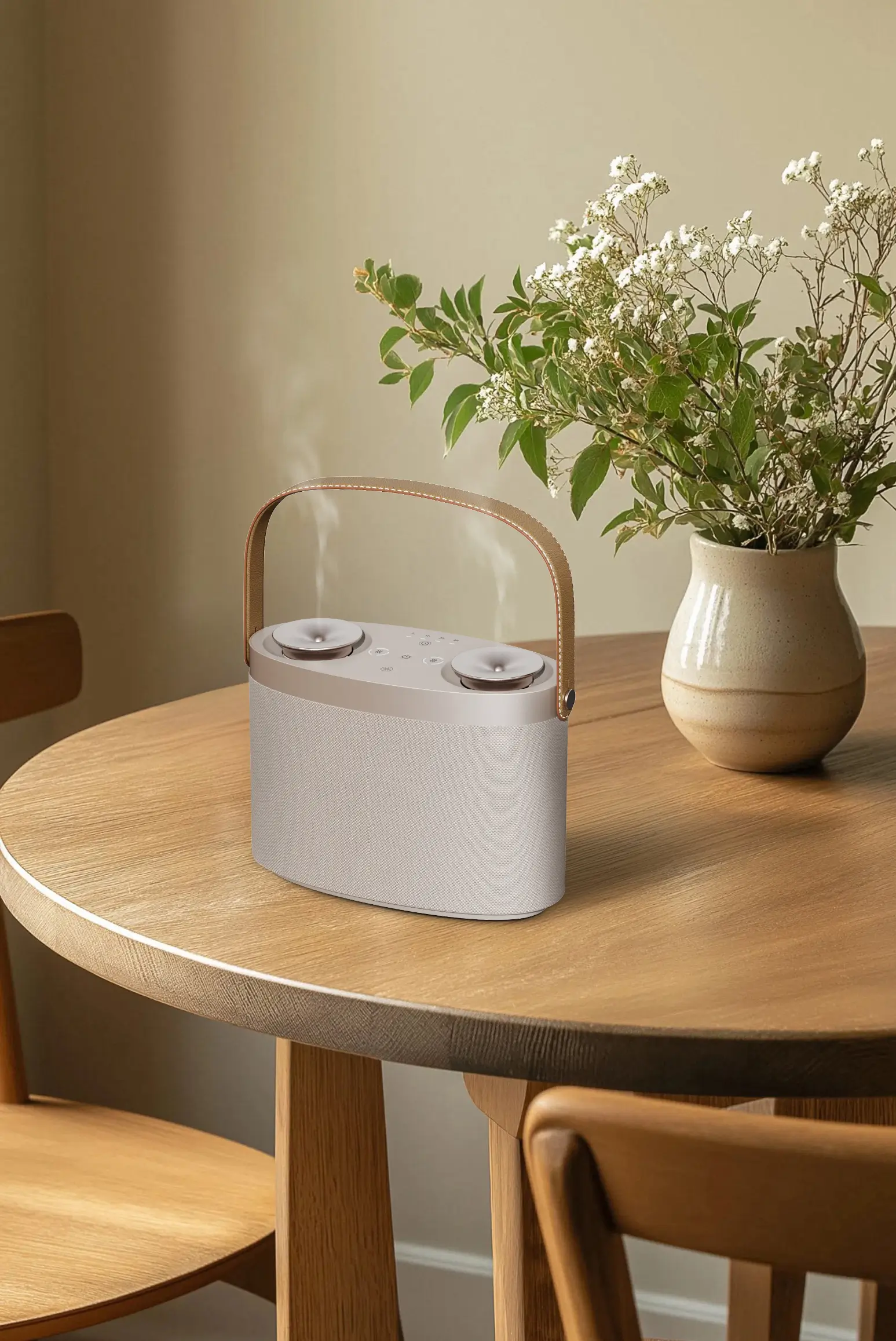
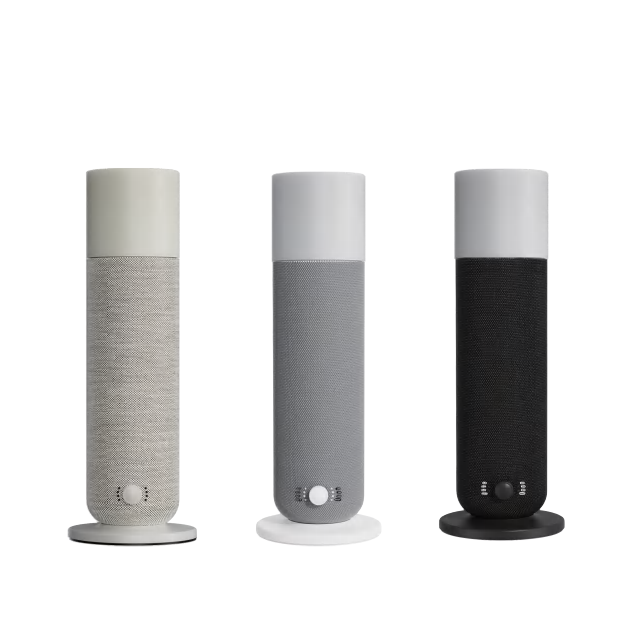
HisoAir - Dual-Atomizer Waterless Diffuser HD723
Pinpointing the Manufacturing Epicenters in China
While the overarching designation "Made in China" accurately describes the origin of Levoit products, their manufacturing operations are not haphazardly distributed across the nation. Instead, production is strategically concentrated within specific industrial provinces renowned for their specialized expertise in electronics and small appliance manufacturing.
Guangdong Province (Dongguan & Shenzhen)
This region stands as the undisputed powerhouse of global electronics manufacturing. Dongguan serves as a pivotal hub for mass production and final assembly, leveraging its advanced industrial infrastructure. Shenzhen, which hosts a Vesync operational headquarters, functions as the epicenter for Research and Development (R&D) and sophisticated supply chain management. This strategic co-location facilitates seamless collaboration between Levoit's engineers and their manufacturing partners. The proximity to a vast network of component suppliers and skilled labor further solidifies Guangdong's role as a primary manufacturing base.
Fujian and Zhejiang Provinces (Xiamen & Ningbo)
These coastal provinces contribute significantly, playing vital supporting roles in Levoit's manufacturing ecosystem. Xiamen, a high-tech city nestled in Fujian, is instrumental in the production of innovative product lines. Concurrently, Ningbo in Zhejiang province provides a robust industrial foundation for sourcing high-quality materials and components. The presence of large, well-established international ports in these regions is also critically important, serving as essential logistical hubs for the efficient global shipment of finished goods.
Hubei Province
As a secondary manufacturing cluster, Hubei offers distinct advantages, primarily lower operational costs. This makes it an ideal location for the procurement of certain standardized components, thereby contributing to the optimization of overall production costs. This multi-regional strategy allows Vesync to judiciously tap into the unique strengths and comparative advantages of each area, striking a crucial balance between technological sophistication and cost-efficiency in its manufacturing processes.
The Power of Partnership: HisoAir's Role in Manufacturing Excellence
The success of a brand like Levoit is inextricably linked to the strength and reliability of its manufacturing partners. While Vesync does not publicly disclose all of its suppliers, HisoAir has been confirmed as a pivotal Original Equipment Manufacturer (OEM) and Original Design Manufacturer (ODM) partner, particularly for Levoit's flagship air purifiers. With over two decades of experience in developing high-performance air quality solutions, HisoAir exemplifies the caliber of expertise upon which Levoit depends.
But what is the direct relevance of HisoAir to Levoit's diffusers? A closer examination of HisoAir's core competencies reveals a direct and crucial connection. Among their specialized solution areas, HisoAir explicitly lists "Scent Diffusers" and "Humidity Control". Their teams possess profound technical expertise in the very technologies that power Levoit's diffusers and humidifiers, including advanced ultrasonic misting, intelligent smart scheduling, and sophisticated nebulizing technologies.
This illustrates the immense value of a specialized partnership. Levoit is able to leverage HisoAir's two decades of focused Research and Development (R&D) and manufacturing experience to rapidly and efficiently bring best-in-class products to market. For a Business-to-Business (B2B) client, this symbiotic relationship provides a clear blueprint for success:
- Specialized Expertise: Partnering with a manufacturer that is a recognized expert in your specific product category is paramount. HisoAir's proprietary technologies, such as Decibel Cancellation™, have been instrumental in enabling Levoit to market quieter, high-performance products.
- End-to-End Service: A truly comprehensive ODM/OEM partner extends beyond mere assembly. At HisoAir, a full suite of services is offered, spanning from initial concept development and industrial design to engineering, prototyping, mass production, and global delivery. This holistic approach streamlines the product development lifecycle.
- Quality and Compliance: Navigating the complex landscape of international certifications (such as UL, FCC, CE, and RoHS) and conducting rigorous in-house testing are critical. HisoAir manages these intricate processes in its CNAS-approved laboratories, ensuring that every product adheres to the highest standards of safety, durability, and performance.
This collaborative dynamic allows Levoit to concentrate its efforts on brand building and customer engagement, secure in the knowledge that the manufacturing process is entrusted to a proven and expert partner.
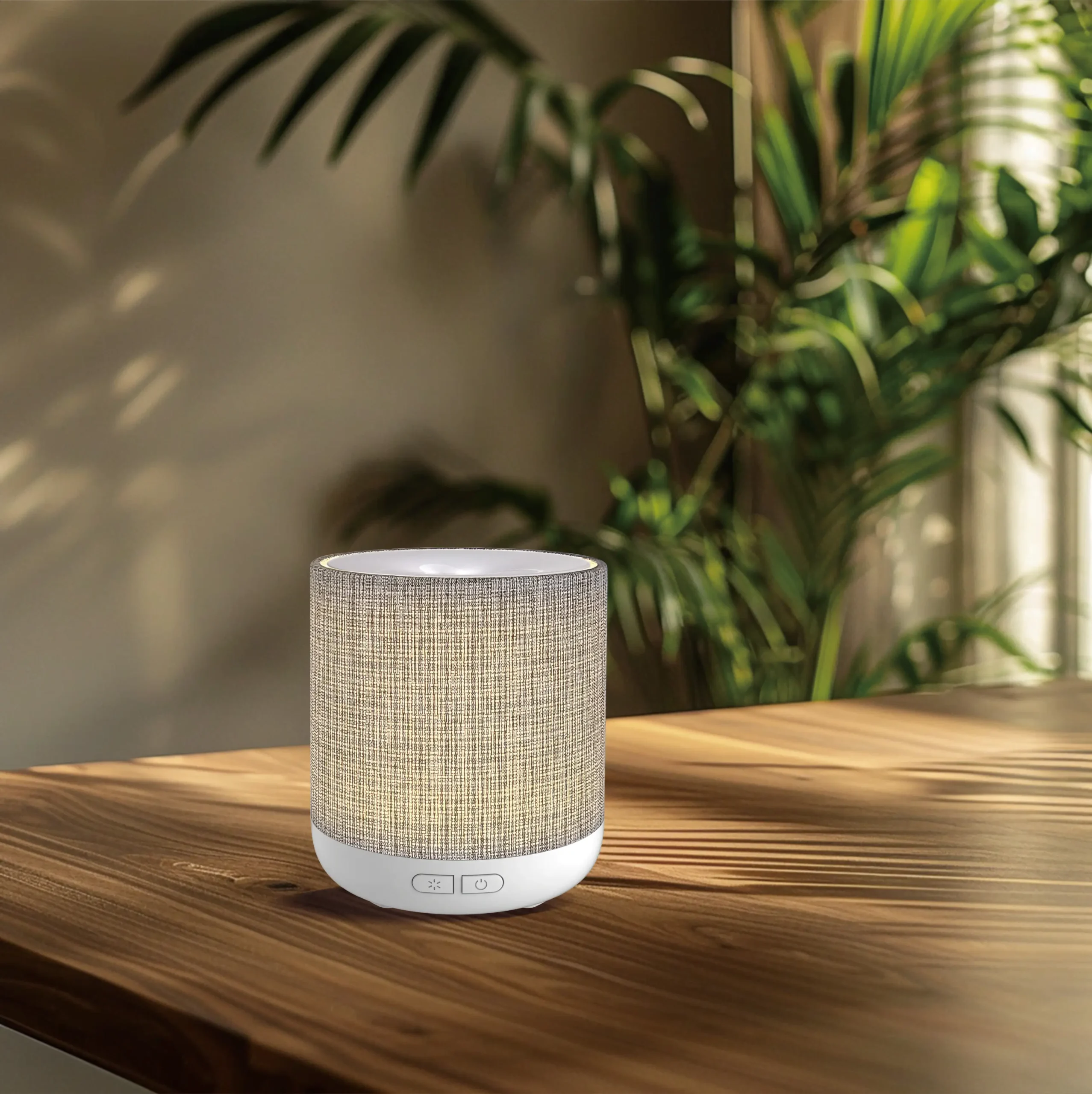
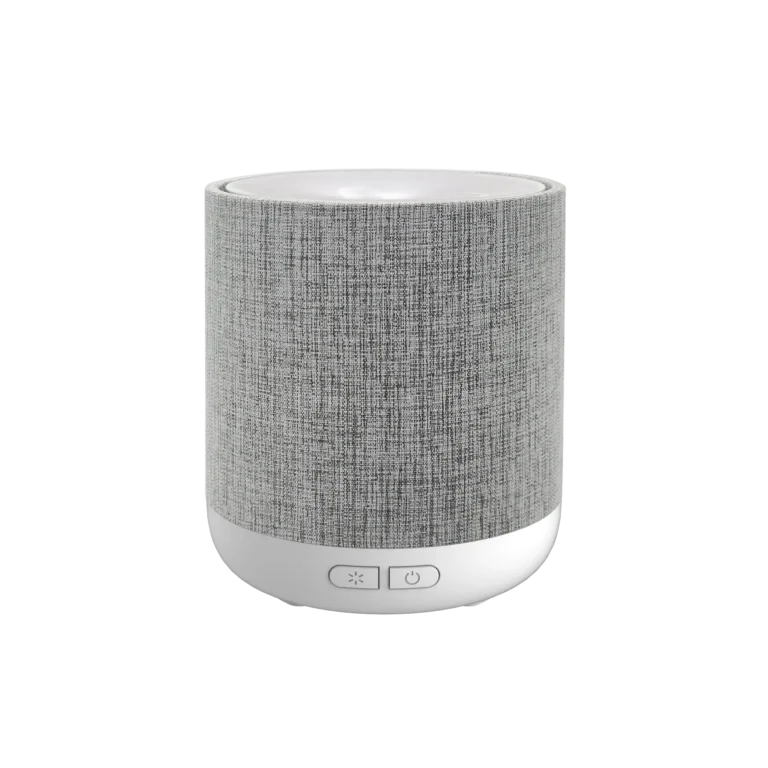
HisoAir - Desktop Scent Diffuser HD200
Beyond China: Building a Resilient "China+1" Supply Chain
The global economic and geopolitical landscape is in a constant state of flux, and forward-thinking companies are proactively constructing more resilient supply chains through strategic geographic diversification. Vesync, Levoit's parent company, is actively implementing a "China Plus One" strategy. This approach is designed to mitigate risks associated with over-reliance on a single country for manufacturing.
This progressive strategy involves the establishment of additional manufacturing capabilities in Southeast Asia. Vesync has already initiated mass production of certain products in Vietnam and Thailand, and has identified Malaysia and Indonesia as prospective countries for future expansion. This diversification not only enhances supply chain resilience but also allows for greater flexibility in response to market dynamics and potential disruptions.
In this context, a manufacturing partner with a global footprint becomes an invaluable asset. HisoAir is exceptionally well-positioned to support this strategic shift, possessing established manufacturing facilities not only in China but also in Vietnam, Thailand, and Malaysia. For Business-to-Business (B2B) clients seeking to develop their own robust and diversified supply chains, partnering with a manufacturer that already boasts a multi-national presence significantly streamlines the process. Such a partnership eliminates numerous logistical hurdles and ensures consistent quality control and operational processes across disparate geographical locations, thereby fostering a truly global and resilient manufacturing network.
Conclusion
So, where are Levoit diffusers manufactured? They are conceived through innovative design in America and brought to fruition through a strategic and meticulously controlled manufacturing process within key industrial hubs across China [1]. More profoundly, their existence is the culmination of a powerful partnership between a visionary brand and an expert manufacturing specialist. Levoit's significant market dominance stands as a testament to a brilliant global strategy that judiciously leverages an asset-light business model, prioritizes brand development and continuous innovation, and relies heavily on the deep technical expertise of Original Equipment Manufacturer (OEM) and Original Design Manufacturer (ODM) partners such as HisoAir.
For the discerning consumer, this intricate production framework provides assurance that their Levoit diffuser is the product of a thoughtful, quality-controlled, and world-class manufacturing system. For businesses aspiring to launch or expand their own lines of home wellness products, the narrative of Levoit offers a clear and compelling lesson: sustained success is not merely contingent on possessing a groundbreaking idea, but critically depends on identifying and collaborating with the right manufacturing partner to execute that vision flawlessly.
If you are seeking to develop the next generation of exceptional air quality products, ranging from sophisticated scent diffusers to medical-grade air purifiers, we encourage you to connect with the experts at HisoAir today. Let us collaborate to build something superior, together.



 English
  Français
  Español
  Italiano
  Deutsch
  Português
  Русский
  العربية
  日本語
日本語  한국어
한국어  Tiếng Việt

