
Se abre en una pestaña nueva
Soluciones innovadoras para la calidad del aire

Purificador de aire

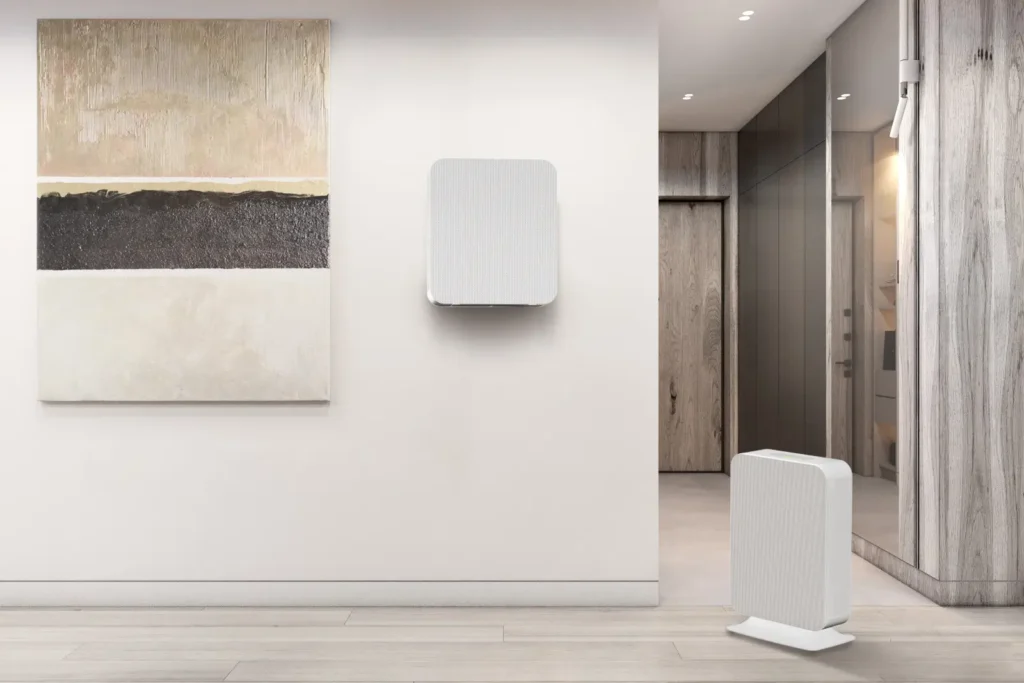
standing & wall mounted air purifier ha180 & ha380 (fabric panel)

Top 5 Rated Air Purifiers of 2026 – Tested, Reviewed & Compared

In today's world, indoor air quality has become an indispensable foundation for a healthy modern life. From wildfire smoke and household VOCs to airborne viruses, ...
Air purifier, News
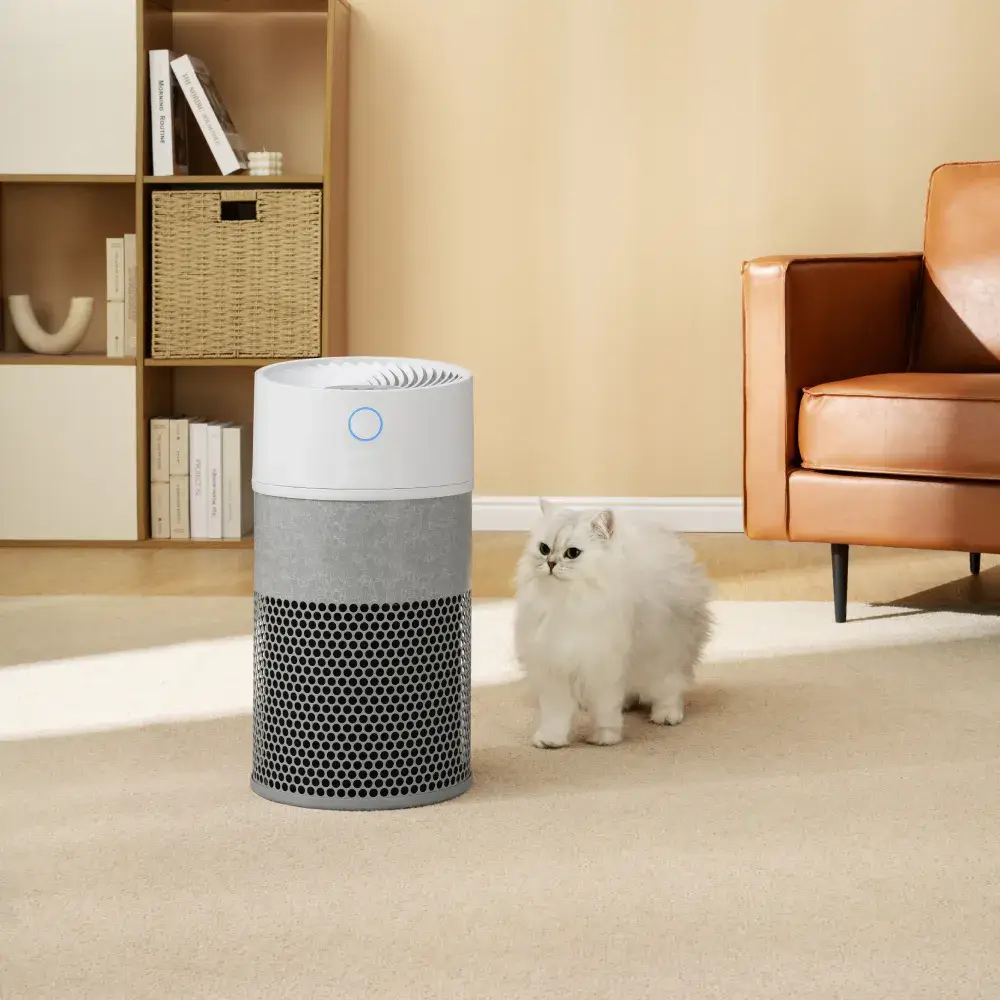
ha230

How to Treat Feline Asthma Naturally: 5 Proven Methods for a Healthier Cat

As loving pet parents, few things are as distressing as witnessing our beloved feline companions struggle to breathe. Feline asthma, a chronic respiratory condition, can ...
Air purifier, News
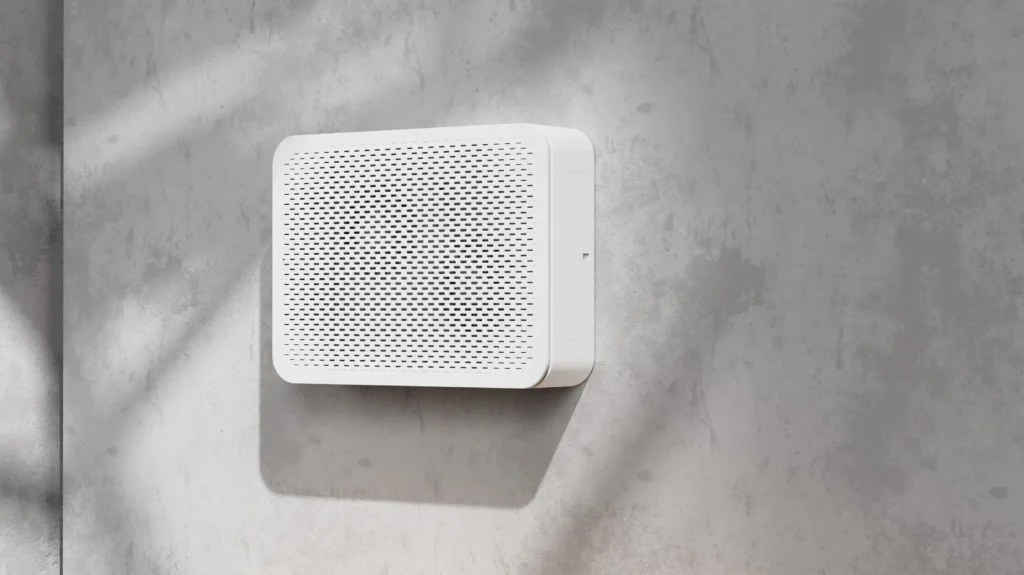
ha400 wall mounted air purifier 2

The Ultimate Comparison: Air Purifier for Mold vs. Dehumidifier

As a homeowner, I understand the constant battle against unseen threats that can compromise our living spaces and, more importantly, our health. Among these, mold ...
Air purifier, Dehumidifier, News

Un moderno purificador de aire montado en la pared en un elegante salón con luz solar y plantas de interior.

Do UV Light Air Purifiers Really Work? Unveiling the Truth Behind Germ-Killing Claims

En esta entrada del blog se analiza la eficacia de los purificadores de aire de pared con luz UV para reducir las bacterias y los virus, al tiempo que se destacan los riesgos potenciales de ...
Air purifier, News

pet shop air purifier

What Are the Best Air Purifiers for Pet Shops?

First impressions matter, especially in a pet shop. A fresh, clean-smelling environment not only signals professionalism but also assures customers of the high standard of ...
Purificador de aire

nursing homes air purifier

Air Purifiers for Nursing Homes: What Works Best for Elderly Safety?

Nursing homes and long-term care facilities house highly vulnerable populations in complex indoor environments. In these settings, indoor air quality (IAQ) is not just about ...
Purificador de aire

museum air purifier

What Are the Best Air Purifiers for Museum

Museums, sanctuaries of priceless artifacts, face a silent threat: airborne pollutants. These invisible adversaries relentlessly degrade our shared cultural heritage. Poor air quality is a ...
Purificador de aire
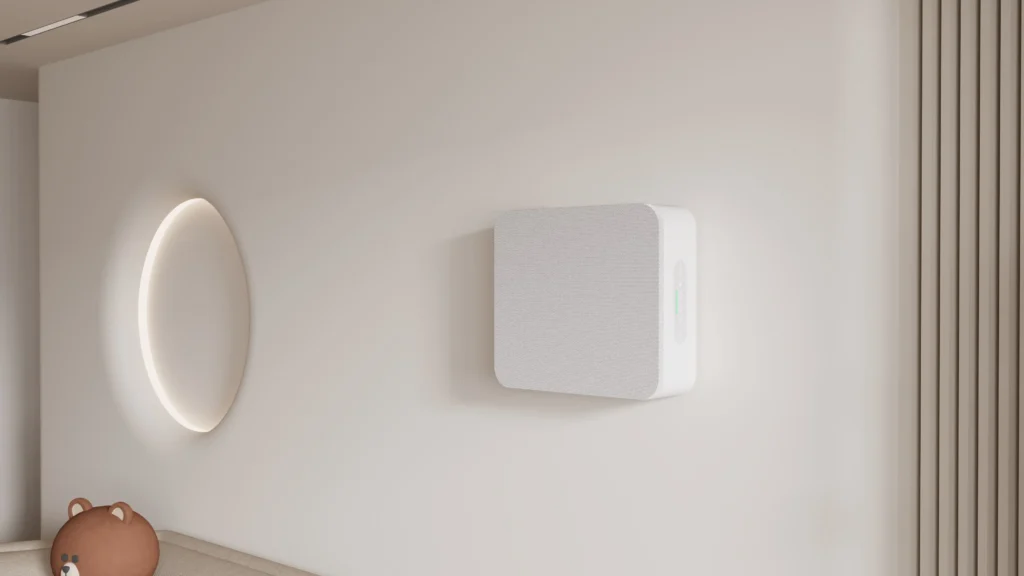
ha180 (1)

What Are the Best Air Purifiers for Office?

Did you know that the air inside your office can be two to five times more polluted than the air outside? This startling fact often ...
Purificador de aire

austin air healthmate (4)

Where Are Austin Air Air Purifiers Manufactured?

When investing in an air purifier, one of the key questions consumers often ask is: "Where is it made?" For Austin Air Systems, a brand ...
Air purifier, Air Purifier Manufacturers
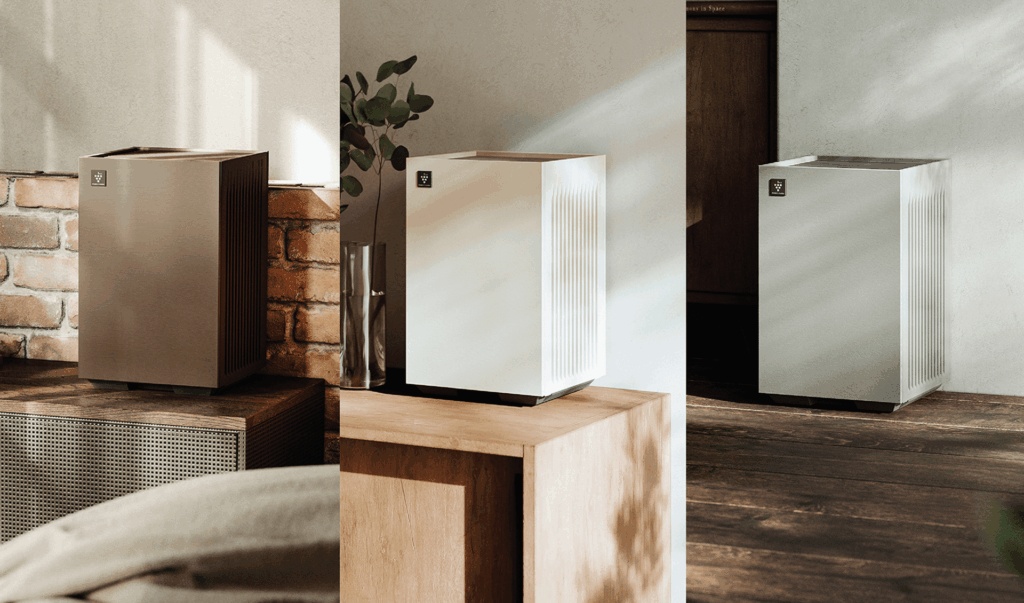
sharp air purifier 8

Where Are Sharp Air Purifiers Manufactured?

Sharp Corporation, a name synonymous with Japanese innovation, has built a century-long legacy in the electronics industry. From its origins in metalworking to pioneering advancements ...
Air purifier, Air Purifier Manufacturers, News
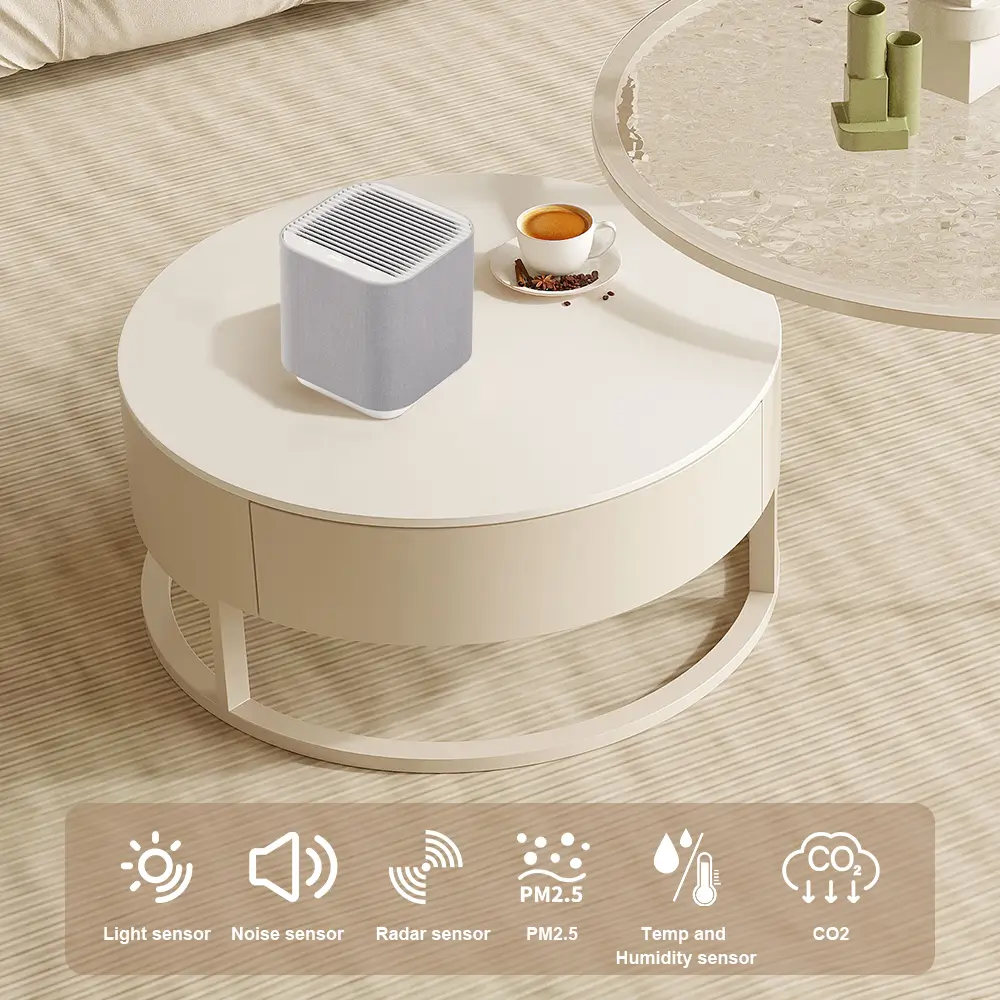
purificador de aire de sobremesa ha100d 4

What Thread Protocol Means for Smart Air Purifier OEM Projects

As the founder of HisoAir, I've spent years immersed in the world of air quality and smart home technology. I've witnessed firsthand the incredible potential ...
Air purifier, News
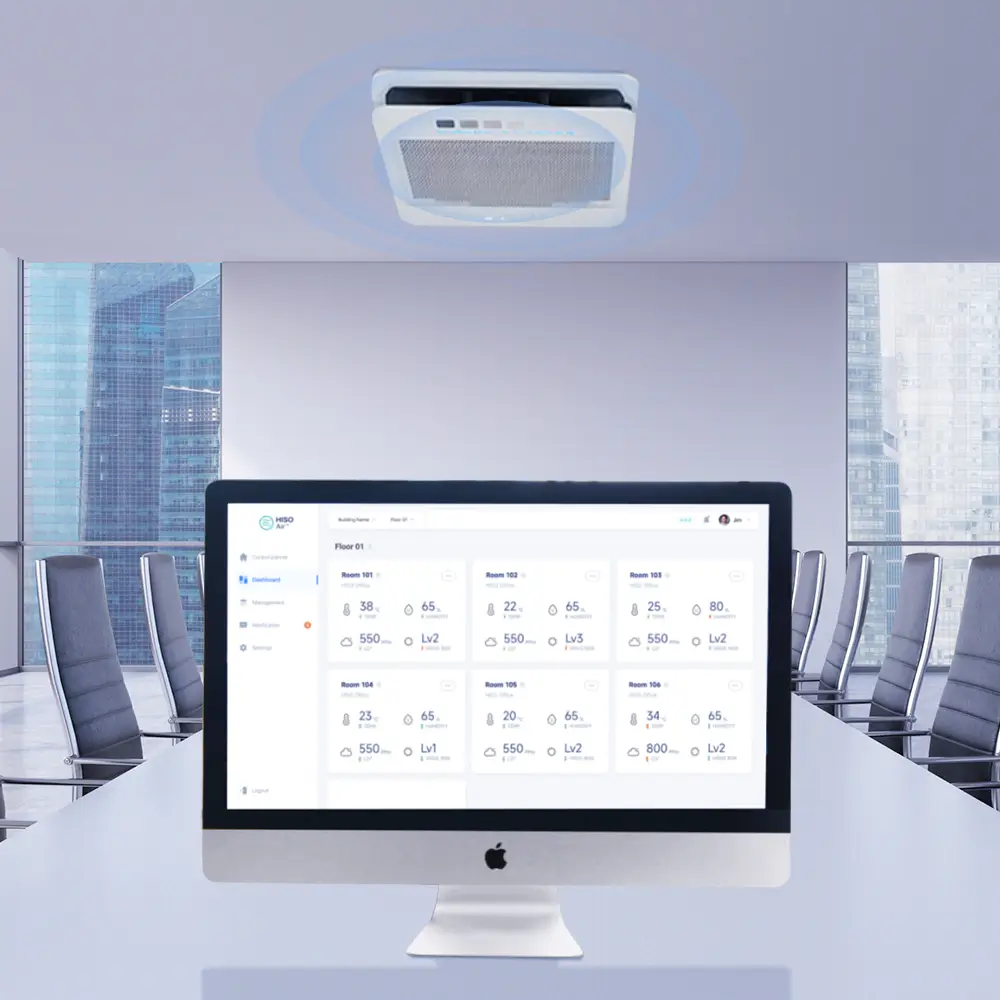
ha800 office

What Matter Protocol Means for Smart Air Purifier OEM Projects

The smart home market has long promised a future of seamless connectivity and effortless living. Yet, for years, this promise has been hampered by a ...
Air purifier, News

Contaminant Engineering•3 min read

PFAS Water Filtration Technologies Explained: Carbon, Resin & RO

Key Takeaway:

PFAS reduction depends on the specific compounds present, treatment media, contact time, water chemistry, and system design. Activated carbon, ion exchange, and Reverse Osmosis address PFAS through different mechanisms.

PFAS are a large family of persistent fluorinated compounds that can occur in drinking-water supplies. Their treatment behavior varies significantly by molecular structure, chain length, functional group, concentration, and the chemistry of the source water.

Granular Activated Carbon (GAC) removes PFAS primarily through adsorption. It is generally more effective for many longer-chain PFAS, while shorter-chain compounds tend to break through more quickly. Carbon performance depends on media properties, Empty Bed Contact Time (EBCT), competing organic matter, loading, and replacement frequency.

Ion-exchange resins use charged functional sites to capture many PFAS compounds. Properly selected anion-exchange media can provide high capacity and may perform better than conventional activated carbon for some shorter-chain PFAS, although performance still depends on water chemistry and competing ions.

Reverse Osmosis (RO) uses membrane separation rather than adsorption. Properly designed RO systems can provide broad reduction across many PFAS compounds as well as dissolved salts and other contaminants. Unlike carbon or resin, however, RO also produces a concentrate stream that must be managed.

No single technology should be selected from a PFAS label alone. System design should consider which PFAS compounds are present, their concentrations, required reduction targets, flow rate, media life, and the applicable third-party certification or validation requirements.

HisoAir Water Technical Series
Product Discovery•3 min read

How to Choose an Under-Sink Water Purifier for Modern Kitchens

Key Takeaway:

Match the treatment technology to your water quality first, then evaluate cabinet space, faucet configuration, flow rate, drain and power requirements, and filter replacement needs.

Choosing an under-sink water purifier starts with water chemistry. Carbon filtration is well suited to chlorine, taste, odor, and many organic contaminants, while Reverse Osmosis is more appropriate when dissolved salts, fluoride, nitrates, or broader dissolved contaminants need to be reduced.

For compact kitchens, tankless RO systems eliminate the conventional storage tank and can significantly reduce the space required under the sink. However, membrane capacity stated in GPD does not directly equal faucet flow. When comparing systems, check the actual dispensing flow rate, inlet-pressure requirement, recovery ratio, and whether a booster pump is required.

Installation architecture also matters. Many RO systems require a drain connection, electrical power, and either a dedicated drinking-water faucet or a compatible multi-function faucet. High-flow carbon systems can often connect directly to the existing cold-water line with a simpler installation, but pressure drop and available faucet flow should still be verified.

RO also removes much of the naturally occurring dissolved mineral content. Where taste or mineral balance is a priority, a post-RO remineralization stage can be added. Filter life should be evaluated by both rated capacity and local water quality rather than replacement time alone.

The right system is therefore not simply the smallest or highest-GPD model. It is the configuration that matches the target contaminants, available cabinet space, desired faucet setup, peak dispensing demand, and maintenance expectations.

HisoAir Water Technical Series
Water Quality•2 min read

What Does TDS Mean in Drinking Water? Measurement vs Contaminant Reality

Key Takeaway:

A TDS meter estimates the overall concentration of dissolved ionic substances from electrical conductivity. It cannot identify specific contaminants or determine whether water is chemically safe.

Total Dissolved Solids (TDS) refers to the combined concentration of dissolved substances in water. Most handheld TDS meters do not measure TDS directly. Instead, they measure electrical conductivity (EC) and convert that reading into an estimated parts-per-million (ppm) value.

This means a TDS reading can indicate how much dissolved ionic material is present, but not what that material actually is. Calcium, magnesium, sodium, nitrates, and other dissolved ions can all contribute to conductivity, yet a simple TDS meter cannot distinguish between them.

TDS meters are also not suitable for detecting trace contaminants such as PFAS, many VOCs, pesticides, pharmaceuticals, or disinfection byproducts. These substances may be present at concentrations far below the level needed to noticeably change electrical conductivity.

A low TDS reading therefore does not guarantee safe drinking water, and a higher TDS reading does not automatically indicate contamination. Water-treatment decisions should be based on laboratory testing for specific contaminants of concern rather than TDS alone.

HisoAir Water Technical Series
Technology Selection•2 min read

RO vs UF Water Filtration: Understanding Pore Sizes & Dissolved Minerals

Key Takeaway:

Ultrafiltration can reduce bacteria, turbidity, and suspended particles while retaining most naturally occurring dissolved minerals. Reverse Osmosis provides much broader reduction of dissolved salts and smaller contaminants.

Ultrafiltration (UF) typically uses hollow-fiber membranes with pore sizes in the approximate 0.01–0.1 micron range. These membranes physically retain turbidity, suspended solids, colloids, and many microorganisms while allowing dissolved minerals and salts to remain in the water.

Reverse Osmosis (RO) operates at a much finer separation level. Unlike UF, RO can substantially reduce dissolved ions such as sodium, calcium, fluoride, nitrates, and other contributors to total dissolved solids (TDS). This makes RO more suitable when dissolved-salt reduction is a primary treatment objective.

UF generally requires less system pressure and produces little or no continuous concentrate stream in many point-of-use configurations. RO typically requires greater pressure and produces a reject-water stream, but delivers broader contaminant reduction.

For water with acceptable TDS and mineral content, UF can be a simpler mineral-retaining treatment option. Where dissolved salts, fluoride, nitrates, or broader dissolved contaminants are a concern, RO is generally the more appropriate technology.

HisoAir Water Technical Series
Technology Selection•4 min read

Carbon Block vs Reverse Osmosis: Which Fits Your Need?

Key Takeaway:

Choose RO for dissolved inorganic salts and heavy metals; choose Carbon Block for chemical taste/odor, no wastewater, and high line-pressure flow.

Reverse Osmosis (RO) and Carbon Block filtration represent two fundamentally different treatment methods: membrane separation and adsorption. Understanding these differences helps determine which technology is better suited to a specific water-quality requirement.

Reverse Osmosis uses a semi-permeable membrane with pore sizes of approximately 0.0001 microns. It can significantly reduce dissolved inorganic contaminants such as TDS, fluoride, nitrates, and certain heavy metals. Because water must be forced through the membrane, RO systems require sufficient pressure or a booster pump and generate a concentrated wastewater stream.

Carbon Block filtration relies primarily on adsorption through compressed activated carbon, commonly with nominal pore sizes around 0.5–5 microns. It is highly effective for chlorine, chloramines, VOCs, taste, and odor, while allowing substantially higher direct-flow rates without producing wastewater.

From an operating perspective, Carbon Block systems are generally simpler, require less energy, and avoid the water loss associated with RO. RO involves higher system complexity and operating cost, but provides substantially broader reduction of dissolved contaminants that Carbon Block alone cannot address.

HisoAir Water Technical Series

SOLICITAR PRESUPUESTO









