
PFAS Water Filtration Platforms & Reduction Technologies
Understand how PFAS are reduced in drinking water, how filtration performance is independently verified, and how HisoAir helps global brands develop PFAS-focused water purification systems.
Our engineering platforms support carbon block filtration, specialty adsorption media and reverse osmosis technologies, with model-specific testing, certification coordination and OEM/ODM development.
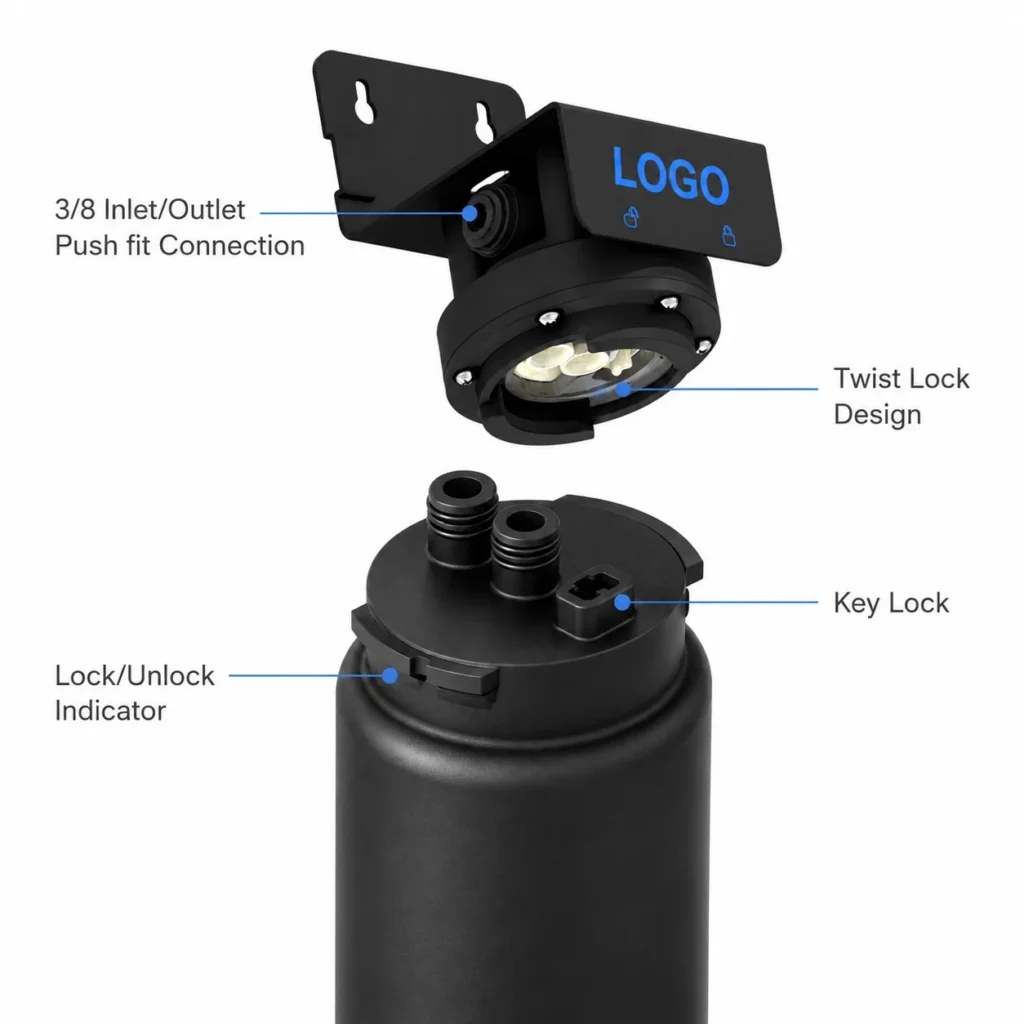
4.0 ppt
NSF/ANSI 53
WP-3000
What Are PFAS and Why Do They Matter in Drinking Water?
Per- and polyfluoroalkyl substances (PFAS) are a large family of persistent synthetic chemicals used in industrial and consumer applications. Some PFAS can enter drinking-water sources and remain in the environment for long periods.
Different PFAS compounds behave differently during water treatment. Effective reduction depends on the target compounds, water chemistry, filtration technology and verified system performance.
PFOA, PFOS and Other PFAS to Know
PFOA and PFOS are two different PFAS compounds, not two names for the same chemical. Both have eight-carbon chains, but PFOA is a perfluorocarboxylic acid (PFCA), while PFOS is a perfluorosulfonic acid (PFSA). Their functional groups, historical uses, and behavior differ. [2]
The simplest PFOA vs. PFOS distinction: PFOA is a C8 carboxylate PFAS historically linked to fluoropolymer processing; PFOS is a C8 sulfonate PFAS historically used in applications such as firefighting foams and surface treatments. The EPA’s 2024 final rule set an MCL of 4.0 ppt for each.[3]
Regulatory note (reviewed October 15, 2026): EPA’s 2024 rule sets a 4.0 ppt MCL for PFOA and PFOS individually in public water systems. In May 2026, EPA proposed rescinding provisions for PFHxS, PFNA, HFPO-DA and the Hazard Index, and separately proposed allowing eligible systems to request a PFOA/PFOS compliance extension to 2031. Both actions remain proposed rules, not final changes. These regulatory limits are not WP-3000 effluent test results. [3–5]
Why Long-Chain and Short-Chain PFAS Behave Differently
Short-chain PFAS generally move more readily through water and are harder for activated carbon to retain.
For conventional perfluoroalkyl acids, PFCAs with eight or more carbons and PFSAs with six or more carbons are commonly classified as long-chain. [2] Shorter-chain compounds are usually more mobile and tend to break through granular activated carbon (GAC) sooner. EPA treatment guidance therefore shows stronger GAC performance for longer-chain PFAS such as PFOA and PFOS, while reverse osmosis and nanofiltration provide broader removal across chain lengths. [6]
Why Are PFAS Difficult to Remove?
PFAS are difficult to remove because their chemistry is unusually stable, many remain dissolved and mobile in water, and treatment targets can be measured in parts per trillion.
Very stable bonds
The carbon–fluorine bond makes many PFAS resistant to ordinary chemical or biological breakdown. Conventional treatment therefore does not necessarily destroy them. [1]
They stay in water
Many drinking-water PFAS remain dissolved rather than settling or evaporating. Boiling is not a PFAS-removal method; treatment relies on adsorption, ion exchange, or membrane separation. [6]
Extremely low targets
EPA’s 2024 MCL for PFOA and PFOS was 4.0 ppt. At that scale, laboratory detection, media breakthrough, flow rate, and test conditions all matter when evaluating real treatment performance. [3]
For HisoAir, this means “PFAS removal” should never be treated as a single generic claim. A credible system must define which PFAS are targeted and validate performance under relevant water quality, flow, capacity, and testing conditions before choosing activated carbon, ion exchange, reverse osmosis, or a combination of technologies.
Sources
PFAS Reduction Technologies Compared: Carbon, Ion Exchange & RO
There is no single "best" media. The optimal technology depends on your target form factor, flow rate requirements, and certification strategy. We configure these technologies based on realistic performance metrics, not generic marketing claims.
Granular Activated Carbon (GAC)
Carbon Block Filtration
Anion Exchange Resin (IX)
Reverse Osmosis (RO)
Additional Media Option: Activated Carbon Fiber (ACF)
What Does Water Filter Certification Actually Verify?
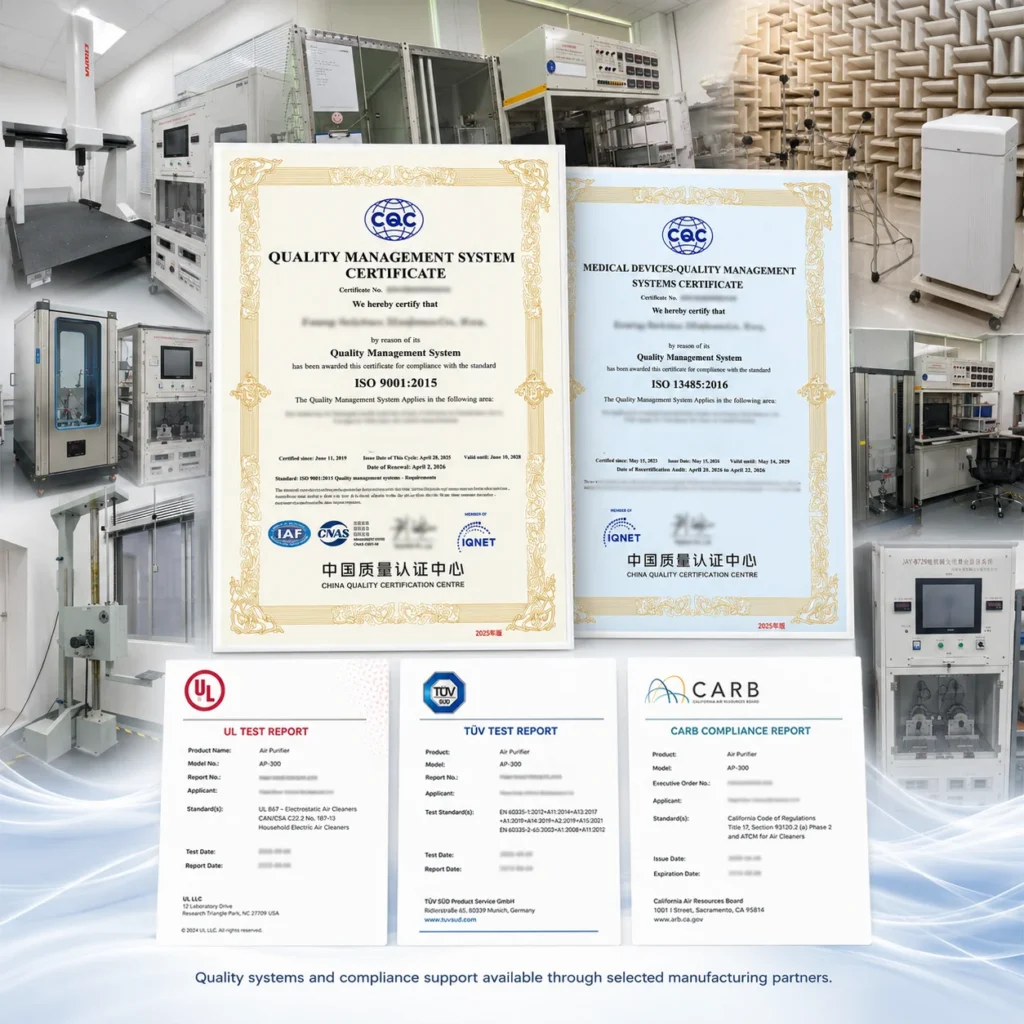
Water filter certification is more than a laboratory reduction test. Depending on the applicable standard, evaluation may cover structural integrity, material safety, specific contaminant-reduction performance, manufacturing quality controls and ongoing conformity.
A test report alone does not establish that a complete product holds an active third-party certification.
Structural Integrity
Material Safety
Filtration Performance
Certification & Listing
Understanding NSF/ANSI Standards
| Estándar | What It Covers |
|---|---|
| NSF/ANSI 42 | Aesthetic Effects — Taste, Odor & Chlorine Claims |
| NSF/ANSI 53 | Health Effects — Including Specified PFAS Reduction Claims |
| NSF/ANSI 401 | Emerging Compound Reduction Claims |
| NSF/ANSI/CAN 372 | Lead Content Requirements |
| NSF/ANSI 58 | Reverse Osmosis System Performance and Applicable Reduction Claims |
What Does PFAS-Ready Actually Mean?
A PFAS-ready water purifier is not automatically PFAS-certified. It is a system whose media selection, contact time, flow path, cartridge capacity and testing plan have been configured around defined PFAS reduction targets.
PFAS-Ready
Media, flow path, contact time and cartridge capacity are configured according to PFAS reduction engineering targets.
Third-Party Tested
Specific system and cartridge combinations have completed independent testing with defined conditions and available reports.
Certified for PFAS Reduction
Exact model and cartridge configuration appear on the official listing of an accredited certification body.
Certification applies only to the exact system, cartridge and configuration identified in the official listing.
Technical references: U.S. EPA drinking-water regulations, applicable NSF standards and certification-body product listings.
WP-3000 Verification & Certification Scope
Certification applies only to the exact product model, filter cartridge, flow configuration and performance claims identified in the official listing. Series, parallel or customized configurations may require additional evaluation.
What PFAS-Ready Does Not Mean
PFAS-ready does not mean that every configuration is already certified. Final claims depend on the exact media, system flow rate, cartridge capacity, test conditions and certification status. Active certification requires ongoing compliance.
Variables Affecting Certification
Changing a faucet, modifying the flow rate, or altering the cartridge dimensions can invalidate an existing certification. We design our platforms to provide predictable performance, guiding you through the compliance implications of your customization choices.
The Master Listing Advantage
Using an existing Master Listing may simplify the certification process, depending on listing ownership, approved configurations and certification-body requirements.
HisoAir PFAS-Focused Filtration Platforms
Configurable filtration platforms and application-specific cartridge development for PFAS-focused OEM/ODM programs.
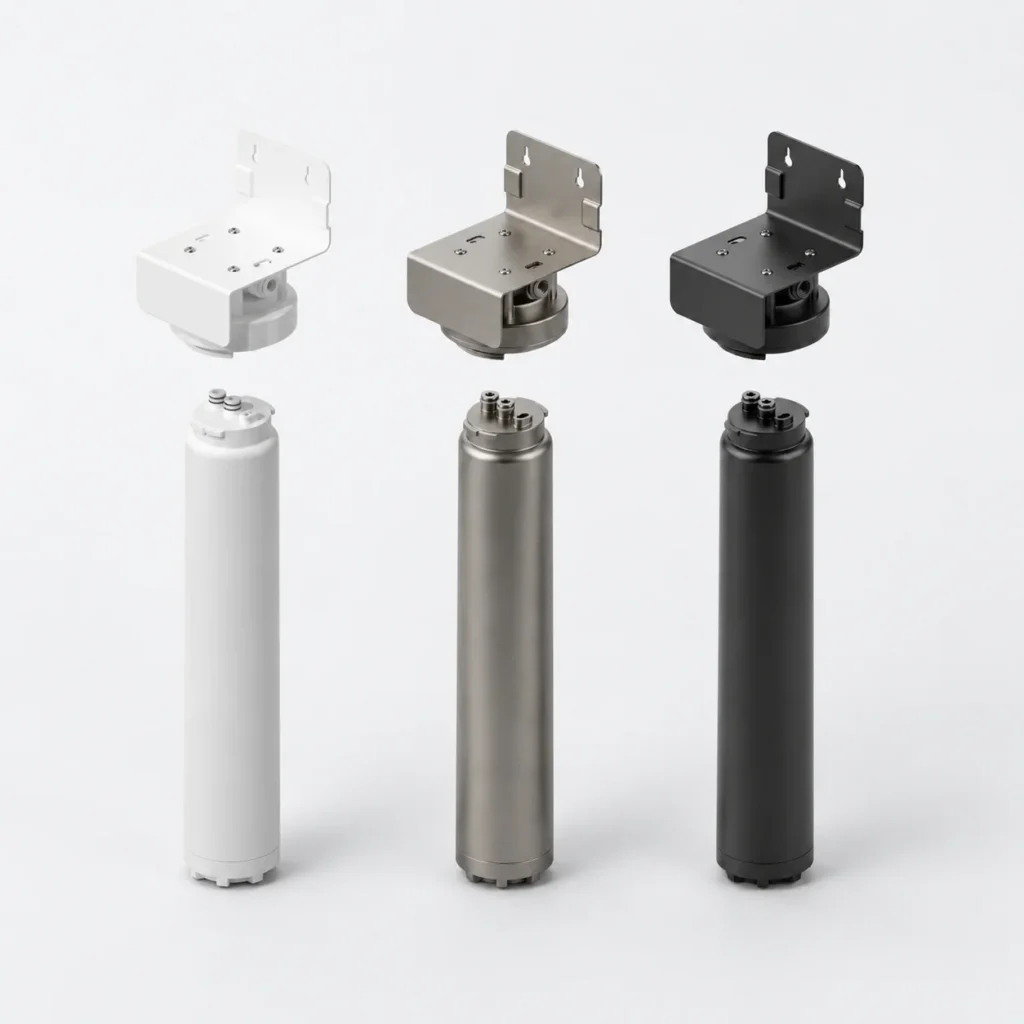
WP-3000 High-Flow Under-Sink Filtration
- High-flow carbon filtration architecture
- Up to 1.5 GPM, subject to configuration and test conditions
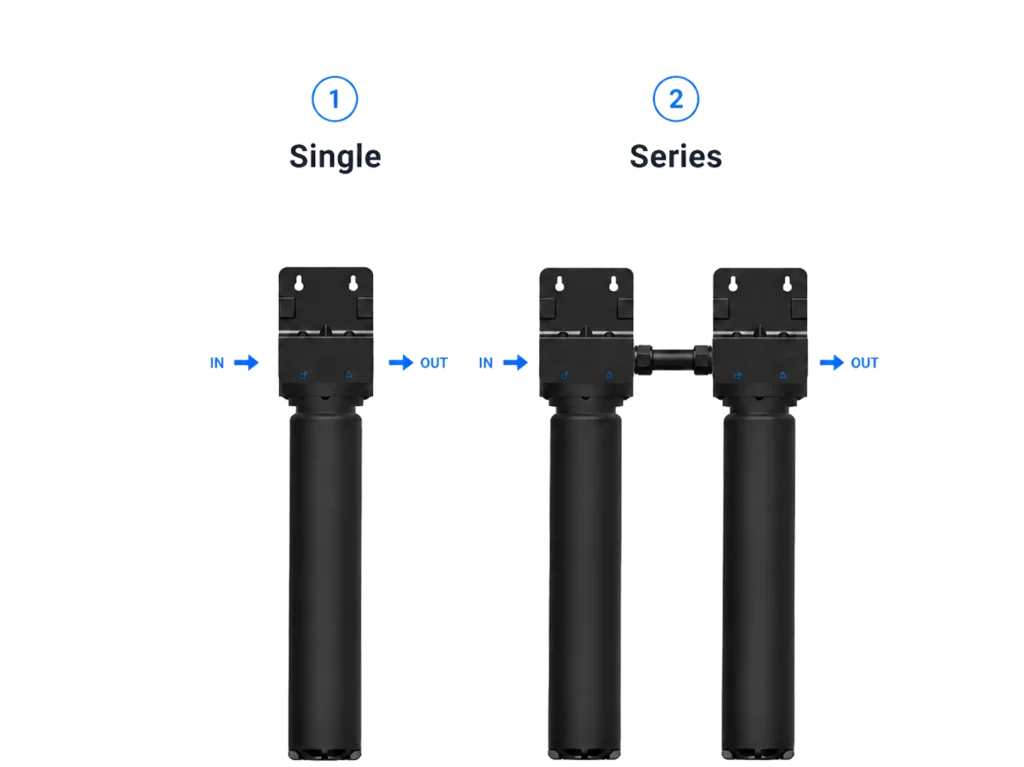
- Single, series and parallel system options
- Replaceable cartridge design
Custom PFAS Filtration & Cartridge Development
- Carbon block and specialty media selection
- Cartridge geometry and interface customization
- Filtration performance evaluation
- Certification planning and documentation support
One Twist-Lock Filtration Platform, Multiple Configuration Options
HisoAir's modular WP-3000 architecture supports single-cartridge, series and parallel system designs for different flow, service capacity and installation requirements.
Each configuration must be evaluated against its intended performance targets and applicable certification scope.
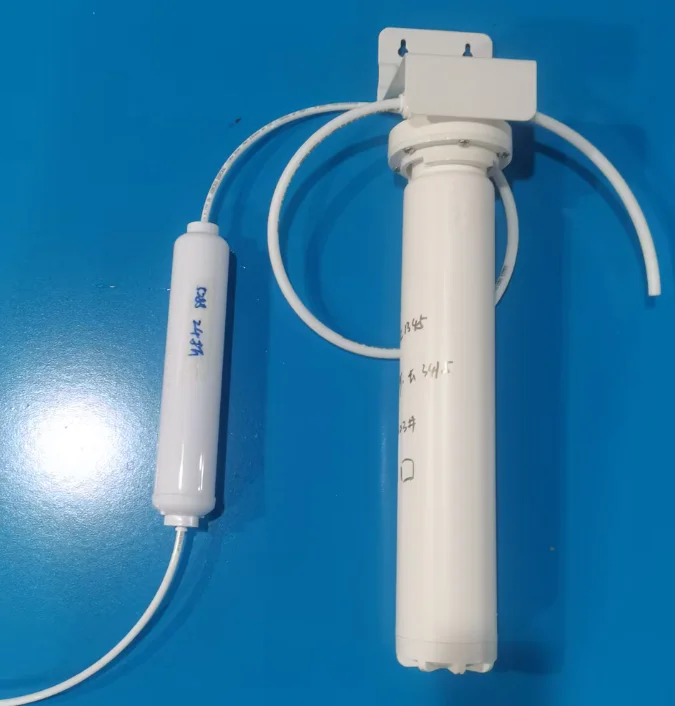
Pre-Mounted Single Filter
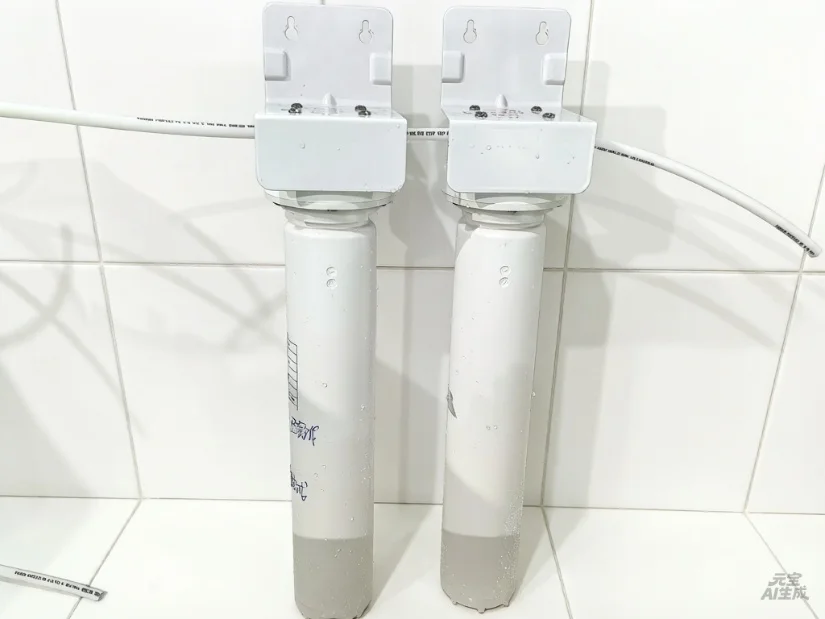
Series Connection
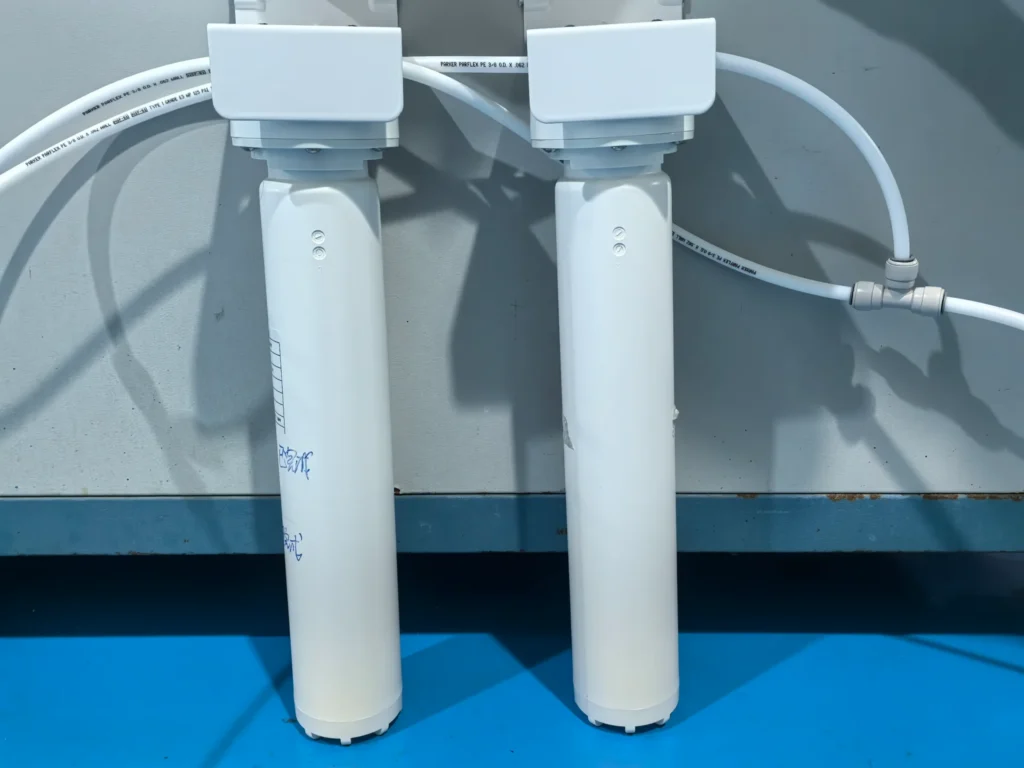
Parallel Connection
Utilizing the same certified cartridge in a series or parallel configuration does not automatically extend the certification listing to the new system. Final validation is always required.
WP-3000 Certification & PFAS Reduction Evidence
Certification and contaminant-reduction claims are specific to the tested product model, filter cartridge and system configuration.
HisoAir is preparing model-specific certification documentation and supporting performance information for online publication.
The applicable standards, PFAS reduction claims, rated service capacity and flow conditions will be presented alongside the relevant official certification records after document verification.
PFAS-Focused OEM/ODM Development
HisoAir helps water-treatment brands translate defined contaminant-reduction requirements into practical filtration products.
Our development support includes media selection, cartridge design, system integration, engineering validation, certification coordination and scalable manufacturing.
Filtration Engineering
Certification Coordination
OEM/ODM Manufacturing
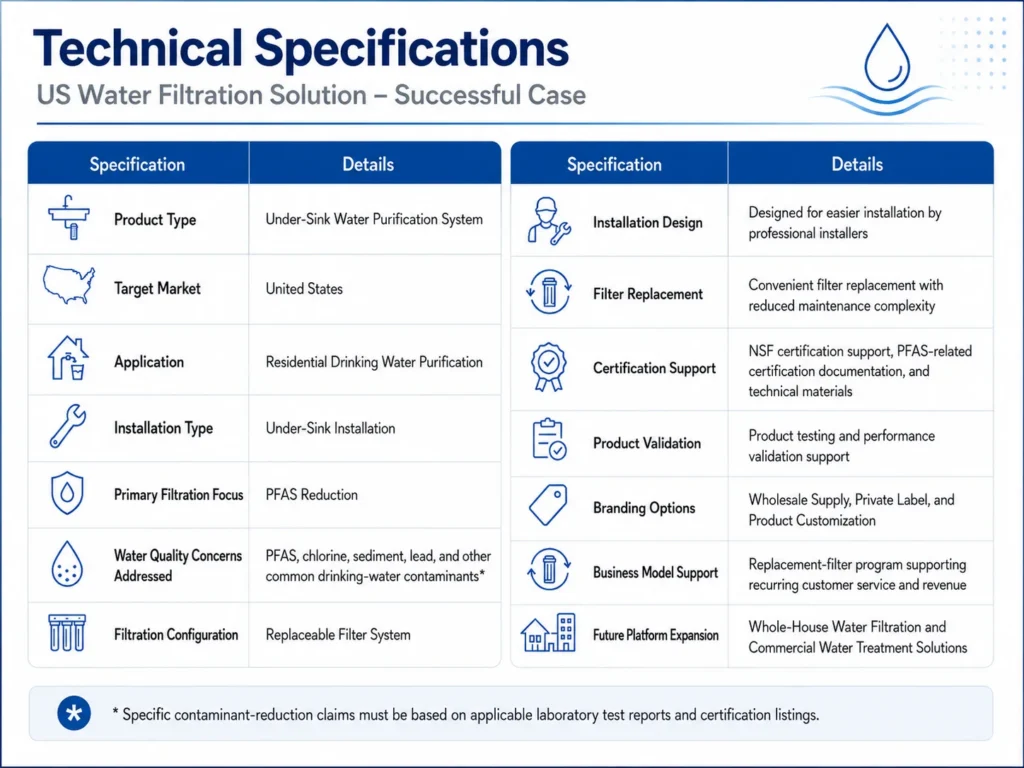
North American Water Distributor Evaluation Program
Wholesaler, installer, and private-label brand network.
WP-3000 Under-Sink Platform addressing PFAS and general drinking-water concerns.
Product platform selection, certification documentation, sample preparation, and filter-replacement business model planning.
The project has progressed to product evaluation and market validation.
Insights & Resources
Deepen your understanding of certification pathways, media technologies, and manufacturing strategies to build a successful water purification portfolio.
What Is an NSF Master Listing?
PFAS-Ready vs PFAS-Certified: Engineering Differences
Carbon Block vs ACF for Target Contaminants
Preguntas frecuentes
Answers to common questions about PFAS treatment, testing and certification.
What are PFAS in drinking water?
PFAS stands for per- and polyfluoroalkyl substances, a large family of persistent synthetic chemicals. Drinking-water sources can be affected by industrial releases, firefighting foams, landfill leachate and other contaminated sites. Different compounds have different properties, so a PFAS result should identify the substances measured. Treatment decisions should consider source-water testing, target compounds and verified system performance rather than assuming one filter treats every PFAS.
Can activated carbon remove PFAS?
Activated carbon can reduce selected PFAS by adsorption, holding compounds on the media surface. Longer-chain PFAS are generally retained more readily, while some shorter-chain compounds can break through sooner. Media chemistry, contact time, competing substances, flow rate and service capacity all affect performance. Carbon block and granular carbon systems therefore require compound-specific evaluation, and any published reduction claim should match the tested or certified cartridge and operating conditions.
Can reverse osmosis reduce short-chain PFAS?
Reverse osmosis can reduce a broad range of PFAS, including selected shorter-chain compounds, by membrane separation. Actual performance depends on membrane characteristics, pressure, water chemistry, system design and maintenance. RO produces treated water and a concentrate stream that requires appropriate management. Buyers should verify the target compounds, operating conditions and applicable reduction claims for the exact system rather than assuming that every RO product provides the same performance.
What is the difference between PFAS-tested and PFAS-certified?
PFAS-tested means a sample or defined configuration has been evaluated under stated laboratory conditions. The report should identify the model, cartridge, compounds, flow and capacity tested. PFAS-certified means the applicable product and reduction claims are included in an active third-party certification listing, with the certification body’s requirements for ongoing conformity. A laboratory report by itself does not establish that the complete commercial product holds an active certification.
Does Total PFAS Reduction mean all PFAS are removed?
No. Total PFAS Reduction is a defined claim within an applicable testing or certification framework; it does not mean every substance in the PFAS family is removed completely. Check the official listing and performance documentation for the compounds covered, reduction criteria, rated capacity, flow rate and operating limits. Claims for one cartridge or configuration should not be extended to a different system without the required evaluation.
Can a private-label brand use an existing PFAS-certified cartridge?
An existing certified cartridge may support a private-label project, subject to authorization, listing ownership and certification-body requirements. The brand’s model, components, installation and flow configuration must be assessed against the approved scope. Using a certified component does not automatically certify the finished system or transfer every reduction claim. HisoAir can help review the proposed configuration, coordinate documentation and identify the testing or private-label listing steps required.
Can HisoAir develop custom PFAS filtration systems?
HisoAir supports application-specific development around defined PFAS compounds, target flow, service capacity, installation format and market requirements. Support can include carbon block or specialty media selection, cartridge interfaces, system integration, prototype evaluation and certification coordination. Performance and certification scope must be established for the final model and configuration. Share your source-water information and project requirements so the engineering team can assess suitable platforms and the evidence needed for proposed claims.
Request a PFAS Filtration Platform Assessment
PFAS PROJECT REQUIREMENTS
Tell Us About Your Project
MANTENER EL CONTACTO
Información de contacto
Nos conectaremos en breve, y sus datos permanecerán siempre seguros.
Oficina de EE.UU.: 2180 S WINEVILLE AVE ONTARIO, CA 91761
Oficina: Oficina 712~713, Edificio 1, No. 4, Second Road, Songshan Lake Park, Ciudad de Dongguan, Provincia de Guangdong, 523429.
Fábrica: China | Vietnam | Tailandia | Malasia
 English
  Français
  Español
  Italiano
  Deutsch
  Português
  Русский
  العربية
  日本語
日本語  한국어
한국어  Tiếng Việt