
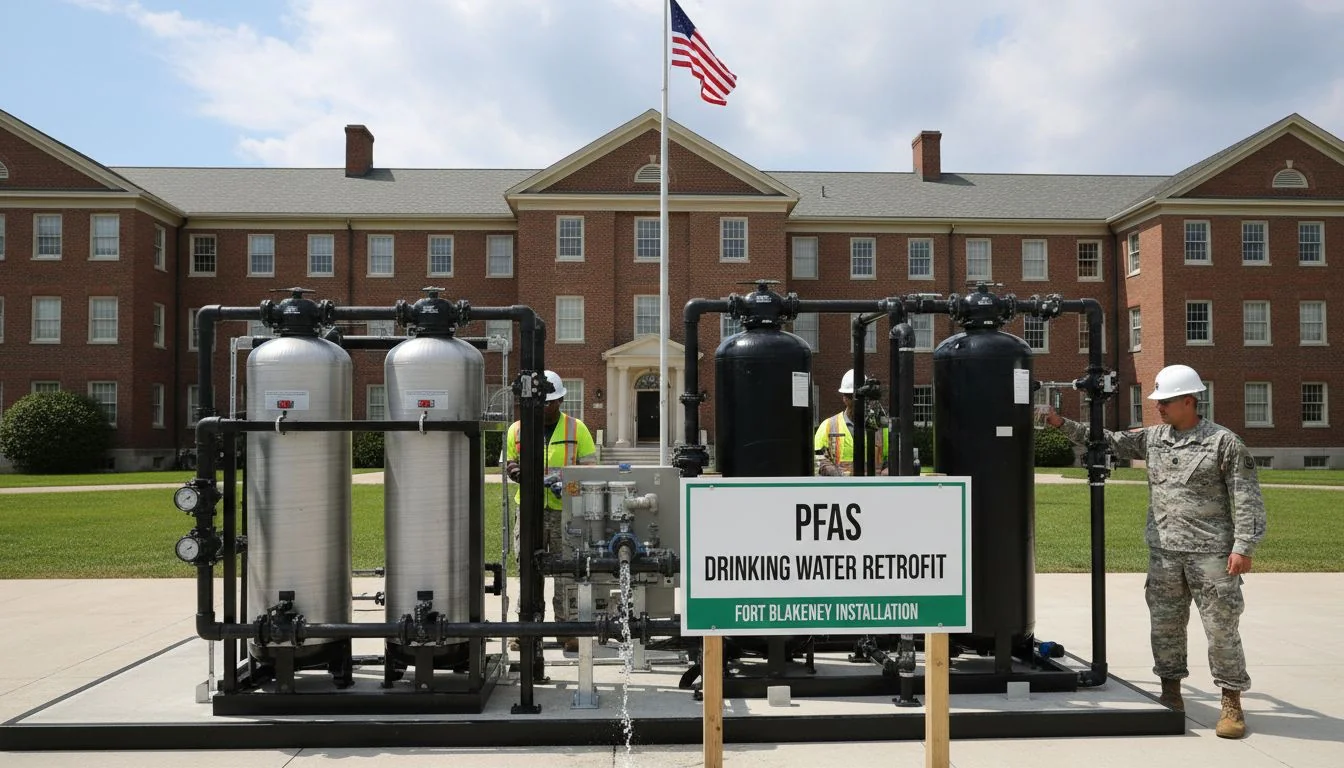
Military barracks face a huge problem with PFAS in drinking water. Procurement teams struggle to find the right retrofit solutions. I will show you how to buy the best systems.
Procurement teams must focus on scope definition, certification verification, and lifecycle maintenance when buying PFAS water retrofits1 for military barracks. You need systems with replaceable filter modules that fit occupied buildings. This guide helps you plan phased deployments and write clear RFPs for water filtration.
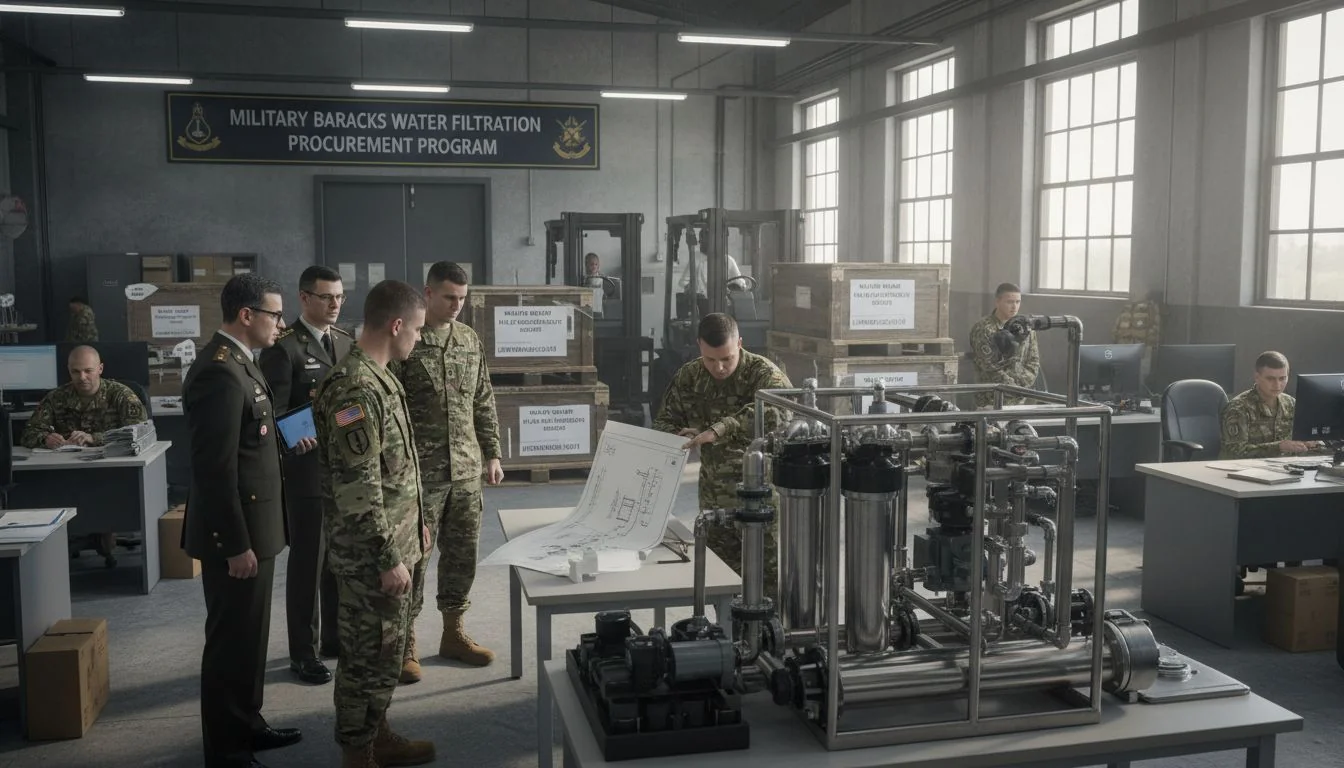
You might think buying a water filter is simple. But military barracks have strict rules and tight spaces. If you buy the wrong system, you will waste money and cause long downtimes. Let us look at how to do this right.
PFAS chemicals break down quickly in water systems.Falso
PFAS are known as forever chemicals because they do not break down easily in the environment or water systems.
Military bases often require phased deployments for water system retrofits.Verdadero
Barracks are usually occupied, so teams must install systems in phases to keep the buildings running.
1. Why PFAS Is on the Radar for Military Base Drinking Water?
Old military bases have high PFAS levels. You worry about meeting new safety rules. I understand this stress because I help teams source safe plastic housings for filters.
PFAS is on the radar because past military activities left chemicals in the groundwater. Procurement teams must now buy certified filtration systems to clean the drinking water in barracks. You must meet strict new government safety limits.
The Source of the Problem
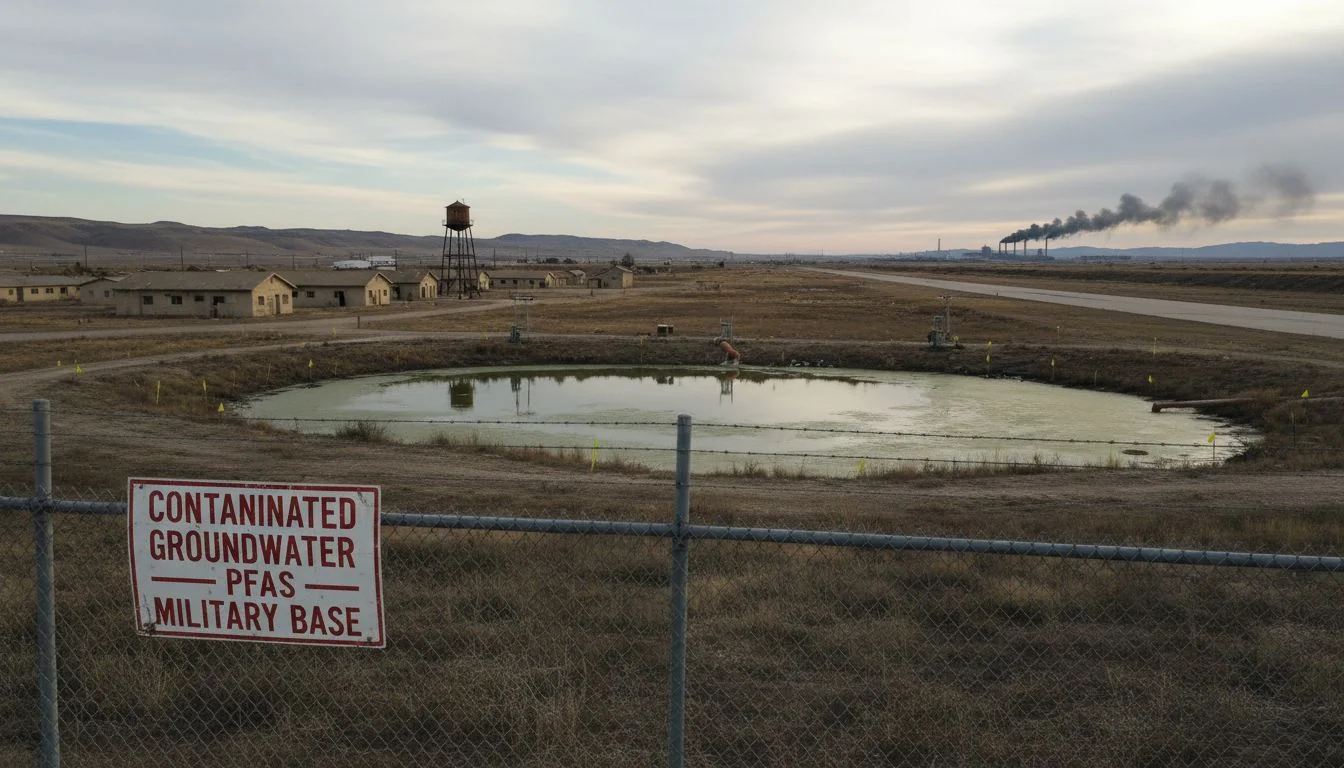
I visited a military base a few years ago. The water tasted fine. But tests showed high PFAS levels. The main cause is AFFF. Firefighters used this foam for decades during training. The chemicals seeped into the ground. Now, they are in the well water. This water supplies the barracks.
Why Procurement Must Act Now
You cannot ignore this issue. The government is setting strict limits on PFAS. You must act fast if you buy products for these bases. I know how hard it is to change a product line quickly. I see this in mold design all the time. But you must upgrade the water hardware now. You need to look at the data. You must plan your purchases carefully.
| Contaminant Source | Impact on Barracks | Procurement Action |
|---|---|---|
| Firefighting Foam | High PFAS in well water | Source certified filters |
| Old Pipes | Lead and rust | Upgrade plumbing parts |
| Industrial Runoff | Chemical spikes | Install multi-stage filters |
You must focus on the hardware. You need to buy systems that actually remove these specific chemicals.
AFFF firefighting foam is a major source of PFAS on military bases.Verdadero
The military used AFFF for decades, and its runoff is a primary cause of groundwater contamination on bases.
Boiling water removes PFAS chemicals.Falso
Boiling water does not remove PFAS and can actually concentrate the chemicals as water evaporates.
2. Regulatory and Standards Context Procurement Teams Should Know?
Confusing rules make buying filters hard. You might buy a system that fails inspections. I will explain the exact certifications you need to look for.
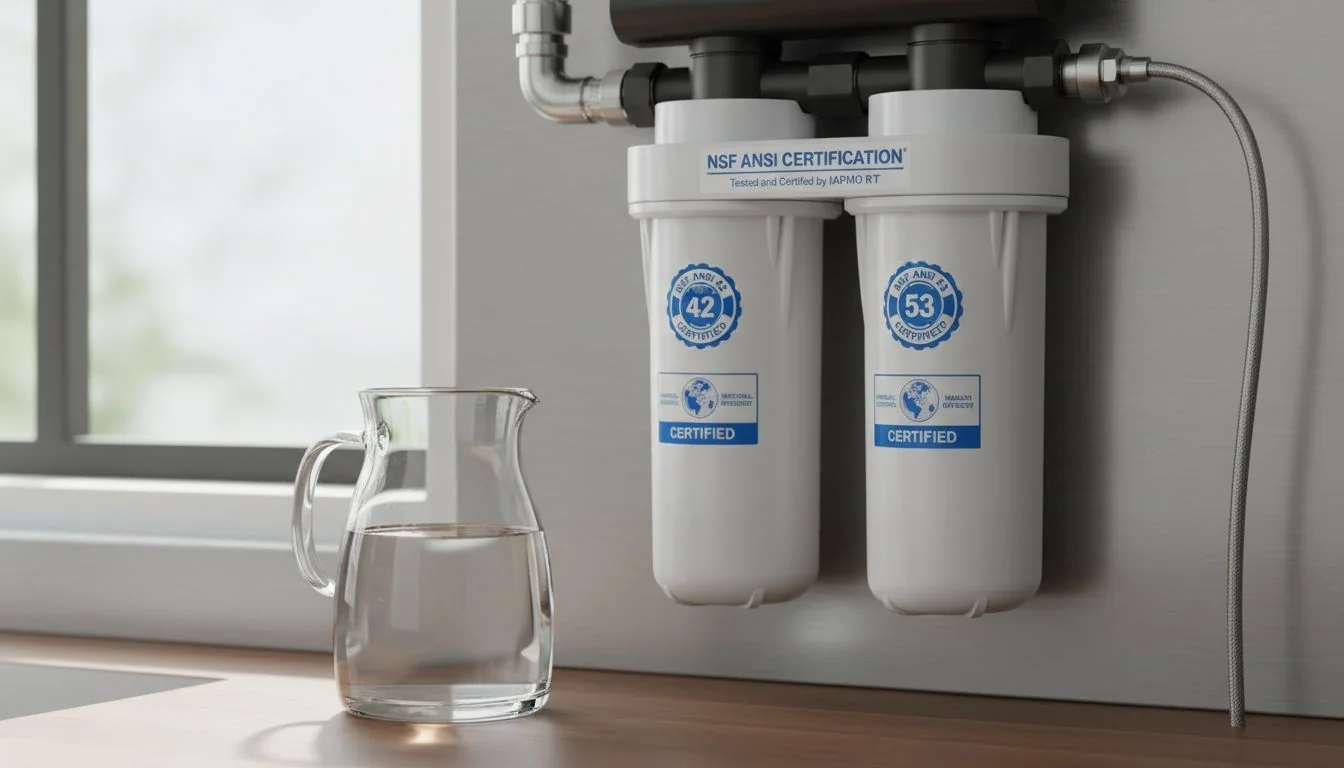
Procurement teams must require NSF/ANSI 53 and NSF/ANSI 58 certifications for PFAS reduction. You must verify these standards in your contracts. This ensures the plastic housings and filter modules will legally and safely remove forever chemicals from the barracks water supply.
Understanding NSF Certifications
I learned a lot when I started my CNC trading company. Certifications are everything. You cannot sell a plastic part without a stamp. This rule applies to water filters too. You must ask for NSF/ANSI 53 for carbon filters. You must ask for NSF/ANSI 58 for reverse osmosis systems. These numbers prove the system works.
Translating Rules into Scope
You must write these rules into your project scope. Do not just ask for a good filter. You must demand proof. I always tell my clients to check the paperwork before they buy a mold. You must do the same for water systems.
| Certificación | Technology Type | What It Proves |
|---|---|---|
| NSF/ANSI 53 | Carbón activado | Reduces specific health-related contaminants like PFAS. |
| NSF/ANSI 58 | Reverse Osmosis | Reduces contaminants using a reverse osmosis membrane. |
| NSF/ANSI 61 | System Components | Ensures the plastic and metal parts do not leach toxins. |
You must check the plastic housings. The housings must meet NSF/ANSI 61. This means the plastic itself will not add new chemicals to the water.
NSF/ANSI 53 certification guarantees the removal of all known bacteria.Falso
NSF/ANSI 53 relates to health-related contaminant reduction like lead and PFAS, not necessarily all bacteria.
NSF/ANSI 61 ensures that water filter components do not leach harmful chemicals into the water.Verdadero
This standard evaluates the health effects of water treatment equipment components to ensure they are safe.
3. Retrofit Options for Barracks: Centralized vs Point-of-Use?
Choosing the wrong system wastes money. A centralized system might require tearing down walls. Point-of-use filters might be easier but harder to track. Let us compare them.
Centralized systems treat water for the whole building but require major plumbing work. Point-of-use systems treat water at specific sinks or fountains. Procurement teams often choose point-of-use for occupied barracks. They are cheaper to install and do not require shutting down the whole building.
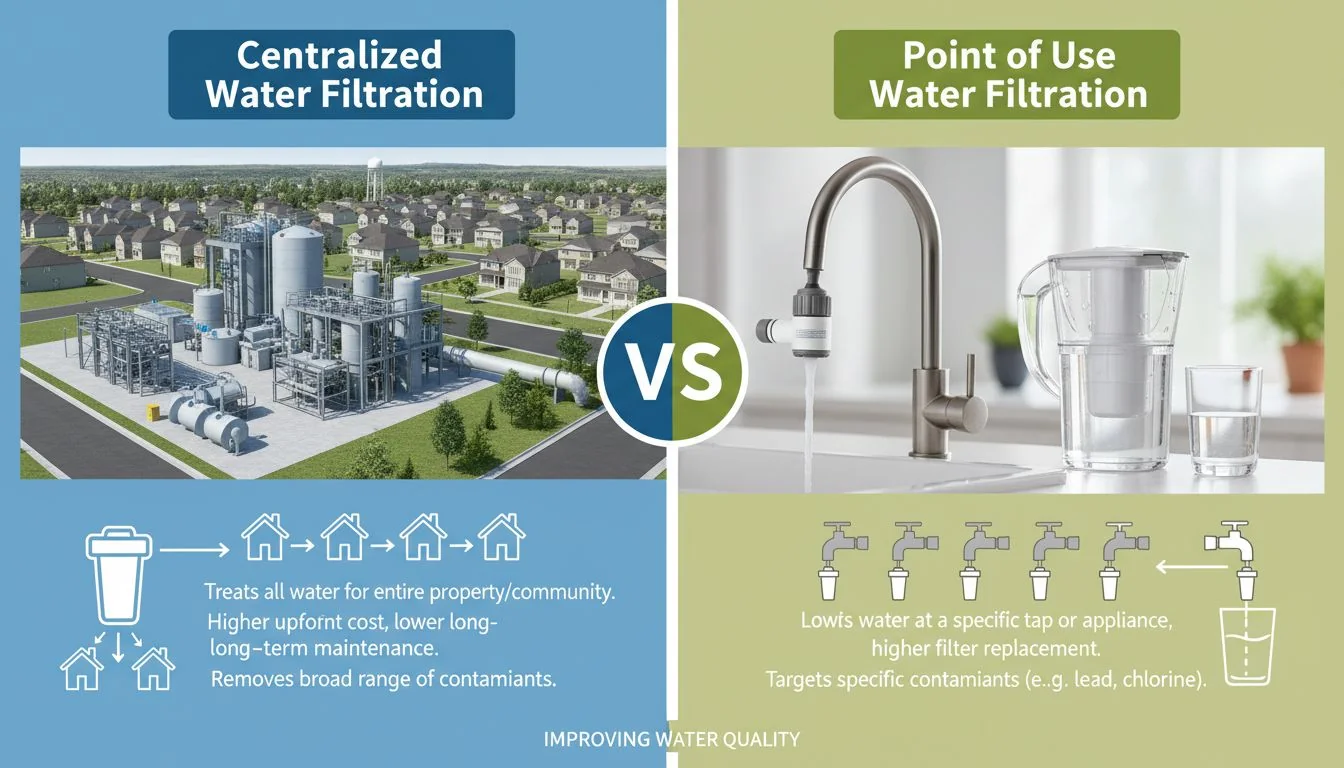
The Centralized Approach
A centralized system sits at the main water line. It cleans all the water entering the barracks. I once helped design a large plastic housing for a central system. It was huge. The problem is installation. You have to shut off the water for the whole building. You might have to cut into thick concrete walls. This causes a lot of downtime.
The Point-of-Use Approach
Point-of-use systems go under the sink or at the water fountain. These are much easier to install. You only shut off one valve at a time. The soldiers can still live in the barracks. From a manufacturing view, point-of-use systems use smaller plastic molds. These molds are standardized. This keeps the unit cost low.
| Característica | Centralized System | Point-of-Use (POU) |
|---|---|---|
| Installation Cost | Muy alta | Low to Medium |
| Building Downtime | Days or Weeks | Minutes per unit |
| Mantenimiento | One large unit | Many small units |
You must look at your building constraints. Point-of-use is usually the best choice if the barracks are full of people.
Point-of-use systems treat water for the entire building at the main inlet.Falso
Point-of-use systems treat water at the specific fixture where it is consumed, like a sink or fountain.
Centralized water filtration systems usually require more extensive plumbing modifications than POU systems.Verdadero
Centralized systems are installed at the main water entry point, often requiring major pipe cutting and building modifications.
4. Key Specifications to Include in a Barracks Water Filtration RFP?
A weak RFP leads to bad bids. You might get systems that break easily. I will show you exactly what to write in your request for proposal.
Your RFP must include strict specifications for PFAS removal certifications, flow rates, and physical dimensions. You must demand replaceable filter modules2 and durable plastic housings. Clear specifications help procurement teams get accurate bids. They ensure the final product fits the tight spaces in military barracks.
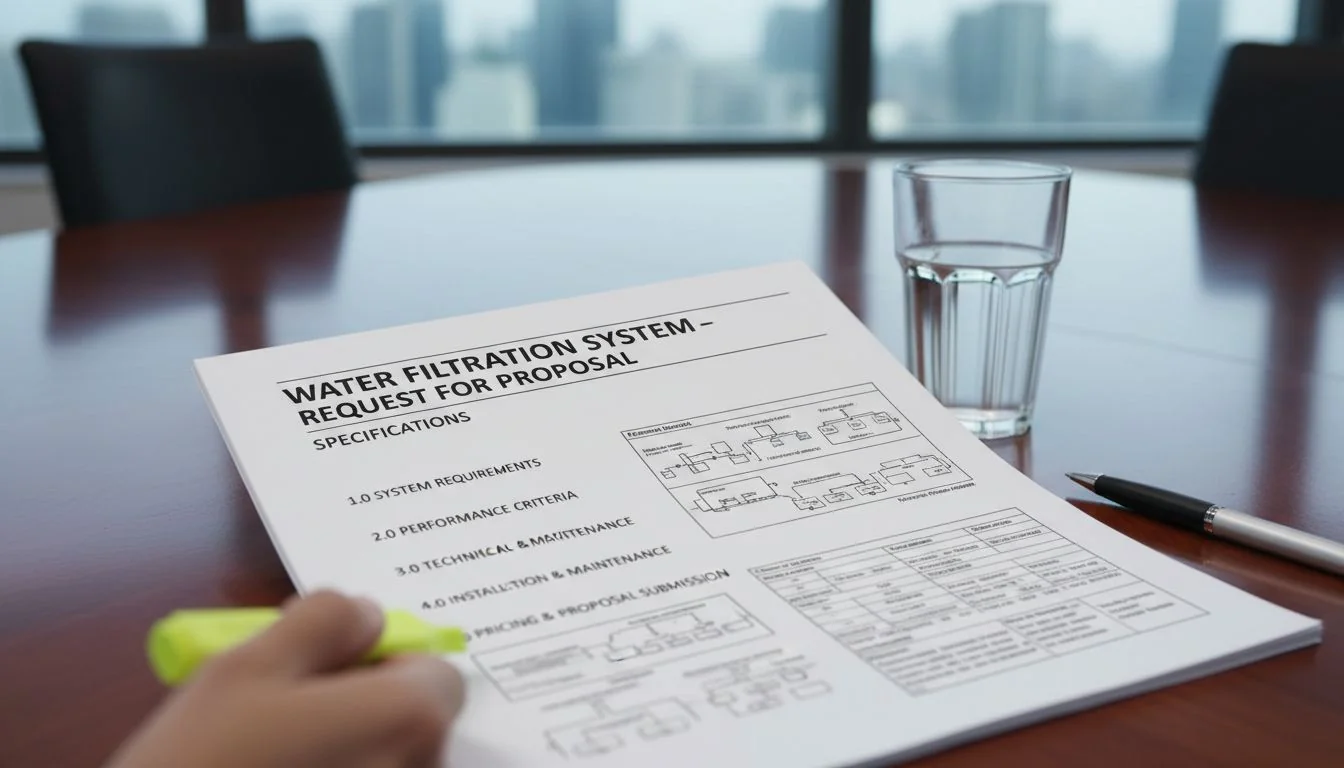
Defining the Hardware Specs
I need exact dimensions when I quote a mold design job. The mold will fail if the client is vague. Your RFP must be exact too. You must state the maximum size of the filter housing. Barracks have very small sink cabinets. The unit will not fit if it is too big. You must also specify the flow rate. Soldiers do not want to wait ten minutes to fill a water bottle.
Material and Serviceability Specs
You must ask for durable materials. The plastic housings must handle high water pressure. You must also demand quick-change filter modules. Maintenance teams should not need special tools to change a filter.
| Specification Category | What to Include in RFP | Why It Matters |
|---|---|---|
| Dimensiones | Max height, width, depth | Must fit under existing barracks sinks. |
| Flow Rate | Minimum gallons per minute | Ensures users get water quickly. |
| Serviceability | Tool-free filter changes | Saves time during maintenance rounds. |
You must write these details clearly. This stops vendors from selling you cheap systems. You will avoid hard-to-fix hardware.
Including physical dimensions in an RFP is unnecessary for water filters.Falso
Physical dimensions are critical because filters must fit into specific, often tight, spaces like under sinks.
Quick-change filter modules reduce the time needed for maintenance.Verdadero
Quick-change designs allow technicians to swap filters without special tools, speeding up the maintenance process.
5. Installation, Logistics, and Minimizing Downtime in Occupied Barracks?
Installing filters in full barracks is a nightmare. You disrupt the soldiers' daily lives. I will share how to plan a smooth, phased deployment.
Procurement teams must plan for phased deployments3 in occupied barracks. You should require vendors to deliver systems in batches. You must schedule installations floor by floor. This strategy minimizes water shutoffs. It keeps the barracks running smoothly while the new PFAS filtration systems are installed.
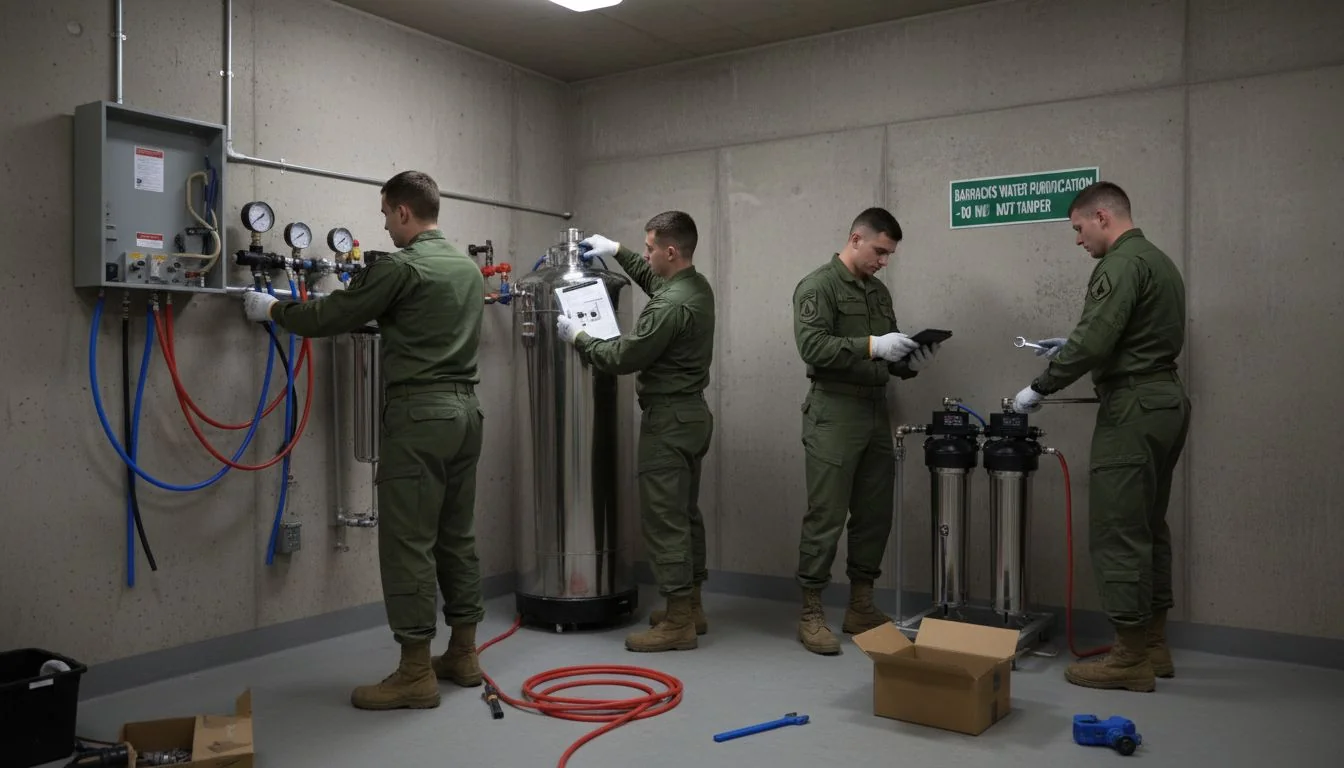
Planning a Phased Deployment
You cannot shut down a whole military base. The soldiers need to sleep and work. You must use a phased deployment. I learned this when delivering large CNC machine orders. We never delivered all machines at once. We delivered them in stages. You must do the same with water filters. You must install them one floor at a time.
Managing Logistics and Space
Barracks do not have extra storage space. You cannot drop 500 filter boxes in the hallway. You must tell the vendor to ship just-in-time. The installation team should bring only what they need for the day.
| Deployment Phase | Action Required | Benefit to Barracks |
|---|---|---|
| Phase 1: Pilot | Install in one test room | Finds fit issues early. |
| Phase 2: Batch Delivery | Ship units floor by floor | Saves storage space. |
| Phase 3: Floor Install | Shut water off for one floor | Keeps rest of building open. |
You must control the logistics. You will avoid chaos in the barracks if you plan the delivery and installation steps.
Just-in-time delivery requires storing all equipment on-site for months.Falso
Just-in-time delivery means bringing materials to the site exactly when they are needed, reducing storage needs.
Phased deployments help keep occupied buildings functional during upgrades.Verdadero
By upgrading one section at a time, the rest of the building can continue normal operations.
6. Maintenance, Filter Replacement, and Lifecycle Cost Planning?
Buying the filter is only the first step. High replacement costs will ruin your budget. I will show you how to plan for long-term maintenance.
Procurement teams must calculate the lifecycle cost of PFAS filters. You must not just look at the initial price. You must plan for regular filter replacements and assign clear maintenance responsibilities. Choosing systems with standardized, replaceable filter modules will save money and make servicing easier.
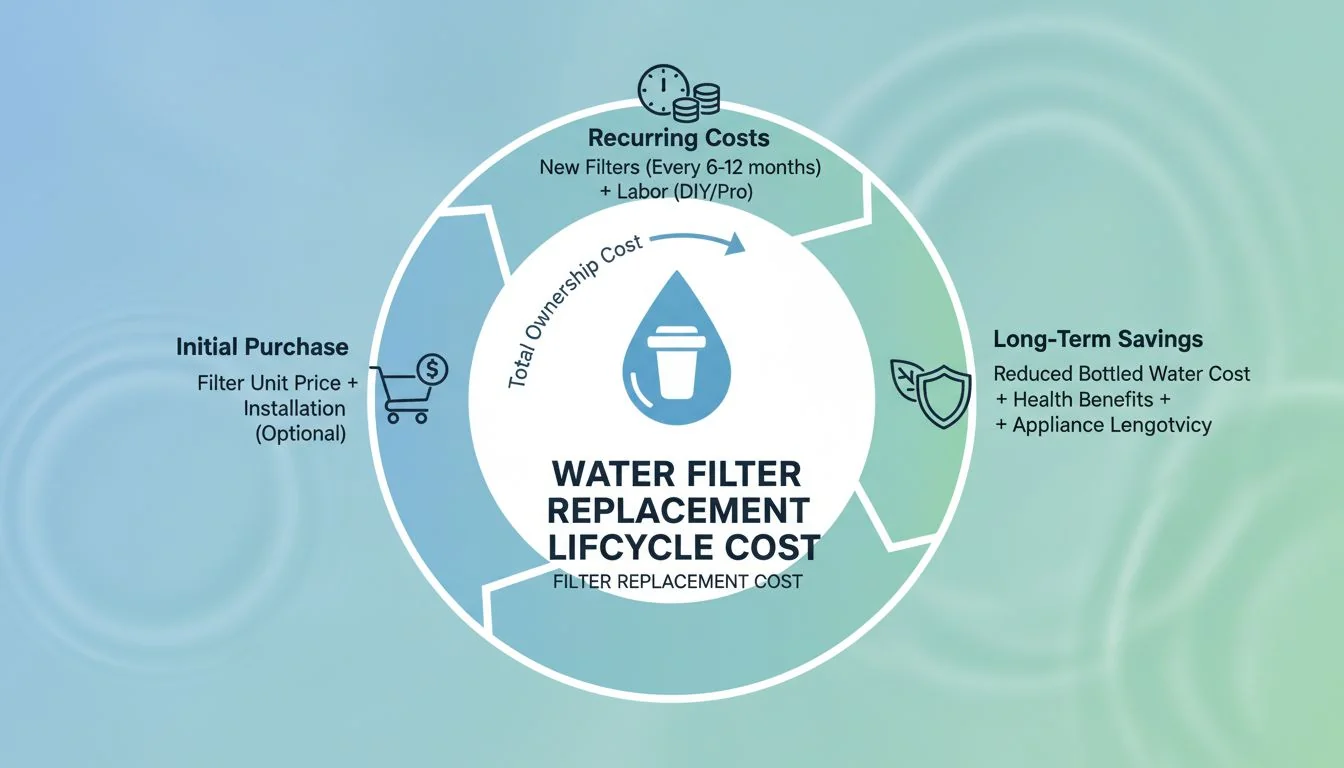
Calculating the Real Cost
Many buyers only look at the sticker price. This is a big mistake. A cheap mold might break after 1,000 shots in the mold industry. A good mold costs more but lasts for 100,000 shots. Water filters are the same. You must calculate the cost of replacement filters over five or ten years. A cheap system often uses very expensive replacement cartridges.
Assigning Maintenance Roles
You must decide who will change the filters. Will the base facility team do it? Or will you hire an outside contractor? You must define this in your procurement plan.
| Factor de coste | Initial Purchase | 5-Year Lifecycle |
|---|---|---|
| Hardware | Alta | Zero |
| Replacement Filters | Zero | High (recurring) |
| Labor to Swap | Zero | Medium (recurring) |
You must buy systems with easy-to-swap modules. You save a lot of labor money if the facility team can change the filter in two minutes. Please share your water test reports and building information with us. We can help you find the right hardware.
The initial purchase price is the only cost associated with water filtration systems.Falso
Lifecycle costs include replacement filters, maintenance labor, and potential repairs over the system's life.
Standardized filter modules can reduce long-term maintenance expenses.Verdadero
Standardized parts are usually cheaper to buy in bulk and easier for technicians to replace quickly.
Conclusión
Procurement teams must focus on certifications, phased installations, and lifecycle costs. You can safely upgrade barracks drinking water without major disruptions by choosing the right replaceable modules.
References
-
Explore effective PFAS water retrofit solutions to ensure safe drinking water in military barracks. ↩
-
Discover the advantages of replaceable filter modules for maintenance and cost-effectiveness in water filtration. ↩
-
Learn how phased deployments minimize disruptions during water system upgrades in occupied barracks. ↩



 English
  Français
  Español
  Italiano
  Deutsch
  Português
  Русский
  العربية
  日本語
日本語  한국어
한국어  Tiếng Việt
