
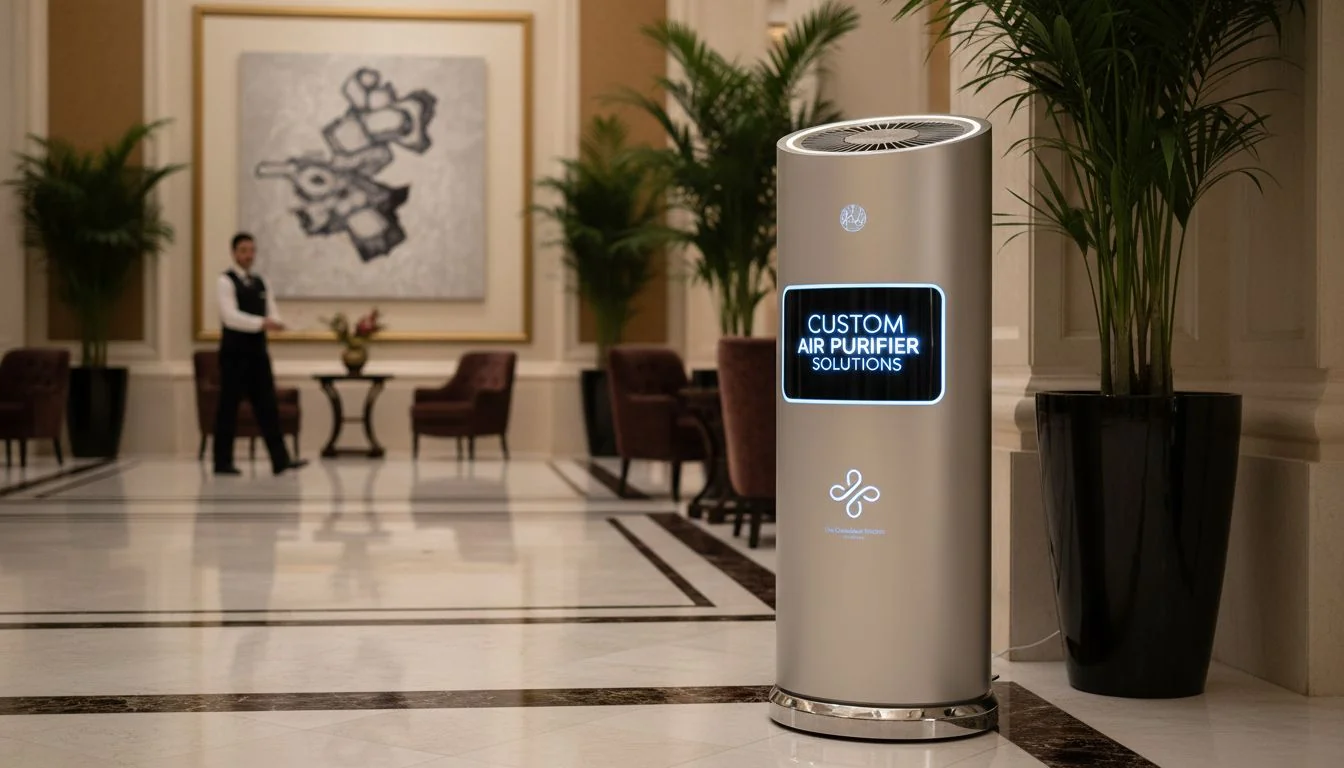
Hotel chains struggle with bad air quality. Guests complain, and standard purifiers break easily. I will show you how to build custom air purifiers that solve this problem forever.
Building custom air purifiers for hotel chains requires a strict focus on consistency. You must freeze the design, lock the supply chain, and hold quality constant across thousands of units. Chains do not want novelty. They want the exact same reliable product for every room and every future reorder.

When I first started in the mold industry, I thought a great design was enough. But I quickly learned that making one good unit is easy. Making ten thousand identical units is the real test. Let us look at how we can master this process for hotel chains.
Hotel chains prefer new and unique air purifier designs every year.Falso
Chains want the exact same product identically across every property and reorder for years to ensure consistency.
Locking the supply chain is critical for long-term production success.Verdadero
A locked supply chain ensures that the third production run matches the first run perfectly.
Why Do Chains and Multi-Property Groups Need a Standardized Approach?
Managing different purifiers across hotels is a nightmare. Maintenance costs go up, and filters never match. A standardized approach fixes this mess and saves money.
Chains need a standardized approach because it guarantees uniform guest experiences and simplifies maintenance. Using one locked design across all properties means staff only need to stock one type of filter and learn one repair process.
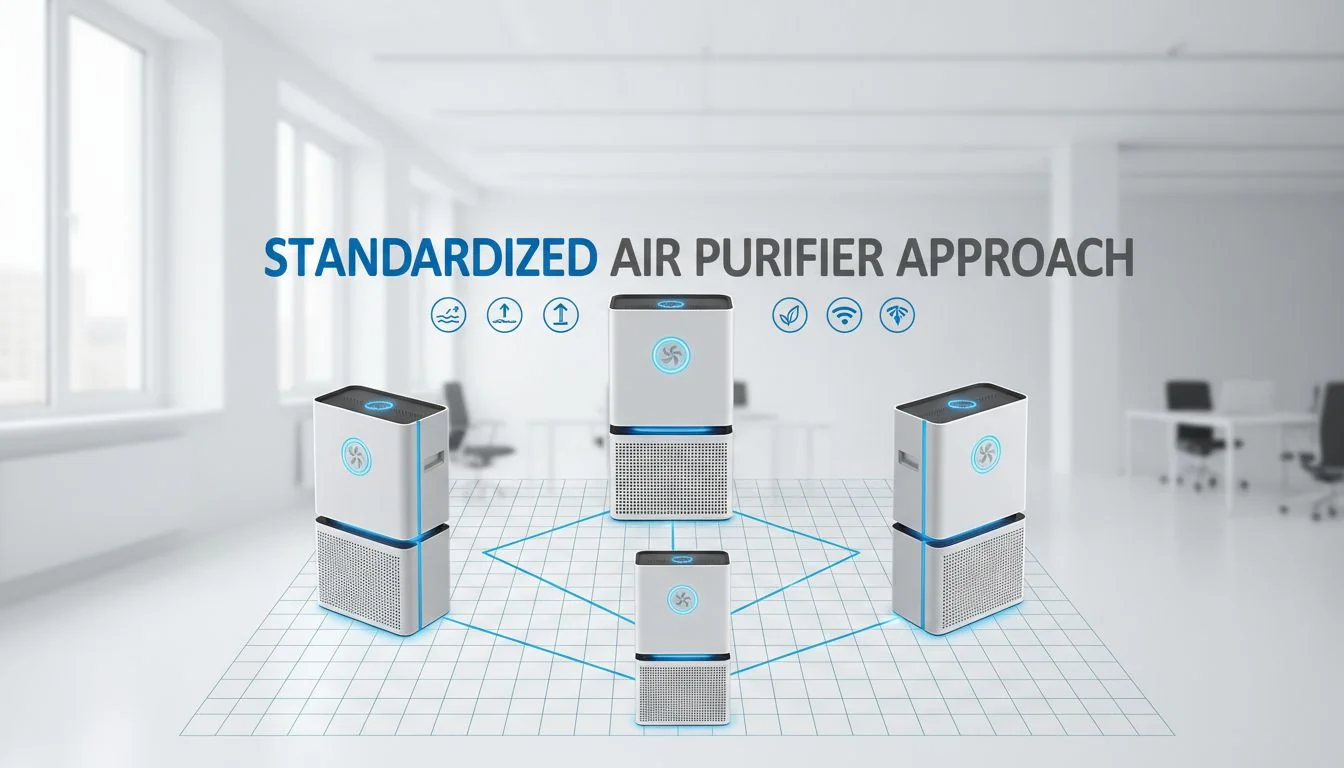
The True Cost of Inconsistency
When I talk to hotel managers, they always complain about spare parts. If a chain buys off-the-shelf purifiers, the manufacturer might change the model next year. Then, the hotel has to buy different filters. This ruins their budget. As mold designers, we must think about the long game. We need to design a plastic housing that is easy to mold for years without tool wear. We must choose standard resins that will not disappear from the market.
| Problem with Off-the-Shelf | Benefit of Standardized Custom Design |
|---|---|
| Models change every year | Design is frozen for 5+ years |
| Multiple filter sizes needed | Only one filter size to stock |
| Inconsistent plastic colors | Exact CMF matching across all batches |
| High long-term maintenance cost | Low and predictable maintenance cost |
You must design the mold with high-grade steel like H13. This ensures the mold lasts for hundreds of thousands of shots. The goal is to make the unit from year three look exactly like the unit from year one. Consistency is the only thing that matters here.
Off-the-shelf purifiers are cheaper for hotel chains in the long run.Falso
They are more expensive because models change, requiring different filters and parts over time.
Using high-grade steel for molds ensures long-term consistency.Verdadero
High-grade steel like H13 prevents tool wear, keeping the plastic parts identical over many production runs.
How Do We Define Requirements for Rooms, Volumes, and Brand Standards?
Guessing room sizes leads to weak air flow or loud machines. Guests cannot sleep, and brands look bad. We must define exact requirements before we cut any steel.
Defining requirements means matching the Clean Air Delivery Rate (CADR) to the specific room volume. We also must align the plastic finish and colors with the hotel's brand standards. This ensures the purifier works quietly and looks like it belongs in the room.
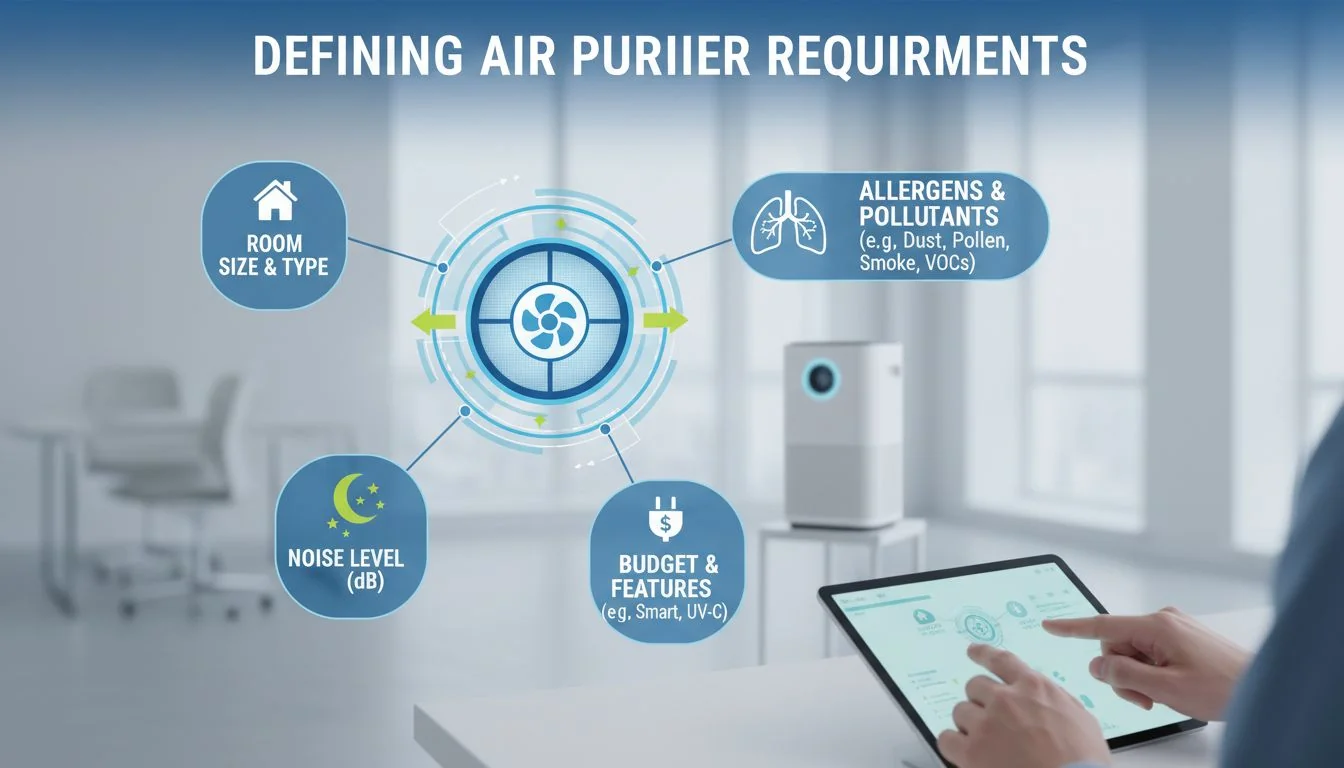
Matching Engineering to Hotel Needs
I remember a project where the client wanted a tiny purifier for a massive suite. I had to explain that the fan would run at maximum speed all night. It would sound like a jet engine. We must calculate the room volume first. Then, we design the internal layout to fit a fan big enough to run quietly.
| Requirement Type | What We Must Define | Why It Matters |
|---|---|---|
| Room Volume | CADR and fan size | Ensures quiet operation and clean air |
| Brand Standards | Pantone colors and textures | Keeps the hotel room looking premium |
| User Interface | Simple buttons or touch panels | Guests need to use it without a manual |
For mold designers like you, this means planning the draft angles and wall thickness carefully. If the brand wants a matte finish, we need to apply the right mold texture. We must also make sure the plastic walls are thick enough to block the noise from the motor. Every detail must serve the hotel's specific needs.
A small fan running at high speed is best for large hotel rooms.Falso
A small fan at high speed is too loud. A larger fan running slowly is quieter and better for sleep.
Mold texture affects how the final product matches brand standards.Verdadero
The texture applied to the mold determines if the plastic has a glossy or matte finish, which must match the brand.
What Happens During the Design and CMF Customization Phase?
Ugly purifiers ruin beautiful hotel rooms. If the color fades or the plastic scratches easily, the unit looks cheap. Proper CMF design stops these issues before they start.
The Design and CMF phase locks in the visual identity. We select UV-resistant plastics and apply durable mold textures. This ensures the purifiers match the hotel decor and resist scratches from daily cleaning and guest use.
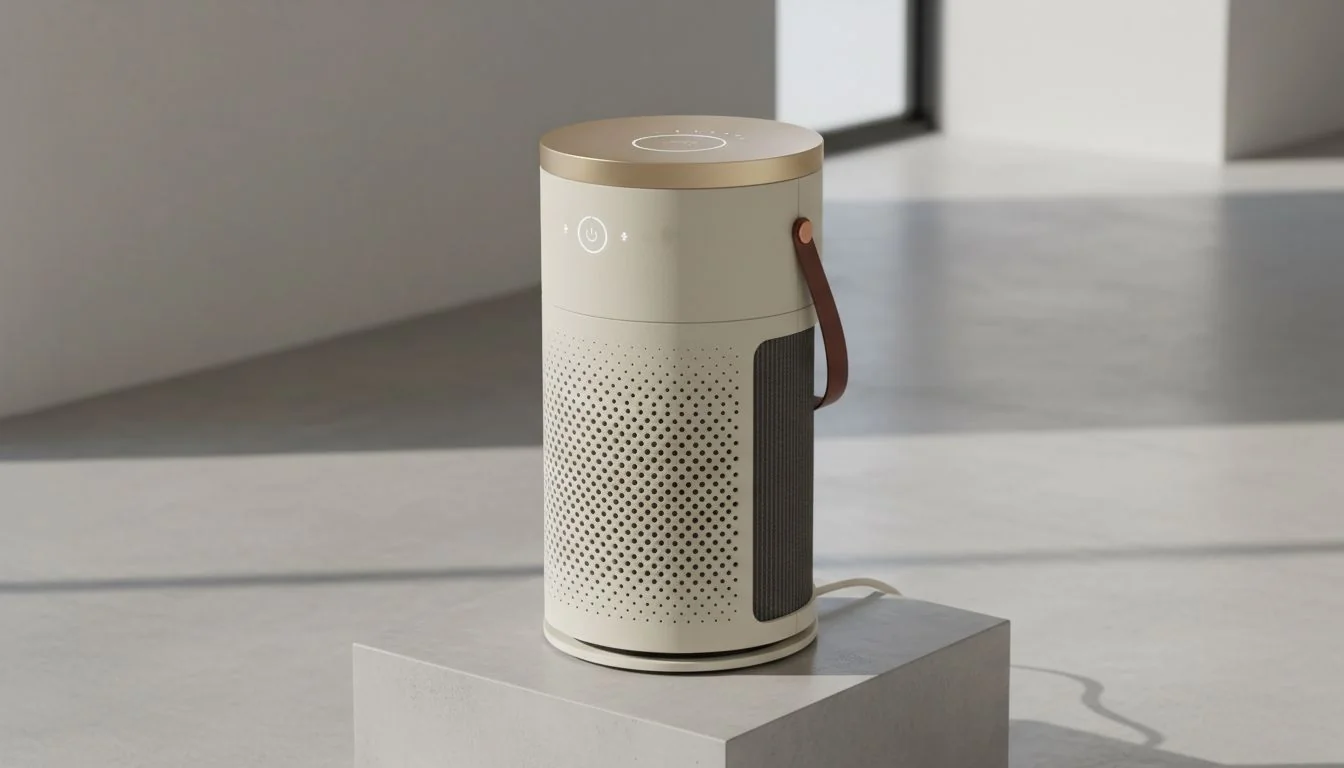
Selecting the Right Materials and Finishes
In my early days, I saw a batch of white plastic parts turn yellow after six months near a window. It was a disaster. For hotel chains, we must use UV-stabilized ABS or PC/ABS blends. The CMF phase is where we make these choices. We do not just pick a color. We pick a material that survives harsh hotel cleaning chemicals.
| CMF Element | Our Choice for Hotels | Reason |
|---|---|---|
| Color | Custom Pantone match | Fits the specific hotel brand identity |
| Material | UV-stabilized PC/ABS | Prevents yellowing and adds impact strength |
| Finish | VDI 3400 matte texture | Hides fingerprints and minor scratches |
When you design the mold, you must account for the shrinkage of these specific blends. PC/ABS shrinks differently than standard ABS. If you get this wrong, the parts will not fit together. The parting lines must be hidden. Hotel guests will notice sharp edges or ugly gaps. We must design the mold to produce flawless surfaces every single time.
Standard ABS plastic is the best choice for products placed near windows.Falso
Standard ABS will turn yellow from UV light. UV-stabilized plastics must be used.
Matte finishes help hide fingerprints on plastic products.Verdadero
Matte textures scatter light, making fingerprints and small scratches much less visible than on glossy surfaces.
How Do We Handle Prototyping, Sampling, and Validation?
Skipping prototypes leads to expensive mold mistakes. If parts do not fit, you waste weeks fixing steel. Proper sampling catches errors early and saves your project timeline.
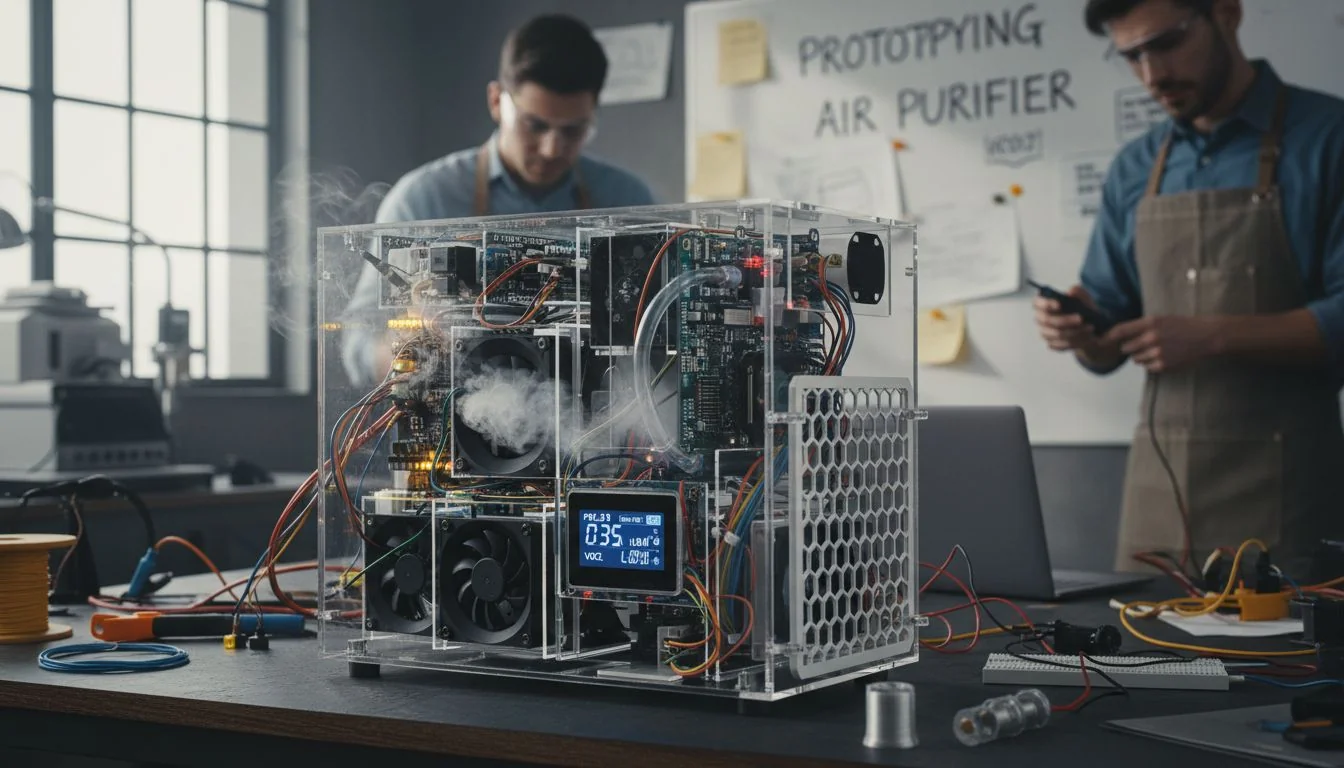
Prototyping and sampling validate the design before mass production. We use CNC machining or 3D printing to test the fit and airflow. Then, we do a trial mold run to check for shrinkage, warping, and assembly issues. This step proves the design works in real life.
The Importance of T1 Samples
I always tell my clients that the first mold trial is the moment of truth. You can do all the CAD simulations in the world, but melted plastic has a mind of its own. During validation, we assemble the first plastic parts. We check for sink marks, flash, and warping. We also test the drop strength.
| Validation Step | Método | Goal |
|---|---|---|
| Fit Test | Assemble T1 plastic parts | Ensure no gaps and smooth snapping |
| Airflow Test | Run the fan with filters | Verify CADR and check for air leaks |
| Noise Test | Measure decibels in a quiet room | Ensure the unit meets sleep standards |
If the parts warp, we might need to adjust the cooling channels in the mold. If there are sink marks, we might need to change the gate size or adjust the holding pressure. We must fix all these mold issues now. Once the chain approves the golden sample, we freeze the design. We cannot change anything after this point.
CAD simulations guarantee that the first molded part will be perfect.Falso
Simulations are helpful, but real-world molding often reveals issues like warping or sink marks that need fixing.
The golden sample is the final approved unit used as a standard for mass production.Verdadero
Once the golden sample is approved, the design is frozen and all future units must match it exactly.
Why is Certification and Compliance Planning by Region Important?
Selling uncertified electronics is illegal and dangerous. If a purifier catches fire, the hotel faces lawsuits. We must plan for regional certifications to keep everyone safe and legal.
Certification planning ensures the air purifier meets local safety and electrical standards. Different regions require different marks, like UL for North America or CE for Europe. We must design the plastic housing to pass strict flammability tests and ensure the electrical components are fully compliant.
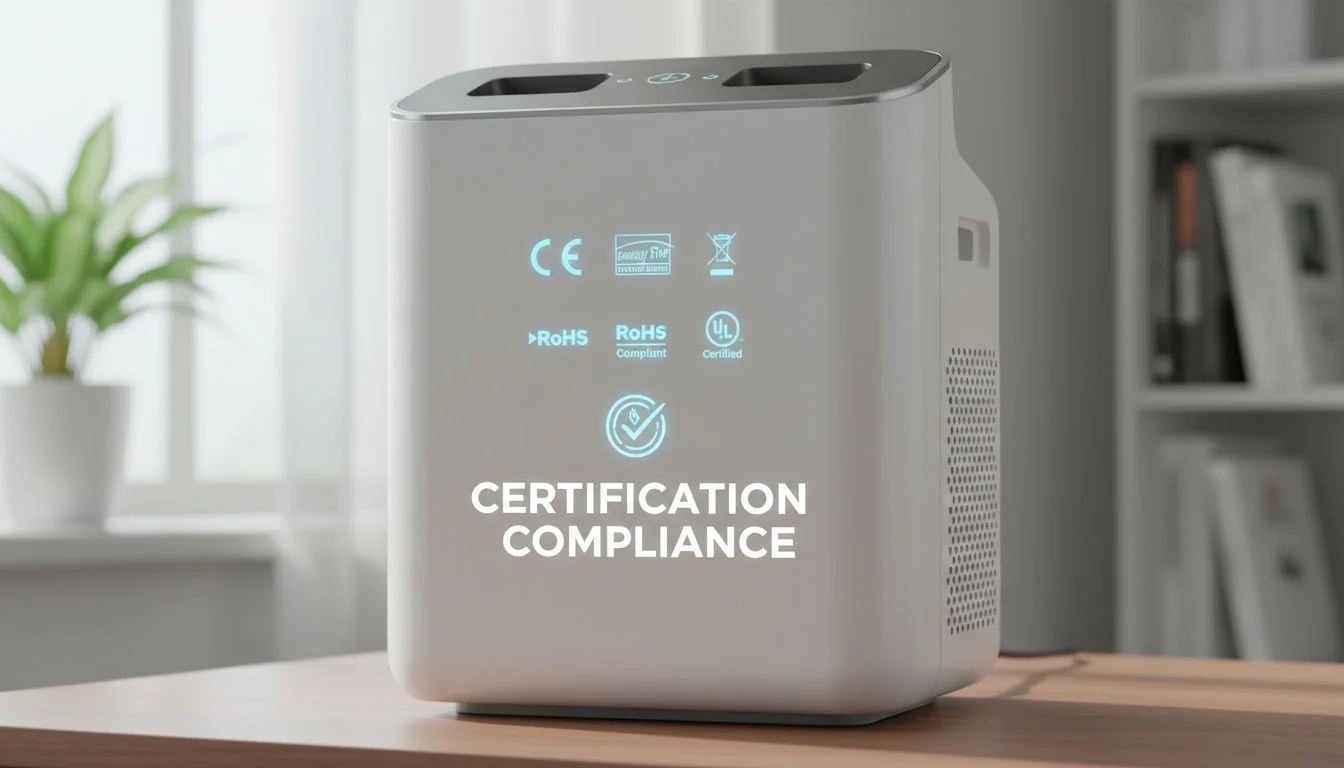
Designing for Safety Standards
I once had a project delayed by three months because the plastic housing failed a flammability test. We had to change the resin, which changed the shrinkage rate. We had to modify the mold. It was a costly lesson. Now, I always check the certification requirements before I start the CAD design.
| Región | Common Certification | Key Requirement |
|---|---|---|
| North America | UL / ETL | Strict electrical safety and fire resistance |
| Europe | CE / RoHS | Safety, health, and restriction of hazardous substances |
| Global | ISO 9001 | Consistent quality management in the factory |
For hotel chains, safety is the top priority. We must use flame-retardant plastics, like V-0 rated PC/ABS. These materials can be harder to mold. They degrade easily if the barrel temperature is too high. As a mold designer, you must design optimal runner systems to keep the material flowing smoothly without overheating. Compliance is not just paperwork. It dictates our mold design choices.
You can use any type of plastic for electronic housings as long as it looks good.Falso
Electronic housings must use specific flame-retardant plastics to pass safety certifications like UL.
Flame-retardant plastics can degrade if the molding temperature is too high.Verdadero
Materials like V-0 rated PC/ABS are sensitive to heat and require careful temperature control during injection molding.
How Do We Scale to Mass Production While Holding Quality Consistency?
Making ten units is easy. Making ten thousand units without defects is incredibly hard. If quality drops during mass production, the hotel chain will cancel the contract.
Scaling to mass production requires strict process control to hold quality consistent. We lock the injection molding parameters, such as temperature, pressure, and cooling time. We also lock the supply chain for raw materials. This ensures the ten-thousandth unit is exactly the same as the first golden sample.
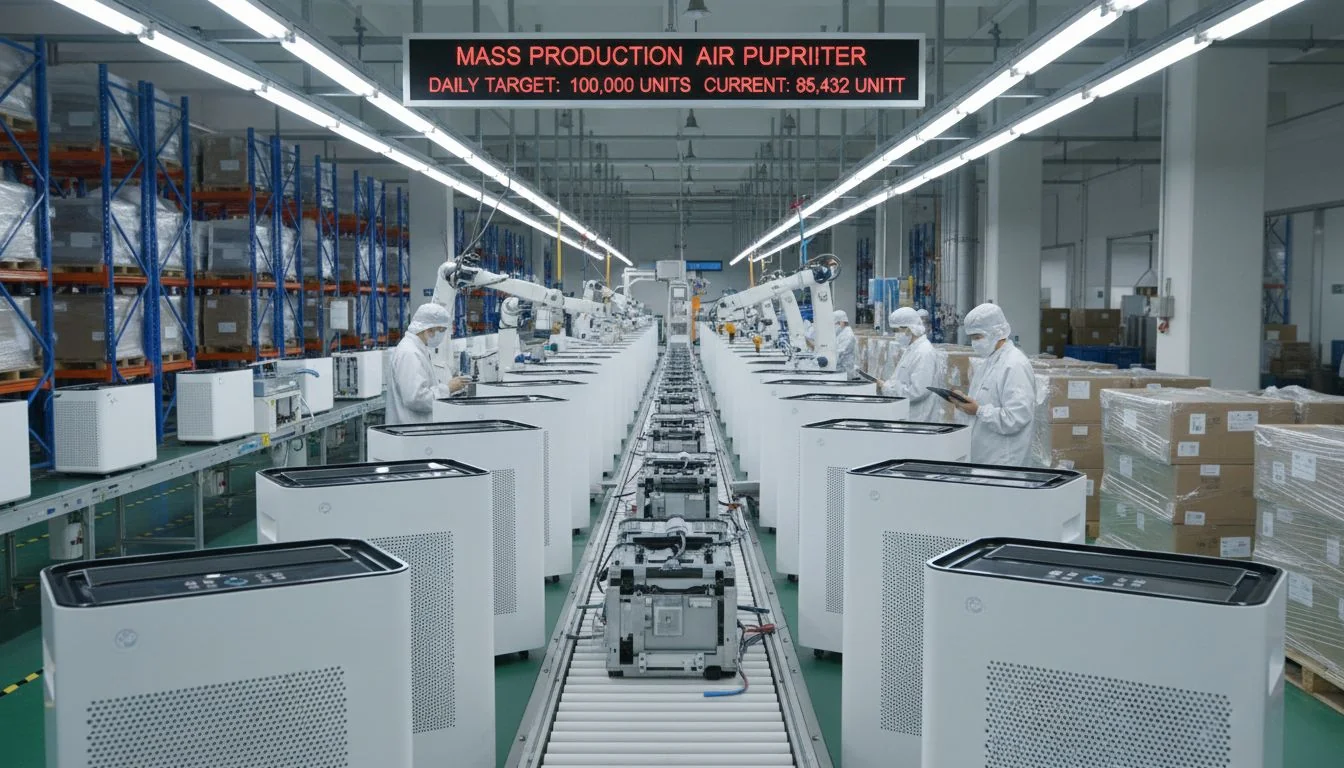
Locking the Process Parameters
Suppliers who treat a chain rollout like a normal consumer order always fail. They might switch to a cheaper plastic resin in year two to save money. Suddenly, the parts do not fit right, or the color is slightly off. The hotel chain notices immediately. We must lock everything.
| Parameter to Lock | Why We Lock It | Consequence of Changing It |
|---|---|---|
| Resin Supplier | Ensures consistent material properties | Shrinkage changes, parts fail to assemble |
| Injection Pressure | Keeps part dimensions stable | Parts get flash or short shots |
| Cooling Time | Prevents warping after ejection | Parts bend and look terrible |
I always document the exact molding parameters on a setup sheet. The factory must follow this sheet for every production run. We also implement strict quality checks. We measure the critical dimensions of the plastic parts every few hours. If a dimension drifts, we stop the machine and fix the issue. Consistency is what the chain is buying, not just a machine.
Changing the resin supplier during mass production is a safe way to save money.Falso
Changing suppliers alters material properties, which changes shrinkage rates and ruins part dimensions.
Documenting injection molding parameters ensures consistent part quality across different production runs.Verdadero
Using a setup sheet guarantees the machine uses the exact same pressure, heat, and time for every batch.
How Do We Manage Rollout, Logistics, and Filter Supply Across Properties?
Shipping thousands of purifiers to different hotels is chaotic. If filters arrive late, the machines become useless. Poor logistics will ruin a great product launch.
Managing the rollout requires careful logistics and a reliable filter supply chain. We must package the units securely to prevent damage during shipping. We also set up an automated reorder system for filters, ensuring every hotel property always has the exact replacement parts they need on time.
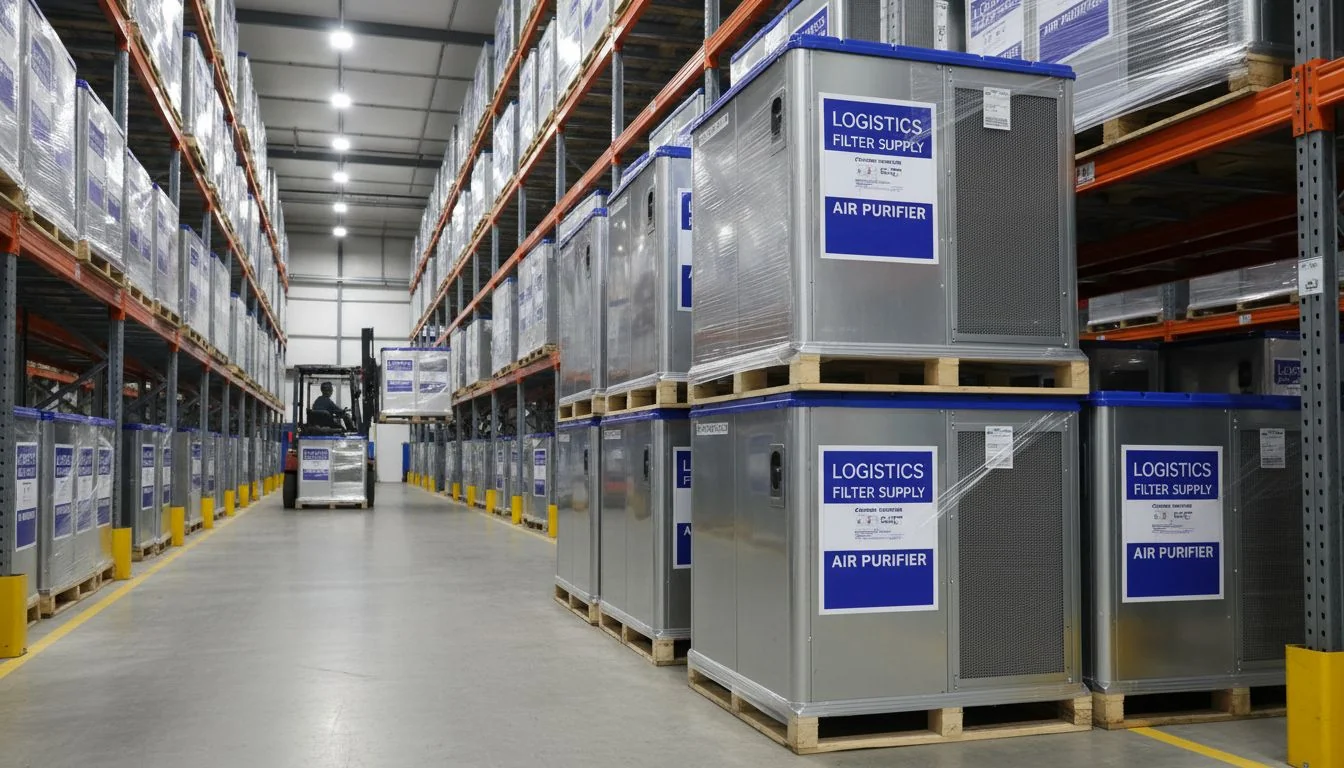
Designing for Shipping and Maintenance
I learned early on that a beautiful product is useless if it breaks in the mail. We must design the packaging at the same time we design the mold. The plastic housing must be strong enough to survive drop tests inside the box. We also need to think about the filters.
| Logistics Element | Our Strategy | Benefit to the Hotel Chain |
|---|---|---|
| Packaging | Custom EPS foam and strong cartons | Zero damage during transit |
| Filter Supply | Long-term contract for identical filters | No guessing which filter to buy |
| Delivery Schedule | Phased rollout by region | Smooth installation without overwhelming staff |
The filter door on the purifier must be perfectly designed. Hotel staff will open and close this door hundreds of times over the years. The plastic hinges and snap fits must be robust. If the snap fit breaks, the door falls off, and the unit looks broken. We use fatigue-resistant plastics like POM for these small, moving parts to ensure they last forever.
Packaging design should only start after mass production is finished.Falso
Packaging must be designed alongside the product to ensure it passes drop tests and protects the units.
POM plastic is an excellent choice for snap fits and hinges.Verdadero
POM has high fatigue resistance, meaning it can bend many times without breaking, perfect for filter doors.
What Does Ongoing Support and Lifecycle Management Look Like?
When a purifier breaks in year four, the hotel needs a fix fast. If you stop making spare parts, the hotel loses money. Long-term support builds lasting trust.
Ongoing support and lifecycle management mean keeping the molds maintained and spare parts available for years. We store the steel molds safely to prevent rust. When the hotel chain needs a new batch of front covers or replacement fans in five years, we can produce them identically.
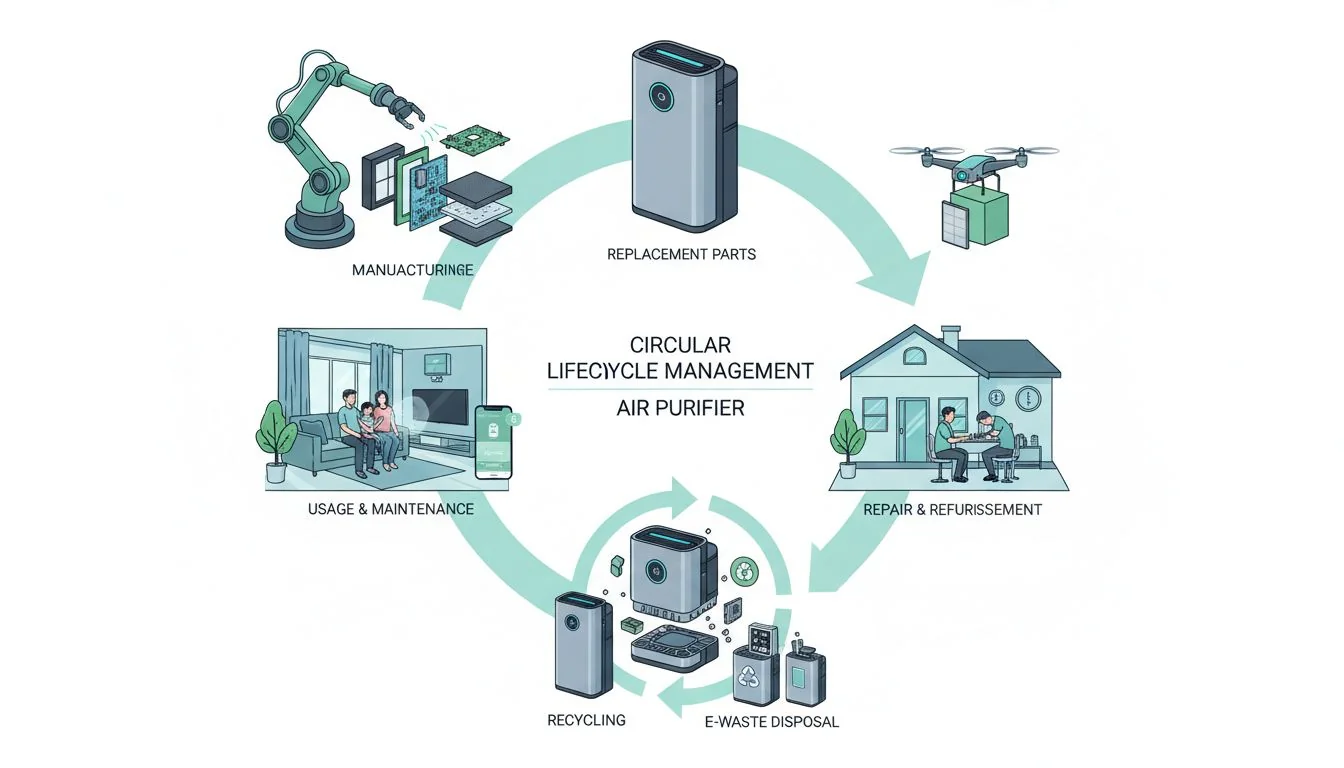
Maintaining Molds for the Long Term
A hotel chain expects a product lifespan of five to ten years. This means our injection molds must survive that long. After every production run, we must clean the mold, spray it with anti-rust oil, and store it in a dry place. I have seen neglected molds rust so badly they had to be scrapped.
| Lifecycle Task | Action Required | Why It Is Important |
|---|---|---|
| Mold Maintenance | Clean and oil molds after use | Prevents rust and damage to the steel |
| Spare Parts Inventory | Keep a small stock of critical parts | Allows fast repairs for the hotels |
| End of Life | Plan for plastic recycling | Helps the hotel meet sustainability goals |
If a mold gets damaged, we must repair it using laser welding to keep the dimensions exact. We cannot just grind away the steel, or the new parts will not fit the old units. Lifecycle management is about protecting the hotel's investment. By keeping the molds in perfect condition, we guarantee that the chain can always get the exact same product, year after year.
Molds can be left on the factory floor without maintenance between production runs.Falso
Molds must be cleaned and coated with anti-rust oil to prevent severe damage during storage.
Laser welding is used to repair molds without changing their original dimensions.Verdadero
Laser welding adds precise amounts of steel to damaged areas, allowing us to restore the mold to its exact original shape.
Conclusión
Building custom air purifiers for hotel chains requires strict consistency, locked supply chains, and durable mold designs. Mastering this process ensures long-term success and perfectly identical products for years.



 English
  Français
  Español
  Italiano
  Deutsch
  Português
  Русский
  العربية
  日本語
日本語  한국어
한국어  Tiếng Việt

