
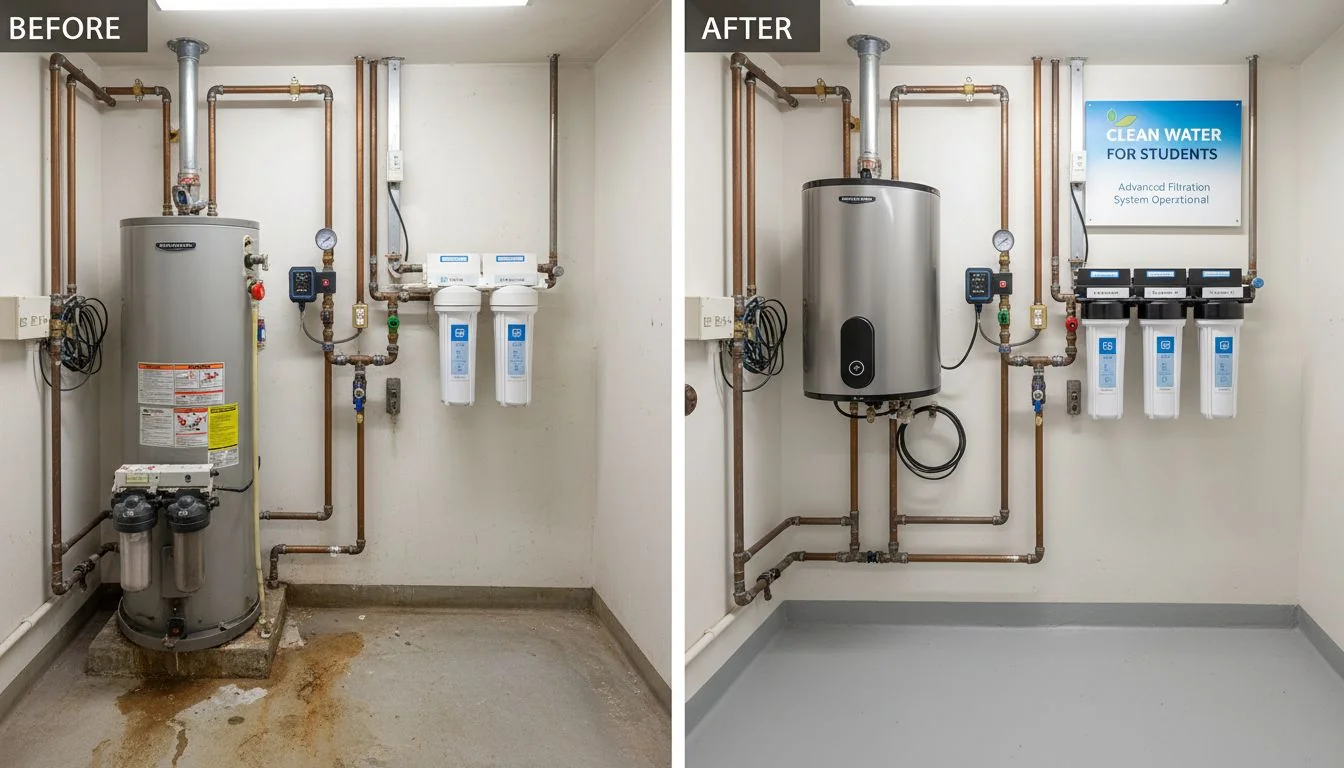
Old school pipes often have bad water. Ripping out walls to fix pipes costs too much. Let us look at two easier ways to add safe water filters today.
Wall-mounted systems are easier for fast, visible updates in public hallways. under-sink systems1 work better for hidden, point-of-use needs inside classrooms. The easiest retrofit depends on your current plumbing layout, available space, and maintenance budget. Neither is perfect for every single school.
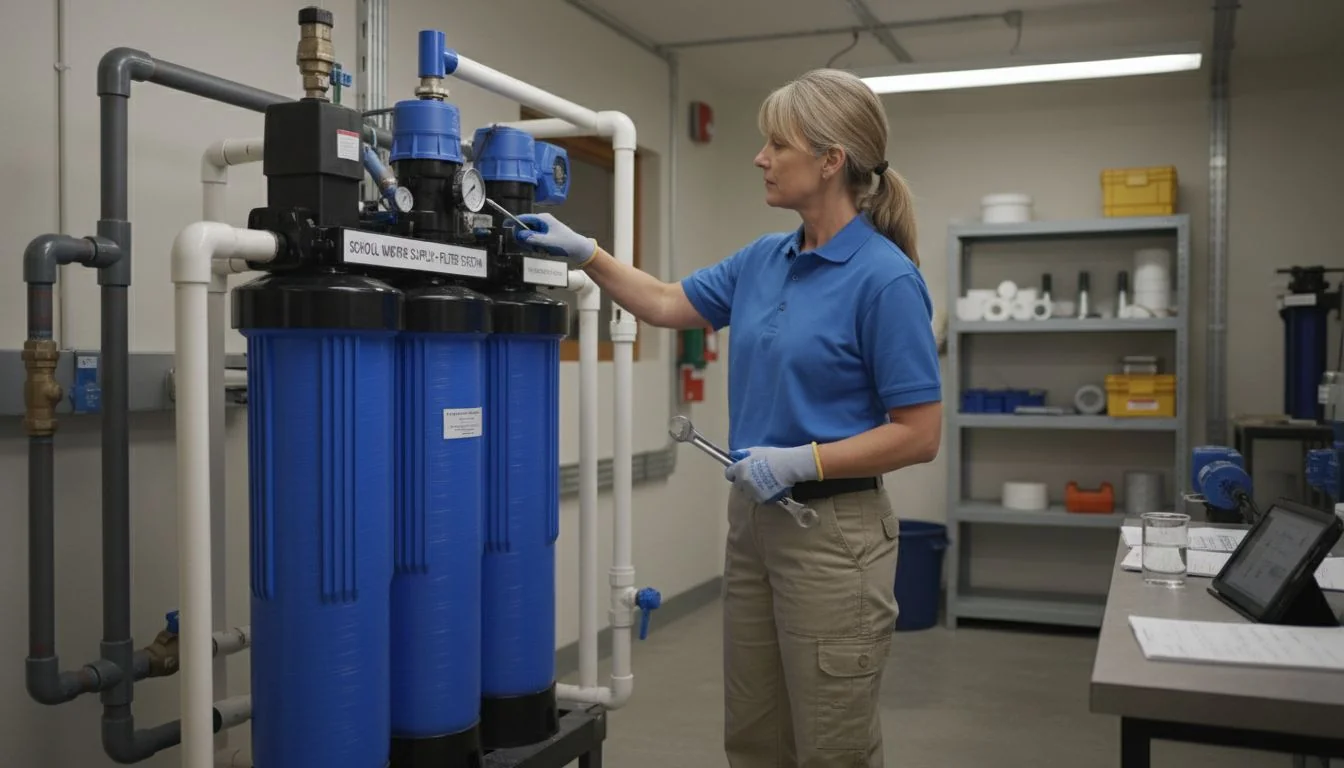
As mold designers, we make the plastic parts for these filters. We must understand how schools actually use them. If we know the struggles of a facility manager, we can design better products. Let us dive into the details so you can see the real-world challenges.
Wall-mounted water filters require zero plumbing work to install.Falso
Wall-mounted units still need to connect to existing water supply lines and drains, which requires some plumbing work.
Under-sink filters treat water right before it comes out of the faucet.Verdadero
These are point-of-use systems that filter the water immediately before dispensing.
What Are the Two Common Retrofit Approaches for School Buildings?
Schools need clean water fast. Choosing the wrong filter type wastes time and money. You must pick between under-sink units and wall-mounted stations to solve this problem.
The two main approaches are under-sink filters and wall-mounted hydration stations. Under-sink units hide below classroom counters. Wall-mounted stations sit in hallways for filling water bottles. Both methods bypass old pipes and filter water right before students drink it.
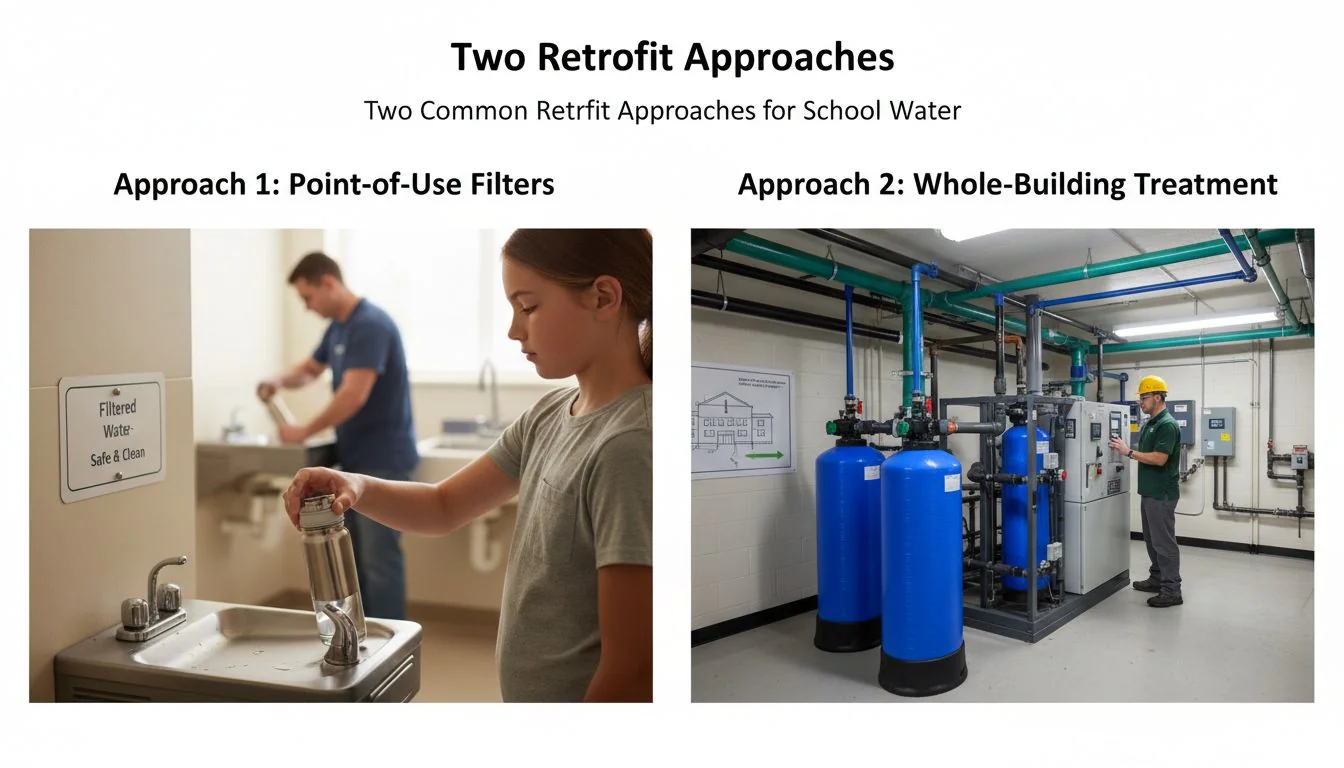
Understanding the Two Options
When I first visited a school to see how our molded filter housings held up, I noticed two distinct setups. The first is the under-sink system. You install this right inside a classroom cabinet. It connects to the existing sink. The second is the wall-mounted system. You see these in hallways. They often have a water fountain and a bottle filler.
Why Location Matters
We must think about where students need water. Classrooms need quick access for young kids. Hallways serve hundreds of older students between classes. As designers, we must know that under-sink units face tight, dark spaces. Wall-mounted units face heavy public use and potential vandalism.
Comparing the Two Approaches
Here is a simple breakdown of the two common methods.
| Característica | Under-Sink System | Wall-Mounted System |
|---|---|---|
| Ubicación | Inside classrooms | Public hallways |
| Visibility | Hidden in cabinets | Highly visible |
| Primary Use | Faucet drinking/washing | Filling water bottles |
| User Volume | Low to medium | Very high |
This table shows why facility managers cannot just pick one at random. They must look at the building layout first.
Under-sink systems are usually installed in high-traffic public hallways.Falso
Under-sink systems are installed inside cabinets, typically in classrooms or staff break rooms.
Wall-mounted stations often include a feature to fill water bottles.Verdadero
Most modern wall-mounted hydration stations are designed with a specific dispenser for reusable water bottles.
How Do Installation Complexity and Plumbing Requirements Compare?
Complex plumbing ruins project budgets. You do not want to tear open brick walls. Let us see which system is actually easier for a plumber to install.
Under-sink systems are usually easier to install. They use the existing classroom sink pipes and need no wall demolition. wall-mounted systems2 are harder. They often require cutting into walls to reach main water lines and drains, plus they need new electrical outlets.
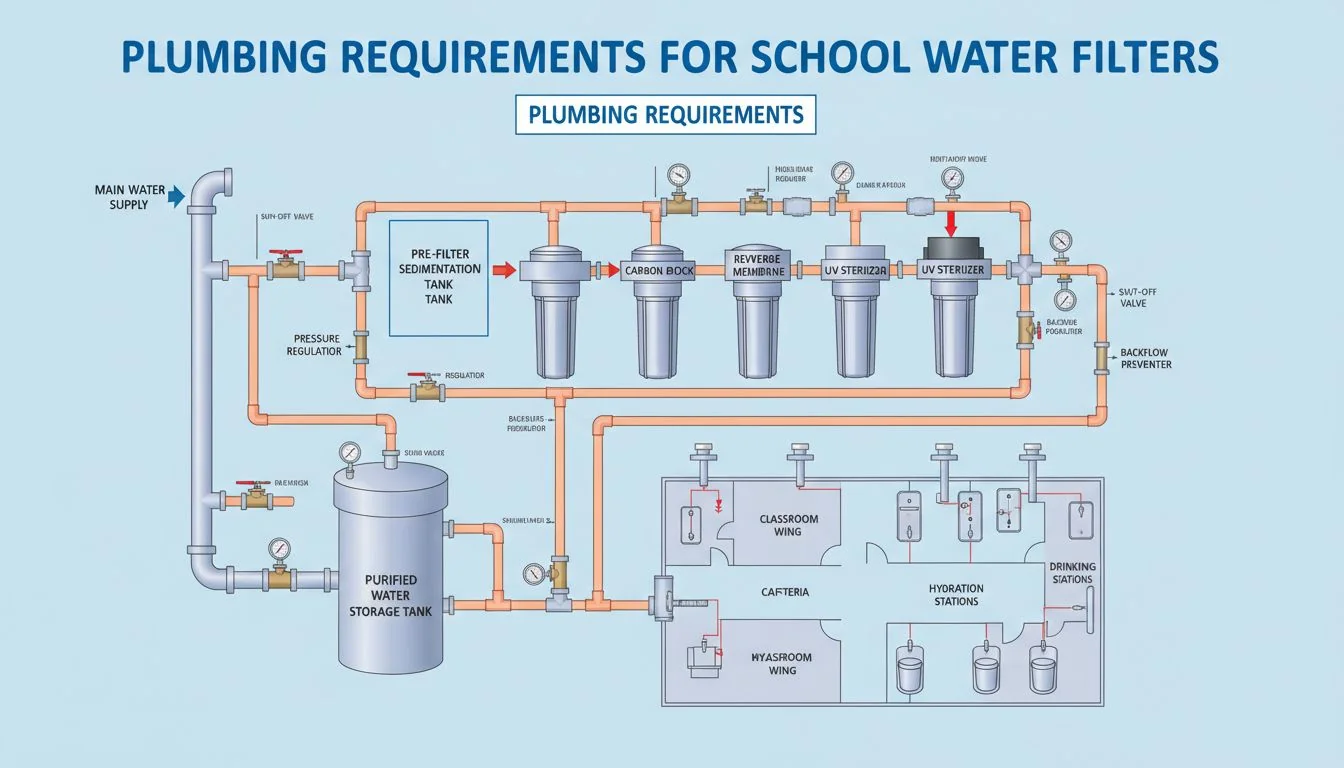
The Reality of Old Pipes
I remember talking to a facility manager named Tom. He told me that old school walls are full of surprises. When you cut into them, you might find asbestos or rusted pipes. This makes installation very tricky.
Under-Sink Installation
Under-sink units are simple. A worker opens the cabinet. They turn off the water valve. They attach the filter bracket to the wood. Then, they connect the hoses. It takes about an hour. There is no wall damage.
Wall-Mounted Installation
Wall-mounted units take much more work. You must mount a heavy metal frame to the wall studs. You need a dedicated drain line. You also need power for the water chiller and the filter lights.
Installation Comparison
| Requirement | Under-Sink | Montaje en pared |
|---|---|---|
| Wall Cutting | Ninguno | Often required |
| Electrical Power | Rarely needed | Usually required |
| Drain Line | Uses existing sink drain | Needs dedicated drain |
| Install Time | 1 to 2 hours | 4 to 8 hours |
As mold designers, we must make under-sink housings compact. We must make wall-mounted housings strong enough to hide complex plumbing.
Wall-mounted water stations always run on battery power.Falso
Most wall-mounted stations require a standard electrical outlet to power the chiller and sensor systems.
Under-sink filters can connect directly to the existing cold water valve.Verdadero
These systems are designed to splice into the existing cold water supply line under a sink.
What Are the Space, Access, and Maintenance Considerations?
Filters need regular changes. If a filter is hard to reach, workers will ignore it. We must look at how space affects daily maintenance tasks.
Wall-mounted units offer easy access. Workers just unlock the front panel to change the filter while standing up. Under-sink units are harder to maintain. Workers must kneel, empty the classroom cabinet, and reach into a dark, cramped space to swap the filter cartridges.
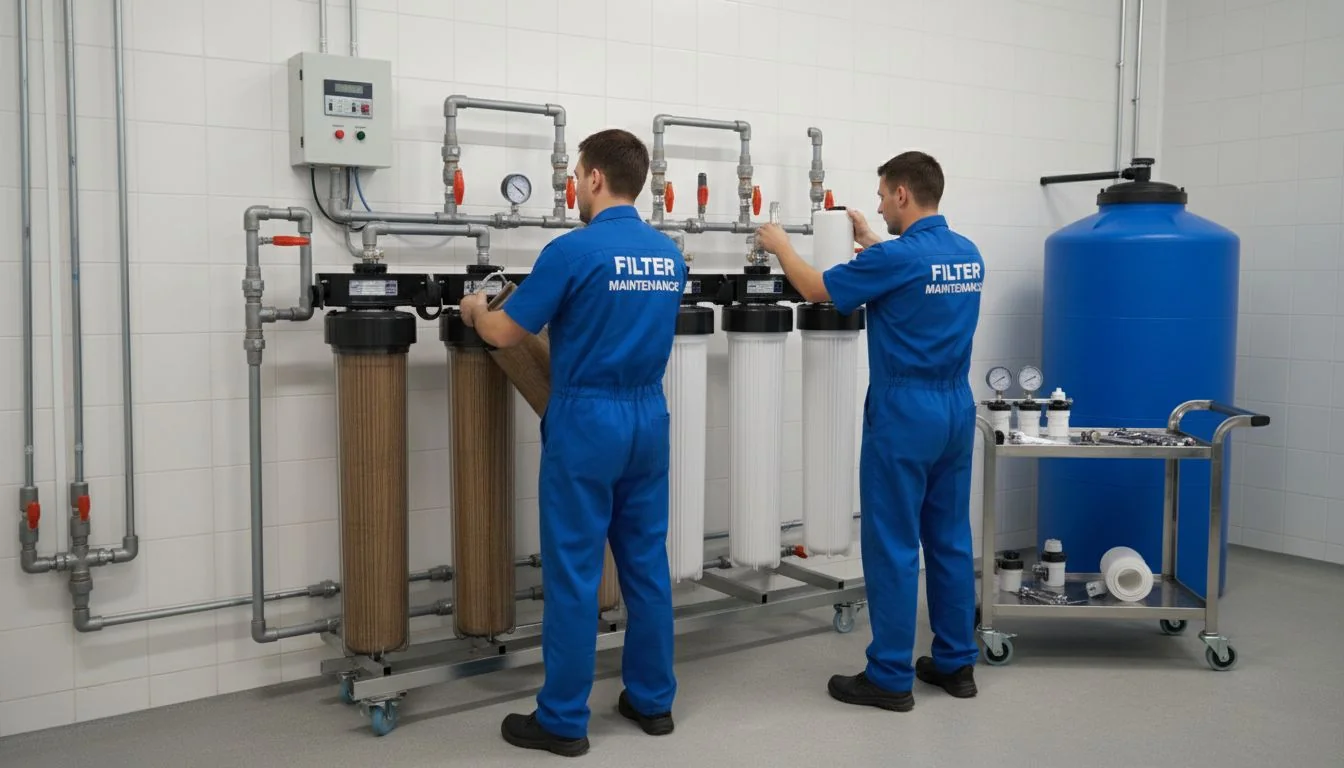
The Maintenance Struggle
Maintenance is a huge part of a facility manager's job. I once designed a mold for a filter cap. I made it too smooth. A worker with wet hands could not twist it off. I learned that access and grip are very important.
Working Under the Sink
Classroom cabinets are full of cleaning supplies and paper. To change an under-sink filter, a worker must move all these items. Then, they must crawl on the floor. The space is dark. It is hard to use tools in there.
Working at the Wall
Wall-mounted systems are much better for the worker. The filter sits behind a simple door. The worker stands up. They open the door, twist the old filter out, and put the new one in. It takes two minutes.
Maintenance Breakdown
| Factor | Under-Sink | Montaje en pared |
|---|---|---|
| Worker Posture | Kneeling or crawling | Standing |
| Space Clearance | Very tight | Open hallway |
| Filter Visibility | Hidden | Indicator lights on front |
| Tool Requirement | Sometimes needs wrenches | Usually tool-free twist |
We must design our plastic parts to be easy to grip, especially for those tight under-sink spaces.
Under-sink filters are easier for maintenance workers to reach than wall-mounted units.Falso
Under-sink filters require workers to bend down and reach into cramped cabinets, making them harder to access.
Many wall-mounted units have indicator lights to show when a filter needs changing.Verdadero
Modern wall-mounted stations feature LED lights that turn red or yellow to signal filter replacement.
What Cost and Disruption Should You Expect for Each Approach?
School budgets are always tight. Closing a hallway for construction disrupts learning. You need to know the real costs and delays before you start a project.
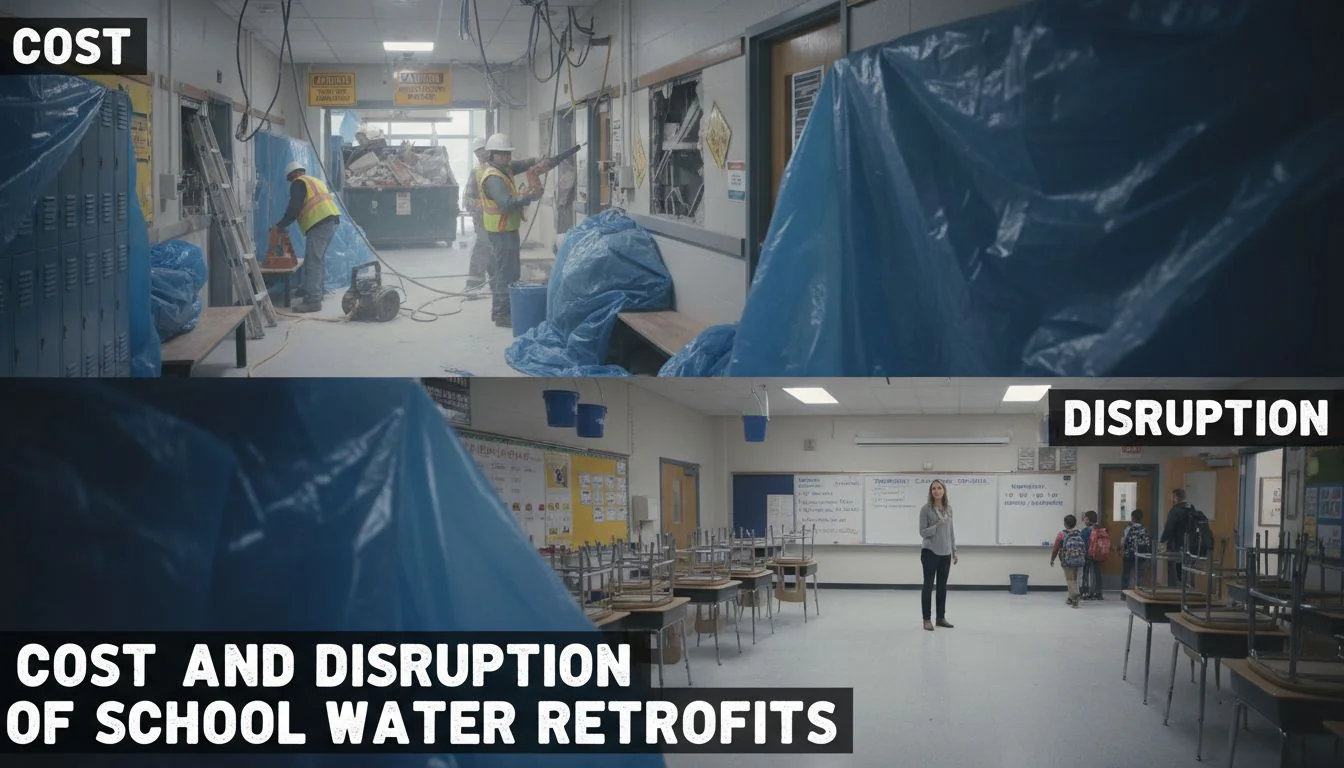
Under-sink retrofits cost less and cause almost no disruption. A worker can install one during a single class period. Wall-mounted retrofits cost much more due to plumbing and electrical work. They also create noise, dust, and hallway closures that can disrupt school days.
The True Cost of Retrofits
When I ran my trading company, I saw how hidden costs ruin projects. The price of the plastic filter housing is small. The cost of the plumber's time is huge. Schools must pay for labor, parts, and sometimes wall repairs.
Under-Sink Costs
Under-sink systems are cheap. The unit itself costs less. The labor is fast. You do not need to hire an electrician. You do not need to paint the walls after the job. A school can upgrade many classrooms for a low price.
Wall-Mounted Costs
Wall-mounted systems are expensive. The machine costs more. You must pay a plumber and an electrician. If they cut the wall, you must pay a drywall worker and a painter. The noise might force the school to do the work on weekends. Weekend labor costs even more.
Cost and Disruption Table
| Factor | Under-Sink | Montaje en pared |
|---|---|---|
| Unit Price | Bajo | Alta |
| Coste laboral | Bajo | Alta |
| Nivel de ruido | Very low | High (drilling, cutting) |
| school disruption3 | Mínimo | High (hallway blocks) |
Knowing these costs helps us understand why schools might choose a cheaper, simpler design over a complex one.
Installing a wall-mounted water station requires no specialized labor.Falso
Wall-mounted stations typically require licensed plumbers and electricians to install correctly.
Under-sink installations can usually be completed without shutting down a school hallway.Verdadero
Because the work is contained within a single classroom cabinet, hallways remain open and usable.
How Do You Match the Approach to Building Age and Layout?
Old buildings have strange layouts. New buildings have strict codes. You cannot force a new system into an old space without a good plan.
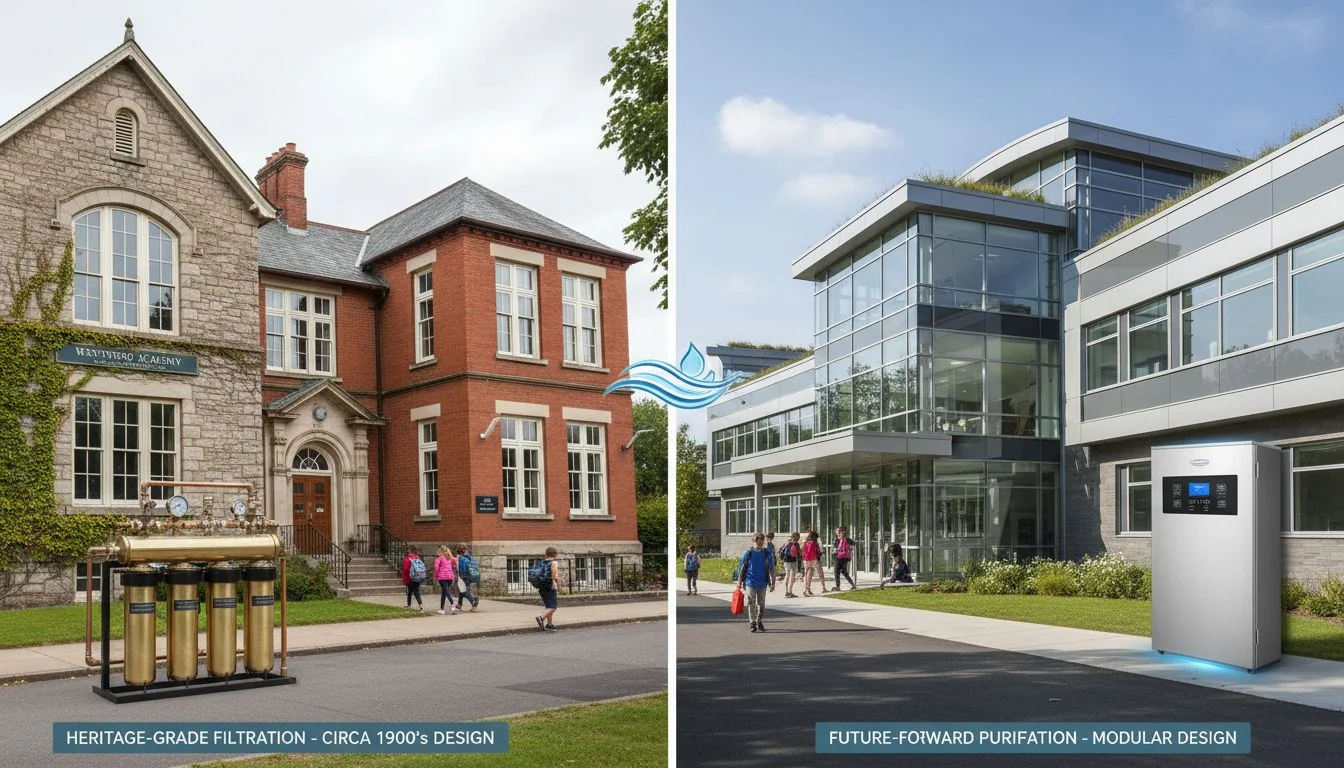
For historic buildings with thick brick walls and old pipes, under-sink systems are best because they use existing classroom plumbing. For newer buildings with drywall and wide hallways, wall-mounted systems work perfectly. You must match the filter type to the physical limits of your school.
Dealing with Historic Schools
Many schools in Canada and the US are over fifty years old. I have seen schools with solid concrete walls. You cannot easily put a new drain pipe in a concrete wall. For these old buildings, under-sink units are a lifesaver. The sink is already there. You just add the filter.
Working with Modern Layouts
Newer schools use drywall and steel studs. It is very easy to cut a hole, run a wire, and patch the wall. These schools also have wide hallways designed for large crowds. Wall-mounted bottle fillers fit perfectly here. They look modern and serve many students quickly.
Layout Matching Guide
| Building Condition | Best Approach | Reason |
|---|---|---|
| Solid brick/concrete walls | Under-Sink | Avoids impossible wall cutting |
| Drywall with easy access | Montaje en pared | Easy to route new pipes/wires |
| Classrooms with existing sinks | Under-Sink | Uses current infrastructure |
| High-traffic gym areas | Montaje en pared | Handles large crowds fast |
As a mold designer, Jacky, you must think about these environments. A product meant for a rough, old school needs a very tough plastic shell.
It is easy to install new in-wall plumbing inside solid concrete walls.Falso
Cutting into solid concrete to add plumbing is extremely difficult, expensive, and sometimes structurally unsafe.
Under-sink filters are a good choice for classrooms that already have a working sink.Verdadero
They easily integrate with the existing water supply and drain, making retrofits simple.
What Is the Best Decision Checklist for Facilities Teams?
Making the final choice is hard. You need a clear way to decide. Let us look at a simple checklist to help you pick the right system.
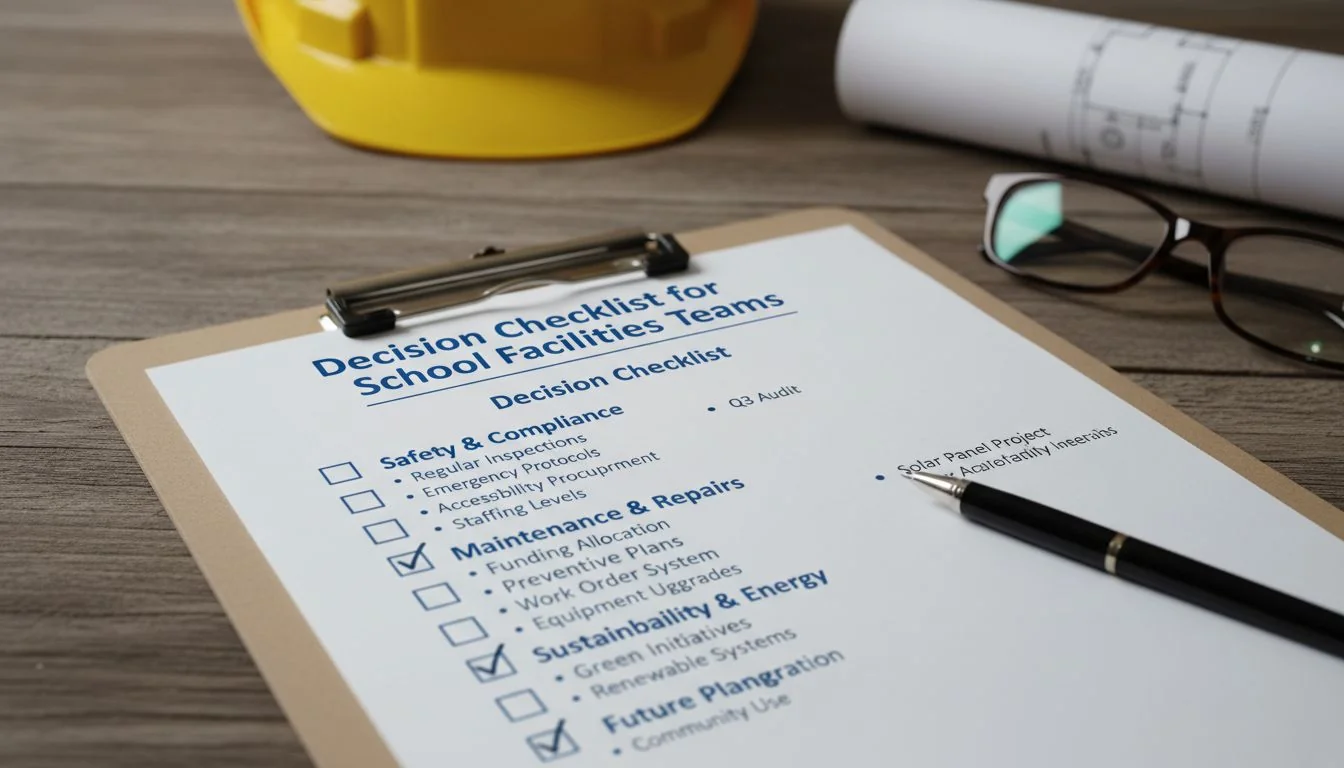
To decide, check your budget first. Then, inspect your wall materials and existing plumbing. Next, count how many students need water in that area. Finally, ask your maintenance team which system they can easily service. This checklist prevents costly mistakes and ensures long-term success.
Building a Decision Matrix
When I ran my CNC company, I used checklists for everything. Facility managers need them too. They cannot guess. They must measure the facts. We should avoid absolute conclusions. Every school is different. A mix of both systems is often the best answer.
The Core Questions
First, ask about the money. Do you have a large grant, or a small repair budget? Second, ask about the space. Is there room in the hallway? Third, ask about the staff. Do you have enough workers to crawl under fifty sinks every six months?
The Facility Checklist
Here is a matrix to guide the final choice.
| Question | If Yes -> Choose Under-Sink | If Yes -> Choose Wall-Mounted |
|---|---|---|
| Is the budget very small? | Sí | No |
| Are walls made of solid brick? | Sí | No |
| Is it for a busy hallway? | No | Sí |
| Do you want visible public upgrades? | No | Sí |
By understanding this checklist, we can design products that fit exactly what the market needs. We solve real problems for real people.
A school must choose only one type of water filtration system for the entire building.Falso
Schools often use a hybrid approach, placing wall-mounted units in hallways and under-sink units in classrooms.
Checking the wall material is a critical step before buying a wall-mounted water station.Verdadero
Wall material determines the difficulty and cost of installation, making it a vital planning step.
Conclusión
Choosing between under-sink and wall-mounted filters depends on your school's budget, plumbing, and layout. By understanding these real-world needs, we can design better, more useful products for everyone.


 English
  Français
  Español
  Italiano
  Deutsch
  Português
  Русский
  العربية
  日本語
日本語  한국어
한국어  Tiếng Việt

