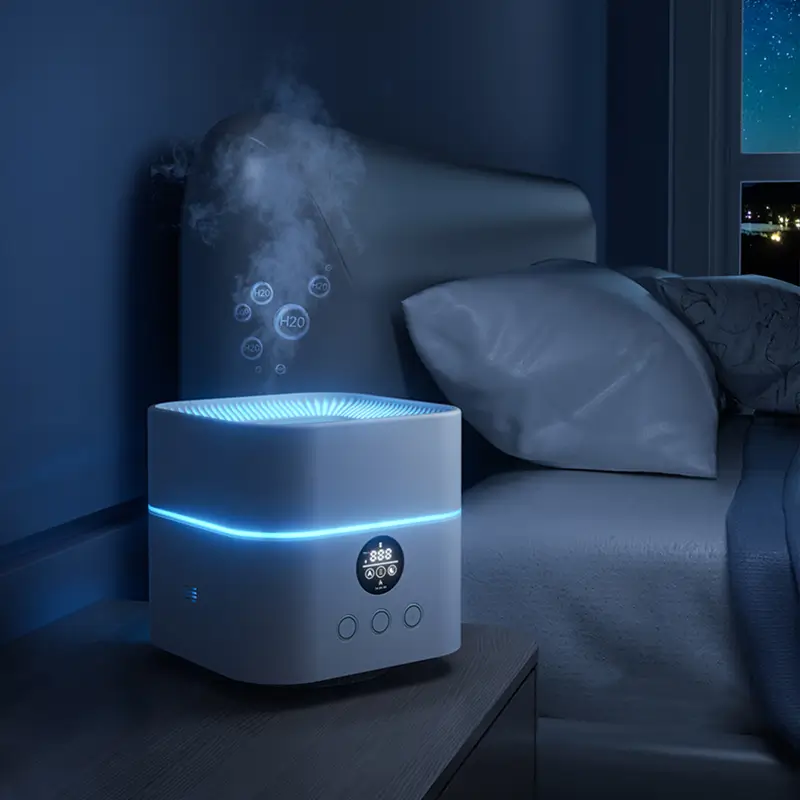
In today’s fast-paced business landscape, delivering exceptional indoor air quality (IAQ) solutions is key to building strong brand value and market competitiveness. Among IAQ products, humidifiers are often the unsung heroes essential for improving sleep, easing respiratory discomfort, and creating healthier living environments.
For corporate buyers like Marshal Steriol, choosing a high-performance, differentiated bedroom humidifier is more than meeting end-user demand it’s about offering superior value and standing out in a crowded market. Ideal bedroom humidity (30–50%) not only enhances comfort but also reduces the survival of airborne viruses, making humidifiers a vital part of modern wellness.
At HisoAir, we specialize in ODM IAQ product development for North American clients, combining top-tier quality, innovation, and low-noise, large-airflow design. With manufacturing bases in China, Vietnam, and Thailand, we deliver tailor-made solutions that help our partners lead in performance, aesthetics, and reliability.
This guide will help you navigate humidifier types, selection criteria, top recommendations, and maintenance best practices empowering you to make smarter, more strategic procurement decisions.
Why Your Bedroom Needs a Humidifier
A humidifier is more than a household appliance it’s a vital tool for improving bedroom comfort, protecting respiratory health, and enhancing product value for end-users. For buyers like Marshal Steriol, understanding these benefits supports stronger product positioning and differentiation in the IAQ market.
Beneficios para la salud
- Relieves Dryness: Alleviates dry skin, nasal discomfort, and throat irritation—common in arid climates or heated indoor environments.
- Supports Breathing: Moist air eases asthma, colds, and allergies by reducing airway inflammation and congestion.
- Reduces Virus Spread: Studies show viruses like influenza are less likely to survive in 40–60% humidity—offering added health protection.
- Preserves Natural Defenses: Maintains mucous membrane hydration and cilia function—key to the body's immune response.
Comfort & Home Protection
- Enhances Sleep Comfort: Makes air feel softer and easier to breathe—improving sleep quality.
- Prevents Static & Furniture Damage: Proper humidity reduces static electricity and protects wooden furniture from cracking or warping.
- Quiet Operation Matters: HisoAir’s low-noise, large-airflow designs ensure effective humidification without sleep disruption.
Quality Control: Managing Common Risks
Improper maintenance can lead to mold, bacteria, or “white dust” buildup. HisoAir addresses these challenges with easy-to-clean designs, top-fill tanks, and user-friendly guidelines ensuring long-term safety and performance.
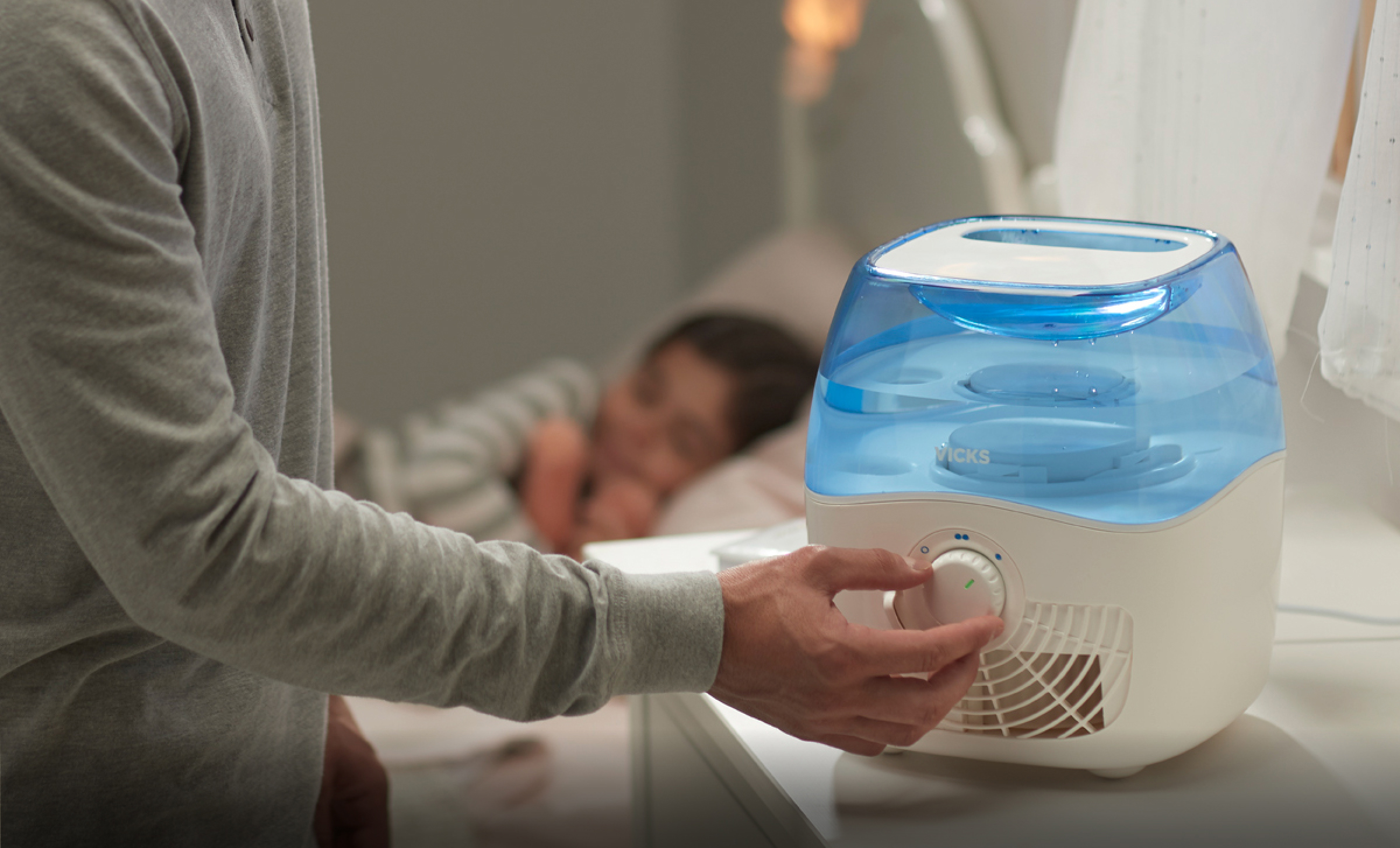
Understanding Humidifier Types for Bedroom Use
To serve diverse customer needs, it’s essential to understand the key types of bedroom humidifiers. Each comes with its own strengths, trade-offs, and target users. HisoAir offers differentiated solutions across all categories combining safety, performance, and user convenience.
1. Cool Mist Humidifiers – Safe and Versatile
Cool mist models are ideal for homes with kids or pets due to their burn-free design. They come in two main types:
-
Ultrasonidos
- Pros: Ultra-quiet, compact, and stylish—ideal for bedrooms. HisoAir’s ultrasonic models also feature sleek designs and smart functionality.
- Cons: Can produce "white dust" if used with hard tap water; regular cleaning required to prevent mold or bacteria.
-
Evaporativo
- Pros: Natural self-regulating humidity, no white dust, and effective filtration of impurities.
- Cons: Louder than ultrasonic due to fan noise and requires filter replacements.
2. Warm Mist Humidifiers – Clean Moisture, Soothing Output
- Pros: Heat sterilizes the water, producing bacteria-free mist. Ideal for users with congestion or colds. Operates quietly on low settings.
- Cons: Higher energy use, burn risk, and more maintenance due to mineral buildup. Not ideal for child-friendly spaces.
3. Noise Matters
For bedrooms, low noise is a key performance metric.
- Ultrasonic = whisper-quiet
- Evaporative = light fan noise
HisoAir minimizes operational sound across all models to ensure restful sleep environments.
4. The Safety Purity Maintenance Balance
Each type has trade-offs:
- Ultrasonic: Quietest, but more cleaning required.
- Evaporative: Cleanest output, but higher maintenance.
- Warm Mist: Most sterile, but less safe for families.
HisoAir’s engineering focuses on ease of cleaning, smart reminders, and thoughtful design to help buyers offer long-term value with minimal upkeep.
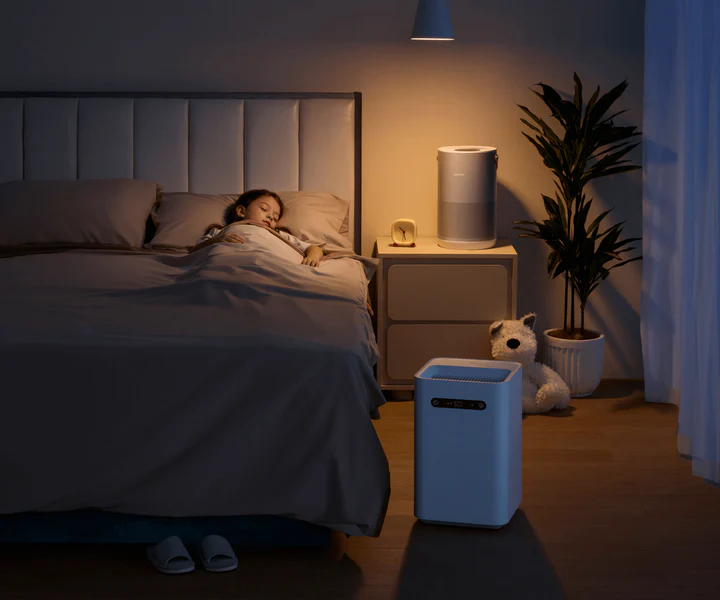
Key Factors When Choosing a Bedroom Humidifier
For enterprise buyers like Marshal Steriol, selecting the right humidifier requires a balanced focus on performance, user experience, and long-term value. HisoAir delivers high-quality solutions tailored for today’s competitive IAQ market.
1. Room Size & Coverage
Match humidifier output to room size. Undersized units are ineffective; oversized ones may cause mold or over-humidification. Check rated area (sq. ft.) and daily output specs.
2. Water Tank & Runtime
Choose tanks that support 8–24 hours of continuous operation ideally 1–2 gallons. Larger tanks reduce refill frequency and improve overnight usability.
3. Nivel de ruido
For bedrooms, quiet operation is essential. Ultrasonic models are “whisper-quiet.” HisoAir’s low-noise engineering ensures powerful yet peaceful performance.
4. Ease of Cleaning (Critical)
Poor maintenance leads to bacteria and mineral buildup. Prioritize:
- Removable tanks/components
- Top-fill design
- Minimal crevices
- Transparent tanks
HisoAir designs minimize user cleaning burden, boosting satisfaction and product lifespan.
5. Smart & Essential Features
Modern users value control and customization. Look for:
- Humidistats for automatic regulation
- Mist level options (cool/warm)
- Timers and auto shut-off
- App/voice control compatibility
- Extras like nightlights or aromatherapy support
6. Safety & Certifications
Cool mist = safer for families. Warm mist = burn risk. All HisoAir models meet international safety standards (e.g., CE, FCC, RoHS), using eco-friendly materials.
7. Filter & Water Considerations
- Filter-free: Lower maintenance cost, but may cause “white dust.”
- Filtered: Cleaner mist but needs periodic filter changes.
Using distilled water helps prevent buildup and maintains product performance.
8. Smart vs. Simple Models
Some clients prefer smart, connected devices; others want plug-and-play simplicity. HisoAir’s product line supports both preferences with elegant, intuitive designs.
Top Bedroom Humidifier Recommendations
Understanding current market leaders helps B2B partners like Marshal Steriol benchmark performance and refine product strategies. Below are top-rated bedroom humidifiers, reviewed from the lens of HisoAir’s focus on quality, innovation, and user satisfaction.
1. Best Overall: Levoit OasisMist Smart
A versatile ultrasonic model offering cool/warm mist, smart control, and quiet operation ideal for high-performance, tech-savvy users.
- Pros: Dual mist modes, app connectivity, large tank, sleek design
- Cons: Needs frequent cleaning; potential for condensation

2. Best Value: Dreo HM524S
A smart, budget-friendly option with strong functionality and a top-fill tank, great for price-sensitive customers.
- Pros: Affordable, easy maintenance, long runtime
- Cons: No warm mist; smart features may be underused by basic users

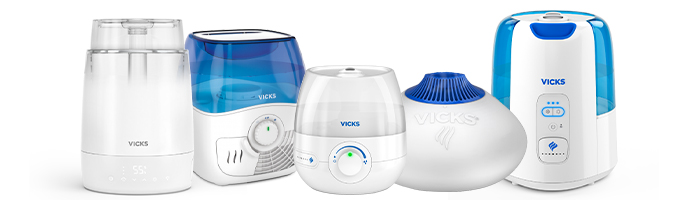
3. Best for Small Rooms: Vicks EasyCare+
Compact and quiet—perfect for nurseries and smaller bedrooms. Filter-free, top-fill design simplifies use.
- Pros: Safe cool mist, easy to use
- Cons: No humidistat; always-on nightlight may disturb sleep
4. Easiest to Clean: BlueAir InvisibleMist
Evaporative model with dishwasher-safe tank and minimal cleaning effort, ideal for customers who prioritize hygiene.
- Pros: Easy maintenance, filter reduces dust, smart controls
- Cons: Pricier; filter needs regular replacement

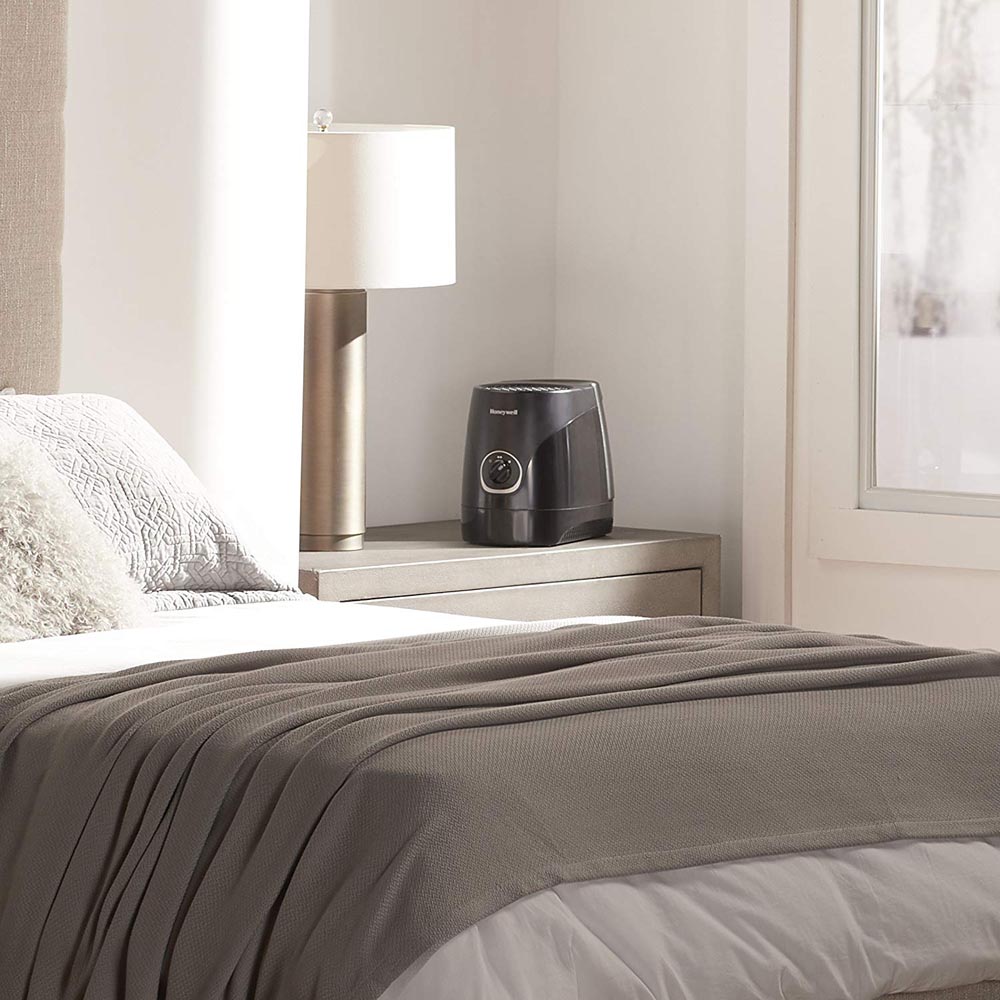
5. Best Evaporative: Honeywell Cool Moisture
Reliable classic offering clean mist without white dust. A solid choice for traditional users.
- Pros: Quiet on low, no mineral dust, durable
- Cons: Requires filter changes; less compact
6. Best Entry-Level: Crane Drop Cool-Mist
Simple, stylish, and effective. A plug-and-play humidifier with good aesthetics.
- Pros: Quiet, affordable, no filter
- Cons: Tricky to clean inside; fixed nightlight; mixed longevity

Smart vs. Simple: Know Your Market
Smart features (app control, voice assistants) attract tech-oriented users, while others prefer intuitive, manual models. HisoAir covers both with design-forward, easy-to-use options.
Cleaning Burden = Customer Retention
Models that are hard to clean risk poor long-term performance. HisoAir minimizes maintenance friction with user-friendly design removable tanks, top-fill, and fewer crevices ensuring your clients stay satisfied and loyal.
Maintenance & Best Practices: Sustaining Long-Term Humidifier Performance
Proper maintenance is key to preserving product performance, protecting user health, and ensuring customer satisfaction. For B2B buyers like Marshal Steriol, communicating these best practices to end-users enhances the value of your IAQ offering.
1. Cleaning is Non-Negotiable
Without regular cleaning, humidifiers can accumulate mold, bacteria, and mineral buildup leading to reduced performance and potential health risks. HisoAir products are designed for easy maintenance, but routine care is still essential.
2. Recommended Cleaning Schedule
- Daily: Empty the tank, rinse with clean water, and allow parts to air-dry.
-
Weekly:
- Descale: Use white vinegar to remove mineral buildup.
- Disinfect: Apply diluted bleach (1 tsp per gallon of water), then rinse thoroughly.
- Monthly: Check components (tank, fan, filter) for damage or buildup and clean as needed.
3. Use Distilled Water
To avoid “white dust” and mineral deposits, distilled or demineralized water is strongly recommended especially in ultrasonic models. This also extends unit life and reduces cleaning frequency.
4. Filter Replacement (If Applicable)
For evaporative humidifiers:
- Frequency: Replace filters every 1–4 months, depending on water hardness and usage.
- Signs: Reduced mist, odors, or visible buildup mean it’s time to replace.
5. Optimal Placement Tips
- Place on a raised, stable surface in the center of the room for best coverage.
- Avoid placing near electronics, curtains, or walls to prevent moisture damage.
6. Neglect = Higher Costs
Lack of maintenance can degrade performance and shorten product lifespan leading to higher long-term costs and lower user satisfaction.
7. Water Quality, Filter Type & Maintenance Burden Are Linked
Hard water = more buildup.
Filter-free models reduce replacement costs but need more frequent cleaning.
Filtered models provide cleaner mist but require ongoing upkeep.
HisoAir balances these trade-offs through smart design and intuitive maintenance features.
Conclusion: Choosing the Right Humidifier for Your Clients
There’s no one-size-fits-all solution when it comes to bedroom humidifiers. The best choice depends on each user’s room size, comfort needs, and willingness to maintain the device. For buyers like Marshal Steriol, success lies in offering tailored, high-quality solutions that meet diverse market demands.
Health benefits such as relieving dryness, improving respiratory comfort, and limiting virus spread are only fully realized with proper upkeep. That’s why regular cleaning and the use of distilled water must be part of the value proposition you deliver to end-users.
Procurement priorities should focus on:
- Appropriate coverage and capacity
- Quiet operation for restful environments
- Ease of cleaning and long-term usability
At HisoAir, we combine top-tier quality, high performance, low noisey innovative design to help North American partners stand out. With advanced ODM capabilities and production across China, Vietnam, and Thailand, we deliver customizable IAQ products built for modern living.
With HisoAir, you're not just sourcing devices you’re investing in long-term brand value, customer satisfaction, and healthier indoor environments.
Let’s shape better air, together.


 English
 Français
 Español
 Italiano
 Deutsch
 Português
 Русский
 العربية
 日本語
 한국어
 Tiếng Việt

