

In the hyper-competitive world of direct-to-consumer (D2C) e-commerce, a compelling brand story is not just an asset; it's a necessity. It’s the narrative that transforms a simple product into a lifestyle choice, building an emotional bridge to the consumer. But what happens when that narrative obscures a more complex operational reality? For B2B and D2C clients navigating the intricate web of global manufacturing, understanding the true origin of a product is paramount for quality control, brand integrity, and strategic sourcing.
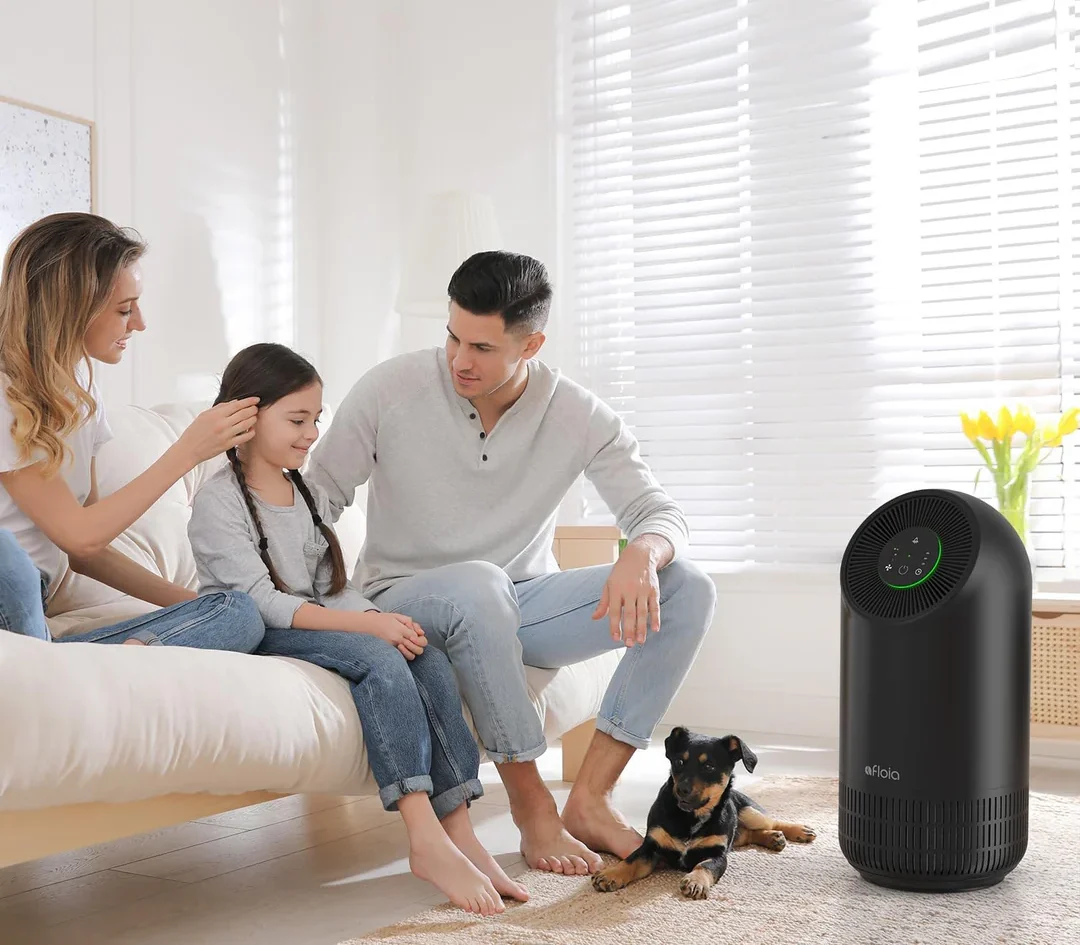
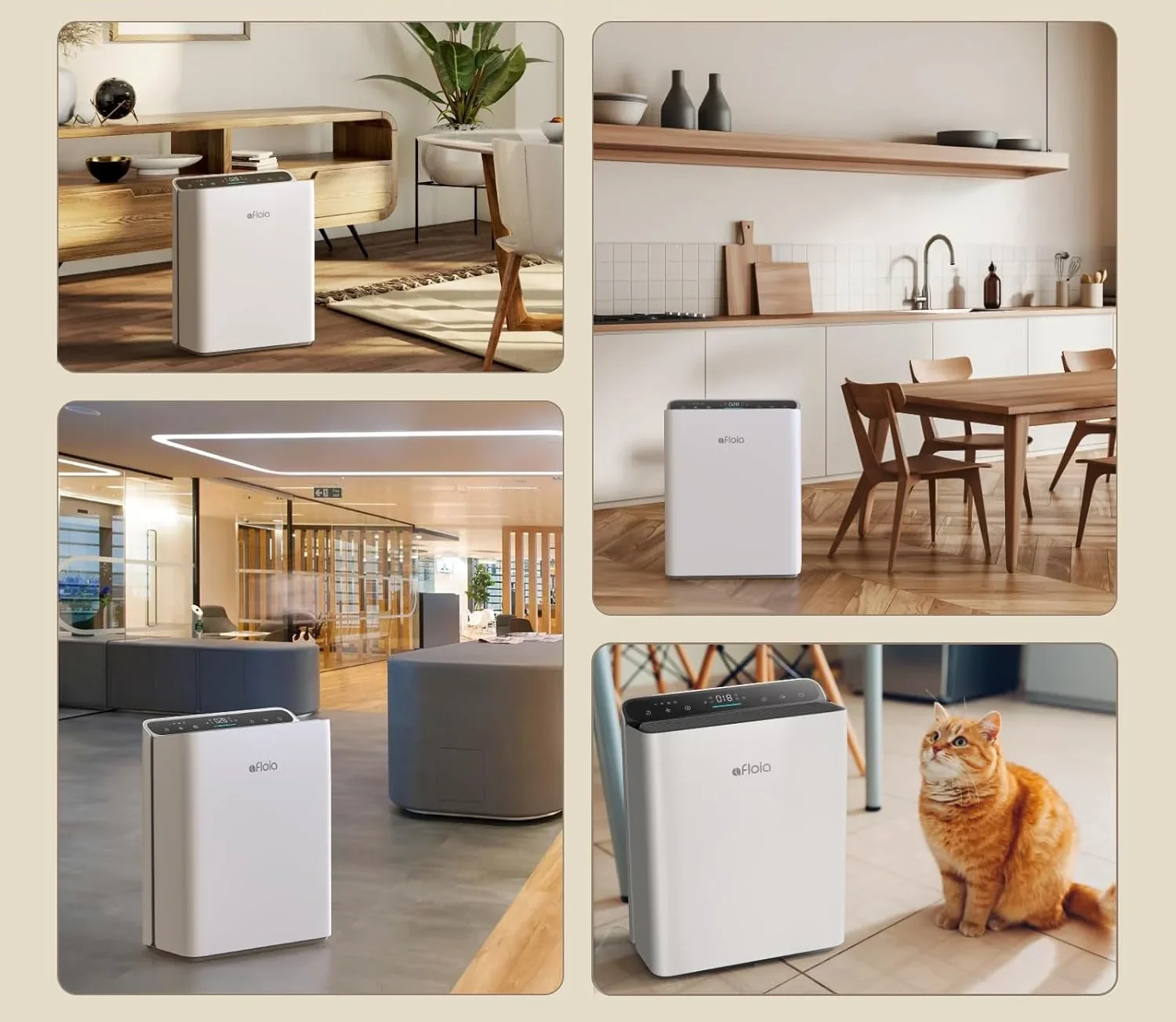
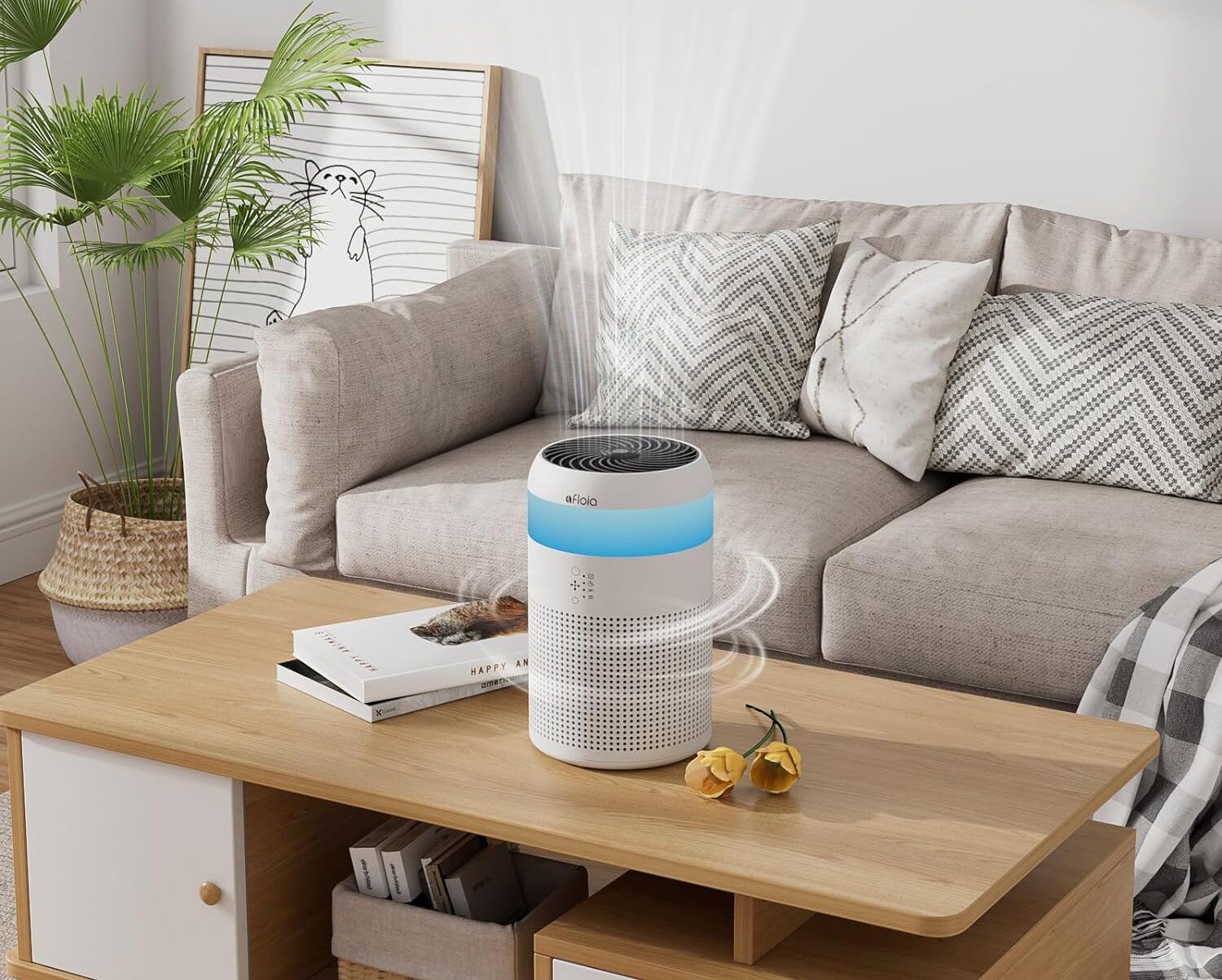
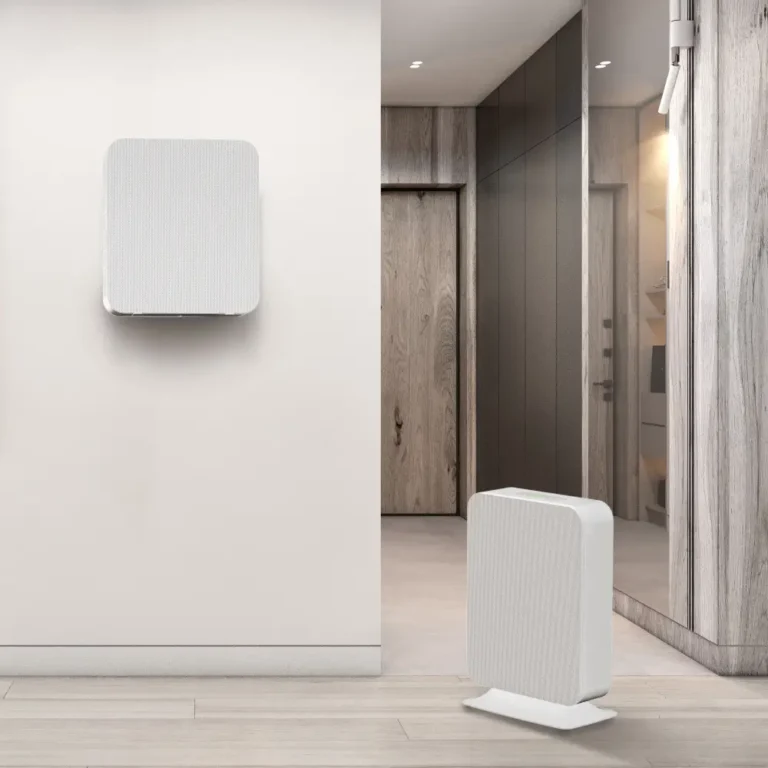
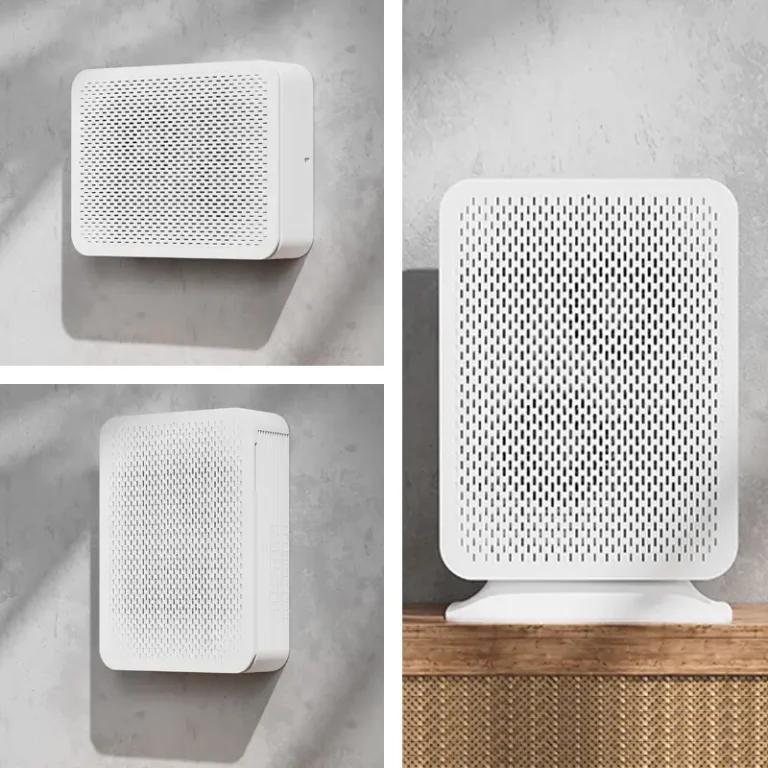
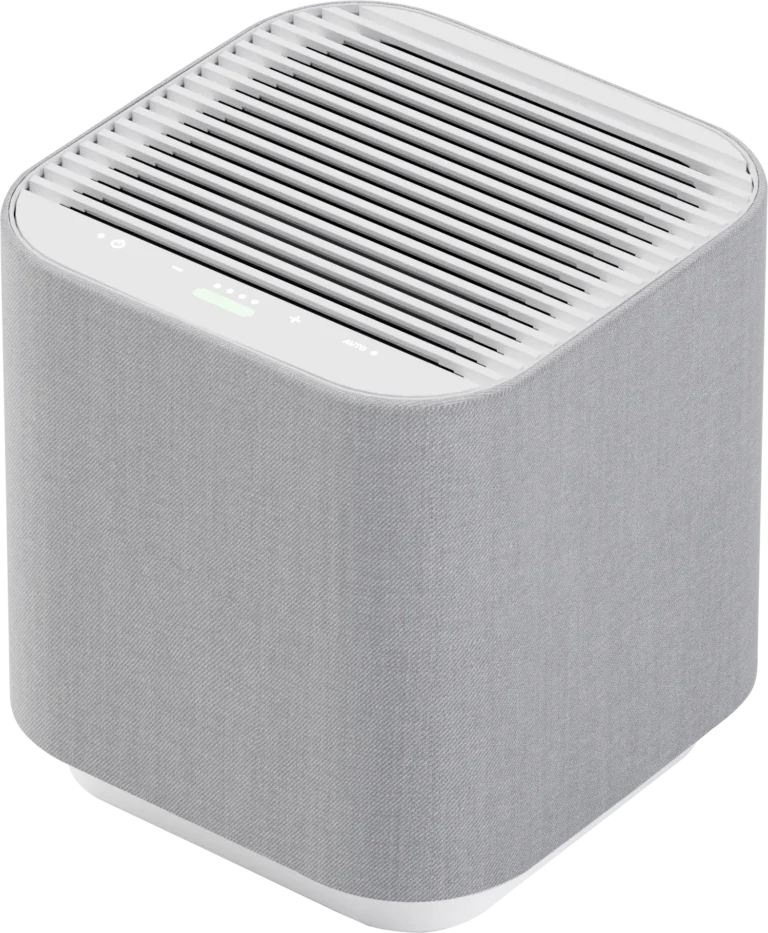
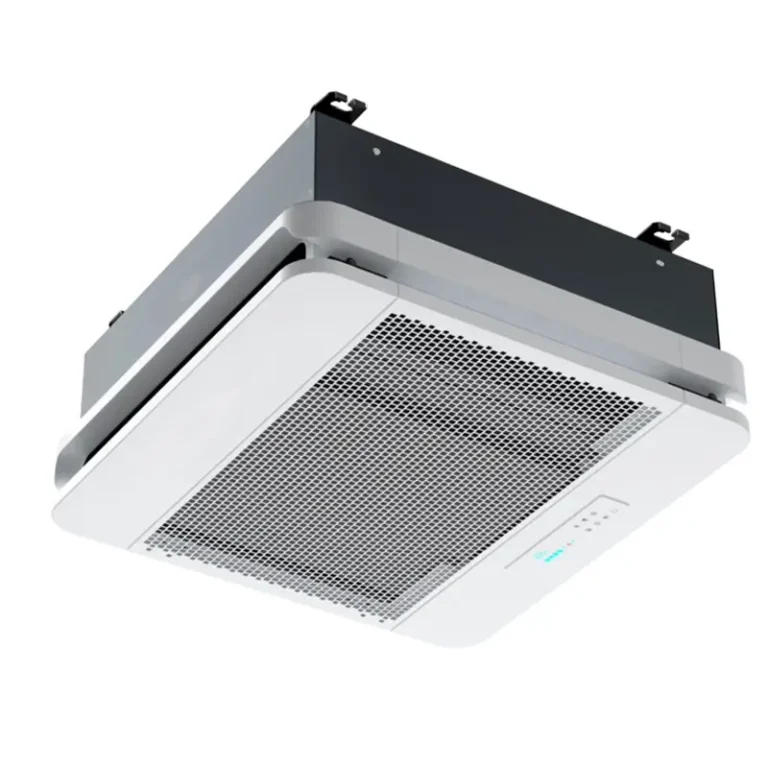
This brings us to Afloia, a popular brand of air purifiers that has successfully carved out a niche in the crowded home appliance market. With a polished website and a compelling origin story, Afloia presents itself as a thoughtful, design-driven company. But a critical question remains for any discerning business owner or consumer: Where are Afloia air purifiers actually manufactured?
The Corporate Veil: A Tale of Two Addresses
Afloia’s brand identity is built on a foundation of European design and engineering. Their "About Us" page tells the story of "the brainchild of an engineer and industrial design duo," a narrative crafted to inspire confidence in the product's quality and innovation. This story is reinforced by the company's legal and contact addresses, which are firmly planted in France.
The brand’s "Terms of Service" page lists a corporate address at "20-22 rue Marius Aufan LevalIois-Perret 92300 France". More revealingly, the primary contact address for Afloia's parent company is listed as "Nova Silk Road Sarl. Address :C/o Regus 81 Rue de France 06000 Nice".
The key phrase here is "C/o Regus." Regus is a global leader in providing flexible workspace solutions, including virtual offices. A virtual office allows a company to have a prestigious mailing address, mail handling, and phone services in a specific country without maintaining any physical staff or operational presence. It is a common and perfectly legal tool for international businesses to establish a corporate foothold in a foreign market.
However, for the purposes of determining manufacturing origin, the use of a Regus virtual office is a significant red flag. It indicates that the French address is not a headquarters for research, development, or production. Instead, it functions as a legal and marketing asset, lending the brand an air of European credibility that aligns with its "engineer duo" narrative. The French connection, while legally sound, appears to be a corporate veil rather than a reflection of the product's origin.
Unmasking the Parent Company: The Curious Case of Nova Silk Road Sarl
The entity behind the Afloia brand is a French-registered company named Nova Silk Road Sarl. An investigation into this parent company provides the most compelling evidence that Afloia is not a specialized appliance manufacturer but rather one brand within a larger portfolio of e-commerce ventures.
Public records and website data reveal that the same entity, Nova Silk Road Sarl, operating from the same virtual office in Nice, is linked to a diverse and seemingly unrelated collection of online stores: Morgiana Tableware, Cyrusher EU, and Purple Leaf.
It is highly improbable that a single company, especially one registered at a virtual office, possesses the in-house expertise to design, engineer, and manufacture high-performance e-bikes, ceramic tableware, all-weather patio furniture, and HEPA air purifiers. The common denominator is not manufacturing prowess but a shared business model: online retail. This pattern strongly suggests that Nova Silk Road Sarl is a holding company that provides a legal and administrative framework for multiple, distinct private-label or drop-shipping brands.
The company's name itself—"Nova Silk Road Sarl"—is a thinly veiled mission statement. The historic Silk Road was the trade route connecting the manufacturing centers of the East (primarily China) with the markets of the West. A "New Silk Road" is a modern interpretation of this, evoking the flow of goods from Chinese factories to Western consumers via the new trade routes of global e-commerce. The name itself telegraphs a business model centered on sourcing and reselling, not original manufacturing.
Further clouding the picture is the parent company's reputation. The Better Business Bureau (BBB) profile for Nova Silk Road Sarl is troubling, stating, "According to information in BBB files, it appears that this business is no longer in business". The profile also contains highly negative customer reviews related to other brands under its umbrella, raising questions about the overall customer service infrastructure supporting Afloia.
Following the Supply Chain: Overwhelming Evidence for Chinese Manufacturing
While the corporate structure points away from Europe, the definitive proof of Afloia's manufacturing origins lies in its digital assets and the global B2B marketplace.
The Digital Fingerprint: The Afloia Home App
The most conclusive piece of evidence is found on the Google Play Store. For its smart air purifiers, Afloia offers the "Afloia Home" app for remote control and monitoring. The developer of this official app is not a French software firm, but a Chinese technology company.
The developer's listed address is in the Minsen Information Technology Industrial Park in Zhongshan City, Guangdong Province, China—a global hub for electronics manufacturing. In the world of smart, connected devices, the hardware and its control software are developed in tandem. The app must be perfectly integrated with the device's specific firmware and electronic components. It is standard industry practice for the Original Equipment Manufacturer (OEM) that builds the physical product to also develop the app. The fact that Afloia's core software is developed in Guangdong is a definitive fingerprint pointing to a Chinese OEM as the source of the entire product.
The B2B Marketplace Trail
This conclusion is overwhelmingly supported by evidence from B2B sourcing platforms like Alibaba. A search on these sites reveals a vast ecosystem of Chinese manufacturers producing both replacement parts and complete units identical to those sold by Afloia.
Numerous suppliers in manufacturing centers like Shenzhen and Dongguan advertise replacement filters explicitly designed for Afloia models like the Kilo, Miro, and Pro series. The widespread availability of these compatible filters indicates that Afloia purifiers are built from standardized, non-proprietary components.
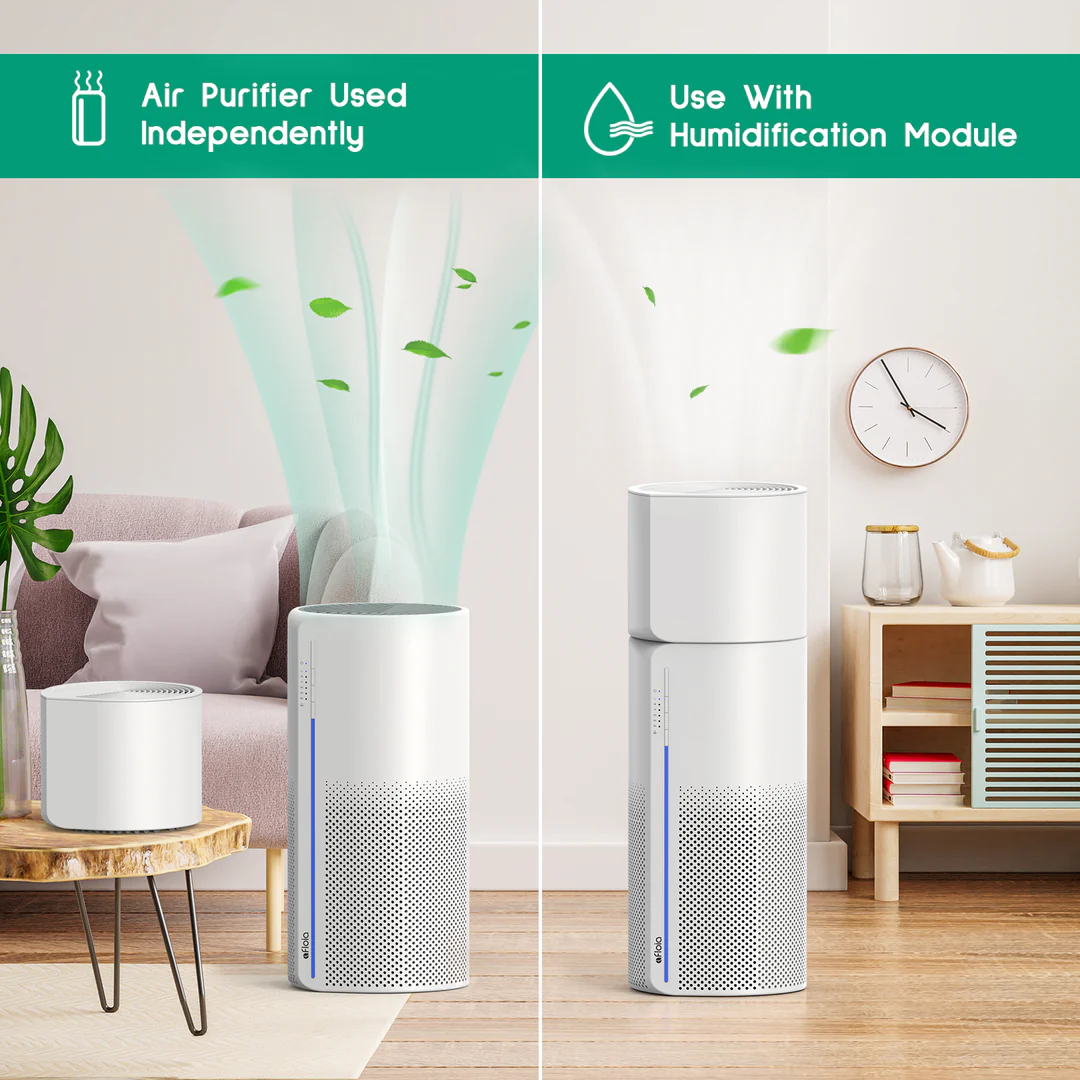
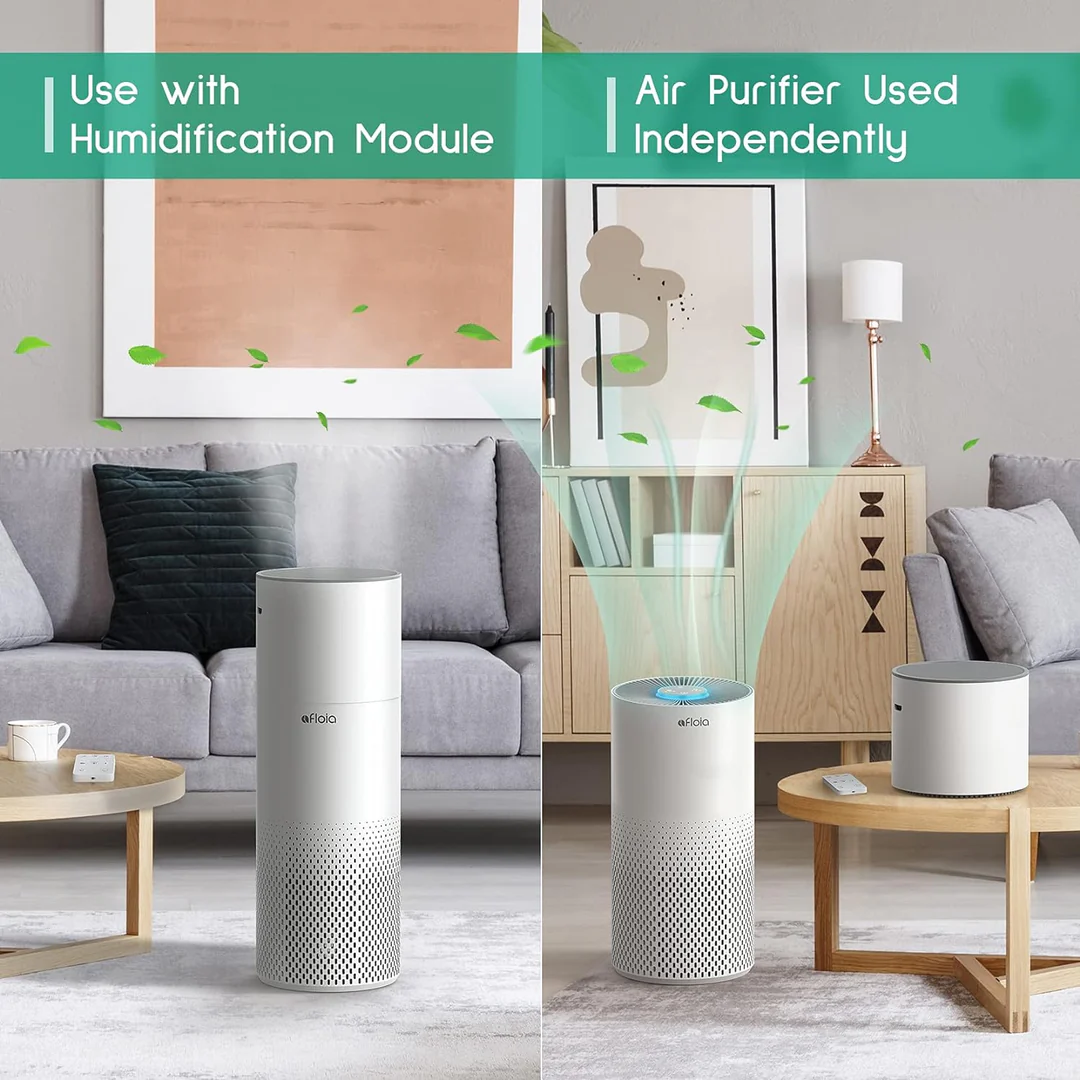
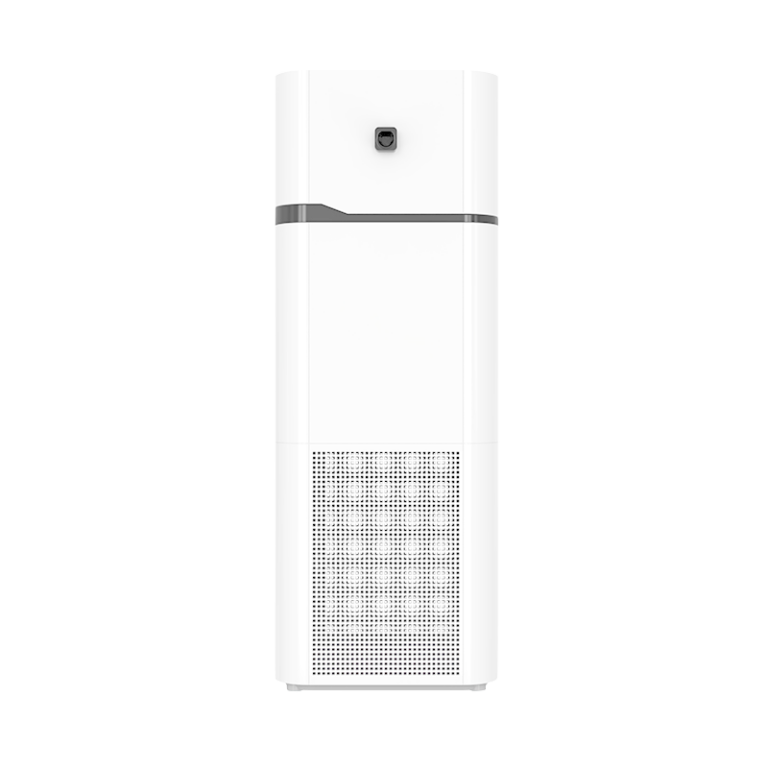
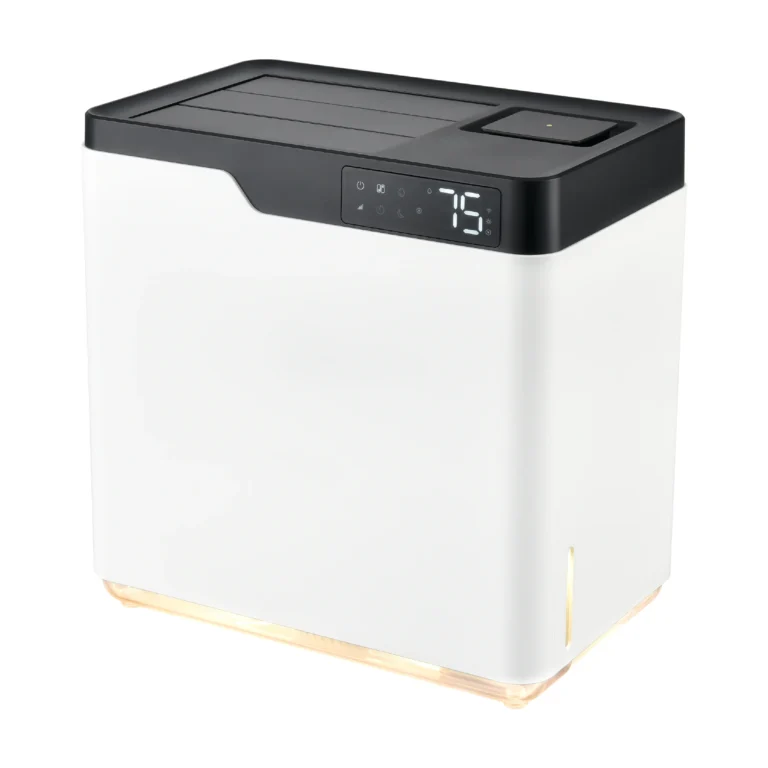
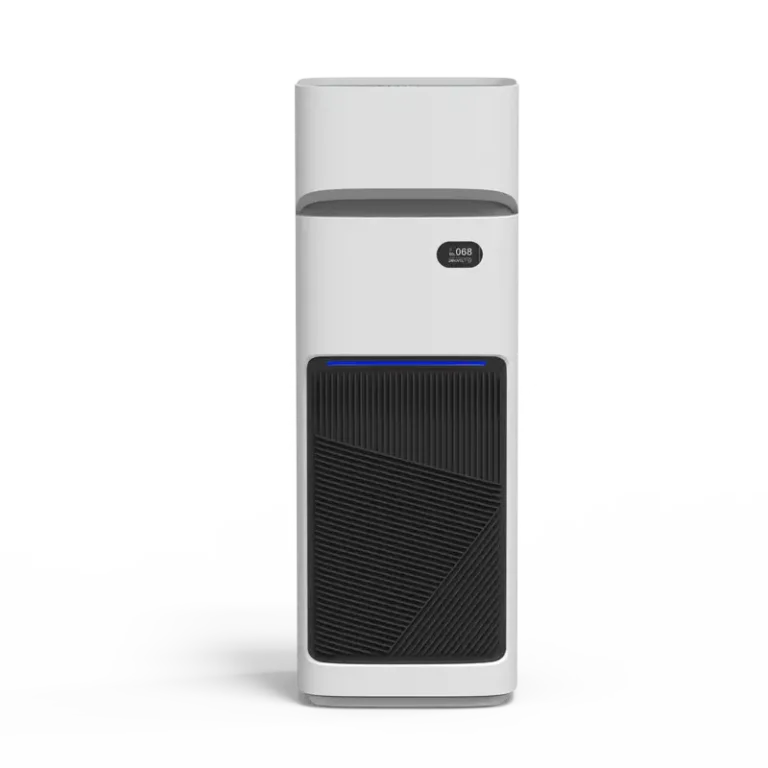
More importantly, these platforms feature listings for finished air purifier units that share the exact design, form factor, and feature set (e.g., 3-stage filtration, 7-color lighting) as Afloia products. These are offered as "white-label" or "private-label" goods, where the Chinese manufacturer will apply the buyer's brand name in this case, "Afloia" before shipping. This is the classic signature of the business model Afloia employs. They are not a manufacturer; they are a customer of these Chinese OEMs.
The Market Consensus
Finally, qualitative data from expert consumer communities confirms this conclusion. On forums like Reddit's r/AirPurifiers, knowledgeable users consistently identify Afloia as a private-label brand selling Chinese-made products. Comments such as, "This is a Chinese product with a made-up throwaway brand name," and "You are just buying a Chinese product fully developed and re sell it in your country... Chinese counter part it's only asking you what name you want on it, that's all," are common. This consensus from an informed community serves as powerful social proof that corroborates the corporate and supply chain evidence.
The Afloia Business Model: A D2C Case Study
Synthesizing all the evidence, a clear picture of Afloia's business model emerges. It is a textbook example of a modern, digital-native D2C brand that leverages the tools of globalized e-commerce to compete with established players. The model can be broken down into five key steps:
- Establish a Corporate Shell: Create a European legal entity (Nova Silk Road Sarl) using a virtual office to build a brand narrative of quality and legitimacy.
- Source the Product: Select generic, off-the-shelf air purifiers from the competitive OEM market in China based on features and low unit cost.
- Apply the Brand: Develop the "Afloia" brand identity, logo, and marketing story and apply it to the generic product and its packaging.
- Build a Digital Storefront: Create a polished e-commerce website, likely using a platform like Shopify, to control the brand message and customer experience.
- Market and Distribute: Use digital marketing to sell the products directly to consumers in Western markets, primarily the United States and Canada.
This model is incredibly efficient, allowing a small organization to launch a product line without the massive capital investment required for R\&D, factories, and physical distribution.
Performance in Context: The White-Label Trade-Off
Understanding that Afloia products are generic, white-labeled units provides crucial context for their real-world performance. These devices are not the result of a dedicated R\&D effort to achieve best-in-class air purification. Instead, they are designed by OEMs to hit a specific price point with a checklist of marketable features.
Independent reviews reflect this reality. A detailed analysis of the Afloia Q10, a 2-in-1 purifier and dehumidifier, criticized its "inferior filtration technology" and lack of a carbon filter, concluding that it "can't compete with standalone devices". A review of the larger Afloia Mage model found it produced "okay results" but ultimately ranked "near the bottom" when compared to similar products. Another review noted that the fan on a smart model was "rather loud" compared to competitors.
This pattern of mediocre performance is a direct consequence of the business model. The focus is on features that look good on a product page like "True HEPA Filter," timers, and 7-color ambient lighting rather than on the core engineering that determines true efficacy, such as motor quality, airflow dynamics, and filter media density.
Conclusion: A Definitive Answer and Strategic Takeaways for D2C Brands
The evidence is conclusive: Afloia air purifiers are manufactured in China. The brand's French corporate identity is a strategic marketing and legal construct, not an indication of origin. Afloia operates as a D2C brand that sources generic, private-label products from Chinese OEMs and markets them to Western consumers under a carefully crafted European brand narrative.
For B2B and D2C clients, the Afloia case study offers several critical strategic implications:
- Brand Story vs. Transparency: Afloia demonstrates the power of a well-executed brand story. However, it also highlights the risks of a transparency deficit. In an age of savvy consumers, a brand built on a misleading narrative can be vulnerable. D2C brands must make a conscious choice about where they stand on the spectrum of transparency.
- The Necessity of Supply Chain Due Diligence: For businesses sourcing products, this case proves that a corporate address is not enough. True due diligence requires a deep dive into the supply chain to understand who your manufacturing partners are, what their capabilities are, and what level of quality control you can expect.
- Understanding the White-Label Trade-Off: The white-label model offers undeniable advantages in speed to market and reduced overhead. However, it comes with significant trade-offs: generic product design, potentially mediocre performance, and a lack of control over the core engineering. This can lead to poor reviews and damage long-term brand equity.
- Building a Sustainable Brand: While a clever marketing strategy can drive initial sales, long-term D2C success is built on a foundation of trust and product performance. A sustainable brand is one that delivers on its promises. Relying solely on a marketing veneer without a truly differentiated, high-quality product is a risky long-term strategy.
Ultimately, the story of Afloia is a quintessential tale of modern e-commerce. It is a masterclass in digital marketing and global sourcing, but it is also a cautionary tale about the growing disconnect between a brand's image and its physical reality. For D2C businesses aiming to build lasting value, it underscores a timeless principle: the most powerful brand story is one that is authentically and transparently true.


 English
  Français
  Español
  Italiano
  Deutsch
  Português
  Русский
  العربية
  日本語
日本語  한국어
한국어  Tiếng Việt

