
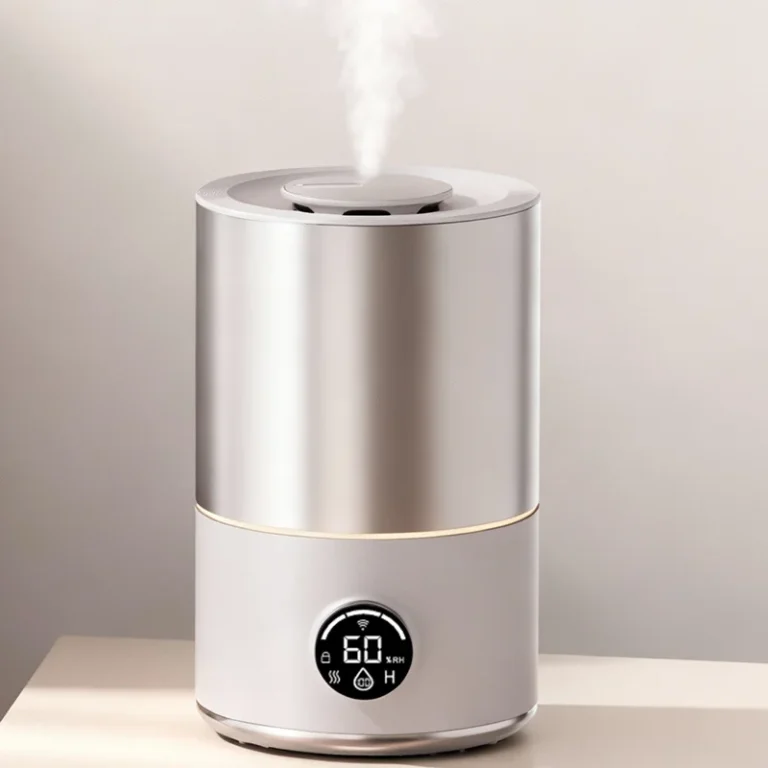
In the dynamic world of small home appliances, Hamilton Beach stands as a venerable brand, a household name synonymous with reliability and accessibility. While their blenders and coffee makers might be the first products that come to mind, their range extends to various other essential home devices, including humidifiers. For businesses and consumers alike, understanding the origins of these products is more than just a matter of curiosity; it's a deep dive into the intricate web of global manufacturing and supply chain strategies. This article will explore the manufacturing landscape of Hamilton Beach humidifiers, shedding light on their production hubs, strategic shifts, and the broader implications for the industry. Understanding the origins of these products is a deep dive into the intricate web of global manufacturing and supply chain strategies.
Where Are Hamilton Beach Humidifiers Primarily Manufactured?
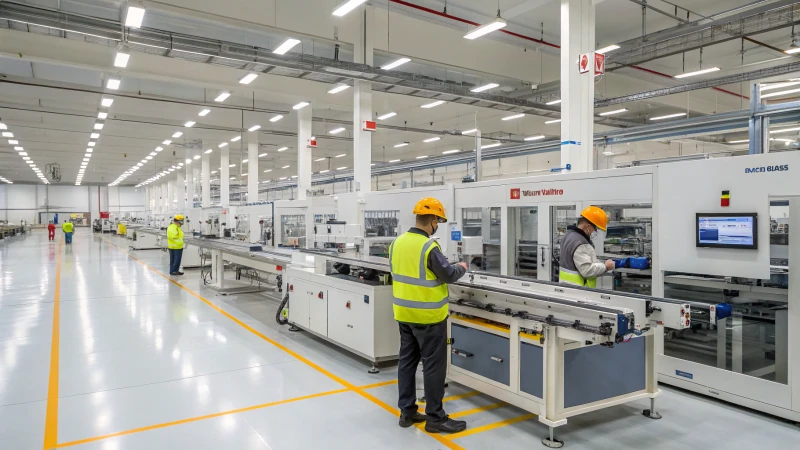
Hamilton Beach, a leading brand in small home appliances, leverages a global manufacturing network to produce its diverse product range. While the brand itself is American, a significant portion of its manufacturing, including humidifiers, is concentrated in China. This strategic choice is driven by China's established manufacturing infrastructure, skilled labor force, and cost-effectiveness, which have historically made it an attractive hub for global brands.
Specifically, for humidifiers, Hamilton Beach has established strong relationships with multiple OEM (Original Equipment Manufacturer) factories across various Chinese provinces. Key manufacturing centers for their humidifiers include:
- Guangdong Province, Dongguan City: Known as a major manufacturing hub, Dongguan offers extensive capabilities in electronics and small appliance production.
- Fujian Province, Xiamen City: Xiamen is another significant industrial city with a strong presence in various manufacturing sectors.
- Zhejiang Province, Ningbo City: Ningbo boasts a robust manufacturing base, particularly in home appliances and electrical goods.
This distributed manufacturing approach within China allows Hamilton Beach to diversify its production base, mitigate risks associated with single-location manufacturing, and tap into specialized expertise available in different regions. The brand also maintains a dedicated supplier chain and quality assurance team in China, primarily based in Shanghai, to oversee production, ensure product quality, and manage supplier relationships effectively. This on-the-ground presence is crucial for maintaining the high standards expected of a top-tier brand like Hamilton Beach. Hamilton Beach humidifiers are primarily manufactured in China, across key cities like Dongguan, Xiamen, and Ningbo, leveraging established OEM relationships and a dedicated quality assurance team in Shanghai.

Why is Hamilton Beach Diversifying its Supply Chain?
While China remains a cornerstone of Hamilton Beach’s manufacturing operations, the global economic landscape and geopolitical shifts have prompted a strategic re-evaluation. Like many multinational corporations, Hamilton Beach is actively pursuing a “China+N” supply chain strategy, seeking to diversify its manufacturing footprint beyond China to countries like Vietnam and Thailand. This initiative is primarily driven by the desire to mitigate risks associated with over-reliance on a single manufacturing base, including rising labor costs in China, potential trade tariffs, and supply chain disruptions.
However, achieving this diversification is not without its challenges. The established manufacturing ecosystem in China, built over decades, offers unparalleled advantages in terms of infrastructure, skilled labor, and a comprehensive supply chain for components and raw materials. Replicating this in other countries requires significant investment and time. For Hamilton Beach, a key hurdle lies in finding alternative suppliers in Vietnam and Thailand that possess the strong R&D capabilities necessary to develop customized products while simultaneously meeting their stringent cost-effectiveness targets. The ability to innovate and produce at competitive prices is a hallmark of their Chinese partners, a benchmark that new suppliers in emerging manufacturing hubs often struggle to meet.
Despite these challenges, the push for diversification is a long-term strategic imperative. It reflects a broader industry trend where companies are seeking greater resilience and flexibility in their supply chains to navigate an increasingly unpredictable global market. This involves not just finding new factories but also fostering new relationships and developing local expertise, a process that demands considerable resources and patience. Hamilton Beach is diversifying its supply chain beyond China to mitigate risks, but faces challenges in replicating China's established manufacturing ecosystem and finding alternative suppliers with strong R&D capabilities and cost-effectiveness.
How Does the Humidifier Category Fit into Hamilton Beach's Portfolio?
For Hamilton Beach, humidifiers represent a relatively small category within their extensive product portfolio. The brand's core strength and historical dominance lie in kitchen appliances, a category where they have cultivated a very strong and enduring presence in the US market. This focus on kitchen appliances has allowed Hamilton Beach to build robust networks and maintain stable production volumes with their OEM factories for many years. This established relationship provides a significant advantage, as these factories are well-versed in Hamilton Beach's quality standards, production processes, and cost structures. Humidifiers are a smaller category for Hamilton Beach, whose core strength lies in kitchen appliances, impacting the scale of R&D investment and diversification efforts for humidifiers.
The smaller scale of the humidifier category means that the investment in R&D and supply chain optimization for these products might not be as extensive as for their flagship kitchen appliances. This can further complicate the diversification efforts, as new suppliers in emerging markets might require more hand-holding and development support to meet Hamilton Beach's specific requirements for humidifiers.
What is the Impact of Tariffs on Hamilton Beach's Supply Chain?
The global trade landscape, particularly the imposition of new tariffs, has significantly impacted Hamilton Beach's supply chain strategy. The previous US administration's tariff policies, notably those under Donald Trump, created considerable disruption. While many companies, including Hamilton Beach, encouraged their Chinese suppliers to establish new facilities in Vietnam or other Asian countries to circumvent these tariffs, the situation has proven to be more complex than anticipated.
Unfortunately, these alternative countries have also faced their own tariff challenges. For instance, new tariffs in Vietnam, exceeding 20%, have placed immense pressure on OEM factories that relocated there. This situation is particularly challenging because manufacturing costs in Vietnam are often higher than in China. This combination of higher production costs and new tariffs has put these OEM factories in a precarious position, struggling to maintain profitability.
For Hamilton Beach, a brand built on offering cost-effective products to the US market, this tariff conundrum presents a significant dilemma. Increasing retail prices in the US to offset these rising manufacturing and tariff costs is a difficult decision, as it could potentially impact consumer demand and contribute to inflation in the US. This scenario highlights the delicate balance that global brands must strike between maintaining competitive pricing, ensuring supply chain resilience, and navigating complex international trade policies. New tariffs in countries like Vietnam, coupled with higher manufacturing costs, have created a "big mess" for Hamilton Beach, making it challenging to avoid price increases in the US market.

What is Hamilton Beach Doing to Diversify its Global Supply Chain?
In response to these evolving challenges, Hamilton Beach is actively accelerating its efforts to diversify its entire supply chain globally. This includes not only maintaining strong relationships with existing Chinese suppliers but also significantly expanding their manufacturing partnerships outside of China. The primary objective is to lower risks associated with geopolitical tensions, trade policies, and potential disruptions in any single region.
However, this ambitious undertaking faces considerable short-term challenges. The deep-rooted manufacturing infrastructure, extensive supplier networks, and accumulated expertise in China are difficult to replicate quickly. Finding strong, reliable, and cost-effective supplier chains outside of China that can match the efficiency and scale of Chinese operations is a complex and time-consuming process. This involves rigorous vetting of new partners, significant investment in new facilities, and the transfer of technical knowledge and quality control processes.
Despite these hurdles, the long-term vision for Hamilton Beach, and indeed for many global brands, is a more resilient and geographically diversified supply chain. This strategic shift is not merely about cost reduction but about building a robust system that can withstand future economic and political uncertainties, ensuring consistent product availability and maintaining competitive pricing for consumers.
The journey of a Hamilton Beach humidifier from concept to consumer is a testament to the complexities and evolving dynamics of global manufacturing. While China remains a pivotal manufacturing hub, the strategic imperative for diversification is clear. Brands like Hamilton Beach are actively navigating a new era of supply chain management, one characterized by a proactive search for resilience, adaptability, and a balanced global footprint. The challenges are significant, but the commitment to delivering quality and value to consumers remains unwavering, driving innovation not just in product design but in the very architecture of global production.
Key Manufacturing Locations and Diversification Challenges
To better understand the complexities of Hamilton Beach's manufacturing and supply chain strategy, the following table summarizes their key production locations and the challenges associated with their diversification efforts:
| Aspecto | Primary Manufacturing Locations (China) | Diversification Efforts (e.g., Vietnam, Thailand) |
|---|---|---|
| Key Cities | Dongguan (Guangdong), Xiamen (Fujian), Ningbo (Zhejiang) | Emerging manufacturing hubs in Southeast Asia |
| Ventajas | Established infrastructure, skilled labor, cost-effectiveness, comprehensive supply chain, strong R&D capabilities of OEM partners | Risk mitigation, reduced reliance on single market, potential for new trade agreements |
| Desafíos | Rising labor costs, potential trade tariffs, geopolitical risks | Lack of established infrastructure, difficulty finding strong R&D partners, higher manufacturing costs, new tariffs in alternative countries |
| Hamilton Beach Presence | Dedicated supplier chain and quality assurance team in Shanghai | Active pursuit of new partnerships, investment in new facilities, transfer of technical knowledge |





 English
 Français
 Español
 Italiano
 Deutsch
 Português
 Русский
 العربية
 日本語
 한국어
 Tiếng Việt


