Se abre en una pestaña nueva
Soluciones innovadoras para la calidad del aire

Where Are Young Living Diffusers Manufactured?

Related Products

Young Living has meticulously cultivated an image of pristine farms, agricultural purity, and an unwavering commitment to their "Seed to Seal®" promise, which underpins the quality and integrity of their essential oils. This powerful narrative of farm-to-bottle transparency has become a cornerstone of their brand identity, resonating deeply with consumers and distributors alike. However, when it comes to their popular diffusers electronic devices that are integral to the aromatherapy experience a fundamental question arises: How does this farm-centric identity apply to manufactured goods? This article aims to investigate the true manufacturing origins of Young Living's diffusers and analyze what this means for the company's broader promise of transparency and quality. For B2B partners and discerning consumers, understanding the nuances of Young Living's supply chain for electronic products is crucial for informed decision-making and strategic alignment.

What is the 'Seed to Seal' Doctrine, and How Does it Shape Young Living's Brand?

At the heart of Young Living's corporate identity lies the "Seed to Seal" doctrine, a comprehensive set of standards designed to ensure the purity and potency of their essential oils. This promise is built upon three core pillars: Sourcing, Science, and Standards. The company frequently highlights its corporate-owned farms in Utah and Idaho as the foundational elements of its operations and quality control, often inviting the public for tours and events to foster a tangible connection with their agricultural practices. This farm-as-foundation narrative is a powerful marketing asset, particularly for its multi-level marketing (MLM) distributors, as it cultivates a strong perception of trust and transparency that differentiates Young Living from its competitors. The "Seed to Seal" story is not just a quality guarantee; it's a compelling narrative that drives sales and builds brand loyalty, emphasizing a unique, vertically integrated supply chain for botanicals. This narrative, however, primarily focuses on the cultivation and distillation of essential oils, leaving questions about how it extends to other product categories, especially electronics like diffusers.
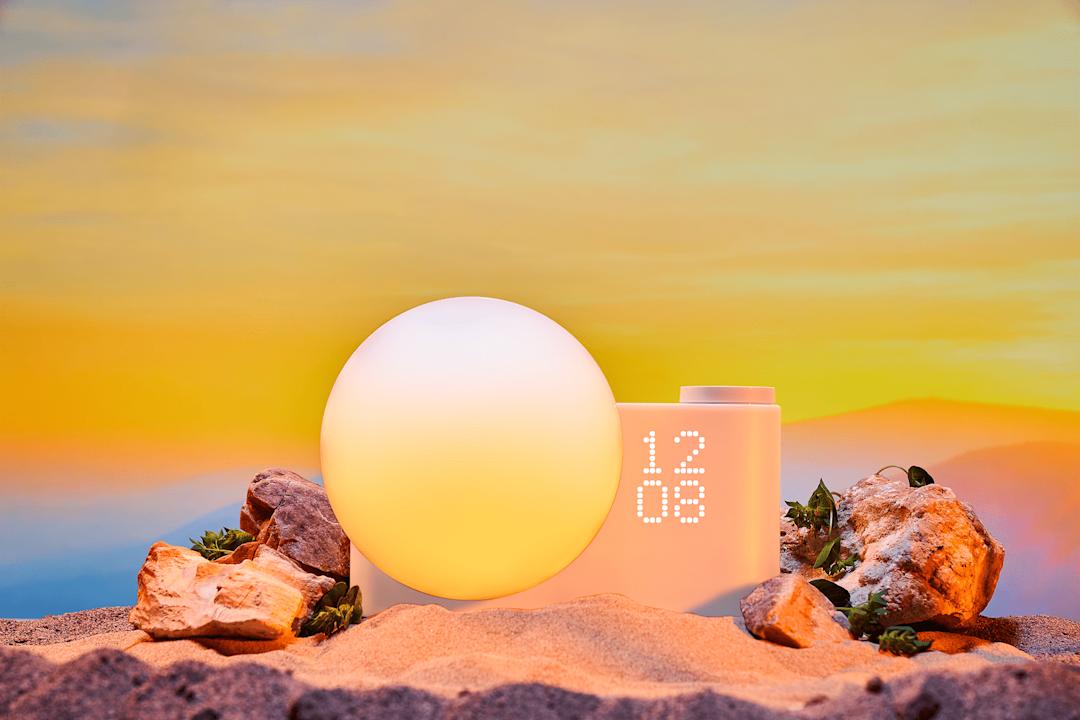
diffuser young living 2

Where Are Young Living Diffusers Actually Manufactured? Unveiling the Origins

Despite Young Living’s strong emphasis on its agricultural roots, the manufacturing origin of its diffusers tells a different story, one that aligns more with global electronics production norms. While the "Seed to Seal" promise is deeply ingrained in the company's essential oil narrative, the reality for their electronic devices points to a different geographical origin. For instance, direct inquiries to Young Living customer support have confirmed that popular models like the Desert Mist Diffuser are manufactured in China. This information is further corroborated by physical evidence, such as photographs of product stamps. A clear example is the Lantern Diffuser, which explicitly states "Manufactured in China" on its bottom stamp, providing definitive proof of its origin.

However, the case of the Aria Diffuser presents a more nuanced picture. Young Living’s marketing language for the Aria often highlights its craftsmanship, stating it is "Crafted from American maple and glass." While this emphasizes the sourcing of premium raw materials for the diffuser's housing, it strategically omits any mention of the country of final assembly. The significant absence of a "Made in..." label on the product itself or in its accompanying manuals for such a premium item is highly suggestive. Given the global nature of electronics manufacturing and the confirmed origins of other Young Living diffuser models, it is highly probable that the electronic components and final assembly of the Aria Diffuser also occur overseas, consistent with industry practices and the manufacturing locations of their other diffusers. This approach allows Young Living to leverage specialized manufacturing ecosystems while maintaining a focus on the quality of raw materials and design.
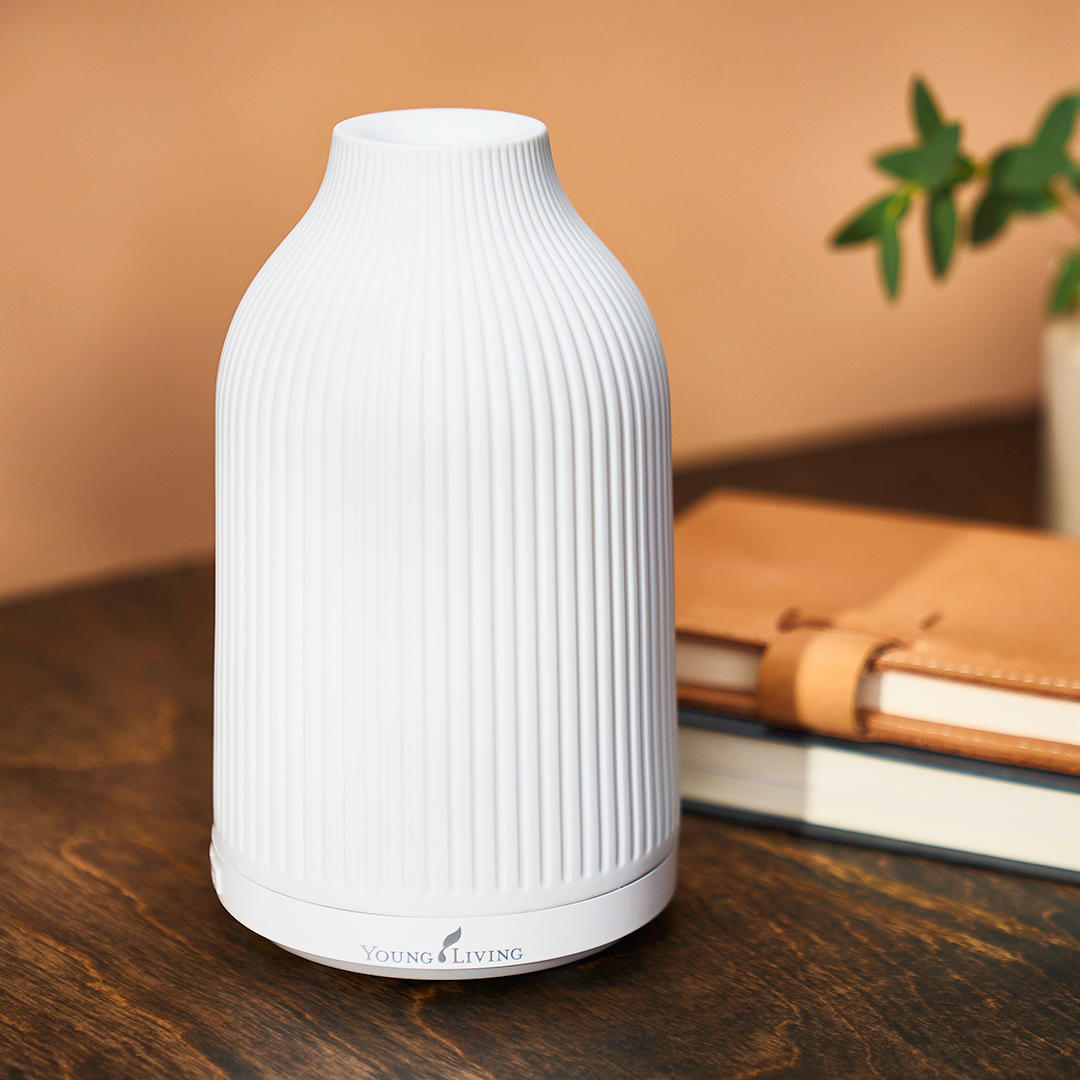
adobe mist diffuser beauty 3 young living

The Brand Contradiction: Applying Agricultural Standards to Electronics Manufacturing

The revelation that Young Living diffusers are manufactured in China introduces a significant point of contention when viewed through the lens of the "Seed to Seal" promise. Young Living often justifies its sourcing practices by including "Seed to Seal-certified suppliers" as a crucial third category alongside its corporate and partner farms. By this logic, the Chinese factories producing their diffusers must be classified under this umbrella. However, this application exposes a fundamental mismatch of standards.

The published "Seed to Seal" sourcing criteria, which detail aspects like Agricultural Practices, Harvesting, and Distillation, are meticulously designed for botanicals and the production of essential oils. These criteria, while rigorous and relevant for agricultural products, become nonsensical when applied to an electronics manufacturing facility. There is a conspicuous lack of any published, parallel set of standards or audit processes specifically tailored for electronics manufacturing within the "Seed to Seal" framework. This absence suggests that for diffusers, "Seed to Seal" is not a verifiable process guarantee but rather transforms into an opaque brand endorsement. It leverages the trust and credibility built by the company's transparent agricultural operations to cover a conventional electronics supply chain, where the same level of detailed, publicly available scrutiny is not applied. This dilution of the promise raises questions about the consistency of Young Living's transparency across its diverse product portfolio.

adobe mist diffuser young living

Why Does Manufacturing Location Matter? Implications for Consumers and Distributors

Understanding the manufacturing origin of Young Living diffusers, particularly their production in China, carries significant implications for both consumers and distributors. For the consumer, it is crucial to recognize that the quality guarantee for a diffuser is fundamentally different from that of an essential oil. While the "Seed to Seal" promise provides a detailed assurance for the purity of oils, the premium price of a Young Living diffuser primarily pays for its design, brand name, and integration into the Young Living ecosystem, rather than a unique farm-to-factory vertical integration process. Consumers are encouraged to critically assess what they are paying for and to understand that manufacturing electronics in China is a global industry standard and not inherently negative.

For the distributor, this information highlights a potential information gap. Distributors are often equipped with a simplified, farm-centric narrative that may not fully align with the realities of the company's electronics supply chain. This can lead to challenges in addressing informed customer inquiries or in fully understanding the product's value proposition beyond the essential oils. It is important to acknowledge that manufacturing electronics in China is a widespread practice across industries due to established infrastructure, skilled labor, and cost efficiencies. The core issue is not the manufacturing location itself, but rather the direct conflict it presents with a brand identity meticulously built on a narrative of rejecting outsourced models and emphasizing unparalleled transparency and control over every step of the production process.
young living diffuser

Conclusion: A Tale of Two Supply Chains – Transparency in a Globalized World

In conclusion, the investigation into "Where Are Young Living Diffusers Manufactured?" reveals a fascinating duality in the company’s supply chain strategy. While Young Living’s essential oils are meticulously produced under the stringent "Seed to Seal" promise, emphasizing agricultural purity and vertical integration, their diffusers are primarily manufactured in China. This contrasts sharply with the brand’s primary marketing narrative, which often highlights its unique, farm-centric approach.

Young Living effectively employs a dual strategy: "hyper-transparency" for its unique agricultural operations, where the "Seed to Seal" promise is a verifiable and detailed process, and "strategic opacity" for its conventional electronics manufacturing. This allows the company to leverage the efficiencies and expertise of global manufacturing hubs for its electronic products while maintaining its premium brand image through its essential oil narrative. For B2B partners and informed consumers, the key takeaway is to look beyond marketing slogans and ask critical questions about the origins of all components of a product. Understanding this dual supply chain is essential for a comprehensive appreciation of Young Living’s business model and its commitment to quality in a globalized world.

Editor's Note:

While this article explores the supply chain models behind major wellness brands, it’s worth noting that HisoAir also designs and manufactures aroma diffusers for B2B clients worldwide.

We offer flexible, export-ready OEM and ODM services for scent diffuser production. If you're considering launching your own branded diffuser line or seeking a stable manufacturing partner, we welcome you to contact us here to learn more.

Comparte:
fundador de hisoair, sr. lee
Alwen Lee, an air purification expert with over 10 years of experience, is a devoted father of two and a passionate traveler, having explored more than 30 countries. With a love for public speaking and swimming, he has dedicated his life to the indoor air quality industry. His mission is to ensure that people around the world enjoy the freedom to breathe clean air and lead happy, healthy lives.

Envíenos un mensaje

Related Products

Más que leer

levoit diffusers

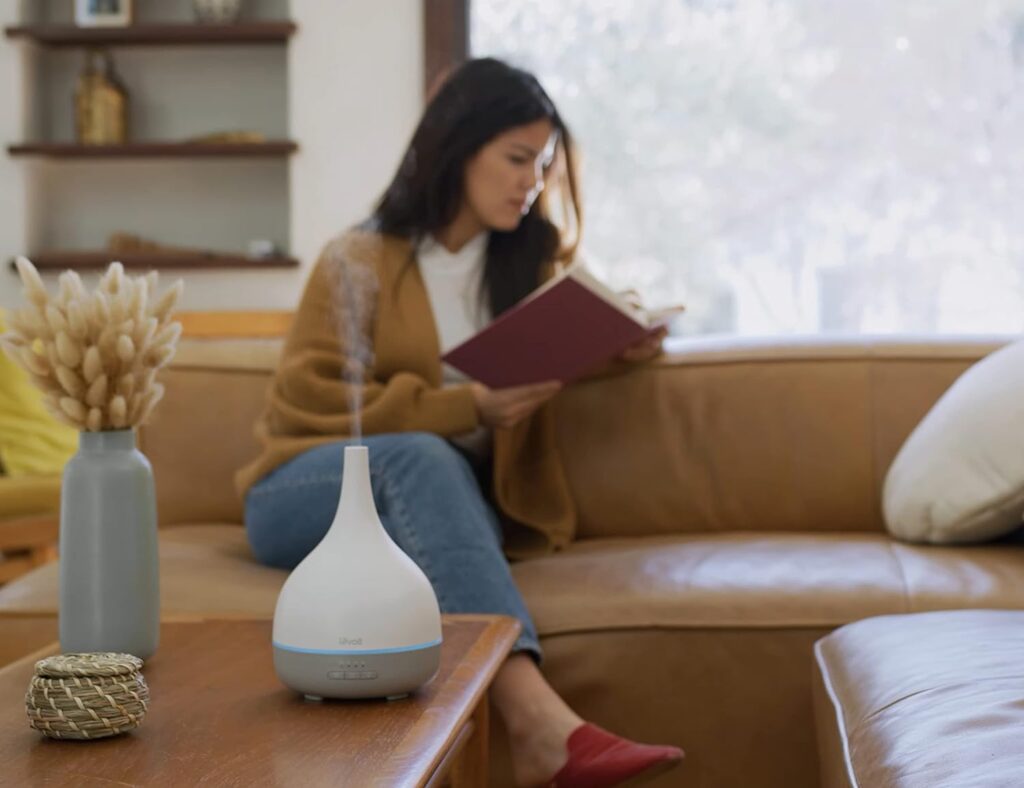
Where Are Levoit Diffusers Manufactured?

Levoit has emerged as a prominent brand, widely recognized for its commitment to enhancing home environments. From its leading-edge air purifiers to its popular humidifiers ...
Diffuser
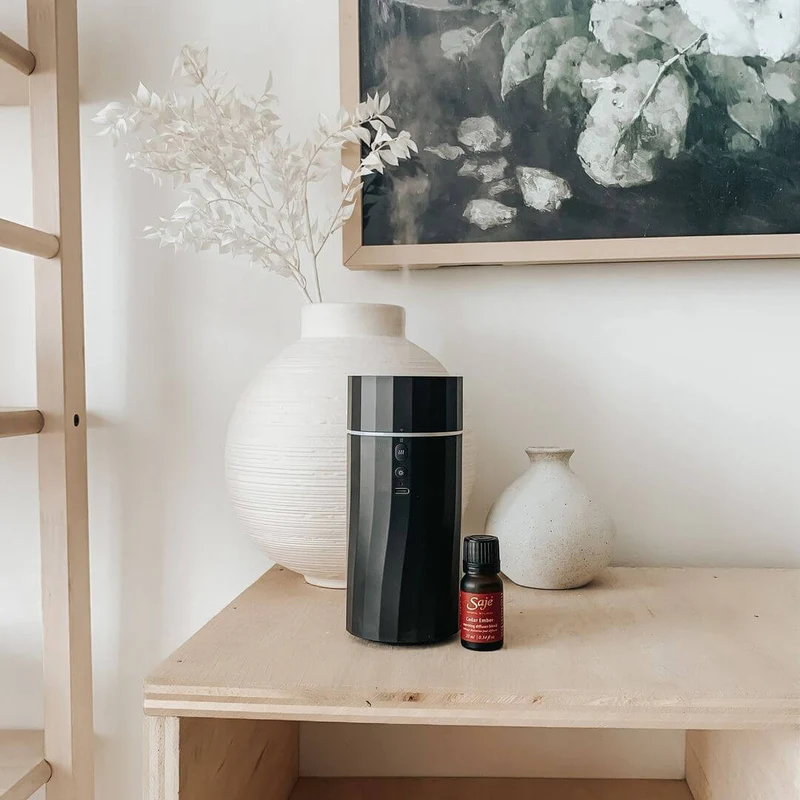
saje diffusers 5

Where Are Saje Diffusers Manufactured?

For any D2C or B2B brand leader, Saje Natural Wellness is a case study in masterful brand building. Since its inception in 1992, the Vancouver-based ...
Diffuser
anjou diffusers 4

Where Are Anjou Diffusers Manufactured?

At first glance, the Anjou brand seems to embody the quintessential modern wellness company. Its marketing speaks of being "Inspired by Nature" and "perfected by ...
Diffuser
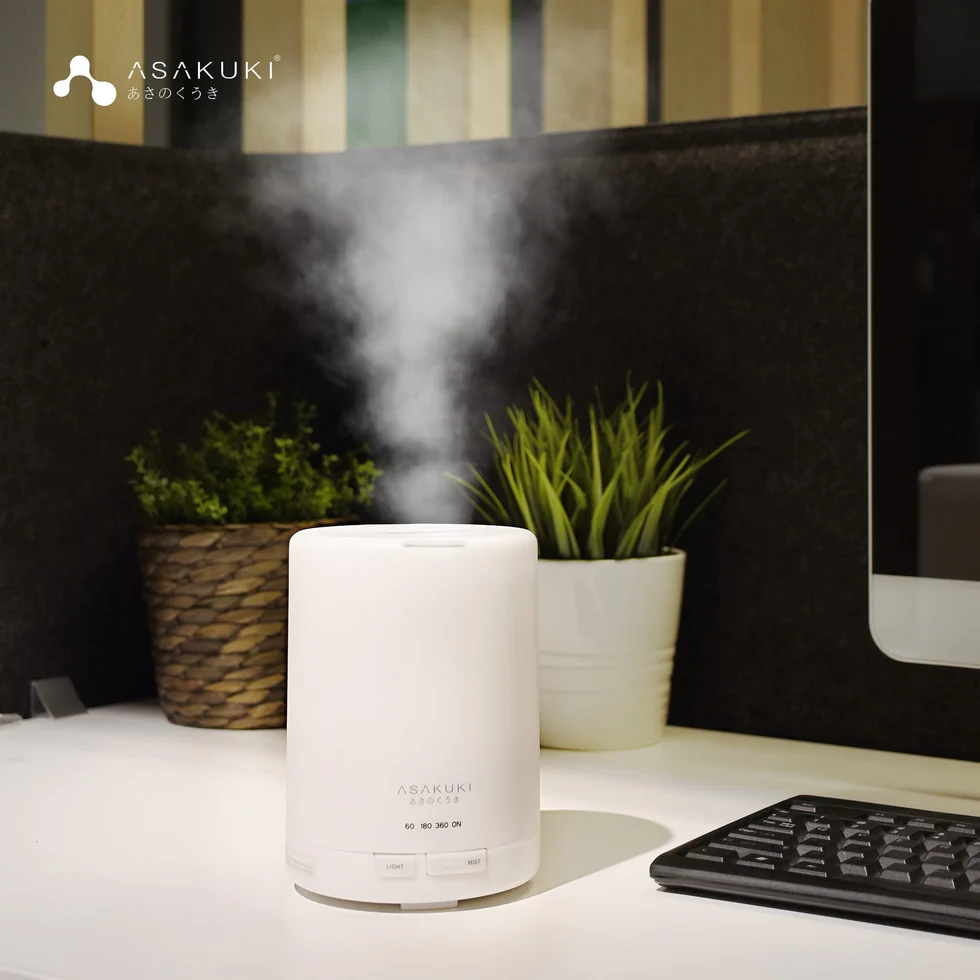
asakuki diffusers 3

Where Are ASAKUKI Diffusers Manufactured?

For any direct-to-consumer (D2C) brand navigating the complexities of the global marketplace, the story of ASAKUKI is a masterclass in strategy. On the surface, it’s ...
Diffuser
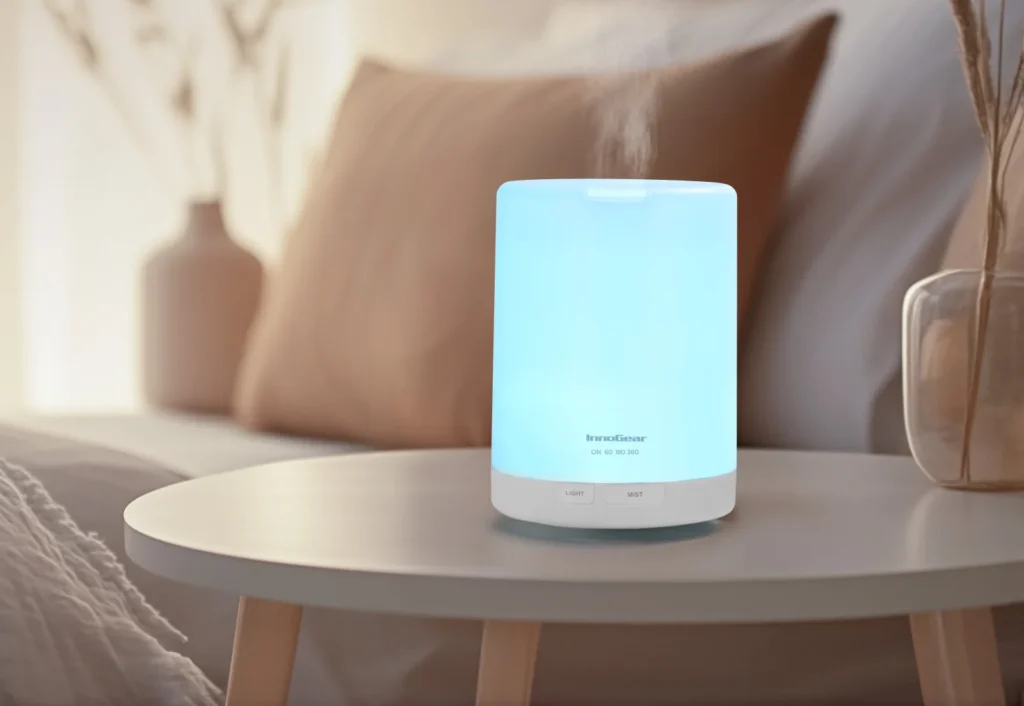
innogear diffusers 7

Where Are InnoGear Diffusers Manufactured?

If you’ve browsed for home wellness products on Amazon or Walmart, you’ve almost certainly encountered the InnoGear brand. Known for its affordable, reliable, and feature-rich ...
Diffuser
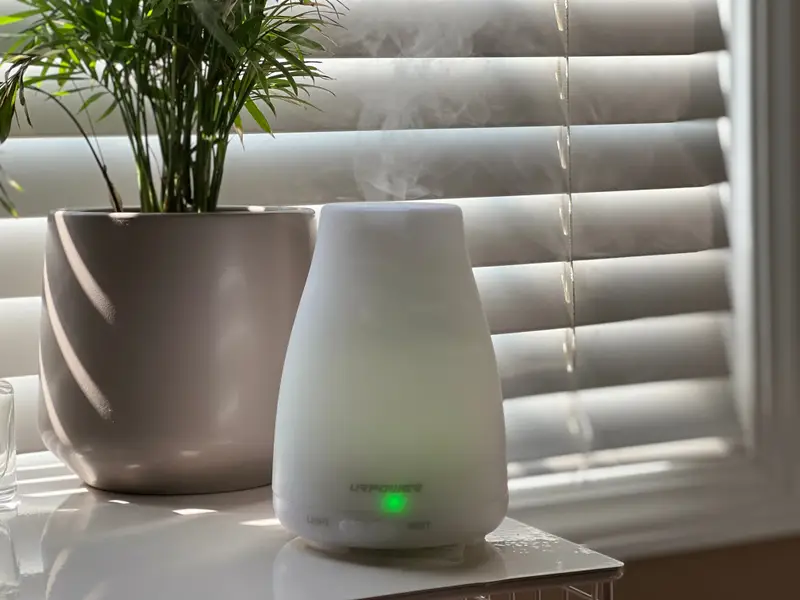
urpower diffusers 5

Where Are URPOWER Diffusers Manufactured?

If you’ve browsed for home wellness products on Amazon or Walmart in the last few years, you’ve almost certainly encountered the URPOWER brand. Their essential ...
Diffuser
Contaminant Engineering•3 min read

PFAS Water Filtration Technologies Explained: Carbon, Resin & RO

Key Takeaway:

PFAS reduction depends on the specific compounds present, treatment media, contact time, water chemistry, and system design. Activated carbon, ion exchange, and Reverse Osmosis address PFAS through different mechanisms.

PFAS are a large family of persistent fluorinated compounds that can occur in drinking-water supplies. Their treatment behavior varies significantly by molecular structure, chain length, functional group, concentration, and the chemistry of the source water.

Granular Activated Carbon (GAC) removes PFAS primarily through adsorption. It is generally more effective for many longer-chain PFAS, while shorter-chain compounds tend to break through more quickly. Carbon performance depends on media properties, Empty Bed Contact Time (EBCT), competing organic matter, loading, and replacement frequency.

Ion-exchange resins use charged functional sites to capture many PFAS compounds. Properly selected anion-exchange media can provide high capacity and may perform better than conventional activated carbon for some shorter-chain PFAS, although performance still depends on water chemistry and competing ions.

Reverse Osmosis (RO) uses membrane separation rather than adsorption. Properly designed RO systems can provide broad reduction across many PFAS compounds as well as dissolved salts and other contaminants. Unlike carbon or resin, however, RO also produces a concentrate stream that must be managed.

No single technology should be selected from a PFAS label alone. System design should consider which PFAS compounds are present, their concentrations, required reduction targets, flow rate, media life, and the applicable third-party certification or validation requirements.

HisoAir Water Technical Series
Product Discovery•3 min read

How to Choose an Under-Sink Water Purifier for Modern Kitchens

Key Takeaway:

Match the treatment technology to your water quality first, then evaluate cabinet space, faucet configuration, flow rate, drain and power requirements, and filter replacement needs.

Choosing an under-sink water purifier starts with water chemistry. Carbon filtration is well suited to chlorine, taste, odor, and many organic contaminants, while Reverse Osmosis is more appropriate when dissolved salts, fluoride, nitrates, or broader dissolved contaminants need to be reduced.

For compact kitchens, tankless RO systems eliminate the conventional storage tank and can significantly reduce the space required under the sink. However, membrane capacity stated in GPD does not directly equal faucet flow. When comparing systems, check the actual dispensing flow rate, inlet-pressure requirement, recovery ratio, and whether a booster pump is required.

Installation architecture also matters. Many RO systems require a drain connection, electrical power, and either a dedicated drinking-water faucet or a compatible multi-function faucet. High-flow carbon systems can often connect directly to the existing cold-water line with a simpler installation, but pressure drop and available faucet flow should still be verified.

RO also removes much of the naturally occurring dissolved mineral content. Where taste or mineral balance is a priority, a post-RO remineralization stage can be added. Filter life should be evaluated by both rated capacity and local water quality rather than replacement time alone.

The right system is therefore not simply the smallest or highest-GPD model. It is the configuration that matches the target contaminants, available cabinet space, desired faucet setup, peak dispensing demand, and maintenance expectations.

HisoAir Water Technical Series
Water Quality•2 min read

What Does TDS Mean in Drinking Water? Measurement vs Contaminant Reality

Key Takeaway:

A TDS meter estimates the overall concentration of dissolved ionic substances from electrical conductivity. It cannot identify specific contaminants or determine whether water is chemically safe.

Total Dissolved Solids (TDS) refers to the combined concentration of dissolved substances in water. Most handheld TDS meters do not measure TDS directly. Instead, they measure electrical conductivity (EC) and convert that reading into an estimated parts-per-million (ppm) value.

This means a TDS reading can indicate how much dissolved ionic material is present, but not what that material actually is. Calcium, magnesium, sodium, nitrates, and other dissolved ions can all contribute to conductivity, yet a simple TDS meter cannot distinguish between them.

TDS meters are also not suitable for detecting trace contaminants such as PFAS, many VOCs, pesticides, pharmaceuticals, or disinfection byproducts. These substances may be present at concentrations far below the level needed to noticeably change electrical conductivity.

A low TDS reading therefore does not guarantee safe drinking water, and a higher TDS reading does not automatically indicate contamination. Water-treatment decisions should be based on laboratory testing for specific contaminants of concern rather than TDS alone.

HisoAir Water Technical Series
Technology Selection•2 min read

RO vs UF Water Filtration: Understanding Pore Sizes & Dissolved Minerals

Key Takeaway:

Ultrafiltration can reduce bacteria, turbidity, and suspended particles while retaining most naturally occurring dissolved minerals. Reverse Osmosis provides much broader reduction of dissolved salts and smaller contaminants.

Ultrafiltration (UF) typically uses hollow-fiber membranes with pore sizes in the approximate 0.01–0.1 micron range. These membranes physically retain turbidity, suspended solids, colloids, and many microorganisms while allowing dissolved minerals and salts to remain in the water.

Reverse Osmosis (RO) operates at a much finer separation level. Unlike UF, RO can substantially reduce dissolved ions such as sodium, calcium, fluoride, nitrates, and other contributors to total dissolved solids (TDS). This makes RO more suitable when dissolved-salt reduction is a primary treatment objective.

UF generally requires less system pressure and produces little or no continuous concentrate stream in many point-of-use configurations. RO typically requires greater pressure and produces a reject-water stream, but delivers broader contaminant reduction.

For water with acceptable TDS and mineral content, UF can be a simpler mineral-retaining treatment option. Where dissolved salts, fluoride, nitrates, or broader dissolved contaminants are a concern, RO is generally the more appropriate technology.

HisoAir Water Technical Series
Technology Selection•4 min read

Carbon Block vs Reverse Osmosis: Which Fits Your Need?

Key Takeaway:

Choose RO for dissolved inorganic salts and heavy metals; choose Carbon Block for chemical taste/odor, no wastewater, and high line-pressure flow.

Reverse Osmosis (RO) and Carbon Block filtration represent two fundamentally different treatment methods: membrane separation and adsorption. Understanding these differences helps determine which technology is better suited to a specific water-quality requirement.

Reverse Osmosis uses a semi-permeable membrane with pore sizes of approximately 0.0001 microns. It can significantly reduce dissolved inorganic contaminants such as TDS, fluoride, nitrates, and certain heavy metals. Because water must be forced through the membrane, RO systems require sufficient pressure or a booster pump and generate a concentrated wastewater stream.

Carbon Block filtration relies primarily on adsorption through compressed activated carbon, commonly with nominal pore sizes around 0.5–5 microns. It is highly effective for chlorine, chloramines, VOCs, taste, and odor, while allowing substantially higher direct-flow rates without producing wastewater.

From an operating perspective, Carbon Block systems are generally simpler, require less energy, and avoid the water loss associated with RO. RO involves higher system complexity and operating cost, but provides substantially broader reduction of dissolved contaminants that Carbon Block alone cannot address.

HisoAir Water Technical Series

SOLICITAR PRESUPUESTO