As the Founder & CEO of HisoAir, with over two decades in indoor air quality (IAQ) technology, I've observed a critical, yet often overlooked, aspect of restorative sleep: optimal humidity. For our B2B partners from e-commerce brands to innovative startups understanding the best humidifier for bedroom use isn't just about features; it's about grasping the science, technology, and user needs that genuinely improve lives.
This guide empowers you with insights for strategic product decisions. We'll explore the benefits of optimal bedroom humidity, humidifier types, technology comparisons, and key features defining market-leading products. Our goal is to help you source or develop humidifiers that exceed customer expectations, ensuring healthier, more comfortable sleep.
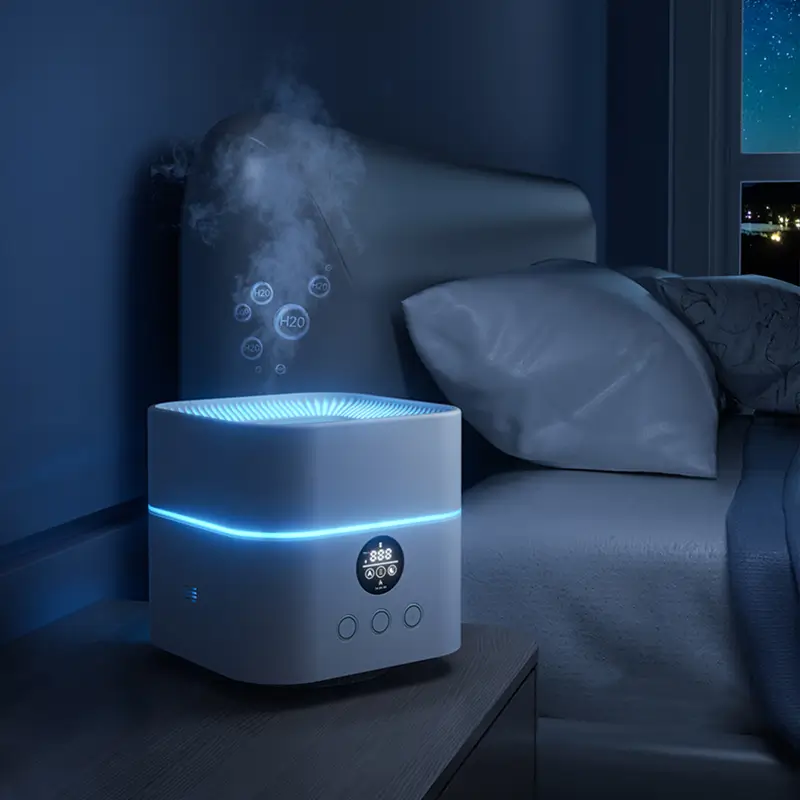
Why is Optimal Bedroom Humidity So Important for Sleep?
The primary function of a bedroom humidifier is to counteract dry air by maintaining optimal indoor humidity. ASHRAE identifies the ideal range for relative humidity (RH) as 30% to 50%. This crucial window directly impacts sleep quality and overall well-being.
When humidity drops below 30%—common in heated homes—the body experiences discomforts that disrupt sleep: itchy throat, dry nasal passages, chapped lips, and irritated skin. Prolonged dry air can also increase nosebleeds. More critically, the respiratory system's defense, mucus membranes, becomes less effective when dry, increasing susceptibility to infections like flu, bronchitis, and sinusitis. Thus, sleeping with a humidifier provides significant health benefits by maintaining natural defenses and alleviating dry air discomforts.
Optimal humidity extensively contributes to a healthier sleep environment. Humidified air loosens mucus, relieving congestion and aiding breathing. It can also significantly reduce snoring caused by dryness. A room humidifier acts as a constant moisturizer, preventing dry, flaky, itchy skin that interrupts sleep. Research indicates that keeping RH above 40% can significantly reduce airborne influenza virus infectivity. Additionally, the gentle, consistent sound of a quiet humidifier for bedroom use can create a 'white noise' effect, masking disruptive sounds and promoting deeper sleep.
However, excessive humidity (above 60%) poses significant problems. High moisture creates an ideal breeding ground for allergens like dust mites and mold, triggering allergic reactions and asthma attacks. This highlights the critical importance of intelligently controlling moisture. The most valuable products precisely maintain optimal humidity, transforming a basic appliance into a sophisticated wellness tool that prevents both dryness and excessive moisture problems.
What Are the Main Types of Humidifiers for a Bedroom?
As an OEM/ODM partner, understanding core humidifier technologies is fundamental to your product strategy. The chosen technology influences performance, target audience, and marketing message. Three primary portable humidifier types are commonly considered for bedroom applications, each with distinct advantages and disadvantages.
How Do Ultrasonic Humidifiers Work, and What Are Their Benefits?
Ultrasonic humidifiers use a ceramic diaphragm vibrating at ultrasonic frequency to break water into a fine, visible mist. These devices produce either cool or warm mist. Their greatest advantage is whisper-quiet operation, making them a top choice for the best humidifier for bedroom use. At HisoAir, our proprietary Decibel Cancellation™ technology further enhances this, creating a virtually silent experience crucial for undisturbed sleep. They are also highly energy-efficient, and as cool mist humidifiers, lack a heating element, positioning them as a safe option for children's rooms and nurseries. However, a key challenge is their tendency to aerosolize everything in the water tank, including minerals. In hard water areas, this can lead to fine "white dust" settling on furniture and potentially being inhaled. Therefore, using distilled water or a demineralization cartridge is essential for optimal performance and health.
What are the Pros and Cons of Evaporative Humidifiers?
Evaporative humidifiers operate by using a fan to blow air through a wet wick or filter. As air passes, it absorbs moisture, which is then dispersed. These models are naturally self-regulating; evaporation slows as room humidity rises, preventing over-saturation. The wick also acts as a natural filter, trapping minerals and preventing "white dust". However, the fan generates more noise than ultrasonic models, a drawback for light sleepers. Additionally, the wick filter necessitates regular cleaning and periodic replacement to prevent mold and mineral buildup, adding recurring maintenance and cost.
Are Warm Mist Humidifiers Safe for Bedroom Use?
Warm mist humidifiers (vaporizers) employ an internal heating element to boil water, releasing warm, purified steam. The boiling process kills most waterborne bacteria and mold, ensuring hygienic mist. Many users find the warm mist soothing, especially for cold or flu symptoms in colder climates. These units are typically filter-free and quieter than evaporative models. Nevertheless, they consume more electricity due to the heating element. The most significant drawback, critical for B2B buyers, is the safety risk: hot water and steam pose a burn hazard, rendering them unsuitable for homes with young children or pets.
The choice of technology is strategic. A brand focusing on ultrasonic models prioritizes modern design and quiet operation, requiring a water quality ecosystem. Conversely, a brand opting for evaporative technology emphasizes natural, worry-free humidification. Understanding these trade-offs aligns your product offerings with target markets.
| Attribute | Humidificateur ultrasonique | Humidificateur à évaporation | Warm Mist Humidifier |
|---|---|---|---|
| Mécanisme | High-frequency vibration | Fan blows air over a wet wick | Heats water to produce steam |
| Niveau de bruit | Very Quiet (typically <30 dB) | Moderate (fan noise) | Quiet to Moderate (gurgling) |
| Mist Temperature | Cool or Warm | Always Cool | Always Warm |
| White Dust Risk | High (if using hard water) | None (minerals trapped in wick) | Low (minerals left in tank) |
| Hygiene | Requires diligent cleaning and pure water to avoid dispersing contaminants. | Wick requires regular cleaning/replacement to prevent mold. | High (boiling process kills germs). |
| Safety (Burn Risk) | Very Safe (cool mist models) | Very Safe | High (hot water/steam) |
| Energy Use | Faible | Low to Moderate | Haut |
| Best For | Bedrooms, nurseries, users prioritizing quiet operation and modern features. | Users concerned about white dust and who prefer a self-regulating system. | Users prioritizing hygiene and seeking therapeutic warmth for congestion. |

Air Purifier vs. Humidifier: Which One Do You Need?
A common point of confusion for consumers—and an opportunity for B2B brands to position themselves as knowledgeable advisors—is the fundamental difference between an air purifier vs humidifier. While both devices aim to improve indoor air quality, they serve distinct purposes. Understanding these differences is crucial for guiding your customers to the right solution and potentially offering integrated systems.
What is the Difference Between an Air Purifier and a Humidifier?
An air purifier cleans the air by drawing it through filters (e.g., HEPA) to capture pollutants like dust, pollen, pet dander, mold spores, viruses, and bacteria. It does not add or remove moisture. A home humidifier adds moisture to the air, combating dryness, but does not remove particulate pollutants.
When Should You Recommend an Air Cleaner or a Humidifier?
Guiding your customers effectively requires a clear understanding of their primary concerns:
- For Allergies & Asthma: If the primary concern is airborne allergens and pollutants, an air purifier is the essential device, as it actively removes triggers.
- For Dry Air Symptoms: If the problem is a dry throat, congestion, chapped lips, or itchy skin due to low humidity, a room humidifier is the appropriate tool.
- For Comprehensive IAQ: Many households benefit from both. Dry winter air exacerbates allergy symptoms by irritating airways; a humidifier maintains optimal moisture while an air purifier removes allergens. This comprehensive approach led to the rising popularity of air purifier and humidifier combination units, which clean and humidify simultaneously.
Clear guidance builds trust and helps customers find effective solutions, leading to higher satisfaction. At HisoAir, we envision the future of IAQ as integrated, smart systems managing the entire indoor environment.
What Key Features Define the Best Humidifier for a Bedroom?
Beyond core technology, specific features distinguish a standard room humidifier from the best humidifier for bedroom use. For B2B partners sourcing or developing market-leading products, this checklist is crucial.
| Fonctionnalité | Strategic Importance & Marketing Angle |
|---|---|
| Fonctionnement ultra-silencieux | User Benefit: Ensures sleep is not disturbed. Most critical feature for a bedroom. Marketing Angle: "Engineered for silence. Our Decibel Cancellation™ technology lets you sleep peacefully." |
| Built-in Humidistat (Auto Mode) | User Benefit: Automatically maintains ideal 30-50% humidity, preventing over-saturation and mold growth. "Set it and forget it" convenience. Marketing Angle: "Intelligent humidity control for a perfect, healthy sleep environment, automatically." |
| Top-Fill Water Tank | User Benefit: Eliminates hassle and mess of removing, flipping, and refilling a tank at the sink. Marketing Angle: "Effortless to refill. Designed for your convenience." |
| Large Tank & Long Run Time | User Benefit: Capacity of at least 4 liters and 24+ hours run time ensures uninterrupted operation. Marketing Angle: "All-night comfort on a single fill." |
| Easy, Tool-Free Cleaning | User Benefit: Simple design with wide openings and few parts encourages regular cleaning, ensuring hygienic operation. Marketing Angle: "Designed for health, engineered for easy cleaning." |
| Dimmable / No-Light Display | User Benefit: Allows all lights on unit to be turned off, creating a completely dark room for light-sensitive sleepers. Marketing Angle: "Your sleep, your way. Total darkness at the touch of a button." |
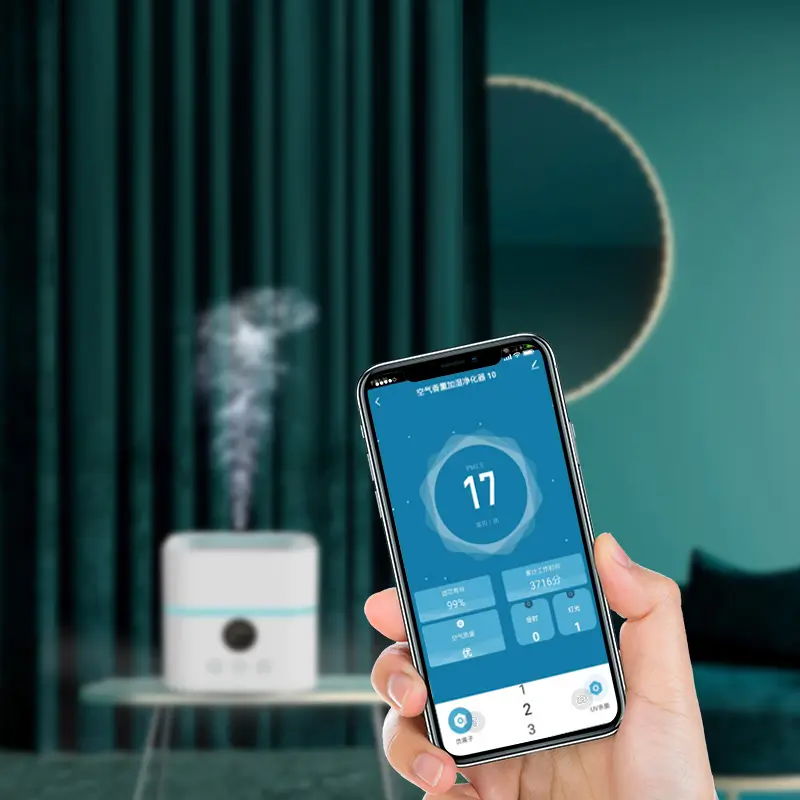
| Smart App & Voice Control | User Benefit: Provides remote control, scheduling, and precise adjustments from smartphone or smart speaker. Marketing Angle: "The smartest way to a healthier bedroom. Control your comfort from anywhere." |
| Integrated Aromatherapy Tray | User Benefit: Separate tray allows essential oils for spa-like experience without damaging humidifier components. Marketing Angle: "Humidify and diffuse. Create your personal wellness sanctuary." |
| Antimicrobial Materials | User Benefit: Plastics treated with antimicrobial agents inhibit mold and bacteria growth in the tank. Marketing Angle: "A commitment to clean. Built with materials that resist microbial growth." |
A product combining these features addresses key consumer needs: quiet, effective, convenient, and hygienic. Focusing development here creates a standout, premium product. The best small humidifier for bedroom use prioritizes a compact footprint while delivering on these core principles, especially quietness and ease of use.

Conclusion: Partnering for a Healthier Future
Choosing the best humidifier for bedroom applications is a strategic decision beyond a simple spec sheet. It requires understanding humidity's health impact, technology trade-offs, and features creating a seamless user experience. Market leadership in this segment demands intelligent, user-centric design.
The future of IAQ solutions belongs to products that are effective, whisper-quiet, easy to maintain, and smart enough to automatically create and sustain the perfect indoor environment. By embracing advanced technologies like our ultra-quiet ultrasonic systems prioritizing hygiene through easy-to-clean designs and effective water treatment, and providing clear educational resources, you can build a brand synonymous with quality and trust. At HisoAir, we are your dedicated partner in innovation. We leverage our global manufacturing footprint and two decades of IAQ expertise to help you develop and source products that lead. Together, we can deliver on the promise of healthier, more restorative sleep for customers worldwide.



 English
 Français
 Español
 Italiano
 Deutsch
 Português
 Русский
 العربية
 日本語
 한국어
 Tiếng Việt

