

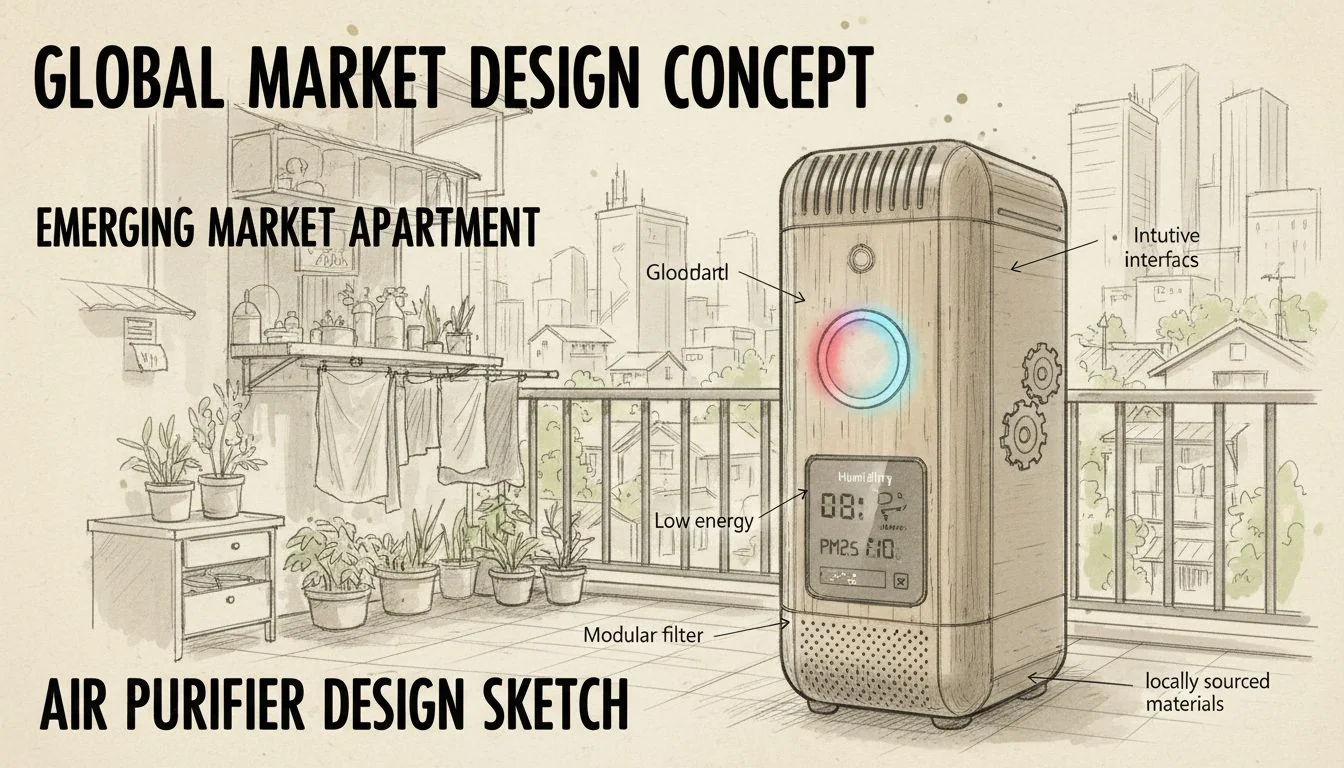
Western air purifier designs often fail in emerging markets1, leaving manufacturers frustrated. You need to adapt your mold strategies to local realities to succeed globally.
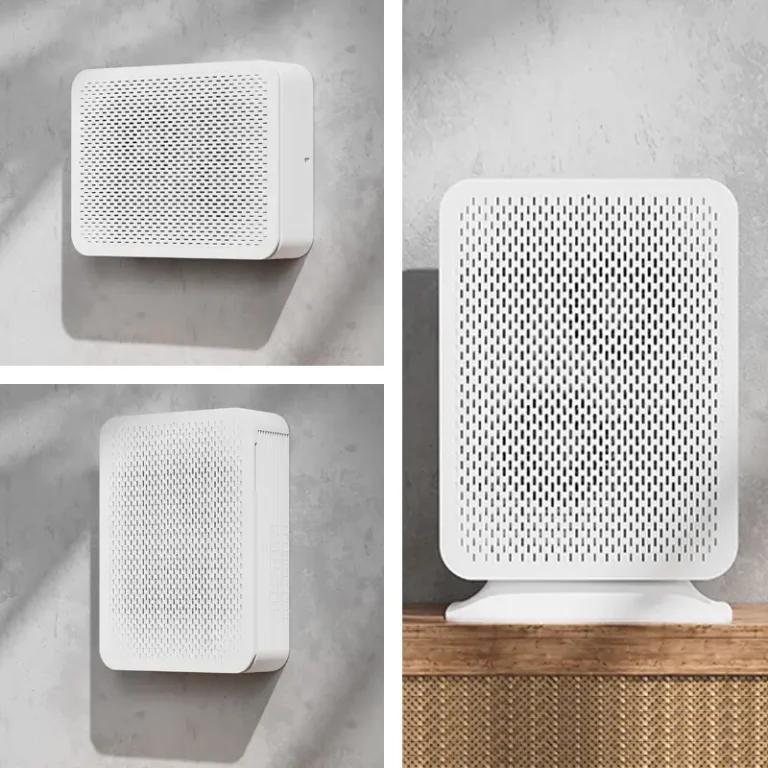
To succeed in emerging markets, designers must shift from "smart" features to "robust" utility. This means prioritizing wall-mounted designs2 to save space, engineering PCBs for humidity and voltage spikes, and integrating multi-functional tools like mosquito repellents directly into the mold architecture.
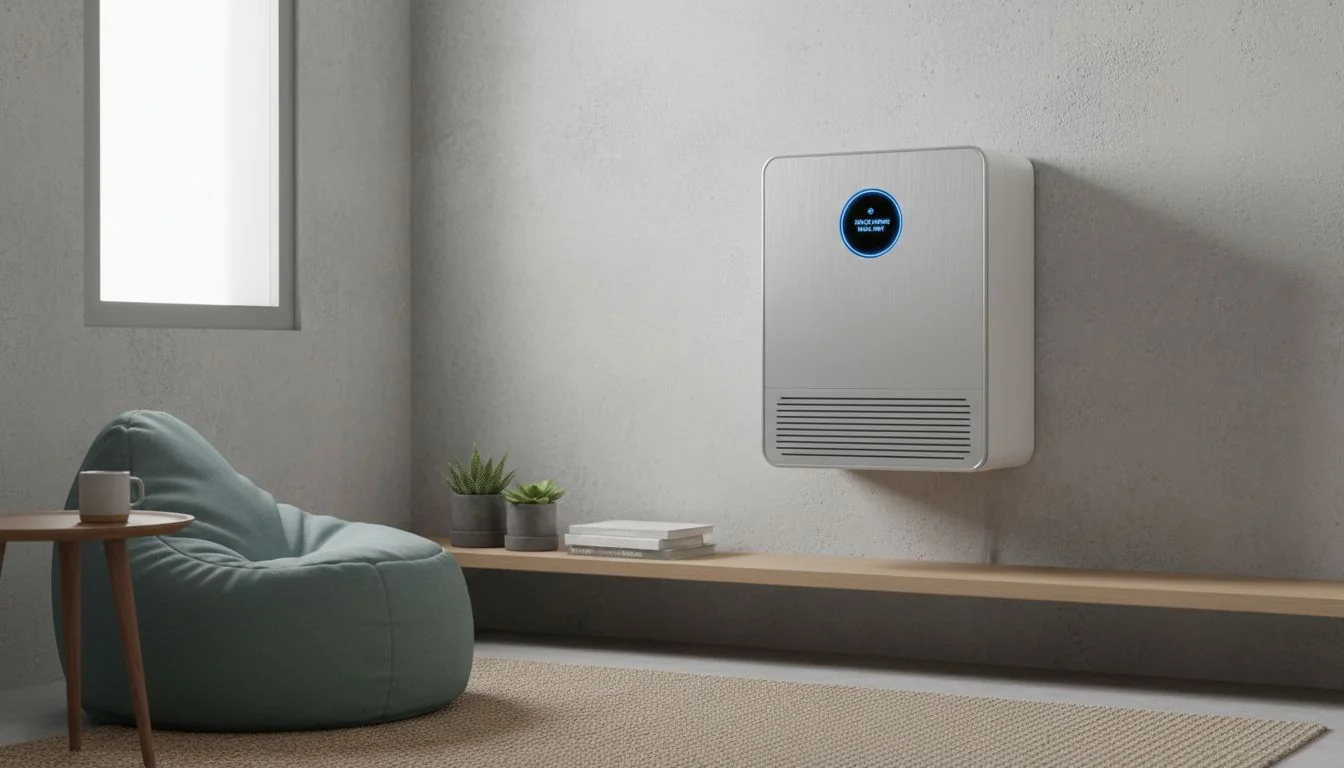
I have seen many clients struggle with this. They bring a sleek US design to SE Asia, and it sits on the shelf. Let me explain why this happens and how we fix it.
Western minimalist designs are universally effective in all global markets.Falso
Emerging markets have specific constraints like space, humidity, and power instability that require different design priorities.
Wall-mounted units offer significant logistic advantages over floor towers.Vero
Slimmer profiles allow for flatter packing, increasing the number of units per shipping container and reducing costs.
Why Do "Western" Designs Fail in Emerging Markets?
You design a sleek tower, but it fails in Vietnam. Why?
Western designs assume stable power and large floor plans. Emerging markets face space constraints3 and harsh environments, making standard "luxury" designs impractical and prone to failure.
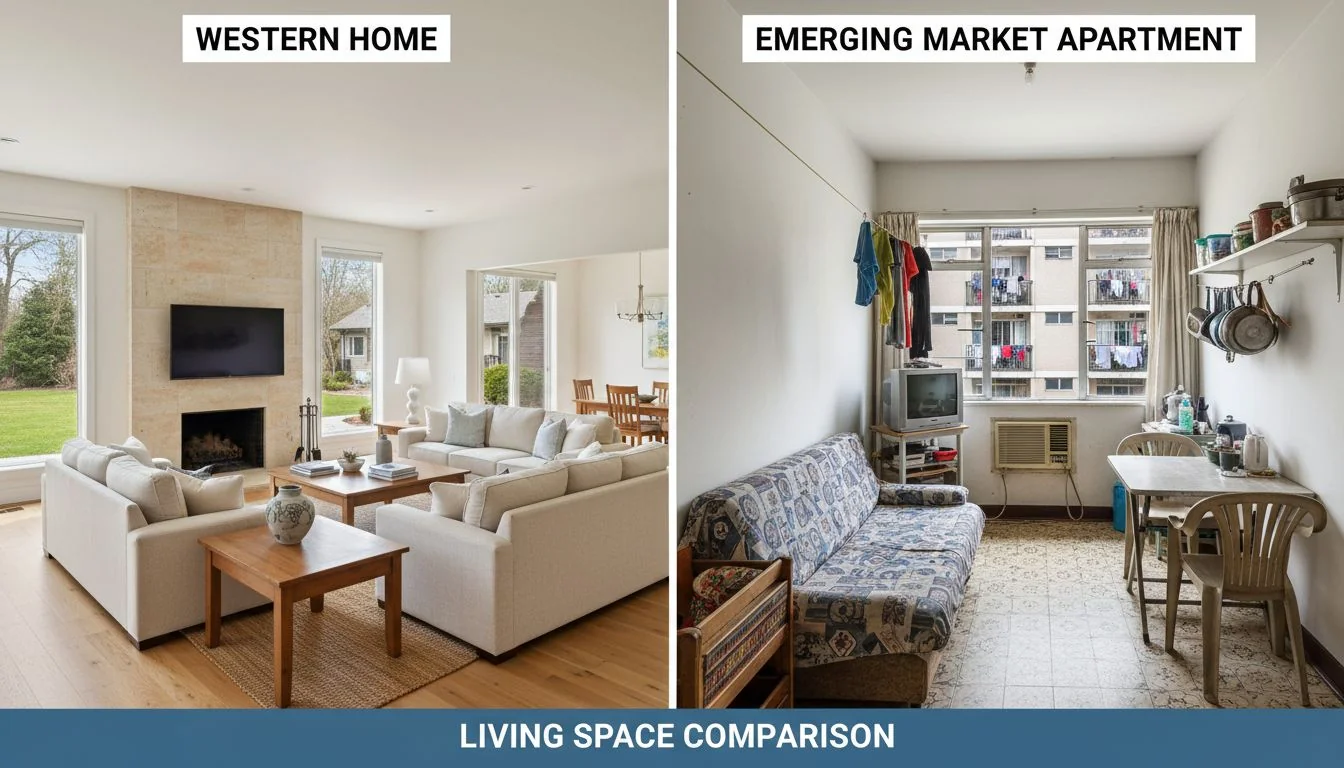
When I first started in the mold industry, I thought a good product was just about tight tolerances and clean lines. I was wrong. A good product must fit the life of the user. In North America or Europe, a floor-standing air purifier is a piece of furniture. It says, "I have space." But in emerging mega-cities like Mumbai or Jakarta, space is not just a luxury; it is the most expensive thing the customer owns.
If you design a round tower that takes up two square feet of floor space, you are asking the customer to pay "rent" for that appliance every month. Furthermore, the infrastructure is different. A "smart" device that relies on constant Wi-Fi and clean 110V power will die quickly in a region with brownouts and voltage spikes. As designers, we have to look beyond the CAD screen. We have to look at the wall socket and the humidity levels. We are not just molding plastic; we are molding solutions for specific environments.
The Context Gap in Design
| Caratteristica | Western Market Assumption | Emerging Market Reality |
|---|---|---|
| Spazio | Abundant floor space | High density, small apartments (40 sqm) |
| Potenza | Stable, clean voltage | Voltage spikes, brownouts |
| Climate | Climate controlled (HVAC) | High heat, high humidity |
| Value | Aesthetics & Smart App | Durability & Multi-functionality |
Smart features are the primary selling point in developing nations.Falso
Durability and basic functionality often outweigh smart features due to infrastructure reliability issues.
Understanding local infrastructure is crucial for product longevity.Vero
Designing for voltage spikes and humidity ensures the product survives in the target market environment.
Why Is the Wall-Mounted Design Winning the Density Challenge?
Floor space is expensive in mega-cities. How do we design for this?
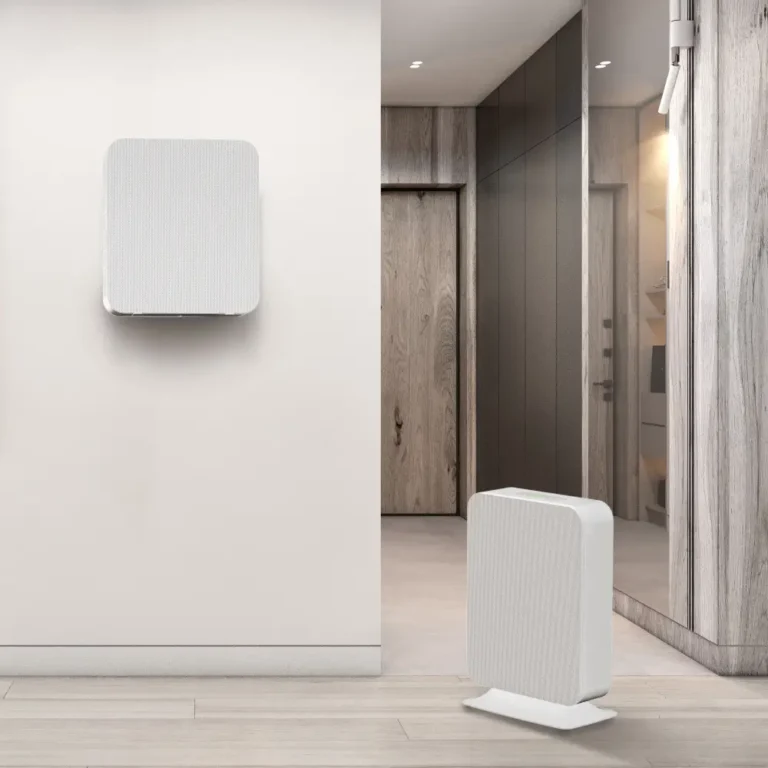
Wall-mounted units are the solution. They free up valuable floor space in small apartments, treating the purifier as a utility fixture rather than a piece of furniture.
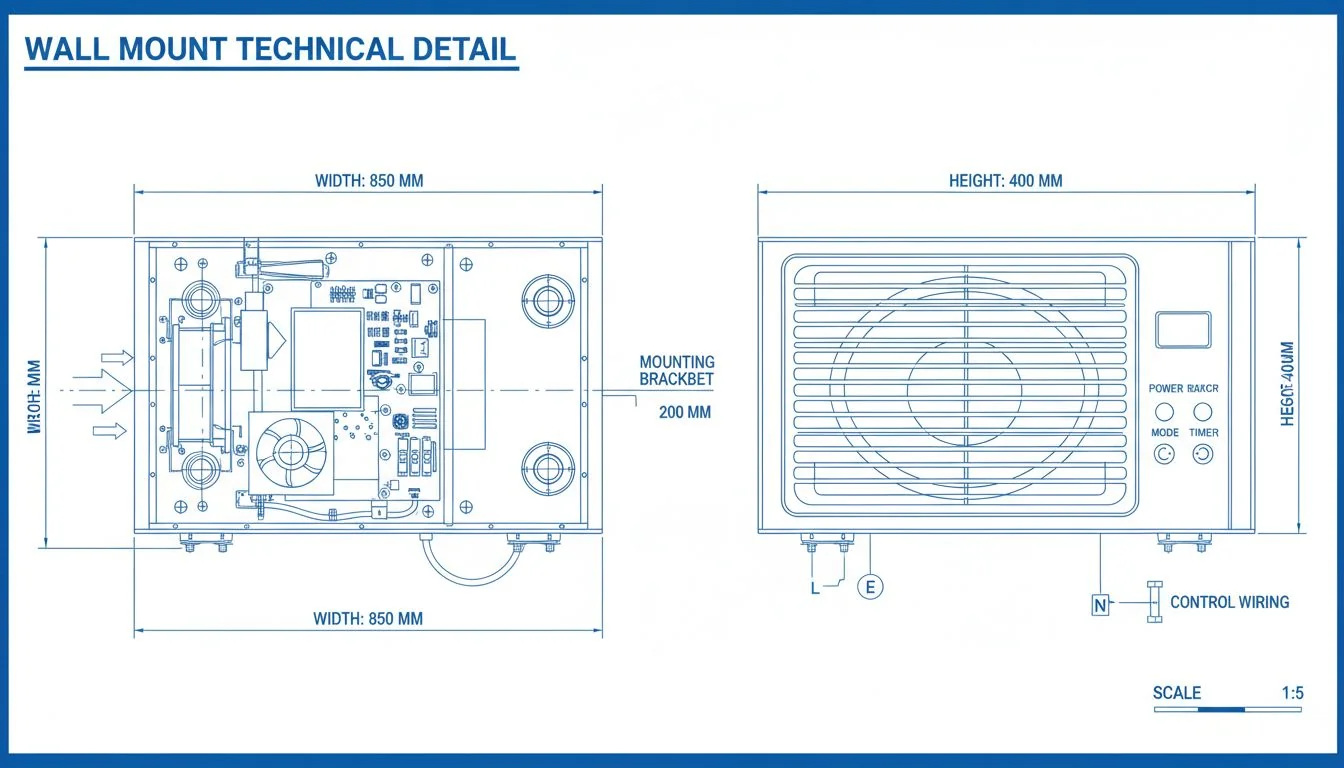
In my trading company, I noticed a shift in orders from Southeast Asia about five years ago. They stopped asking for towers and started asking for flat, wall-mountable units. This is because "Space" is a universal currency. In a 40-square-meter apartment, a floor unit is an obstacle. A wall unit is a solution.
From a mold design perspective, this changes everything for you, Jacky. You are no longer designing a cylinder. You are designing a slim rectangular prism. This affects your draft angles and your wall thickness. You need to ensure the back plate is reinforced to hold the weight of the motor and filters. You also need to think about vibration. A floor unit can vibrate a little, and the carpet absorbs it. A wall unit that vibrates turns the wall into a speaker. We need to design internal ribbing in the mold to dampen this vibration. We also need to design the mounting points to be intuitive. The mold must include guides for the screws so the user cannot mount it upside down.
Designing for Verticality
- Slim Profile: The depth of the unit must be minimized. This often requires custom fan blade designs or centrifugal fans rather than axial fans.
- Weight Distribution: The center of gravity must be close to the wall to reduce torque on the mounting screws.
- Safety Locks: The mold design should incorporate snap-fits or locking mechanisms to prevent the front cover from falling off if the unit is bumped.
Wall-mounted units require less structural reinforcement than floor units.Falso
Wall units need specific reinforcement to handle gravity loads and prevent vibration transfer to the wall.
Space saving is a primary value driver in mega-cities.Vero
With high real estate costs, consumers prefer appliances that do not occupy floor space.
How Do We Engineer for "Tropical Resilience"?
High humidity kills standard electronics. Is your mold protecting the internals?
You must design for "Tropical Resilience4." This involves creating sealed compartments for PCBs and using heat-resistant plastics to prevent warping and electronic failure in hot, humid climates.
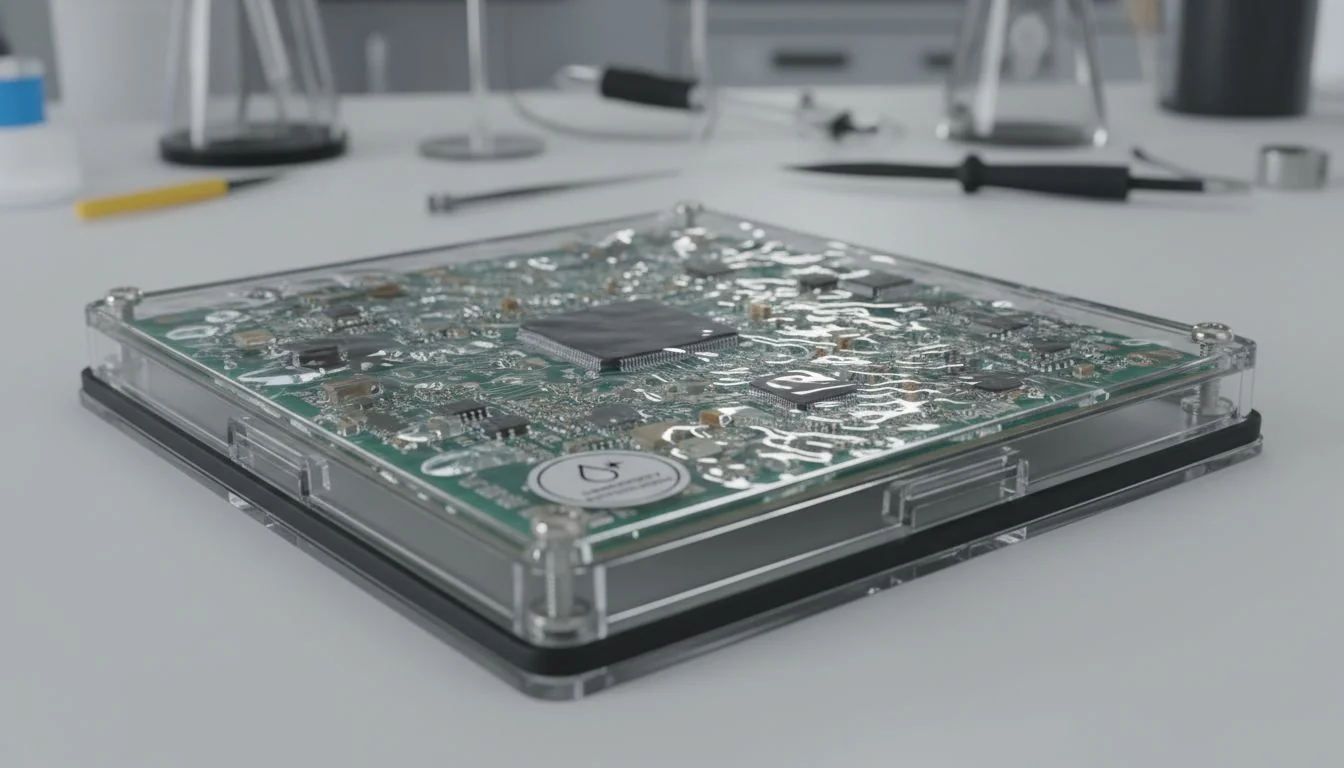
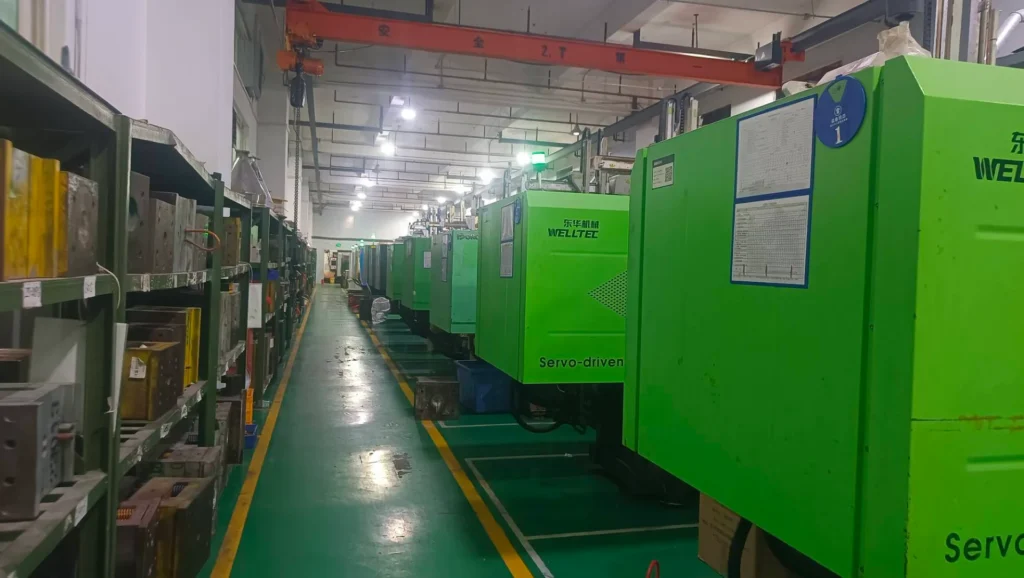
I once had a batch of molds returned because the final products were warping in the Philippines. We used standard ABS plastic, but the combination of heat and humidity caused stress relaxation in the parts. The snap fits became loose, and the units rattled. This taught me a valuable lesson about "Tropical Resilience."
For you, this means selecting the right material is step one. But step two is the geometry of the mold. You need to design "coffins" or sealed boxes for the sensitive electronics within the main housing. You cannot rely on the outer shell to keep moisture out. The PCB housing needs its own gasket channel molded directly into the plastic. You also need to think about heat dissipation. If you seal the electronics to keep moisture out, you trap heat in. Your mold design needs to include clever venting paths that allow hot air to rise and escape without letting condensation drip down onto the board. This is a tricky balance, but it is what separates a cheap toy from a reliable appliance.
Material and Structural Choices
- Humidity-Proof PCBs: The mold must accommodate potted or coated boards, which are often thicker.
- Voltage Protection: In markets with unstable grids, the power supply unit (PSU) is often larger to handle surges. Your mold must have a larger cavity to fit these robust components.
- Insect Screens: Ventilation holes in the mold must be small enough to prevent bugs from entering, or include a slot for a mesh screen.
Standard ABS plastic is always sufficient for tropical climates.Falso
High heat and humidity can cause warping in standard plastics; reinforced or heat-resistant grades are often needed.
Sealing electronics requires managing heat dissipation.Vero
While sealing protects from moisture, it traps heat, requiring careful design of vents and heat sinks.
Why Is "Multi-Functionality" the Real Value Driver?
Can a purifier do more than clean air?
In regions like SE Asia, adding a mosquito catcher is a game-changer. It solves two health issues at once, making the device essential rather than optional.
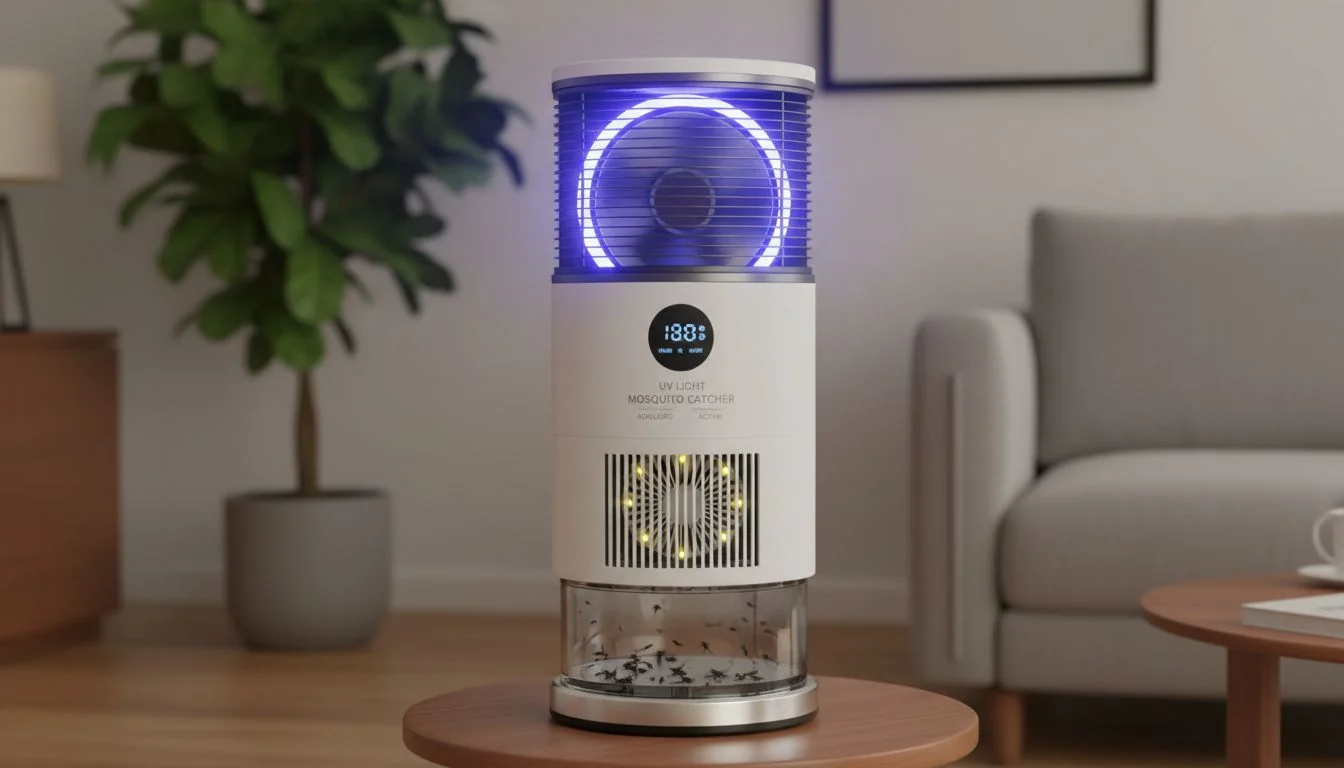
In the West, we like our devices to do one thing perfectly. In emerging markets, the consumer wants maximum value for their money. If a device can clean the air e kill mosquitoes, it is an instant winner. The "Mosquito Angle" is huge in Latin America and Southeast Asia.
Integrating this into the mold is a fun challenge. You are not just moving air; you are managing light. You need to design a cavity for a UV light source. This light needs to be visible to the mosquito but not annoying to the human sleeping in the room. This often means using a translucent plastic insert or a specific light-guide texture on the mold surface. You also need a trap mechanism. This might be a sticky pad tray that slides into the bottom. Your mold needs a drawer system with smooth runners. It adds complexity to the tooling, yes. But it adds massive value to the client. You are solving a health crisis (dengue fever) and an air quality crisis with one tool.
Integrating the "Kill Feature"
| Componente | Mold Design Requirement |
|---|---|
| Luce UV | Housing for LED, light pipes/guides, heat sink mount |
| Trap Drawer | Sliding mechanism, retention clips, easy cleaning access |
| Flusso d'aria | Suction must be strong enough to pull insects in without noise |
Multi-functionality dilutes the brand value in emerging markets.Falso
Consumers in these markets seek high utility and value; solving multiple problems increases product appeal.
UV light integration requires specific mold textures or inserts.Vero
To control light emission and safety, specific design features like light guides are necessary.
How Does Design Impact Distribution Logistics?
Shipping air is expensive. Can mold design reduce logistics costs?
Slim, wall-mounted designs pack flatter than towers. This increases unit density per container, significantly improving margins in markets where logistics costs are high.
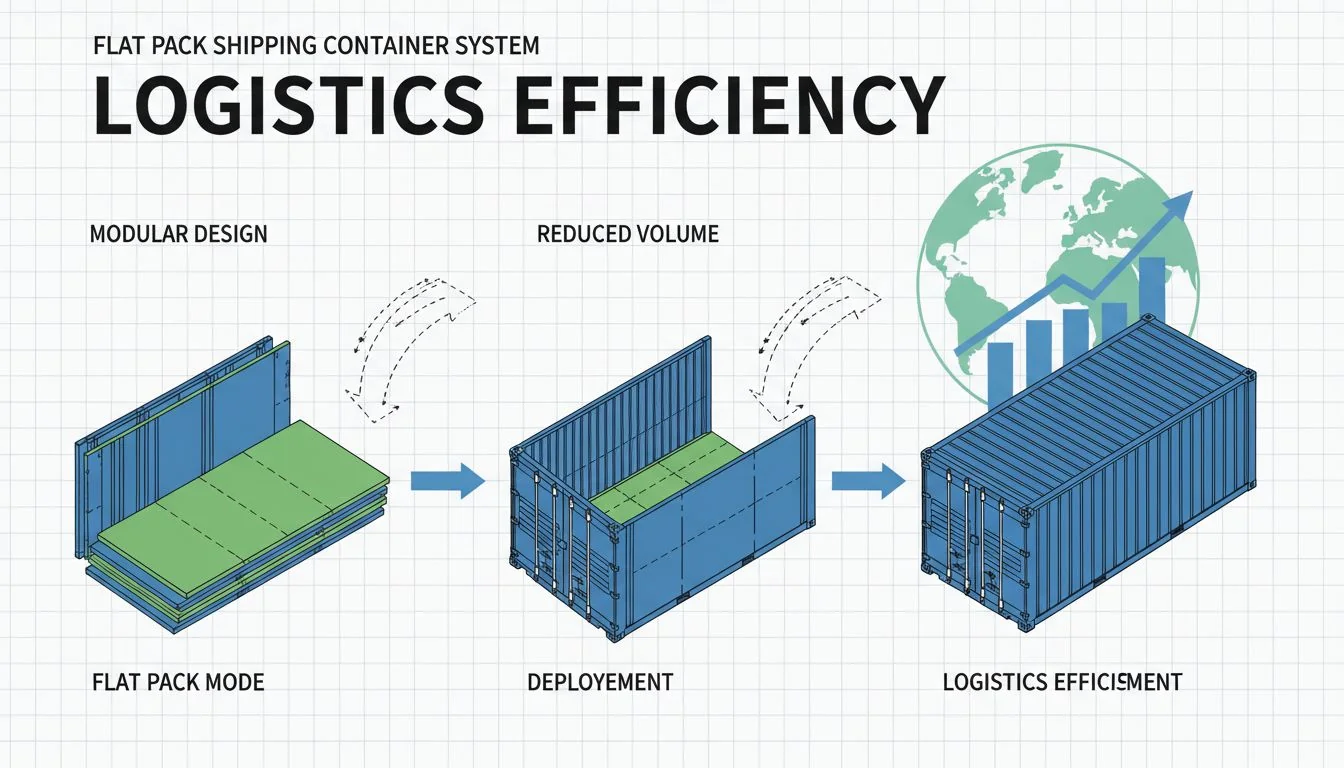
I always tell my clients: "Your profit margin is hidden in the shipping container." If you ship a round tower, you are shipping a lot of empty air around the product. The boxes are big and bulky.
A wall-mounted unit is naturally slim. But we can go further. We can design the unit to be "flat-packed" to some degree. Maybe the base (if it has one) detaches. Maybe the filters are not pre-installed but stacked separately to compress the box volume. From a mold perspective, this means designing parts that nest. If the front cover and the back cover can nest inside each other before assembly, you save massive space in the factory. But usually, for the final product, it is about the aspect ratio. A flat box stacks better than a square box. If you can fit 20% more units in a container, you have just given your client a 20% advantage over the competitor. This is where the "Global Adaptor" mindset comes in. You design for the shelf, but you also design for the truck.
The Logistics of Geometry
- Nesting Parts: Designing shell components that can stack efficiently during transport from the molder to the assembly line.
- Detachable Elements: Making protruding parts (like knobs or feet) detachable so the main packaging box is a perfect rectangle.
- Snap-Fits vs. Screws: Reducing assembly time in the factory also lowers cost. Smart snap-fit design in the mold speeds up the line.
Round tower designs are the most efficient for shipping.Falso
Cylindrical shapes create wasted space in rectangular shipping boxes and containers.
Mold design influences the final packaging volume.Vero
The geometry of the molded parts dictates the final product dimensions and packaging efficiency.
Conclusione
Glocalization is the key to scale. By adapting mold designs for space, durability, and local needs like mosquito control, we turn global challenges into manufacturing victories.
References
-
Understanding the unique challenges of emerging markets can help businesses tailor their products effectively. ↩
-
Exploring the benefits of wall-mounted designs reveals their practicality in space-constrained environments. ↩
-
Recognizing space constraints helps designers create solutions that fit consumer needs in urban settings. ↩
-
Learning about tropical resilience can enhance product durability in humid climates, ensuring longevity. ↩



 English
  Français
  Español
  Italiano
  Deutsch
  Português
  Русский
  العربية
  日本語
日本語  한국어
한국어  Tiếng Việt

