Si apre in una nuova scheda
Soluzioni innovative per la qualità dell'aria

20 anni di professionista OEM Purificatore d'aria Fornitore

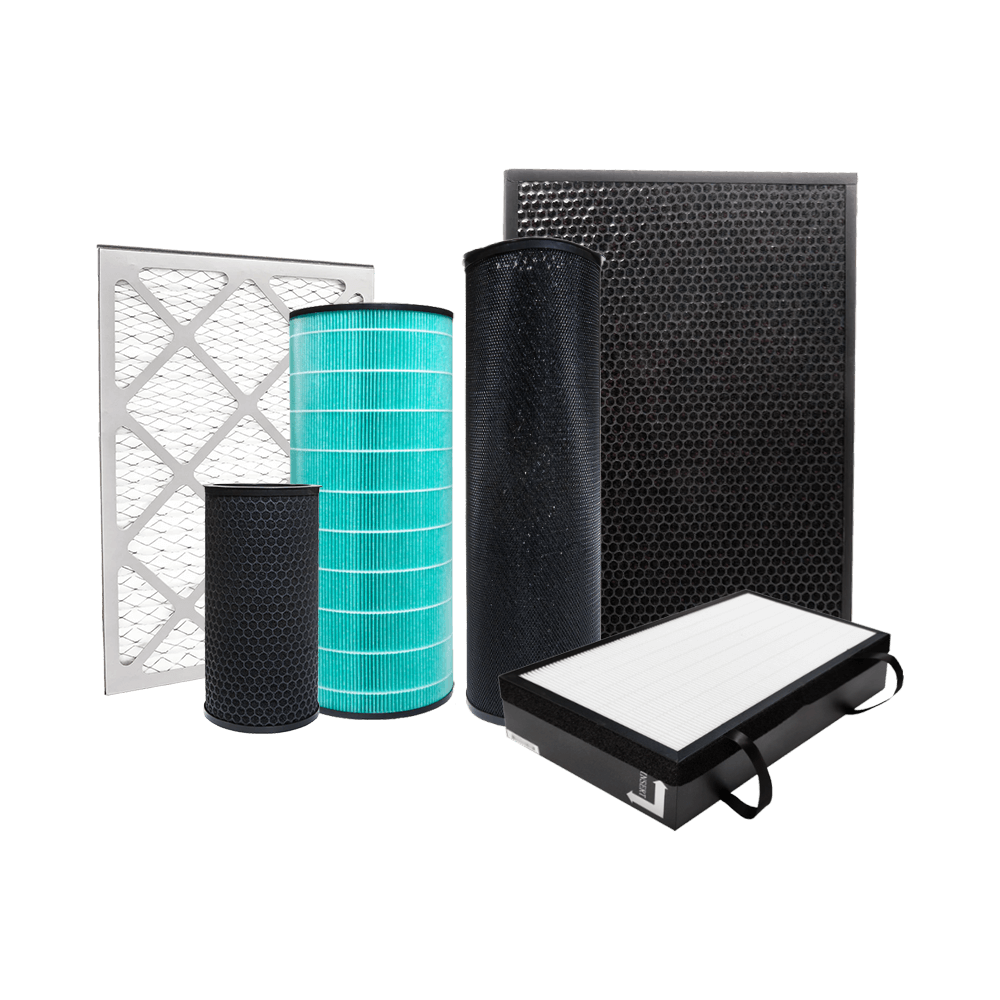
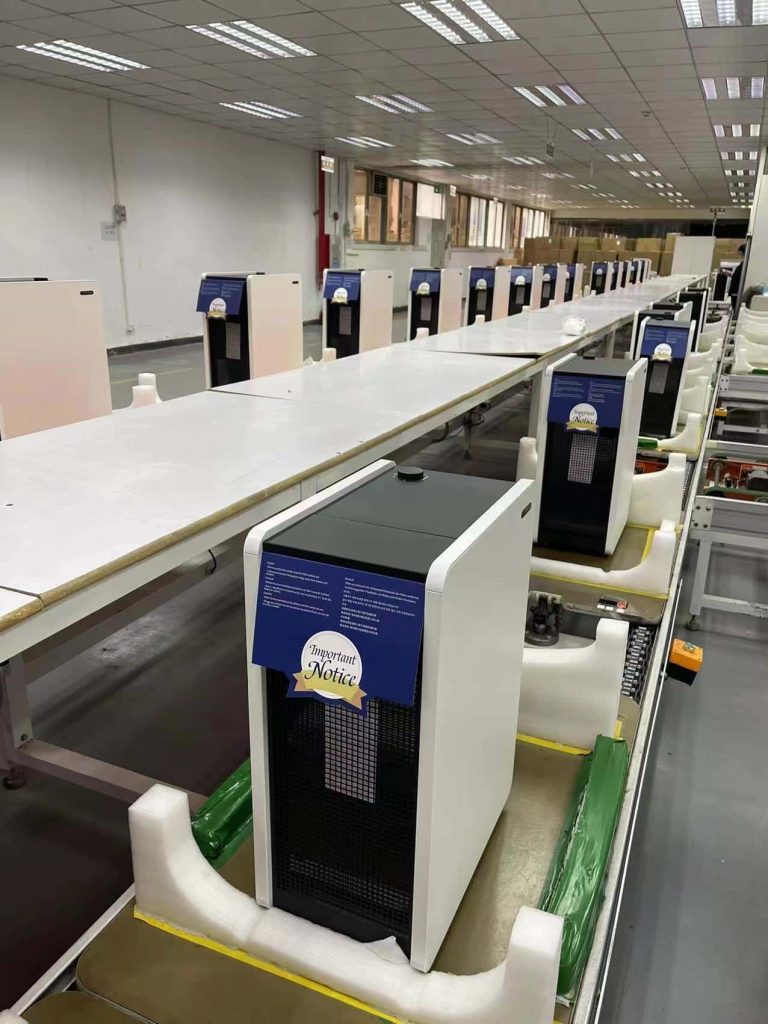
Siete alla ricerca di un servizio di produzione e fornitura di depuratori d'aria OEM per la vostra azienda? Con oltre 20 anni di esperienza, Hisoair fornisce purificatori d'aria OEM a marchi e appaltatori di tutto il mondo. Vi aiuteremo a progettare, creare e fornire purificatori d'aria OEM personalizzati in base ai vostri requisiti di prezzo e qualità.
Richiesta di preventivo

Oltre 50 progetti di depuratori d'aria

ha sviluppato progetti di purificazione dell'aria per un'azienda Fortune 500
logo

Tecnologia

Tecnologia di cancellazione dei decibel

Il rumore è sempre stato un grosso problema per i purificatori d'aria commerciali e HisoAir si è impegnata a fondo nel campo dei purificatori d'aria commerciali. Per ridurre la rumorosità dei purificatori d'aria, il team di ricerca e sviluppo di HisoAir ha condotto centinaia di test completi su motori, ventole, materiali, strutture e telai, sviluppando infine la tecnologia Decibel Cancellation™. Ora possiamo affermare con orgoglio che nessun purificatore d'aria sul mercato può essere silenzioso come il nostro prodotto!

Scoprite la nostra tecnologia di cancellazione dei decibel™.
tifosi
Soffiante centrifuga di tipo forward-lean
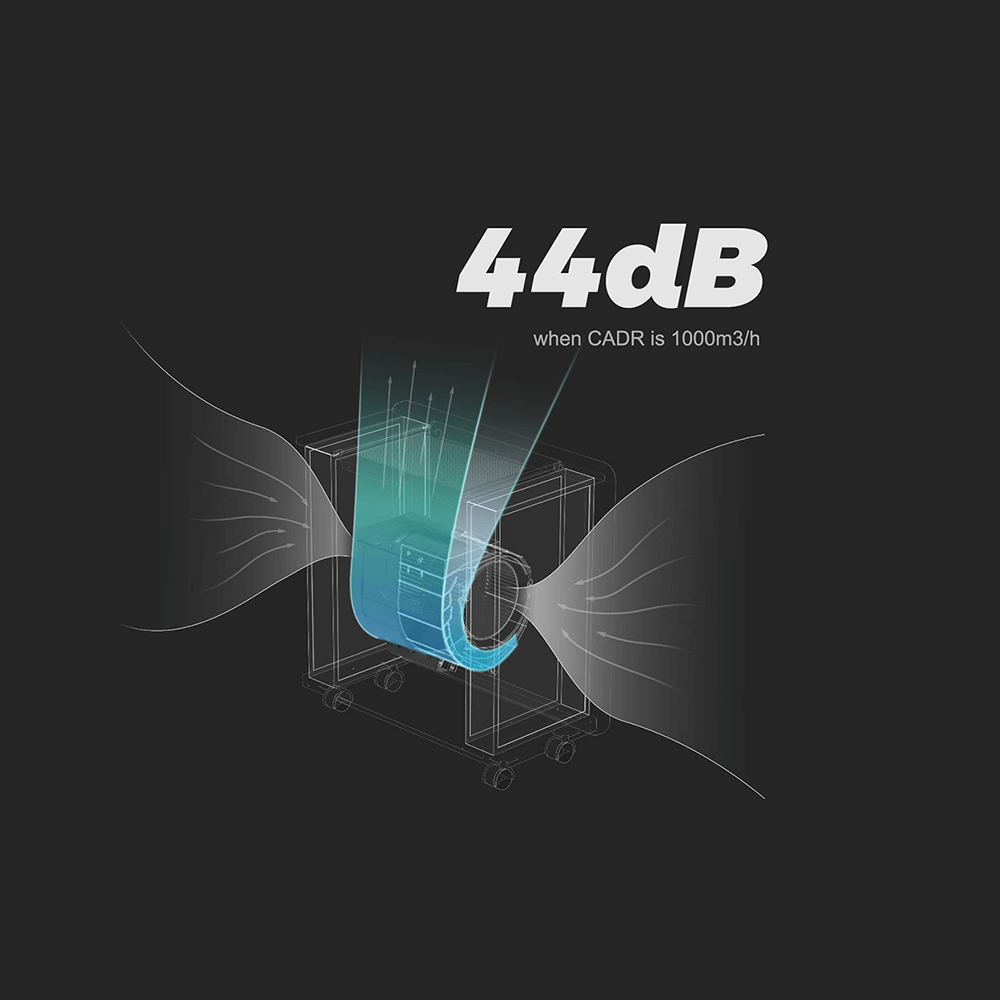
Sistema di purificazione dell'aria

La nostra Ultimate IoT Full-Service Solution, con tecnologie Thread e LoRaWAN, trascende i semplici prodotti. Apre le porte alle possibilità future, garantendo connettività su misura e prestazioni migliorate per tutte le vostre esigenze. Sperimentate un'integrazione e un'efficienza senza precedenti, per far progredire la vostra attività.


Tecnologia di filtrazione avanzata

La nostra tecnologia a bassissima pressione differenziale (D/P) garantisce un flusso d'aria superiore senza compromettere l'efficienza. I nuclei in meltblown sono intricati per catturare particelle di soli 0,3μm, garantendo una filtrazione eccezionale.

Tipo di filtro Efficienza D/P (Altro) D/P (HISO)
H11 95% 15 Pa 8Pa / 11 Pa
H12 99.50% 25 Pa 13 Pa / 18 Pa
H13 99.97% 30 Pa 22Pa / 25 Pa
H14 99.99% 45 Pa 30Pa / 35Pa
   Standard  EN 143, NaCl, 0,3um, @5,33 cm/s
Contatto

Forniamo depuratori d'aria di alta qualità

La vostra richiesta è importante per noi. Ci collegheremo al più presto e i vostri dati rimarranno sempre al sicuro.
Richiesta di preventivo

Diagramma di flusso OEM e ODM

Diagramma di flusso oem odm 2

I nostri certificati

Qualità certificata, riconosciuta a livello mondiale
Certificazione dello standard EN1822
Logo di certificazione ISO 16890 per il collaudo e la classificazione dei filtri dell'aria
Sistema di gestione della qualità certificato iso 9001
Logo di certificazione UL
Logo del Consiglio di accreditamento della sanità pubblica (PHAB)
etl
logo ce
logo rohs
sgs iso 9001
logo fcc
logo
Logo Ashare - Fornitore di soluzioni professionali per la qualità dell'aria

LA NOSTRA GALLERIA

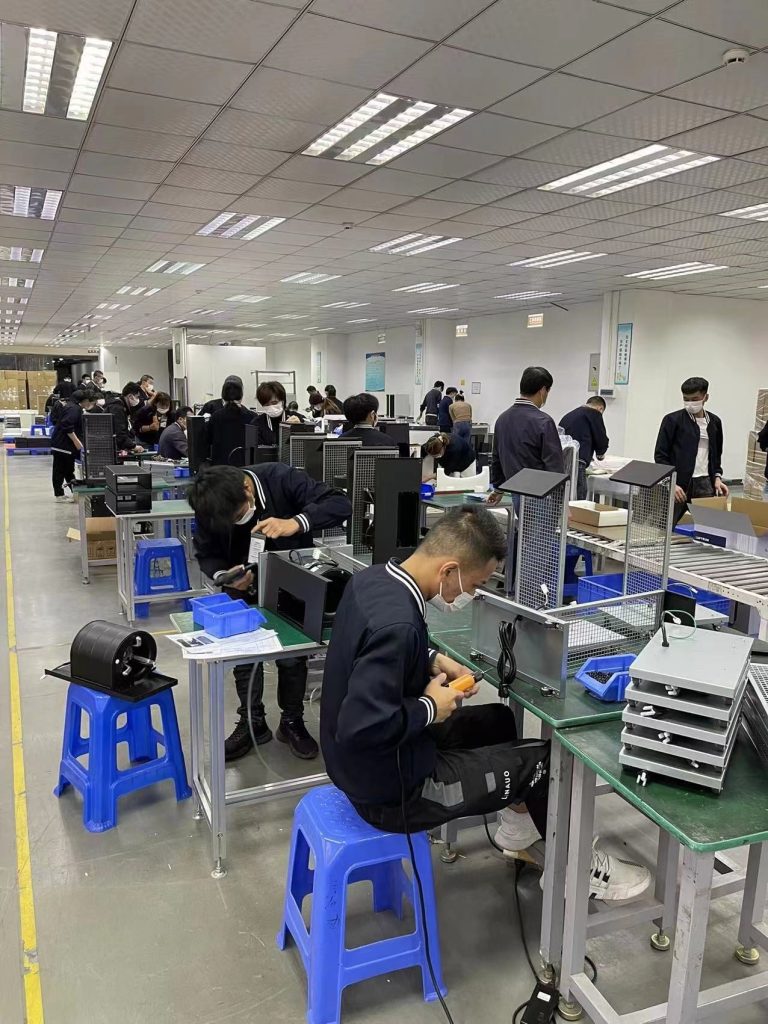
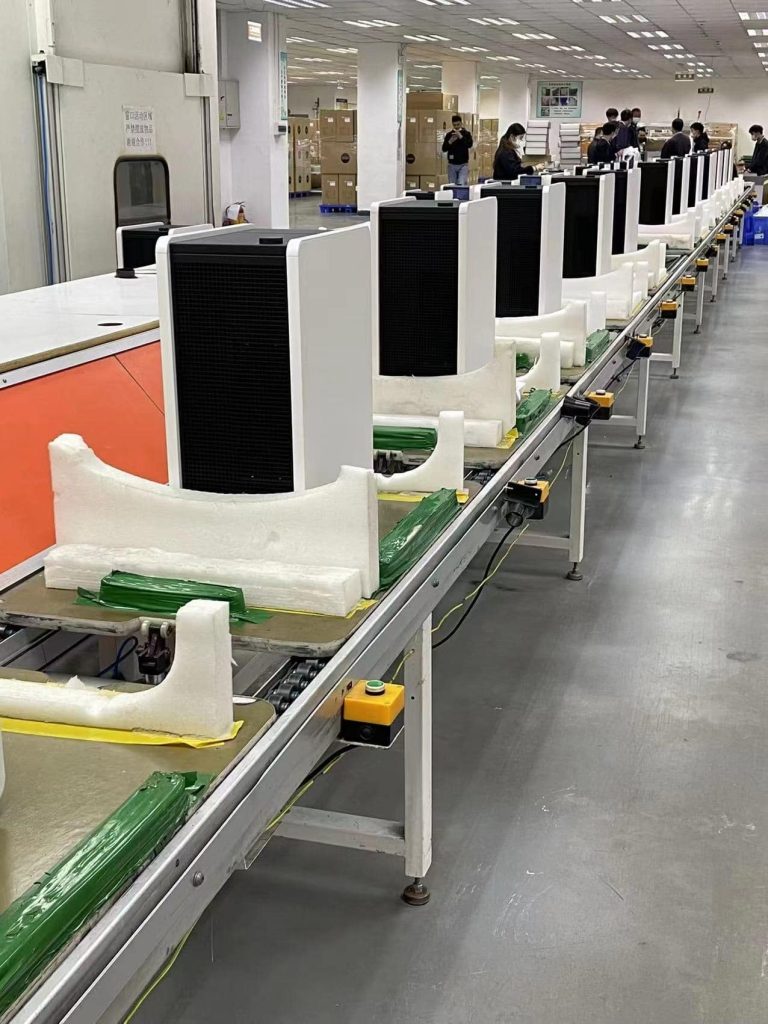
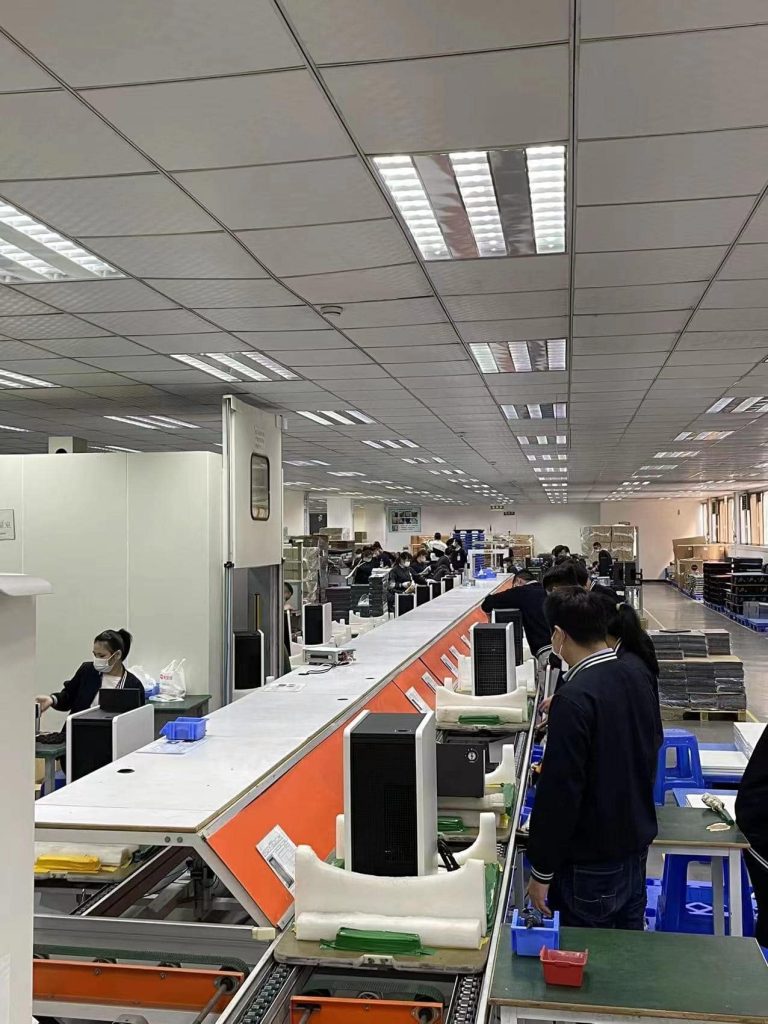
R&S avanzata ed eccellenza produttiva

TESTIMONIANZE

Affidati a professionisti di tutto il mondo
" Ho trovato il sito web di Hisoair su Google e, ad essere sincero, all'inizio non ero sicuro che fossero affidabili, ma hanno completato i requisiti del mio progetto in un mese e mezzo. E quando il progetto ha richiesto l'aggiunta urgente di un sensore di CO2, hanno completato un nuovo campione entro una settimana, rendendoli il produttore più professionale e attento al cliente con cui abbia mai lavorato".
tms 1
Tommaso
Fornitore governativo dalla Germania
" Sappiamo tutti che il COVID è stato un terribile disastro per tutto il mondo, specialmente per l'India, ho acquistato un purificatore d'aria da HisoAir, che è stato molto utile per me e per il mio ufficio, la mia casa, le mie famiglie e i miei amici. Ho lavorato con Alwen negli ultimi 7 anni, che è di HisoAir, posso dire che è una persona molto affidabile, molto efficiente e molto professionale".
testimonianze dei clienti 2
Ranjith Bala
Importatore di prodotti medici dall'India
" Siamo un'azienda con oltre 15 anni di esperienza nel lavoro con istituzioni private e settori privati, abbiamo collaborato con Hiso per 3 anni e siamo davvero grati per i lavori che Hiso ci ha fornito. Siamo grati per la collaborazione con Cherry e Mr. Lee "
testimonianze dei clienti
Herina
Ospedali e fornitori governativi dalla Romania

RICHIEDI UN PREVENTIVO

lasciate un messaggio qui sotto

Vi risponderemo al più presto!

TENERSI IN CONTATTO

Informazioni di contatto

La vostra domanda è importante per noi.
Ci collegheremo a breve e i vostri dati rimarranno sempre al sicuro.
sales@hisoair.com
+86 138 0961 9940

Ufficio USA: 2180 S WINEVILLE AVE ONTARIO, CA 91761

Ufficio: Stanza 712~713, Edificio 1, No. 4, Seconda Strada, Parco del Lago Songshan, Città di Dongguan, Provincia di Guangdong, 523429.

Fabbrica: Cina | Vietnam | Thailandia | Malesia

Contaminant Engineering•3 min read

PFAS Water Filtration Technologies Explained: Carbon, Resin & RO

Key Takeaway:

PFAS reduction depends on the specific compounds present, treatment media, contact time, water chemistry, and system design. Activated carbon, ion exchange, and Reverse Osmosis address PFAS through different mechanisms.

PFAS are a large family of persistent fluorinated compounds that can occur in drinking-water supplies. Their treatment behavior varies significantly by molecular structure, chain length, functional group, concentration, and the chemistry of the source water.

Granular Activated Carbon (GAC) removes PFAS primarily through adsorption. It is generally more effective for many longer-chain PFAS, while shorter-chain compounds tend to break through more quickly. Carbon performance depends on media properties, Empty Bed Contact Time (EBCT), competing organic matter, loading, and replacement frequency.

Ion-exchange resins use charged functional sites to capture many PFAS compounds. Properly selected anion-exchange media can provide high capacity and may perform better than conventional activated carbon for some shorter-chain PFAS, although performance still depends on water chemistry and competing ions.

Reverse Osmosis (RO) uses membrane separation rather than adsorption. Properly designed RO systems can provide broad reduction across many PFAS compounds as well as dissolved salts and other contaminants. Unlike carbon or resin, however, RO also produces a concentrate stream that must be managed.

No single technology should be selected from a PFAS label alone. System design should consider which PFAS compounds are present, their concentrations, required reduction targets, flow rate, media life, and the applicable third-party certification or validation requirements.

HisoAir Water Technical Series
Product Discovery•3 min read

How to Choose an Under-Sink Water Purifier for Modern Kitchens

Key Takeaway:

Match the treatment technology to your water quality first, then evaluate cabinet space, faucet configuration, flow rate, drain and power requirements, and filter replacement needs.

Choosing an under-sink water purifier starts with water chemistry. Carbon filtration is well suited to chlorine, taste, odor, and many organic contaminants, while Reverse Osmosis is more appropriate when dissolved salts, fluoride, nitrates, or broader dissolved contaminants need to be reduced.

For compact kitchens, tankless RO systems eliminate the conventional storage tank and can significantly reduce the space required under the sink. However, membrane capacity stated in GPD does not directly equal faucet flow. When comparing systems, check the actual dispensing flow rate, inlet-pressure requirement, recovery ratio, and whether a booster pump is required.

Installation architecture also matters. Many RO systems require a drain connection, electrical power, and either a dedicated drinking-water faucet or a compatible multi-function faucet. High-flow carbon systems can often connect directly to the existing cold-water line with a simpler installation, but pressure drop and available faucet flow should still be verified.

RO also removes much of the naturally occurring dissolved mineral content. Where taste or mineral balance is a priority, a post-RO remineralization stage can be added. Filter life should be evaluated by both rated capacity and local water quality rather than replacement time alone.

The right system is therefore not simply the smallest or highest-GPD model. It is the configuration that matches the target contaminants, available cabinet space, desired faucet setup, peak dispensing demand, and maintenance expectations.

HisoAir Water Technical Series
Water Quality•2 min read

What Does TDS Mean in Drinking Water? Measurement vs Contaminant Reality

Key Takeaway:

A TDS meter estimates the overall concentration of dissolved ionic substances from electrical conductivity. It cannot identify specific contaminants or determine whether water is chemically safe.

Total Dissolved Solids (TDS) refers to the combined concentration of dissolved substances in water. Most handheld TDS meters do not measure TDS directly. Instead, they measure electrical conductivity (EC) and convert that reading into an estimated parts-per-million (ppm) value.

This means a TDS reading can indicate how much dissolved ionic material is present, but not what that material actually is. Calcium, magnesium, sodium, nitrates, and other dissolved ions can all contribute to conductivity, yet a simple TDS meter cannot distinguish between them.

TDS meters are also not suitable for detecting trace contaminants such as PFAS, many VOCs, pesticides, pharmaceuticals, or disinfection byproducts. These substances may be present at concentrations far below the level needed to noticeably change electrical conductivity.

A low TDS reading therefore does not guarantee safe drinking water, and a higher TDS reading does not automatically indicate contamination. Water-treatment decisions should be based on laboratory testing for specific contaminants of concern rather than TDS alone.

HisoAir Water Technical Series
Technology Selection•2 min read

RO vs UF Water Filtration: Understanding Pore Sizes & Dissolved Minerals

Key Takeaway:

Ultrafiltration can reduce bacteria, turbidity, and suspended particles while retaining most naturally occurring dissolved minerals. Reverse Osmosis provides much broader reduction of dissolved salts and smaller contaminants.

Ultrafiltration (UF) typically uses hollow-fiber membranes with pore sizes in the approximate 0.01–0.1 micron range. These membranes physically retain turbidity, suspended solids, colloids, and many microorganisms while allowing dissolved minerals and salts to remain in the water.

Reverse Osmosis (RO) operates at a much finer separation level. Unlike UF, RO can substantially reduce dissolved ions such as sodium, calcium, fluoride, nitrates, and other contributors to total dissolved solids (TDS). This makes RO more suitable when dissolved-salt reduction is a primary treatment objective.

UF generally requires less system pressure and produces little or no continuous concentrate stream in many point-of-use configurations. RO typically requires greater pressure and produces a reject-water stream, but delivers broader contaminant reduction.

For water with acceptable TDS and mineral content, UF can be a simpler mineral-retaining treatment option. Where dissolved salts, fluoride, nitrates, or broader dissolved contaminants are a concern, RO is generally the more appropriate technology.

HisoAir Water Technical Series
Technology Selection•4 min read

Carbon Block vs Reverse Osmosis: Which Fits Your Need?

Key Takeaway:

Choose RO for dissolved inorganic salts and heavy metals; choose Carbon Block for chemical taste/odor, no wastewater, and high line-pressure flow.

Reverse Osmosis (RO) and Carbon Block filtration represent two fundamentally different treatment methods: membrane separation and adsorption. Understanding these differences helps determine which technology is better suited to a specific water-quality requirement.

Reverse Osmosis uses a semi-permeable membrane with pore sizes of approximately 0.0001 microns. It can significantly reduce dissolved inorganic contaminants such as TDS, fluoride, nitrates, and certain heavy metals. Because water must be forced through the membrane, RO systems require sufficient pressure or a booster pump and generate a concentrated wastewater stream.

Carbon Block filtration relies primarily on adsorption through compressed activated carbon, commonly with nominal pore sizes around 0.5–5 microns. It is highly effective for chlorine, chloramines, VOCs, taste, and odor, while allowing substantially higher direct-flow rates without producing wastewater.

From an operating perspective, Carbon Block systems are generally simpler, require less energy, and avoid the water loss associated with RO. RO involves higher system complexity and operating cost, but provides substantially broader reduction of dissolved contaminants that Carbon Block alone cannot address.

HisoAir Water Technical Series

RICHIEDI UN PREVENTIVO