S’ouvre dans un nouvel onglet
Solutions innovantes pour la qualité de l'air

Fabricant professionnel de purificateurs d'air OEM depuis 20 ans

Vous recherchez un service de fabrication et de fourniture de purificateurs d'air OEM pour votre entreprise ? Avec plus de 20 ans d'expérience, Hisoair fournit des purificateurs d'air OEM à des marques et des entrepreneurs du monde entier. Nous vous aiderons à concevoir, créer et fournir des purificateurs d'air OEM personnalisés en fonction de vos exigences en matière de prix et de qualité.
Demande de devis

Plus de 50+ projets de purificateurs d'air

Développement de projets de purification de l'air pour une société Fortune 500
logo

Technologie

Technologie Decibel Cancellation™

Le bruit a toujours été un problème majeur pour les purificateurs d'air commerciaux, et HisoAir s'est fortement impliqué dans le domaine des purificateurs d'air commerciaux. Pour réduire le bruit des purificateurs d'air, l'équipe R&D de HisoAir a effectué des centaines de tests complets sur les moteurs, les ventilateurs, les matériaux, les structures et les cadres, et a finalement mis au point la technologie Decibel Cancellation™. Nous pouvons désormais affirmer avec fierté qu'aucun purificateur d'air sur le marché n'est aussi silencieux que notre produit !

En savoir plus sur notre technologie Decibel Cancellation™
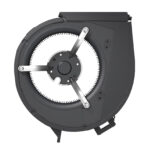
fans
Soufflerie centrifuge de type "Forward-lean
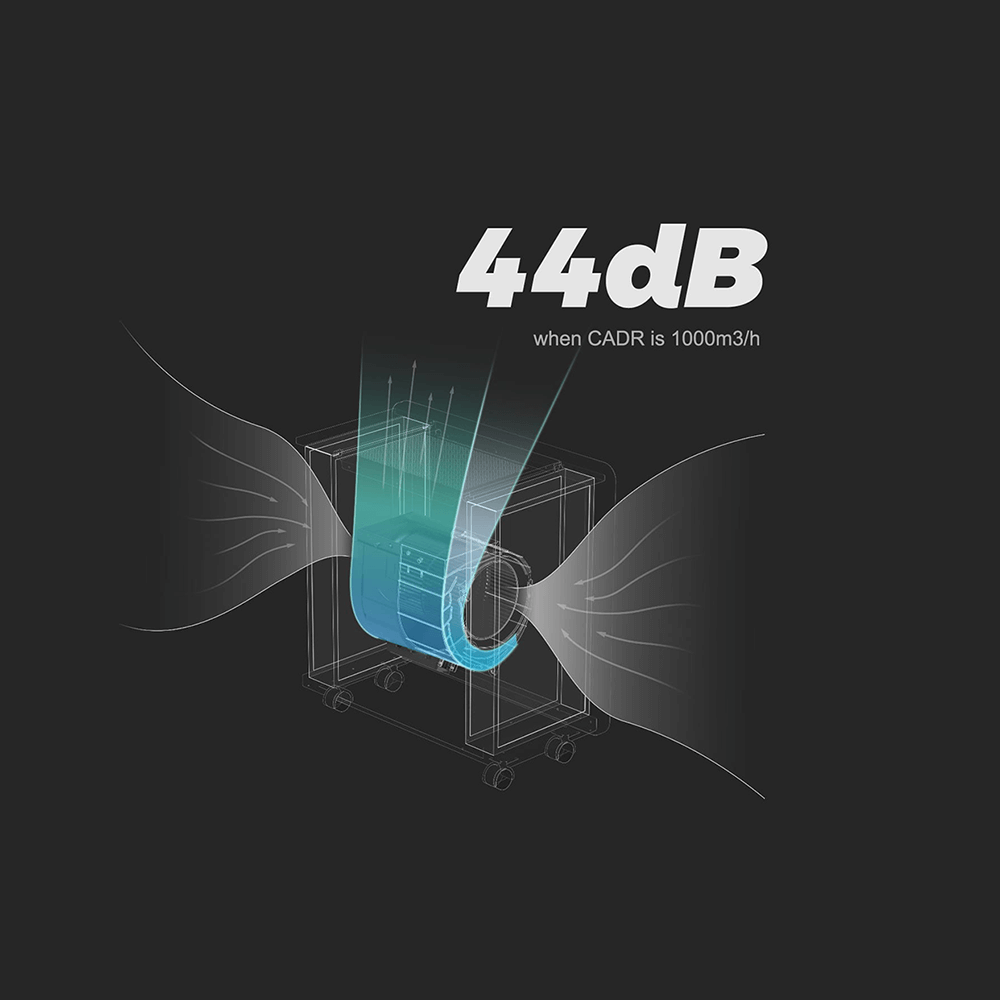
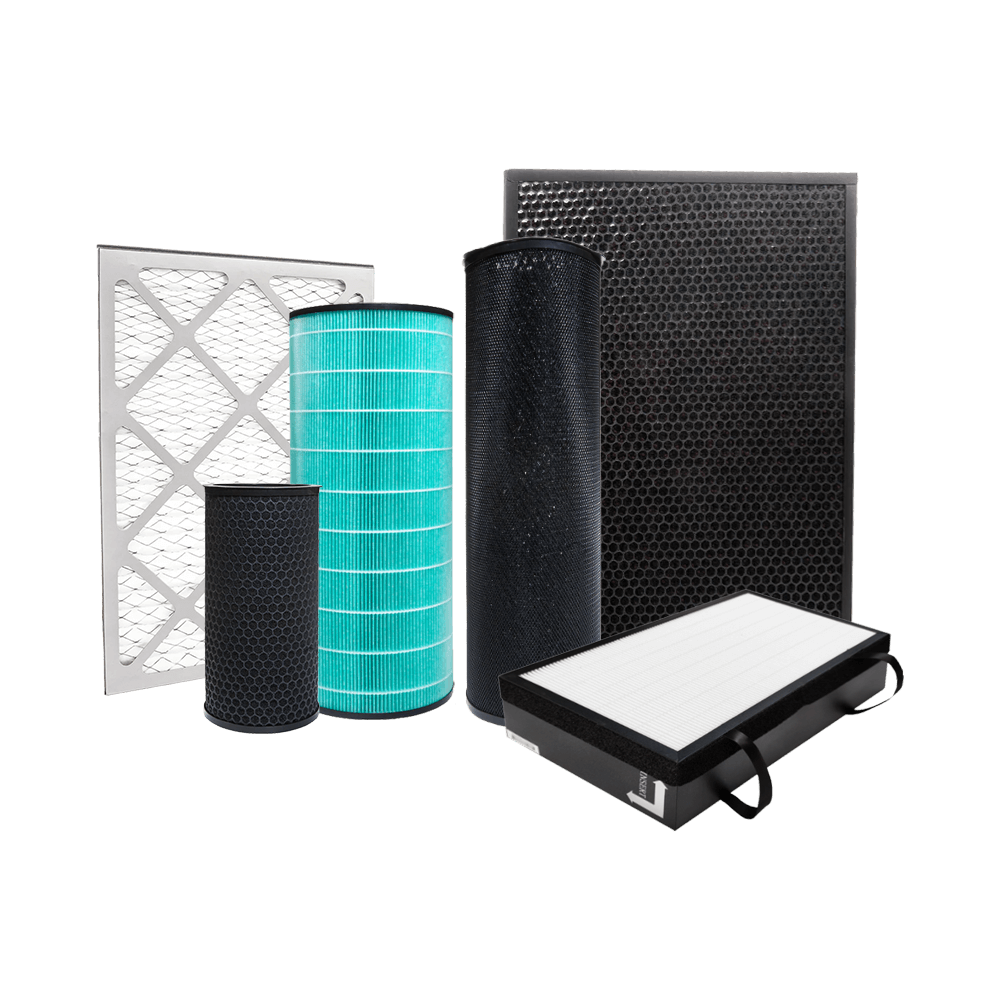
Système de purification de l'air

Notre solution IoT ultime à service complet, qui comprend les technologies Thread et LoRaWAN, transcende les simples produits. Elle ouvre les portes aux possibilités futures, en garantissant une connectivité sur mesure et des performances accrues pour tous vos besoins. Faites l'expérience d'une intégration et d'une efficacité inégalées, faisant progresser votre entreprise.


Technologie de filtration avancée

Notre technologie de pression différentielle ultra-faible (D/P) garantit un débit d'air supérieur sans compromettre l'efficacité. Les noyaux fondus-soufflés sont tissés de manière complexe pour capturer des particules aussi petites que 0,3μm, offrant une filtration exceptionnelle.

Type de filtre Efficacité D/P (autre) D/P (HISO)
H11 95% 15 Pa 8Pa / 11 Pa
H12 99.50% 25 Pa 13Pa / 18 Pa
H13 99.97% 30 Pa 22Pa / 25 Pa
H14 99.99% 45 Pa 30Pa / 35Pa
   Standard  EN 143, NaCl, 0,3um, @5,33 cm/s
Nous contacter

Nous fournissons des purificateurs d'air de haute qualité

Votre demande est importante pour nous. Nous vous contacterons dans les plus brefs délais et vos données resteront toujours sécurisées.
Demande de devis

Organigramme OEM & ODM

oem odm flow chart 2

Nos certificats

Qualité certifiée, reconnue au niveau mondial
Certification de la norme EN1822
Logo de certification ISO 16890 pour les essais et la classification des filtres à air
Système de gestion de la qualité certifié iso 9001
Logo de certification UL
Logo du Conseil d'accréditation de la santé publique (PHAB)
etl
logo CE
logo rohs
sgs iso 9001
logo fcc
logo
Logo Ashare - Fournisseur de solutions professionnelles pour la qualité de l'air

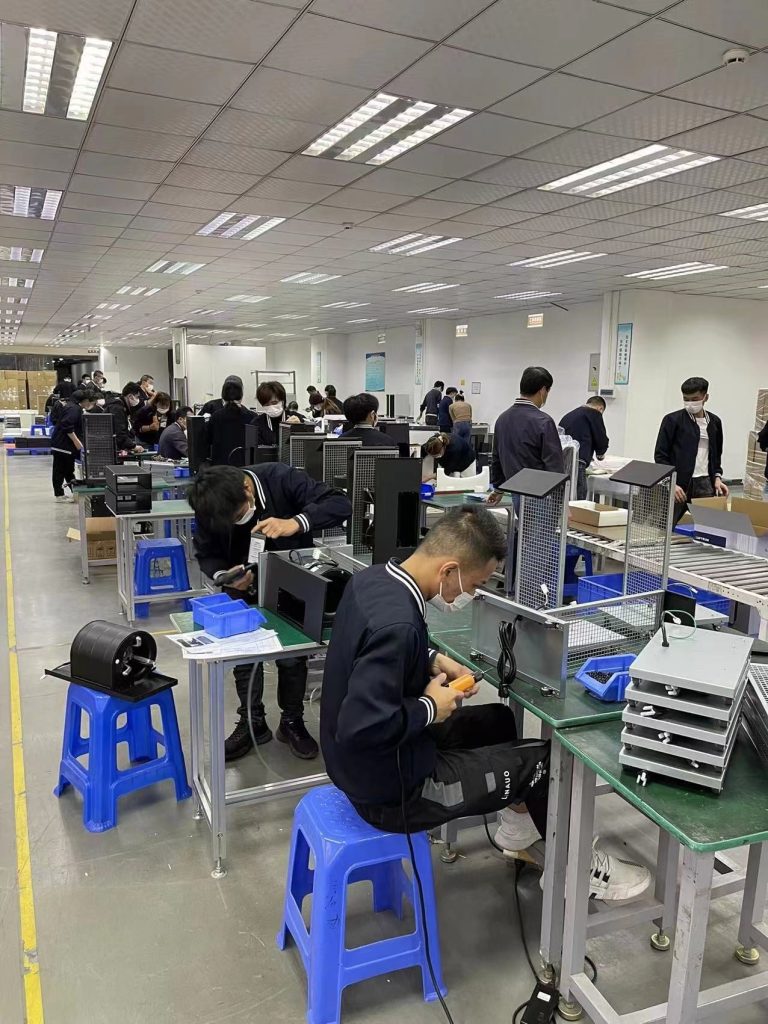
NOTRE GALERIE

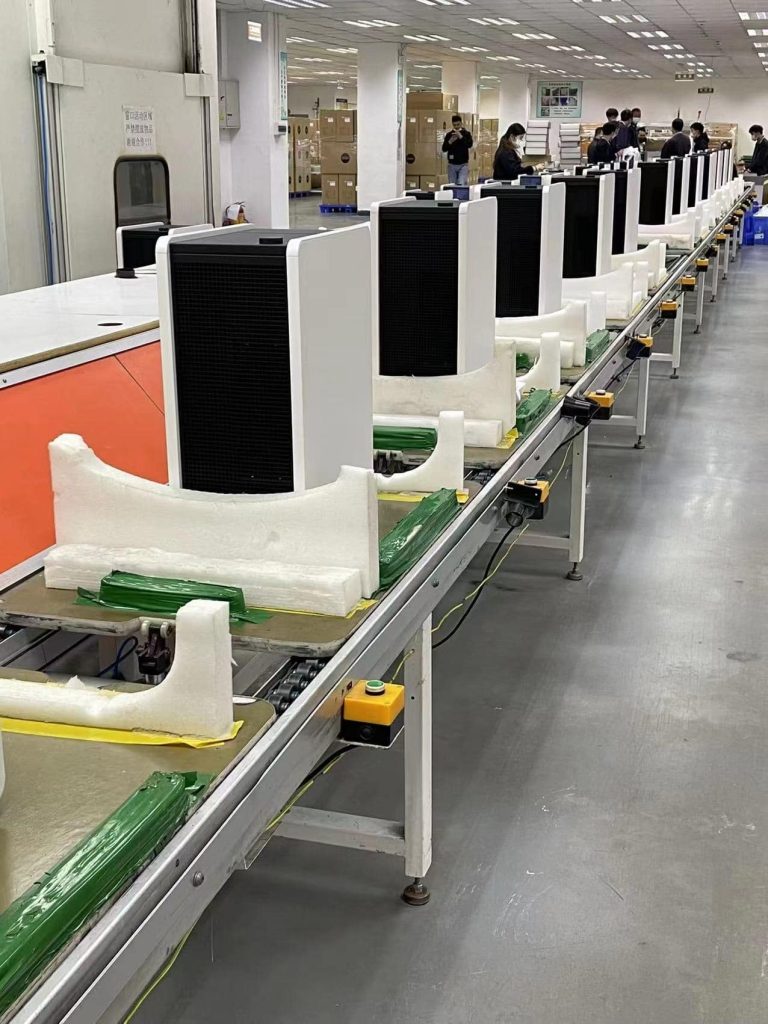
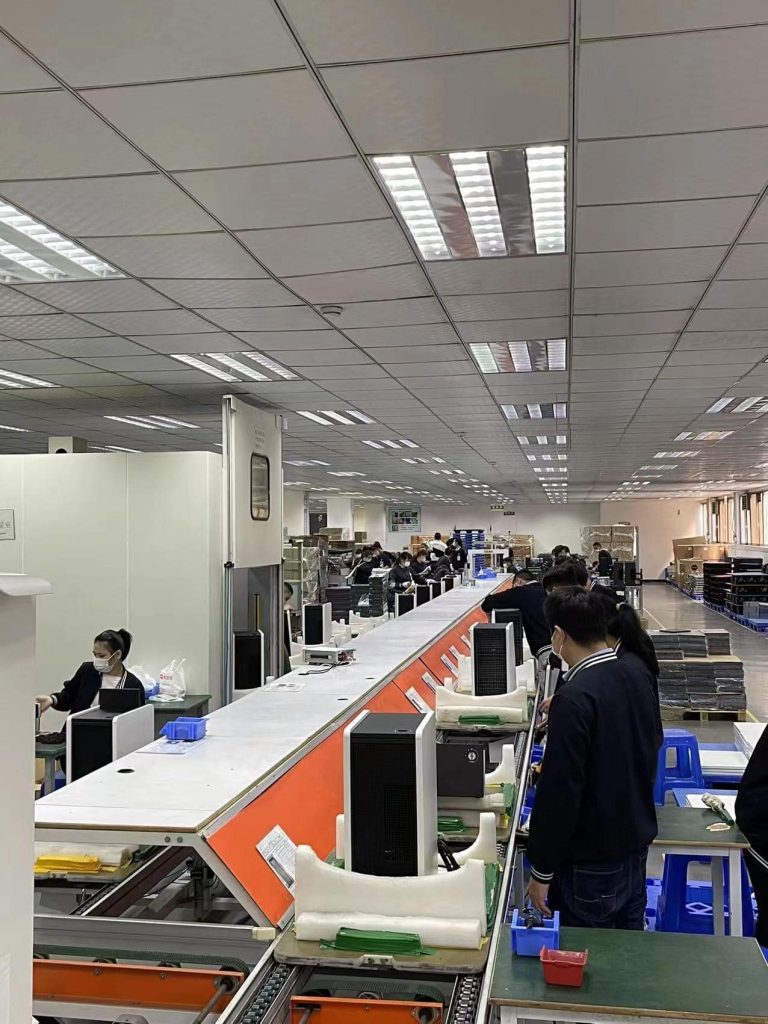
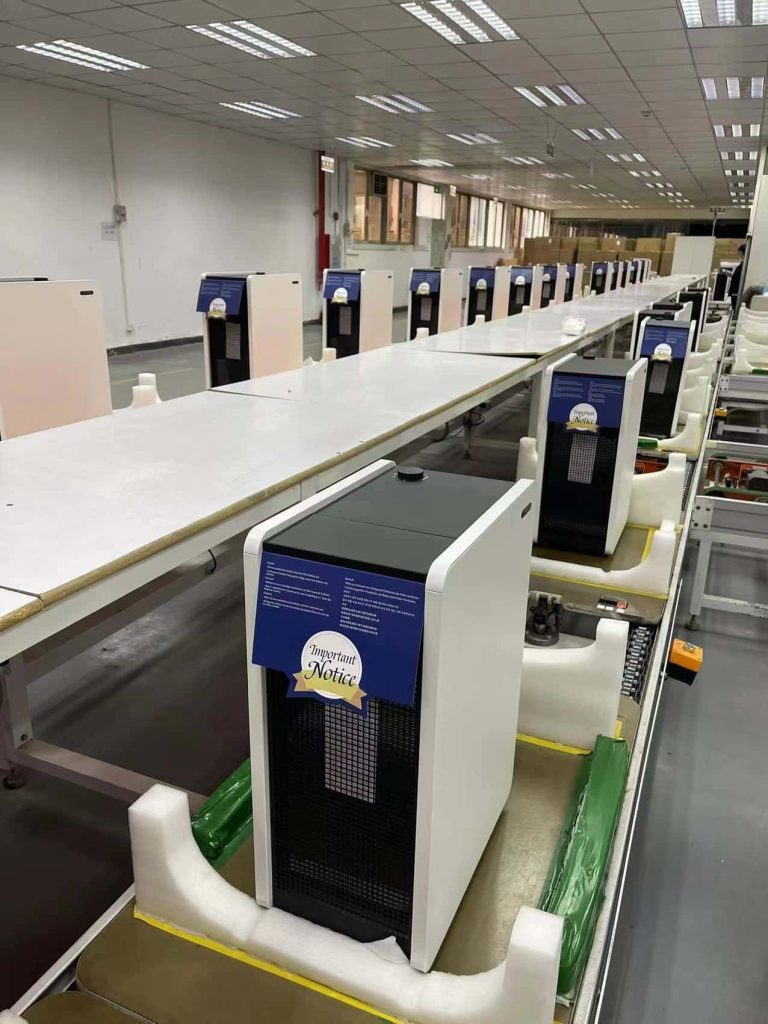
Excellence en matière de R&D et de fabrication

TESTIMONIALES

La confiance des professionnels du monde entier
" J'ai trouvé le site web d'hisoair sur Google et, pour être honnête, je n'étais pas sûr de leur fiabilité au début, mais ils ont répondu aux exigences de mon projet en un mois et demi. Et lorsque le projet a nécessité l'ajout urgent d'un capteur de CO2, ils ont fourni un nouvel échantillon en moins d'une semaine, ce qui fait d'eux le fabricant le plus professionnel et le plus orienté vers le client avec lequel j'ai jamais travaillé "
tms 1
Thomas
Fournisseur du gouvernement allemand
" Nous savons tous que le COVID a été une terrible catastrophe pour le monde entier, en particulier pour l'Inde, j'ai acheté un purificateur d'air chez HisoAir, cela a été très utile pour moi et mon bureau, ma maison, ma famille et mes amis. Je travaille avec Alwen depuis 7 ans, qui est de HisoAir, je peux dire que c'est une personne très fiable, très efficace et très professionnelle ".
témoignages de clients 2
Ranjith Bala
Importateur de produits médicaux en Inde
" Nous sommes une entreprise avec plus de 15 ans d'expérience dans le travail avec les institutions privées et les secteurs privés, nous avons collaboré avec Hiso pendant 3 ans, et nous sommes vraiment reconnaissants pour les travaux que Hiso nous a fournis. Nous sommes reconnaissants de la collaboration avec Cherry et M. Lee "
témoignages de clients
Herina
Hôpitaux et fournisseurs gouvernementaux de Roumanie

DEMANDER UN DEVIS

envoyez un message ci-dessous

Nous vous répondrons dans les plus brefs délais !

GARDER LE CONTACT

Informations sur le contact

Votre demande est importante pour nous.
Nous nous mettrons en contact rapidement et vos données resteront toujours sécurisées.
sales@hisoair.com
+86 138 0961 9940

Bureau des États-Unis2180 S WINEVILLE AVE ONTARIO, CA 91761

Bureau: Room 712~713, Building 1, No. 4, Second Road, Songshan Lake Park, Dongguan City, Guangdong Province, 523429.

Usine : Chine | Vietnam | Thaïlande | Malaisie

Contaminant Engineering•3 min read

PFAS Water Filtration Technologies Explained: Carbon, Resin & RO

Key Takeaway:

PFAS reduction depends on the specific compounds present, treatment media, contact time, water chemistry, and system design. Activated carbon, ion exchange, and Reverse Osmosis address PFAS through different mechanisms.

PFAS are a large family of persistent fluorinated compounds that can occur in drinking-water supplies. Their treatment behavior varies significantly by molecular structure, chain length, functional group, concentration, and the chemistry of the source water.

Granular Activated Carbon (GAC) removes PFAS primarily through adsorption. It is generally more effective for many longer-chain PFAS, while shorter-chain compounds tend to break through more quickly. Carbon performance depends on media properties, Empty Bed Contact Time (EBCT), competing organic matter, loading, and replacement frequency.

Ion-exchange resins use charged functional sites to capture many PFAS compounds. Properly selected anion-exchange media can provide high capacity and may perform better than conventional activated carbon for some shorter-chain PFAS, although performance still depends on water chemistry and competing ions.

Reverse Osmosis (RO) uses membrane separation rather than adsorption. Properly designed RO systems can provide broad reduction across many PFAS compounds as well as dissolved salts and other contaminants. Unlike carbon or resin, however, RO also produces a concentrate stream that must be managed.

No single technology should be selected from a PFAS label alone. System design should consider which PFAS compounds are present, their concentrations, required reduction targets, flow rate, media life, and the applicable third-party certification or validation requirements.

HisoAir Water Technical Series
Product Discovery•3 min read

How to Choose an Under-Sink Water Purifier for Modern Kitchens

Key Takeaway:

Match the treatment technology to your water quality first, then evaluate cabinet space, faucet configuration, flow rate, drain and power requirements, and filter replacement needs.

Choosing an under-sink water purifier starts with water chemistry. Carbon filtration is well suited to chlorine, taste, odor, and many organic contaminants, while Reverse Osmosis is more appropriate when dissolved salts, fluoride, nitrates, or broader dissolved contaminants need to be reduced.

For compact kitchens, tankless RO systems eliminate the conventional storage tank and can significantly reduce the space required under the sink. However, membrane capacity stated in GPD does not directly equal faucet flow. When comparing systems, check the actual dispensing flow rate, inlet-pressure requirement, recovery ratio, and whether a booster pump is required.

Installation architecture also matters. Many RO systems require a drain connection, electrical power, and either a dedicated drinking-water faucet or a compatible multi-function faucet. High-flow carbon systems can often connect directly to the existing cold-water line with a simpler installation, but pressure drop and available faucet flow should still be verified.

RO also removes much of the naturally occurring dissolved mineral content. Where taste or mineral balance is a priority, a post-RO remineralization stage can be added. Filter life should be evaluated by both rated capacity and local water quality rather than replacement time alone.

The right system is therefore not simply the smallest or highest-GPD model. It is the configuration that matches the target contaminants, available cabinet space, desired faucet setup, peak dispensing demand, and maintenance expectations.

HisoAir Water Technical Series
Water Quality•2 min read

What Does TDS Mean in Drinking Water? Measurement vs Contaminant Reality

Key Takeaway:

A TDS meter estimates the overall concentration of dissolved ionic substances from electrical conductivity. It cannot identify specific contaminants or determine whether water is chemically safe.

Total Dissolved Solids (TDS) refers to the combined concentration of dissolved substances in water. Most handheld TDS meters do not measure TDS directly. Instead, they measure electrical conductivity (EC) and convert that reading into an estimated parts-per-million (ppm) value.

This means a TDS reading can indicate how much dissolved ionic material is present, but not what that material actually is. Calcium, magnesium, sodium, nitrates, and other dissolved ions can all contribute to conductivity, yet a simple TDS meter cannot distinguish between them.

TDS meters are also not suitable for detecting trace contaminants such as PFAS, many VOCs, pesticides, pharmaceuticals, or disinfection byproducts. These substances may be present at concentrations far below the level needed to noticeably change electrical conductivity.

A low TDS reading therefore does not guarantee safe drinking water, and a higher TDS reading does not automatically indicate contamination. Water-treatment decisions should be based on laboratory testing for specific contaminants of concern rather than TDS alone.

HisoAir Water Technical Series
Technology Selection•2 min read

RO vs UF Water Filtration: Understanding Pore Sizes & Dissolved Minerals

Key Takeaway:

Ultrafiltration can reduce bacteria, turbidity, and suspended particles while retaining most naturally occurring dissolved minerals. Reverse Osmosis provides much broader reduction of dissolved salts and smaller contaminants.

Ultrafiltration (UF) typically uses hollow-fiber membranes with pore sizes in the approximate 0.01–0.1 micron range. These membranes physically retain turbidity, suspended solids, colloids, and many microorganisms while allowing dissolved minerals and salts to remain in the water.

Reverse Osmosis (RO) operates at a much finer separation level. Unlike UF, RO can substantially reduce dissolved ions such as sodium, calcium, fluoride, nitrates, and other contributors to total dissolved solids (TDS). This makes RO more suitable when dissolved-salt reduction is a primary treatment objective.

UF generally requires less system pressure and produces little or no continuous concentrate stream in many point-of-use configurations. RO typically requires greater pressure and produces a reject-water stream, but delivers broader contaminant reduction.

For water with acceptable TDS and mineral content, UF can be a simpler mineral-retaining treatment option. Where dissolved salts, fluoride, nitrates, or broader dissolved contaminants are a concern, RO is generally the more appropriate technology.

HisoAir Water Technical Series
Technology Selection•4 min read

Carbon Block vs Reverse Osmosis: Which Fits Your Need?

Key Takeaway:

Choose RO for dissolved inorganic salts and heavy metals; choose Carbon Block for chemical taste/odor, no wastewater, and high line-pressure flow.

Reverse Osmosis (RO) and Carbon Block filtration represent two fundamentally different treatment methods: membrane separation and adsorption. Understanding these differences helps determine which technology is better suited to a specific water-quality requirement.

Reverse Osmosis uses a semi-permeable membrane with pore sizes of approximately 0.0001 microns. It can significantly reduce dissolved inorganic contaminants such as TDS, fluoride, nitrates, and certain heavy metals. Because water must be forced through the membrane, RO systems require sufficient pressure or a booster pump and generate a concentrated wastewater stream.

Carbon Block filtration relies primarily on adsorption through compressed activated carbon, commonly with nominal pore sizes around 0.5–5 microns. It is highly effective for chlorine, chloramines, VOCs, taste, and odor, while allowing substantially higher direct-flow rates without producing wastewater.

From an operating perspective, Carbon Block systems are generally simpler, require less energy, and avoid the water loss associated with RO. RO involves higher system complexity and operating cost, but provides substantially broader reduction of dissolved contaminants that Carbon Block alone cannot address.

HisoAir Water Technical Series

DEMANDER UN DEVIS