S’ouvre dans un nouvel onglet
Solutions innovantes pour la qualité de l'air

QUI SOMMES-NOUS ?

At HisoAir, we believe people everywhere deserve to breath clean, healthy air. We believe in supporting the innovators working tirelessly to deliver solutions that nurture personalized, holistic health & wellbeing.

What We Do

We combine our deep expertise in air quality, technology, and electronics manufacturing with our passion for collaborating with purpose-driven companies to deliver innovative air quality solutions.

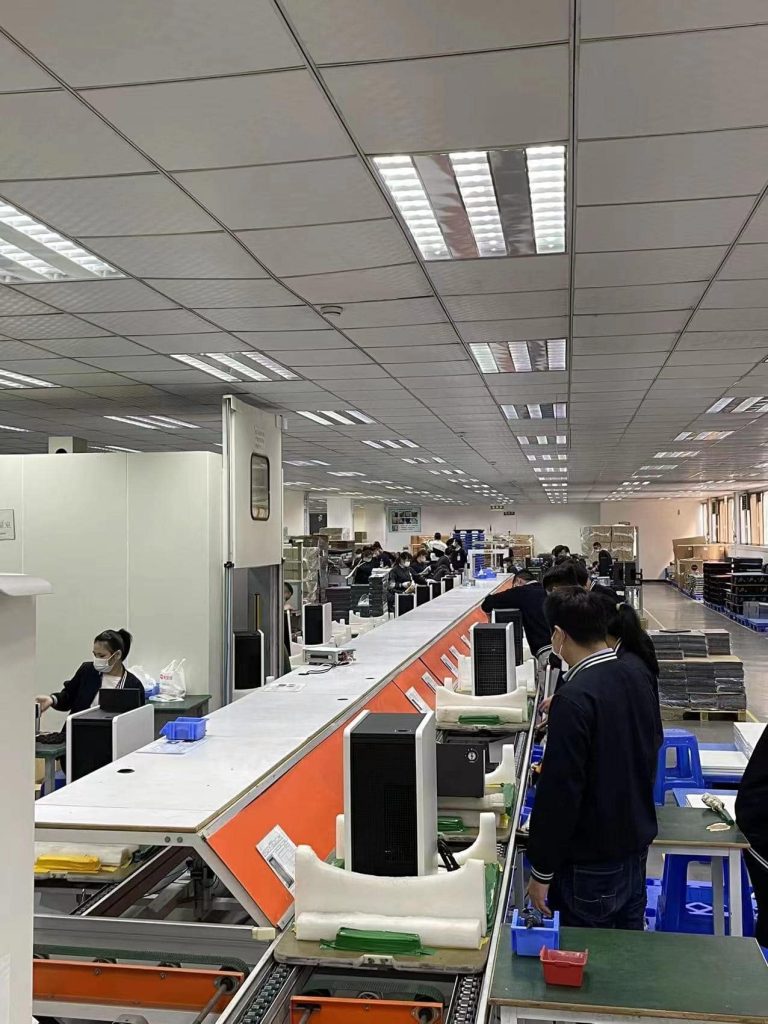
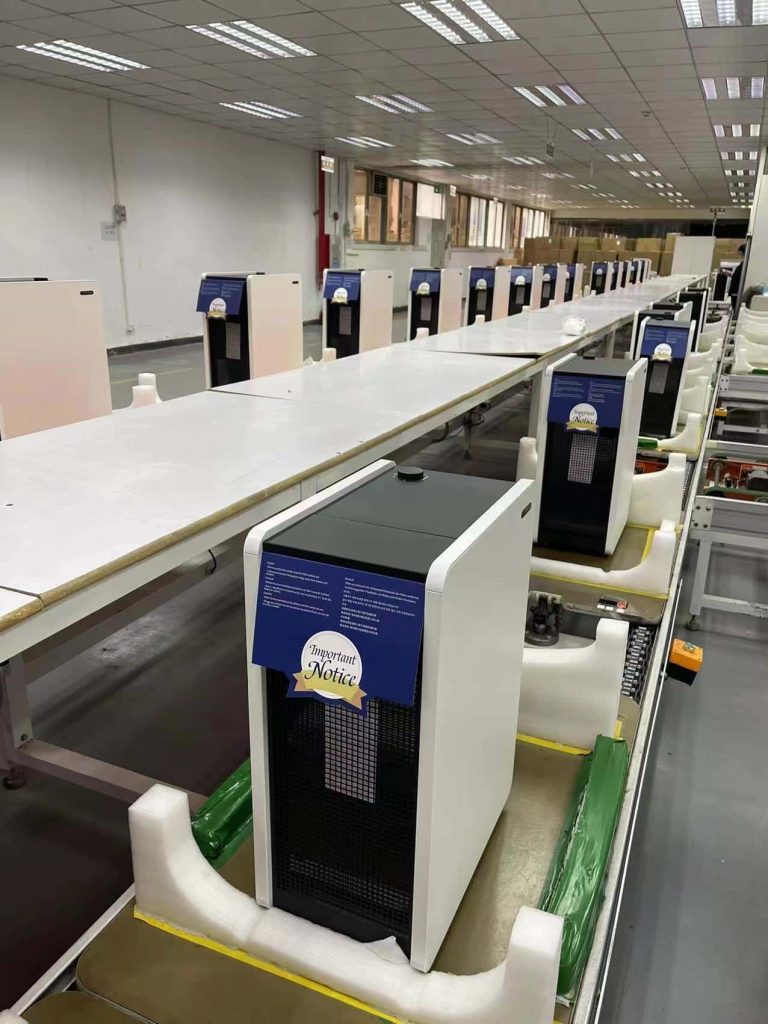
We offer a full array of integrated product development, sourcing, and manufacturing services that help companies deliver better air quality solutions faster.

We help businesses accelerate delivery of innovative air quality solutions.
Nous contacter

Why Now?

The clean air industry is transforming — and the future belongs to brands that act fast. Here’s why:

🌍

Air Quality Awareness

Global demand for clean indoor environments is growing rapidly.

🚀

$7T Wellness Market

Consumers want holistic, health-focused product experiences.

🔗

Technologie intelligente

IoT + AI are redefining how users interact with home devices.

🎨

Design Drives Value

Aesthetics are key for modern products — functionality alone isn’t enough.

🤝

Partnership Is Key

Brands need fast, reliable partners to innovate and stay compliant.

How We Work
(The 4 Ds Framework)

Discovery

Activities:
Market & user research
Feasibility study

Key Output:
Concept brief

Typical Time:
2–4 weeks

Definition

Activities:
Spec, ID & UX
Cost targets

Key Output:
Finalized BOM & ID

Typical Time:
3–6 weeks

Development

Activities:
EVT → DVT → PVT
Certifications

Key Output:
Proto Units & Reports

Typical Time:
8–16 weeks

Livraison

Activities:
Mass production
Quality & logistics

Key Output:
Ship-ready inventory

Typical Time:
Continuous

Réseau mondial de partenaires de fabrication

HisoAir coordonne l’ingénierie produit, l’assurance qualité et les programmes de fabrication avec des partenaires qualifiés en Chine, au Vietnam, en Thaïlande et en Malaisie.
Nous contacter

Partenaire de fabrication au Vietnam

Rationaliser les échanges commerciaux avec les États-Unis grâce à la rentabilité et à la rapidité de livraison.
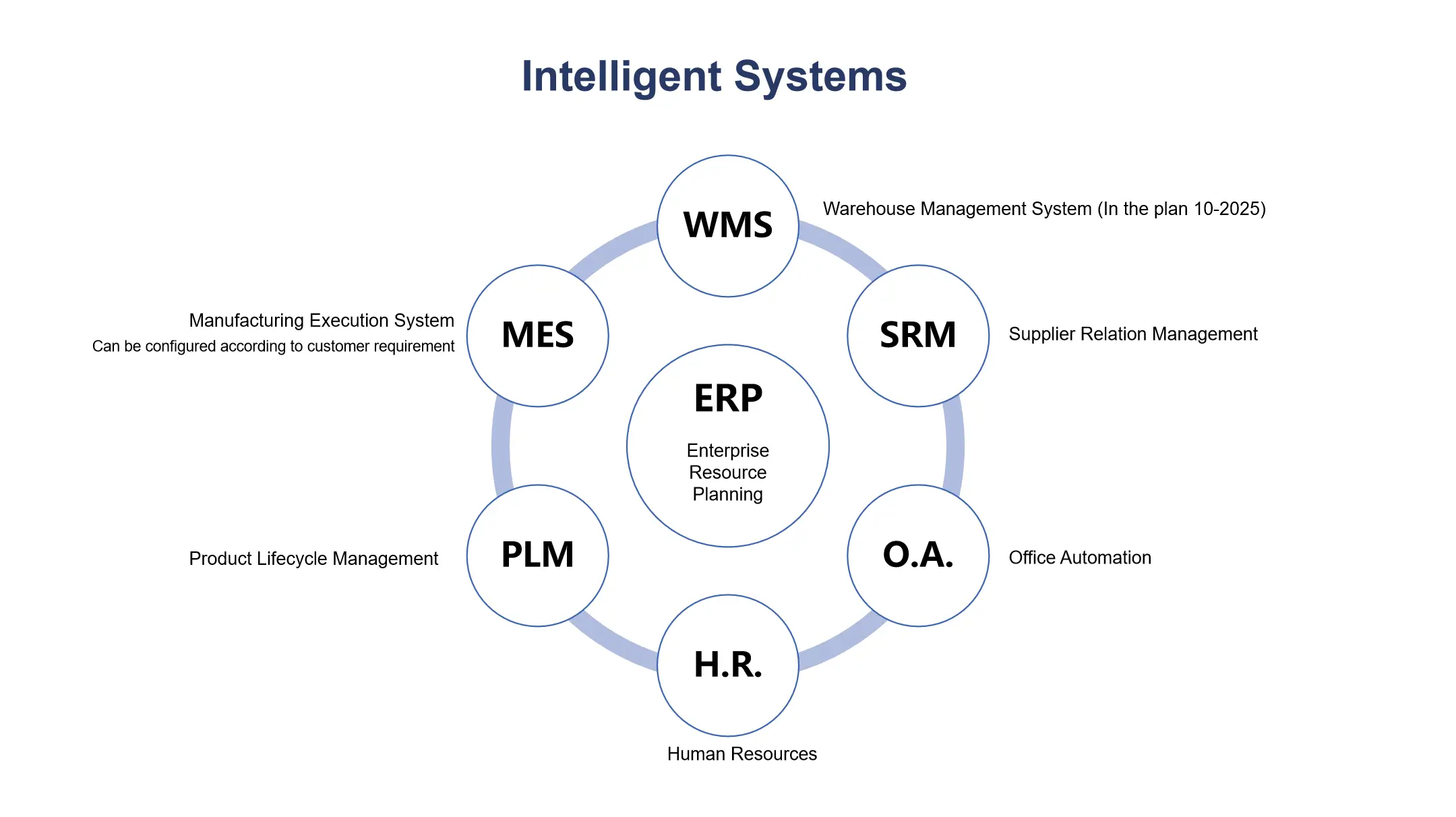
Diagram connecting manufacturing management systems

Support de fabrication au Vietnam pour les programmes de purification de l’air et d’appareils associés. HisoAir coordonne l’ingénierie, les exigences qualité et la livraison des projets, l’allocation de production étant confirmée pour chaque programme.
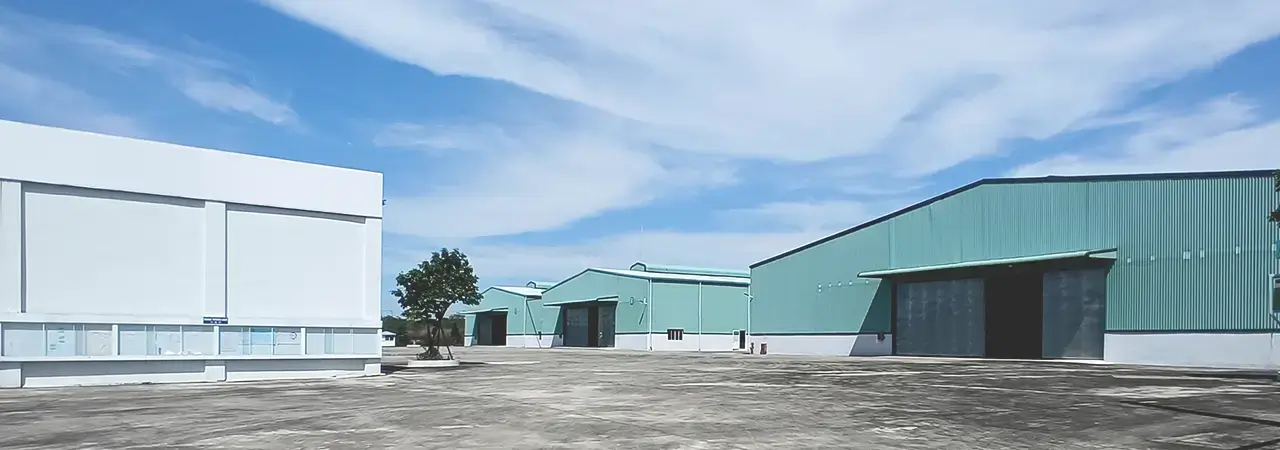
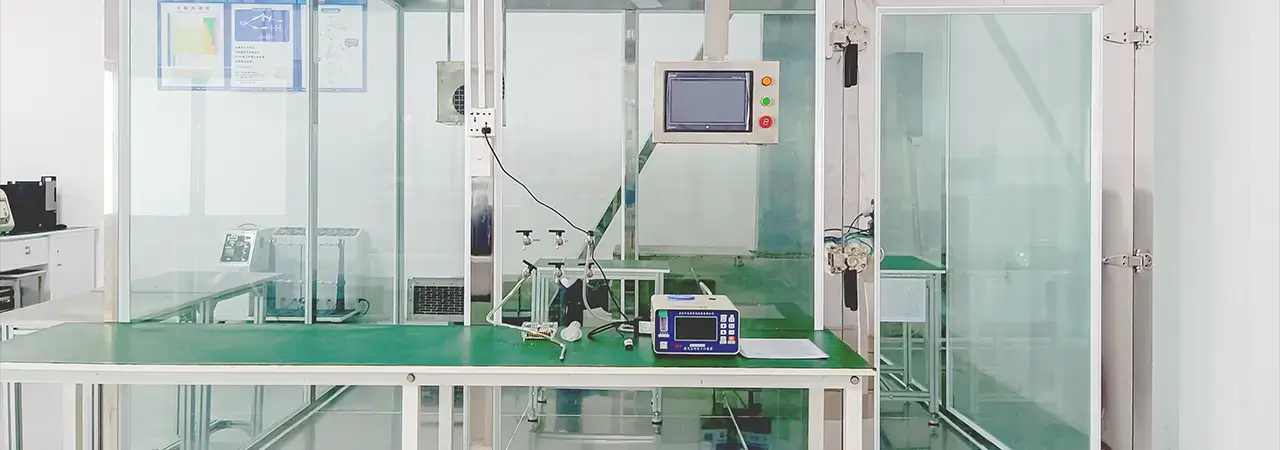
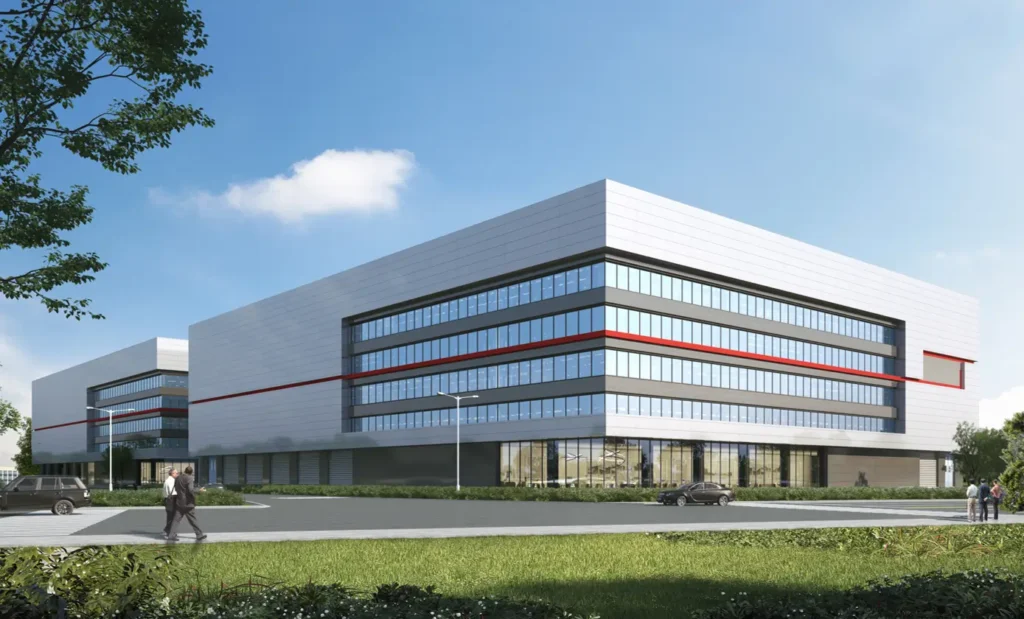
Factory buildings under a blue sky
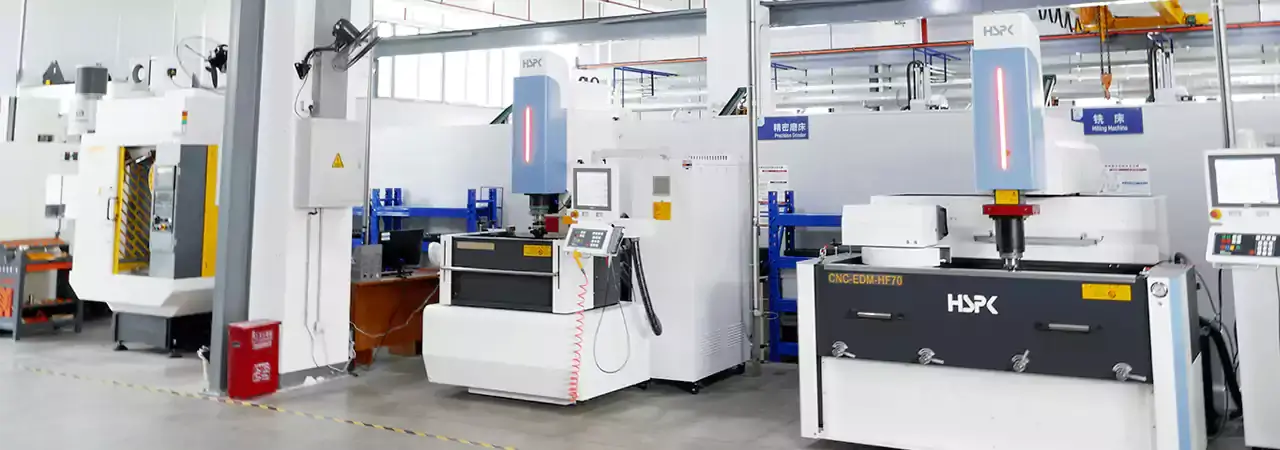
Industrial equipment inside a factory
Production equipment in a factory workshop
Industrial machines on a factory floor
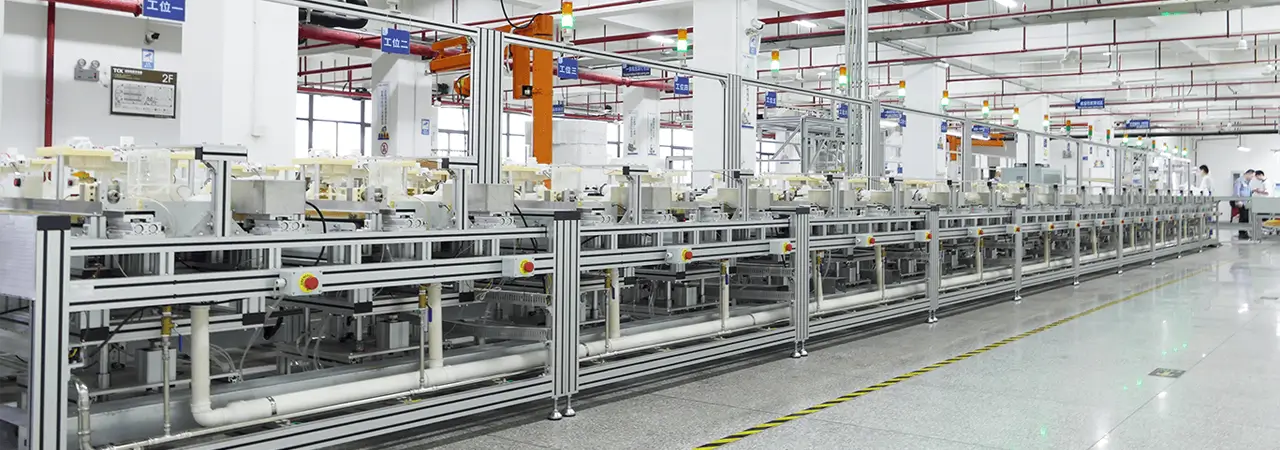
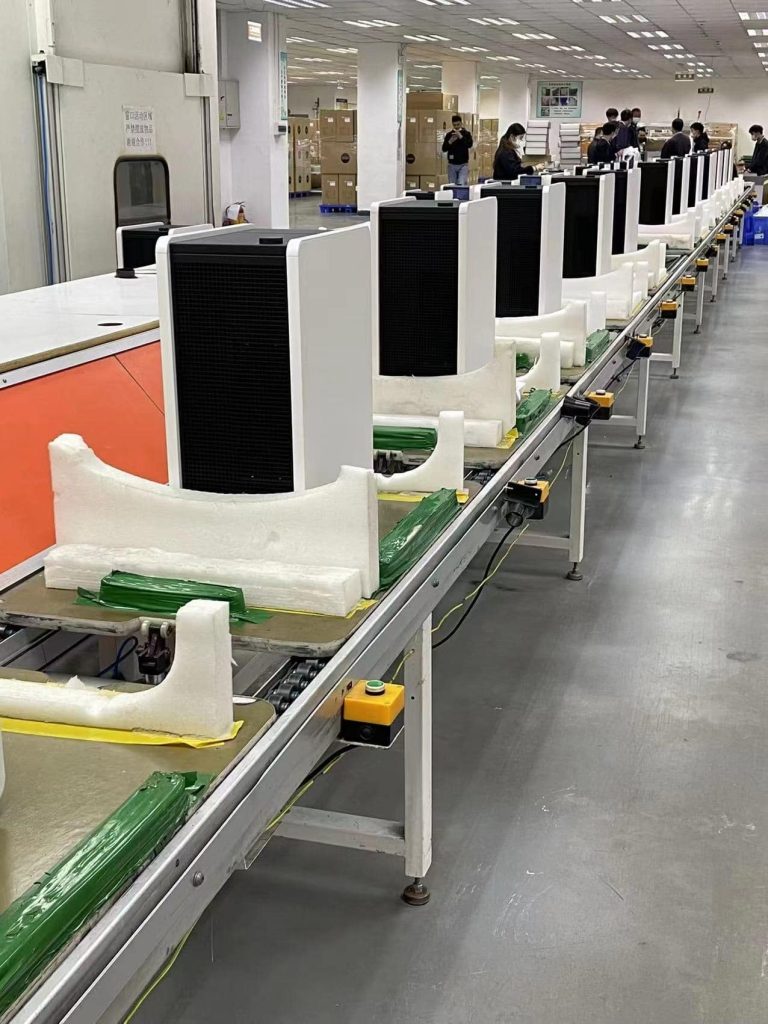
Factory assembly line
Factory buildings under a blue sky
Industrial equipment inside a factory
Production equipment in a factory workshop
Industrial machines on a factory floor
Factory assembly line

Partenaire de production en Thaïlande — montée en cadence
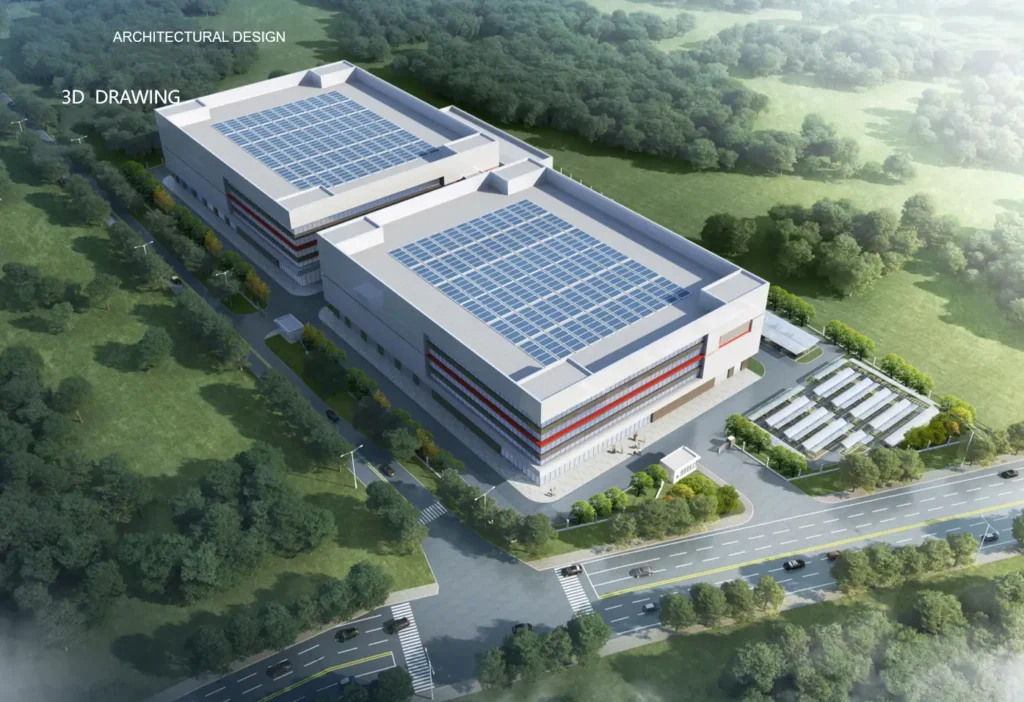
Les capacités d’assemblage et de test en Thaïlande sont en phase de montée en cadence et soutiennent des programmes d’appareils sélectionnés ainsi que la diversification de la chaîne d’approvisionnement.
Architectural rendering of a factory complexhisoair thailandaise usine 2

Nous fournissons des services de haute qualité
Votre demande est importante pour nous. Nous vous contacterons dans les plus brefs délais et vos données resteront toujours sécurisées.
Nous contacter
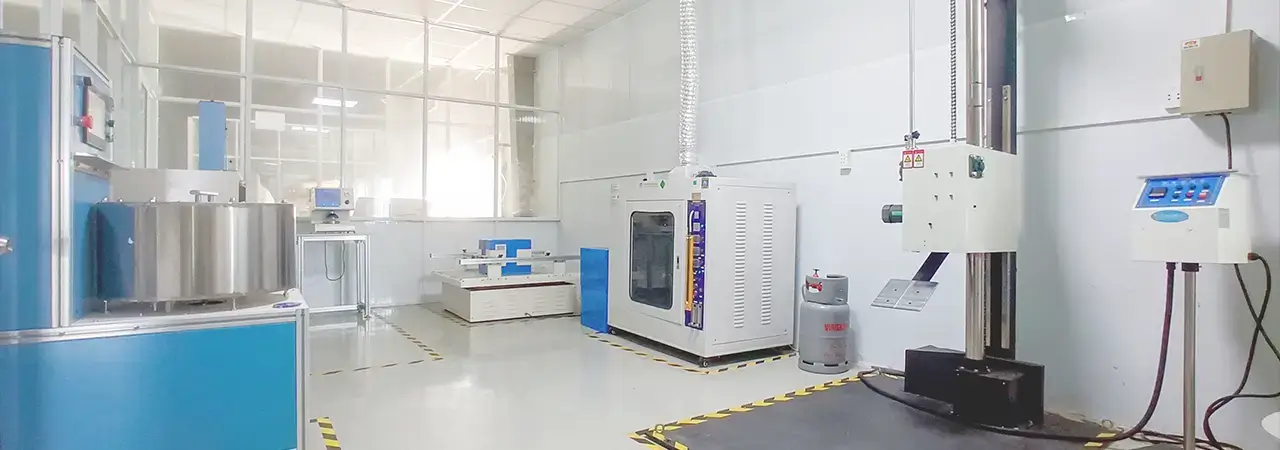
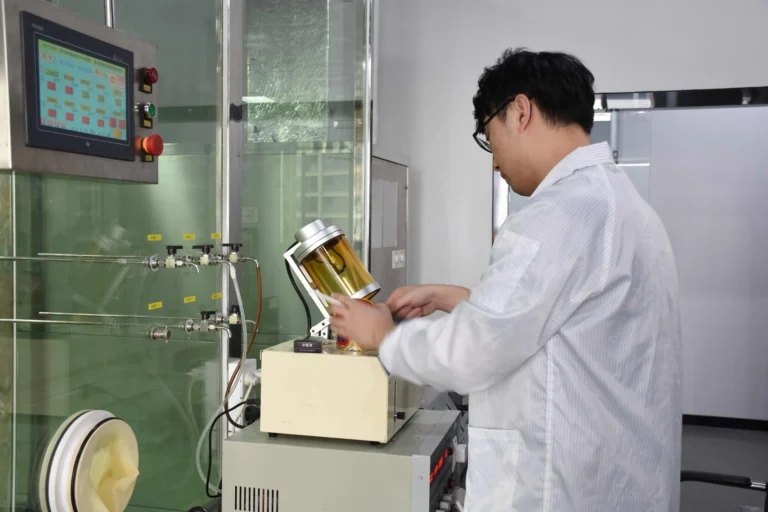
Technicien effectuant des tests de qualité des filtres à air dans un laboratoire.
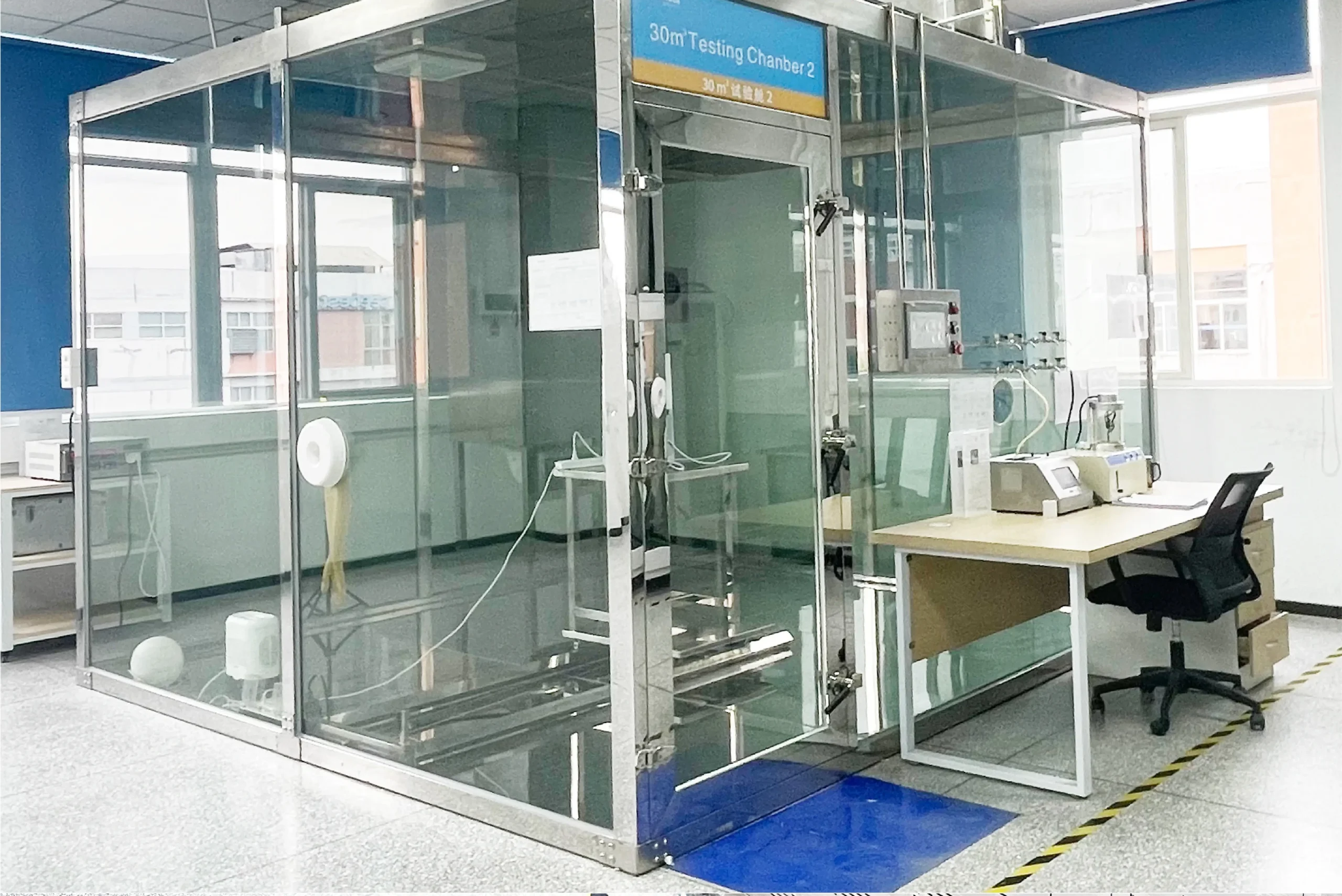
cabine expérimentale
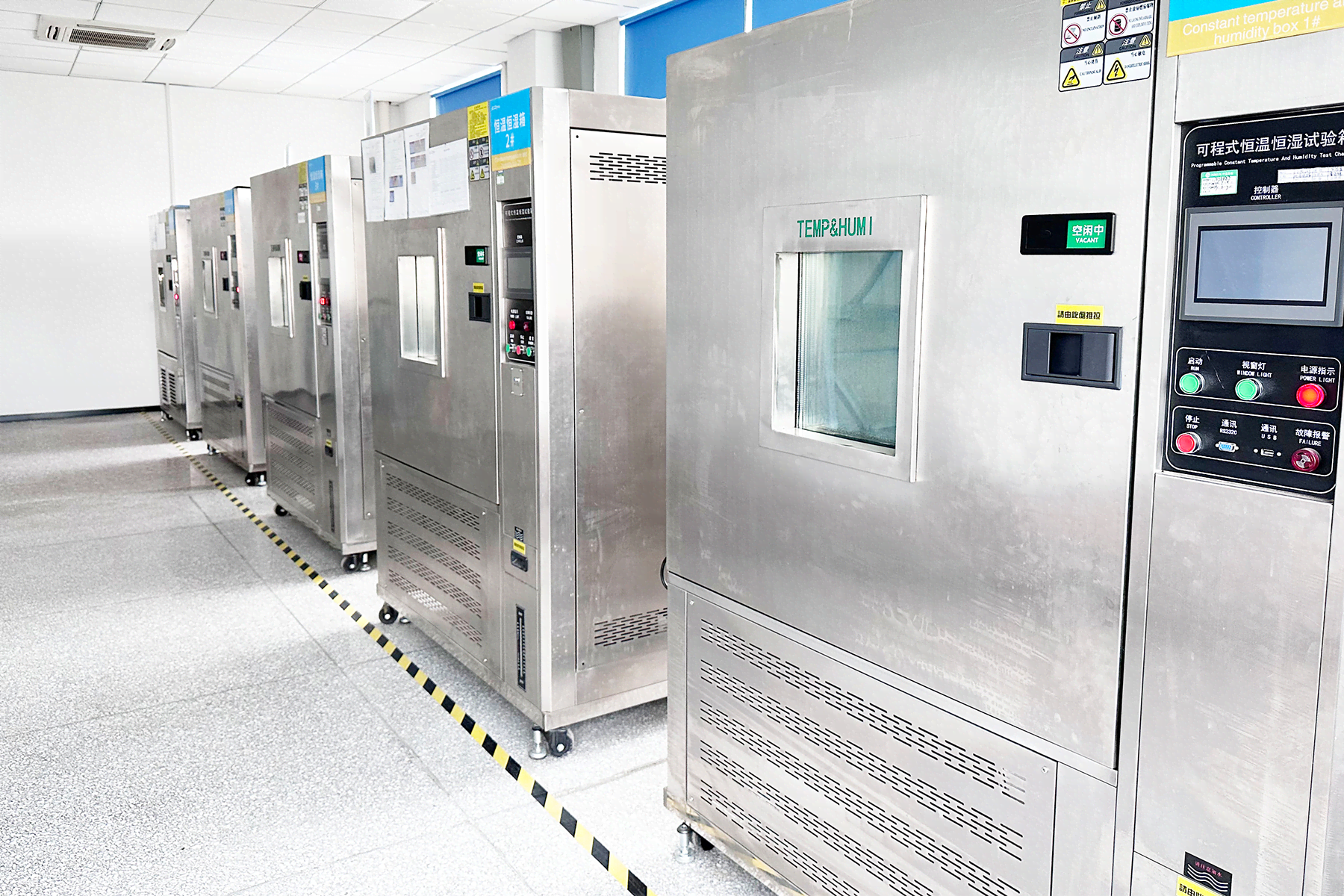
Temperature and humidity test chambers

Premium Quality Air‑Care Solutions
You Can Trust

HisoAir subjects every purifier, humidifier, diffuser, and dehumidifier to stringent, internationally accredited tests—so you enjoy proven performance, safety, and reliability.

Nos principales capacités de test :

  • CADR: Quantifies particulate removal rate.
  • Sensor Calibration: Confirms precision of sensors.
  • Filter Life & Efficiency: Verifies HEPA/activated‑carbon capture performance.
  • Humidity Control Assessment: Measures mist output, dehumidification capacity, and set‑point accuracy.
  • Noise Level: Records noise levels across all operating modes.
  • Environmental Chamber: Evaluates function under varying temperature and humidity conditions.
  • Aging & Safety: Conducts accelerated life cycles to prove long-term stability and validates environmental adaptability and electrical safety.

Nous proposons également des solutions personnalisées pour améliorer l'efficacité et la durée de vie de la filtration, en fonction de vos besoins.
Parlez à notre expert
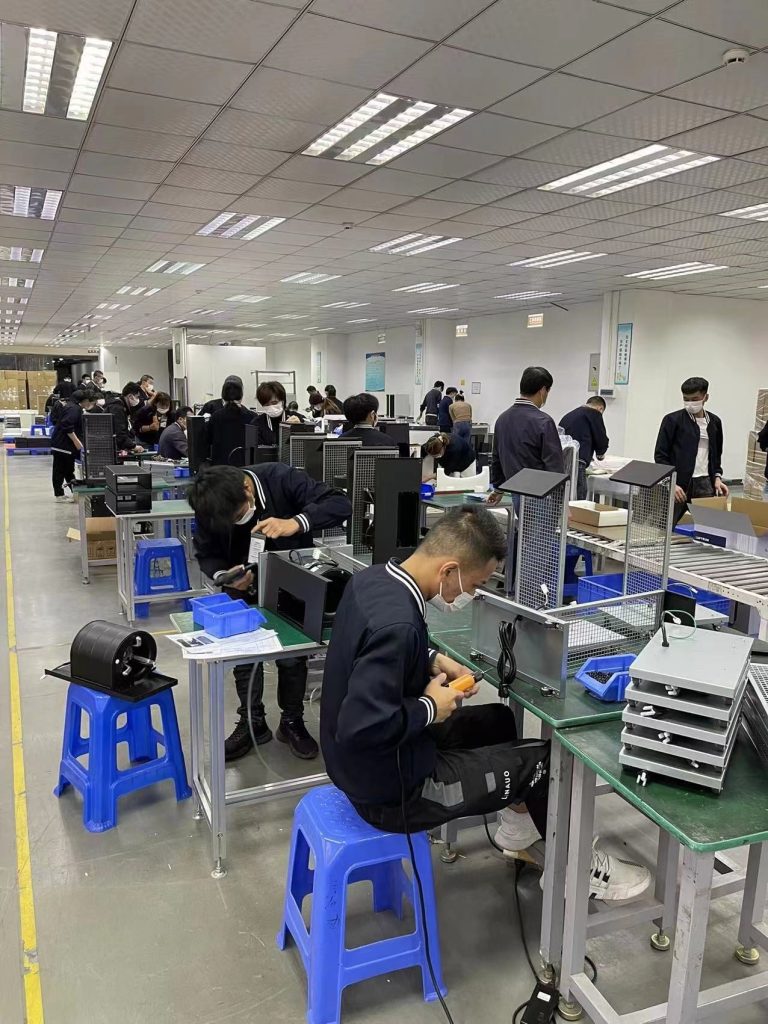
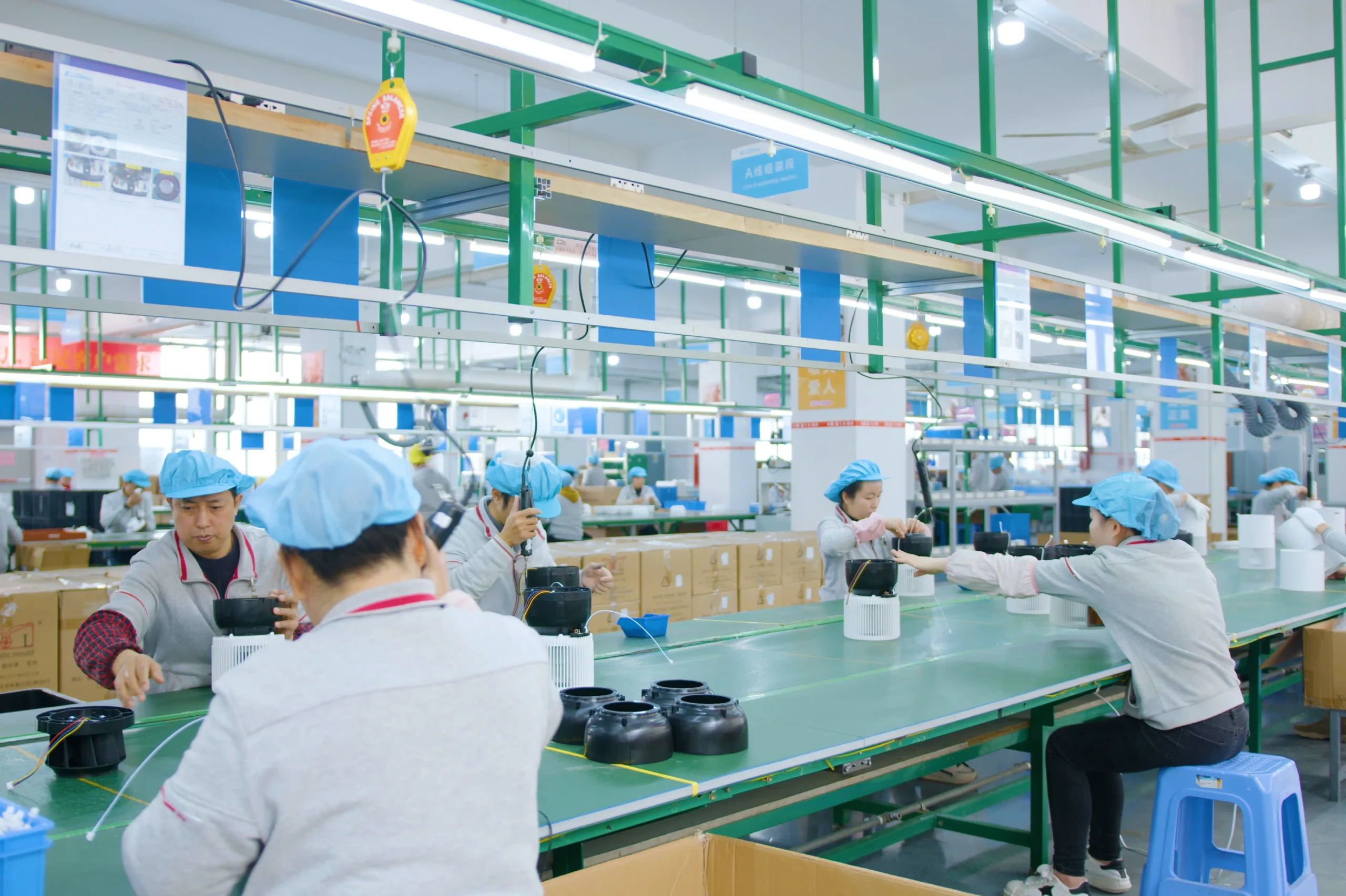
chaîne de montage d'ateliers

Contrôle strict de la qualité

Des tests rigoureux sur le CADR, les niveaux de bruit et la durabilité garantissent que chaque produit offre des performances exceptionnelles.
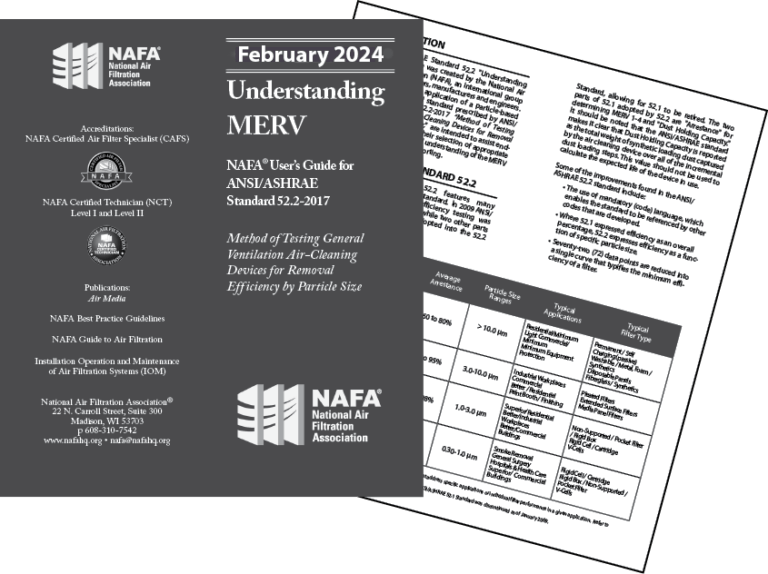
Cover of the Understanding MERV guide

Ingénierie produit alignée sur les normes
Notre processus d’ingénierie intègre les exigences applicables en matière de performance, de sécurité et de conformité tout au long du développement produit et de la validation de production.
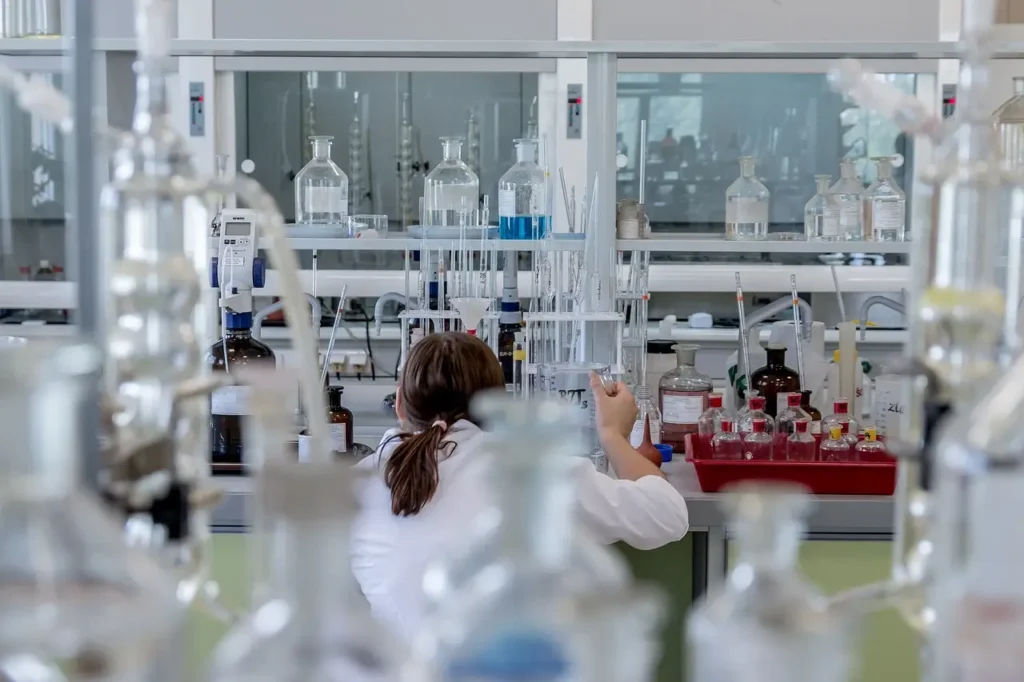
Scientifique travaillant dans un laboratoire avec divers objets en verre et équipements sur des paillasses

Essais et validation des produits

HisoAir accompagne la validation des performances, de la fiabilité et de la conformité des produits grâce à des ressources d’essais d’ingénierie et à des laboratoires tiers qualifiés. Les rapports d’essais correspondants sont disponibles pour les modèles concernés.

Founders of HisoAir

Contactez des experts pour améliorer et maintenir la qualité de votre air intérieur.
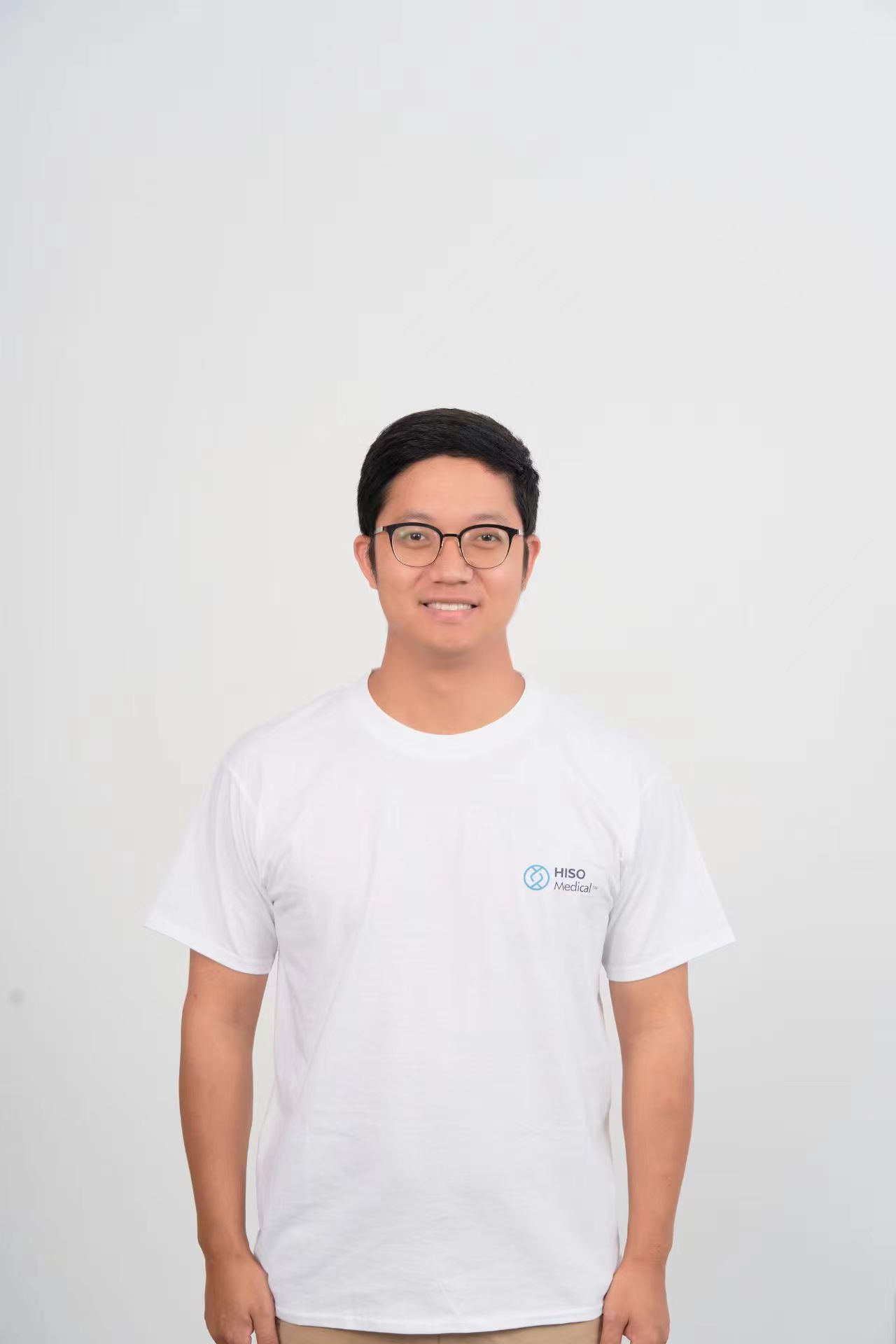
Alwen Lee, Founder and CEO of HisoAir
Alwen Lee
Founder & CEO

As the founder of HisoAir, I am deeply passionate about improving indoor air quality and the well-being of our environment.

With a commitment to clean air and healthy living spaces, I am dedicated to developing innovative solutions that make a significant difference.

My expertise lies in social media marketing and global brand distribution, allowing me to bring our air quality products to a wider audience.
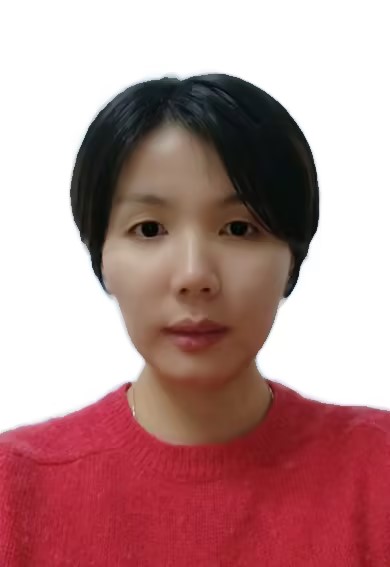
Evelyn Wen, Co-Founder of HisoAir
Evelyn Wen
Co-Founder

With over 16 years of experience as a Product and Quality Engineer in Apple's supply chain, Evelyn Wen is a dedicated expert in designing high-quality products that improve indoor air quality.

She is passionate about user experience and committed to creating innovative solutions that enhance the well-being of customers through cleaner, healthier living environments.

Justin Wu, Co-Founder of HisoAir
Justin Wu
Co-Founder

With over 20 years of experience in air treatment, he is an expert in product design and manufacturing. He has dedicated his career to developing advanced solutions for improving indoor air quality.

Passionate about innovation, he leads the design and production of high-performance air purification systems that create healthier, more comfortable living environments.

Pourquoi nous choisir ?

Plus de 20 ans d’expérience dans le secteur
Notre équipe principale apporte une solide expérience du traitement de l’air, de l’ingénierie produit et de la fabrication, au service de programmes de développement OEM/ODM haut de gamme.
Proven Technology
From quiet-mode decibel cancellation to IoT-enabled purification, our tech is built for performance and user experience.
Global Fulfillment
Notre réseau de fabrication qualifié couvre la Chine, le Vietnam, la Thaïlande et la Malaisie, pour une planification de production flexible et des livraisons internationales.
Expérience éprouvée des projets OEM/ODM
HisoAir accompagne les marques internationales grâce à l’ingénierie produit, la personnalisation, la coordination des certifications et la gestion des programmes de fabrication.
Expérience ODM
We’ve partnered with top 500 global companies, exporting to over 100 countries. Our ODM service meets international standards for performance and compliance.
Expérience JDM
As a full-service partner, HisoAir provides joint development and manufacturing (JDM) for clients needing custom innovation, fast iteration, and reliable production.

NOTRE GALERIE

Rationaliser les échanges commerciaux avec les États-Unis grâce à la rentabilité et à la rapidité de livraison.

TESTIMONIALES

" J'ai trouvé le site web d'hisoair sur Google et, pour être honnête, je n'étais pas sûr de leur fiabilité au début, mais ils ont répondu aux exigences de mon projet en un mois et demi. Et lorsque le projet a nécessité l'ajout urgent d'un capteur de CO2, ils ont fourni un nouvel échantillon en moins d'une semaine, ce qui fait d'eux le fabricant le plus professionnel et le plus orienté vers le client avec lequel j'ai jamais travaillé "
tms 1
Thomas
Fournisseur du gouvernement allemand
" Nous savons tous que le COVID a été une terrible catastrophe pour le monde entier, en particulier pour l'Inde, j'ai acheté un purificateur d'air chez HisoAir, cela a été très utile pour moi et mon bureau, ma maison, ma famille et mes amis. Je travaille avec Alwen depuis 7 ans, qui est de HisoAir, je peux dire que c'est une personne très fiable, très efficace et très professionnelle ".
témoignages de clients 2
Ranjith Bala
Importateur de produits médicaux en Inde
" Nous sommes une entreprise avec plus de 15 ans d'expérience dans le travail avec les institutions privées et les secteurs privés, nous avons collaboré avec Hiso pendant 3 ans, et nous sommes vraiment reconnaissants pour les travaux que Hiso nous a fournis. Nous sommes reconnaissants de la collaboration avec Cherry et M. Lee "
témoignages de clients
Herina
Hôpitaux et fournisseurs gouvernementaux de Roumanie

DEMANDER UN DEVIS

envoyez un message ci-dessous

Nous vous répondrons dans les plus brefs délais !

GARDER LE CONTACT

Informations sur le contact

Votre demande est importante pour nous.
Nous nous mettrons en contact rapidement et vos données resteront toujours sécurisées.
sales@hisoair.com
+86 138 0961 9940

Bureau des États-Unis2180 S WINEVILLE AVE ONTARIO, CA 91761

Bureau: Room 712~713, Building 1, No. 4, Second Road, Songshan Lake Park, Dongguan City, Guangdong Province, 523429.

Usine : Chine | Vietnam | Thaïlande | Malaisie

Contaminant Engineering•3 min read

PFAS Water Filtration Technologies Explained: Carbon, Resin & RO

Key Takeaway:

PFAS reduction depends on the specific compounds present, treatment media, contact time, water chemistry, and system design. Activated carbon, ion exchange, and Reverse Osmosis address PFAS through different mechanisms.

PFAS are a large family of persistent fluorinated compounds that can occur in drinking-water supplies. Their treatment behavior varies significantly by molecular structure, chain length, functional group, concentration, and the chemistry of the source water.

Granular Activated Carbon (GAC) removes PFAS primarily through adsorption. It is generally more effective for many longer-chain PFAS, while shorter-chain compounds tend to break through more quickly. Carbon performance depends on media properties, Empty Bed Contact Time (EBCT), competing organic matter, loading, and replacement frequency.

Ion-exchange resins use charged functional sites to capture many PFAS compounds. Properly selected anion-exchange media can provide high capacity and may perform better than conventional activated carbon for some shorter-chain PFAS, although performance still depends on water chemistry and competing ions.

Reverse Osmosis (RO) uses membrane separation rather than adsorption. Properly designed RO systems can provide broad reduction across many PFAS compounds as well as dissolved salts and other contaminants. Unlike carbon or resin, however, RO also produces a concentrate stream that must be managed.

No single technology should be selected from a PFAS label alone. System design should consider which PFAS compounds are present, their concentrations, required reduction targets, flow rate, media life, and the applicable third-party certification or validation requirements.

HisoAir Water Technical Series
Product Discovery•3 min read

How to Choose an Under-Sink Water Purifier for Modern Kitchens

Key Takeaway:

Match the treatment technology to your water quality first, then evaluate cabinet space, faucet configuration, flow rate, drain and power requirements, and filter replacement needs.

Choosing an under-sink water purifier starts with water chemistry. Carbon filtration is well suited to chlorine, taste, odor, and many organic contaminants, while Reverse Osmosis is more appropriate when dissolved salts, fluoride, nitrates, or broader dissolved contaminants need to be reduced.

For compact kitchens, tankless RO systems eliminate the conventional storage tank and can significantly reduce the space required under the sink. However, membrane capacity stated in GPD does not directly equal faucet flow. When comparing systems, check the actual dispensing flow rate, inlet-pressure requirement, recovery ratio, and whether a booster pump is required.

Installation architecture also matters. Many RO systems require a drain connection, electrical power, and either a dedicated drinking-water faucet or a compatible multi-function faucet. High-flow carbon systems can often connect directly to the existing cold-water line with a simpler installation, but pressure drop and available faucet flow should still be verified.

RO also removes much of the naturally occurring dissolved mineral content. Where taste or mineral balance is a priority, a post-RO remineralization stage can be added. Filter life should be evaluated by both rated capacity and local water quality rather than replacement time alone.

The right system is therefore not simply the smallest or highest-GPD model. It is the configuration that matches the target contaminants, available cabinet space, desired faucet setup, peak dispensing demand, and maintenance expectations.

HisoAir Water Technical Series
Water Quality•2 min read

What Does TDS Mean in Drinking Water? Measurement vs Contaminant Reality

Key Takeaway:

A TDS meter estimates the overall concentration of dissolved ionic substances from electrical conductivity. It cannot identify specific contaminants or determine whether water is chemically safe.

Total Dissolved Solids (TDS) refers to the combined concentration of dissolved substances in water. Most handheld TDS meters do not measure TDS directly. Instead, they measure electrical conductivity (EC) and convert that reading into an estimated parts-per-million (ppm) value.

This means a TDS reading can indicate how much dissolved ionic material is present, but not what that material actually is. Calcium, magnesium, sodium, nitrates, and other dissolved ions can all contribute to conductivity, yet a simple TDS meter cannot distinguish between them.

TDS meters are also not suitable for detecting trace contaminants such as PFAS, many VOCs, pesticides, pharmaceuticals, or disinfection byproducts. These substances may be present at concentrations far below the level needed to noticeably change electrical conductivity.

A low TDS reading therefore does not guarantee safe drinking water, and a higher TDS reading does not automatically indicate contamination. Water-treatment decisions should be based on laboratory testing for specific contaminants of concern rather than TDS alone.

HisoAir Water Technical Series
Technology Selection•2 min read

RO vs UF Water Filtration: Understanding Pore Sizes & Dissolved Minerals

Key Takeaway:

Ultrafiltration can reduce bacteria, turbidity, and suspended particles while retaining most naturally occurring dissolved minerals. Reverse Osmosis provides much broader reduction of dissolved salts and smaller contaminants.

Ultrafiltration (UF) typically uses hollow-fiber membranes with pore sizes in the approximate 0.01–0.1 micron range. These membranes physically retain turbidity, suspended solids, colloids, and many microorganisms while allowing dissolved minerals and salts to remain in the water.

Reverse Osmosis (RO) operates at a much finer separation level. Unlike UF, RO can substantially reduce dissolved ions such as sodium, calcium, fluoride, nitrates, and other contributors to total dissolved solids (TDS). This makes RO more suitable when dissolved-salt reduction is a primary treatment objective.

UF generally requires less system pressure and produces little or no continuous concentrate stream in many point-of-use configurations. RO typically requires greater pressure and produces a reject-water stream, but delivers broader contaminant reduction.

For water with acceptable TDS and mineral content, UF can be a simpler mineral-retaining treatment option. Where dissolved salts, fluoride, nitrates, or broader dissolved contaminants are a concern, RO is generally the more appropriate technology.

HisoAir Water Technical Series
Technology Selection•4 min read

Carbon Block vs Reverse Osmosis: Which Fits Your Need?

Key Takeaway:

Choose RO for dissolved inorganic salts and heavy metals; choose Carbon Block for chemical taste/odor, no wastewater, and high line-pressure flow.

Reverse Osmosis (RO) and Carbon Block filtration represent two fundamentally different treatment methods: membrane separation and adsorption. Understanding these differences helps determine which technology is better suited to a specific water-quality requirement.

Reverse Osmosis uses a semi-permeable membrane with pore sizes of approximately 0.0001 microns. It can significantly reduce dissolved inorganic contaminants such as TDS, fluoride, nitrates, and certain heavy metals. Because water must be forced through the membrane, RO systems require sufficient pressure or a booster pump and generate a concentrated wastewater stream.

Carbon Block filtration relies primarily on adsorption through compressed activated carbon, commonly with nominal pore sizes around 0.5–5 microns. It is highly effective for chlorine, chloramines, VOCs, taste, and odor, while allowing substantially higher direct-flow rates without producing wastewater.

From an operating perspective, Carbon Block systems are generally simpler, require less energy, and avoid the water loss associated with RO. RO involves higher system complexity and operating cost, but provides substantially broader reduction of dissolved contaminants that Carbon Block alone cannot address.

HisoAir Water Technical Series

DEMANDER UN DEVIS