Öffnet in einem neuen Tab
Innovative Lösungen für die Luftqualität

WER WIR SIND

At HisoAir, we believe people everywhere deserve to breath clean, healthy air. We believe in supporting the innovators working tirelessly to deliver solutions that nurture personalized, holistic health & wellbeing.

What We Do

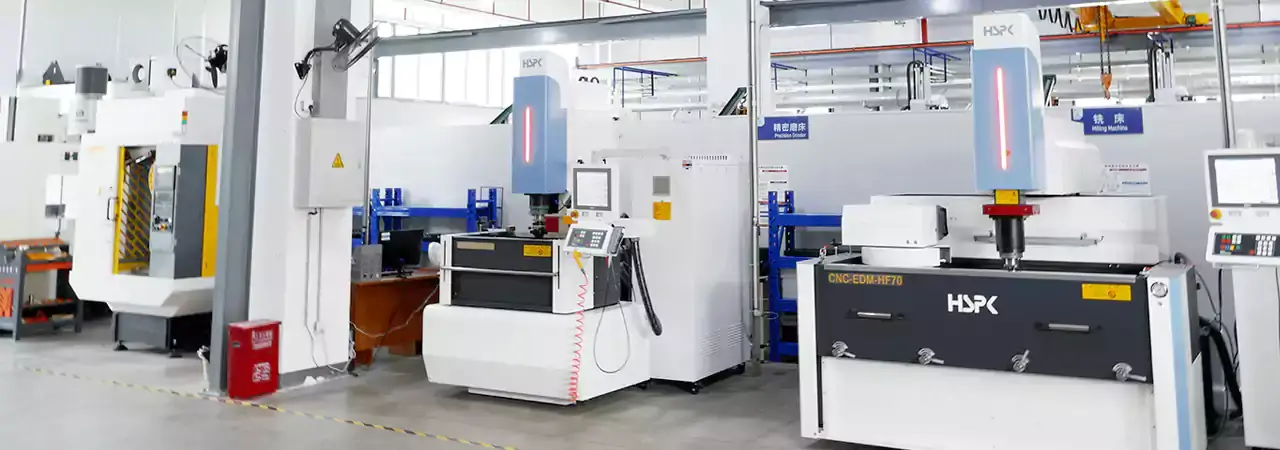
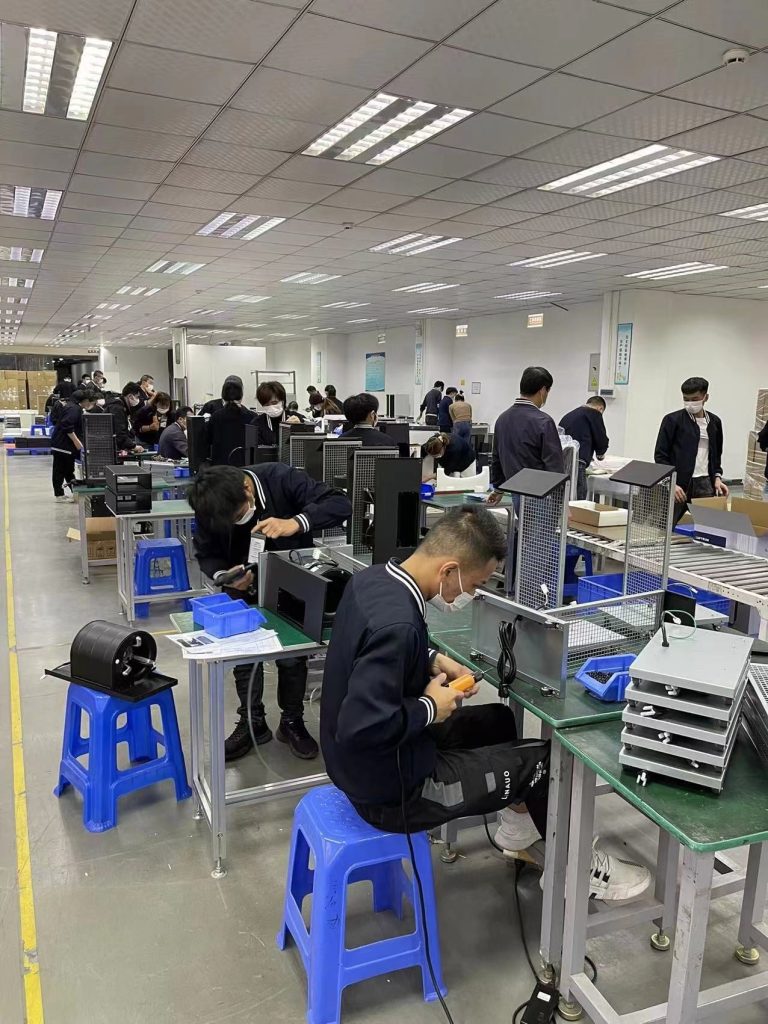
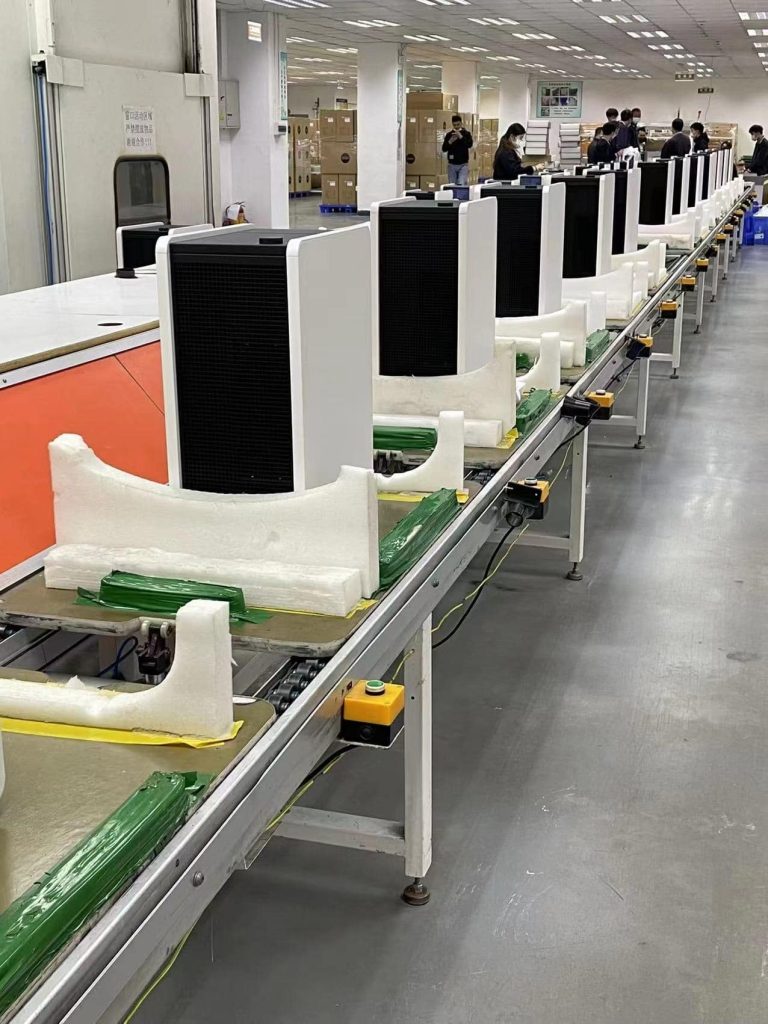
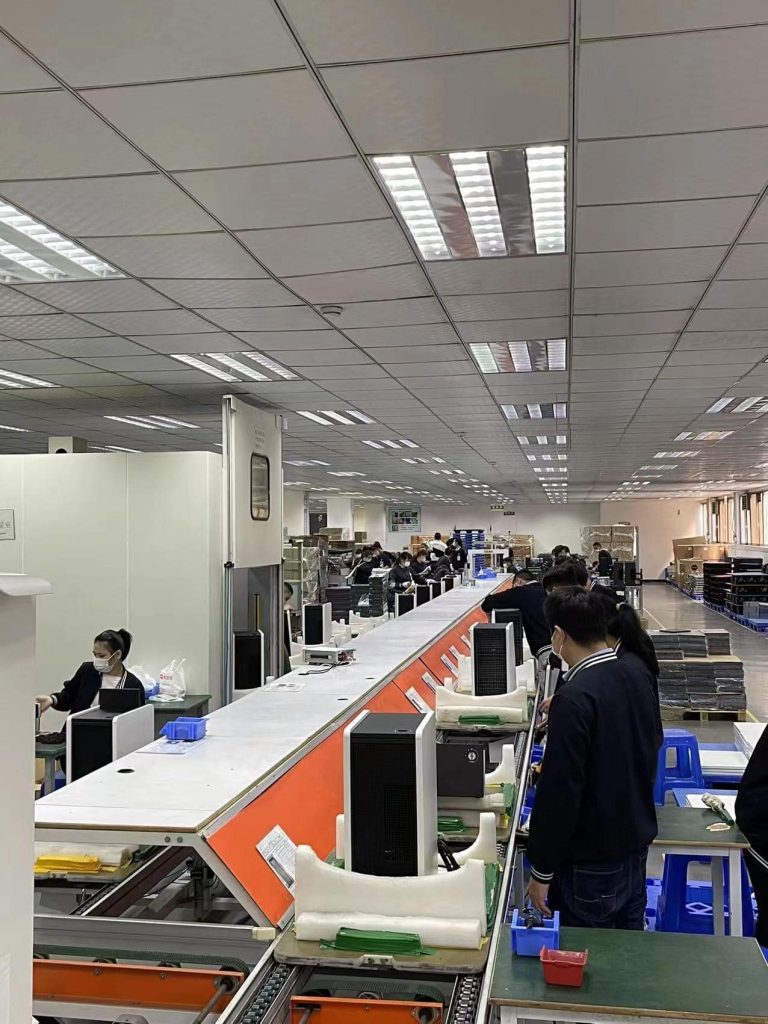
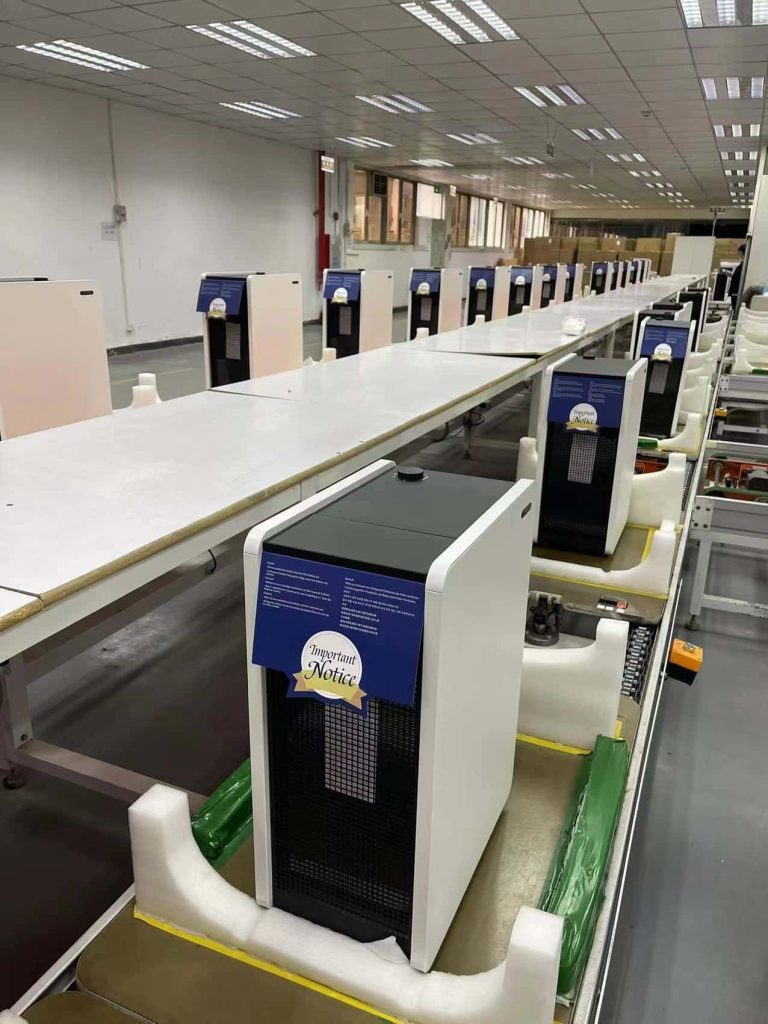
We combine our deep expertise in air quality, technology, and electronics manufacturing with our passion for collaborating with purpose-driven companies to deliver innovative air quality solutions.

We offer a full array of integrated product development, sourcing, and manufacturing services that help companies deliver better air quality solutions faster.

We help businesses accelerate delivery of innovative air quality solutions.
Kontakt

Why Now?

The clean air industry is transforming — and the future belongs to brands that act fast. Here’s why:

🌍

Air Quality Awareness

Global demand for clean indoor environments is growing rapidly.

🚀

$7T Wellness Market

Consumers want holistic, health-focused product experiences.

🔗

Intelligente Technologie

IoT + AI are redefining how users interact with home devices.

🎨

Design Drives Value

Aesthetics are key for modern products — functionality alone isn’t enough.

🤝

Partnership Is Key

Brands need fast, reliable partners to innovate and stay compliant.

How We Work
(The 4 Ds Framework)

Discovery

Activities:
Market & user research
Feasibility study

Key Output:
Concept brief

Typical Time:
2–4 weeks

Definition

Activities:
Spec, ID & UX
Cost targets

Key Output:
Finalized BOM & ID

Typical Time:
3–6 weeks

Development

Activities:
EVT → DVT → PVT
Zertifizierungen

Key Output:
Proto Units & Reports

Typical Time:
8–16 weeks

Lieferung

Activities:
Mass production
Quality & logistics

Key Output:
Ship-ready inventory

Typical Time:
Continuous

Global Manufacturing
- China+1 Strategy Ready

China / Vietnam / Thailand / Malaysia
Kontakt

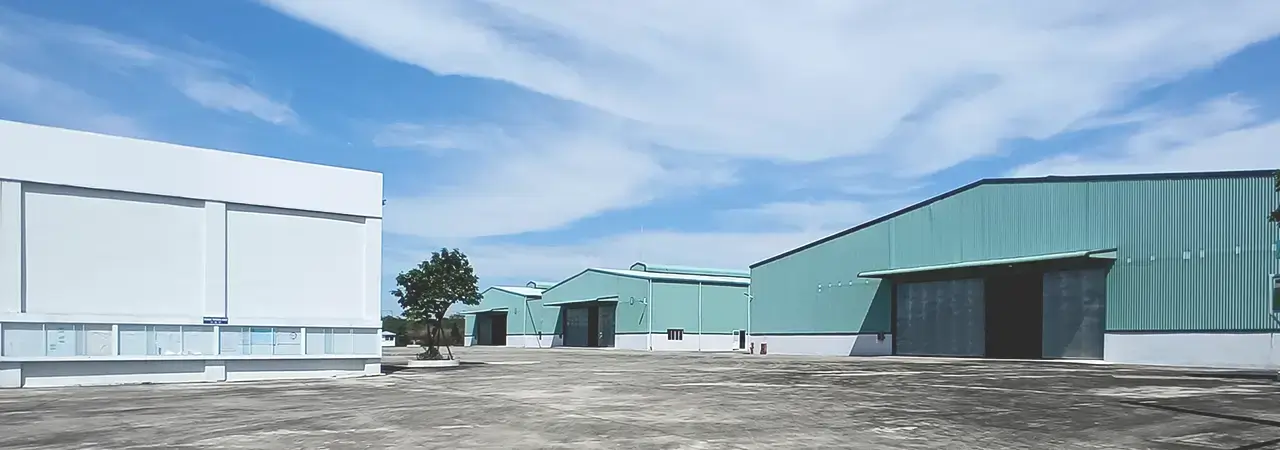
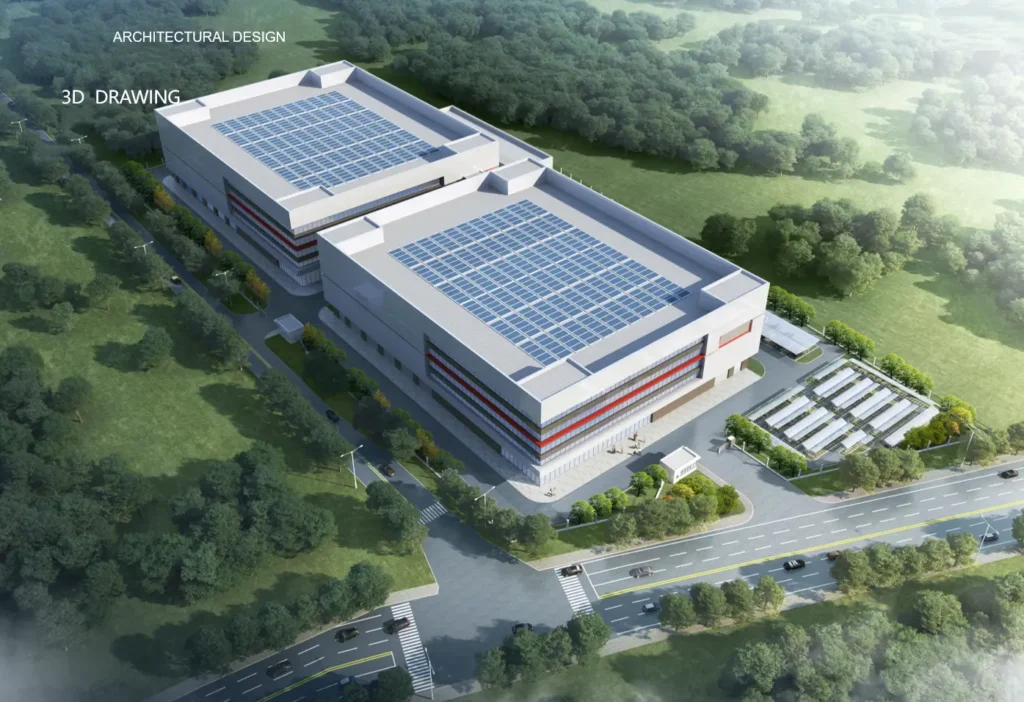
Vietnam Fabrik

Rationalisierung des US-Handels durch Kosteneffizienz und schnelle Lieferung.
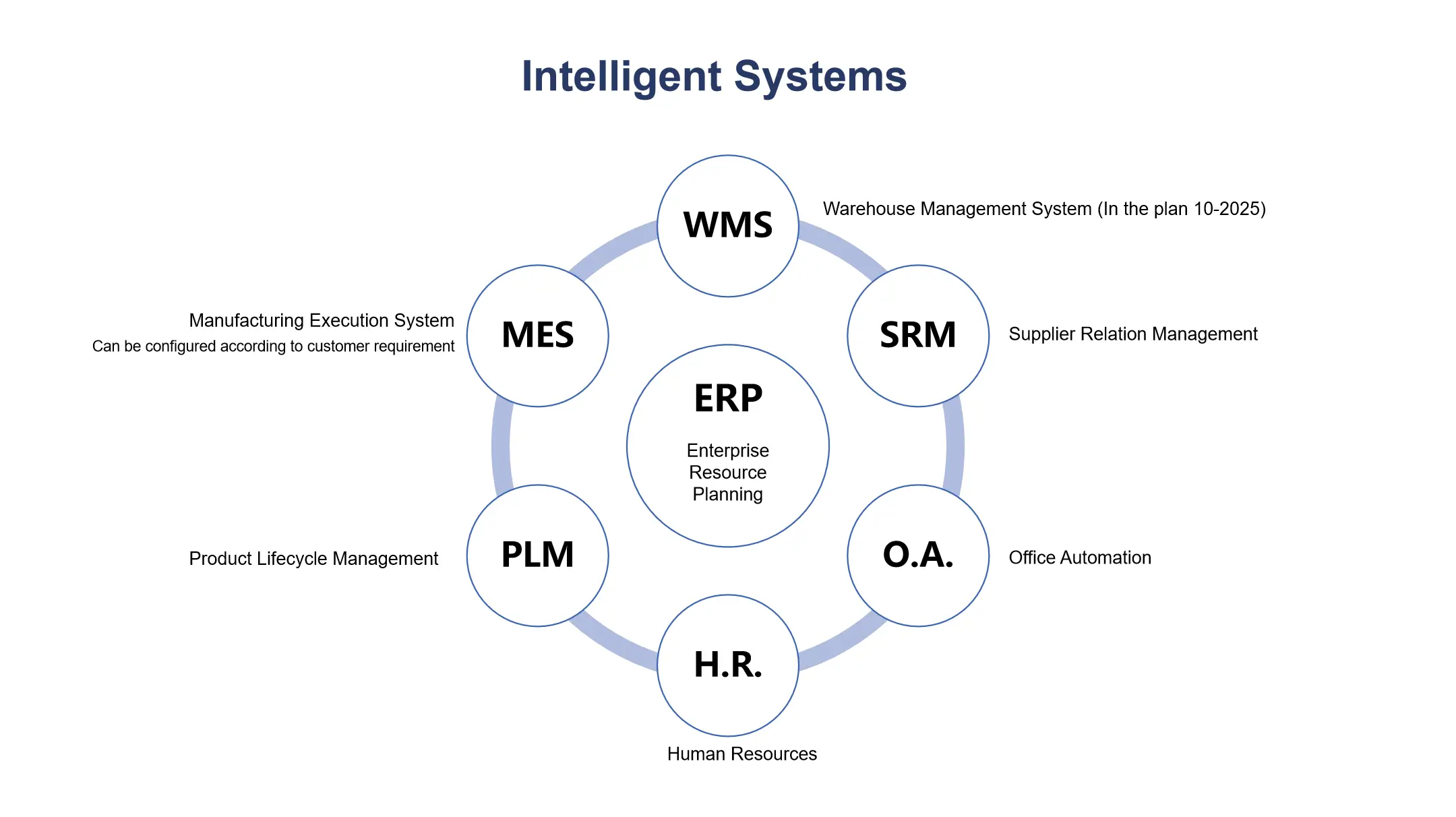
intelligent systems

  • Established: 2020
  • Building Area:20000㎡
  • Focus On Environment-Friendly Appliances
  • Employee:400+
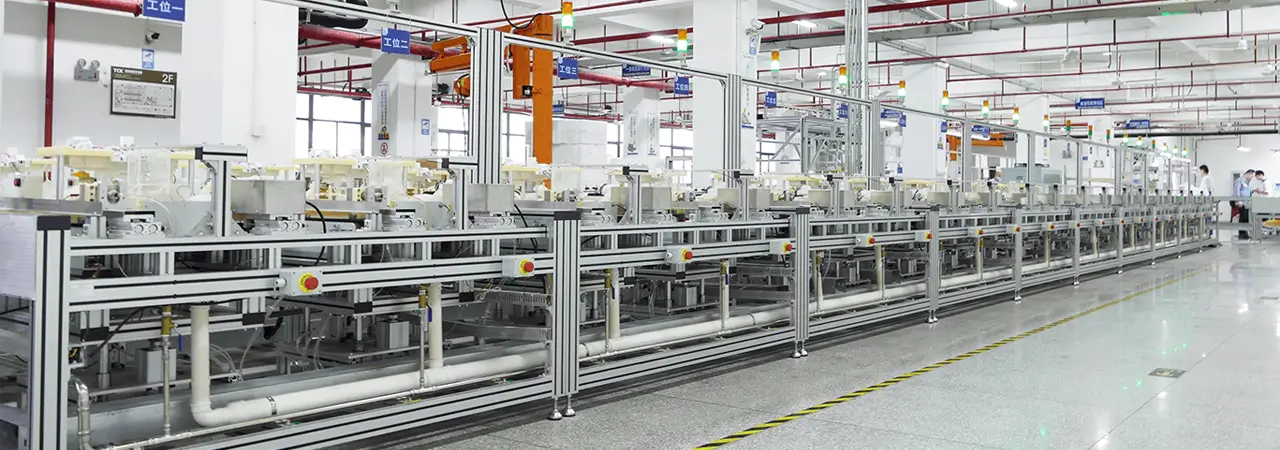
  • Assembly Line: 4+3
  • Production Heating Elements In House
  • Own Testing & Verification Lab
  • Annual Capacity: 2 Million Units

vietnam1
vietnam
vietnam2
vietnam7
vietnam4
vietnam1
vietnam
vietnam2
vietnam7
vietnam4

Thailand Fabrik

Replacement Factory outside China
hisoair thailändische Fabrikhisoair thailändisches Werk 2

Wir bieten Dienstleistungen von hoher Qualität
Ihre Anfrage ist für uns wichtig. Wir werden uns in Kürze mit Ihnen in Verbindung setzen, und Ihre Daten bleiben immer sicher.
Kontakt
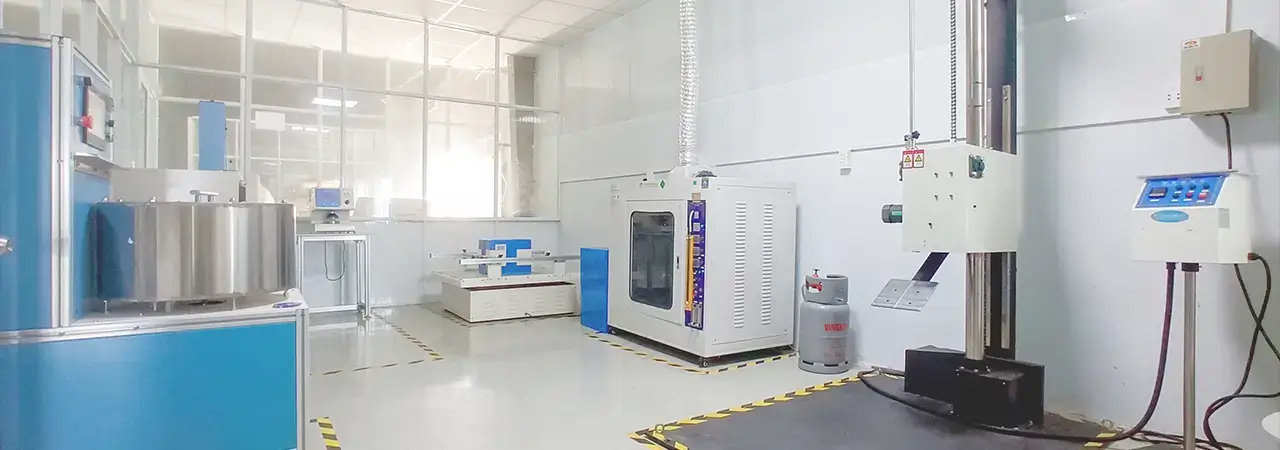
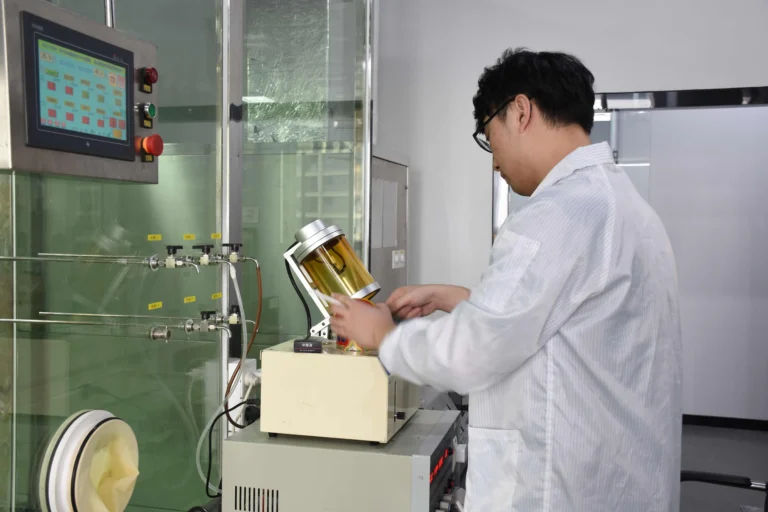
Techniker, der in einem Labor die Qualität von Luftfiltern prüft.
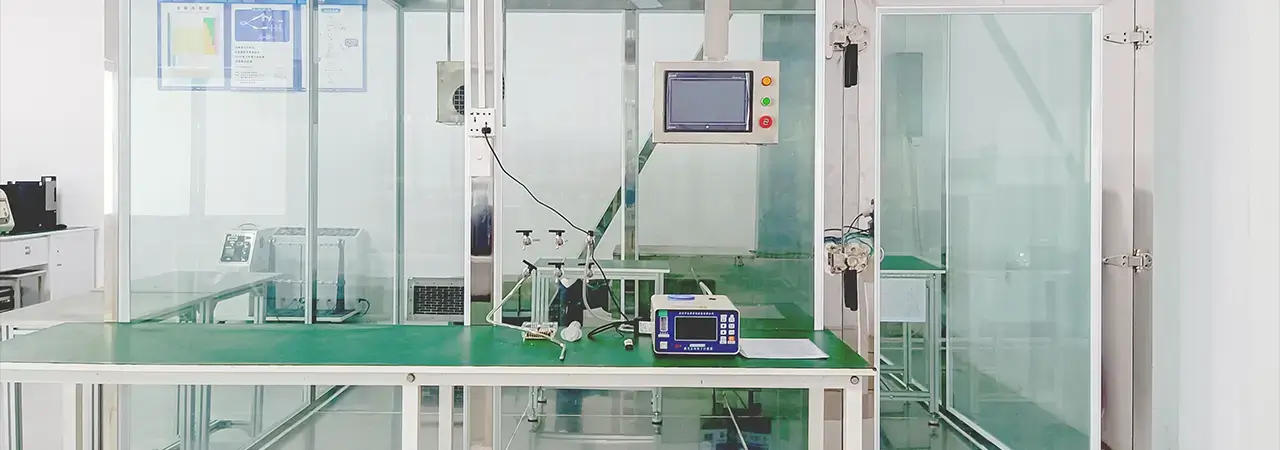
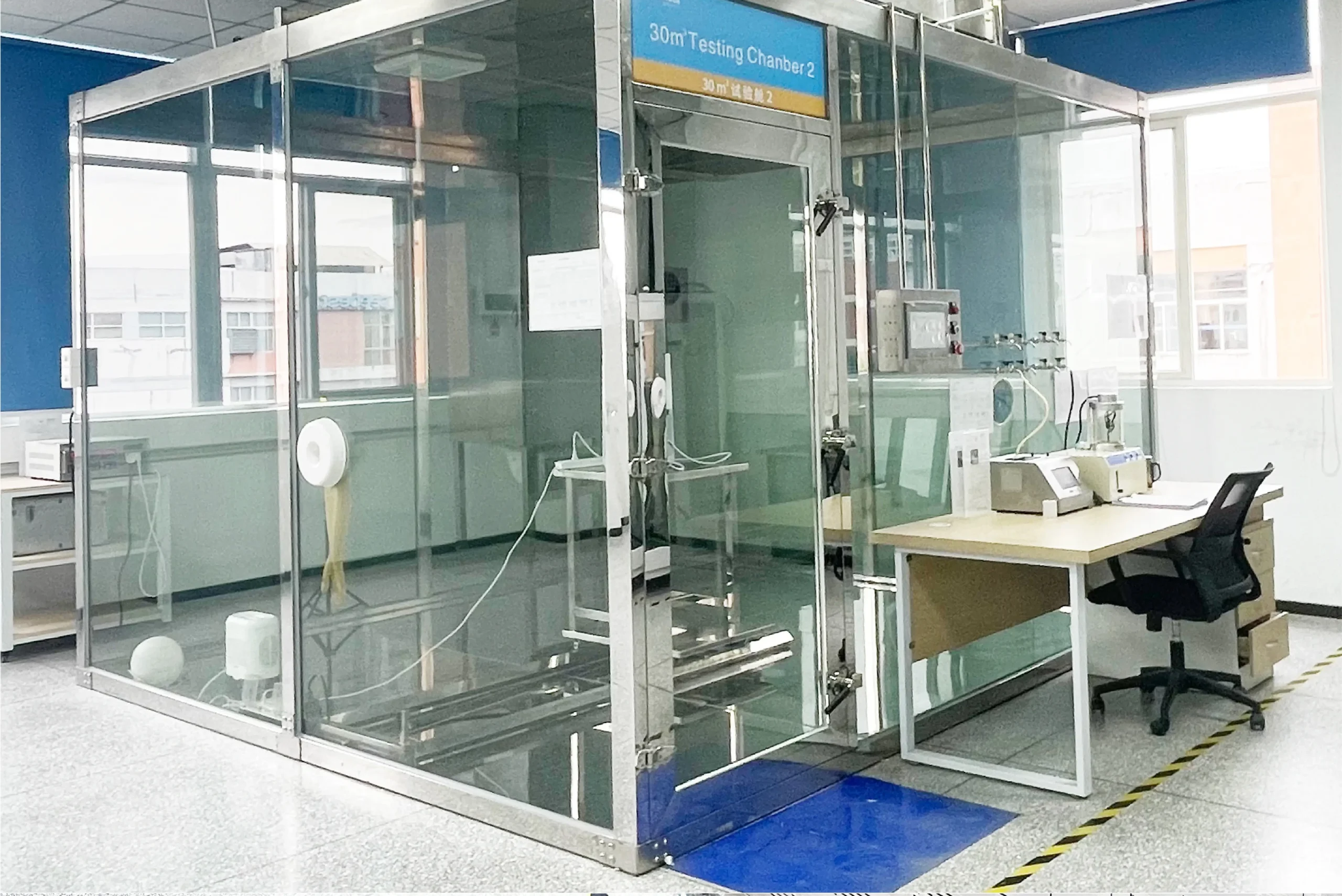
Versuchskabine
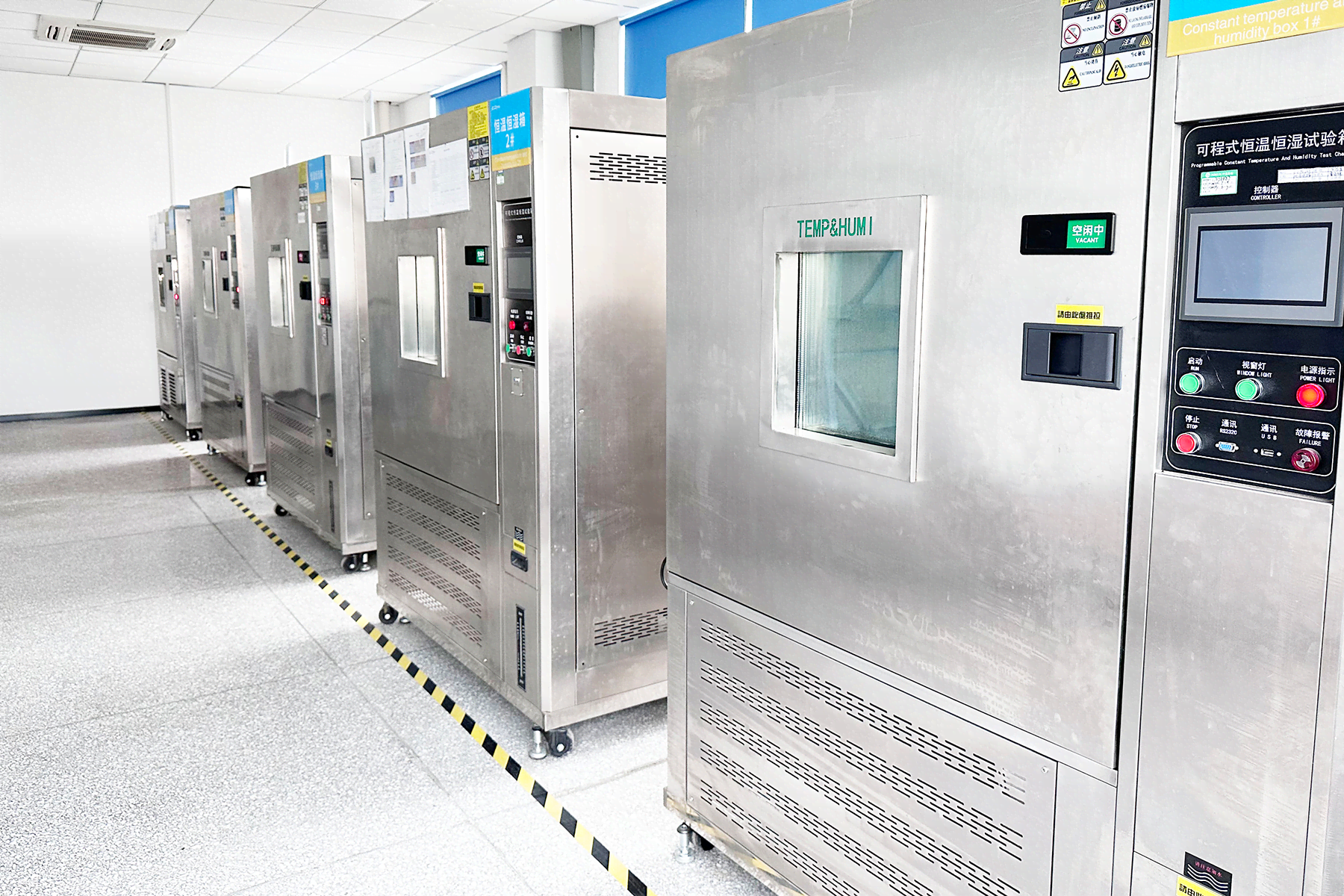
constant temperature and humidity box(1)

Premium Quality Air‑Care Solutions
You Can Trust

HisoAir subjects every purifier, humidifier, diffuser, and dehumidifier to stringent, internationally accredited tests—so you enjoy proven performance, safety, and reliability.

Unsere wichtigsten Testfähigkeiten:

  • CADR: Quantifies particulate removal rate.
  • Sensor Calibration: Confirms precision of sensors.
  • Filter Life & Efficiency: Verifies HEPA/activated‑carbon capture performance.
  • Humidity Control Assessment: Measures mist output, dehumidification capacity, and set‑point accuracy.
  • Noise Level: Records noise levels across all operating modes.
  • Environmental Chamber: Evaluates function under varying temperature and humidity conditions.
  • Aging & Safety: Conducts accelerated life cycles to prove long-term stability and validates environmental adaptability and electrical safety.

Wir bieten auch maßgeschneiderte Lösungen zur Verbesserung der Filtrationseffizienz und Lebensdauer, die auf Ihre Bedürfnisse zugeschnitten sind.
Sprechen Sie mit unserem Experten
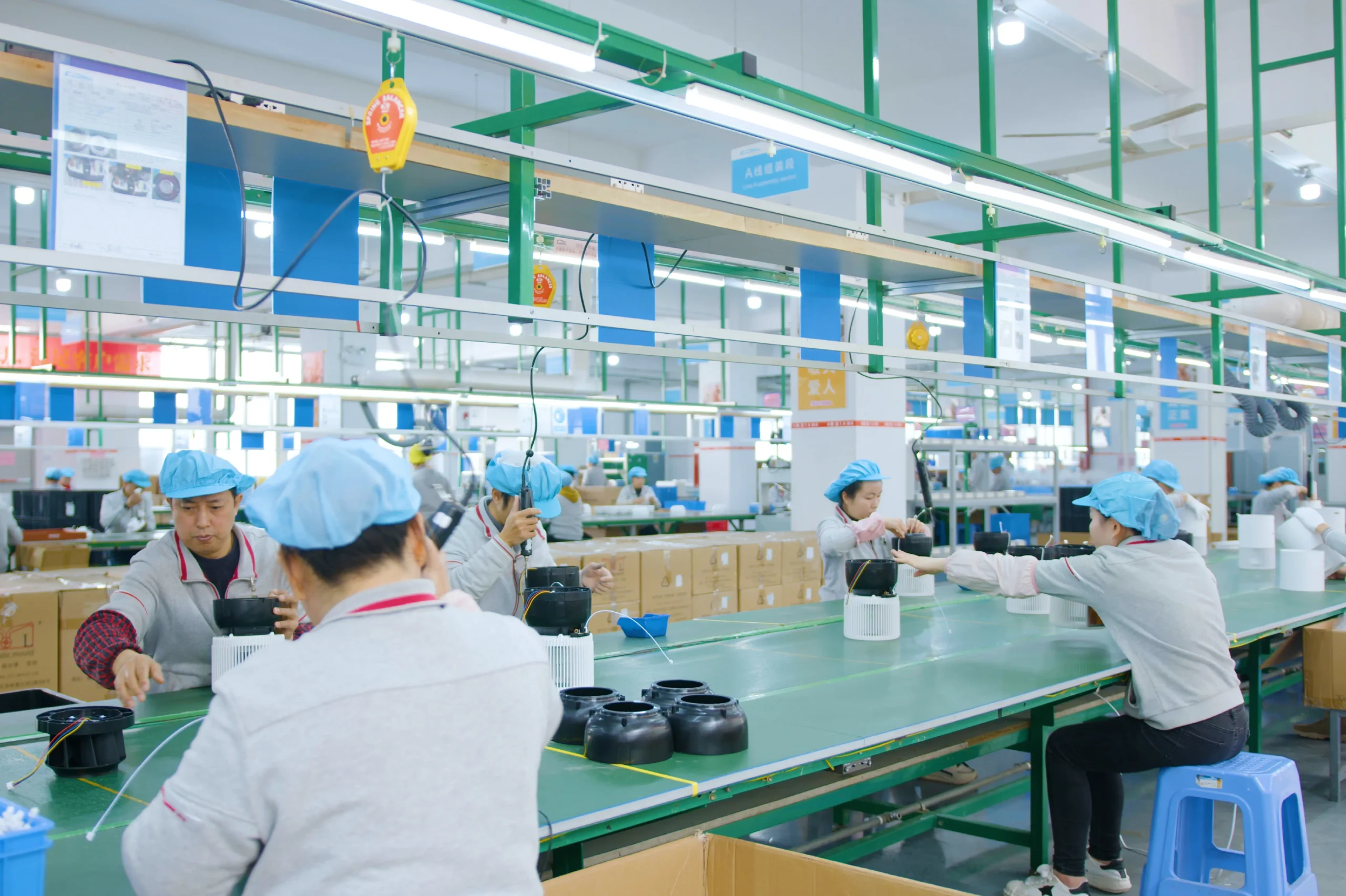
Werkstatt-Fließband

Strenge Qualitätskontrolle

Strenge Tests zu CADR, Geräuschpegel und Haltbarkeit stellen sicher, dass jedes Produkt eine herausragende Leistung bietet.
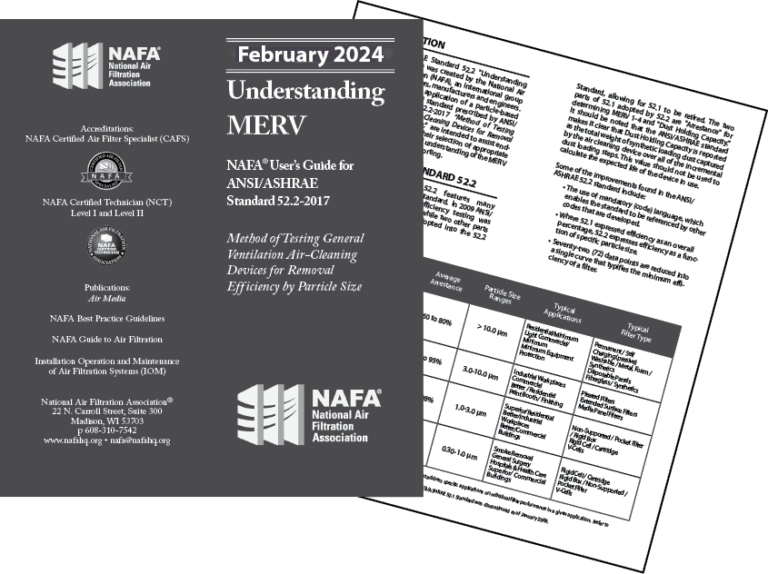
Merv verstehen

National Air Filter Standard Mitwirkender
Als Mitwirkender bei der Entwicklung nationaler Normen für Luftreiniger setzen wir den Maßstab für Qualität.
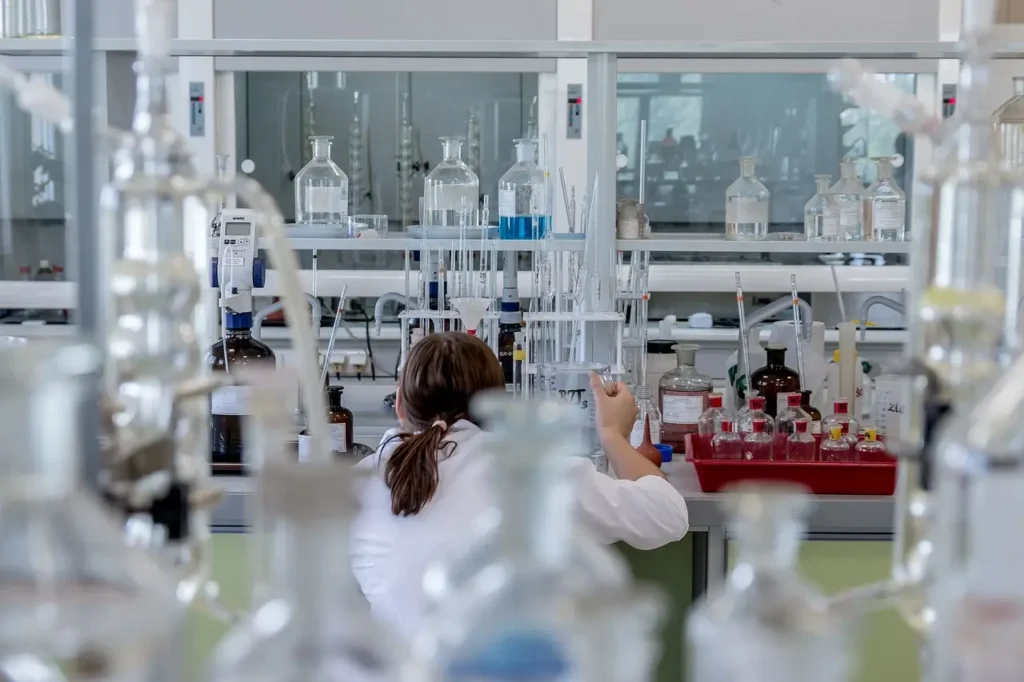
Wissenschaftlerin bei der Arbeit im Labor mit verschiedenen Glaswaren und Geräten auf Labortischen

CNAS-zugelassenes Labor

Unsere hauseigenen, von der CNAS akkreditierten Prüfeinrichtungen gewährleisten, dass jeder Filter den nationalen und internationalen Normen entspricht.

Founders of HisoAir

Setzen Sie sich mit Experten in Verbindung, um Ihre Innenraumluftqualität zu verbessern und zu erhalten.
alween lee hisoair founder
Alwen Lee
Founder & CEO

As the founder of HisoAir, I am deeply passionate about improving indoor air quality and the well-being of our environment.

With a commitment to clean air and healthy living spaces, I am dedicated to developing innovative solutions that make a significant difference.

My expertise lies in social media marketing and global brand distribution, allowing me to bring our air quality products to a wider audience.
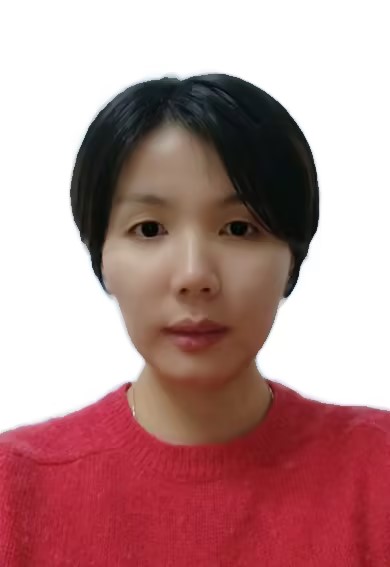
evelyn
Evelyn Wen
Co-Founder

With over 16 years of experience as a Product and Quality Engineer in Apple's supply chain, Evelyn Wen is a dedicated expert in designing high-quality products that improve indoor air quality.

She is passionate about user experience and committed to creating innovative solutions that enhance the well-being of customers through cleaner, healthier living environments.

mr wu
Mr. Wu
Co-Founder

With over 20 years of experience in air treatment, he is an expert in product design and manufacturing. He has dedicated his career to developing advanced solutions for improving indoor air quality.

Passionate about innovation, he leads the design and production of high-performance air purification systems that create healthier, more comfortable living environments.

Warum uns wählen

20+) Jahre Erfahrung
We’ve led innovation in air purification for over two decades, delivering R&D-backed solutions trusted by global leaders.
Proven Technology
From quiet-mode decibel cancellation to IoT-enabled purification, our tech is built for performance and user experience.
Global Fulfillment
Factories in China, Vietnam, and Thailand support your “China+1” strategy with scalable production and tariff-smart logistics.
OEM-Erfahrung
Backed by 20+ years of OEM experience and 200+ successful projects, we customize private-label air purifiers that meet your technical and market needs.
ODM-Erfahrung
We’ve partnered with top 500 global companies, exporting to over 100 countries. Our ODM service meets international standards for performance and compliance.
JDM-Erfahrung
As a full-service partner, HisoAir provides joint development and manufacturing (JDM) for clients needing custom innovation, fast iteration, and reliable production.

UNSERE GALERIE

Rationalisierung des US-Handels durch Kosteneffizienz und schnelle Lieferung.

TESTIMONIALS

" Ich habe die Website von hisoair über Google gefunden, und um ehrlich zu sein, war ich mir anfangs nicht sicher, ob sie zuverlässig sind, aber sie haben meine Projektanforderungen in anderthalb Monaten erfüllt. Und als das Projekt die dringende Hinzufügung eines CO2-Sensors erforderte, hatten sie innerhalb einer Woche ein neues Muster fertig, was sie zum professionellsten und kundenorientiertesten Hersteller macht, mit dem ich je gearbeitet habe.
tms 1
Thomas
Staatlicher Lieferant aus Deutschland
" Wir alle wissen, dass der COVID eine schreckliche Katastrophe für die ganze Welt war, besonders für Indien, ich habe einen Luftreiniger von HisoAir gekauft, der sehr nützlich für mich und mein Büro, mein Zuhause, meine Familien und Freunde war. Ich habe in den letzten 7 Jahren mit Alwen von HisoAir gearbeitet, ich kann sagen, dass er eine sehr zuverlässige Person ist, sehr effizient und sehr professionell.
Erfahrungsberichte von Kunden 2
Ranjith Bala
Importeur von Medizinprodukten aus Indien
" Wir sind ein Unternehmen mit mehr als 15 Jahren Erfahrung in der Zusammenarbeit mit privaten Institutionen und dem Privatsektor. Wir arbeiten seit drei Jahren mit Hiso zusammen und sind sehr dankbar für die Arbeiten, die Hiso uns zur Verfügung gestellt hat. Wir sind dankbar für die Zusammenarbeit mit Cherry und Mr. Lee "
Kundenreferenzen
Herina
Krankenhäuser und staatliche Anbieter aus Rumänien

EIN ANGEBOT ANFORDERN

Schreiben Sie uns eine Nachricht

Wir melden uns so schnell wie möglich bei Ihnen!

IN KONTAKT BLEIBEN

Kontaktinformationen

Ihre Anfrage ist für uns von Bedeutung.
Wir werden in Kürze eine Verbindung herstellen, und Ihre Daten bleiben immer sicher.
sales@hisoair.com
+86 138 0961 9940

US-Büro: 2180 S WINEVILLE AVE ONTARIO, CA 91761

Büro: Raum 712~713, Gebäude 1, Nr. 4, Second Road, Songshan Lake Park, Dongguan City, Provinz Guangdong, 523429.

Fabrik: China | Vietnam | Thailand | Malaysia

Contaminant Engineering•3 min read

PFAS Water Filtration Technologies Explained: Carbon, Resin & RO

Key Takeaway:

PFAS reduction depends on the specific compounds present, treatment media, contact time, water chemistry, and system design. Activated carbon, ion exchange, and Reverse Osmosis address PFAS through different mechanisms.

PFAS are a large family of persistent fluorinated compounds that can occur in drinking-water supplies. Their treatment behavior varies significantly by molecular structure, chain length, functional group, concentration, and the chemistry of the source water.

Granular Activated Carbon (GAC) removes PFAS primarily through adsorption. It is generally more effective for many longer-chain PFAS, while shorter-chain compounds tend to break through more quickly. Carbon performance depends on media properties, Empty Bed Contact Time (EBCT), competing organic matter, loading, and replacement frequency.

Ion-exchange resins use charged functional sites to capture many PFAS compounds. Properly selected anion-exchange media can provide high capacity and may perform better than conventional activated carbon for some shorter-chain PFAS, although performance still depends on water chemistry and competing ions.

Reverse Osmosis (RO) uses membrane separation rather than adsorption. Properly designed RO systems can provide broad reduction across many PFAS compounds as well as dissolved salts and other contaminants. Unlike carbon or resin, however, RO also produces a concentrate stream that must be managed.

No single technology should be selected from a PFAS label alone. System design should consider which PFAS compounds are present, their concentrations, required reduction targets, flow rate, media life, and the applicable third-party certification or validation requirements.

HisoAir Water Technical Series
Product Discovery•3 min read


How to Choose an Under-Sink Water Purifier for Modern Kitchens

Key Takeaway:

Match the treatment technology to your water quality first, then evaluate cabinet space, faucet configuration, flow rate, drain and power requirements, and filter replacement needs.

Choosing an under-sink water purifier starts with water chemistry. Carbon filtration is well suited to chlorine, taste, odor, and many organic contaminants, while Reverse Osmosis is more appropriate when dissolved salts, fluoride, nitrates, or broader dissolved contaminants need to be reduced.

For compact kitchens, tankless RO systems eliminate the conventional storage tank and can significantly reduce the space required under the sink. However, membrane capacity stated in GPD does not directly equal faucet flow. When comparing systems, check the actual dispensing flow rate, inlet-pressure requirement, recovery ratio, and whether a booster pump is required.

Installation architecture also matters. Many RO systems require a drain connection, electrical power, and either a dedicated drinking-water faucet or a compatible multi-function faucet. High-flow carbon systems can often connect directly to the existing cold-water line with a simpler installation, but pressure drop and available faucet flow should still be verified.

RO also removes much of the naturally occurring dissolved mineral content. Where taste or mineral balance is a priority, a post-RO remineralization stage can be added. Filter life should be evaluated by both rated capacity and local water quality rather than replacement time alone.

The right system is therefore not simply the smallest or highest-GPD model. It is the configuration that matches the target contaminants, available cabinet space, desired faucet setup, peak dispensing demand, and maintenance expectations.

HisoAir Water Technical Series
Water Quality•2 min read

What Does TDS Mean in Drinking Water? Measurement vs Contaminant Reality

Key Takeaway:

A TDS meter estimates the overall concentration of dissolved ionic substances from electrical conductivity. It cannot identify specific contaminants or determine whether water is chemically safe.

Total Dissolved Solids (TDS) refers to the combined concentration of dissolved substances in water. Most handheld TDS meters do not measure TDS directly. Instead, they measure electrical conductivity (EC) and convert that reading into an estimated parts-per-million (ppm) value.

This means a TDS reading can indicate how much dissolved ionic material is present, but not what that material actually is. Calcium, magnesium, sodium, nitrates, and other dissolved ions can all contribute to conductivity, yet a simple TDS meter cannot distinguish between them.

TDS meters are also not suitable for detecting trace contaminants such as PFAS, many VOCs, pesticides, pharmaceuticals, or disinfection byproducts. These substances may be present at concentrations far below the level needed to noticeably change electrical conductivity.

A low TDS reading therefore does not guarantee safe drinking water, and a higher TDS reading does not automatically indicate contamination. Water-treatment decisions should be based on laboratory testing for specific contaminants of concern rather than TDS alone.

HisoAir Water Technical Series
Technology Selection•2 min read

RO vs UF Water Filtration: Understanding Pore Sizes & Dissolved Minerals

Key Takeaway:

Ultrafiltration can reduce bacteria, turbidity, and suspended particles while retaining most naturally occurring dissolved minerals. Reverse Osmosis provides much broader reduction of dissolved salts and smaller contaminants.

Ultrafiltration (UF) typically uses hollow-fiber membranes with pore sizes in the approximate 0.01–0.1 micron range. These membranes physically retain turbidity, suspended solids, colloids, and many microorganisms while allowing dissolved minerals and salts to remain in the water.

Reverse Osmosis (RO) operates at a much finer separation level. Unlike UF, RO can substantially reduce dissolved ions such as sodium, calcium, fluoride, nitrates, and other contributors to total dissolved solids (TDS). This makes RO more suitable when dissolved-salt reduction is a primary treatment objective.

UF generally requires less system pressure and produces little or no continuous concentrate stream in many point-of-use configurations. RO typically requires greater pressure and produces a reject-water stream, but delivers broader contaminant reduction.

For water with acceptable TDS and mineral content, UF can be a simpler mineral-retaining treatment option. Where dissolved salts, fluoride, nitrates, or broader dissolved contaminants are a concern, RO is generally the more appropriate technology.

HisoAir Water Technical Series
Technology Selection•4 min read

Carbon Block vs Reverse Osmosis: Which Fits Your Need?

Key Takeaway:

Choose RO for dissolved inorganic salts and heavy metals; choose Carbon Block for chemical taste/odor, no wastewater, and high line-pressure flow.

Reverse Osmosis (RO) and Carbon Block filtration represent two fundamentally different treatment methods: membrane separation and adsorption. Understanding these differences helps determine which technology is better suited to a specific water-quality requirement.

Reverse Osmosis uses a semi-permeable membrane with pore sizes of approximately 0.0001 microns. It can significantly reduce dissolved inorganic contaminants such as TDS, fluoride, nitrates, and certain heavy metals. Because water must be forced through the membrane, RO systems require sufficient pressure or a booster pump and generate a concentrated wastewater stream.

Carbon Block filtration relies primarily on adsorption through compressed activated carbon, commonly with nominal pore sizes around 0.5–5 microns. It is highly effective for chlorine, chloramines, VOCs, taste, and odor, while allowing substantially higher direct-flow rates without producing wastewater.

From an operating perspective, Carbon Block systems are generally simpler, require less energy, and avoid the water loss associated with RO. RO involves higher system complexity and operating cost, but provides substantially broader reduction of dissolved contaminants that Carbon Block alone cannot address.

HisoAir Water Technical Series

EIN ANGEBOT ANFORDERN