Öffnet in einem neuen Tab
Commercial Ceiling-Mounted Air Purifier Platform
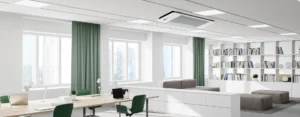
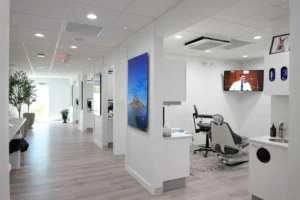
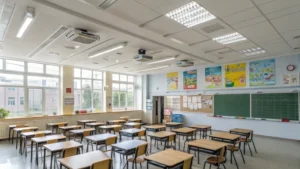
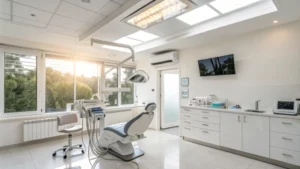
HisoAir develops fixed ceiling-mounted air purification systems for offices, schools, clinics, and other continuously occupied environments, combining high-efficiency filtration with out-of-reach safety.
Explore PlatformRequest Project Evaluation
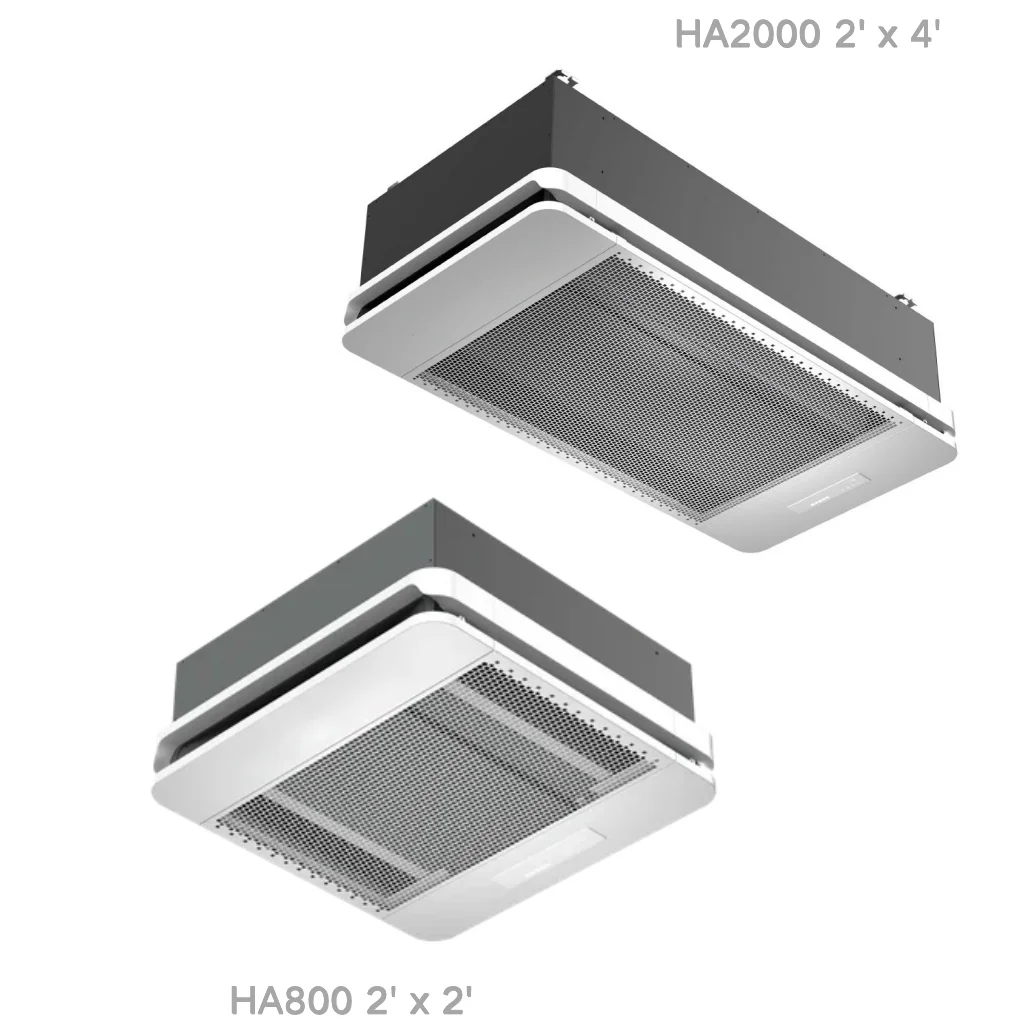
HA2000 and HA800 ceiling-mounted air filtration units with dimensions labeled as 2'x4' and 2'x2', showcasing design and size differences.
HA800 / HA2000
•
Up to 1176 CFM
•
H13/H14 HEPA
•
Commercial Ceiling Mount
•
OEM/ODM

What is a ceiling-mounted air purifier?

A ceiling-mounted air purifier is a fixed commercial air-cleaning system installed above occupied floor space. It draws room air upward through high-efficiency particle and gas-phase filtration before returning clean air to the room. This architecture preserves floor space, prevents tampering, and supports continuous operation in high-traffic commercial environments.

BEST SUITED FOR:
Schulen
Ämter
Clinics
Hospitality
Commercial Buildings
Which ceiling air purifier platform should I choose?

HA800

For standard classrooms, offices and smaller commercial zones
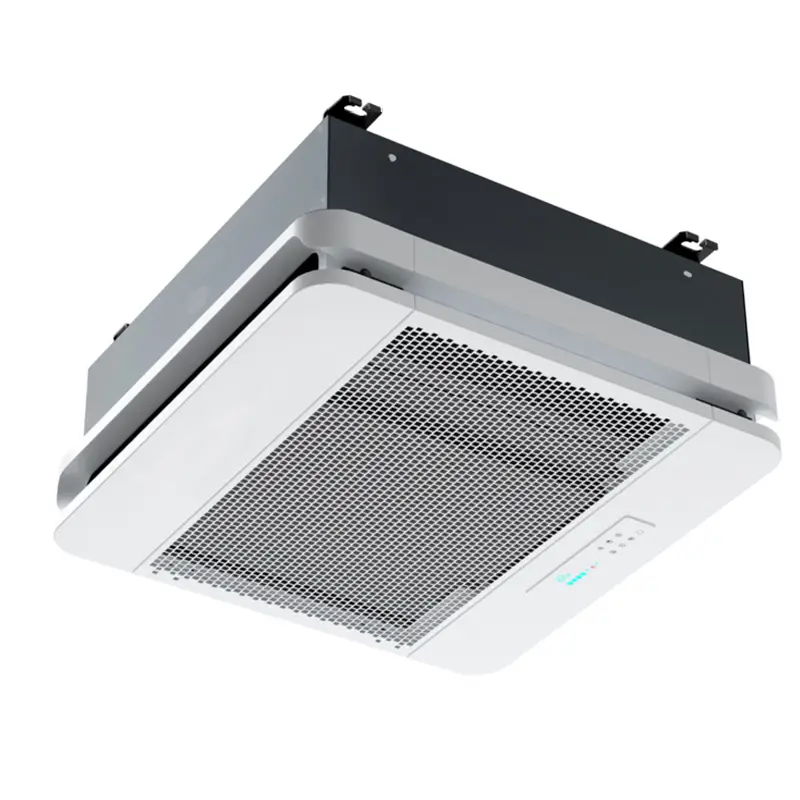
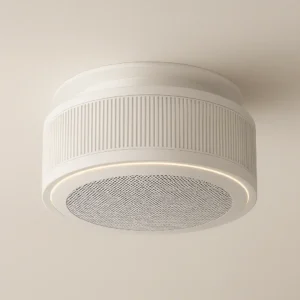
Ein modernes, an der Decke montiertes Klimagerät mit schlankem Design und digitaler Steuerung.
CADR
430 CFM (730 m³/h)
NOISE
22.5–47.5 dBA
DIMENSIONS
24" x 24" x 14" 
FILTER
H13 / H14 HEPA or Customized Filtration Solution
Sensor
Näherungssensor
Kontrolle
Touch button+Remote control
TYPICAL APPLICATION
Single-zone or distributed deployment
Optional Function
UVC-Lampe, PM2.5-Sensor, CO2-Sensor, WIFI (Tuya), Aktivkohlefilter

HA2000

For larger commercial spaces or projects requiring substantially higher airflow
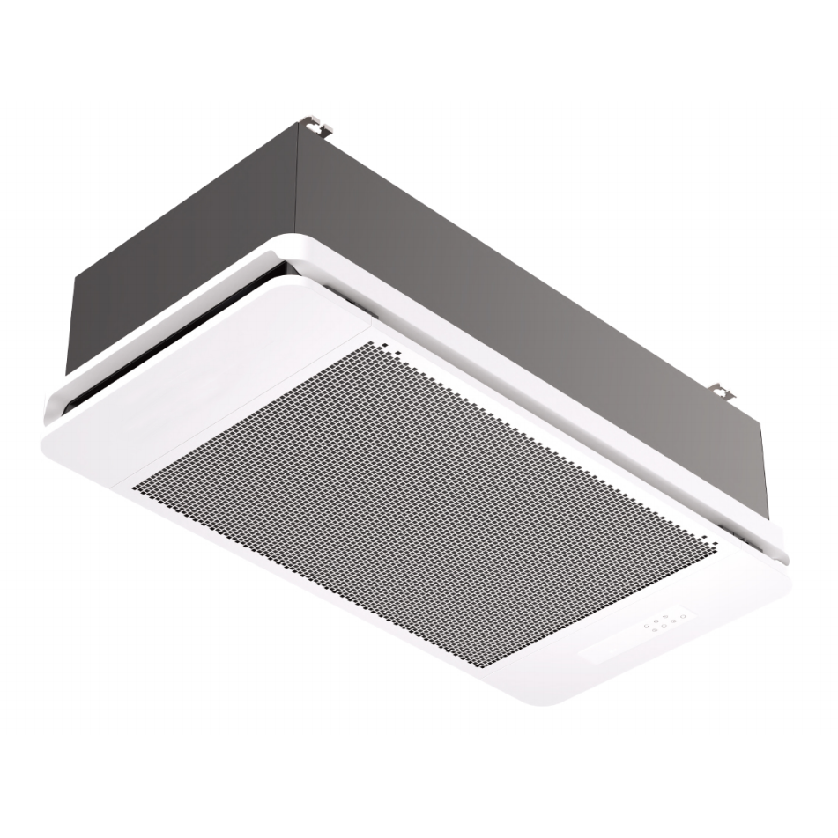
ceiling air purifier ha2000
CADR
1176 CFM (2000 m³/h)
NOISE
38.0–58.5 dBA
DIMENSIONS
48" x 24" x 18"
FILTER
H13 / H14 HEPA or Customized Filtration Solution
Sensor
Näherungssensor
Kontrolle
Touch button+Remote control
TYPICAL APPLICATION
High-capacity centralized deployment
Optional Function
UVC-Lampe, PM2.5-Sensor, CO2-Sensor, WIFI (Tuya), Aktivkohlefilter
430 CFM
MAX AIRFLOW (HA800)
22.5–47.5 dBA
MEASURED ACOUSTIC RANGE
H13 HEPA
PARTICLE FILTRATION
24/7
COMMERCIAL OPERATION

How loud is the ceiling-mounted air purifier?

Designed specifically for occupied commercial environments, the platform balances high clean air delivery rates with minimal acoustic intrusion.

MEASURED ACOUSTIC PROFILE
Bar length is a visual scale; the measured airflow and acoustic values are shown in each label.
ENGINEERING TEST CONTEXT
MODEL
HA800 standard unit
FILTER CONFIGURATION
H13 HEPA (standard resistance)
TEST DISTANCE
1.0m below outlet
TEST ENVIRONMENT
Hemi-anechoic chamber
DATA TYPE: HisoAir internal engineering validation
DATE: 2026-01-15

Filtration Engineering

Scientific capture mechanisms for complex airborne particles and gaseous pollutants.

How does the ceiling purifier remove airborne particles?
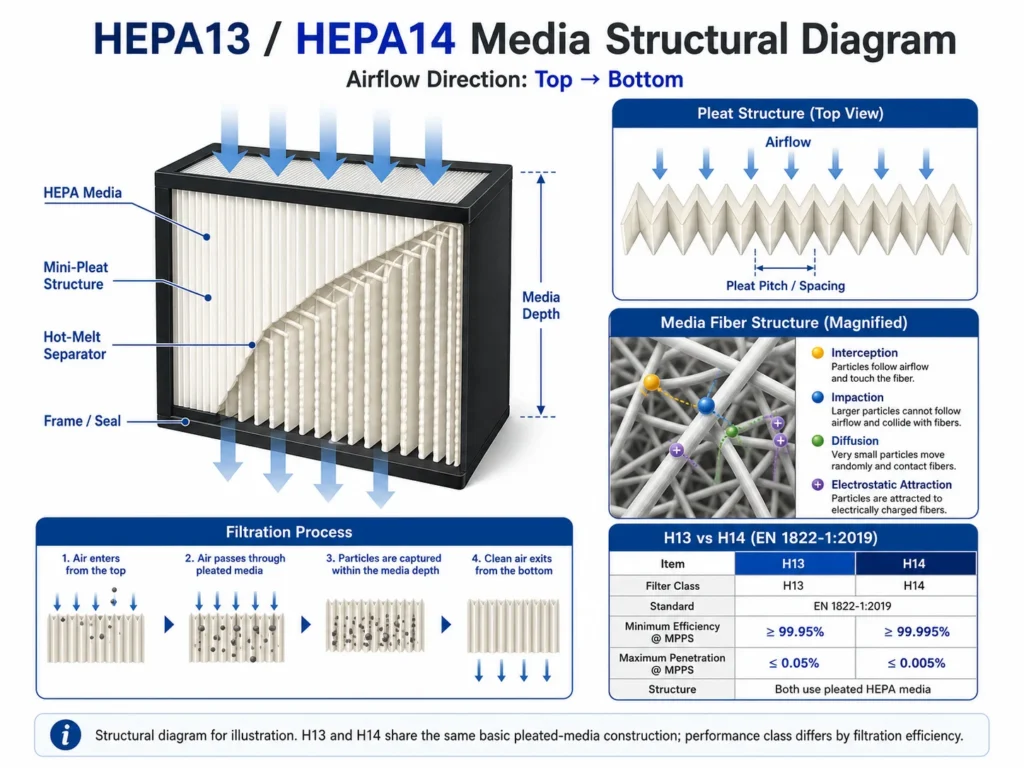
Diagram illustrating the structure and filtration process of HEPA13 and HEPA14 filters, including pleated media, airflow direction, and magnified fiber structure.
01
Vorfilter
Captures large dust and lint, protecting the lifespan of the primary HEPA filter.
↓
02
H13 HEPA
Guaranteed ≥99.95% capture efficiency at the most penetrating particle size (MPPS) of 0.3μm.
↓
03
Partikel-Einfang
Clean air is continuously discharged back into the room environment.
EN 1822 Fractional Efficiency

How does activated carbon help reduce VOCs and odors?
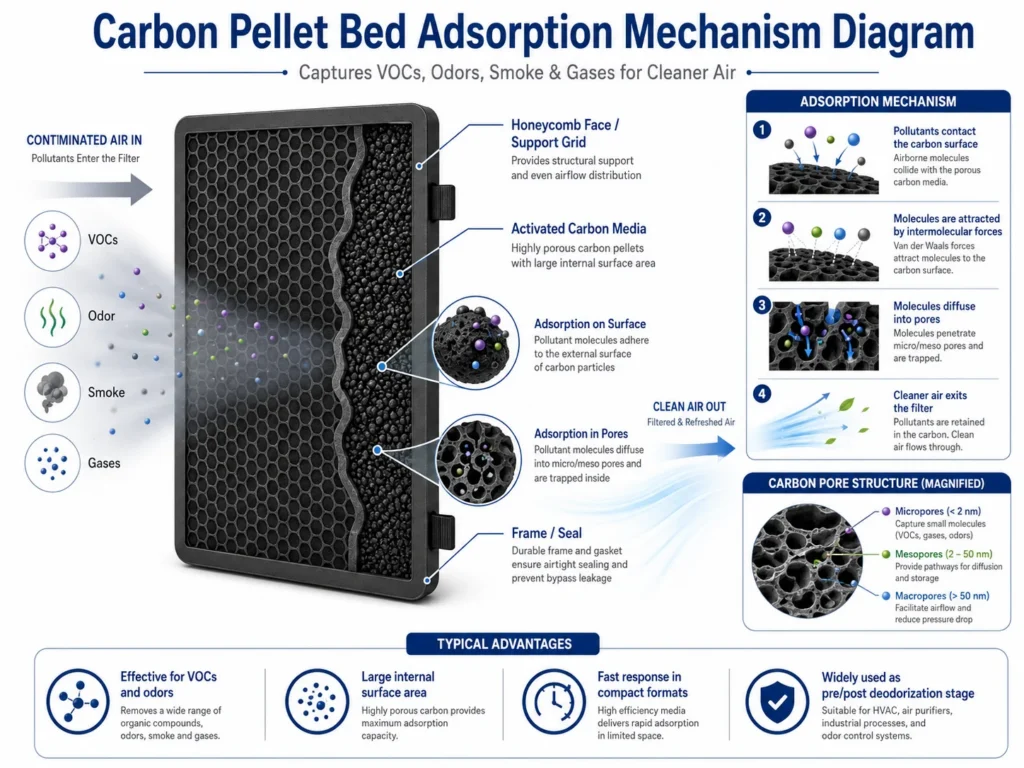
Diagram illustrating the carbon pellet bed adsorption mechanism, showing how pollutants like VOCs, odors, smoke, and gases are captured by activated carbon media to filter and purify air.
01
Carbon Media
High-density pelletized carbon maximizes the molecular surface area.
↓
02
Gas Adsorption
Chemicals, odors, and VOCs are physically adsorbed into the carbon pores.
↓
03
Application Loading
Bed thickness is tuned to balance saturation lifespan with pressure-drop limits.
Gas-Phase Filtration Engineering

Why does the ceiling air purifier use a dual-fan architecture?
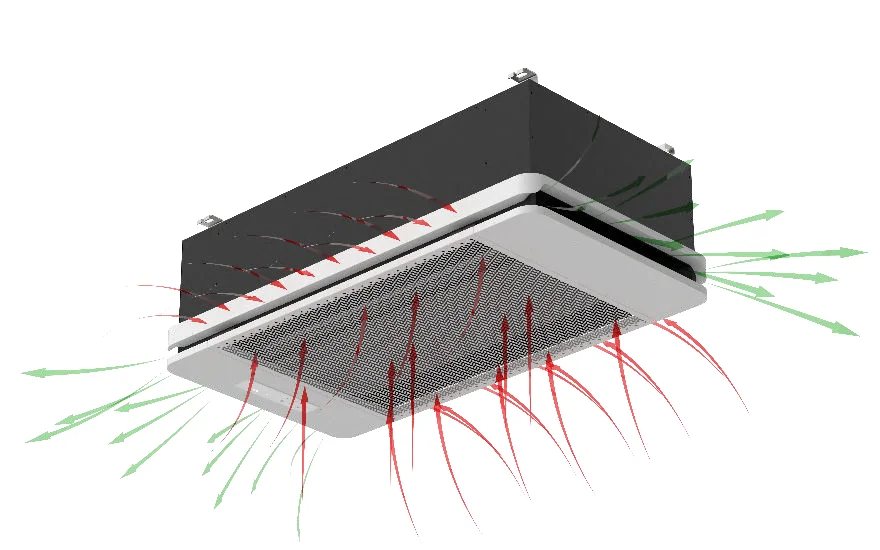
Dual Fan
↓
More uniform airflow across filter media
↓
Lower fan loading per individual fan
↓
High airflow delivery without excessive RPM
↓
Optimized airflow-to-acoustic balance
↓
MEASURED OUTCOME
Up to 430 CFM at 47.5 dBA
in the tested HA800 configuration
ENGINEERING SCHEMATIC
Ceiling-mounted air purifier showing airflow direction with red and green arrows indicating intake and output.
Room Air → Filter → Dual Fan → Clean Air Discharge
DOCUMENT: AIRFLOW DYNAMICS VALIDATION

Where are ceiling-mounted air purifiers most useful?

TYPICAL IAQ CHALLENGES
High occupant density
Airborne pathogens
Noise sensitivity during instruction
Risk of tampering with equipment
WHY CEILING INSTALLATION FITS

Ceiling installation removes the unit from student reach, eliminating tampering risks and freeing up floor space, while allowing central placement for optimal air distribution without creating drafts.

INSTALLATION / MAINTENANCE CONSIDERATIONS
CADR sizing for minimum 3 ACH
Operating noise strictly
Filter maintenance schedule during breaks
RECOMMENDED CONFIGURATION
HA800 (Dual units for standard 900 sq.ft classroom to achieve 4-5 ACH at lower speeds)
TYPICAL IAQ CHALLENGES
Open plan circulation
VOCs from furnishings
HVAC integration
Aesthetic integration
WHY CEILING INSTALLATION FITS
Integrates seamlessly into standard drop-ceilings. Provides supplementary localized filtration without occupying premium real estate or disrupting office aesthetics.
INSTALLATION / MAINTENANCE CONSIDERATIONS
Integration with BMS
CO2 and PM2.5 monitoring
Draft-free air distribution
RECOMMENDED CONFIGURATION
HA800 (Distributed) or HA2000 (Open Plan)
TYPICAL IAQ CHALLENGES
Aerosol generating procedures
Strict infection control
Odors and chemicals
Space constraints
WHY CEILING INSTALLATION FITS
Integrates seamlessly into standard drop-ceilings. Provides supplementary localized filtration without occupying premium real estate or disrupting office aesthetics.
INSTALLATION / MAINTENANCE CONSIDERATIONS
H14 HEPA requirement
High ACH (6-10)
Enhanced gas-phase filtration
RECOMMENDED CONFIGURATION
HA800 with H14 HEPA + Heavy Duty Carbon

Is a ceiling-mounted air purifier right for your project?

Ceiling-mounted systems are typically a strong fit when preserving floor space, preventing tampering and supporting fixed permanent commercial operation are priorities. Wall-mounted systems offer similar space-saving benefits with easier service access, while portable units are better suited when mobility and immediate plug-and-play installation are required without facility modifications.

EVALUATION ASPECT
Ceiling-Mounted
Portable Floor-Standing
Wandhalterung
Floor space
Zero footprint required.
Requires dedicated floor space.
Requires clear wall space.
Einrichtung
Fixed, structural hardwiring.
Plug-and-play.
Fixed, bracket required.
Mobilität
None (Permanent fixture).
High (Wheels/casters).
None (Permanent fixture).
Tamper resistance
High (Out of reach).
Low (Accessible controls).
Medium (Often accessible).
Maintenance access
From below (ladder required).
Direct floor access.
Direct standing access.
High-airflow suitability
Excellent (Draft-free dispersion).
Moderate (Can cause drafts).
Good (Directional throw).
Permanent commercial deployment
Ideal.
Temporary/Supplementary.
Ideal.
Floor space
Ceiling-Mounted
Zero footprint required.
Portable Floor-Standing
Requires dedicated floor space.
Wandhalterung
Requires clear wall space.
Einrichtung
Ceiling-Mounted
Fixed, structural hardwiring.
Portable Floor-Standing
Plug-and-play.
Wandhalterung
Fixed, bracket required.
Mobilität
Ceiling-Mounted
None (Permanent fixture).
Portable Floor-Standing
High (Wheels/casters).
Wandhalterung
None (Permanent fixture).
Tamper resistance
Ceiling-Mounted
High (Out of reach).
Portable Floor-Standing
Low (Accessible controls).
Wandhalterung
Medium (Often accessible).
Maintenance access
Ceiling-Mounted
From below (ladder required).
Portable Floor-Standing
Direct floor access.
Wandhalterung
Direct standing access.
High-airflow suitability
Ceiling-Mounted
Excellent (Draft-free dispersion).
Portable Floor-Standing
Moderate (Can cause drafts).
Wandhalterung
Good (Directional throw).
Permanent commercial deployment
Ceiling-Mounted
Ideal.
Portable Floor-Standing
Temporary/Supplementary.
Wandhalterung
Ideal.

Installation & Maintenance

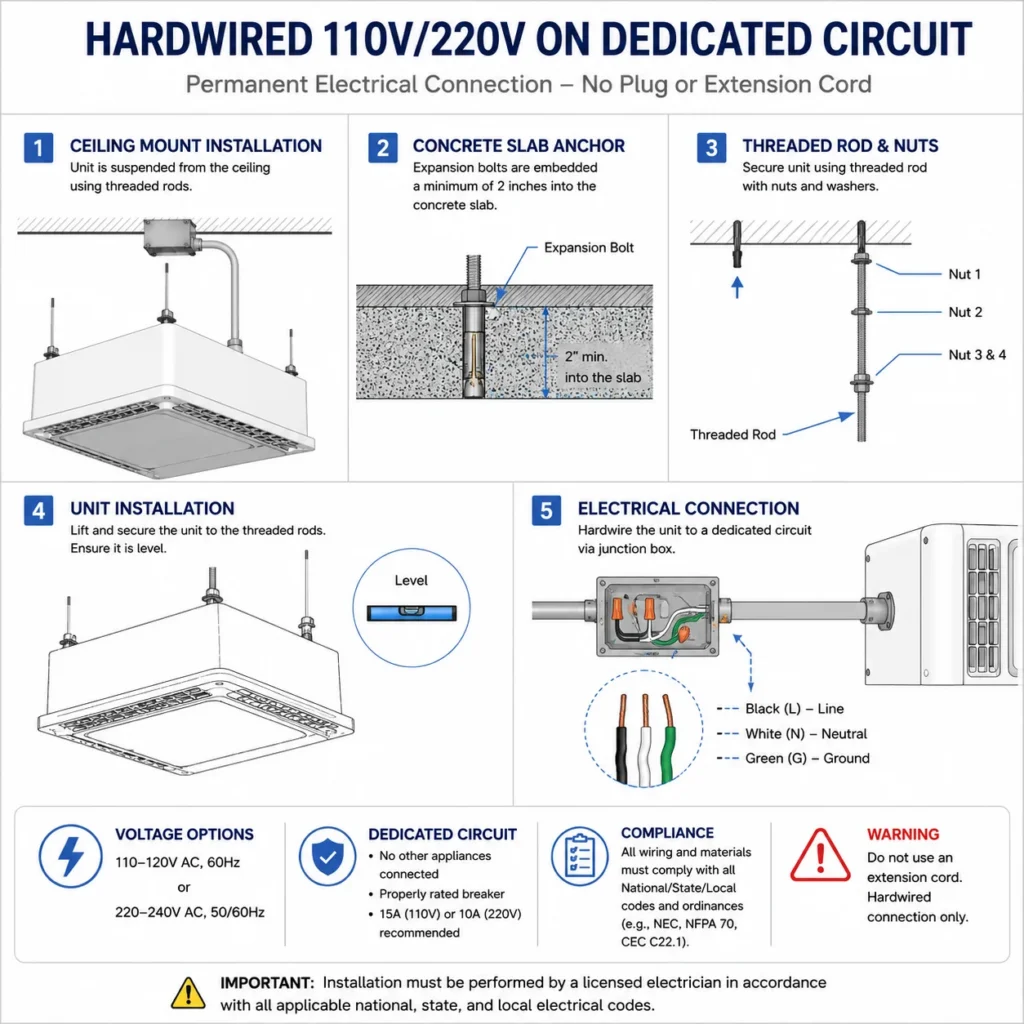
Designed for facility managers: flush ceiling integration and tool-free service access from below.
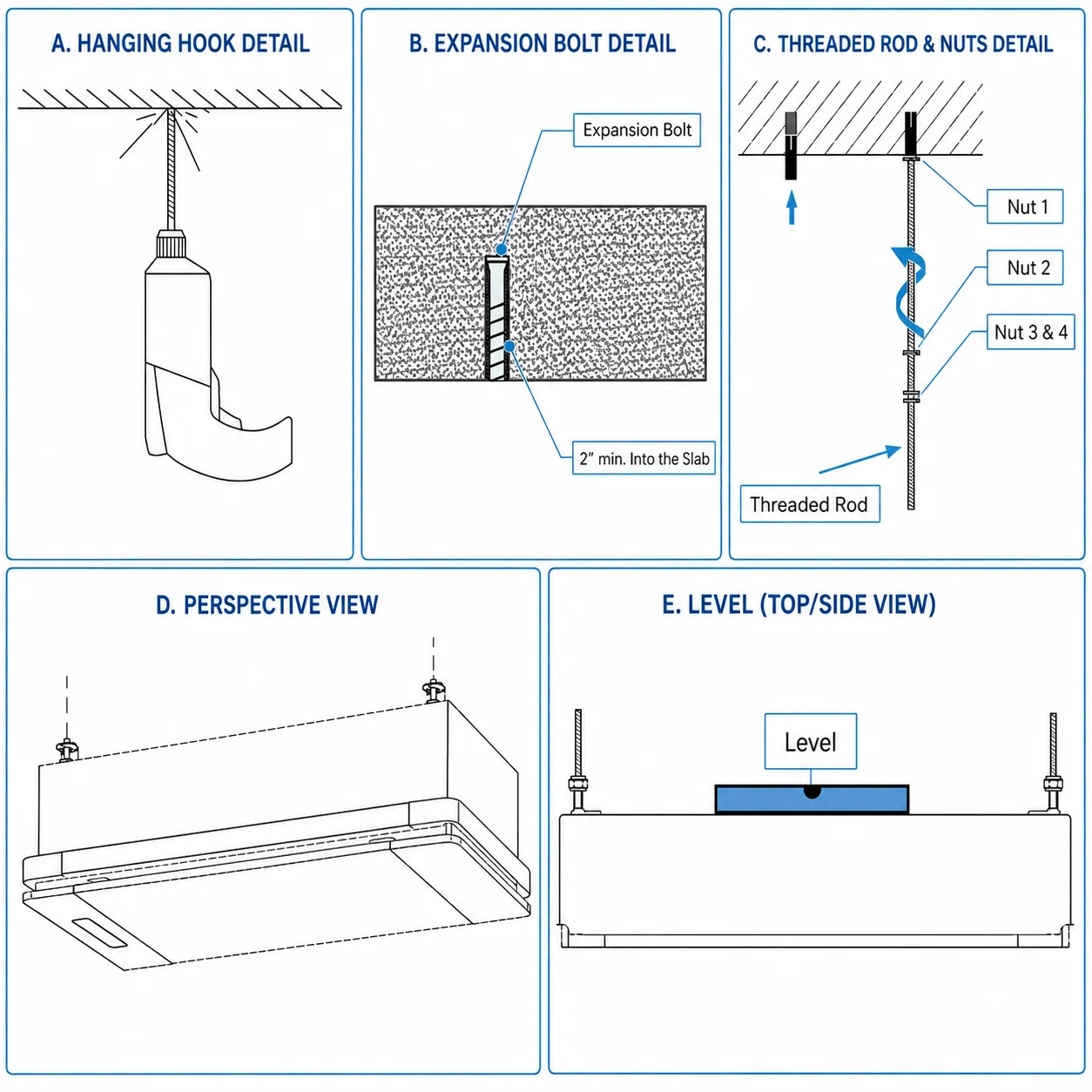
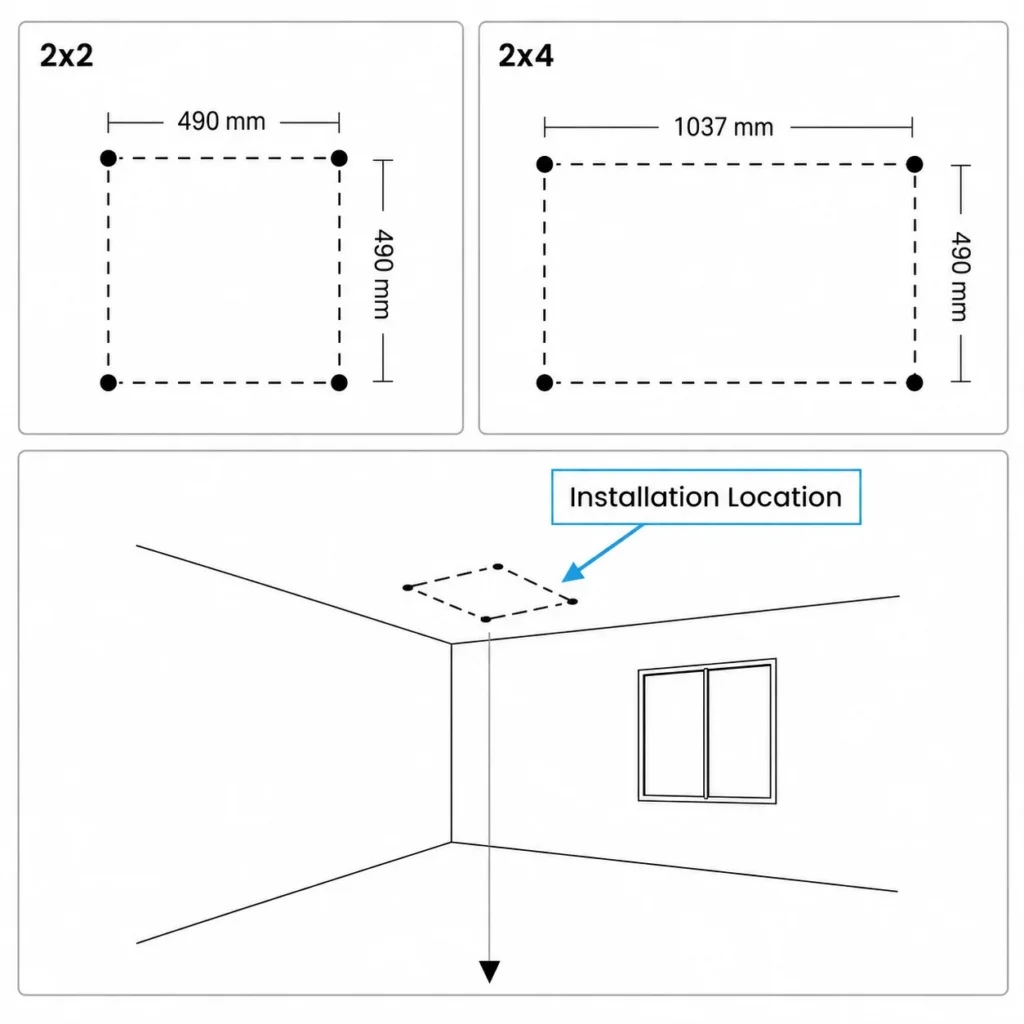
DRAWING REF
Mounting Drawing
Suspended threaded rod or direct joist mount.
Instructional diagram with labeled details for mounting an HVAC unit, showing a hanging hook, expansion bolt, threaded rod with nuts, perspective, and level views.
DRAWING REF
Ceiling Dimensions
Minimum 14 inches clearance above drop grid.
Diagram showing installation dimensions for ceiling lights in 2x2 and 2x4 configurations, along with an installation location in a room.
SPEC REF
Electrical Connection
Hardwired 110V/220V on dedicated circuit.
Step-by-step guide for hardwiring a 110V/220V unit on a dedicated circuit, showing ceiling mount, concrete slab anchor, threaded rods, and electrical connections.

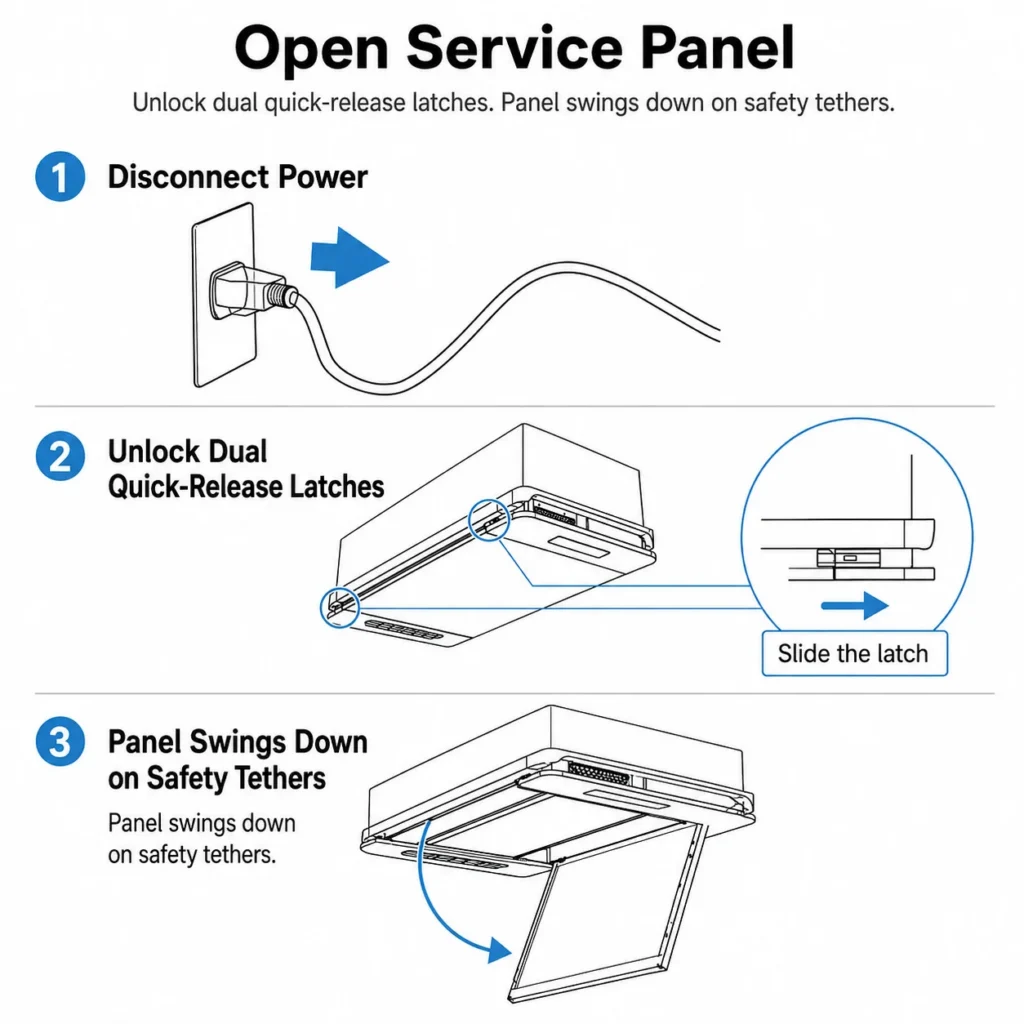
How is the filter serviced?

Step-by-step guide to open a service panel, including disconnecting power, unlocking latches, and swinging down the panel on safety tethers.
01
Open Service Panel

Unlock dual quick-release latches. Panel swings down on safety tethers.

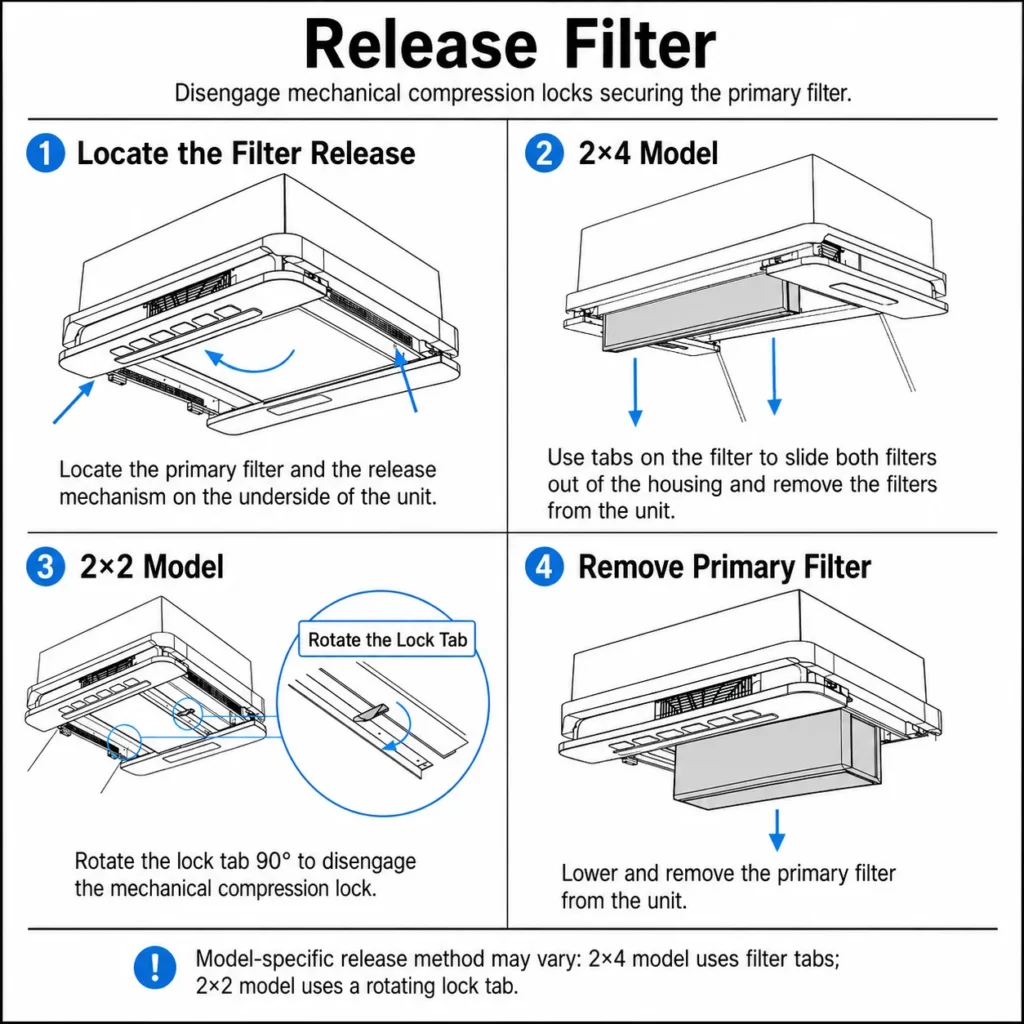
Diagram showing step-by-step instructions for removing an air filter, including locating the release, disengaging locks, and removing the filter.
02
Release Filter

Disengage mechanical compression locks securing the primary filter.
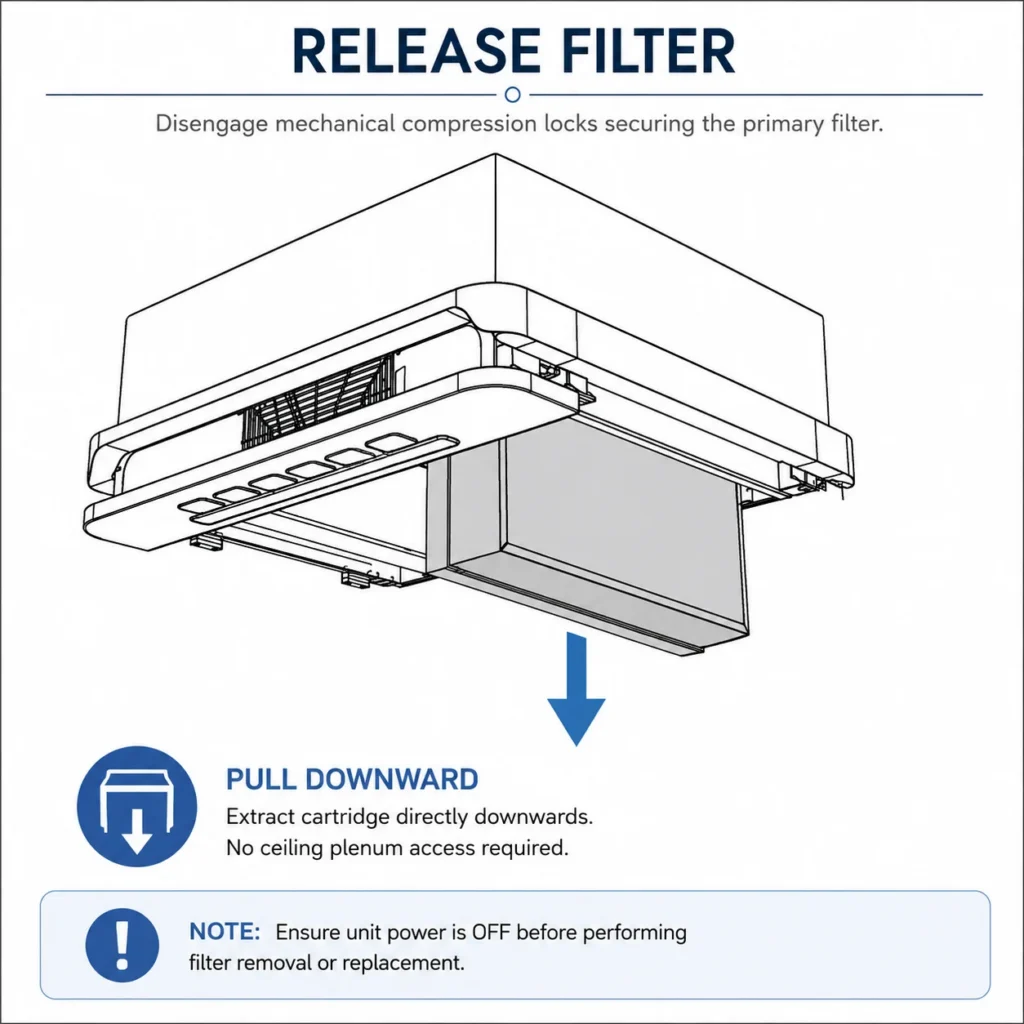
Diagram showing how to remove the primary air filter from a ceiling unit by pulling downward, with instructions to ensure power is off before removal.
03
Pull Downward

Extract cartridge directly downwards. No ceiling plenum access required.
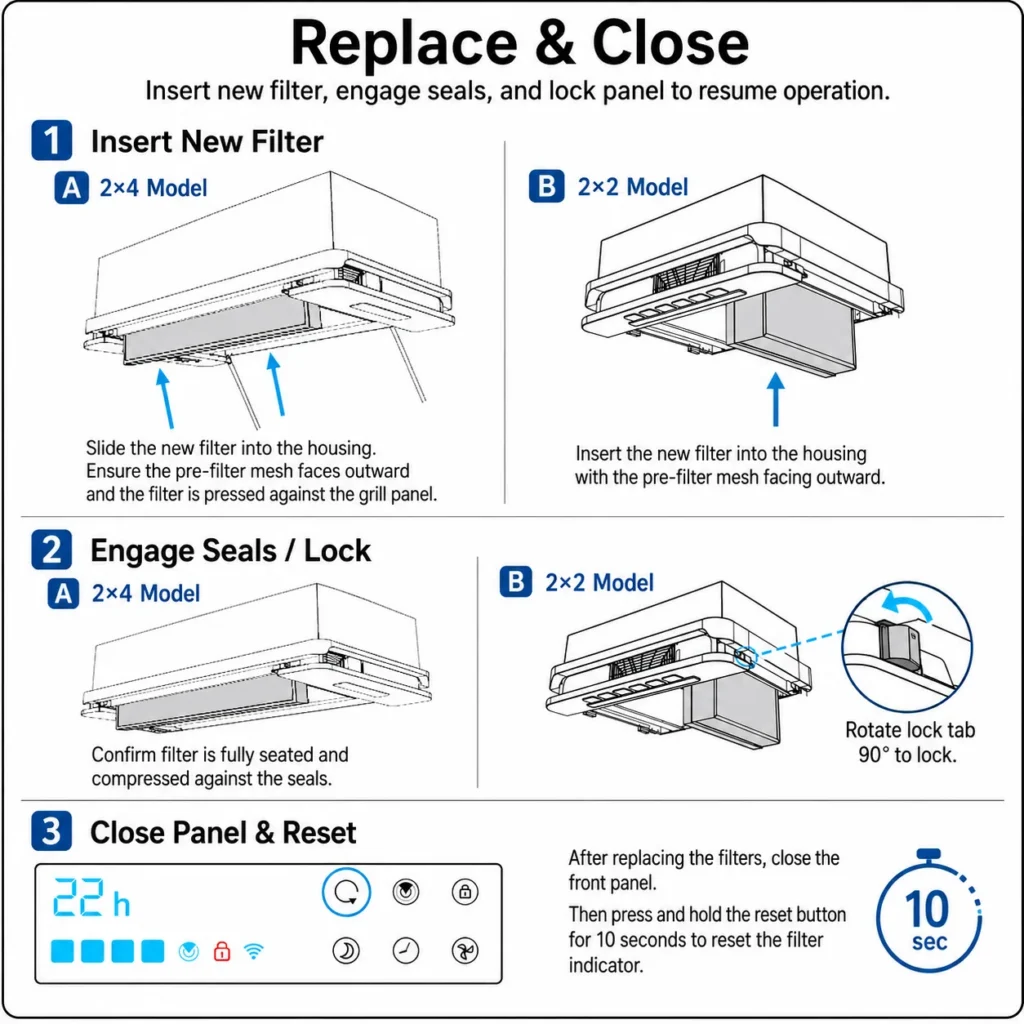
Step-by-step illustrated guide showing how to replace and secure air filters for 2×4 and 2×2 models, with panel resetting instructions.
04
Replace & Close

Insert new filter, engage seals, and lock panel to resume operation.

Sensor & Connectivity Integration

Intelligent IAQ monitoring and building management system (BMS) readiness.

Standard (HA2000)

Onboard PM2.5 Sensing

Integrated PM2.5 sensing provides real-time particle monitoring and supports automatic purifier operation based on indoor air quality.

Optional Configuration

External IAQ Integration

Compatible with Sense+ or third-party sensor gateways to separate the monitoring zone from the physical unit location.

OEM / Custom

Connected Controls

Matter, Thread, or Wi-Fi integration available for customized fleet monitoring. Modbus/BACnet integration for BMS networks.
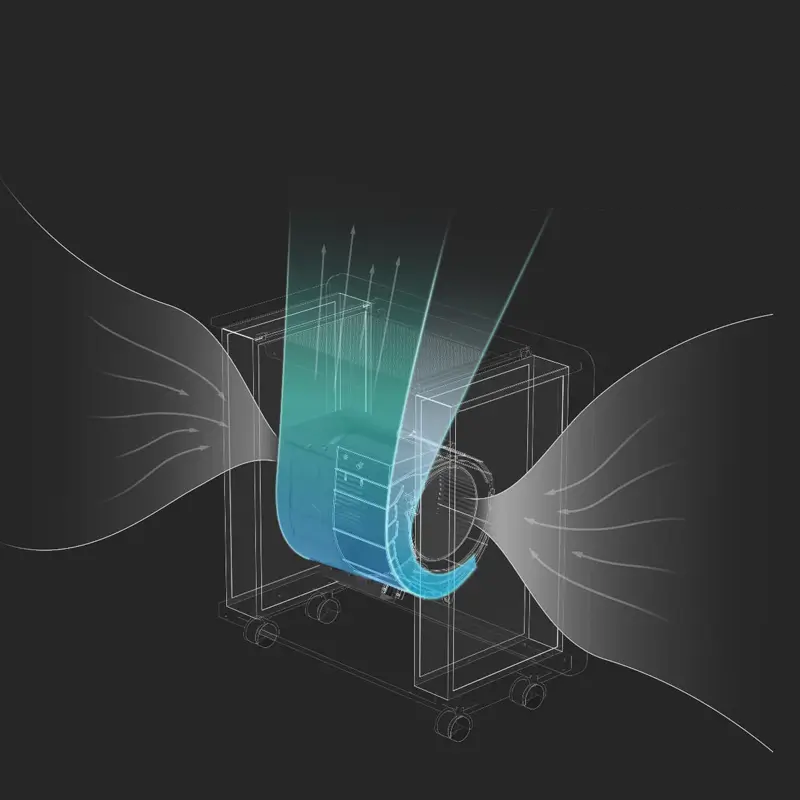
low noise

Decibel Cancellation™ Technologie

Most purifiers trade power for noise. Our proprietary Decibel Cancellation™ Technology changes that — delivering powerful purification in near silence. Designed through rigorous testing of materials, airflow, and fan positioning, it creates a calm and comfortable environment wherever it’s installed.

  • Ideal for restful sleep & deep focus

  • Perfect for offices, hotels, and classrooms

  • Advanced engineering for peace of mind

Sofortiges Angebot einholen

Geräuscharme Luftkanalgestaltung

Unser fortschrittliches Design mit beidseitigem Lufteinlass und einseitigem Auslass verdoppelt die Luftmenge und gewährleistet so eine hohe CADR-Leistung auch bei niedrigeren Motordrehzahlen.

Material zur Lärmreduzierung

Wir verwenden hochwertige geräuschdämpfende Materialien um den Motor herum, die das Geräusch im Vergleich zu anderen Luftreinigern um 10-15 dB reduzieren.

Windturbinen-Technologie

Unser vorwärtsgerichteter Zentrifugalventilator ist kleiner und leiser. Es läuft mit moderaten Drehzahlen und sorgt so für geringen Lärm und hohe Effizienz.

Echter HEPA-Filter

Unsere Technologie mit extrem niedrigem Differenzdruck (D/P) sorgt für einen hervorragenden Luftstrom, ohne die Effizienz zu beeinträchtigen. Schmelzgeblasene Kerne sind kunstvoll gewebt, um Partikel bis zu einer Größe von 0,3 μm abzufangen, und bieten eine außergewöhnliche Filtration.
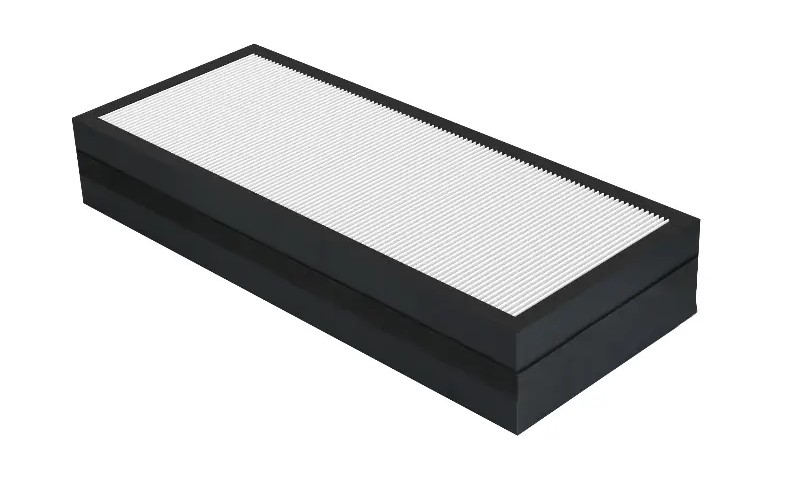
hepa
Filter Typ Wirkungsgrad D/P (Sonstiges) D/P (HISO)
H11 95% 15 Pa 8 Pa / 11 Pa
H12 99.50% 25 Pa 13 Pa / 18 Pa
H13 99.97% 30 Pa 22 Pa / 25 Pa
H14 99.99% 45 Pa 30 Pa / 35 Pa
Standard: EN 143, NaCl, 0.3 μm, @ 5.33 cm/s
Kontakt

Microbial Treatment Technology

microbial treatment solutions 3Kontakt
microbial treatment solutions 1
Filter

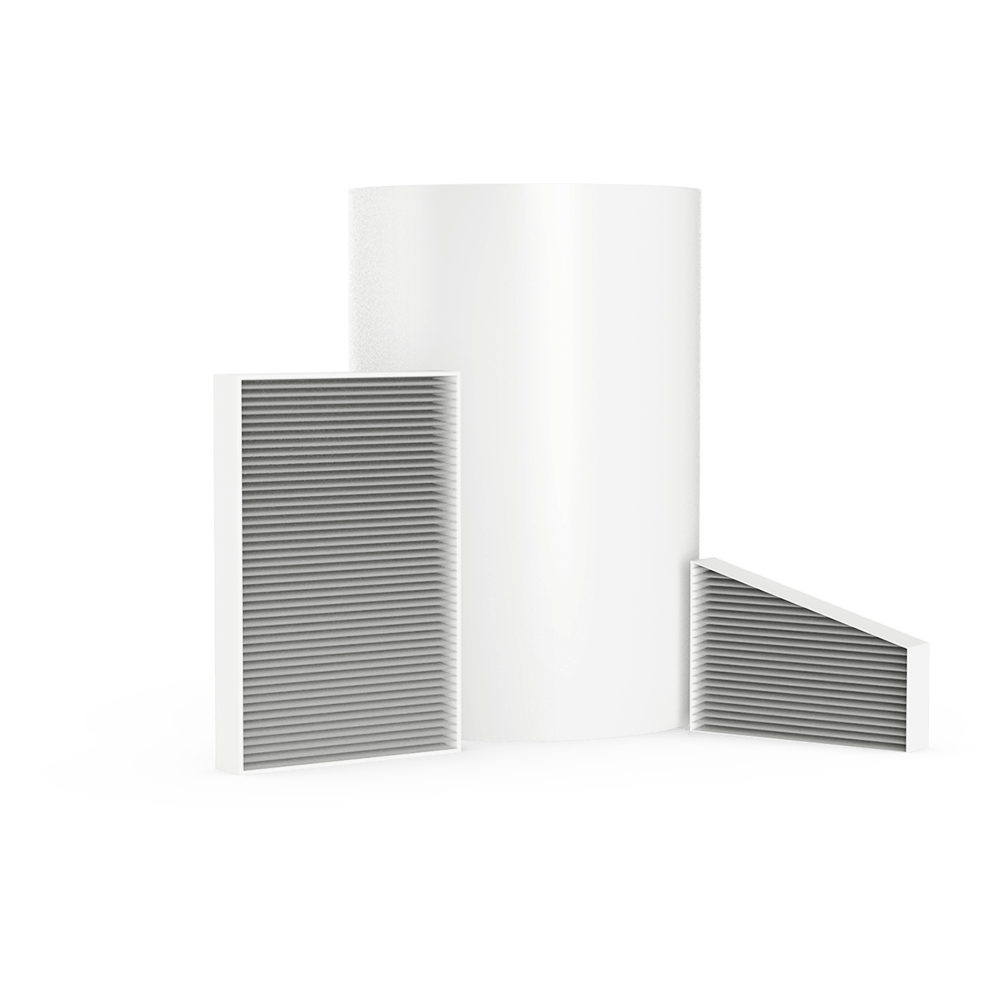
Modular Composite Filter

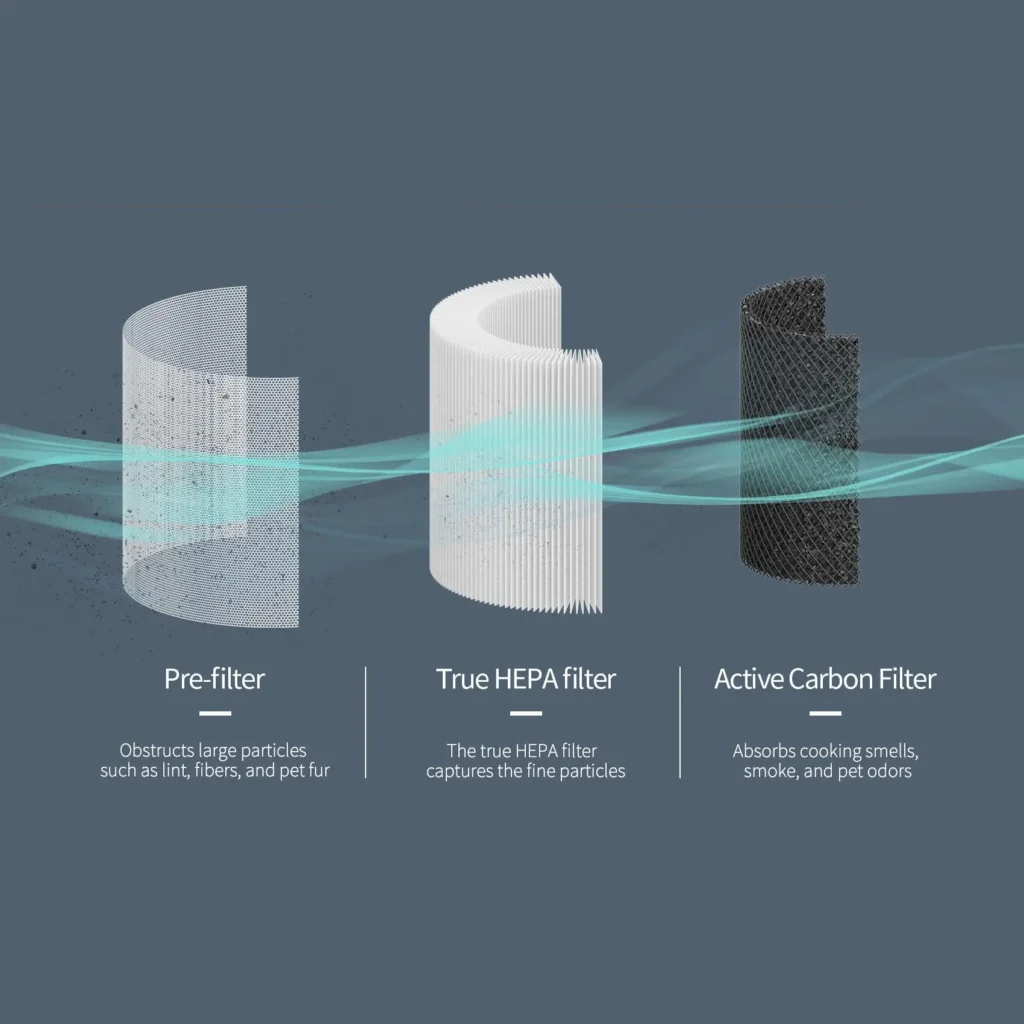
Pre-filter:
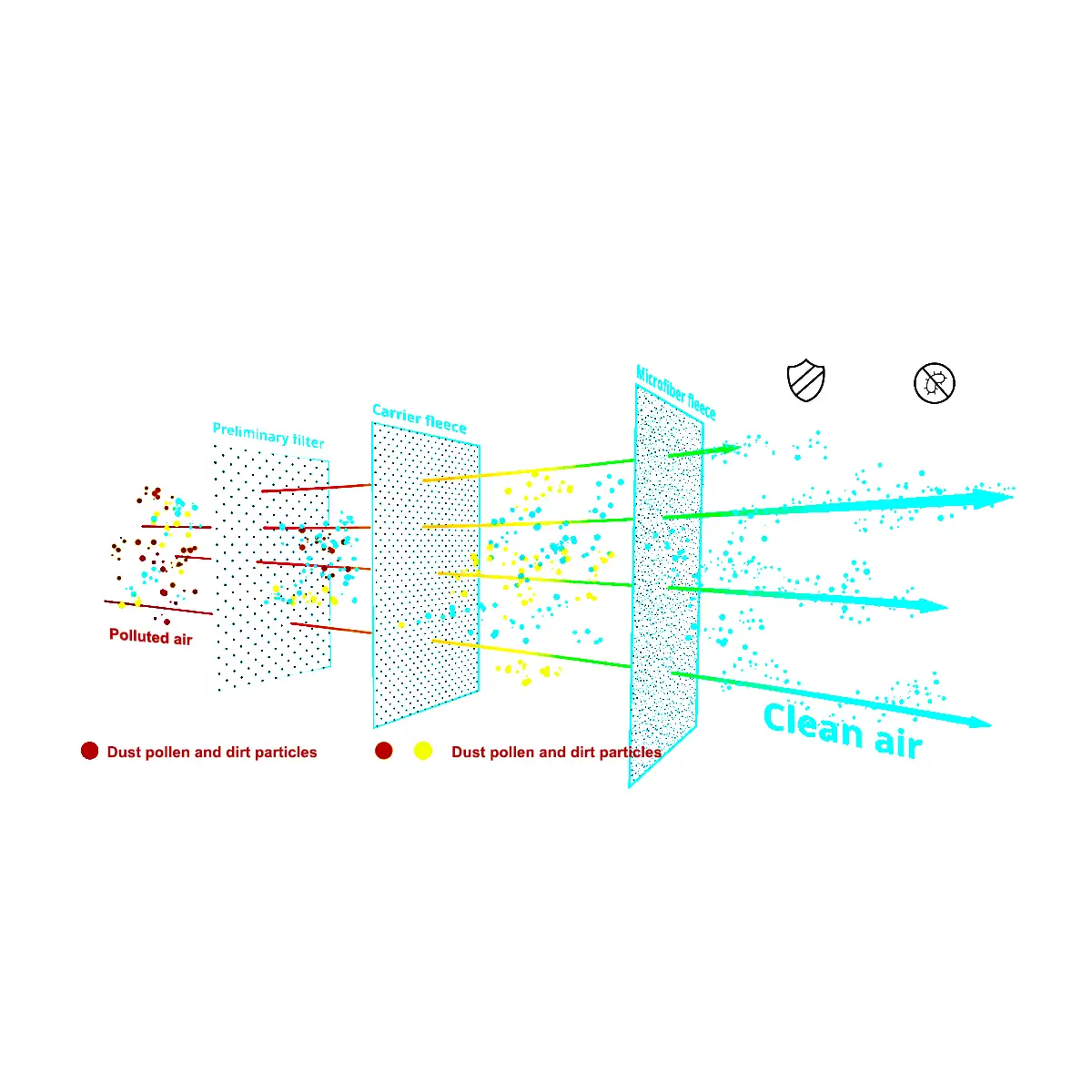
Captures large particles like dust, lint, pet hair, and fibers, helping extend the life of the main filters.

HEPA filter:
Effectively traps fine airborne particles and common allergens, helping to improve overall air quality.

Activated carbon:
Absorbs odors, harmful gases, VOCs, smoke, and household fumes—ensuring a fresher indoor environment.

Angebot einholen

High Dust Holding Capacity Technology

Electrostatic Adsorption
The filter material is given an electrostatic charge through special processes, which enables it to attract and hold airborne particles through electrostatic forces.

Physical Interception
The filter material has small pores and tightly bound fibers, forming a dense physical barrier that prevents particles from passing through.

High Dust Holding Capacity
Principle: The structure of the filter material is optimized to increase the surface area of the fibers and the depth of the pores, allowing it to hold more dust.

High Efficiency and Longevity
Principle: The combination of electrostatic adsorption and physical interception ensures stable performance of the filter material, maintaining high-efficiency filtration over the long term.
Kontakt

Multiple Integrated Sensors Technology

Optional integrated sensors for customized air quality monitoring.

sensors (2)

Advanced PM2.5 Sensor

It is capable of continuously monitoring indoor air quality. In auto mode, the purifier intelligently adjusts fan speed based on PM2.5 levels, ensuring optimal purification performance.
Sofortiges Angebot einholen

ap ht m1549rs

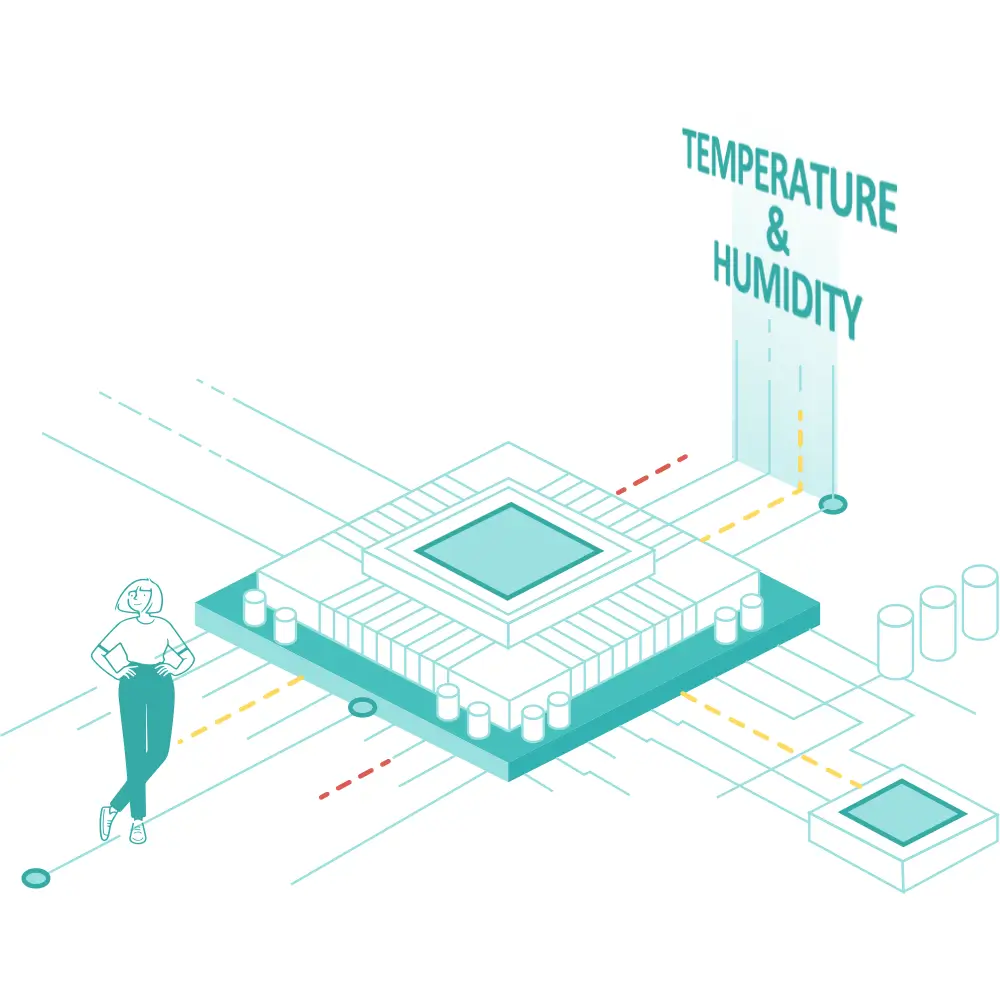
Precision Temperature & Humidity Sensor

Optional temperature & humidity sensor offering accurate, real-time environmental monitoring with wide range, fast response, and robust performance in demanding conditions.

Sofortiges Angebot einholen

High-Precision Radar Sensor

Advanced radar technology for reliable detection of objects, motion, and environment—ideal for automotive, industrial, and security applications.

Sofortiges Angebot einholen

Noise Sensor™ Technologie

An embedded acoustic sensor constantly listens to both the purifier’s airflow and the room’s ambience. When the household settles down—for instance at bedtime—the fan automatically drifts into whisper-quiet mode, so fresh air keeps moving while you hardly notice a sound, creates a calmer, healthier living space where you can sleep deeper, work happier, and simply enjoy the peace.

Sofortiges Angebot einholen

Light Sensor™ Technology

Unsere Sensoren passen die Helligkeit automatisch an, um eine optimale Beleuchtung zu gewährleisten, und verbessern so den Komfort und die Energieeffizienz. Ideal, um das perfekte Ambiente zu schaffen und eine gut beleuchtete, anpassungsfähige Umgebung zu gewährleisten, die Ihren Bedürfnissen zu jeder Tages- und Nachtzeit entspricht.

Sofortiges Angebot einholen

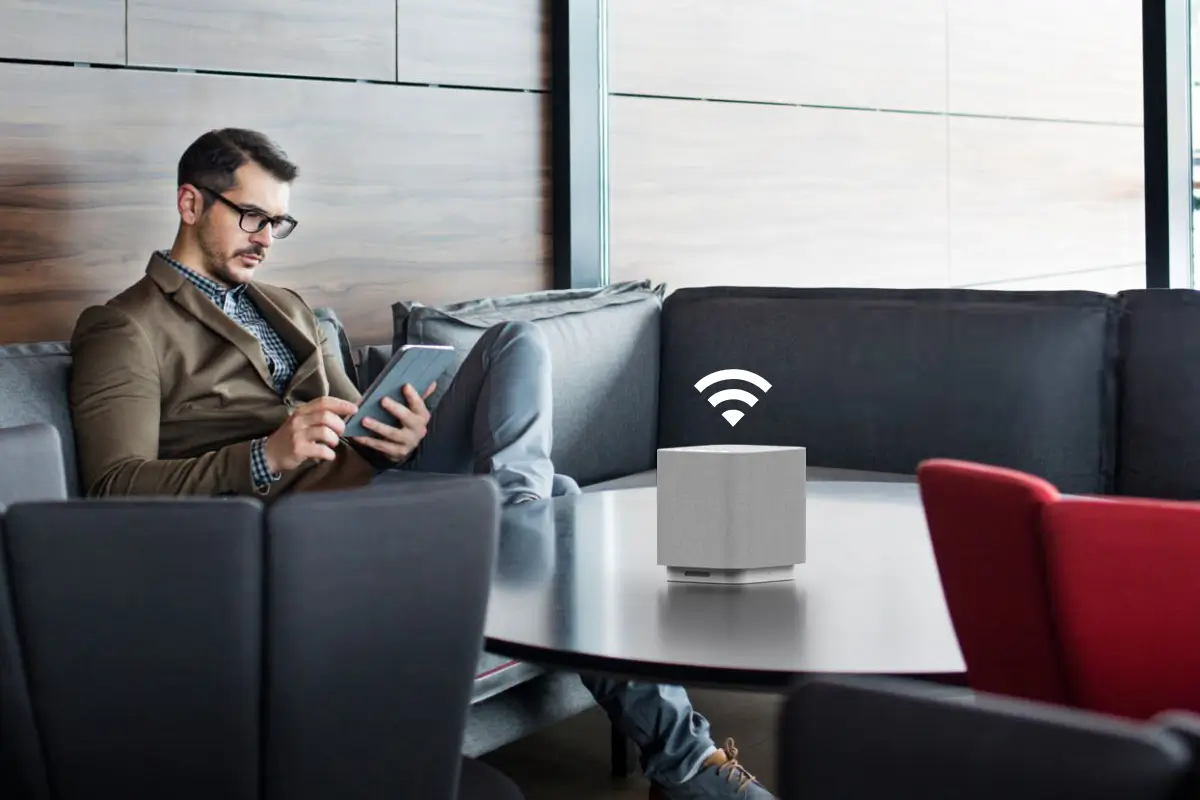
Wi-Fi Remote Control & Real-time Monitoring

Through the Tuya application, clients can remotely control the device and monitor air quality in real-time anytime, anywhere.

Kontakt
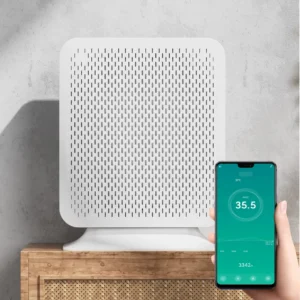
AP100TT (B) desktop air purifier with wifi smart-home control
matter

Matter™ Universal Smart-Home Integration

HisoAir also supports the Matter™ universal smart home integration protocol, meaning devices can easily connect to multiple platforms like Apple HomeKit, Google Home, Amazon Alexa for unified control.

Kontakt

Thread Ultra-Reliable Mesh Network

Thread ultra-reliable mesh networking technology is also available as an optional configuration, providing low-power, self-healing connectivity to ensure uninterrupted performance and extended range and response time.

Kontakt
thread

Certifications & Compliance Standards

Hochwertiger Luftreiniger, auf den Sie sich verlassen können

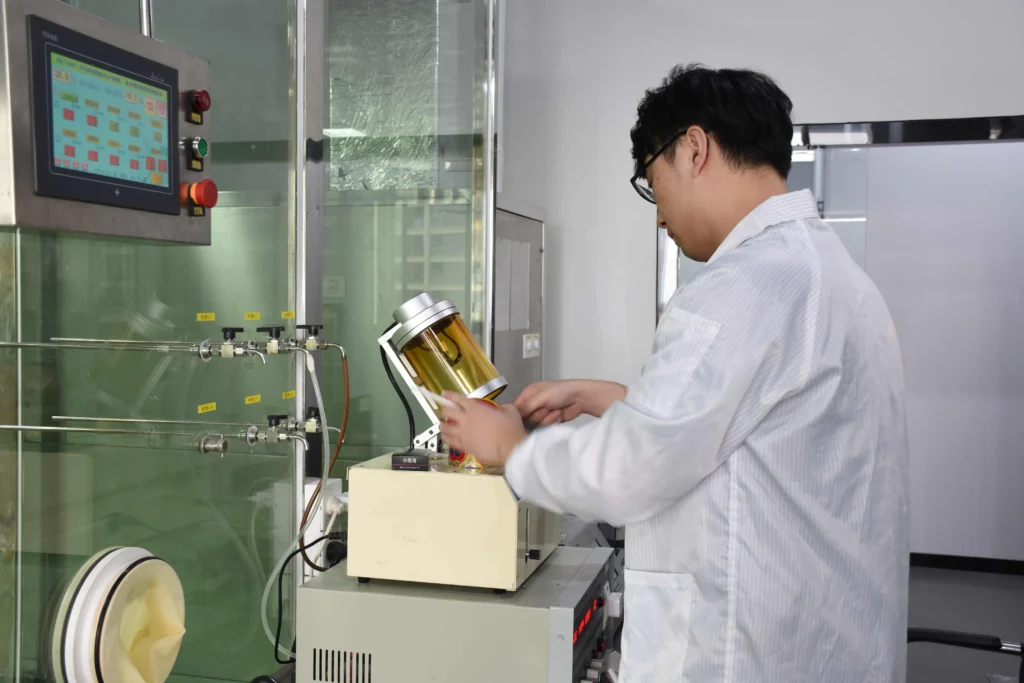
Our Key Testing Capabilities

  • CADR-Tests: Misst die Effizienz der Schadstoffbeseitigung.
  • Noise Testing: Ensures ultra-quiet operation, as low as 32dB(A).
  • Prüfung der Filterhaltbarkeit: Überprüft die Langlebigkeit von HEPA-Filtern.
  • Kalibrierung des Luftsensors: Sorgt für genaue Luftqualitätsmessungen.
  • Safety & Reliability Testing: Validates environmental adaptability and electrical safety.

Wir bieten auch maßgeschneiderte Lösungen zur Verbesserung der Filtrationseffizienz und Lebensdauer, die auf Ihre Bedürfnisse zugeschnitten sind.
Techniker, der in einem Labor die Qualität von Luftfiltern prüft.

Reliable Testing & Quality Control

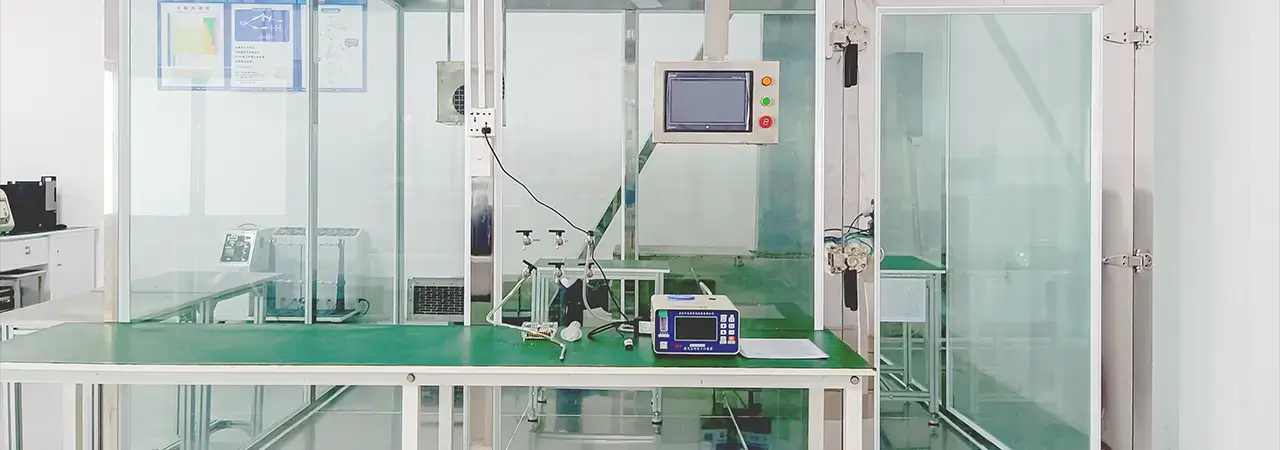
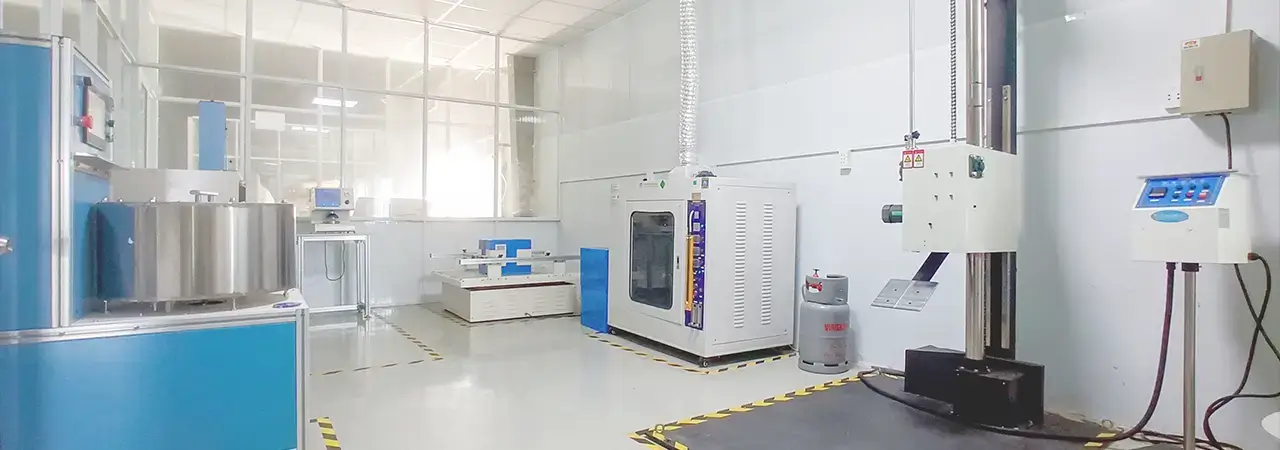
Every air purifier undergoes strict testing in our CNAS-accredited laboratory, including CADR performance, noise level, and durability assessments. We ensure consistent, high-quality output before any unit leaves the factory.
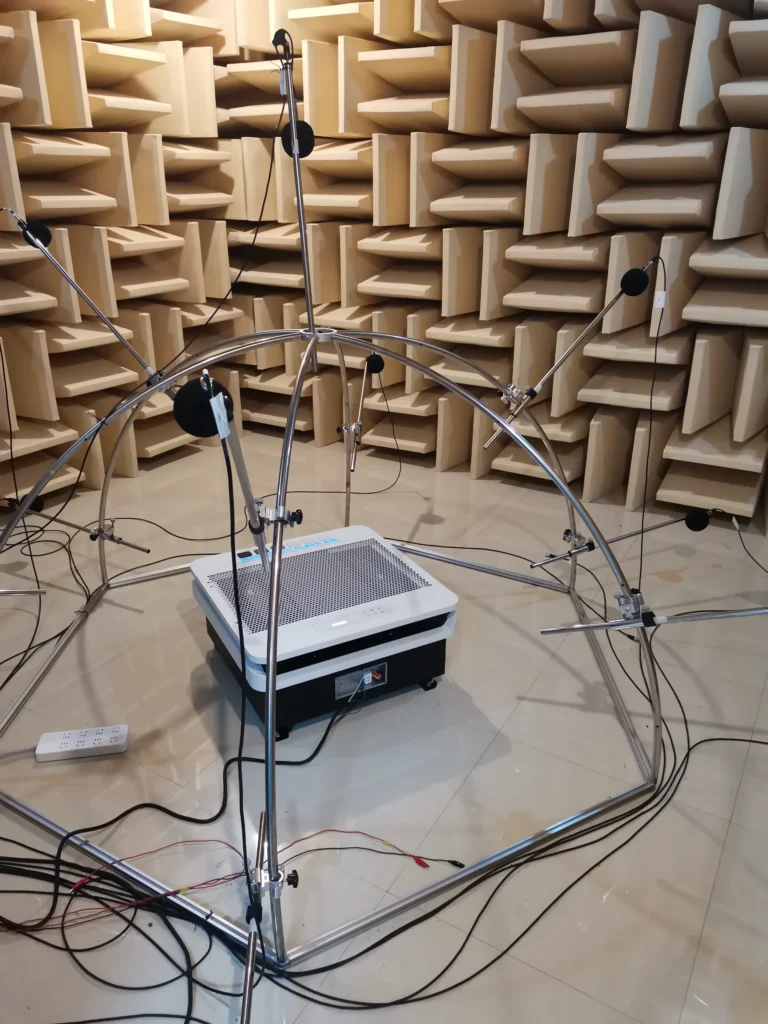
Anechoic chamber with soundproof walls and a setup featuring multiple microphones mounted on a metal frame surrounding a device for acoustic testing.

Certified to International Standards

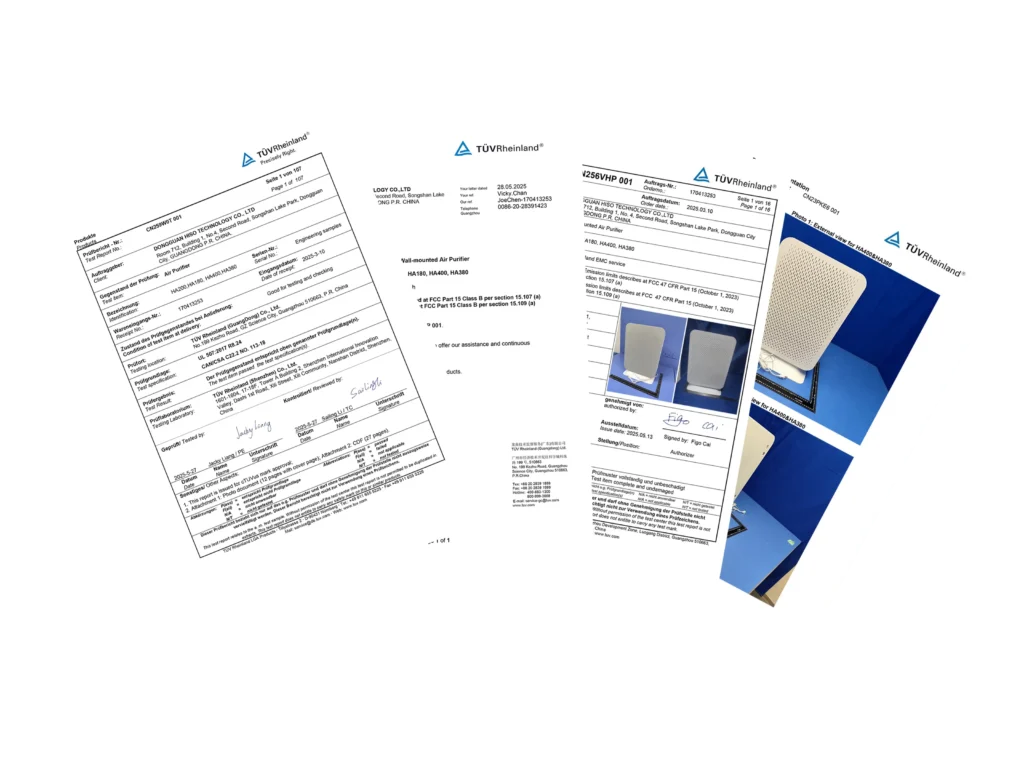
Our air purifiers are fully certified by ETL and FCC, ensuring they meet international standards for electrical safety and electromagnetic compatibility—trusted for both residential and commercial use.

Sprechen Sie mit unserem Experten
ha200 ha400 ha180 ha380 certifications
energy star
UL-Zertifizierungslogo
doe
aham
ca65
Logo des Akkreditierungsrates für das öffentliche Gesundheitswesen (PHAB)
Ashare Logo - Professioneller Anbieter von Luftqualitätslösungen

Why Choose Us

Choose HisoAir for unparalleled expertise in air purification, where our commitment to “Maximum Purification, Minimum Noise” meets the exacting standards of the world’s leading brands and Fortune 500 companies, including: Henry Singh, JP Morgan, AFLAC, and BlueAir.

Prestigeträchtige Partnerschaften: HisoAir, dem Branchenführer wie Henry Singh, JP Morgan, Aflac und BlueAir vertrauen, ist ein erstklassiger Anbieter von Luftreinigungslösungen, der die hohen Anforderungen globaler Marken erfüllt.

Decibel Cancellation™ Technologie: Unsere einzigartige Technologie bietet eine leise und leistungsstarke Luftreinigung, die unsere Luftreiniger ideal für geräuschempfindliche Umgebungen macht.

Maßgeschneiderte, leistungsstarke Lösungen: Wir bieten erstklassige Luftreiniger an, die auf die Bedürfnisse jedes einzelnen Kunden zugeschnitten sind, eine hervorragende Luftqualität gewährleisten und die Erwartungen unserer Kunden übertreffen.

Founders of HisoAir

Setzen Sie sich mit Experten in Verbindung, um Ihre Innenraumluftqualität zu verbessern und zu erhalten.
Alwen Lee
Founder & CEO

As the founder of HisoAir, I am deeply passionate about improving indoor air quality and the well-being of our environment.

With a commitment to clean air and healthy living spaces, I am dedicated to developing innovative solutions that make a significant difference.

My expertise lies in social media marketing and global brand distribution, allowing me to bring our air quality products to a wider audience.

Evelyn Wen
Co-Founder

With over 16 years of experience as a Product and Quality Engineer in Apple's supply chain, Evelyn Wen is a dedicated expert in designing high-quality products that improve indoor air quality.

She is passionate about user experience and committed to creating innovative solutions that enhance the well-being of customers through cleaner, healthier living environments.

Mr. Wu
Co-Founder

With over 20 years of experience in air treatment, he is an expert in product design and manufacturing. He has dedicated his career to developing advanced solutions for improving indoor air quality.

Passionate about innovation, he leads the design and production of high-performance air purification systems that create healthier, more comfortable living environments.

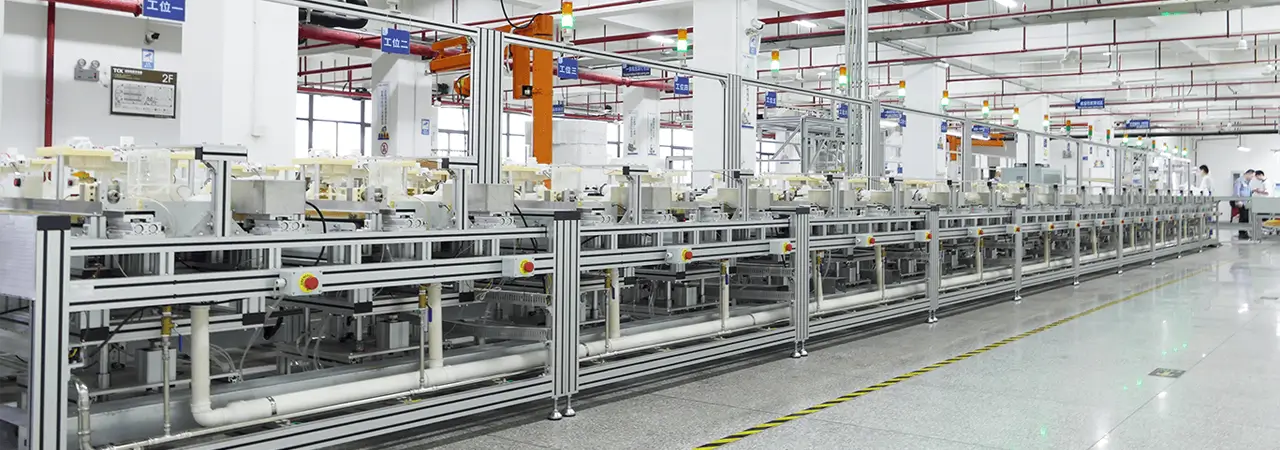
Global Manufacturing
- China+1 Strategy Ready

China / Vietnam / Thailand / Malaysia
Kontakt

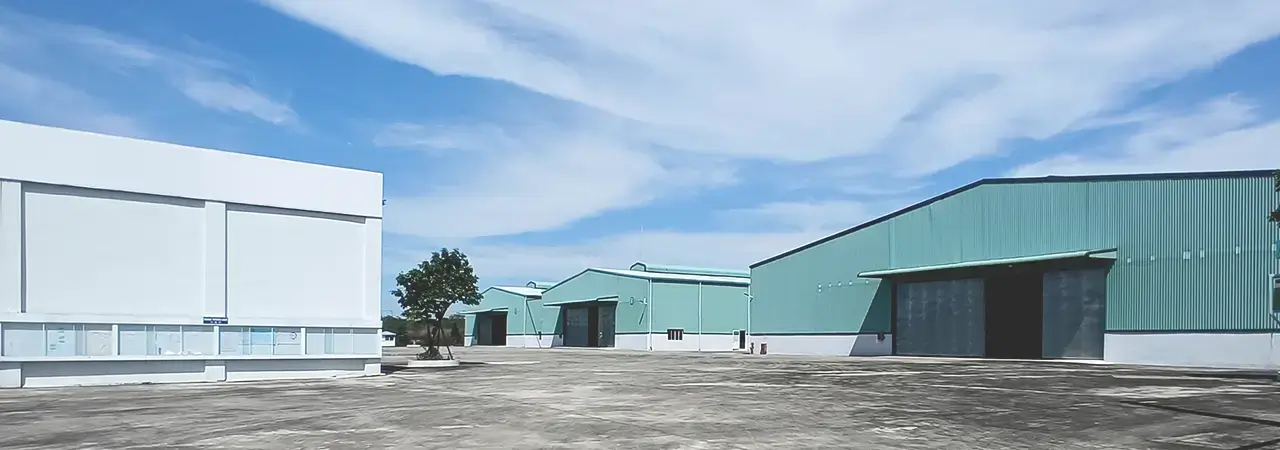
Vietnam Fabrik

Rationalisierung des US-Handels durch Kosteneffizienz und schnelle Lieferung.
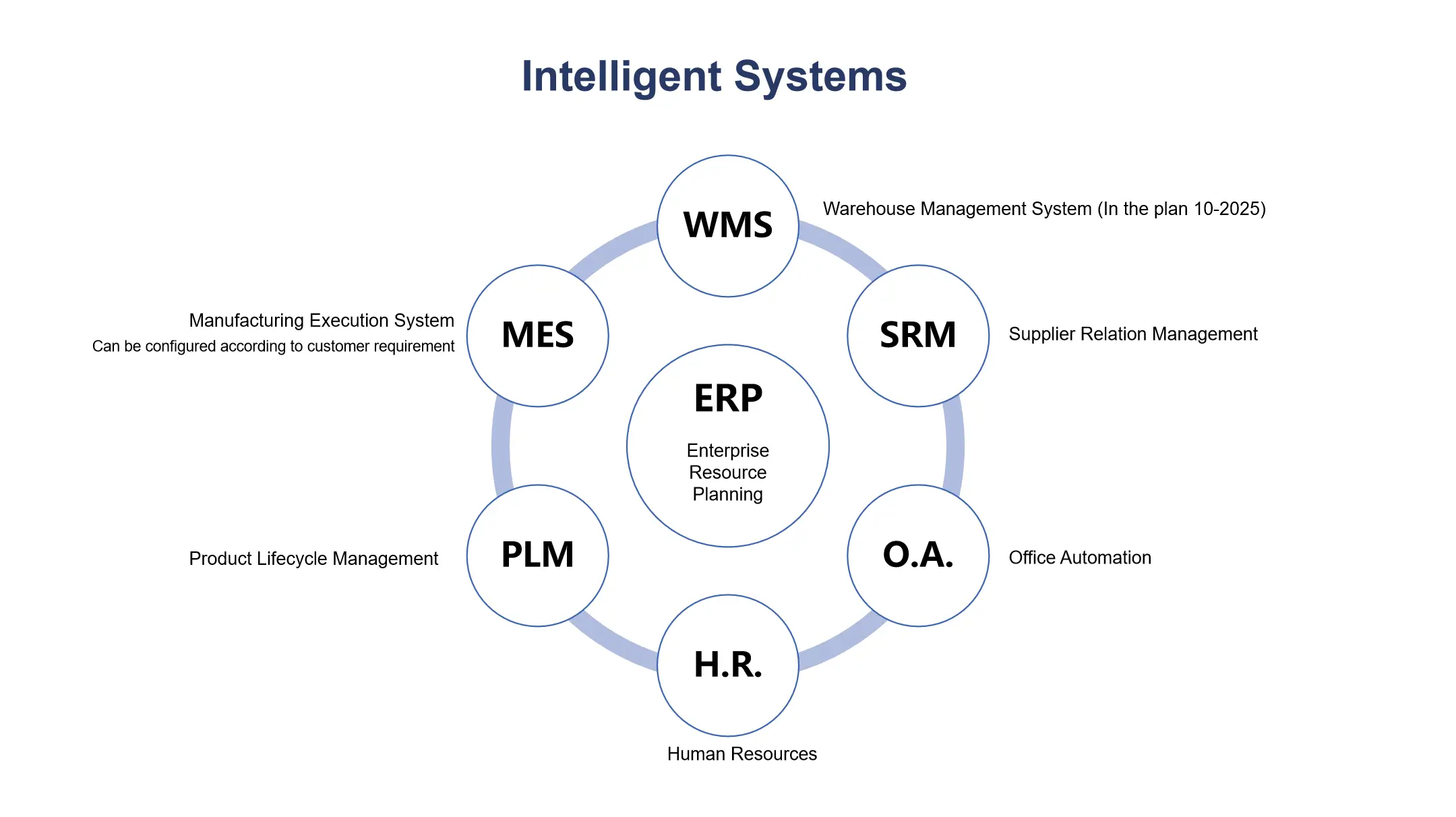
intelligent systems
  • Established: 2020
  • Building Area: 20000㎡
  • Focus On Environment-Friendly Appliances
  • Employee: 400+
  • Assembly Line: 4+3
  • Production Heating Elements In House
  • Own Testing & Verification Lab
  • Annual Capacity: 2 Million Units
vietnam1
vietnam
vietnam2
vietnam7
vietnam4
vietnam1
vietnam
vietnam2
vietnam7
vietnam4

Thailand Fabrik

Replacement Factory outside China

Private Label —Launch Your Brand Fast

Customize a proven platform and start shipping in weeks
Custom Logo
Colour Palette
Materialien
Surface Finish
Packaging Design
Massenproduktion
Global Delivery

Customer Testimonial

" Ich habe die Website von hisoair über Google gefunden, und um ehrlich zu sein, war ich mir anfangs nicht sicher, ob sie zuverlässig sind, aber sie haben meine Projektanforderungen in anderthalb Monaten erfüllt. Und als das Projekt die dringende Hinzufügung eines CO2-Sensors erforderte, hatten sie innerhalb einer Woche ein neues Muster fertig, was sie zum professionellsten und kundenorientiertesten Hersteller macht, mit dem ich je gearbeitet habe.
Thomas
Staatlicher Lieferant aus Deutschland
" Wir alle wissen, dass der COVID eine schreckliche Katastrophe für die ganze Welt war, besonders für Indien, ich habe einen Luftreiniger von HisoAir gekauft, der sehr nützlich für mich und mein Büro, mein Zuhause, meine Familien und Freunde war. Ich habe in den letzten 7 Jahren mit Alwen von HisoAir gearbeitet, ich kann sagen, dass er eine sehr zuverlässige Person ist, sehr effizient und sehr professionell.
Ranjith Bala
Importeur von Medizinprodukten aus Indien
" Wir sind ein Unternehmen mit mehr als 15 Jahren Erfahrung in der Zusammenarbeit mit privaten Institutionen und dem Privatsektor. Wir arbeiten seit drei Jahren mit Hiso zusammen und sind sehr dankbar für die Arbeiten, die Hiso uns zur Verfügung gestellt hat. Wir sind dankbar für die Zusammenarbeit mit Cherry und Mr. Lee "
Herina
Krankenhäuser und staatliche Anbieter aus Rumänien

Häufig gestellte Fragen

A ceiling-mounted air purifier is a fixed air-cleaning system installed above occupied floor space. It draws room air through particle and optional gas-phase filtration before returning filtered air to the room, making it suitable for commercial spaces where floor space, continuous operation and fixed installation are important considerations.

It actively draws contaminated air upward, passes it through a pre-filter, an optional activated carbon gas-phase filter, and a primary HEPA filter. Clean air is then discharged back into the room either through a 360-degree diffuser or directional louvers.

A standard 900 sq.ft classroom typically requires at least 450-600 CFM of clean air delivery to achieve 3-4 Air Changes per Hour (ACH). This is often achieved using two HA800 units operating at medium speed to keep noise levels below 35 dBA.

Noise levels vary by fan speed and model. The HA800 platform ranges from an ultra-quiet 22.5 dBA at lowest speed up to 47.5 dBA at maximum 430 CFM delivery, optimized specifically for occupied environments.

Yes, they are highly recommended for schools. Ceiling installation removes the unit from the floor, eliminating tripping hazards and tampering risks while freeing up valuable classroom space.

Choose a ceiling-mounted system when preserving floor space, preventing tampering, and supporting long-term fixed operation are priorities. Choose a portable unit if you require mobility and immediate plug-and-play installation without facility modifications.

In standard commercial environments operating 12 hours a day, HEPA filters typically require replacement every 12 to 18 months. Pre-filters should be checked and cleaned or replaced every 3 to 6 months depending on particulate load.

Yes. The platform utilizes industrial-grade Brushless DC (BLDC) motors rated for continuous 24/7 commercial duty cycles without overheating or premature failure.

Yes, configured units equipped with gas-phase filtration utilize specialized activated carbon (and optional impregnates) to adsorb volatile organic compounds (VOCs), odors, and specific gaseous pollutants.

It can be suspended via threaded rods to the true ceiling or mounted directly to structural joists. It is designed to sit flush with or slightly below standard drop-ceiling grids.

Yes. The HA2000 series supports optional integration with PM2.5/CO2 sensors and can connect to Building Management Systems (BMS) via Modbus/RS485 or Wi-Fi modules.

Maintenance is performed from below. The hinged bottom access panel drops down safely on tethers, allowing filters to be pulled directly downward without requiring access to the ceiling plenum or specialized tools.

EIN ANGEBOT ANFORDERN

Schreiben Sie uns eine Nachricht

Wir melden uns so schnell wie möglich bei Ihnen!

IN KONTAKT BLEIBEN

Kontaktinformationen

Ihre Anfrage ist für uns von Bedeutung.
Wir werden in Kürze eine Verbindung herstellen, und Ihre Daten bleiben immer sicher.
sales@hisoair.com
+86 138 0961 9940

US-Büro: 2180 S WINEVILLE AVE ONTARIO, CA 91761

Büro: Raum 712~713, Gebäude 1, Nr. 4, Second Road, Songshan Lake Park, Dongguan City, Provinz Guangdong, 523429.

Fabrik: China | Vietnam | Thailand | Malaysia

Contaminant Engineering•3 min read

PFAS Water Filtration Technologies Explained: Carbon, Resin & RO

Key Takeaway:

PFAS reduction depends on the specific compounds present, treatment media, contact time, water chemistry, and system design. Activated carbon, ion exchange, and Reverse Osmosis address PFAS through different mechanisms.

PFAS are a large family of persistent fluorinated compounds that can occur in drinking-water supplies. Their treatment behavior varies significantly by molecular structure, chain length, functional group, concentration, and the chemistry of the source water.

Granular Activated Carbon (GAC) removes PFAS primarily through adsorption. It is generally more effective for many longer-chain PFAS, while shorter-chain compounds tend to break through more quickly. Carbon performance depends on media properties, Empty Bed Contact Time (EBCT), competing organic matter, loading, and replacement frequency.

Ion-exchange resins use charged functional sites to capture many PFAS compounds. Properly selected anion-exchange media can provide high capacity and may perform better than conventional activated carbon for some shorter-chain PFAS, although performance still depends on water chemistry and competing ions.

Reverse Osmosis (RO) uses membrane separation rather than adsorption. Properly designed RO systems can provide broad reduction across many PFAS compounds as well as dissolved salts and other contaminants. Unlike carbon or resin, however, RO also produces a concentrate stream that must be managed.

No single technology should be selected from a PFAS label alone. System design should consider which PFAS compounds are present, their concentrations, required reduction targets, flow rate, media life, and the applicable third-party certification or validation requirements.

HisoAir Water Technical Series
Product Discovery•3 min read

How to Choose an Under-Sink Water Purifier for Modern Kitchens

Key Takeaway:

Match the treatment technology to your water quality first, then evaluate cabinet space, faucet configuration, flow rate, drain and power requirements, and filter replacement needs.

Choosing an under-sink water purifier starts with water chemistry. Carbon filtration is well suited to chlorine, taste, odor, and many organic contaminants, while Reverse Osmosis is more appropriate when dissolved salts, fluoride, nitrates, or broader dissolved contaminants need to be reduced.

For compact kitchens, tankless RO systems eliminate the conventional storage tank and can significantly reduce the space required under the sink. However, membrane capacity stated in GPD does not directly equal faucet flow. When comparing systems, check the actual dispensing flow rate, inlet-pressure requirement, recovery ratio, and whether a booster pump is required.

Installation architecture also matters. Many RO systems require a drain connection, electrical power, and either a dedicated drinking-water faucet or a compatible multi-function faucet. High-flow carbon systems can often connect directly to the existing cold-water line with a simpler installation, but pressure drop and available faucet flow should still be verified.

RO also removes much of the naturally occurring dissolved mineral content. Where taste or mineral balance is a priority, a post-RO remineralization stage can be added. Filter life should be evaluated by both rated capacity and local water quality rather than replacement time alone.

The right system is therefore not simply the smallest or highest-GPD model. It is the configuration that matches the target contaminants, available cabinet space, desired faucet setup, peak dispensing demand, and maintenance expectations.

HisoAir Water Technical Series
Water Quality•2 min read

What Does TDS Mean in Drinking Water? Measurement vs Contaminant Reality

Key Takeaway:

A TDS meter estimates the overall concentration of dissolved ionic substances from electrical conductivity. It cannot identify specific contaminants or determine whether water is chemically safe.

Total Dissolved Solids (TDS) refers to the combined concentration of dissolved substances in water. Most handheld TDS meters do not measure TDS directly. Instead, they measure electrical conductivity (EC) and convert that reading into an estimated parts-per-million (ppm) value.

This means a TDS reading can indicate how much dissolved ionic material is present, but not what that material actually is. Calcium, magnesium, sodium, nitrates, and other dissolved ions can all contribute to conductivity, yet a simple TDS meter cannot distinguish between them.

TDS meters are also not suitable for detecting trace contaminants such as PFAS, many VOCs, pesticides, pharmaceuticals, or disinfection byproducts. These substances may be present at concentrations far below the level needed to noticeably change electrical conductivity.

A low TDS reading therefore does not guarantee safe drinking water, and a higher TDS reading does not automatically indicate contamination. Water-treatment decisions should be based on laboratory testing for specific contaminants of concern rather than TDS alone.

HisoAir Water Technical Series
Technology Selection•2 min read

RO vs UF Water Filtration: Understanding Pore Sizes & Dissolved Minerals

Key Takeaway:

Ultrafiltration can reduce bacteria, turbidity, and suspended particles while retaining most naturally occurring dissolved minerals. Reverse Osmosis provides much broader reduction of dissolved salts and smaller contaminants.

Ultrafiltration (UF) typically uses hollow-fiber membranes with pore sizes in the approximate 0.01–0.1 micron range. These membranes physically retain turbidity, suspended solids, colloids, and many microorganisms while allowing dissolved minerals and salts to remain in the water.

Reverse Osmosis (RO) operates at a much finer separation level. Unlike UF, RO can substantially reduce dissolved ions such as sodium, calcium, fluoride, nitrates, and other contributors to total dissolved solids (TDS). This makes RO more suitable when dissolved-salt reduction is a primary treatment objective.

UF generally requires less system pressure and produces little or no continuous concentrate stream in many point-of-use configurations. RO typically requires greater pressure and produces a reject-water stream, but delivers broader contaminant reduction.

For water with acceptable TDS and mineral content, UF can be a simpler mineral-retaining treatment option. Where dissolved salts, fluoride, nitrates, or broader dissolved contaminants are a concern, RO is generally the more appropriate technology.

HisoAir Water Technical Series
Technology Selection•4 min read

Carbon Block vs Reverse Osmosis: Which Fits Your Need?

Key Takeaway:

Choose RO for dissolved inorganic salts and heavy metals; choose Carbon Block for chemical taste/odor, no wastewater, and high line-pressure flow.

Reverse Osmosis (RO) and Carbon Block filtration represent two fundamentally different treatment methods: membrane separation and adsorption. Understanding these differences helps determine which technology is better suited to a specific water-quality requirement.

Reverse Osmosis uses a semi-permeable membrane with pore sizes of approximately 0.0001 microns. It can significantly reduce dissolved inorganic contaminants such as TDS, fluoride, nitrates, and certain heavy metals. Because water must be forced through the membrane, RO systems require sufficient pressure or a booster pump and generate a concentrated wastewater stream.

Carbon Block filtration relies primarily on adsorption through compressed activated carbon, commonly with nominal pore sizes around 0.5–5 microns. It is highly effective for chlorine, chloramines, VOCs, taste, and odor, while allowing substantially higher direct-flow rates without producing wastewater.

From an operating perspective, Carbon Block systems are generally simpler, require less energy, and avoid the water loss associated with RO. RO involves higher system complexity and operating cost, but provides substantially broader reduction of dissolved contaminants that Carbon Block alone cannot address.

HisoAir Water Technical Series