新しいタブで開きます
革新的な空気品質ソリューション

会社概要

At HisoAir, we believe people everywhere deserve to breath clean, healthy air. We believe in supporting the innovators working tirelessly to deliver solutions that nurture personalized, holistic health & wellbeing.

What We Do

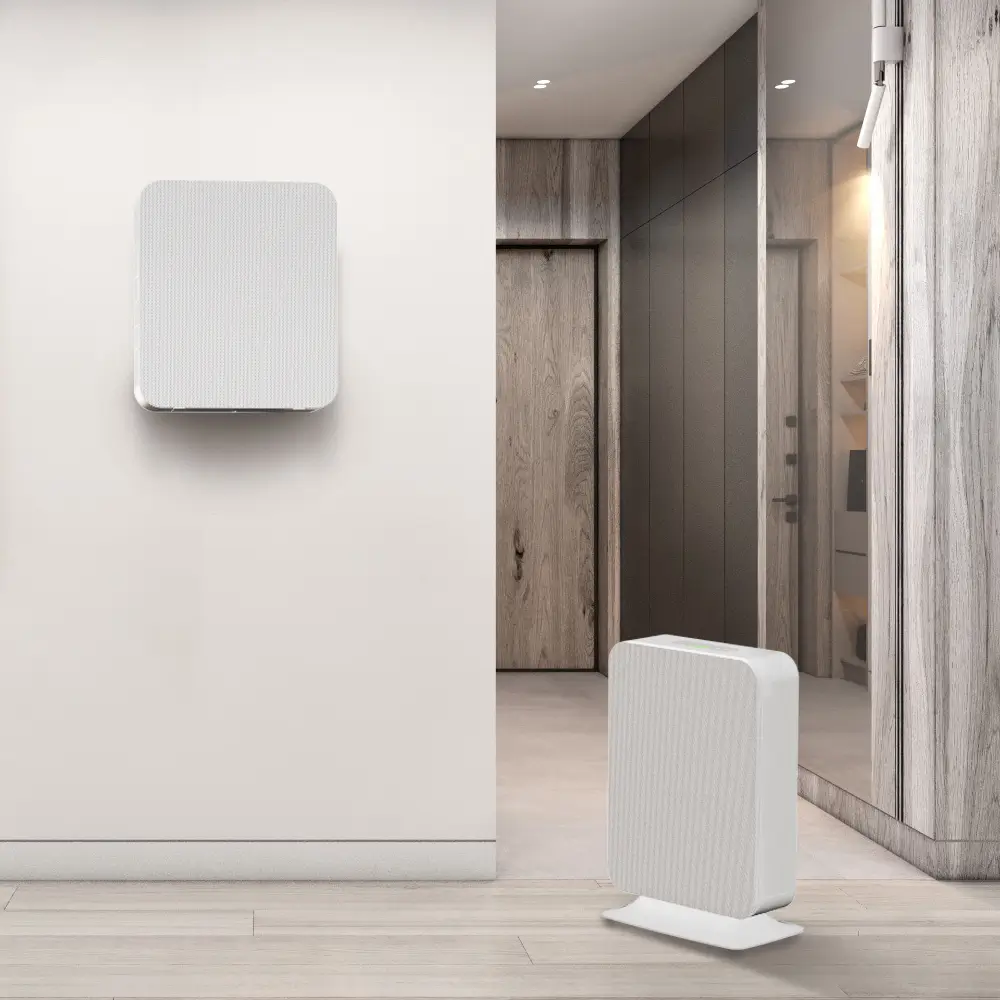
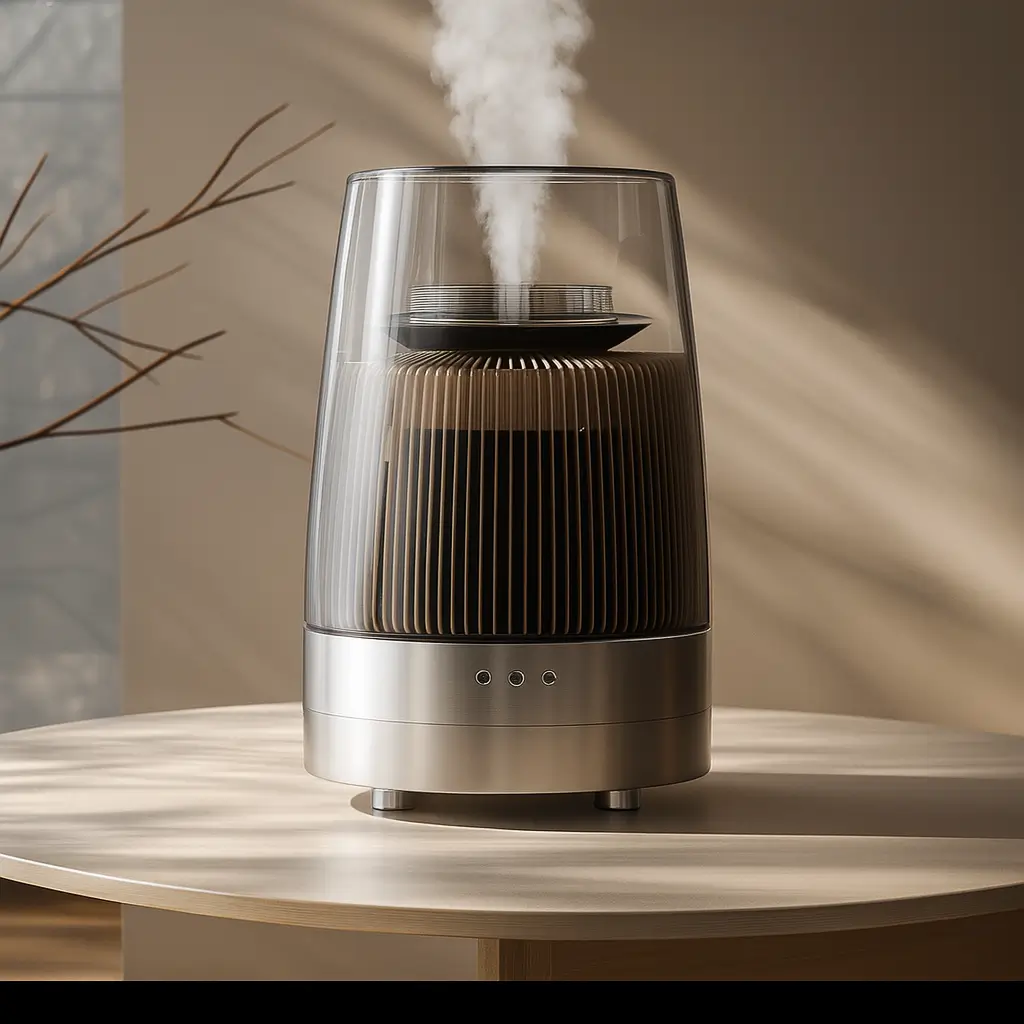
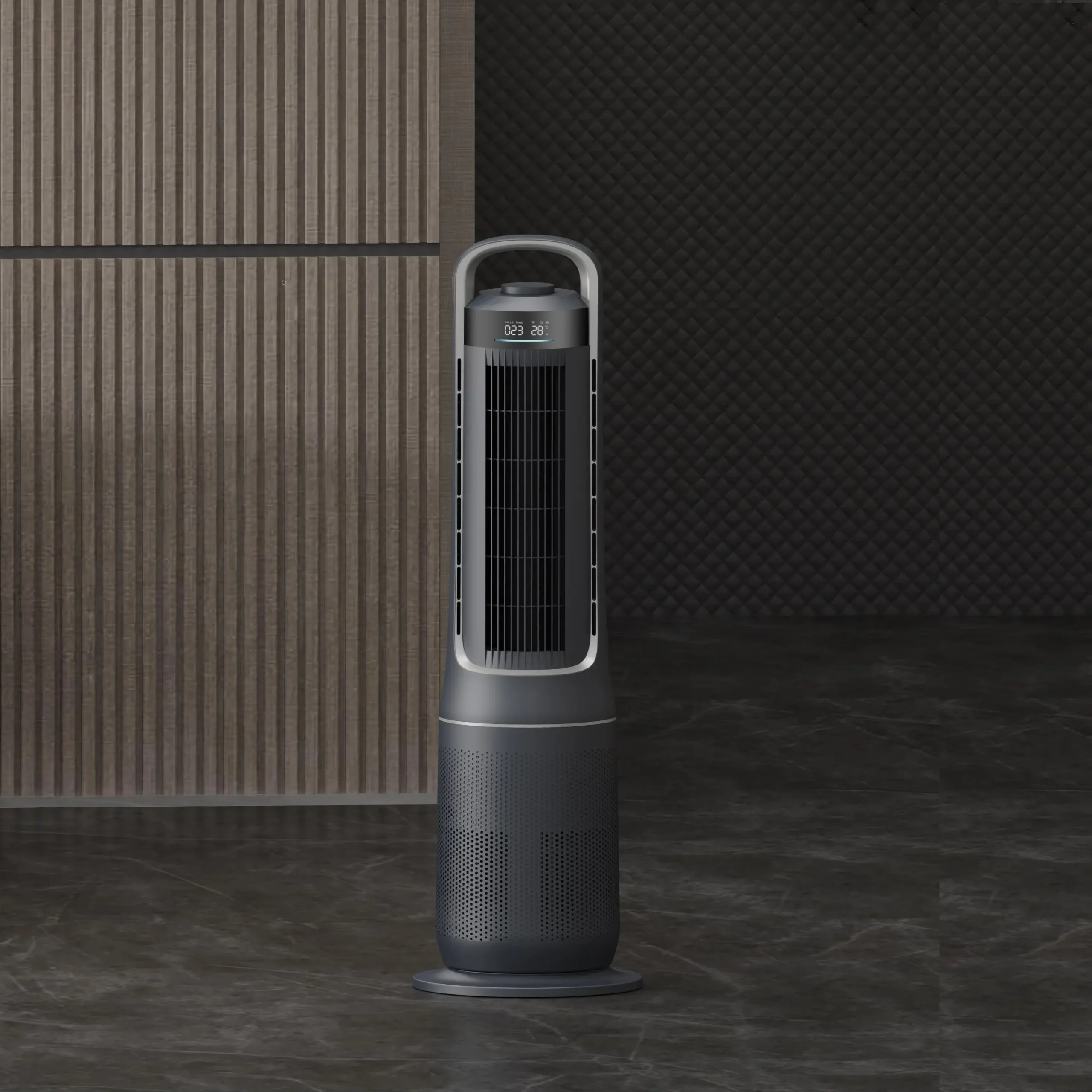
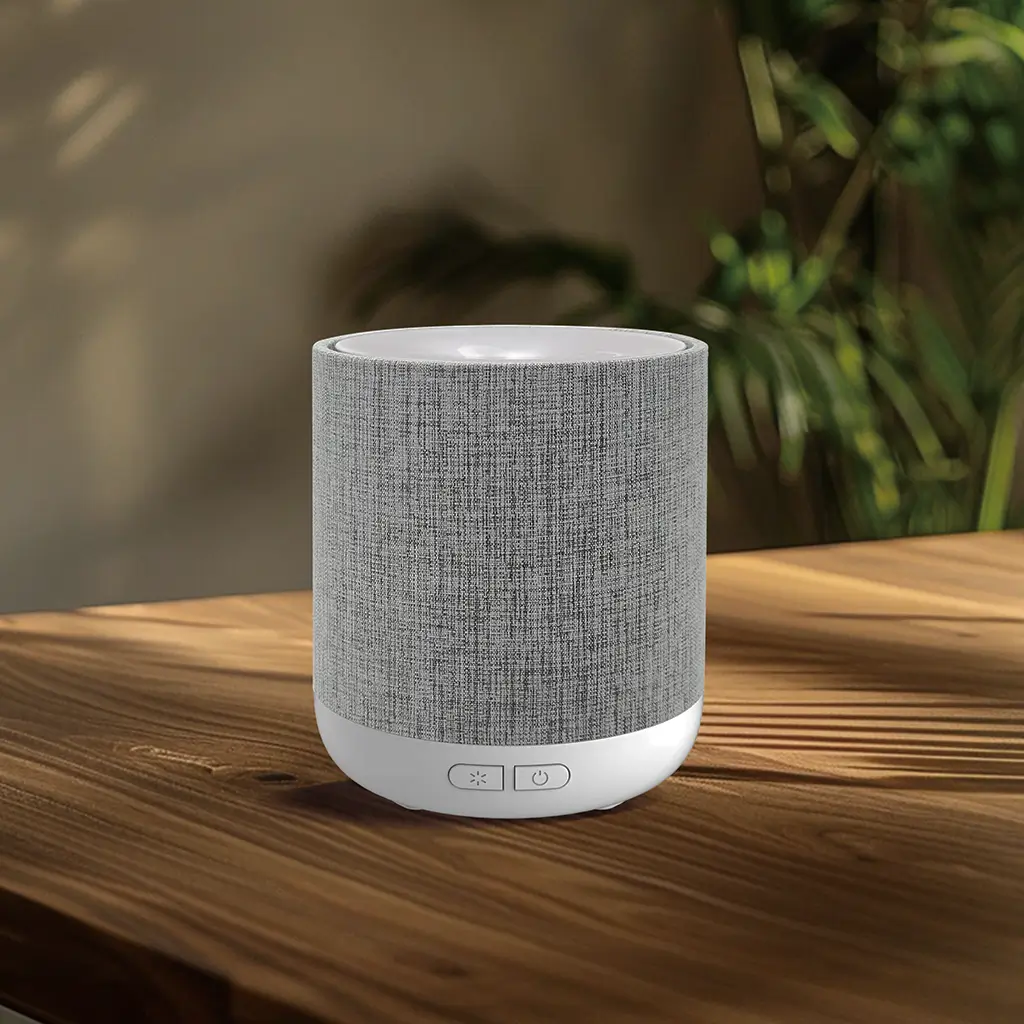
We combine our deep expertise in air quality, technology, and electronics manufacturing with our passion for collaborating with purpose-driven companies to deliver innovative air quality solutions.

We offer a full array of integrated product development, sourcing, and manufacturing services that help companies deliver better air quality solutions faster.

We help businesses accelerate delivery of innovative air quality solutions.
お問い合わせ

Why Now?

The clean air industry is transforming — and the future belongs to brands that act fast. Here’s why:

🌍

Air Quality Awareness

Global demand for clean indoor environments is growing rapidly.

🚀

$7T Wellness Market

Consumers want holistic, health-focused product experiences.

🔗

スマート・テクノロジー

IoT + AI are redefining how users interact with home devices.

🎨

Design Drives Value

Aesthetics are key for modern products — functionality alone isn’t enough.

🤝

Partnership Is Key

Brands need fast, reliable partners to innovate and stay compliant.

How We Work
(The 4 Ds Framework)

Discovery

Activities:
Market & user research
Feasibility study

Key Output:
Concept brief

Typical Time:
2–4 weeks

Definition

Activities:
Spec, ID & UX
Cost targets

Key Output:
Finalized BOM & ID

Typical Time:
3–6 weeks

Development

Activities:
EVT → DVT → PVT
認証

Key Output:
Proto Units & Reports

Typical Time:
8–16 weeks

配送

Activities:
Mass production
Quality & logistics

Key Output:
Ship-ready inventory

Typical Time:
Continuous

グローバル製造パートナーネットワーク

HisoAirは、中国、ベトナム、タイ、マレーシアの認定パートナーを通じて、製品エンジニアリング、品質保証、製造プログラムを統括しています。
お問い合わせ

ベトナム製造パートナー

コスト効率とクイックデリバリーで米国貿易を合理化。
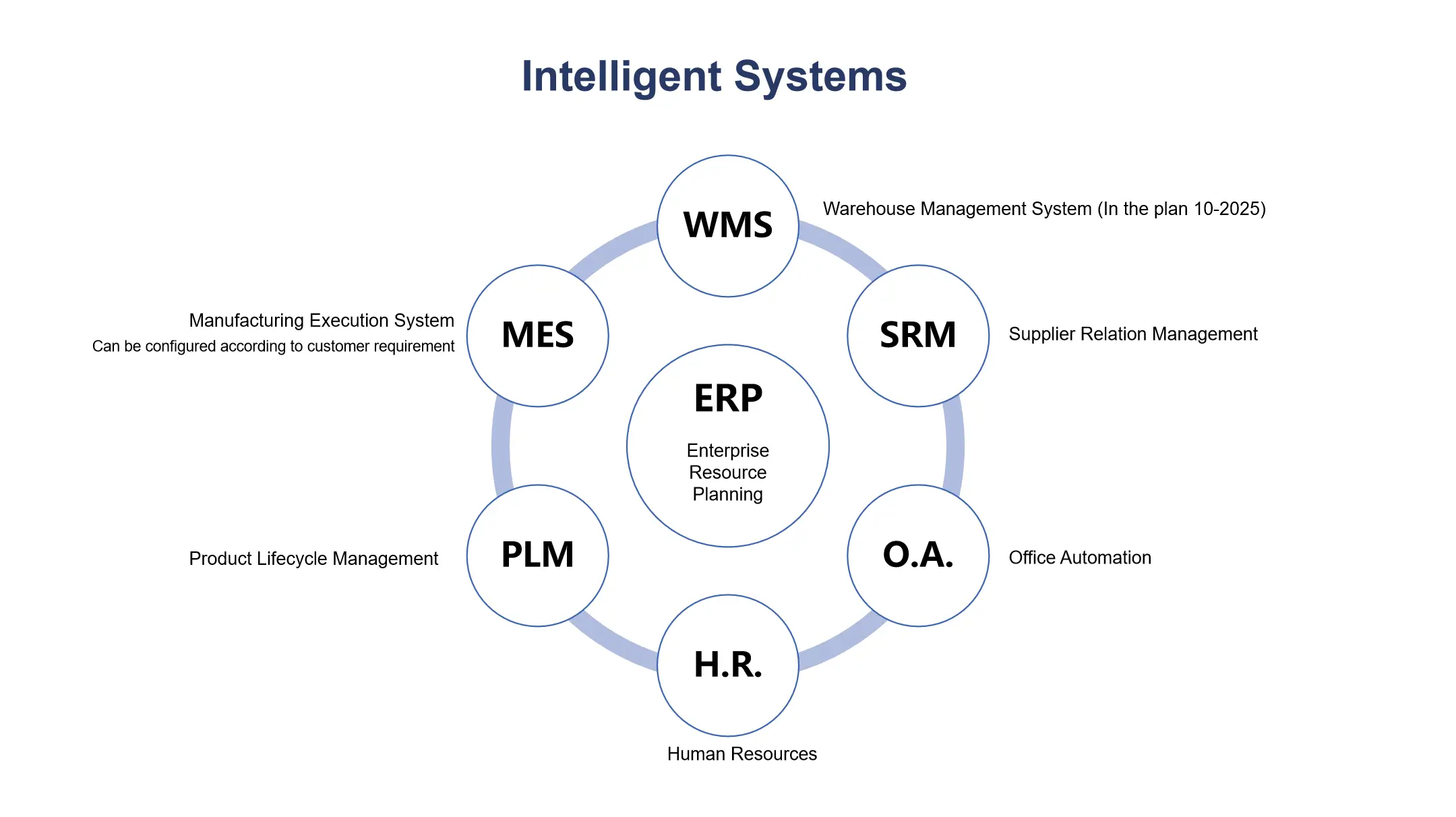
Diagram connecting manufacturing management systems

空気清浄機および関連家電プログラム向けのベトナム拠点の製造サポート。HisoAirがエンジニアリング、品質要件、プロジェクト納品を統括し、生産枠はプログラムごとに確定します。
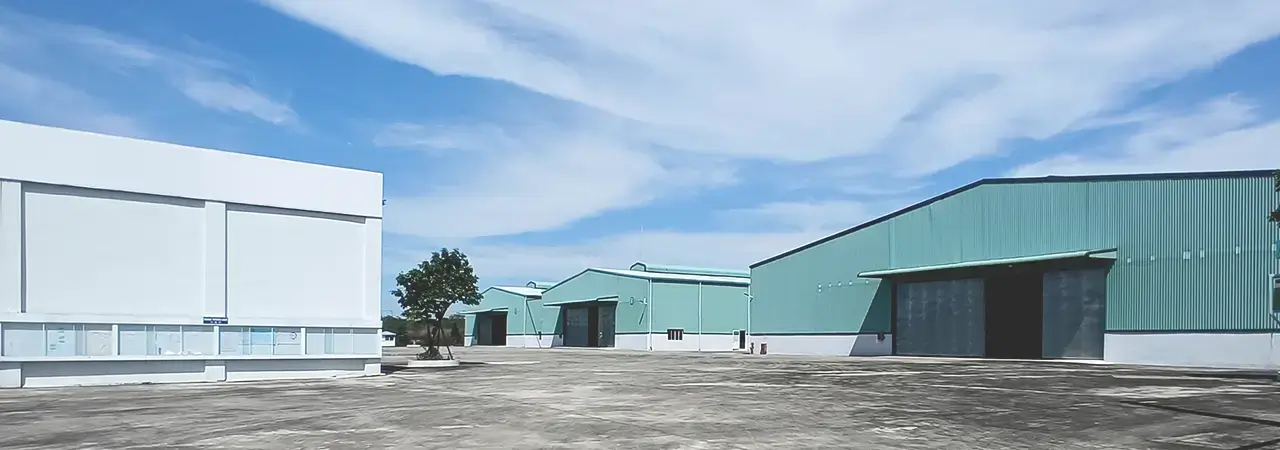
Factory buildings under a blue sky
Industrial equipment inside a factory
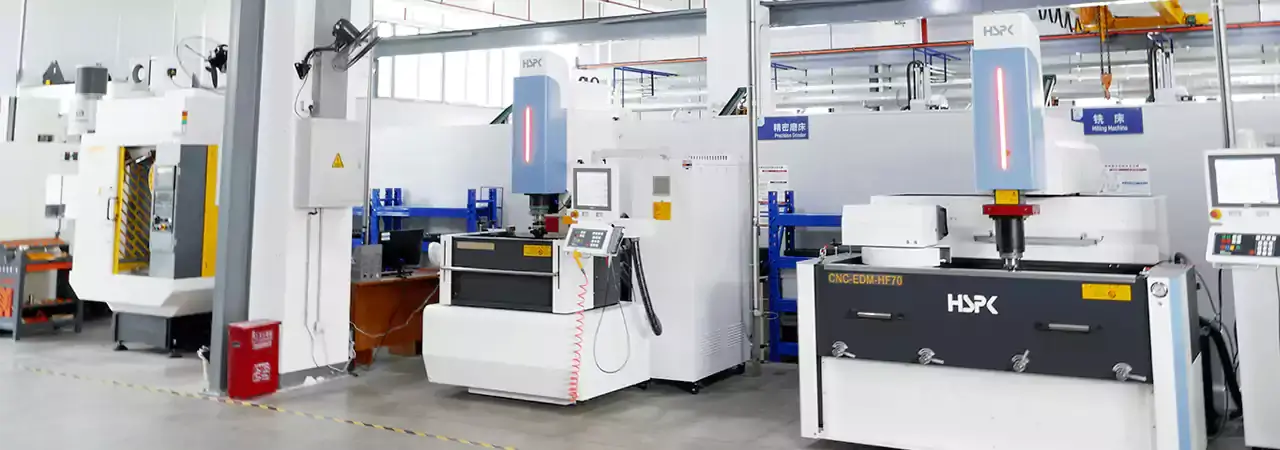
Production equipment in a factory workshop
Industrial machines on a factory floor
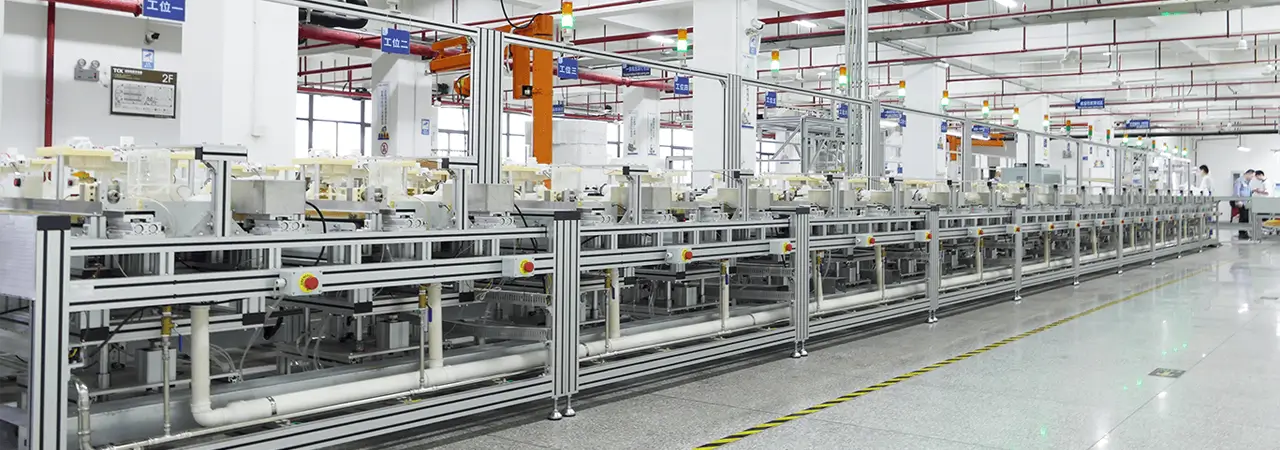
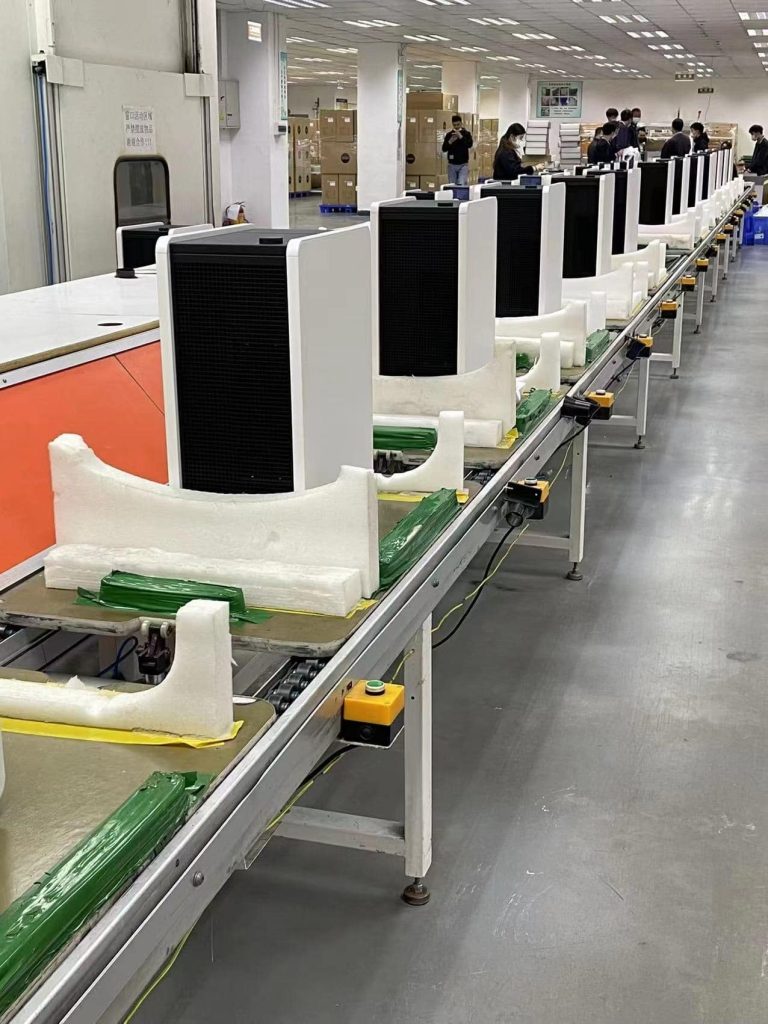
Factory assembly line
Factory buildings under a blue sky
Industrial equipment inside a factory
Production equipment in a factory workshop
Industrial machines on a factory floor
Factory assembly line

タイ生産パートナー — 量産立ち上げ段階

タイ拠点の組立・試験能力は量産立ち上げ段階にあり、一部の家電プログラムとサプライチェーンの分散化を支えています。
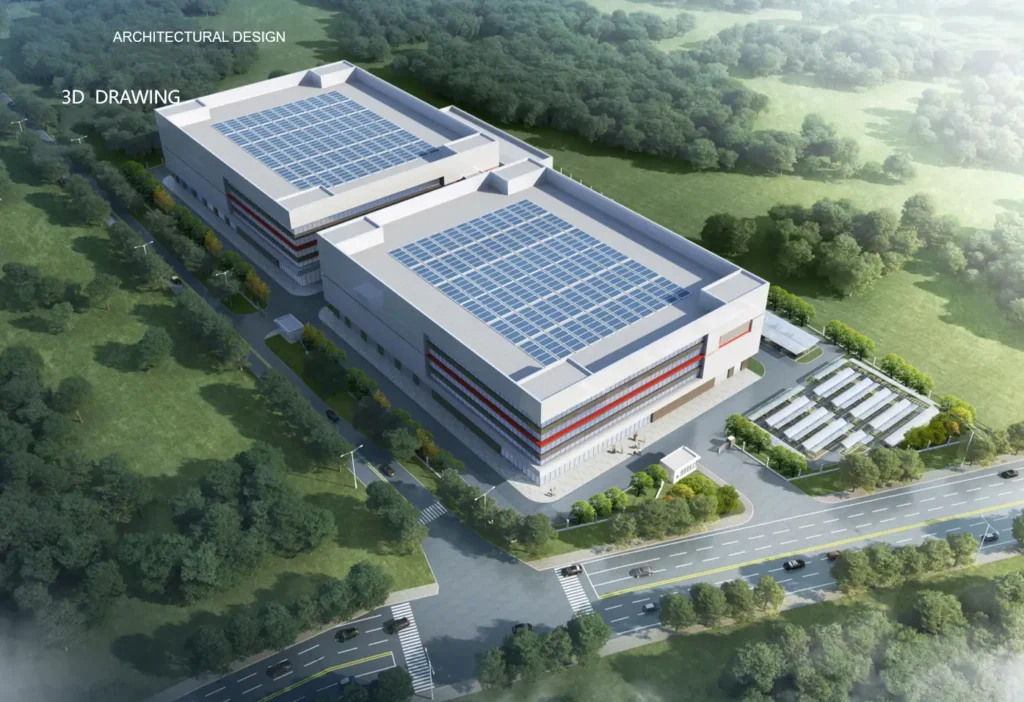
Architectural rendering of a factory complexhisoairタイ工場2

高品質のサービスを提供

あなたの問い合わせは私たちにとって重要です。お客様の情報は常に安全に保護されています。
お問い合わせ
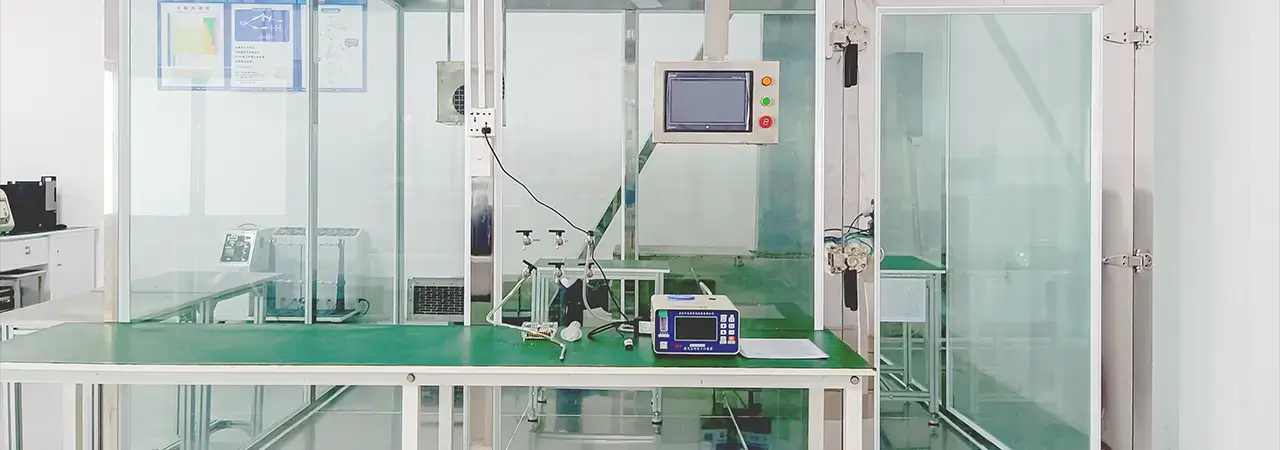
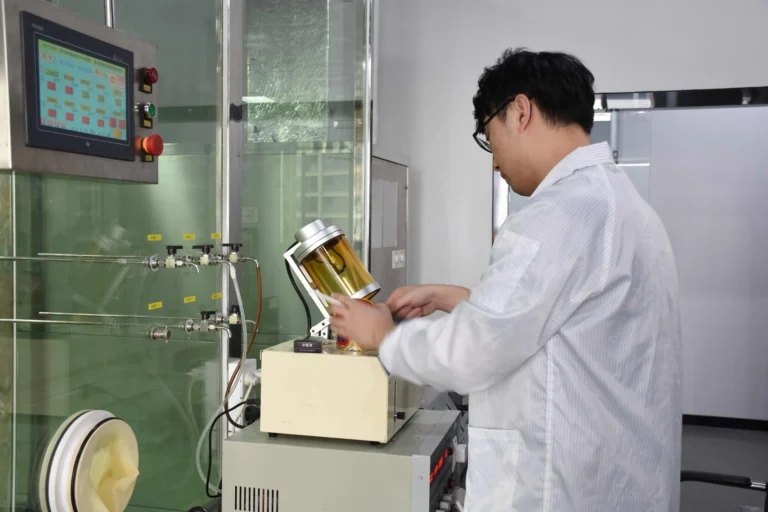
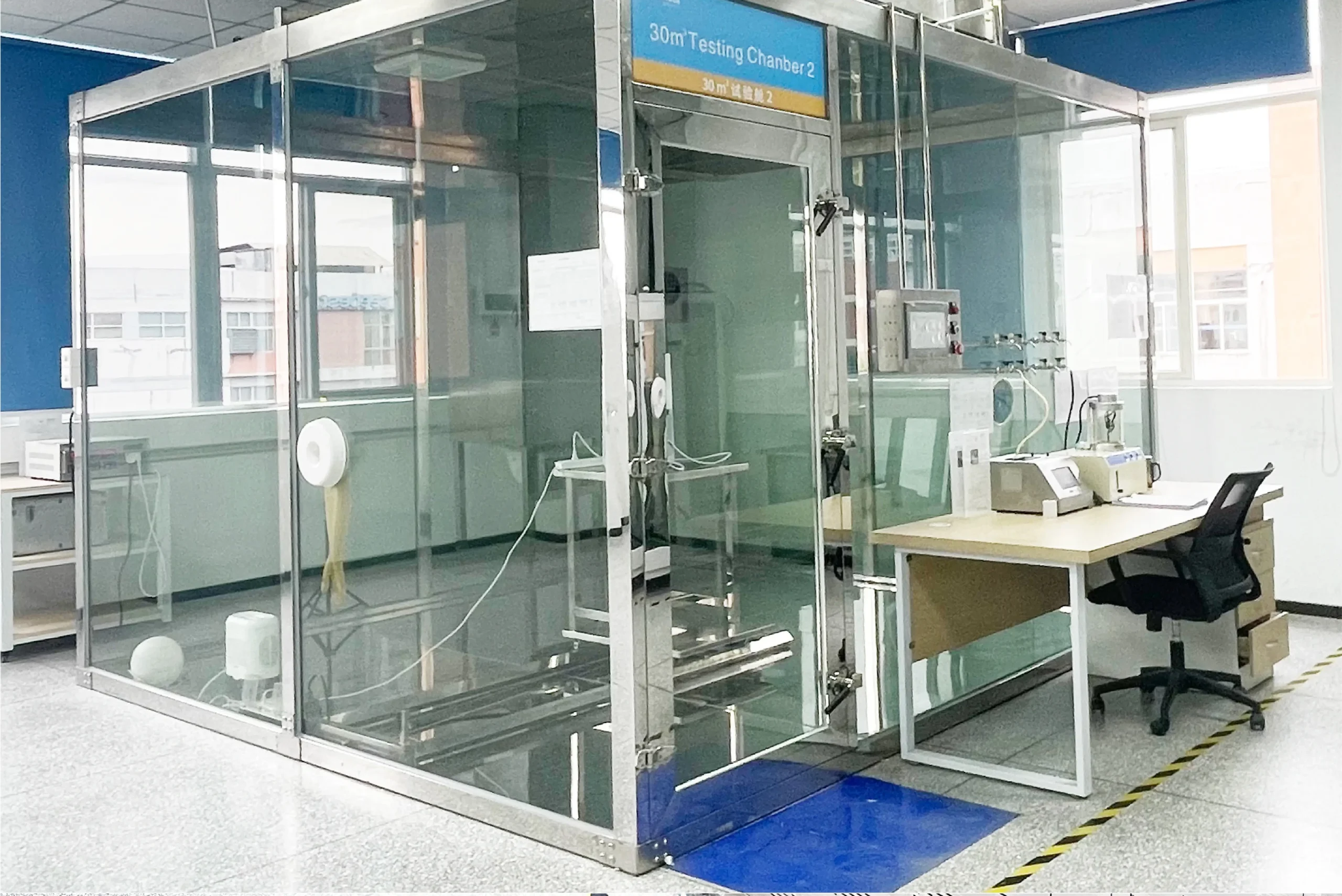
実験室でエアフィルターの品質検査を行う技術者。
実験キャビン
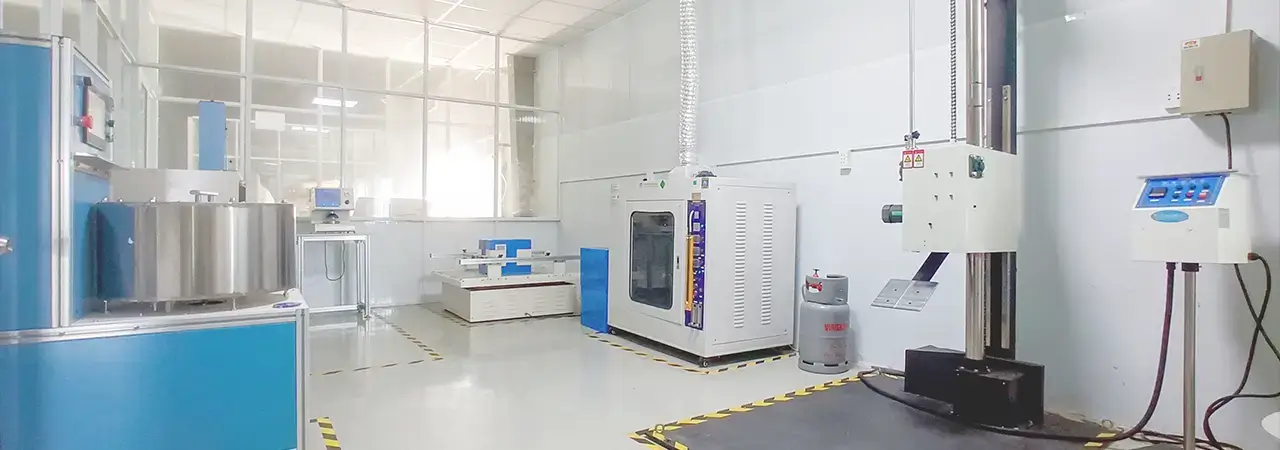
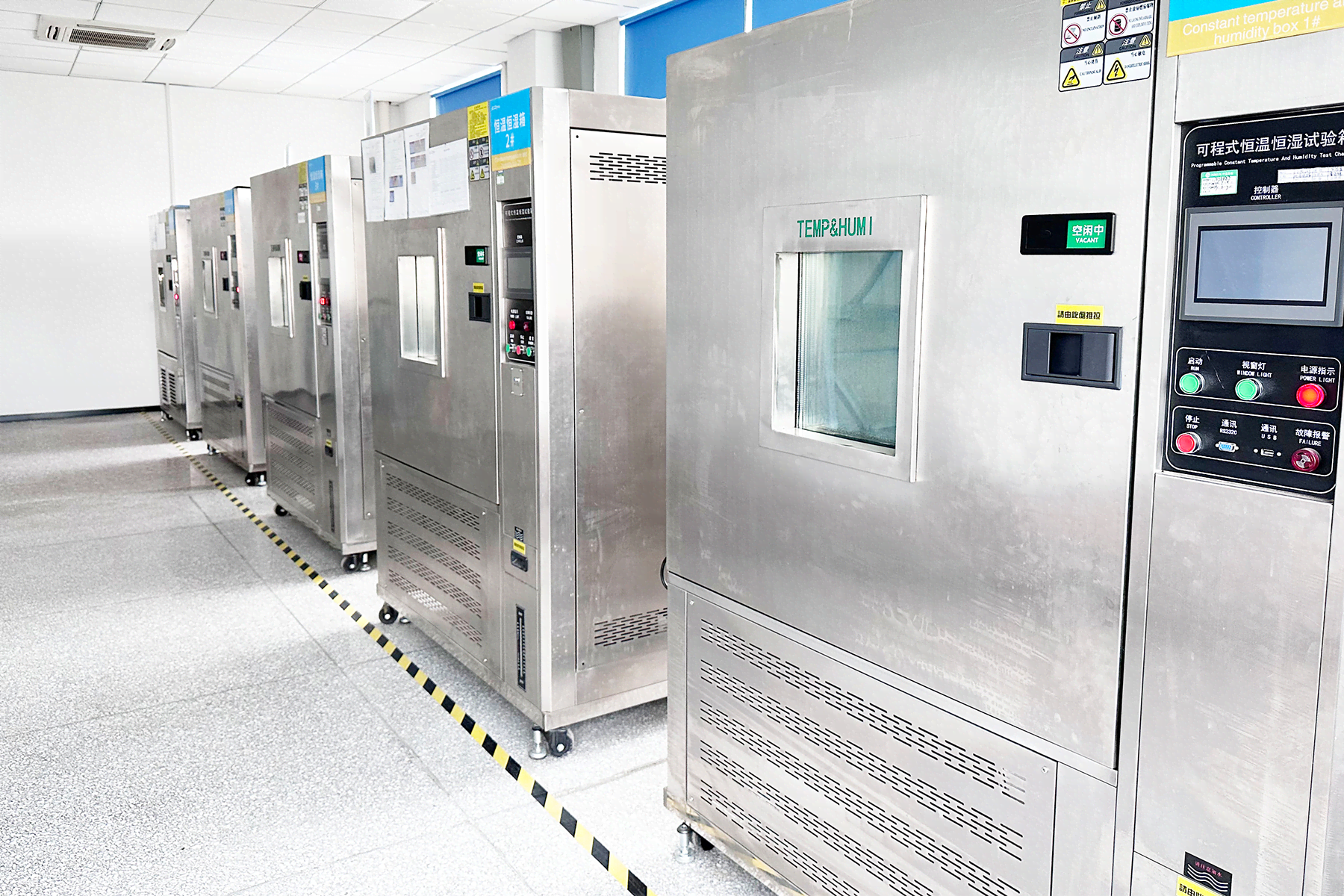
Temperature and humidity test chambers

Premium Quality Air‑Care Solutions
You Can Trust

HisoAir subjects every purifier, humidifier, diffuser, and dehumidifier to stringent, internationally accredited tests—so you enjoy proven performance, safety, and reliability.

当社の主なテスト能力

  • CADR: Quantifies particulate removal rate.
  • Sensor Calibration: Confirms precision of sensors.
  • Filter Life & Efficiency: Verifies HEPA/activated‑carbon capture performance.
  • Humidity Control Assessment: Measures mist output, dehumidification capacity, and set‑point accuracy.
  • Noise Level: Records noise levels across all operating modes.
  • Environmental Chamber: Evaluates function under varying temperature and humidity conditions.
  • Aging & Safety: Conducts accelerated life cycles to prove long-term stability and validates environmental adaptability and electrical safety.

また、お客様のニーズに合わせて、ろ過効率と寿命を向上させるカスタマイズ・ソリューションも提供しています。
専門家に相談する
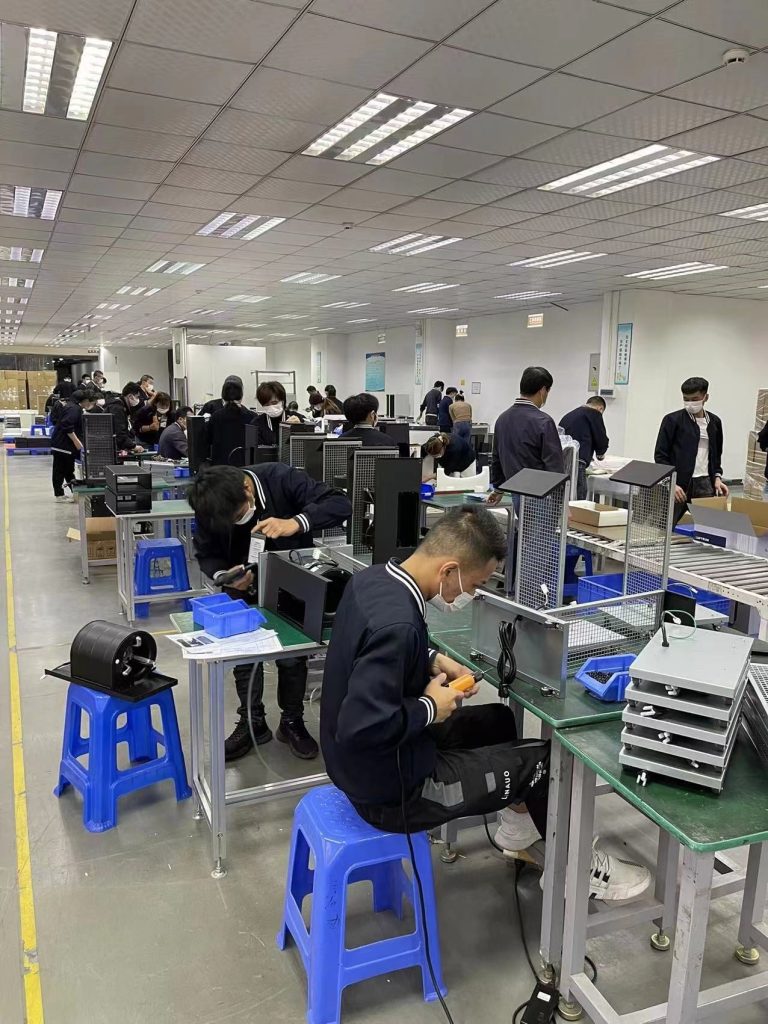
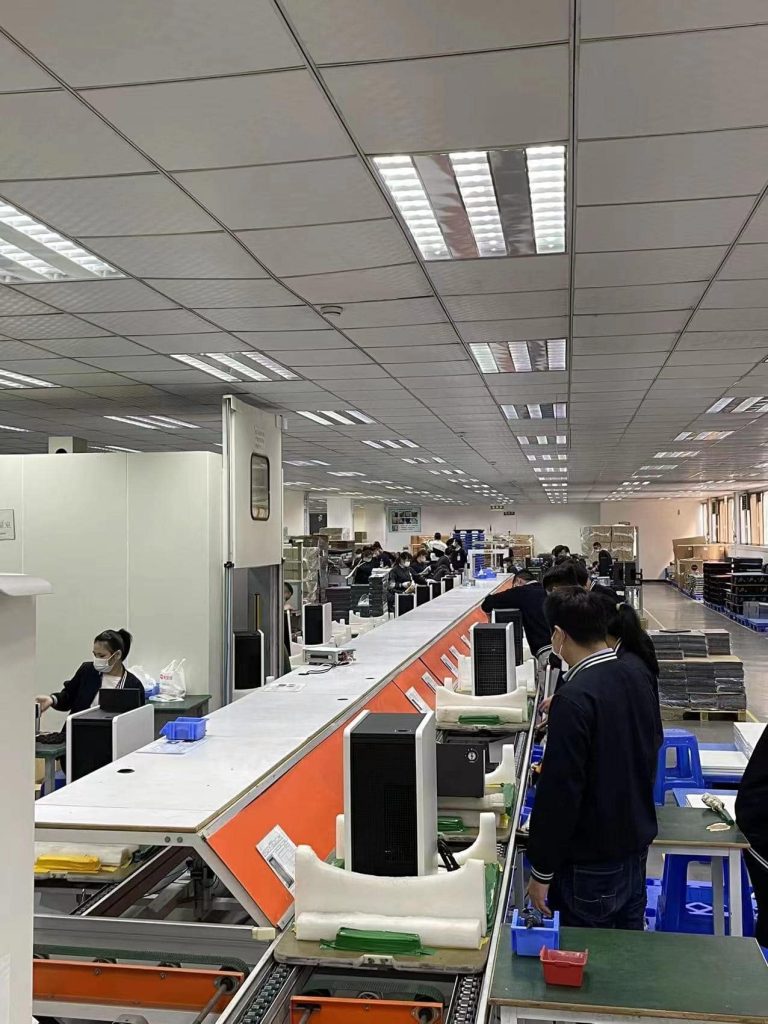
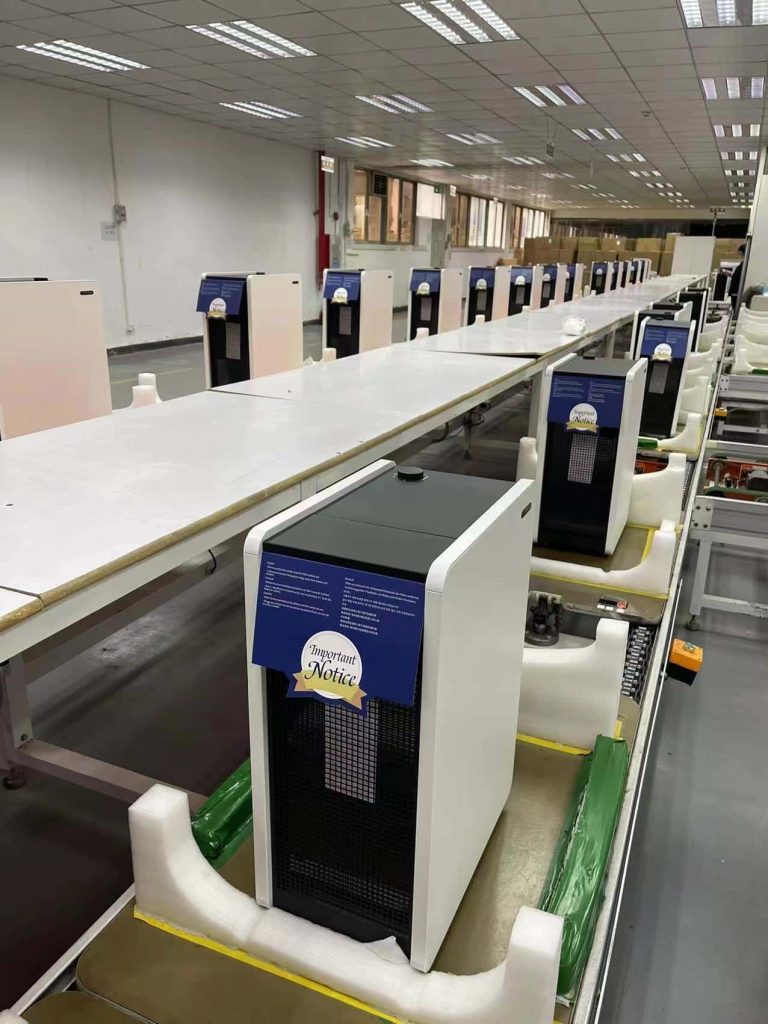
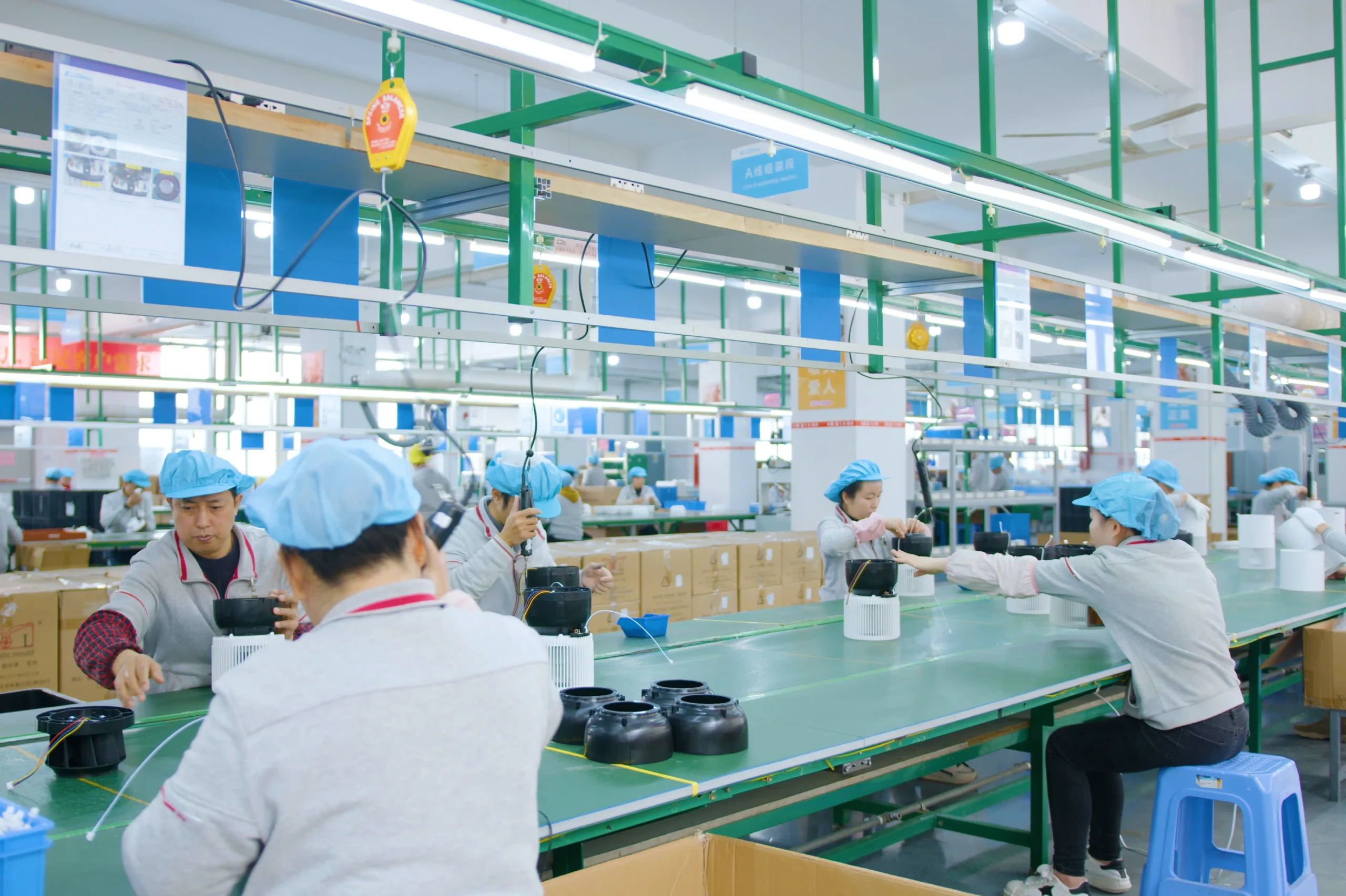
ワークショップ組立ライン

厳格な品質管理

CADR、騒音レベル、耐久性に関する厳格なテストにより、すべての製品が優れた性能を発揮することを保証します。
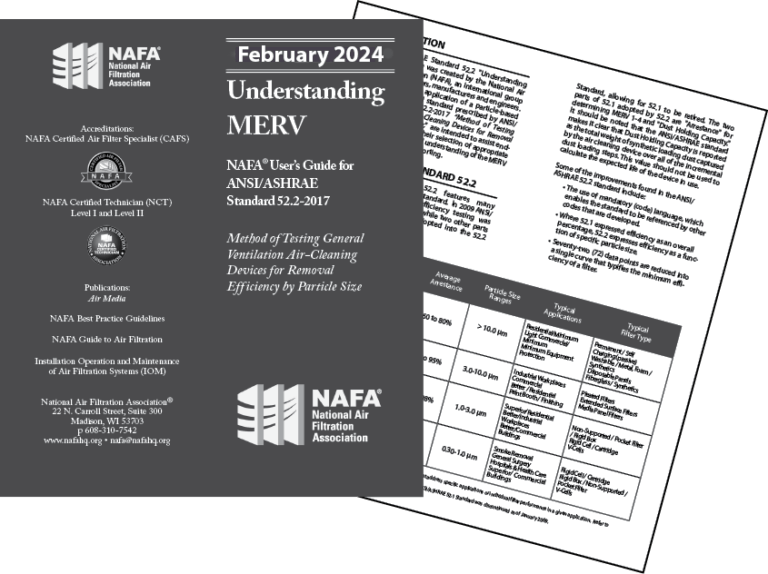
Cover of the Understanding MERV guide

規格準拠の製品エンジニアリング

当社のエンジニアリングプロセスでは、製品開発から生産検証まで、該当する性能・安全・適合性の要件を組み込んでいます。
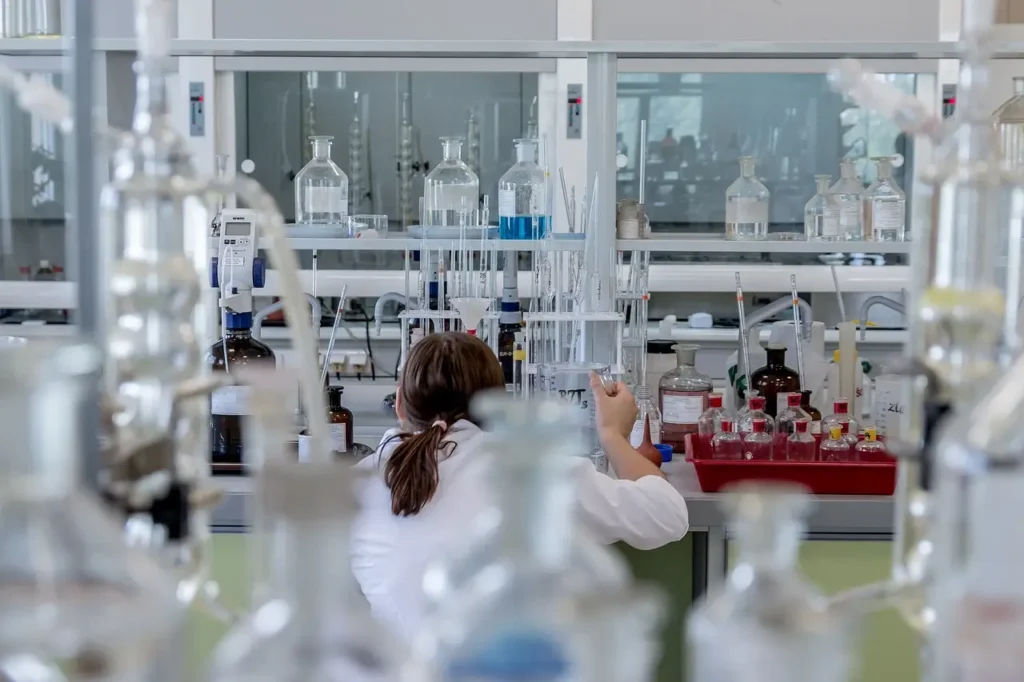
研究室のベンチで様々なガラス器具や機器を使って作業する科学者

製品試験・検証

HisoAirは、エンジニアリング試験リソースと認定第三者試験機関を通じて、製品の性能、信頼性、適合性の検証を支援しています。該当製品モデルについては試験報告書をご提供できます。

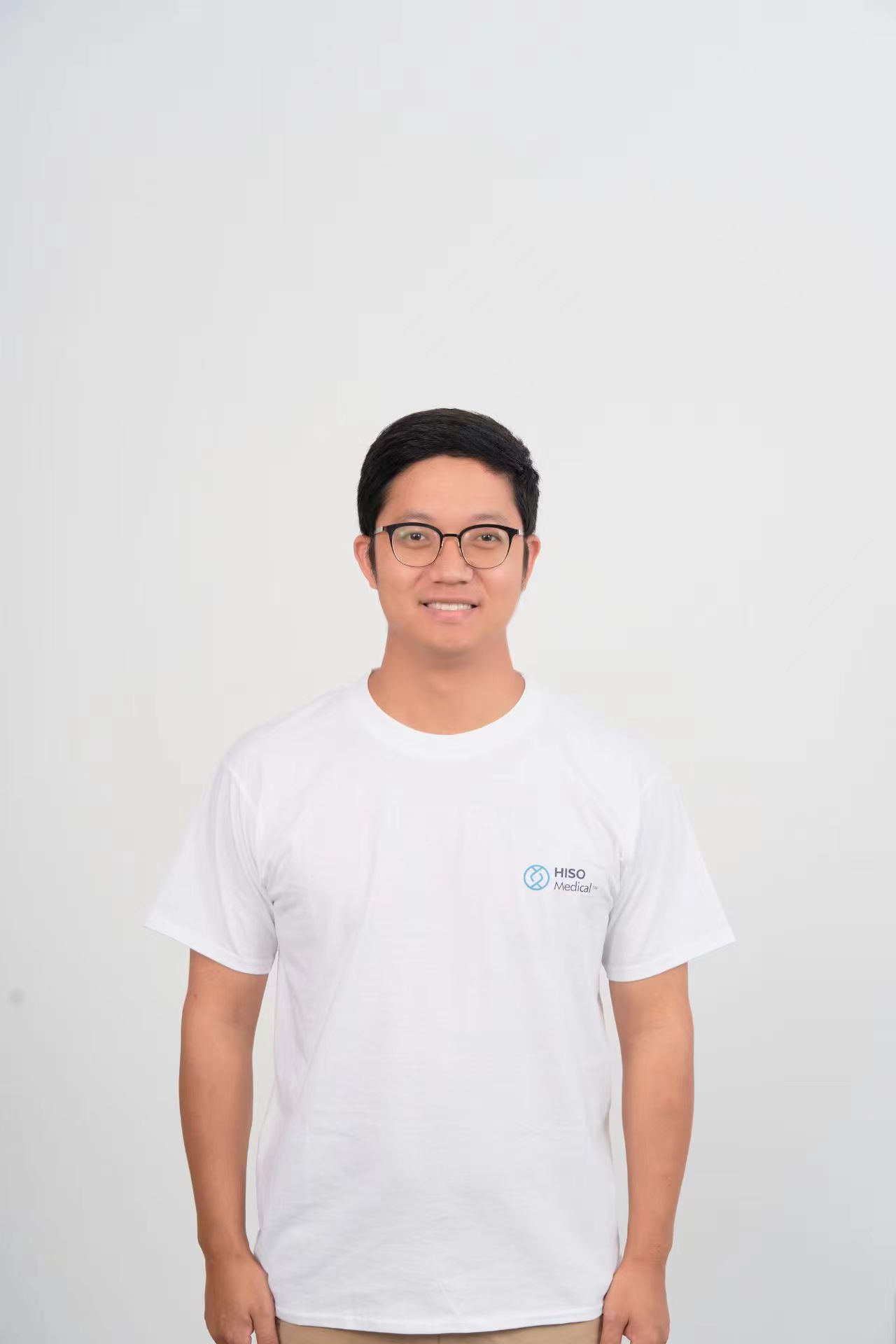
Founders of HisoAir

室内の空気の質を改善し、維持するために、専門家にご相談ください。
Alwen Lee, Founder and CEO of HisoAir
Alwen Lee
Founder & CEO

As the founder of HisoAir, I am deeply passionate about improving indoor air quality and the well-being of our environment.

With a commitment to clean air and healthy living spaces, I am dedicated to developing innovative solutions that make a significant difference.

My expertise lies in social media marketing and global brand distribution, allowing me to bring our air quality products to a wider audience.
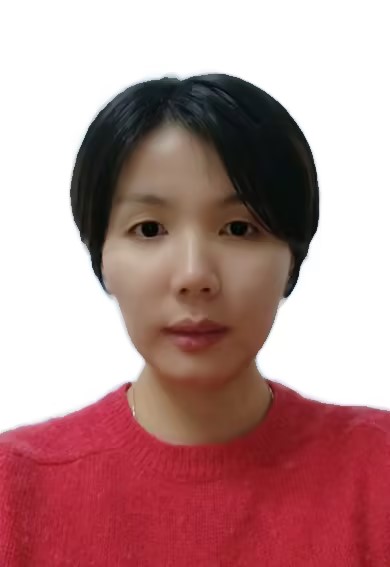
Evelyn Wen, Co-Founder of HisoAir
Evelyn Wen
Co-Founder

With over 16 years of experience as a Product and Quality Engineer in Apple's supply chain, Evelyn Wen is a dedicated expert in designing high-quality products that improve indoor air quality.

She is passionate about user experience and committed to creating innovative solutions that enhance the well-being of customers through cleaner, healthier living environments.

Justin Wu, Co-Founder of HisoAir
Justin Wu
Co-Founder

With over 20 years of experience in air treatment, he is an expert in product design and manufacturing. He has dedicated his career to developing advanced solutions for improving indoor air quality.

Passionate about innovation, he leads the design and production of high-performance air purification systems that create healthier, more comfortable living environments.

私たちを選ぶ理由

20年以上の業界経験
当社のコアチームは、空気処理、製品エンジニアリング、製造における豊富な業界経験を持ち、プレミアムなOEM/ODM開発プログラムを支えています。
Proven Technology
From quiet-mode decibel cancellation to IoT-enabled purification, our tech is built for performance and user experience.
Global Fulfillment
当社の認定製造ネットワークは中国、ベトナム、タイ、マレーシアにまたがり、柔軟な生産計画と国際配送を支えています。
実績あるOEM/ODMプロジェクト経験
HisoAirは、製品エンジニアリング、カスタマイズ、認証取得の調整、製造プログラム管理を通じて、海外ブランドを支援しています。
ODMの経験
We’ve partnered with top 500 global companies, exporting to over 100 countries. Our ODM service meets international standards for performance and compliance.
JDMの経験
As a full-service partner, HisoAir provides joint development and manufacturing (JDM) for clients needing custom innovation, fast iteration, and reliable production.

ギャラリー

コスト効率とクイックデリバリーで米国貿易を合理化。

お客様の声

"グーグルからhisoairのウェブサイトを見つけ、正直なところ、最初は信頼できるかどうか不安でしたが、私のプロジェクト要件を1ヶ月半で完成させてくれました。また、プロジェクトでCO2センサーの緊急追加が必要になった際には、1週間以内に新しいサンプルを完成させてくれました。
TMS 1
トーマス
ドイツの政府系サプライヤー
"HisoAirの空気清浄機を購入しました。この7年間、HisoAirのAlwenと一緒に仕事をしていますが、彼はとても信頼できる人で、とても効率的でプロフェッショナルです。
お客様の声 2
ランジット・バーラ
インドからの医療製品輸入業者
"私たちは15年以上、民間機関や民間セクターと仕事をしてきた経験を持つ会社です。私たちは3年間、ヒソとコラボレーションをしてきましたが、ヒソが私たちに提供してくれた仕事には本当に感謝しています。とのコラボレーションに感謝しています。 チェリーとリーさん "
お客様の声
ヘリナ
ルーマニアの病院と政府系サプライヤー

見積依頼

メッセージをどうぞ

早急にお返事いたします!

連絡を取り合う

連絡先

あなたの問い合わせは私たちにとって重要です。
私たちはすぐに接続し、あなたの詳細は常に安全です。
sales@hisoair.com
+86 138 0961 9940

米国事務所住所:2180 S ワインビル・アベニュー オンタリオ州91761

オフィス:523429 広東省東莞市松山湖公園二路4号1棟712~713室。

工場中国|ベトナム|タイ|マレーシア

Contaminant Engineering•3 min read

PFAS Water Filtration Technologies Explained: Carbon, Resin & RO

Key Takeaway:

PFAS reduction depends on the specific compounds present, treatment media, contact time, water chemistry, and system design. Activated carbon, ion exchange, and Reverse Osmosis address PFAS through different mechanisms.

PFAS are a large family of persistent fluorinated compounds that can occur in drinking-water supplies. Their treatment behavior varies significantly by molecular structure, chain length, functional group, concentration, and the chemistry of the source water.

Granular Activated Carbon (GAC) removes PFAS primarily through adsorption. It is generally more effective for many longer-chain PFAS, while shorter-chain compounds tend to break through more quickly. Carbon performance depends on media properties, Empty Bed Contact Time (EBCT), competing organic matter, loading, and replacement frequency.

Ion-exchange resins use charged functional sites to capture many PFAS compounds. Properly selected anion-exchange media can provide high capacity and may perform better than conventional activated carbon for some shorter-chain PFAS, although performance still depends on water chemistry and competing ions.

Reverse Osmosis (RO) uses membrane separation rather than adsorption. Properly designed RO systems can provide broad reduction across many PFAS compounds as well as dissolved salts and other contaminants. Unlike carbon or resin, however, RO also produces a concentrate stream that must be managed.

No single technology should be selected from a PFAS label alone. System design should consider which PFAS compounds are present, their concentrations, required reduction targets, flow rate, media life, and the applicable third-party certification or validation requirements.

HisoAir Water Technical Series
Product Discovery•3 min read

How to Choose an Under-Sink Water Purifier for Modern Kitchens

Key Takeaway:

Match the treatment technology to your water quality first, then evaluate cabinet space, faucet configuration, flow rate, drain and power requirements, and filter replacement needs.

Choosing an under-sink water purifier starts with water chemistry. Carbon filtration is well suited to chlorine, taste, odor, and many organic contaminants, while Reverse Osmosis is more appropriate when dissolved salts, fluoride, nitrates, or broader dissolved contaminants need to be reduced.

For compact kitchens, tankless RO systems eliminate the conventional storage tank and can significantly reduce the space required under the sink. However, membrane capacity stated in GPD does not directly equal faucet flow. When comparing systems, check the actual dispensing flow rate, inlet-pressure requirement, recovery ratio, and whether a booster pump is required.

Installation architecture also matters. Many RO systems require a drain connection, electrical power, and either a dedicated drinking-water faucet or a compatible multi-function faucet. High-flow carbon systems can often connect directly to the existing cold-water line with a simpler installation, but pressure drop and available faucet flow should still be verified.

RO also removes much of the naturally occurring dissolved mineral content. Where taste or mineral balance is a priority, a post-RO remineralization stage can be added. Filter life should be evaluated by both rated capacity and local water quality rather than replacement time alone.

The right system is therefore not simply the smallest or highest-GPD model. It is the configuration that matches the target contaminants, available cabinet space, desired faucet setup, peak dispensing demand, and maintenance expectations.

HisoAir Water Technical Series
Water Quality•2 min read

What Does TDS Mean in Drinking Water? Measurement vs Contaminant Reality

Key Takeaway:

A TDS meter estimates the overall concentration of dissolved ionic substances from electrical conductivity. It cannot identify specific contaminants or determine whether water is chemically safe.

Total Dissolved Solids (TDS) refers to the combined concentration of dissolved substances in water. Most handheld TDS meters do not measure TDS directly. Instead, they measure electrical conductivity (EC) and convert that reading into an estimated parts-per-million (ppm) value.

This means a TDS reading can indicate how much dissolved ionic material is present, but not what that material actually is. Calcium, magnesium, sodium, nitrates, and other dissolved ions can all contribute to conductivity, yet a simple TDS meter cannot distinguish between them.

TDS meters are also not suitable for detecting trace contaminants such as PFAS, many VOCs, pesticides, pharmaceuticals, or disinfection byproducts. These substances may be present at concentrations far below the level needed to noticeably change electrical conductivity.

A low TDS reading therefore does not guarantee safe drinking water, and a higher TDS reading does not automatically indicate contamination. Water-treatment decisions should be based on laboratory testing for specific contaminants of concern rather than TDS alone.

HisoAir Water Technical Series
Technology Selection•2 min read

RO vs UF Water Filtration: Understanding Pore Sizes & Dissolved Minerals

Key Takeaway:

Ultrafiltration can reduce bacteria, turbidity, and suspended particles while retaining most naturally occurring dissolved minerals. Reverse Osmosis provides much broader reduction of dissolved salts and smaller contaminants.

Ultrafiltration (UF) typically uses hollow-fiber membranes with pore sizes in the approximate 0.01–0.1 micron range. These membranes physically retain turbidity, suspended solids, colloids, and many microorganisms while allowing dissolved minerals and salts to remain in the water.

Reverse Osmosis (RO) operates at a much finer separation level. Unlike UF, RO can substantially reduce dissolved ions such as sodium, calcium, fluoride, nitrates, and other contributors to total dissolved solids (TDS). This makes RO more suitable when dissolved-salt reduction is a primary treatment objective.

UF generally requires less system pressure and produces little or no continuous concentrate stream in many point-of-use configurations. RO typically requires greater pressure and produces a reject-water stream, but delivers broader contaminant reduction.

For water with acceptable TDS and mineral content, UF can be a simpler mineral-retaining treatment option. Where dissolved salts, fluoride, nitrates, or broader dissolved contaminants are a concern, RO is generally the more appropriate technology.

HisoAir Water Technical Series
Technology Selection•4 min read

Carbon Block vs Reverse Osmosis: Which Fits Your Need?

Key Takeaway:

Choose RO for dissolved inorganic salts and heavy metals; choose Carbon Block for chemical taste/odor, no wastewater, and high line-pressure flow.

Reverse Osmosis (RO) and Carbon Block filtration represent two fundamentally different treatment methods: membrane separation and adsorption. Understanding these differences helps determine which technology is better suited to a specific water-quality requirement.

Reverse Osmosis uses a semi-permeable membrane with pore sizes of approximately 0.0001 microns. It can significantly reduce dissolved inorganic contaminants such as TDS, fluoride, nitrates, and certain heavy metals. Because water must be forced through the membrane, RO systems require sufficient pressure or a booster pump and generate a concentrated wastewater stream.

Carbon Block filtration relies primarily on adsorption through compressed activated carbon, commonly with nominal pore sizes around 0.5–5 microns. It is highly effective for chlorine, chloramines, VOCs, taste, and odor, while allowing substantially higher direct-flow rates without producing wastewater.

From an operating perspective, Carbon Block systems are generally simpler, require less energy, and avoid the water loss associated with RO. RO involves higher system complexity and operating cost, but provides substantially broader reduction of dissolved contaminants that Carbon Block alone cannot address.

HisoAir Water Technical Series

見積依頼