新しいタブで開きます
革新的な空気品質ソリューション
20年以上の専門知識

お客様のニーズに合わせたカスタマイズ加湿器 - ベトナムとタイでの高品質製造

世界のディストリビューターや一流ブランドから信頼されています。

超音波、ミスト、蒸発技術の専門家。

中国製商品に対する潜在的な高額輸入税を回避する。

市場の課題を理解するメーカーと提携しましょう。お客様のビジネスに革新的なソリューションをもたらすために、今すぐお問い合わせください!
Start a project
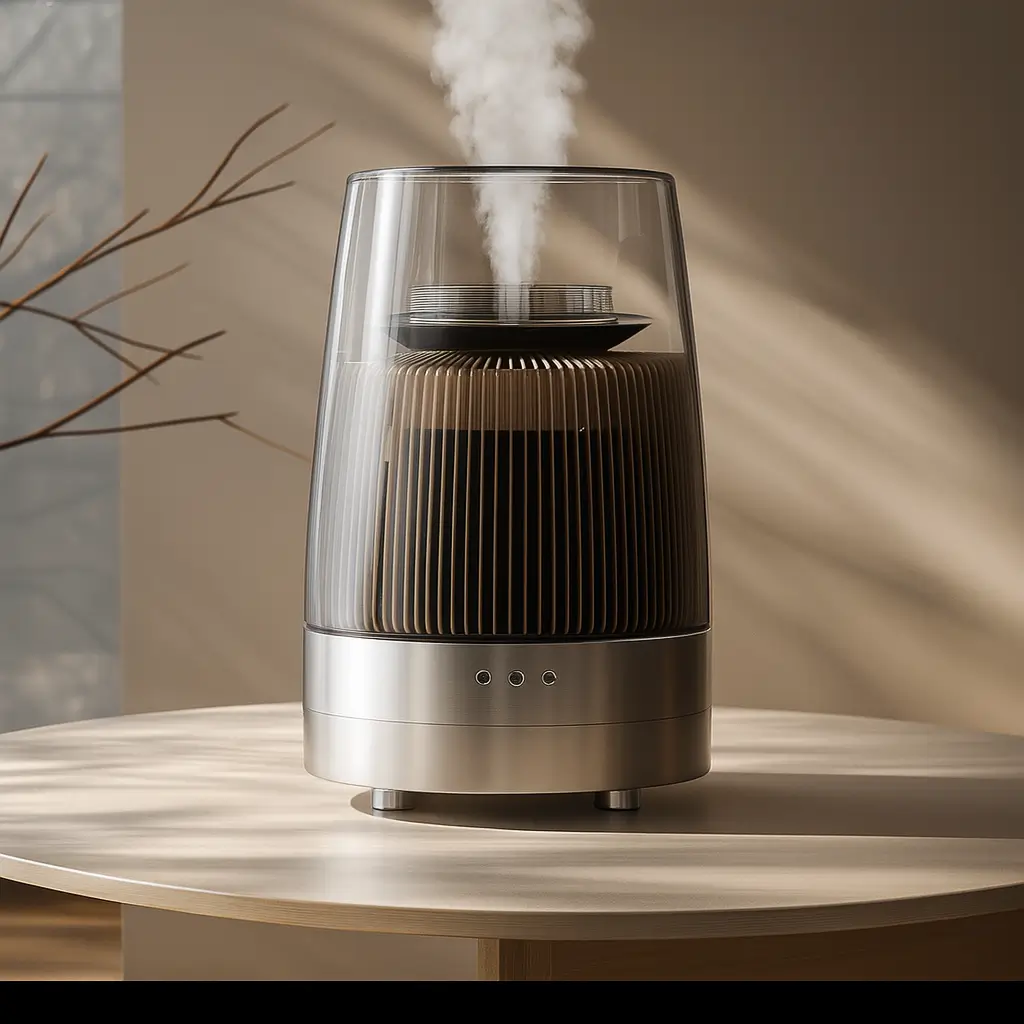
stainless humidifier 15
インターテック
ISO 16890 エアフィルター試験および分類 認証ロゴ
ISO9001認証品質マネジメントシステム規格
UL認証ロゴ
公衆衛生認定委員会(PHAB)ロゴ
エトル
ceロゴ
ROHSロゴ
SGS ISO 9001
FCCロゴ
ロゴ
Ashareロゴ - プロの空気品質ソリューション・プロバイダー

サービス内容

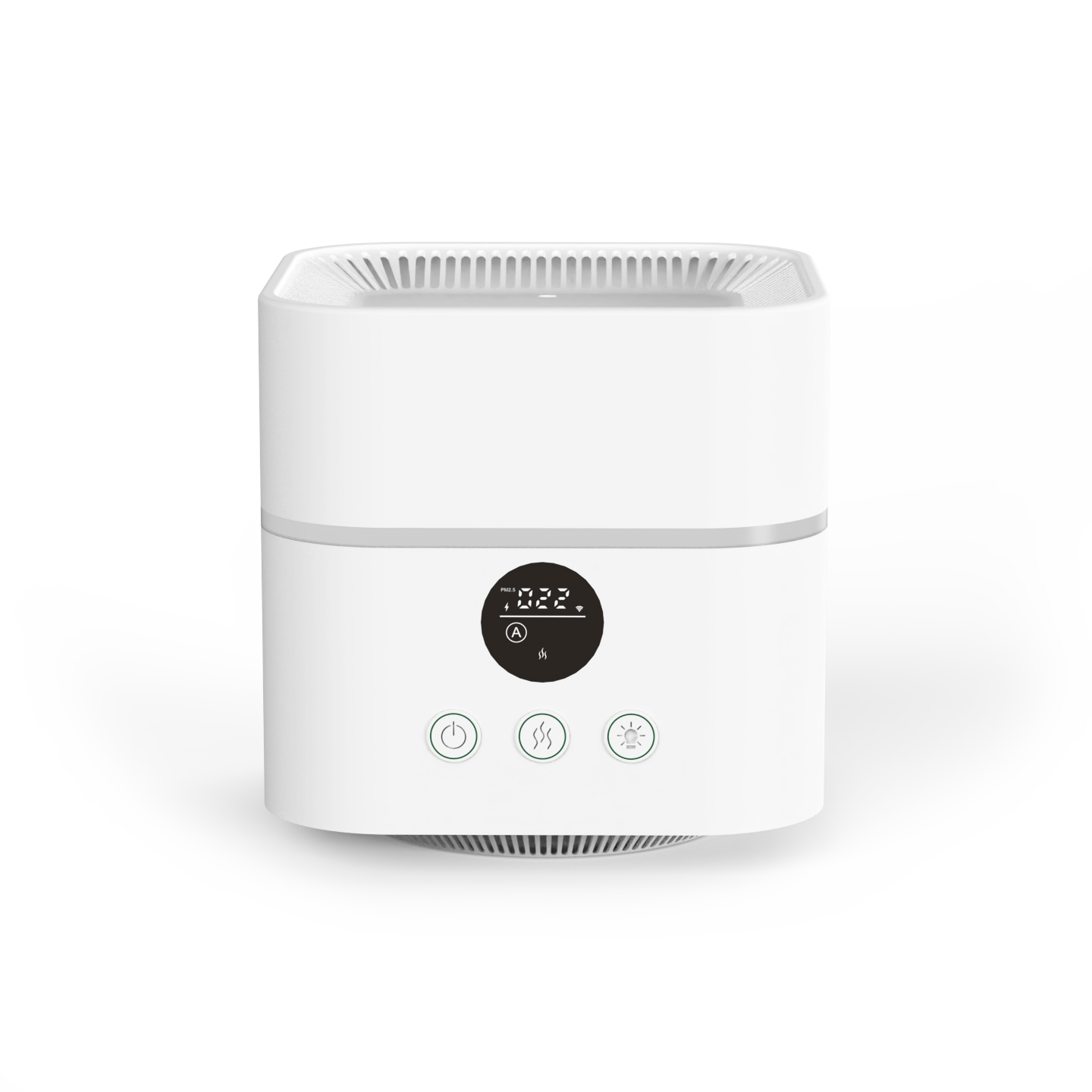
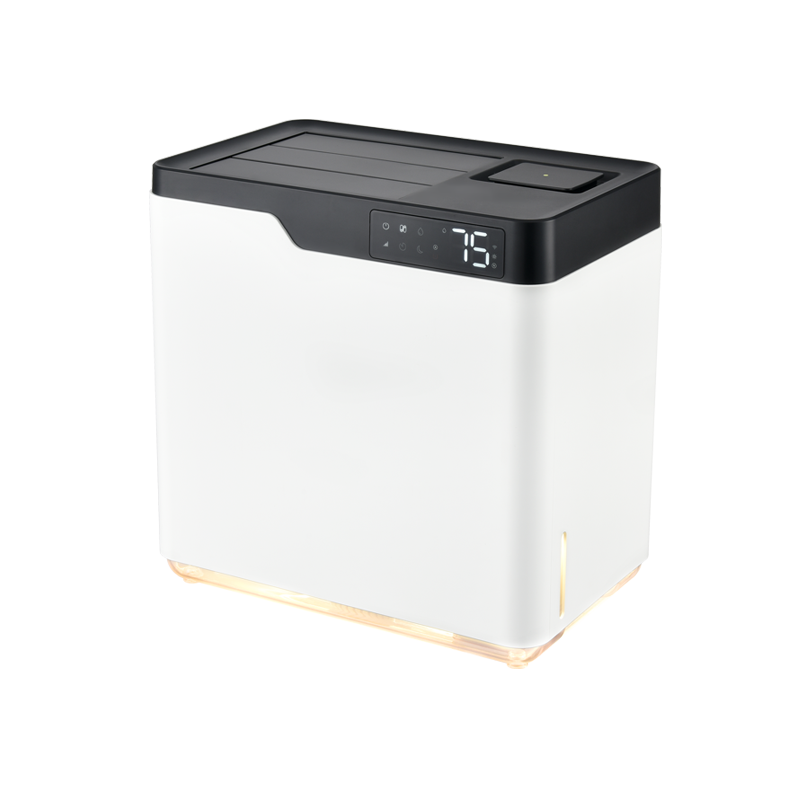
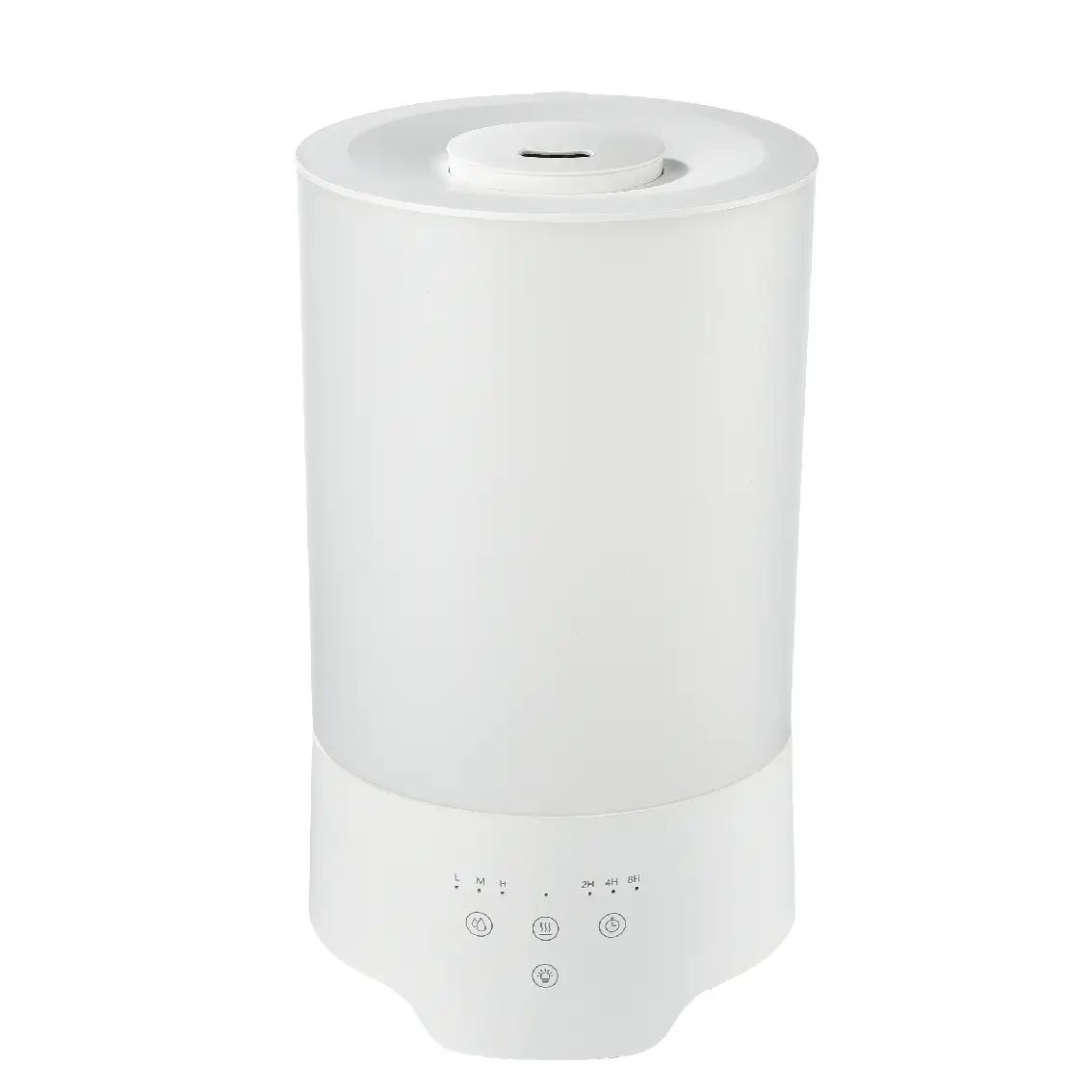
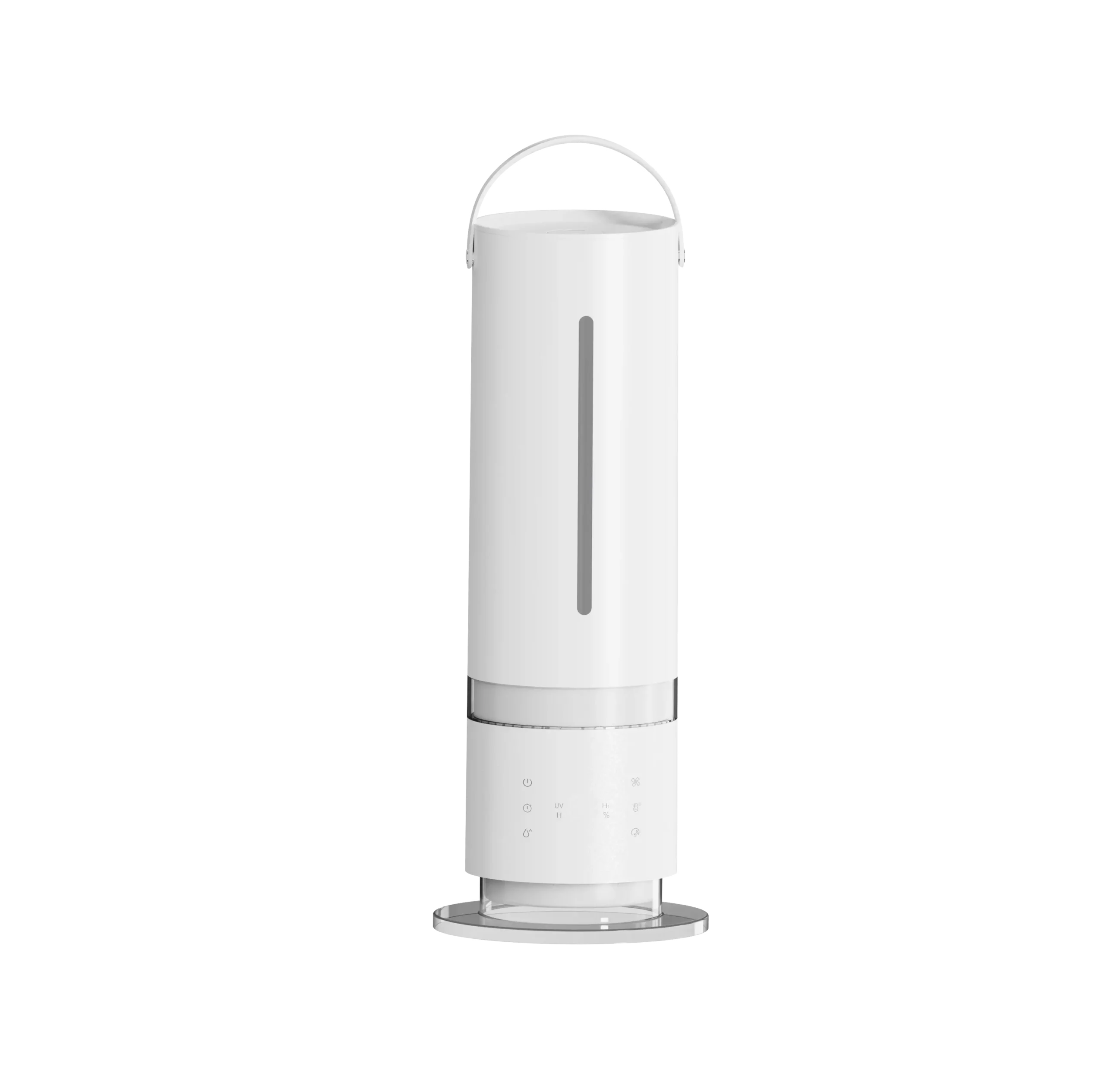
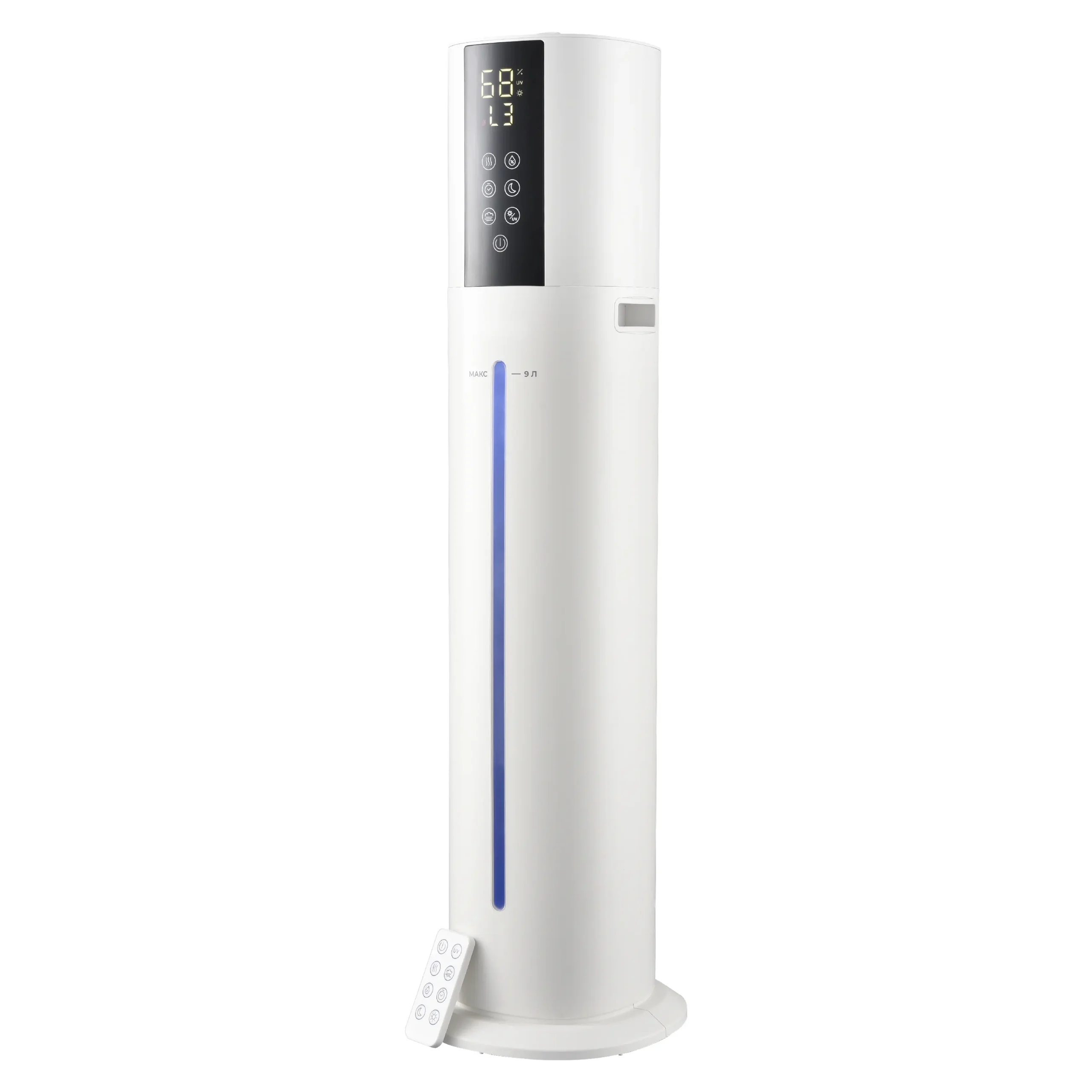
幅広い加湿器タイプ

当社の加湿器は、さまざまなニーズや好みに合わせて設計されており、さまざまな環境や用途に適したさまざまなモデルを提供しています。

私たちがサポートするブランド
赤で描かれた3Mのロゴ。
ボルネード 1
CVS 1
Bissellロゴ - ホームクリーニング・ソリューションのトップブランド
コーウェイのロゴ - 健康とウェルネス・ソリューションのリーダー
ダイソンのロゴ - 空気清浄機と家庭用電化製品の革新
レコルト 1
ハネウェルのロゴ - 空気清浄とろ過ソリューションのリーダー
IQAir ロゴ - スイスのプレミアム空気清浄ソリューション
LGロゴ - スマート家電と空気清浄ソリューションのイノベーター
フィリップスのロゴ - 健康技術と空気清浄ソリューションのリーダー
ピュア・エンリッチメントのロゴ - 家庭用ウェルネスと空気清浄の信頼のブランド
レボワのロゴ - 家庭用空気清浄機の信頼のブランド
マジックシェフシークロゴ
Blueair ロゴ - プレミアム空気清浄機ブランド
イケア・シークロゴ
比類のないカスタマイズ

あらゆる市場ニーズに対応する加湿器ソリューション

カスタマイズ製造の豊富な経験を生かし、多様な業界の特殊な要件に対応する加湿器を設計しています。

住宅用、商業用から産業用、医療用まで、ミスト出力、湿度制御設定、容量などの機能をお客様独自のニーズに合わせて調整します。

大空間、オフィス、医療環境など、加湿器が必要な場合でも、当社のカスタムソリューションが最適な性能と快適性をお約束します。
専門家に相談する
加湿器スタッフ

20年以上の経験

20年以上の専門知識と200件以上のカスタマイズ加湿器プロジェクト。

2-4週間

20人以上のエンジニアと専門家からなる専門チームが各プロジェクトを監督。

OEM|ODM|JDM

当社の製造経験を活かし、ユーザーから高い支持を得ている独自の加湿器を設計・開発しています。
20年以上の経験

20年以上の専門知識と200件以上のカスタマイズ加湿器プロジェクト。

2-4週間

20人以上のエンジニアと専門家からなる専門チームが各プロジェクトを監督。

OEM|ODM|JDM

当社の製造経験を活かし、ユーザーから高い支持を得ている独自の加湿器を設計・開発しています。
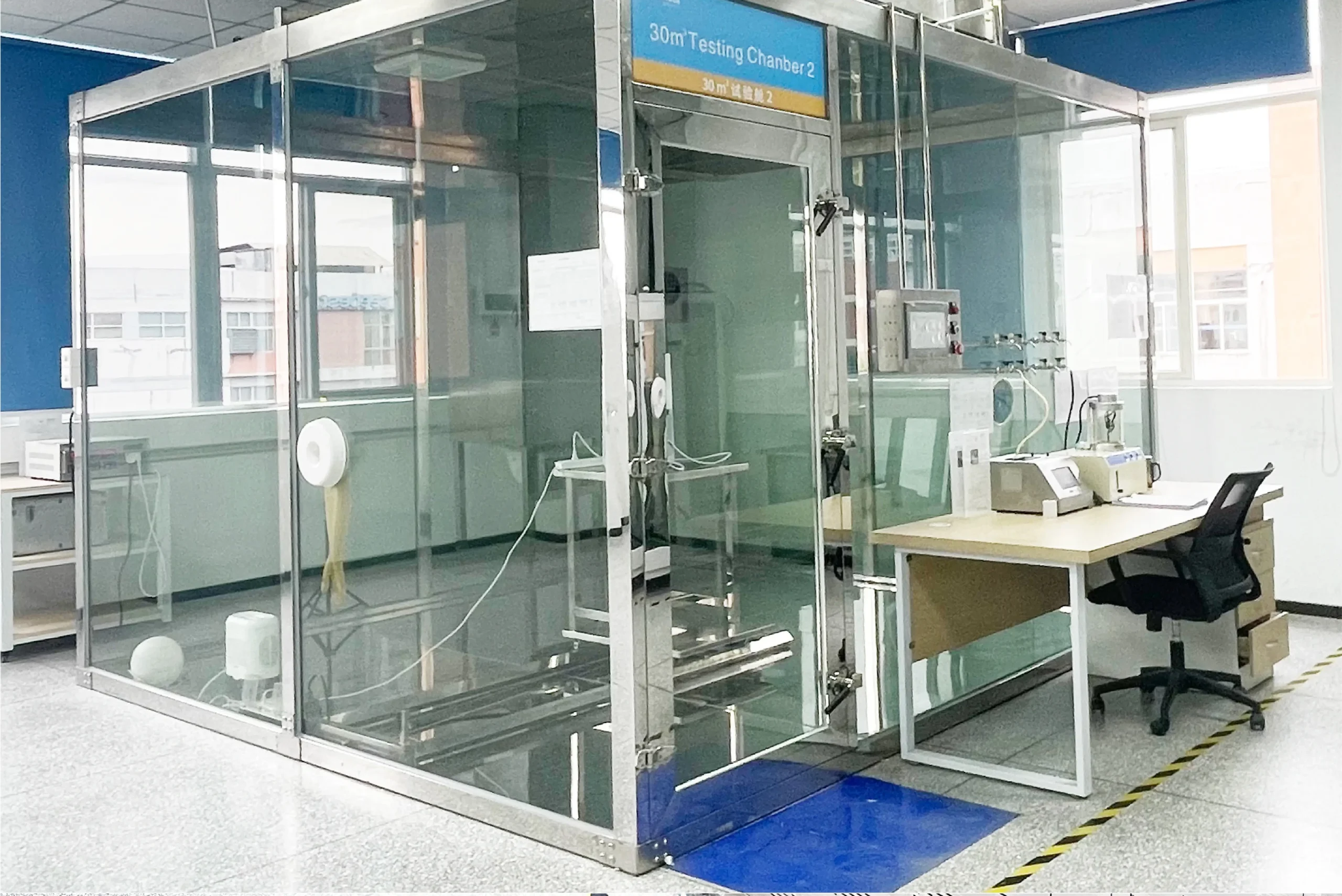
実験キャビン
2年間の耐久性

信頼できる最高品質の加湿器

通常、当社の加湿器は、主要ブランドと同等、またはそれ以上に長持ちします。

また、業界動向、新技術、市場動向に関する洞察も提供し、パートナーが十分な情報に基づいた意思決定を行えるよう支援します。

ご要望に応じて、ミスト出力、容量、湿度制御設定などの加湿器の仕様を調整し、お客様のニーズに合わせて性能と寿命を最適化します。
専門家に相談する
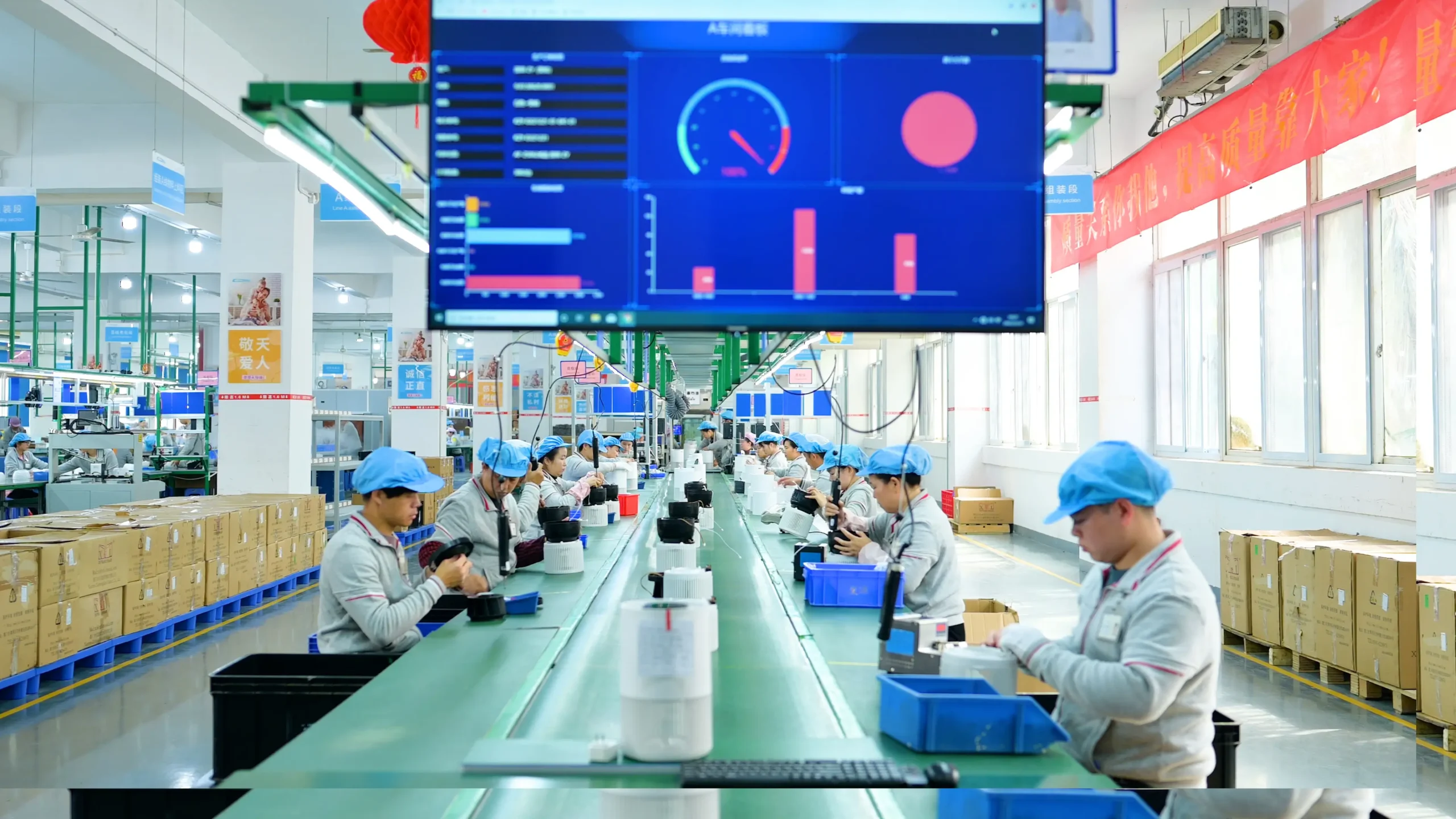
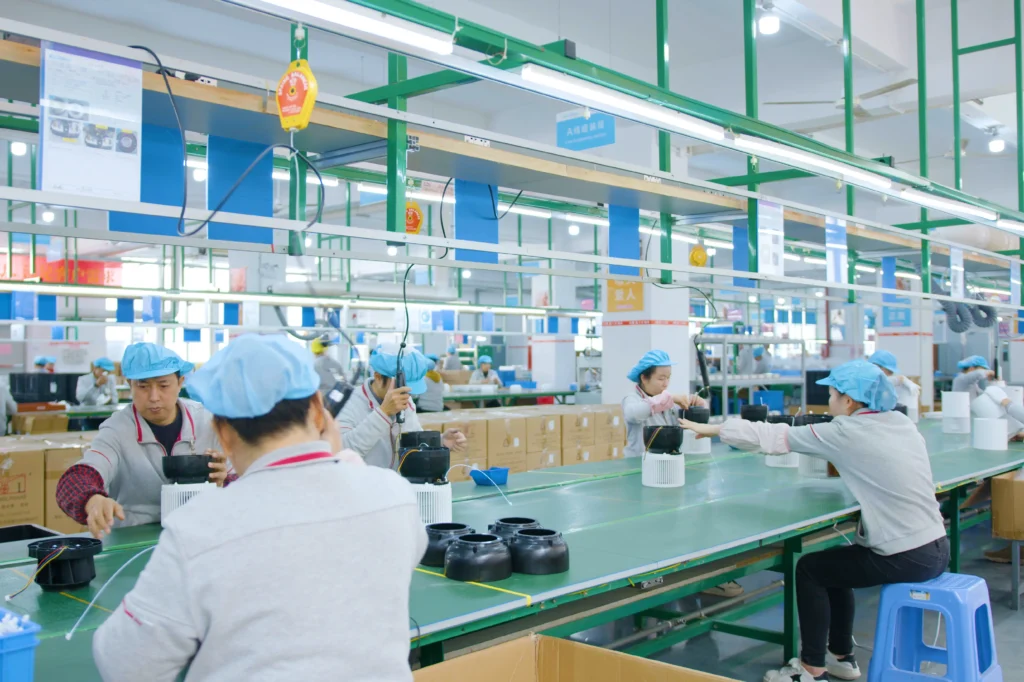
ワークショップ組立ライン

厳格な品質管理

ミスト出力、騒音レベル、耐久性に関する厳格なテストにより、すべての加湿器が卓越した性能を発揮することを保証します。
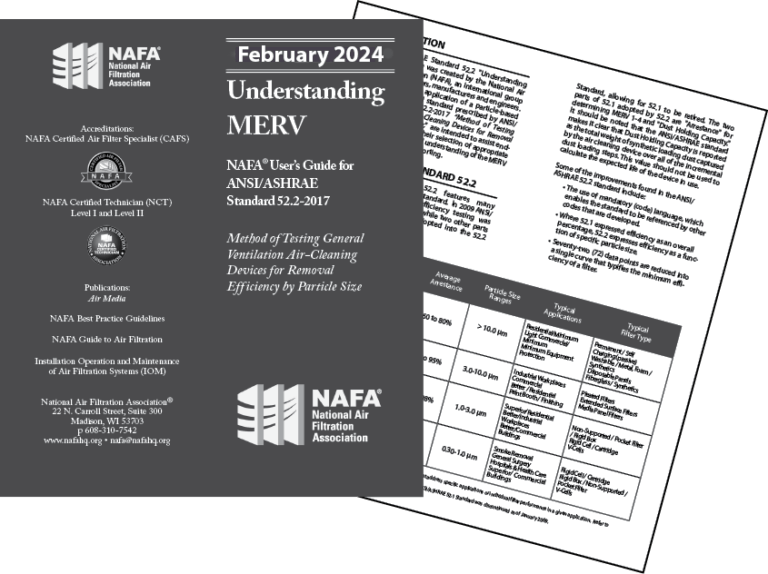
マービーを理解する

業界標準の貢献者

国の加湿器性能基準の策定に貢献し、品質のベンチマークを設定しています。
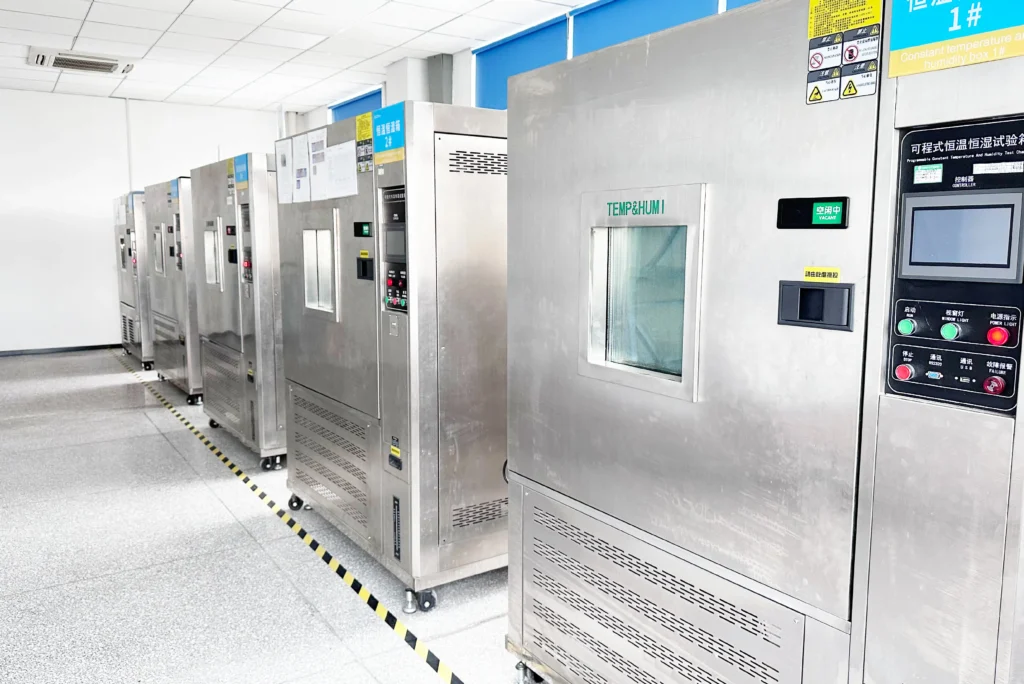
湿度チェンバー

CNAS公認ラボ

CNASの認定を受けた自社試験設備により、すべての加湿器が国内および国際基準を満たしています。

有名グローバルブランドに適応

20年以上の専門知識を持つ当社は、世界で最も有名なブランドのニーズとシームレスに統合する加湿器ソリューションを提供することを専門としています。お客様の市場に合わせた卓越したパフォーマンスを実現するために、私たちとパートナーシップを結んでください。
赤で描かれた3Mのロゴ。
CVS 1
ボルネード 1
レコルト 1
イケア・シークロゴ
ハネウェルのロゴ - 空気清浄とろ過ソリューションのリーダー
LGロゴ - スマート家電と空気清浄ソリューションのイノベーター
フィリップスのロゴ - 健康技術と空気清浄ソリューションのリーダー

当社の加湿ソリューションの専門知識を信頼するグローバルリーダーに加わりませんか?

あなたのお問い合わせは私たちにとって重要です。また、お客様の情報は常に安全に保管されますのでご安心ください。
医療施設のマネージャーとして、快適で健康的な環境を維持することは私の最優先事項です。HisoAir加湿器を使い始めてから、その違いは顕著です。患者もスタッフも、施設全体の乾燥が減り、空気の質が向上したことに気づいています。どのような専門的な環境にも、私はヒソエアを強くお勧めします。

TMS 1
ジョン・スミス
ヘルスケアー・プラス米国、施設マネージャー
Contaminant Engineering•3 min read

PFAS Water Filtration Technologies Explained: Carbon, Resin & RO

Key Takeaway:

PFAS reduction depends on the specific compounds present, treatment media, contact time, water chemistry, and system design. Activated carbon, ion exchange, and Reverse Osmosis address PFAS through different mechanisms.

PFAS are a large family of persistent fluorinated compounds that can occur in drinking-water supplies. Their treatment behavior varies significantly by molecular structure, chain length, functional group, concentration, and the chemistry of the source water.

Granular Activated Carbon (GAC) removes PFAS primarily through adsorption. It is generally more effective for many longer-chain PFAS, while shorter-chain compounds tend to break through more quickly. Carbon performance depends on media properties, Empty Bed Contact Time (EBCT), competing organic matter, loading, and replacement frequency.

Ion-exchange resins use charged functional sites to capture many PFAS compounds. Properly selected anion-exchange media can provide high capacity and may perform better than conventional activated carbon for some shorter-chain PFAS, although performance still depends on water chemistry and competing ions.

Reverse Osmosis (RO) uses membrane separation rather than adsorption. Properly designed RO systems can provide broad reduction across many PFAS compounds as well as dissolved salts and other contaminants. Unlike carbon or resin, however, RO also produces a concentrate stream that must be managed.

No single technology should be selected from a PFAS label alone. System design should consider which PFAS compounds are present, their concentrations, required reduction targets, flow rate, media life, and the applicable third-party certification or validation requirements.

HisoAir Water Technical Series
Product Discovery•3 min read

How to Choose an Under-Sink Water Purifier for Modern Kitchens

Key Takeaway:

Match the treatment technology to your water quality first, then evaluate cabinet space, faucet configuration, flow rate, drain and power requirements, and filter replacement needs.

Choosing an under-sink water purifier starts with water chemistry. Carbon filtration is well suited to chlorine, taste, odor, and many organic contaminants, while Reverse Osmosis is more appropriate when dissolved salts, fluoride, nitrates, or broader dissolved contaminants need to be reduced.

For compact kitchens, tankless RO systems eliminate the conventional storage tank and can significantly reduce the space required under the sink. However, membrane capacity stated in GPD does not directly equal faucet flow. When comparing systems, check the actual dispensing flow rate, inlet-pressure requirement, recovery ratio, and whether a booster pump is required.

Installation architecture also matters. Many RO systems require a drain connection, electrical power, and either a dedicated drinking-water faucet or a compatible multi-function faucet. High-flow carbon systems can often connect directly to the existing cold-water line with a simpler installation, but pressure drop and available faucet flow should still be verified.

RO also removes much of the naturally occurring dissolved mineral content. Where taste or mineral balance is a priority, a post-RO remineralization stage can be added. Filter life should be evaluated by both rated capacity and local water quality rather than replacement time alone.

The right system is therefore not simply the smallest or highest-GPD model. It is the configuration that matches the target contaminants, available cabinet space, desired faucet setup, peak dispensing demand, and maintenance expectations.

HisoAir Water Technical Series
Water Quality•2 min read

What Does TDS Mean in Drinking Water? Measurement vs Contaminant Reality

Key Takeaway:

A TDS meter estimates the overall concentration of dissolved ionic substances from electrical conductivity. It cannot identify specific contaminants or determine whether water is chemically safe.

Total Dissolved Solids (TDS) refers to the combined concentration of dissolved substances in water. Most handheld TDS meters do not measure TDS directly. Instead, they measure electrical conductivity (EC) and convert that reading into an estimated parts-per-million (ppm) value.

This means a TDS reading can indicate how much dissolved ionic material is present, but not what that material actually is. Calcium, magnesium, sodium, nitrates, and other dissolved ions can all contribute to conductivity, yet a simple TDS meter cannot distinguish between them.

TDS meters are also not suitable for detecting trace contaminants such as PFAS, many VOCs, pesticides, pharmaceuticals, or disinfection byproducts. These substances may be present at concentrations far below the level needed to noticeably change electrical conductivity.

A low TDS reading therefore does not guarantee safe drinking water, and a higher TDS reading does not automatically indicate contamination. Water-treatment decisions should be based on laboratory testing for specific contaminants of concern rather than TDS alone.

HisoAir Water Technical Series
Technology Selection•2 min read

RO vs UF Water Filtration: Understanding Pore Sizes & Dissolved Minerals

Key Takeaway:

Ultrafiltration can reduce bacteria, turbidity, and suspended particles while retaining most naturally occurring dissolved minerals. Reverse Osmosis provides much broader reduction of dissolved salts and smaller contaminants.

Ultrafiltration (UF) typically uses hollow-fiber membranes with pore sizes in the approximate 0.01–0.1 micron range. These membranes physically retain turbidity, suspended solids, colloids, and many microorganisms while allowing dissolved minerals and salts to remain in the water.

Reverse Osmosis (RO) operates at a much finer separation level. Unlike UF, RO can substantially reduce dissolved ions such as sodium, calcium, fluoride, nitrates, and other contributors to total dissolved solids (TDS). This makes RO more suitable when dissolved-salt reduction is a primary treatment objective.

UF generally requires less system pressure and produces little or no continuous concentrate stream in many point-of-use configurations. RO typically requires greater pressure and produces a reject-water stream, but delivers broader contaminant reduction.

For water with acceptable TDS and mineral content, UF can be a simpler mineral-retaining treatment option. Where dissolved salts, fluoride, nitrates, or broader dissolved contaminants are a concern, RO is generally the more appropriate technology.

HisoAir Water Technical Series
Technology Selection•4 min read

Carbon Block vs Reverse Osmosis: Which Fits Your Need?

Key Takeaway:

Choose RO for dissolved inorganic salts and heavy metals; choose Carbon Block for chemical taste/odor, no wastewater, and high line-pressure flow.

Reverse Osmosis (RO) and Carbon Block filtration represent two fundamentally different treatment methods: membrane separation and adsorption. Understanding these differences helps determine which technology is better suited to a specific water-quality requirement.

Reverse Osmosis uses a semi-permeable membrane with pore sizes of approximately 0.0001 microns. It can significantly reduce dissolved inorganic contaminants such as TDS, fluoride, nitrates, and certain heavy metals. Because water must be forced through the membrane, RO systems require sufficient pressure or a booster pump and generate a concentrated wastewater stream.

Carbon Block filtration relies primarily on adsorption through compressed activated carbon, commonly with nominal pore sizes around 0.5–5 microns. It is highly effective for chlorine, chloramines, VOCs, taste, and odor, while allowing substantially higher direct-flow rates without producing wastewater.

From an operating perspective, Carbon Block systems are generally simpler, require less energy, and avoid the water loss associated with RO. RO involves higher system complexity and operating cost, but provides substantially broader reduction of dissolved contaminants that Carbon Block alone cannot address.

HisoAir Water Technical Series

見積依頼