新しいタブで開きます
革新的な空気品質ソリューション
20年以上の専門知識

エアモニター・メーカー 

  • 室内空気品質の信頼できるモニター。
  • 住宅、商業、工業環境に最適。
  • 高度なセンサー技術を搭載し、正確な測定を実現。
  • 正確性、耐久性、手頃な価格でグローバルパートナーから信頼されています。

  • 中国(本社・工場)
  • タイ工場
  • ベトナム工場

お見積もり
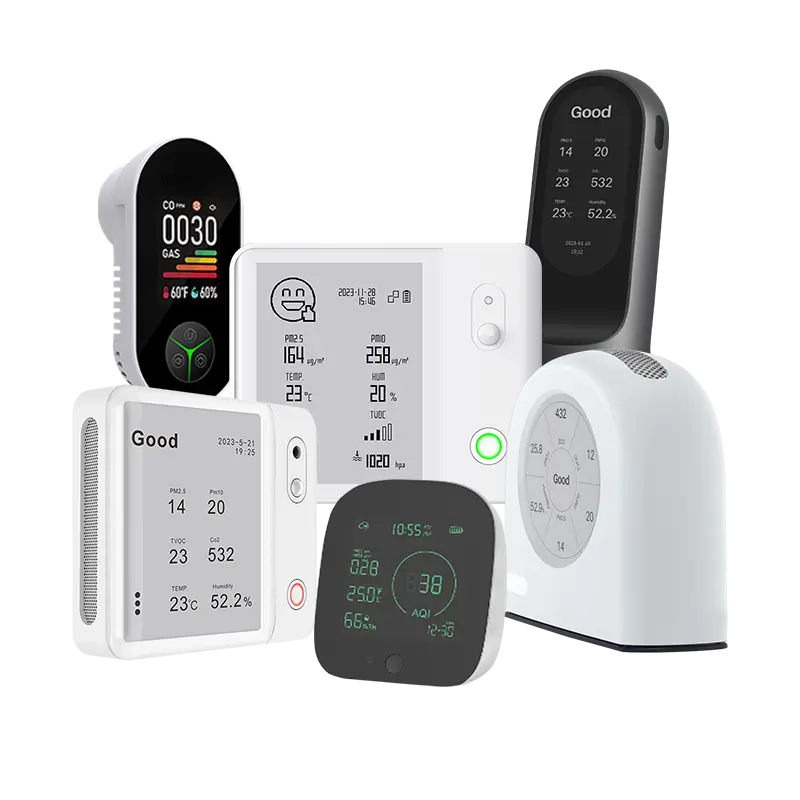
6個エアモニター
EN1822規格認証
ISO 16890 エアフィルター試験および分類 認証ロゴ
ISO9001認証品質マネジメントシステム規格
UL認証ロゴ
公衆衛生認定委員会(PHAB)ロゴ
エトル
ceロゴ
ROHSロゴ
SGS ISO 9001
FCCロゴ
ロゴ
Ashareロゴ - プロの空気品質ソリューション・プロバイダー

包括的なエアモニター・ソリューション

家庭用、業務用、産業用など、あらゆる用途に合わせたフィルターを取り揃えており、空気清浄に関するあらゆるニーズにお応えします。
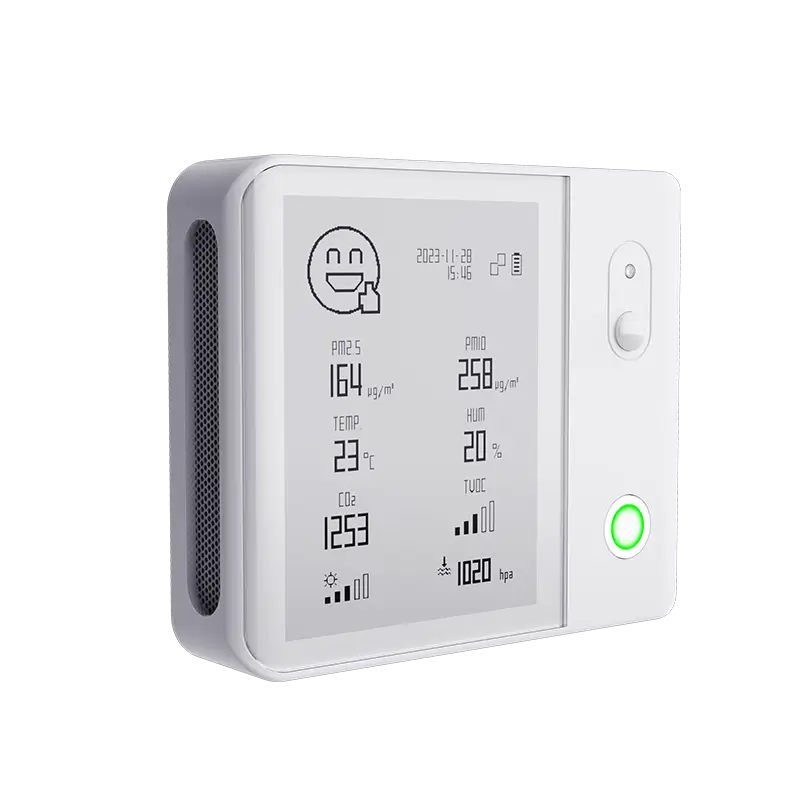
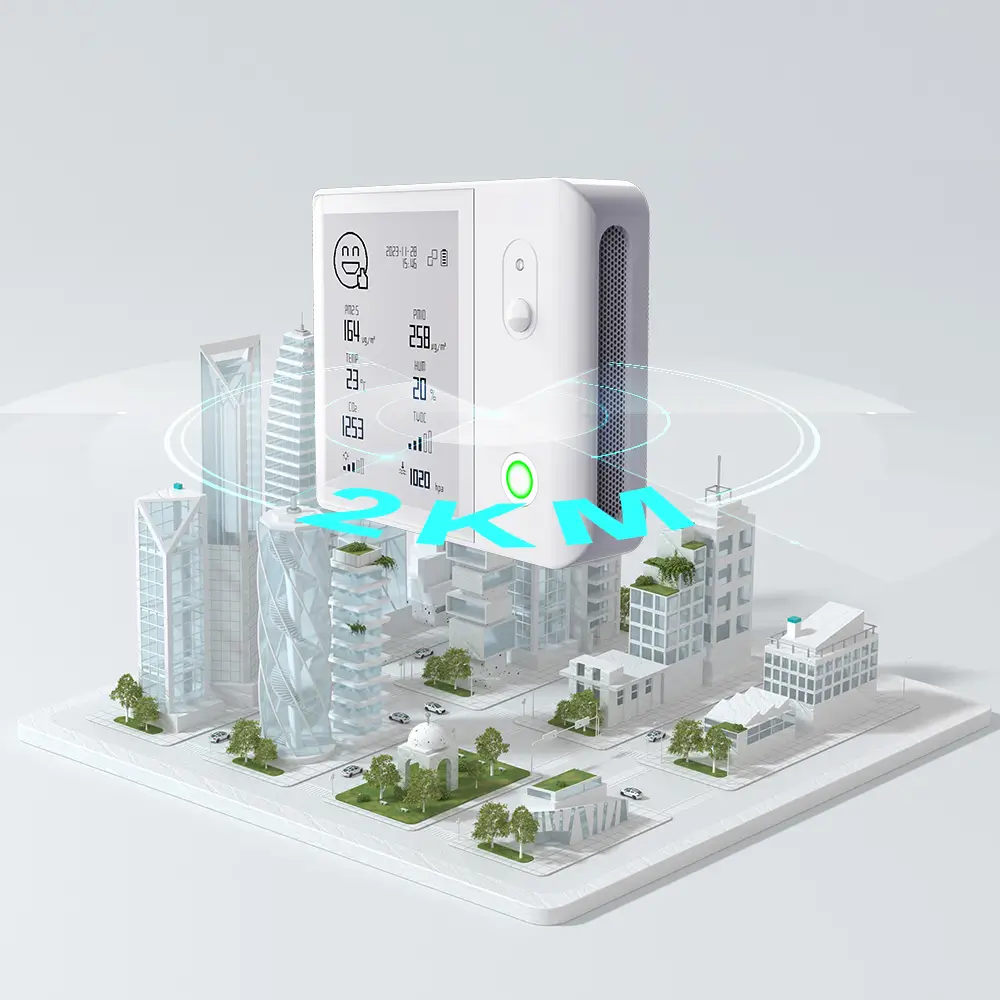
デスクトップ&ウォール HM001 V2
超高性能エアモニター
8-in-1センサーで総合検出。 低消費電力、長距離通信。 クリーンルーム、病院、高度なHVACシステムに最適。
お見積もり
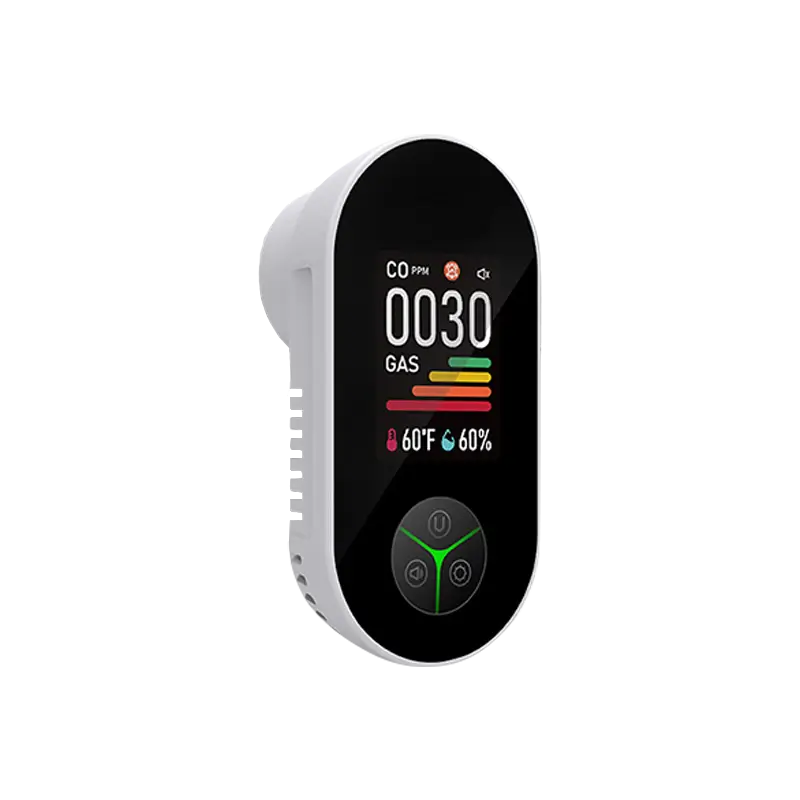
pth 24e
プラグイン一酸化炭素・可燃性ガス検知器
正確な検知で安心・安全。 迅速で便利なプラグイン式デザインで、簡単に設置できます。 住宅用、業務用に最適。
お見積もり
デスクトップ d025
ポータブル大気質モニター
手のひらサイズで持ち運びに便利。 先進のマルチセンサー技術で高精度を実現。 家庭用、業務用、工業用と多目的に使用できる機能を搭載。 家庭、オフィス、クリーンルーム環境でのリアルタイムモニタリングに最適。
お見積もり
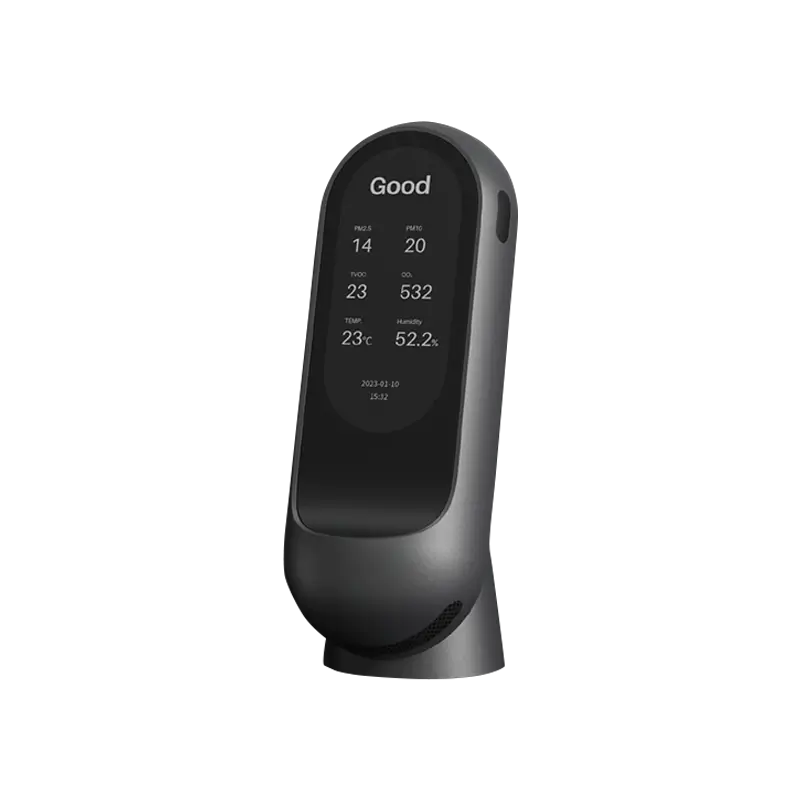
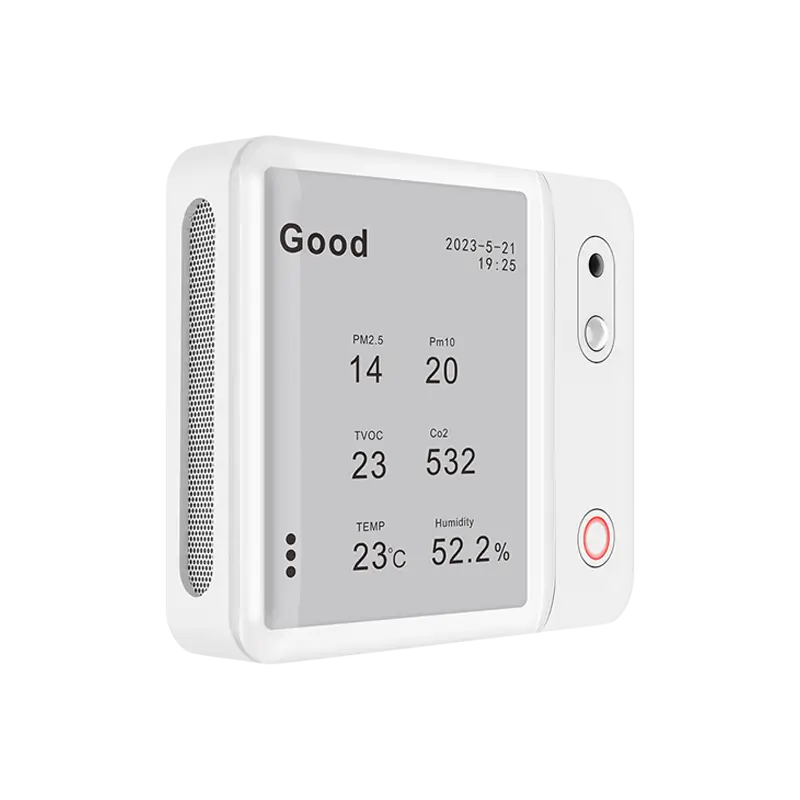
デスクトップD300
Desktop Air Quality Monitor
この洗練されたモダンなモニターは、PM2.5、PM10、CO2、TVOC、温度、湿度をリアルタイムで追跡します。どんな空間にもシームレスに溶け込む便利なデザインで、正確なデータを提供し、家庭、オフィス、クリーンルームの環境をより健康的なものにします。
お見積もり
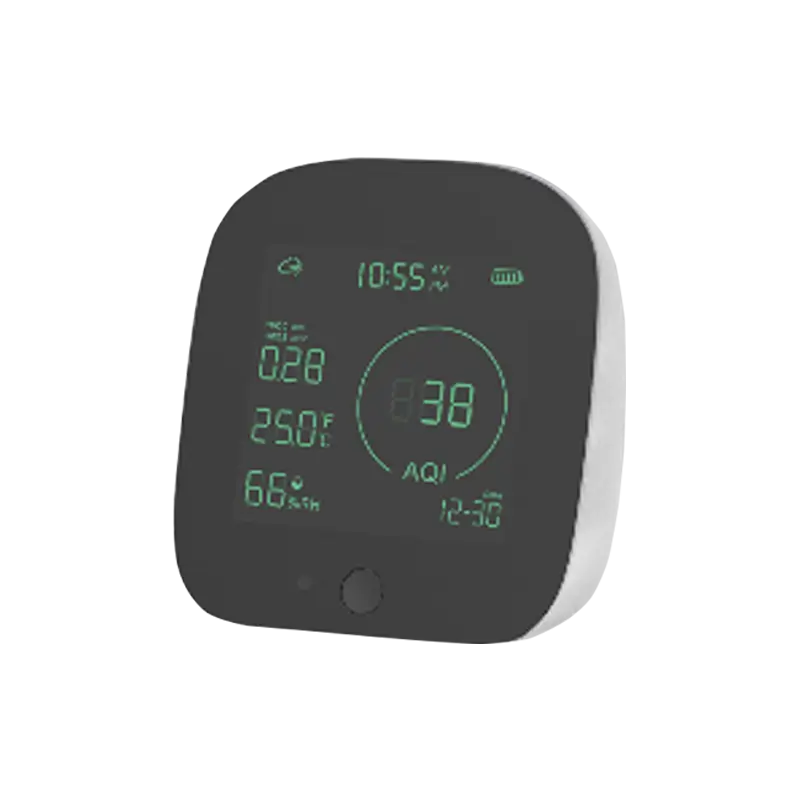
デスクトップ&ウォール dw560
小型大気質モニター
PM2.5、PM10、CO2、温度、湿度などの主要な大気質指標を追跡。 シンプルで使いやすい設計で、コンパクトながら信頼性の高いデータを提供します。 家庭やオフィスの健康的な環境維持に最適です。
お見積もり
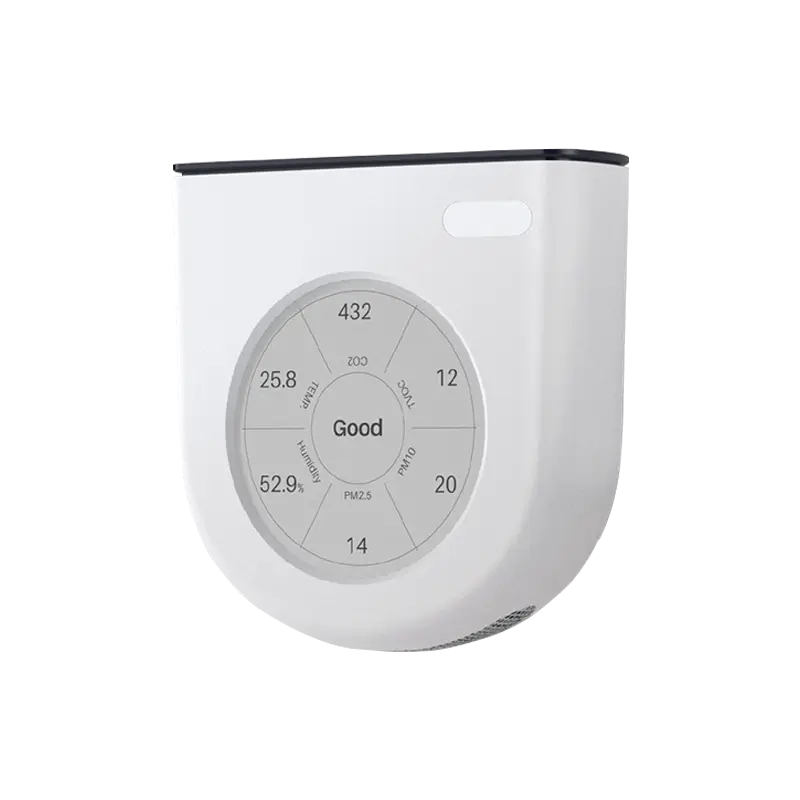
デスクトップ&ウォール HM001 V1
壁掛け式空気品質モニター
Provides multi-sensor technology. Equipped with versatile features for residential, commercial, and industrial use. Ideal for real-time monitoring in homes, offices, and cleanroom environments.
お見積もり

お見積もり依頼

見積依頼

エア・モニター・アプリケーション

家庭、オフィス、学校、研究室、病院、食品加工、電子機器などに最適です。これらのモニターは、リアルタイムの空気品質に関する洞察を提供し、健康的な環境を確保し、繊細な機器を保護し、様々な環境における安全と幸福をサポートします。

家庭環境

健康的な家庭環境を維持するには、アレルゲンや汚染物質から守るために室内の空気質を監視する必要があります。空気の質をリアルタイムで追跡することで、有害な粒子から家族を守り、快適な居住空間を確保することができます。 

  • PM2.5 
  • PM10 
  • CO2 
  • 温度 
  •  湿度
お見積もり
家庭環境
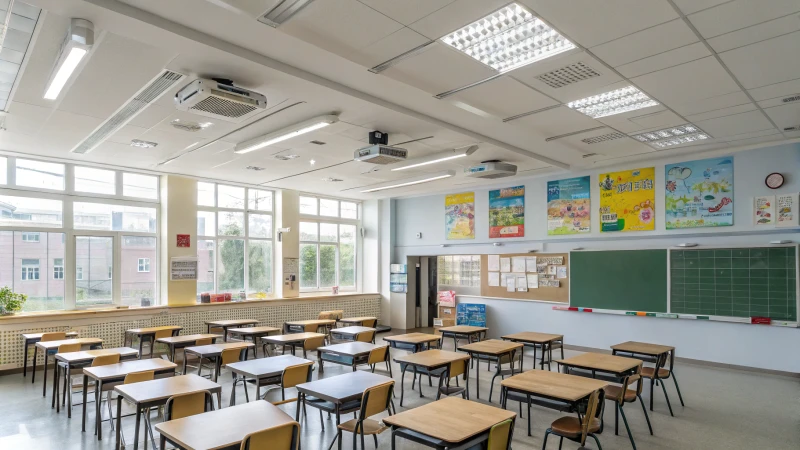
空気清浄機と教育ポスターのある広々としたモダンな教室。

学校の教室

教室内の清浄な空気を確保することは、空気中のアレルゲンや汚染物質から生徒や教師を守るために不可欠です。継続的な空気の質のモニタリングは、健康的な学習環境を作り、集中力と生産性を向上させるのに役立ちます。

  • PM2.5
  • CO2
  • 温度
  • 湿度
お見積もり

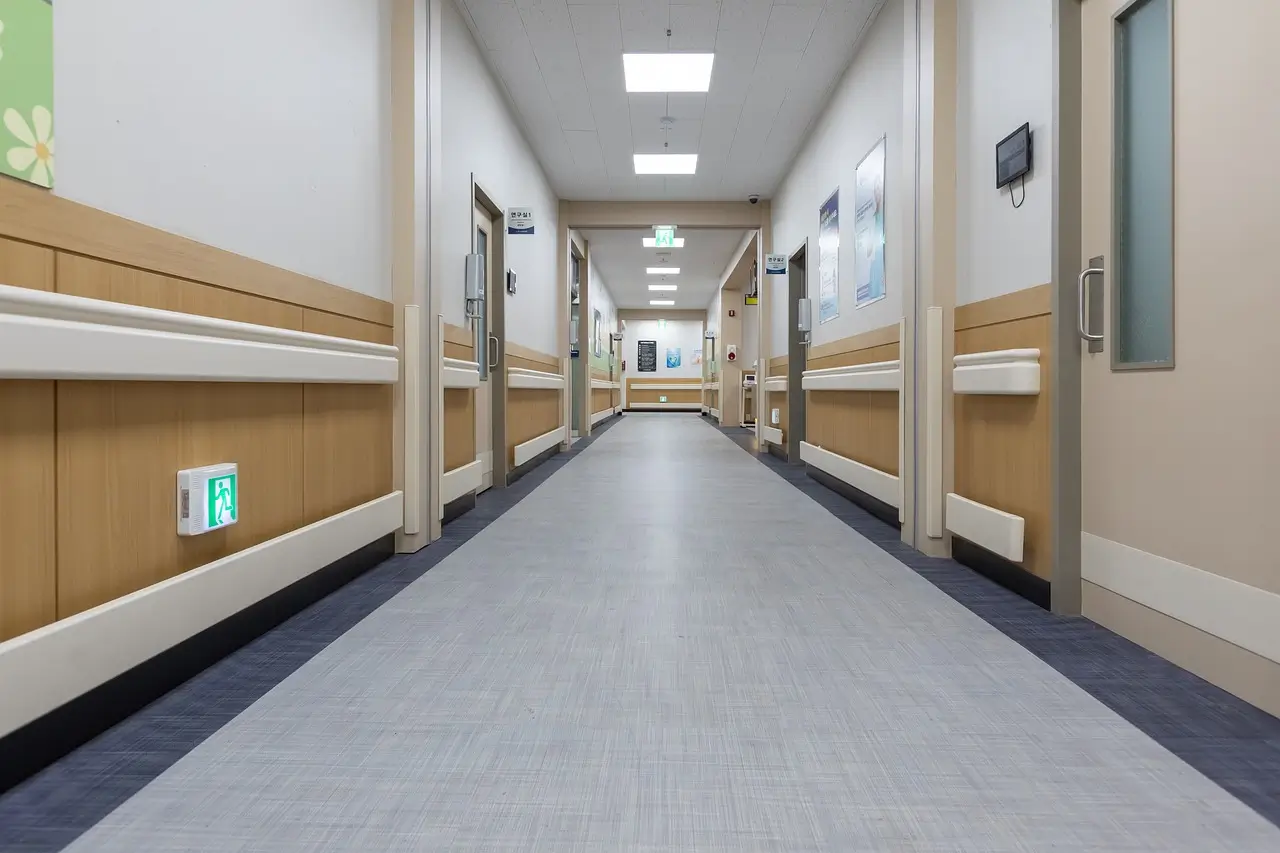
病院とクリニック

病院では、無菌環境を維持し、空気感染から患者を守るために、正確な空気品質のモニタリングが必要です。信頼性の高いエアモニターは、衛生規制の遵守と患者の安全性の向上に役立ちます。

  • PM2.5
  • CO2
  • テレビオク
  • 温度
  • 湿度
お見積もり
病院廊下

オフィススペース

オフィスの空気の質を最適に保つことは、従業員の健康、生産性、快適性を向上させます。モニターは汚染物質を検知し、すべての人にとって清潔で呼吸しやすいワークスペースを維持します。

  • PM2.5
  • CO2
  • 温度
  • 湿度
  • PIR
  • レーダー
お見積もり
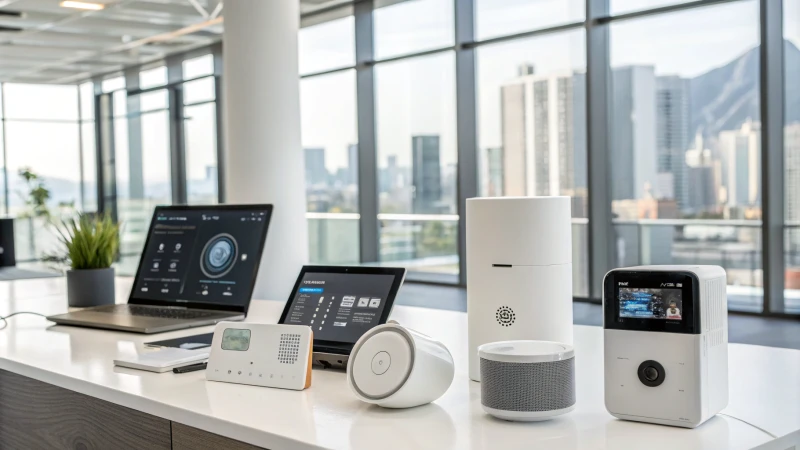
先端技術製品を展示するモダンなオフィス

研究室

高度な技術を備えた私たちの研究所は、厳格な試験と技術革新を通じて、高性能のろ過ソリューションを保証します。
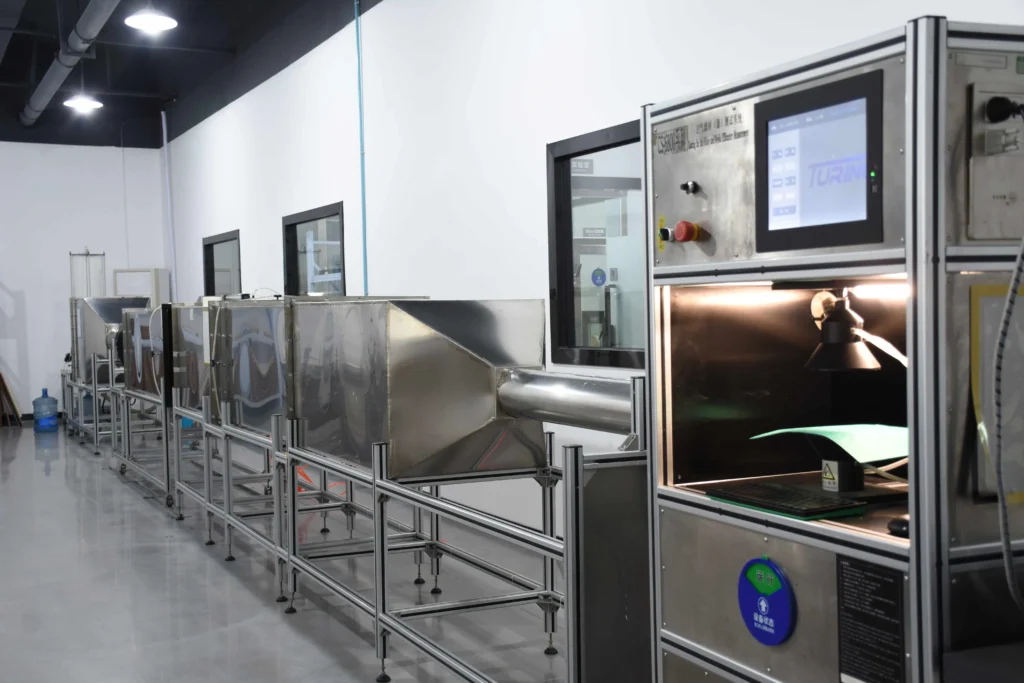
近代的な実験室でのエアフィルター性能試験ライン。

風洞実験室

ろ紙の効率と抵抗試験 ろ紙の効率と抵抗試験
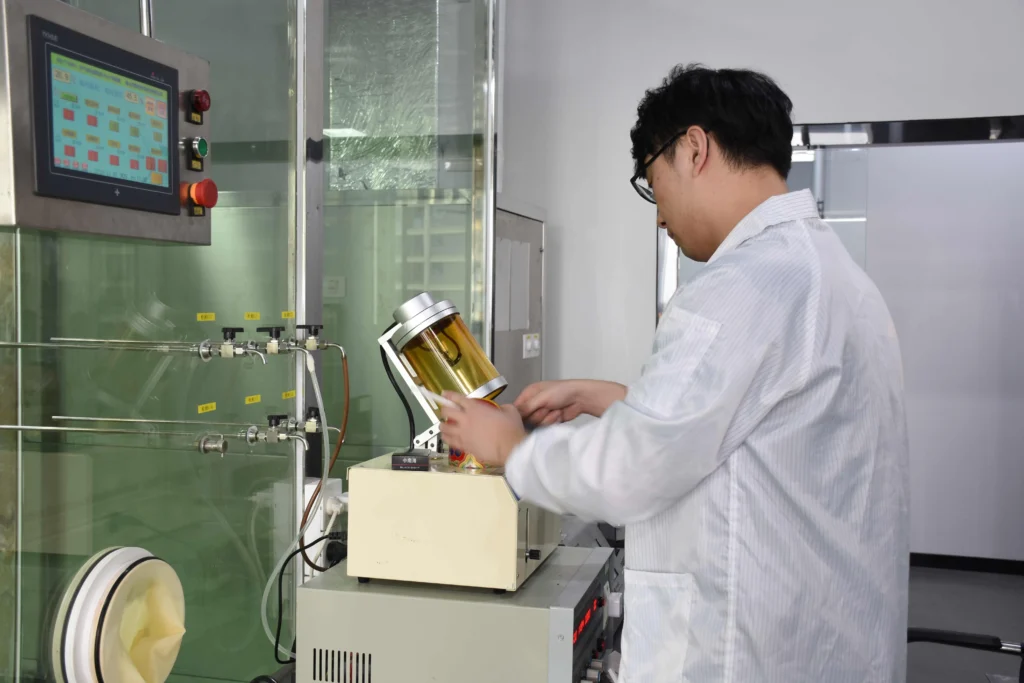
実験室でエアフィルターの品質検査を行う技術者。

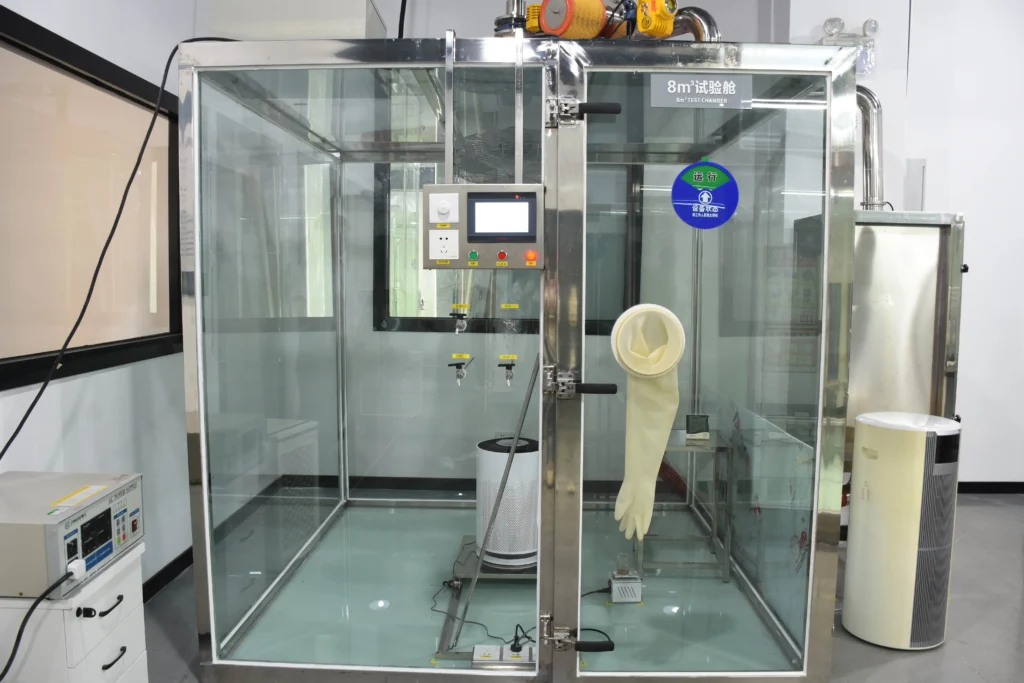
固体研究所

粒子状物質清浄空気排出率(CADR)試験 粒子状物質累積浄化能力(CCM)試験
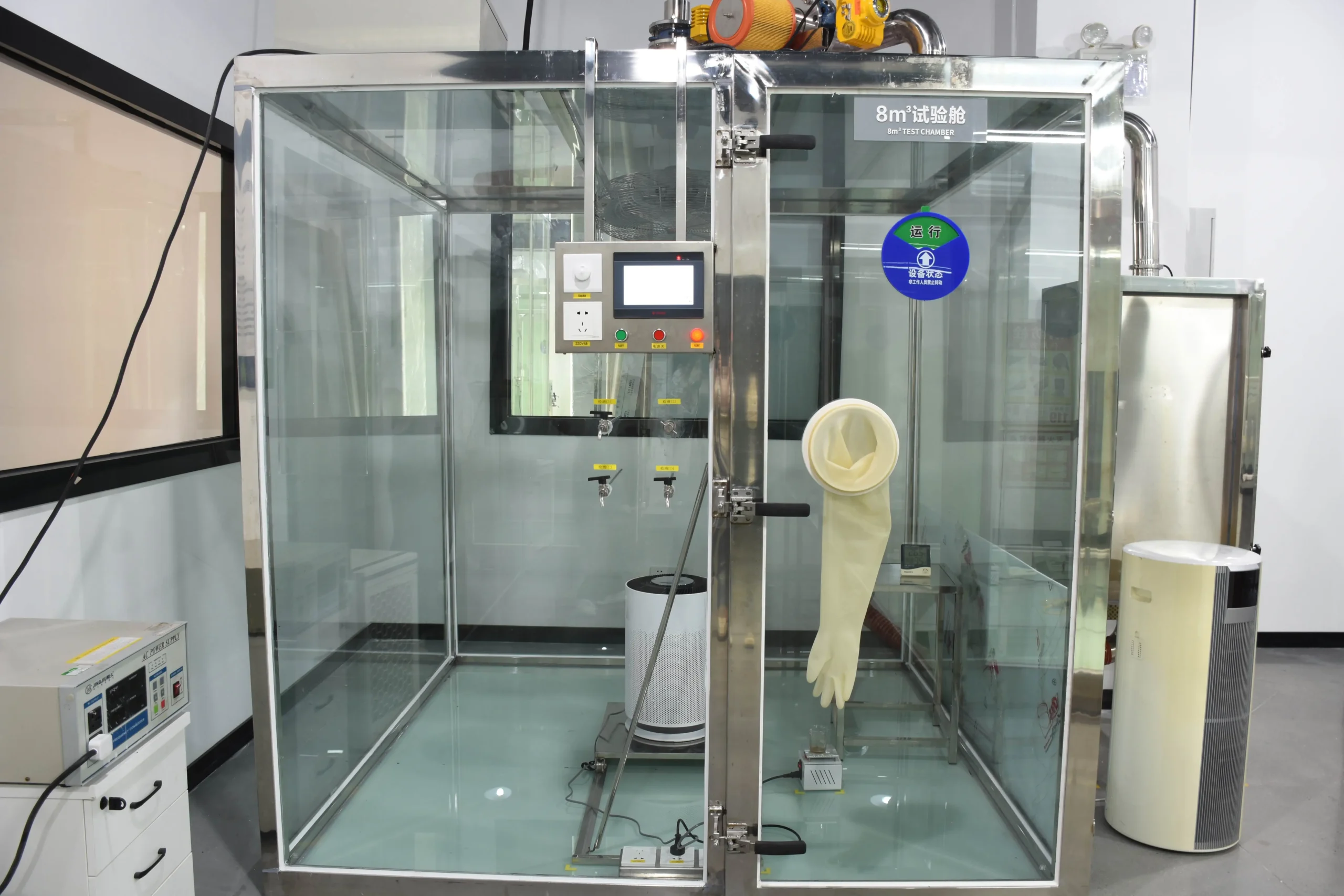
空気清浄機のテストに使用される8m³のテストチャンバー。

気体研究所

トルエン、ホルムアルデヒド、アセトアルデヒド、酢酸、アンモニア、TVOC(総揮発性有機化合物)、トリメチルアミン、メタンチオールなど、さまざまなガス状汚染物質の除去試験。

エアモニターのカスタマイズ

住宅用、商業用、工業用を問わず、お客様独自のニーズに合わせて設計されたオーダーメイドの空気モニタリングソリューションです。センサーの構成からデザインの好みに至るまで、当社のモニターはお客様の環境に適合するように設計され、正確で信頼性の高い性能を提供します。
製品開発コストの段階を示すインフォグラフィックエアモニター HM001 2

販売前相談

私たちは、空気モニタリング装置の具体的なニーズと用途を理解するために、1対1のディスカッション、電子メールでのやり取り、またはオンラインでの問い合わせを通じて、個別のコンサルティングを提供します。

引用

お見積もり段階では、透明性の高い価格設定、詳細なスケジュール、カスタマイズ・オプションを提示し、お客様に十分な情報を提供し、ご納得いただいた上で作業を進めます。

サンプリング

最終的なデザインをもとにプロトタイプを製作し、性能、外観、機能性を評価していただきます。本格的な生産に入る前にフィードバックを収集し、最適なカスタマイズを行います。

プロダクション

エアモニターは、精度、信頼性、規格への準拠を保証するために、各段階で厳格な品質管理プロトコルを用いて、最終的な仕様に従って製造されます。タイムラインは、効率的な生産のために綿密に管理されています。

配送

製品は安全に梱包され、最適化されたロジスティクスによって出荷されるため、お客様のもとへタイムリーにお届けすることができます。すべての工程がエアモニターの生産特性に合わせて調整され、安全で信頼性の高い配送を保証します。

専門家に相談する

さまざまなカスタム・オプション

私たちのワークフローを体験してください。
msdモニター

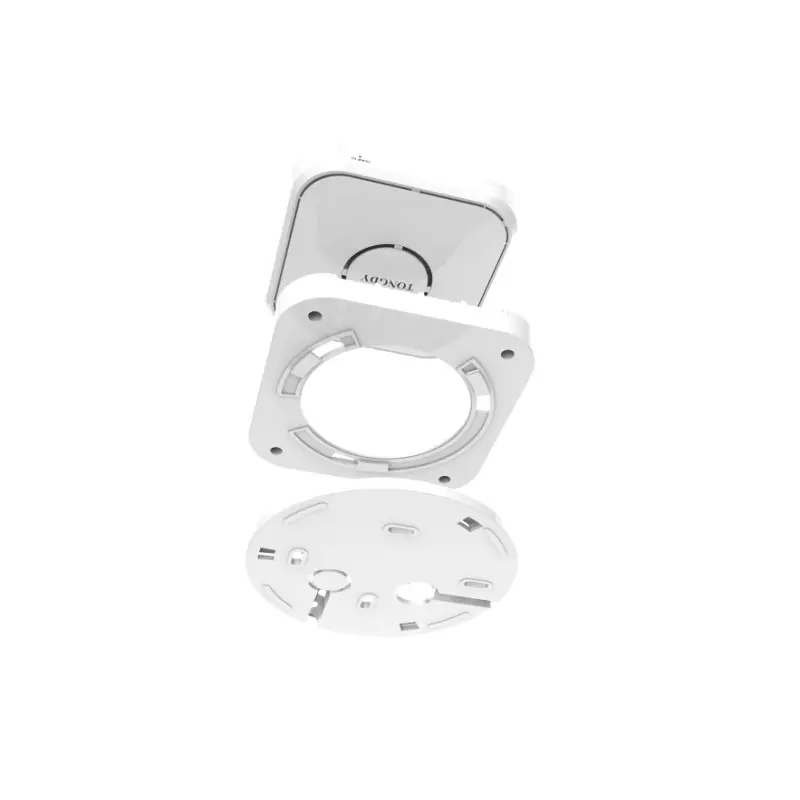
外観

エアモニターの寸法、色、形状をお客様のプロジェクト目標に合わせて変更することができます。また、専門コンサルタントが、お客様の仕様に基づき、どのモニターが最適かについて専門的なアドバイスを提供します。
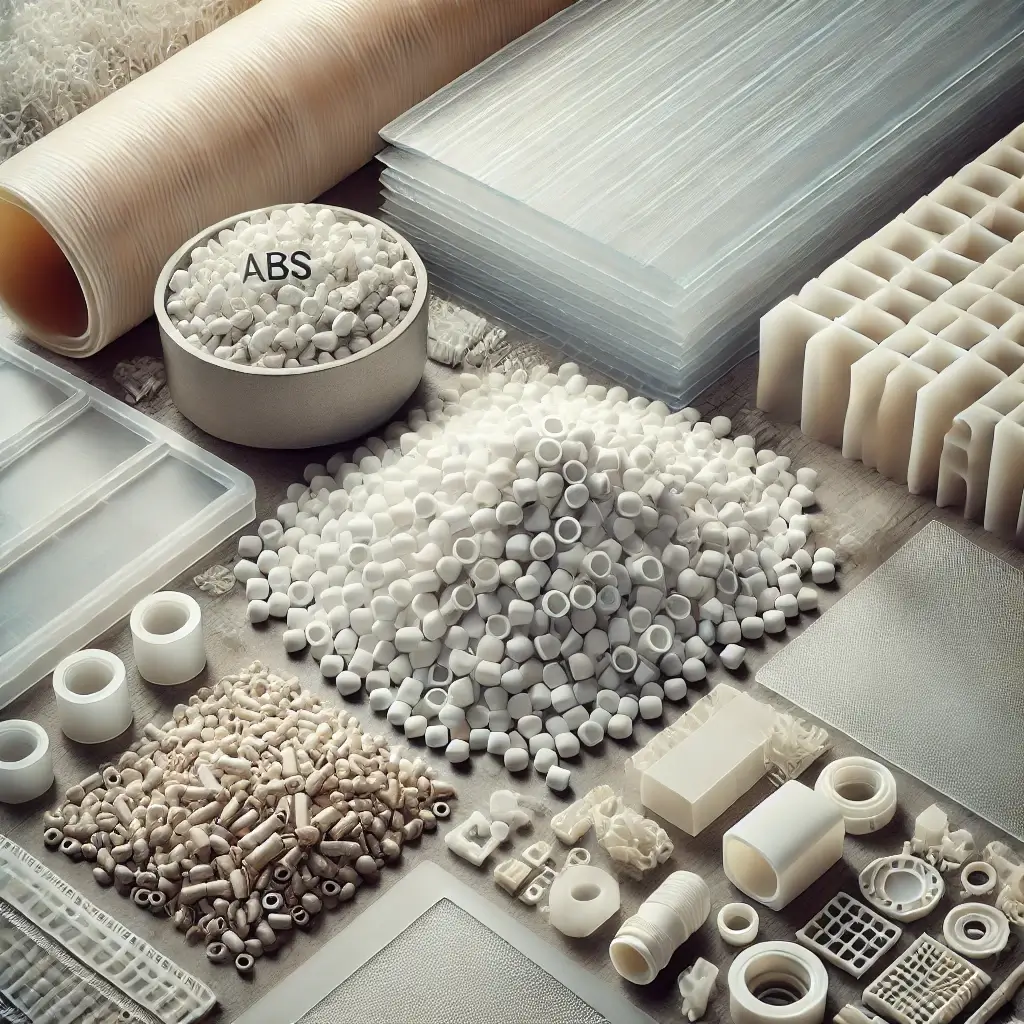
abs および pc プラスチック (1)

材料

シェルにはABSプラスチック、センサー保護にはステンレススチールまたはナイロンメッシュ、ディスプレイスクリーンには強化ガラスを使用し、リサイクル可能またはRoHS指令準拠の部品を使用することで、性能、信頼性、環境の持続可能性を確保している。
モニター機能

機能

は、PM2.5、CO2、VOC、温度、湿度をリアルタイムで追跡し、精密なセンサー、直感的なディスプレイ、スマートアラート、遠隔監視と分析のためのアプリ接続機能を備えています。
空気清浄機のテストに使用される8m³のテストチャンバー。

テスト

各空気品質モニターは、センサーの較正、環境シミュレーション、耐久性チェックなどの厳しいテストを受けており、精度、信頼性、長期性能を保証している。
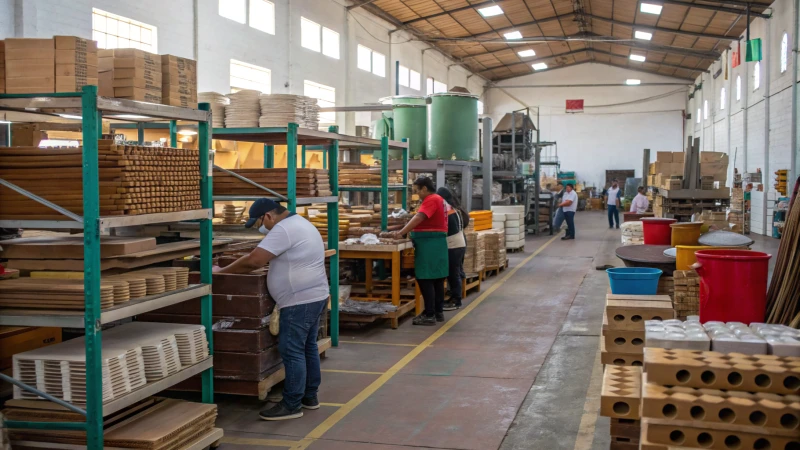
メキシコの製造工場で働く労働者たち

製造

製造工程は厳格な品質基準に従い、高度な製造技術、精密な組み立て、徹底した検査を取り入れ、信頼性の高い高性能な空気品質モニターをお届けしています。
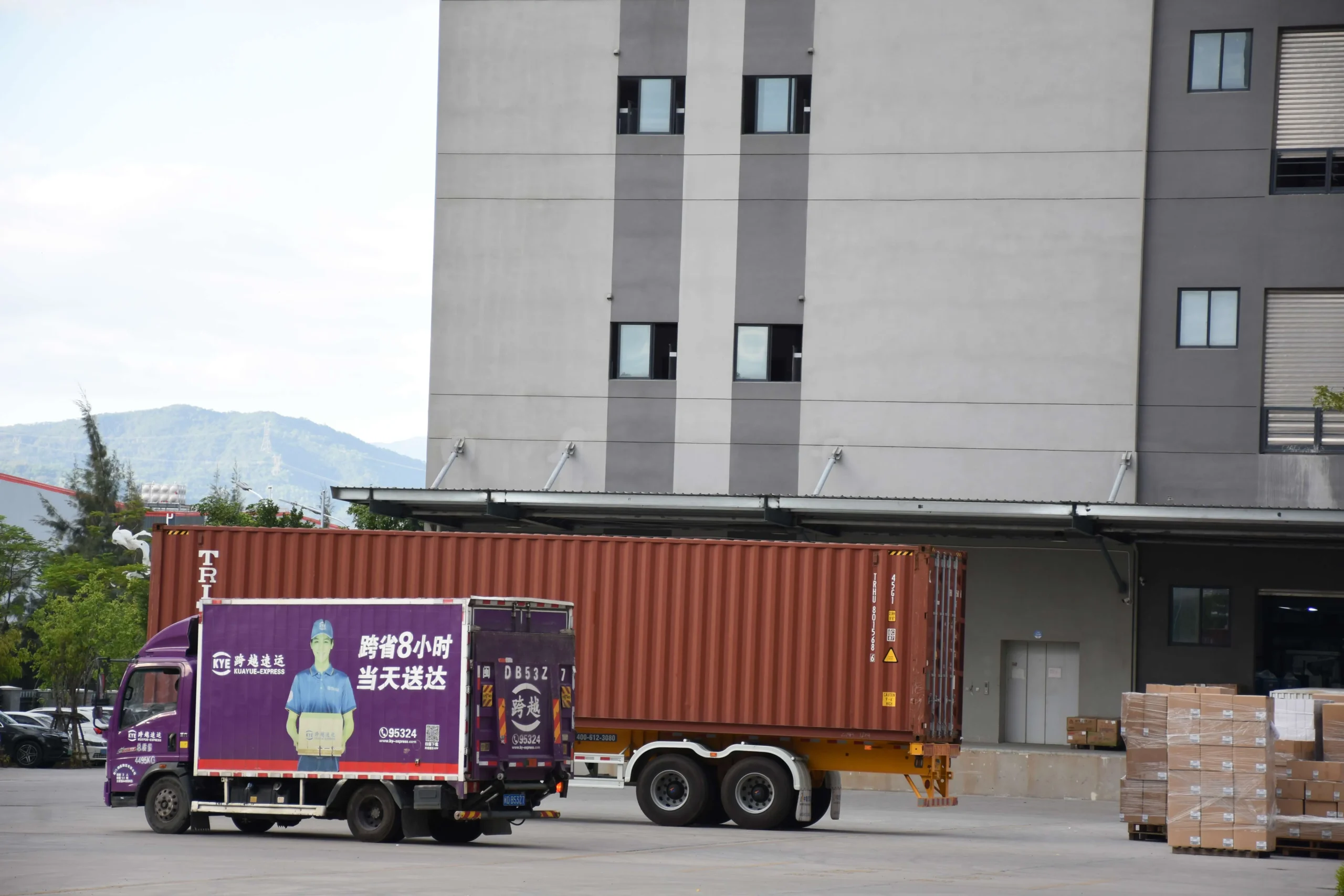
倉庫の搬入口に置かれたトラックと輸送用コンテナ。

配送

安全な梱包、信頼性の高いロジスティクス、納期厳守で、シームレスな体験を提供し、エアモニターが完璧な状態で到着し、すぐに使用できることを保証します。

世界のフォーチュン500社から信頼

20年以上の経験を持つ当社は、世界で最も有名なブランドの優先的パートナーとなっています。お客様の市場に合わせて、卓越したエアモニター・ソリューションをお届けできるよう、共に取り組んでいきましょう。
赤で描かれた3Mのロゴ。
アレンロゴ - 信頼の空気清浄機
Austin Air Systems ロゴ - 空気ろ過のリーダー
Bissellロゴ - ホームクリーニング・ソリューションのトップブランド
コーウェイのロゴ - 健康とウェルネス・ソリューションのリーダー
ダイソンのロゴ - 空気清浄機と家庭用電化製品の革新
フィルトリート ロゴ - 3Mの空気ろ過ソリューションで信頼されるブランド
ハネウェルのロゴ - 空気清浄とろ過ソリューションのリーダー
IQAir ロゴ - スイスのプレミアム空気清浄ソリューション
LGロゴ - スマート家電と空気清浄ソリューションのイノベーター
フィリップスのロゴ - 健康技術と空気清浄ソリューションのリーダー
ピュア・エンリッチメントのロゴ - 家庭用ウェルネスと空気清浄の信頼のブランド
レボワのロゴ - 家庭用空気清浄機の信頼のブランド
Winixロゴ - 空気清浄技術のリーディング・イノベーター
Blueair ロゴ - プレミアム空気清浄機ブランド
ジャームガーディアンのロゴ - 信頼の空気清浄・ろ過ブランド

当社のエアモニタソリューションの専門知識を信頼するグローバルリーダーの一員になりませんか。

あなたの問い合わせは私たちにとって重要です。お客様の情報は常に安全に保護されています。
このチームとの仕事は素晴らしい経験でした。彼らの空気監視技術は一流で、品質へのこだわりはどのプロジェクトにも表れています。強くお勧めします!
ha 1000 2
ジョン
米国の主要エアモニターブランド

ご質問にお答えします

フィルター製造における20年以上の専門知識により、私たちは数え切れないほどのお客様の悩みにお応えしてきました。ここでは、お客様が十分な情報を得た上で決断できるよう、最も一般的な質問にお答えします。

オフィス、学校、病院、工場など、さまざまな業界のニーズに合わせて、センサーの構成、デザイン、接続性をカスタマイズすることができます。

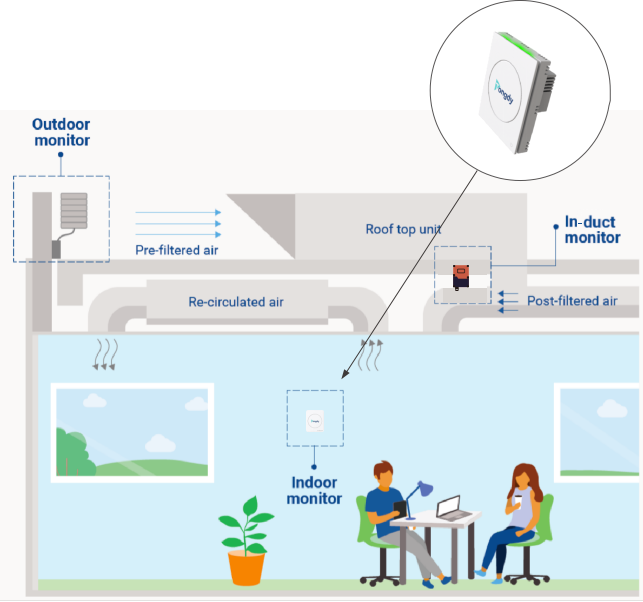
はい、当社のエアモニターは、HVACやビル管理システムとシームレスに統合し、空気品質管理を最適化し、換気プロセスを自動化することができます。

はい、当社のエアモニターはリモートアクセスとクラウド統合機能を備えており、企業は複数の場所からリアルタイムで大気質データを監視・分析できます。

当社のエアモニターには、プラグイン、充電式バッテリー、PoE(Power over Ethernet)オプションなど、さまざまなビジネス環境に適した柔軟な電源オプションが用意されています。

はい、当社のエアモニターは簡単に設置できるように設計されており、お客様のビジネスニーズに応じて、壁掛け、デスクトップ、一体型などのオプションをご用意しています。

当社のエアモニターは、Wi-Fi、Bluetooth、イーサネット、さらには携帯電話接続に対応しており、柔軟な統合と遠隔監視が可能です。

当社のエアモニターは、高度なセンサーを使用して設計されており、リアルタイムで高精度の空気品質測定が可能です。校正と適切なメンテナンスにより、長期間にわたって精度を高めることができます。

Contaminant Engineering•3 min read

PFAS Water Filtration Technologies Explained: Carbon, Resin & RO

Key Takeaway:

PFAS reduction depends on the specific compounds present, treatment media, contact time, water chemistry, and system design. Activated carbon, ion exchange, and Reverse Osmosis address PFAS through different mechanisms.

PFAS are a large family of persistent fluorinated compounds that can occur in drinking-water supplies. Their treatment behavior varies significantly by molecular structure, chain length, functional group, concentration, and the chemistry of the source water.

Granular Activated Carbon (GAC) removes PFAS primarily through adsorption. It is generally more effective for many longer-chain PFAS, while shorter-chain compounds tend to break through more quickly. Carbon performance depends on media properties, Empty Bed Contact Time (EBCT), competing organic matter, loading, and replacement frequency.

Ion-exchange resins use charged functional sites to capture many PFAS compounds. Properly selected anion-exchange media can provide high capacity and may perform better than conventional activated carbon for some shorter-chain PFAS, although performance still depends on water chemistry and competing ions.

Reverse Osmosis (RO) uses membrane separation rather than adsorption. Properly designed RO systems can provide broad reduction across many PFAS compounds as well as dissolved salts and other contaminants. Unlike carbon or resin, however, RO also produces a concentrate stream that must be managed.

No single technology should be selected from a PFAS label alone. System design should consider which PFAS compounds are present, their concentrations, required reduction targets, flow rate, media life, and the applicable third-party certification or validation requirements.

HisoAir Water Technical Series
Product Discovery•3 min read

How to Choose an Under-Sink Water Purifier for Modern Kitchens

Key Takeaway:

Match the treatment technology to your water quality first, then evaluate cabinet space, faucet configuration, flow rate, drain and power requirements, and filter replacement needs.

Choosing an under-sink water purifier starts with water chemistry. Carbon filtration is well suited to chlorine, taste, odor, and many organic contaminants, while Reverse Osmosis is more appropriate when dissolved salts, fluoride, nitrates, or broader dissolved contaminants need to be reduced.

For compact kitchens, tankless RO systems eliminate the conventional storage tank and can significantly reduce the space required under the sink. However, membrane capacity stated in GPD does not directly equal faucet flow. When comparing systems, check the actual dispensing flow rate, inlet-pressure requirement, recovery ratio, and whether a booster pump is required.

Installation architecture also matters. Many RO systems require a drain connection, electrical power, and either a dedicated drinking-water faucet or a compatible multi-function faucet. High-flow carbon systems can often connect directly to the existing cold-water line with a simpler installation, but pressure drop and available faucet flow should still be verified.

RO also removes much of the naturally occurring dissolved mineral content. Where taste or mineral balance is a priority, a post-RO remineralization stage can be added. Filter life should be evaluated by both rated capacity and local water quality rather than replacement time alone.

The right system is therefore not simply the smallest or highest-GPD model. It is the configuration that matches the target contaminants, available cabinet space, desired faucet setup, peak dispensing demand, and maintenance expectations.

HisoAir Water Technical Series
Water Quality•2 min read

What Does TDS Mean in Drinking Water? Measurement vs Contaminant Reality

Key Takeaway:

A TDS meter estimates the overall concentration of dissolved ionic substances from electrical conductivity. It cannot identify specific contaminants or determine whether water is chemically safe.

Total Dissolved Solids (TDS) refers to the combined concentration of dissolved substances in water. Most handheld TDS meters do not measure TDS directly. Instead, they measure electrical conductivity (EC) and convert that reading into an estimated parts-per-million (ppm) value.

This means a TDS reading can indicate how much dissolved ionic material is present, but not what that material actually is. Calcium, magnesium, sodium, nitrates, and other dissolved ions can all contribute to conductivity, yet a simple TDS meter cannot distinguish between them.

TDS meters are also not suitable for detecting trace contaminants such as PFAS, many VOCs, pesticides, pharmaceuticals, or disinfection byproducts. These substances may be present at concentrations far below the level needed to noticeably change electrical conductivity.

A low TDS reading therefore does not guarantee safe drinking water, and a higher TDS reading does not automatically indicate contamination. Water-treatment decisions should be based on laboratory testing for specific contaminants of concern rather than TDS alone.

HisoAir Water Technical Series
Technology Selection•2 min read

RO vs UF Water Filtration: Understanding Pore Sizes & Dissolved Minerals

Key Takeaway:

Ultrafiltration can reduce bacteria, turbidity, and suspended particles while retaining most naturally occurring dissolved minerals. Reverse Osmosis provides much broader reduction of dissolved salts and smaller contaminants.

Ultrafiltration (UF) typically uses hollow-fiber membranes with pore sizes in the approximate 0.01–0.1 micron range. These membranes physically retain turbidity, suspended solids, colloids, and many microorganisms while allowing dissolved minerals and salts to remain in the water.

Reverse Osmosis (RO) operates at a much finer separation level. Unlike UF, RO can substantially reduce dissolved ions such as sodium, calcium, fluoride, nitrates, and other contributors to total dissolved solids (TDS). This makes RO more suitable when dissolved-salt reduction is a primary treatment objective.

UF generally requires less system pressure and produces little or no continuous concentrate stream in many point-of-use configurations. RO typically requires greater pressure and produces a reject-water stream, but delivers broader contaminant reduction.

For water with acceptable TDS and mineral content, UF can be a simpler mineral-retaining treatment option. Where dissolved salts, fluoride, nitrates, or broader dissolved contaminants are a concern, RO is generally the more appropriate technology.

HisoAir Water Technical Series
Technology Selection•4 min read

Carbon Block vs Reverse Osmosis: Which Fits Your Need?

Key Takeaway:

Choose RO for dissolved inorganic salts and heavy metals; choose Carbon Block for chemical taste/odor, no wastewater, and high line-pressure flow.

Reverse Osmosis (RO) and Carbon Block filtration represent two fundamentally different treatment methods: membrane separation and adsorption. Understanding these differences helps determine which technology is better suited to a specific water-quality requirement.

Reverse Osmosis uses a semi-permeable membrane with pore sizes of approximately 0.0001 microns. It can significantly reduce dissolved inorganic contaminants such as TDS, fluoride, nitrates, and certain heavy metals. Because water must be forced through the membrane, RO systems require sufficient pressure or a booster pump and generate a concentrated wastewater stream.

Carbon Block filtration relies primarily on adsorption through compressed activated carbon, commonly with nominal pore sizes around 0.5–5 microns. It is highly effective for chlorine, chloramines, VOCs, taste, and odor, while allowing substantially higher direct-flow rates without producing wastewater.

From an operating perspective, Carbon Block systems are generally simpler, require less energy, and avoid the water loss associated with RO. RO involves higher system complexity and operating cost, but provides substantially broader reduction of dissolved contaminants that Carbon Block alone cannot address.

HisoAir Water Technical Series

見積依頼