新しいタブで開きます

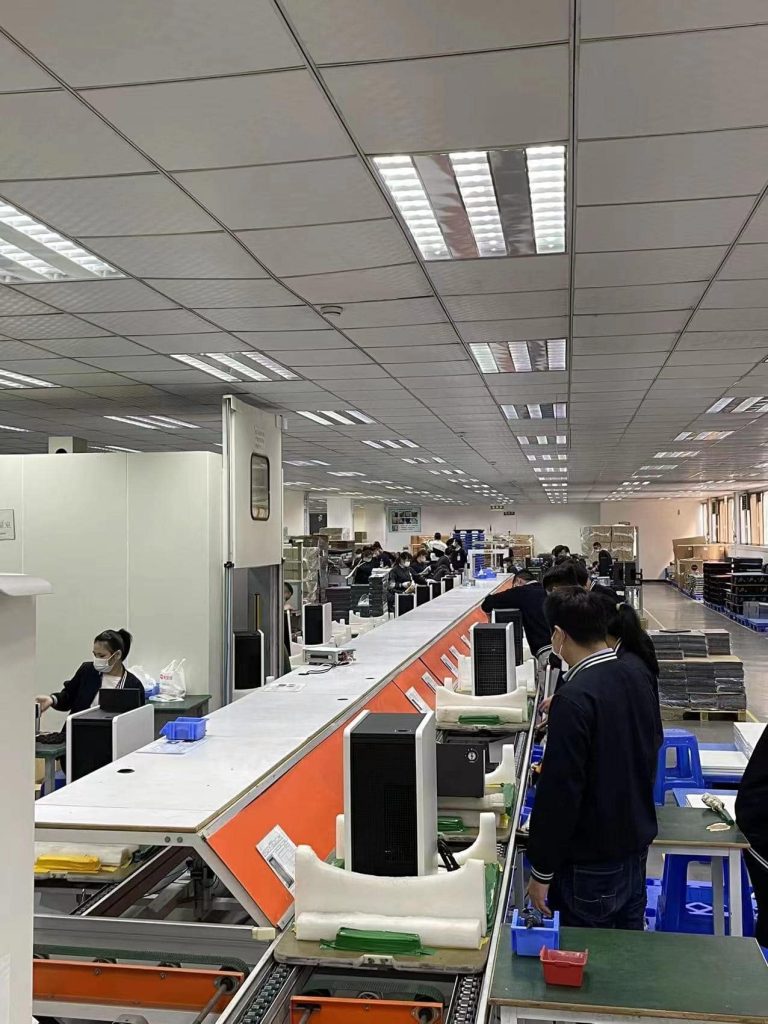
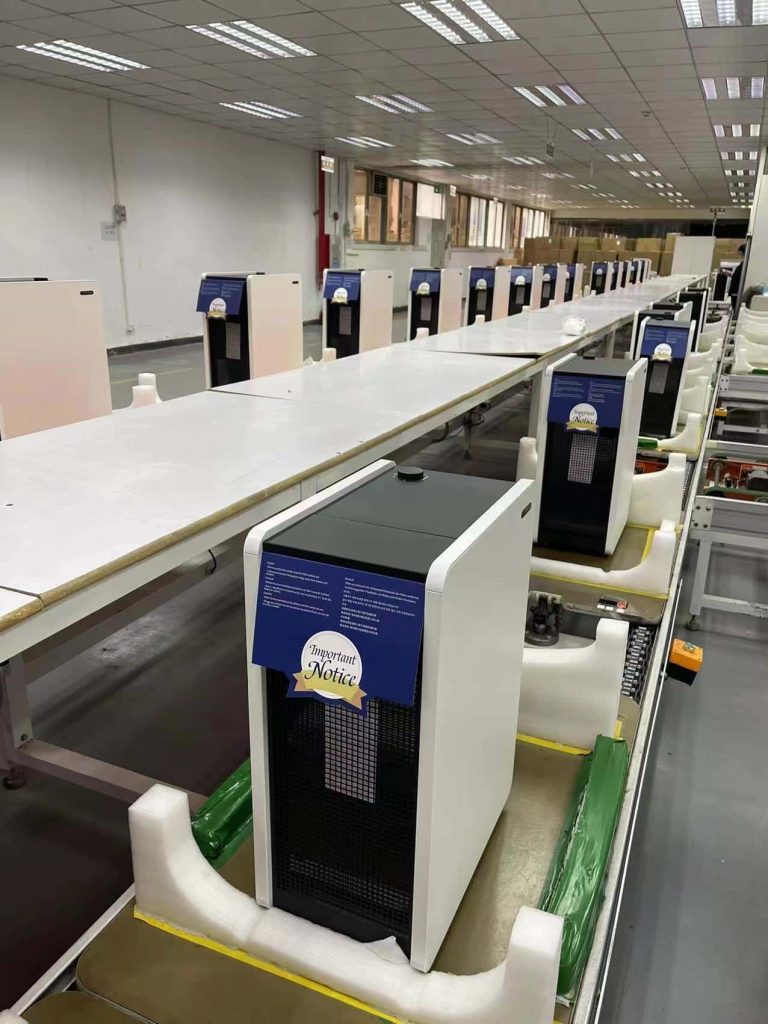
20 年プロの OEM 空気清浄機メーカー

空気清浄機のOEM製造・供給サービスをお探しですか?ヒソエアは20年以上の経験をもとに、世界中のブランドや請負業者にOEM空気清浄機を供給してきました。Hisoairでは、お客様が選択された価格および品質要件に基づいて、カスタマイズされたOEM空気清浄機を設計、製造、供給するお手伝いをいたします。
見積依頼

50以上の空気清浄機プロジェクト

フォーチュン500社の空気浄化プロジェクトを開発

テクノロジー

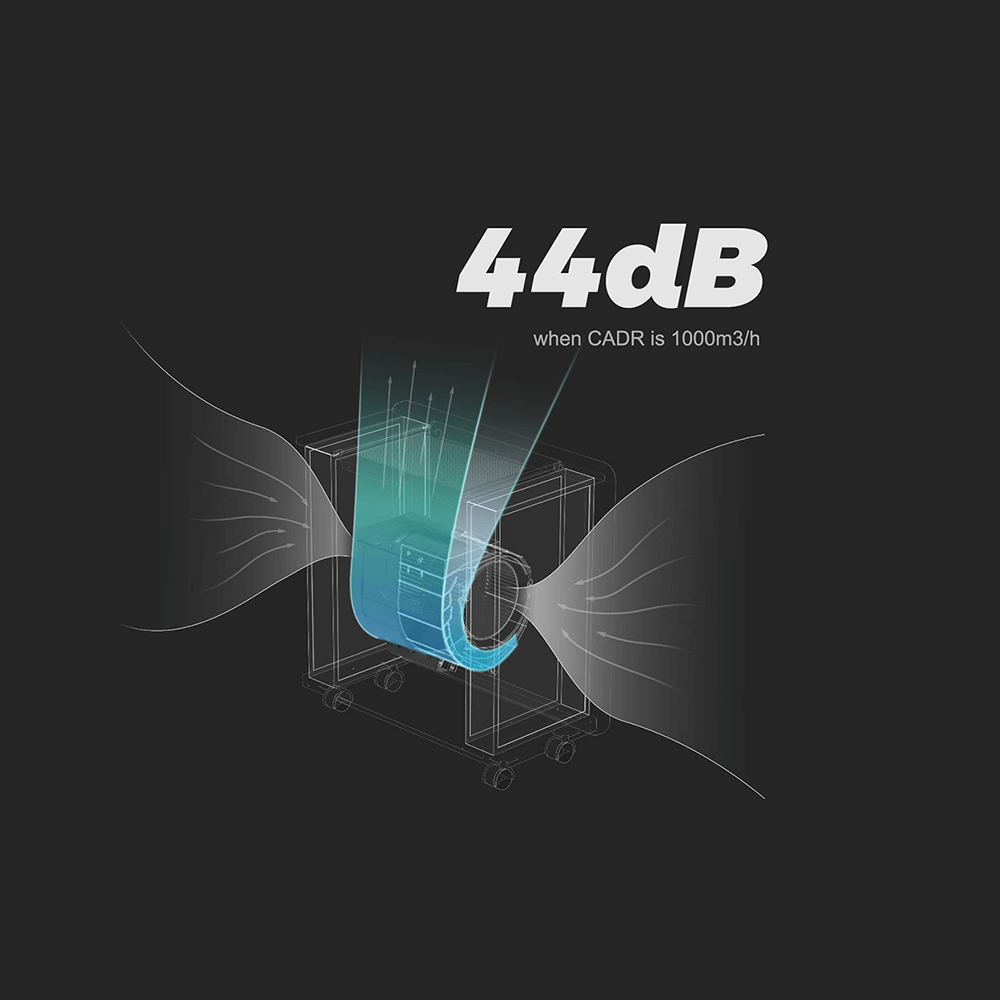
デシベル・キャンセリング™テクノロジー

業務用空気清浄機にとって騒音は常に大きな問題であり、ヒソエアは業務用空気清浄機の分野に深く関わってきました。空気清浄機の騒音を低減するため、HisoAirの研究開発チームはモーター、ファン、素材、構造、フレームについて何百回もの総合的なテストを行い、最終的にDecibel Cancellation™技術を開発しました。現在では、当社の製品ほど静かな空気清浄機は市場に存在しないと胸を張って言えるようになりました!

デシベル・キャンセリング™テクノロジーについて詳しくはこちら
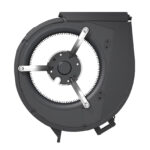
ファン
フォワード・リーン型遠心送風機

空気清浄システム

ThreadとLoRaWANテクノロジーを搭載した究極のIoTフルサービス・ソリューションは、単なる製品を超越したものです。将来の可能性への扉を開き、あらゆるニーズに合わせた接続性とパフォーマンスの向上を実現します。比類のない統合と効率性を実現し、お客様のビジネスを前進させます。


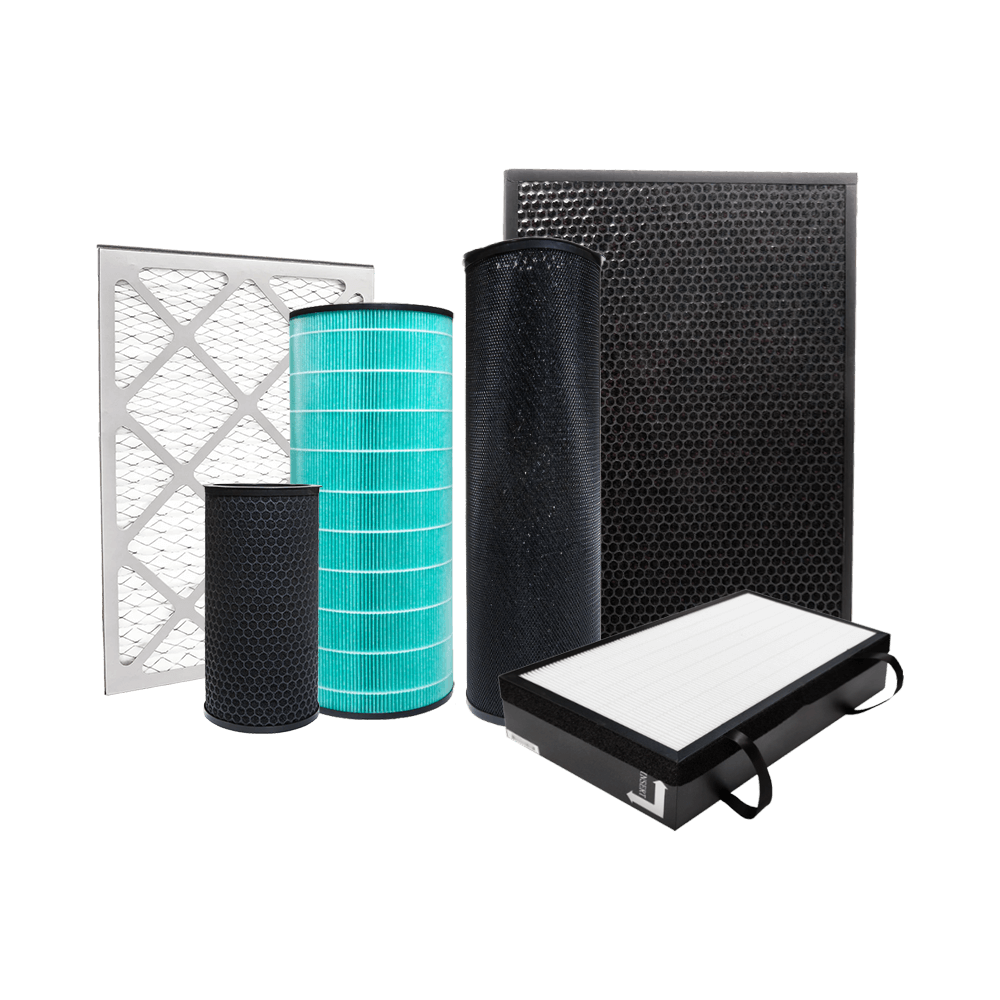
高度なろ過技術

当社の超低差圧(D/P)テクノロジーは、効率を損なうことなく優れたエアフローを実現します。メルトブローン・コアは、0.3μmの粒子を捕捉するために複雑に織り込まれており、卓越したろ過性能を発揮します。

フィルタータイプ 効率性 D/P(その他) D/P(ヒソ)
H11 95% 15 Pa 8Pa / 11Pa
H12 99.50% 25 Pa 13Pa / 18Pa
H13 99.97% 30 Pa 22Pa / 25Pa
H14 99.99% 45 Pa 30Pa / 35Pa
   スタンダード  EN 143、NaCl、0.3um、@5.33 cm/s
お問い合わせ

高品質の空気清浄機を提供

あなたの問い合わせは私たちにとって重要です。お客様の情報は常に安全に保護されています。
見積依頼

OEM・ODMフローチャート

証明書

認定品質、世界的に認められている
EN1822規格認証
ISO 16890 エアフィルター試験および分類 認証ロゴ
ISO9001認証品質マネジメントシステム規格
UL認証ロゴ
公衆衛生認定委員会(PHAB)ロゴ
Ashareロゴ - プロの空気品質ソリューション・プロバイダー

ギャラリー

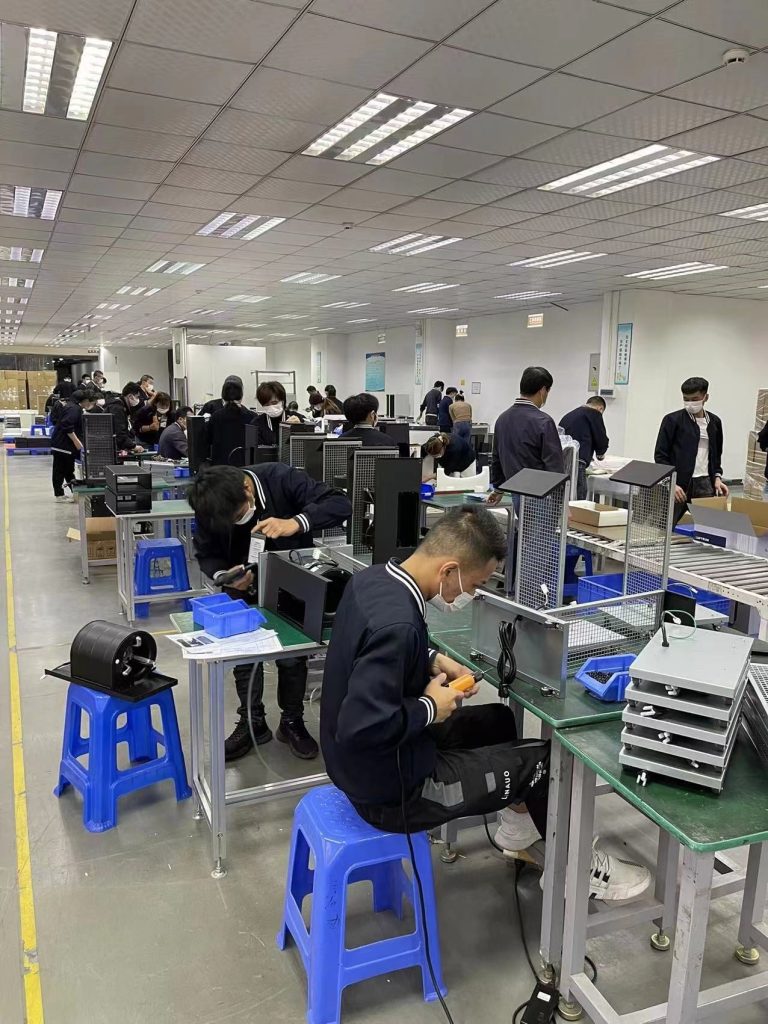
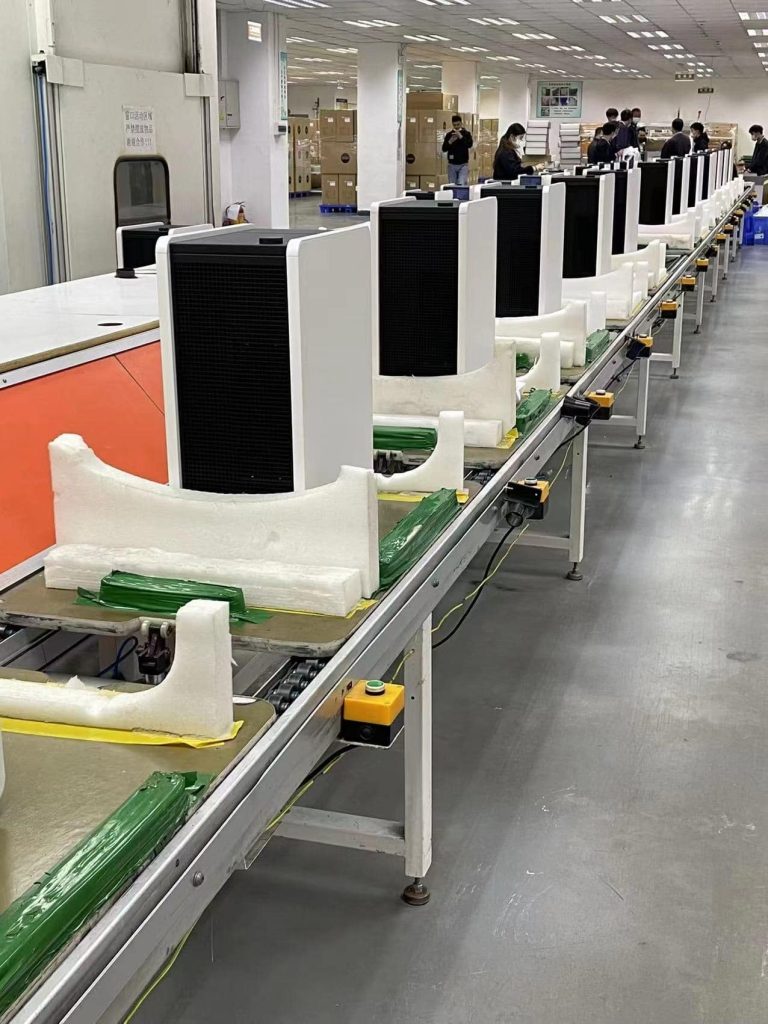
高度な研究開発と卓越した製造

お客様の声

グローバル・プロフェッショナルからの信頼
"グーグルからhisoairのウェブサイトを見つけ、正直なところ、最初は信頼できるかどうか不安でしたが、私のプロジェクト要件を1ヶ月半で完成させてくれました。また、プロジェクトでCO2センサーの緊急追加が必要になった際には、1週間以内に新しいサンプルを完成させてくれました。
トーマス
ドイツの政府系サプライヤー
"HisoAirの空気清浄機を購入しました。この7年間、HisoAirのAlwenと一緒に仕事をしていますが、彼はとても信頼できる人で、とても効率的でプロフェッショナルです。
ランジット・バーラ
インドからの医療製品輸入業者
"私たちは15年以上、民間機関や民間セクターと仕事をしてきた経験を持つ会社です。私たちは3年間、ヒソとコラボレーションをしてきましたが、ヒソが私たちに提供してくれた仕事には本当に感謝しています。とのコラボレーションに感謝しています。 チェリーとリーさん "
ヘリナ
ルーマニアの病院と政府系サプライヤー

見積依頼

メッセージをどうぞ

早急にお返事いたします!

連絡を取り合う

連絡先

あなたの問い合わせは私たちにとって重要です。
私たちはすぐに接続し、あなたの詳細は常に安全です。
sales@hisoair.com
+86 138 0961 9940

米国事務所住所:2180 S ワインビル・アベニュー オンタリオ州91761

オフィス:523429 広東省東莞市松山湖公園二路4号1棟712~713室。

工場中国|ベトナム|タイ|マレーシア

Contaminant Engineering•3 min read

PFAS Water Filtration Technologies Explained: Carbon, Resin & RO

Key Takeaway:

PFAS reduction depends on the specific compounds present, treatment media, contact time, water chemistry, and system design. Activated carbon, ion exchange, and Reverse Osmosis address PFAS through different mechanisms.

PFAS are a large family of persistent fluorinated compounds that can occur in drinking-water supplies. Their treatment behavior varies significantly by molecular structure, chain length, functional group, concentration, and the chemistry of the source water.

Granular Activated Carbon (GAC) removes PFAS primarily through adsorption. It is generally more effective for many longer-chain PFAS, while shorter-chain compounds tend to break through more quickly. Carbon performance depends on media properties, Empty Bed Contact Time (EBCT), competing organic matter, loading, and replacement frequency.

Ion-exchange resins use charged functional sites to capture many PFAS compounds. Properly selected anion-exchange media can provide high capacity and may perform better than conventional activated carbon for some shorter-chain PFAS, although performance still depends on water chemistry and competing ions.

Reverse Osmosis (RO) uses membrane separation rather than adsorption. Properly designed RO systems can provide broad reduction across many PFAS compounds as well as dissolved salts and other contaminants. Unlike carbon or resin, however, RO also produces a concentrate stream that must be managed.

No single technology should be selected from a PFAS label alone. System design should consider which PFAS compounds are present, their concentrations, required reduction targets, flow rate, media life, and the applicable third-party certification or validation requirements.

HisoAir Water Technical Series
Product Discovery•3 min read

How to Choose an Under-Sink Water Purifier for Modern Kitchens

Key Takeaway:

Match the treatment technology to your water quality first, then evaluate cabinet space, faucet configuration, flow rate, drain and power requirements, and filter replacement needs.

Choosing an under-sink water purifier starts with water chemistry. Carbon filtration is well suited to chlorine, taste, odor, and many organic contaminants, while Reverse Osmosis is more appropriate when dissolved salts, fluoride, nitrates, or broader dissolved contaminants need to be reduced.

For compact kitchens, tankless RO systems eliminate the conventional storage tank and can significantly reduce the space required under the sink. However, membrane capacity stated in GPD does not directly equal faucet flow. When comparing systems, check the actual dispensing flow rate, inlet-pressure requirement, recovery ratio, and whether a booster pump is required.

Installation architecture also matters. Many RO systems require a drain connection, electrical power, and either a dedicated drinking-water faucet or a compatible multi-function faucet. High-flow carbon systems can often connect directly to the existing cold-water line with a simpler installation, but pressure drop and available faucet flow should still be verified.

RO also removes much of the naturally occurring dissolved mineral content. Where taste or mineral balance is a priority, a post-RO remineralization stage can be added. Filter life should be evaluated by both rated capacity and local water quality rather than replacement time alone.

The right system is therefore not simply the smallest or highest-GPD model. It is the configuration that matches the target contaminants, available cabinet space, desired faucet setup, peak dispensing demand, and maintenance expectations.

HisoAir Water Technical Series
Water Quality•2 min read

What Does TDS Mean in Drinking Water? Measurement vs Contaminant Reality

Key Takeaway:

A TDS meter estimates the overall concentration of dissolved ionic substances from electrical conductivity. It cannot identify specific contaminants or determine whether water is chemically safe.

Total Dissolved Solids (TDS) refers to the combined concentration of dissolved substances in water. Most handheld TDS meters do not measure TDS directly. Instead, they measure electrical conductivity (EC) and convert that reading into an estimated parts-per-million (ppm) value.

This means a TDS reading can indicate how much dissolved ionic material is present, but not what that material actually is. Calcium, magnesium, sodium, nitrates, and other dissolved ions can all contribute to conductivity, yet a simple TDS meter cannot distinguish between them.

TDS meters are also not suitable for detecting trace contaminants such as PFAS, many VOCs, pesticides, pharmaceuticals, or disinfection byproducts. These substances may be present at concentrations far below the level needed to noticeably change electrical conductivity.

A low TDS reading therefore does not guarantee safe drinking water, and a higher TDS reading does not automatically indicate contamination. Water-treatment decisions should be based on laboratory testing for specific contaminants of concern rather than TDS alone.

HisoAir Water Technical Series
Technology Selection•2 min read

RO vs UF Water Filtration: Understanding Pore Sizes & Dissolved Minerals

Key Takeaway:

Ultrafiltration can reduce bacteria, turbidity, and suspended particles while retaining most naturally occurring dissolved minerals. Reverse Osmosis provides much broader reduction of dissolved salts and smaller contaminants.

Ultrafiltration (UF) typically uses hollow-fiber membranes with pore sizes in the approximate 0.01–0.1 micron range. These membranes physically retain turbidity, suspended solids, colloids, and many microorganisms while allowing dissolved minerals and salts to remain in the water.

Reverse Osmosis (RO) operates at a much finer separation level. Unlike UF, RO can substantially reduce dissolved ions such as sodium, calcium, fluoride, nitrates, and other contributors to total dissolved solids (TDS). This makes RO more suitable when dissolved-salt reduction is a primary treatment objective.

UF generally requires less system pressure and produces little or no continuous concentrate stream in many point-of-use configurations. RO typically requires greater pressure and produces a reject-water stream, but delivers broader contaminant reduction.

For water with acceptable TDS and mineral content, UF can be a simpler mineral-retaining treatment option. Where dissolved salts, fluoride, nitrates, or broader dissolved contaminants are a concern, RO is generally the more appropriate technology.

HisoAir Water Technical Series
Technology Selection•4 min read

Carbon Block vs Reverse Osmosis: Which Fits Your Need?

Key Takeaway:

Choose RO for dissolved inorganic salts and heavy metals; choose Carbon Block for chemical taste/odor, no wastewater, and high line-pressure flow.

Reverse Osmosis (RO) and Carbon Block filtration represent two fundamentally different treatment methods: membrane separation and adsorption. Understanding these differences helps determine which technology is better suited to a specific water-quality requirement.

Reverse Osmosis uses a semi-permeable membrane with pore sizes of approximately 0.0001 microns. It can significantly reduce dissolved inorganic contaminants such as TDS, fluoride, nitrates, and certain heavy metals. Because water must be forced through the membrane, RO systems require sufficient pressure or a booster pump and generate a concentrated wastewater stream.

Carbon Block filtration relies primarily on adsorption through compressed activated carbon, commonly with nominal pore sizes around 0.5–5 microns. It is highly effective for chlorine, chloramines, VOCs, taste, and odor, while allowing substantially higher direct-flow rates without producing wastewater.

From an operating perspective, Carbon Block systems are generally simpler, require less energy, and avoid the water loss associated with RO. RO involves higher system complexity and operating cost, but provides substantially broader reduction of dissolved contaminants that Carbon Block alone cannot address.

HisoAir Water Technical Series