
Si apre in una nuova scheda
Soluzioni innovative per la qualità dell'aria

Do Air Purifiers Actually Work for Your Health?

Related Products

The Invisible Threats in Your Home: Why Air Quality Matters More Than Ever

In our modern lives, we meticulously choose organic foods, filtered water, and non-toxic cleaning supplies. But what about the very air we breathe, especially indoors where we spend up to 90% of our time? The unsettling truth is that indoor air can be significantly more polluted than outdoor air. This isn't just a minor inconvenience; it's a critical health concern that demands our immediate attention. At HisoAir, we believe that clean air isn't a luxury – it's a fundamental necessity for a healthy life, and a market demand that is rapidly growing.

Unmasking Indoor Air Pollution: The Silent Saboteurs of Your Well-being

Before we delve into the solutions, let's confront the invisible enemies lurking in our homes and offices. These aren't just dust bunnies; they are a complex cocktail of pollutants that relentlessly impact our health and quality of life:

  • Allergens: Ubiquitous pollen, microscopic dust mites, pervasive pet dander, and insidious mold spores are notorious triggers for allergies and asthma. They transform your sanctuary into a source of chronic discomfort, leading to sneezing, coughing, itchy eyes, and difficulty breathing.
  • Particulate Matter (PM): These are microscopic solid or liquid particles suspended in the air, originating from everyday activities like cooking, burning candles, fireplaces, and even outdoor pollution seeping indoors. Fine particulate matter (PM2.5) is particularly insidious, capable of penetrating deep into your lungs and even entering your bloodstream. This can lead to severe respiratory issues, cardiovascular diseases, and other long-term health complications.
  • Volatile Organic Compounds (VOCs): These are harmful gases emitted from a surprising array of common household items, including paints, cleaning supplies, new furniture, carpets, and building materials. While a new car smell or freshly painted room might seem appealing, these odors can signify the presence of VOCs, which can cause everything from eye, nose, and throat irritation to headaches, nausea, and, with long-term exposure, more severe health complications.
  • Biological Contaminants: Airborne bacteria, viruses, and mold don't just cause seasonal sniffles; they can lead to significant respiratory infections and exacerbate existing conditions.
  • Smoke: Whether from tobacco, cooking, or fireplaces, smoke drastically degrades indoor air quality, introducing a barrage of harmful chemicals and particulate matter.
  • Carbon Monoxide (CO): This odorless, colorless gas, a byproduct of incomplete combustion from appliances like furnaces or water heaters, can be lethal at high concentrations.

Constant exposure to this invisible barrage isn't something our bodies are designed to handle. The immediate effects might be subtle – a nagging cough, persistent headaches, or unexplained fatigue. However, the long-term consequences can be far more severe, contributing to chronic respiratory diseases, heart conditions, and even an increased risk of certain cancers. The question then isn't if these pollutants affect us, but how significantly – and what we can do about it.
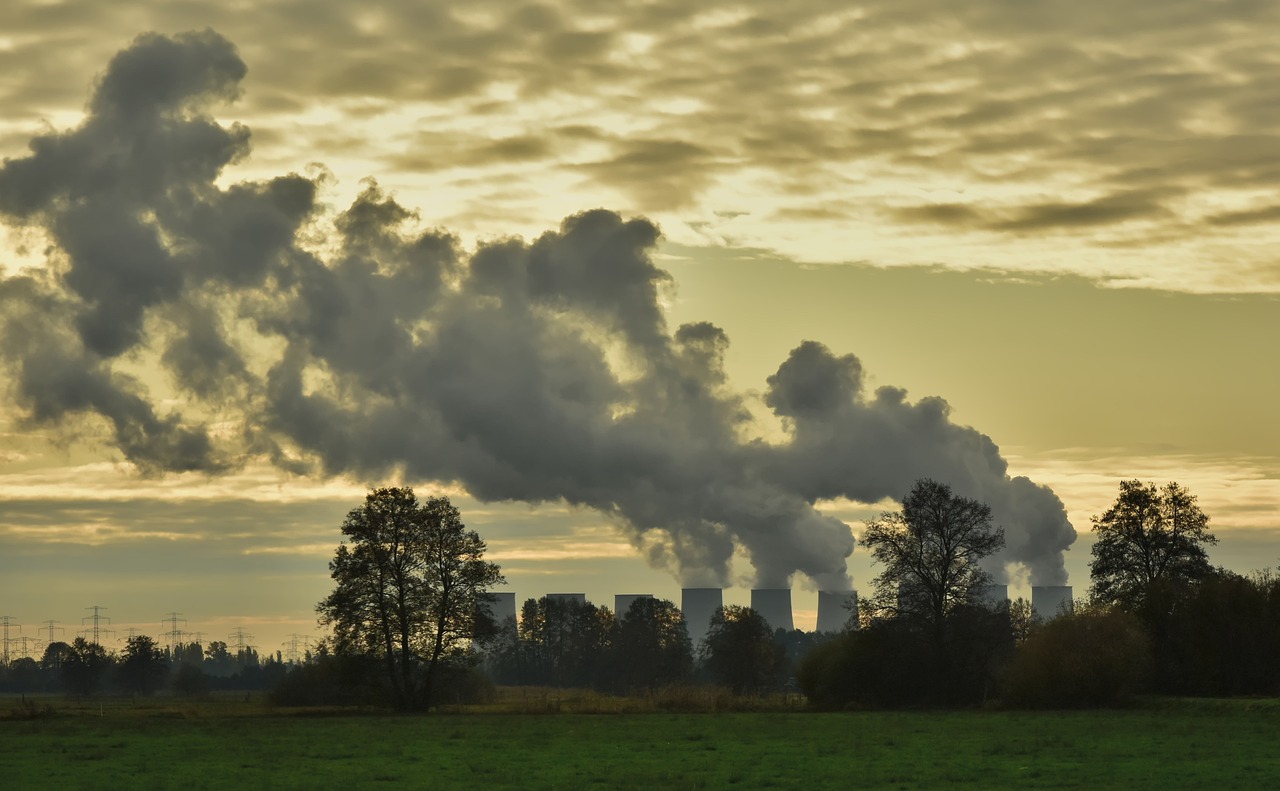
Why an Air Purifier is No Longer Optional, But Essential

The evidence is clear: the air in our homes and workplaces is often far from pure. This is where an air purifier transitions from a 'nice-to-have' gadget to an essential component of a healthy living strategy. HisoAir is dedicated to providing solutions that tackle these invisible threats head-on.

1. Breathe Freely: A Must-Have for Allergy and Asthma Sufferers

For millions suffering from allergies or asthma, an air purifier isn't just beneficial; it's a lifeline. HisoAir purifiers, equipped with advanced True HEPA filtration, are engineered to capture the very particles that trigger your symptoms – pollen, dust mites, pet dander, and mold spores. By systematically removing these irritants, our purifiers dramatically reduce the frequency and severity of allergic reactions and asthma attacks, allowing you and your loved ones to breathe easier and live more comfortably.

2. Your Family's Shield: Reducing Exposure to Viruses and Bacteria

In today's world, safeguarding our families from airborne illnesses is a top priority. While no single device can guarantee complete protection, a high-quality air purifier is a critical layer of defense. HisoAir purifiers with HEPA filters are adept at trapping microscopic airborne pathogens, including many bacteria and viruses. Some of our advanced models incorporate technologies like UV-C germicidal lamps, further neutralizing these captured microorganisms. This isn't just about seasonal colds; it's about creating a healthier baseline for your family's respiratory health year-round.
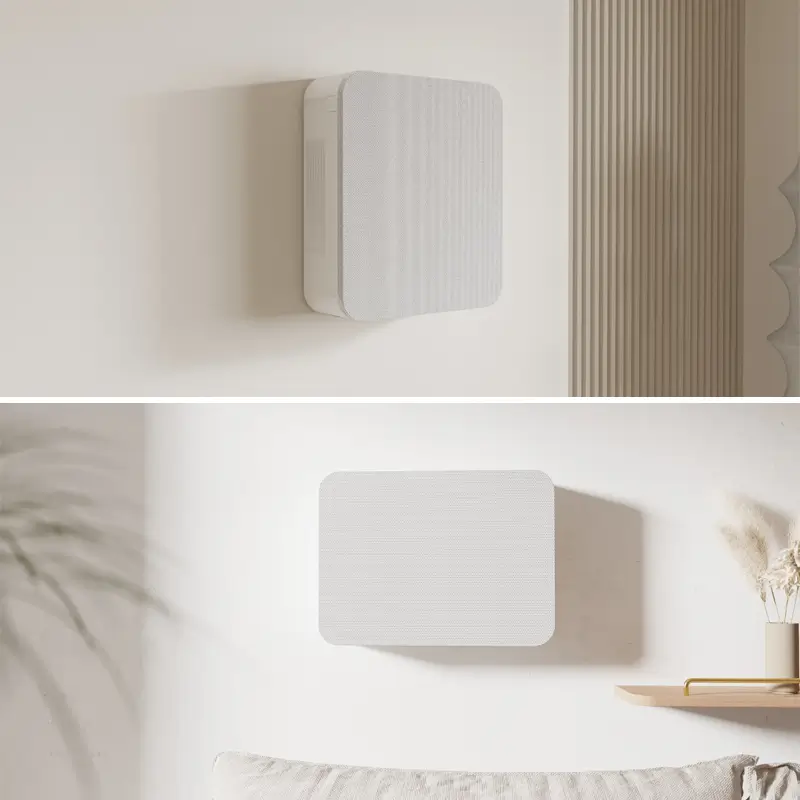
wall mounted air purifier ha200 & ha380
(HisoAir -Wall-Mounted Air Purifier HA380 - Elegant design better integrates into your home design)

3. Eliminating Lingering Odors and Invisible Chemical Threats

Persistent cooking smells, pet odors, the ghost of cigarette smoke, or the chemical off-gassing from new carpets and furniture – these don't just offend your nose; they degrade your air quality. HisoAir purifiers featuring activated carbon filters are specifically designed to adsorb these odors and harmful VOCs, transforming your indoor space into a fresher, cleaner, and, most importantly, healthier environment. This is particularly crucial for individuals with chemical sensitivities or those living in urban environments with higher background pollution.

4. The Pet Owner's Ally: Conquering Dander and Hair

We love our furry companions, but pet dander and hair are undeniable contributors to indoor allergens and dust. An air purifier is an indispensable tool for pet owners, continuously capturing these particles before they settle on surfaces or trigger allergic reactions. With a HisoAir purifier, you can enjoy the companionship of your pets without compromising on clean air.
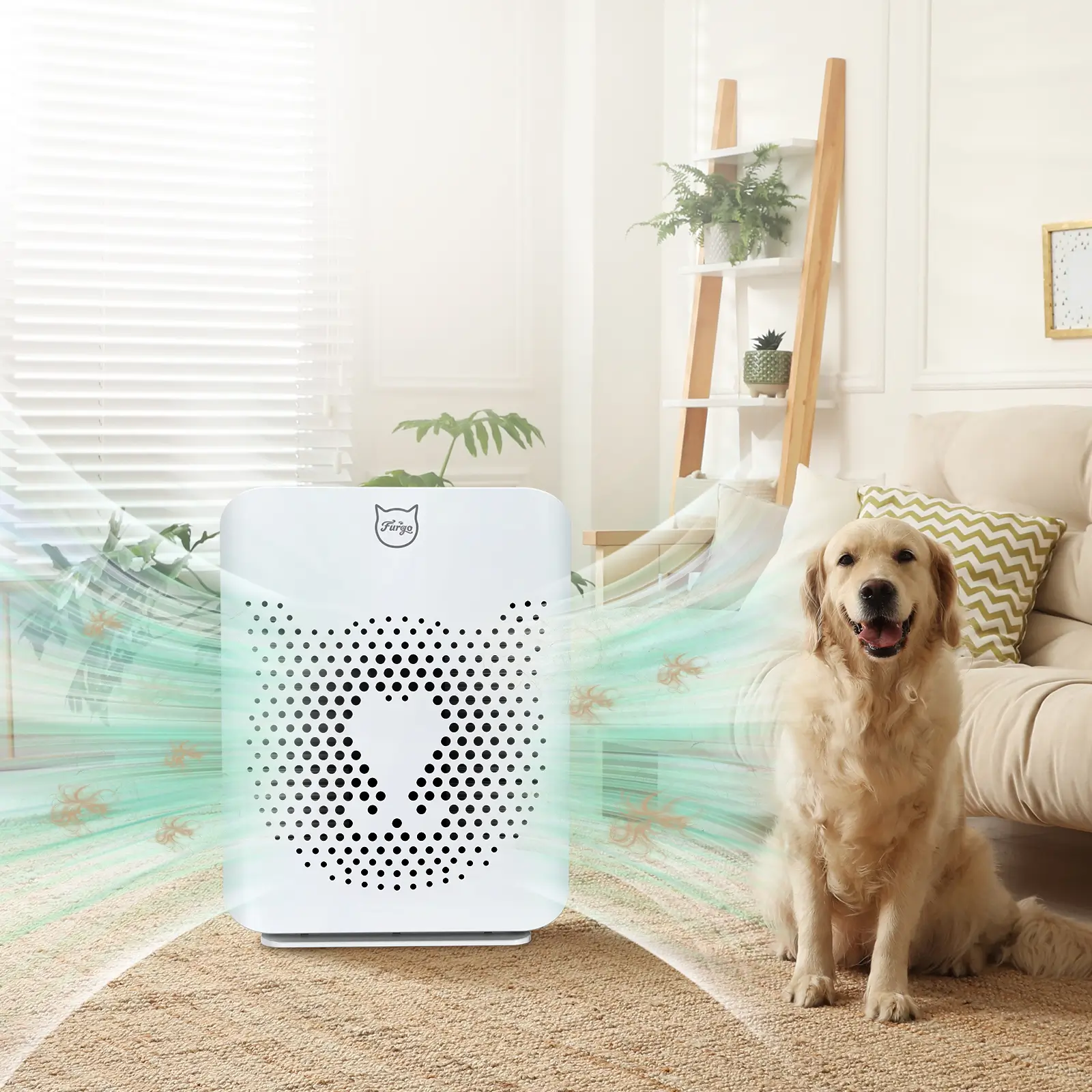
purificatore d'aria per animali domestici ha360
(HisoAir - Air Purifier HA360 - Designed not only for humans, but also for pets)

5. Unlocking Restful Sleep: The Foundation of Good Health

Quality sleep is non-negotiable for overall well-being, and the air you breathe while you sleep plays a pivotal role. Airborne irritants can lead to nasal congestion, coughing, and general discomfort, robbing you of precious rest. By creating a sanctuary of clean air in your bedroom, a HisoAir purifier helps ensure your respiratory system is at ease, paving the way for deeper, more restorative sleep.

6. Protecting Our Most Vulnerable: Pure Air for Babies and Children

Babies and young children, with their developing respiratory systems, are disproportionately affected by air pollution. Their smaller airways and faster breathing rates mean they inhale more pollutants relative to their body size. Investing in a HisoAir purifier for your nursery or children's rooms is a proactive step towards safeguarding their health, reducing their exposure to allergens and irritants, and providing them with the cleanest possible start in life. This is especially critical for children with a family history of allergies or asthma.
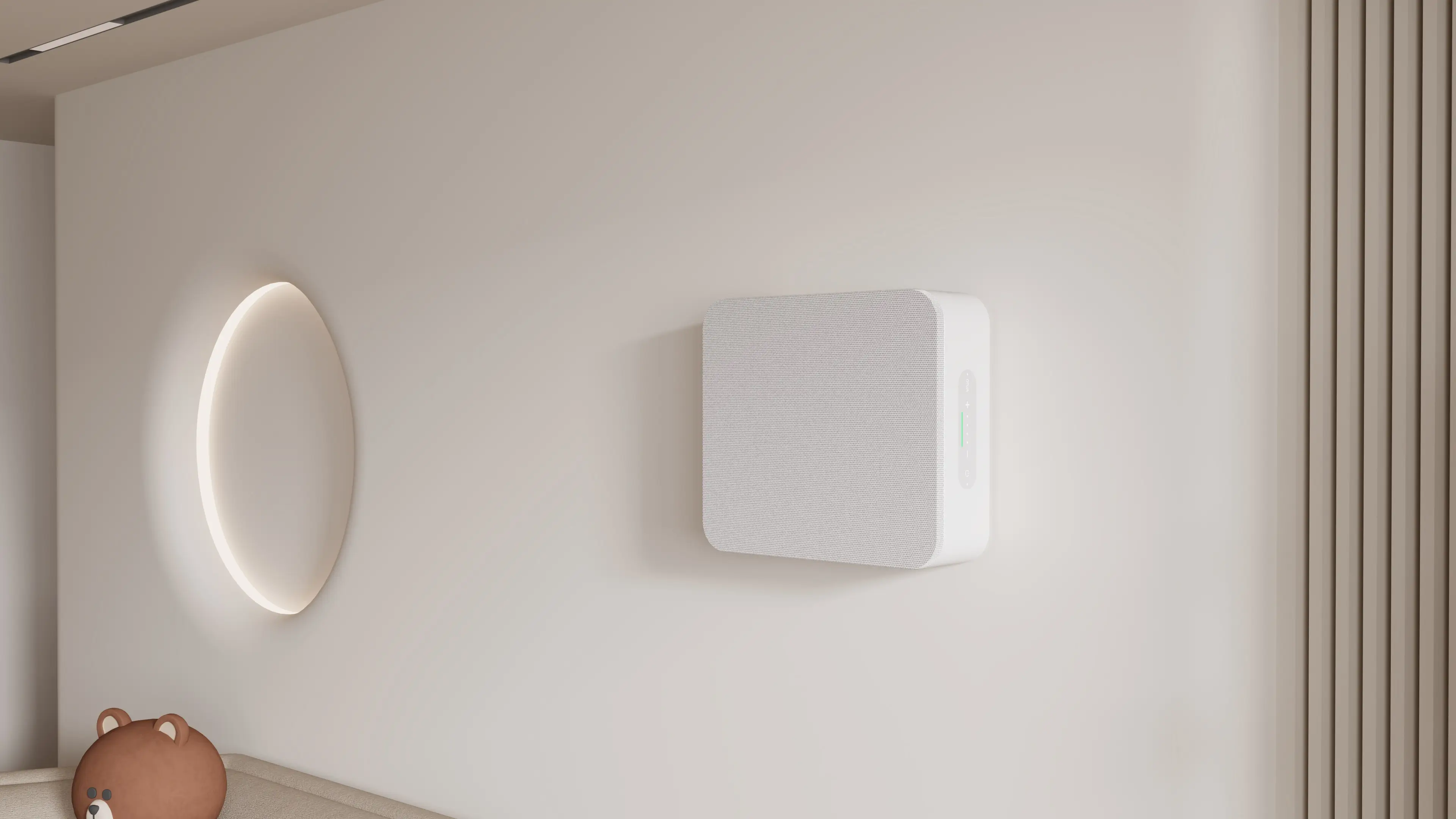
ha180
(HisoAir - Wall-Mounted Air Purifier HA180 - The smaller size design is more suitable for children's rooms)

Beyond the Basics: How HisoAir Technology Elevates Air Purification

Understanding that clean air is a necessity, HisoAir has engineered a range of air purifiers that go beyond basic filtration. Our systems typically incorporate multi-stage purification to tackle a comprehensive spectrum of pollutants:

  1. Robust Pre-filters: The first line of defense, capturing larger particles like dust, pet hair, and lint, which also helps extend the life of the more advanced filters within.
  2. True HEPA Filtration: The cornerstone of our purifiers, True HEPA filters are certified to capture 99.97% of airborne particles as small as 0.3 microns. This includes the vast majority of allergens, smoke particles, bacteria, and virus-carrying droplets.
  3. Filtri a carbone attivo: Essential for tackling what HEPA filters can't, our activated carbon layers are highly porous and possess an enormous surface area to effectively adsorb odors, VOCs, and other gaseous pollutants.

Many HisoAir models also feature additional technologies like UV-C germicidal irradiation to neutralize trapped microorganisms, ensuring the air circulated back into your room is not just filtered, but purified.
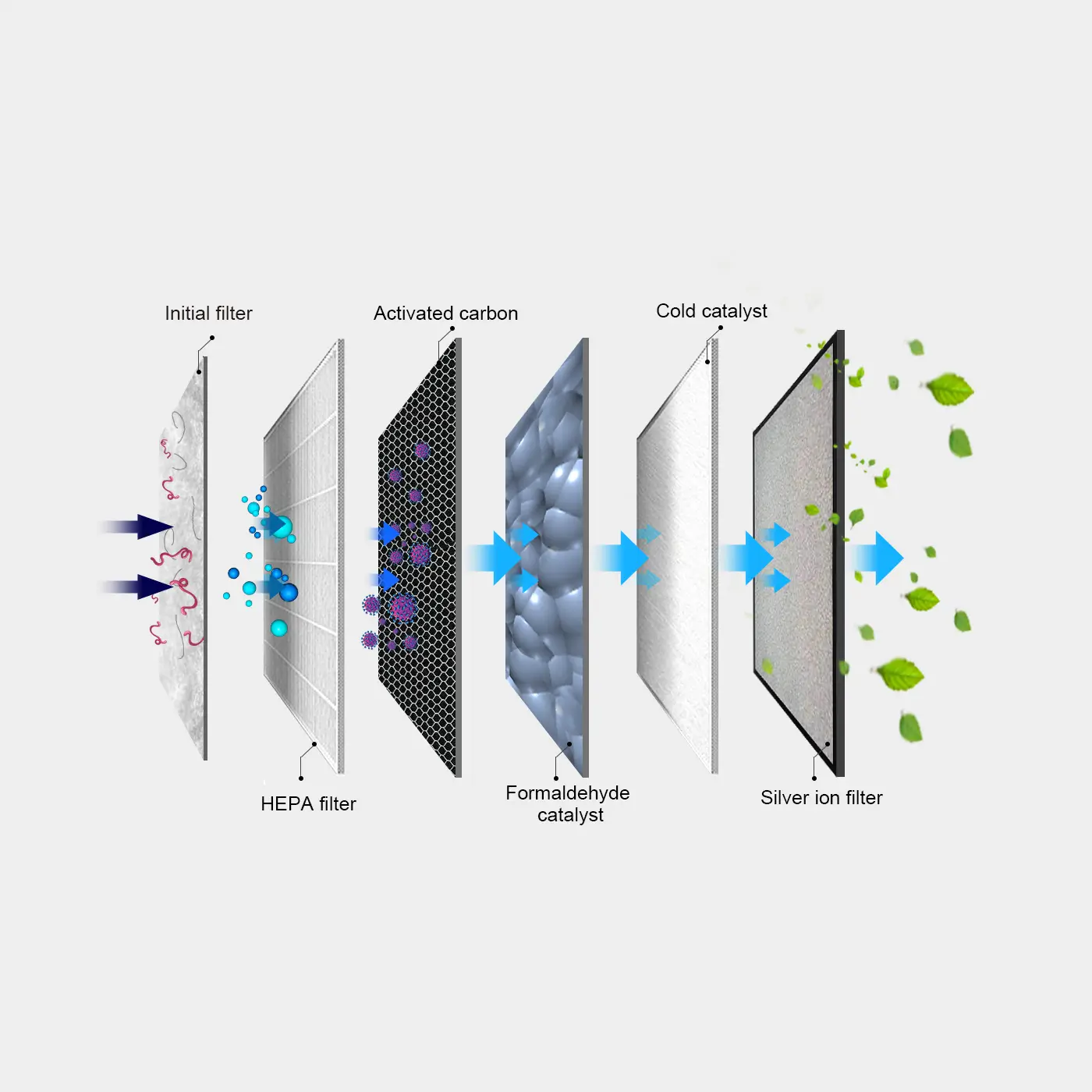
composite filter

The HisoAir Difference: It's Time to Demand Cleaner Air

The question is no longer whether you need an air purifier, but rather, which HisoAir air purifier is right for you. We understand that every home and every individual has unique needs. That's why HisoAir offers a diverse range of air purification solutions, from compact units perfect for bedrooms to powerful systems designed for larger living spaces and commercial environments.

At HisoAir, we don't just sell air purifiers; we provide peace of mind. Our commitment to cutting-edge technology, rigorous testing, and user-centric design ensures that you receive a product that delivers superior air quality, reliably and efficiently. We believe that everyone deserves to breathe clean, healthy air, free from the invisible threats that compromise well-being.

Ready to Experience the HisoAir Difference?

Don't let indoor air pollution silently impact your health and comfort any longer. Take the proactive step towards a healthier living and working environment. Whether you're battling allergies, concerned about airborne viruses, or simply seeking a fresher, cleaner atmosphere, HisoAir has a solution tailored for you.

Contatto HisoAir today to discuss your specific air purification needs. Our expert team is ready to answer your questions, provide personalized recommendations, and help you find the perfect air purifier to transform your indoor air quality. Invest in your health – choose HisoAir.

Condividi:
il fondatore di hisoair, il signor lee
Alwen Lee, an air purification expert with over 10 years of experience, is a devoted father of two and a passionate traveler, having explored more than 30 countries. With a love for public speaking and swimming, he has dedicated his life to the indoor air quality industry. His mission is to ensure that people around the world enjoy the freedom to breathe clean air and lead happy, healthy lives.

Inviaci un messaggio

Related Products

Altro da leggere

A modern office room with a gray wall-mounted air purifier, large wooden desk, office chairs, indoor plants, and glass windows offering a city view.

Luftreiniger gegen Staub: HEPA-Luftreinigung für Büro, Gewerbe und Industrie

Kurz gesagt: Ein Luftreiniger entfernt Staub aus der Luft – nicht vom Schreibtisch. Er reduziert die Konzentration schwebender Partikel und damit auch die Menge an ...
Air purifier, Filter
Featured image for How to launch a private label wellness product in the US

How to launch a private label wellness product in the US

Stand out in the US wellness market! Partner with innovators for unique products and tap into a booming industry. Start your launch today!
AI Trends, Air purifier
wall mounted air purifier ha380 6

DIY vs. Commercial: Ceiling Purifier vs. Wall-Mounted Purifier

Indoor air quality has become a global concern for both individuals and organizations. Whether at home, in offices, or in public facilities, the need for ...
Purificatore d'aria
air purifier ha2553

The Strategic Guide to Home Air Purification: A Room-by-Room Analysis

In an era where indoor living dominates our daily routines, the quality of the air we breathe within our homes has become a paramount concern. ...
Purificatore d'aria
purificatore d'aria per ventilazione hv 100

Wall-Mounted Purifier vs HVAC for Indoor Air Quality

Indoor air quality isn’t a nice-to-have—it’s daily infrastructure. Wildfire smoke, urban PM2.5, and indoor sources from cooking to cleaners now make clean air a baseline ...
Purificatore d'aria
ha180 bedroom

Wall-Mounted Air Purifiers: Best Choice for Apartments

Save space and breathe cleaner air with wall-mounted air purifiers. Perfect for apartments, they reduce odors, dust, and allergens for healthier living. The rise of ...
Purificatore d'aria
Contaminant Engineering•3 min read

PFAS Water Filtration Technologies Explained: Carbon, Resin & RO

Key Takeaway:

PFAS reduction depends on the specific compounds present, treatment media, contact time, water chemistry, and system design. Activated carbon, ion exchange, and Reverse Osmosis address PFAS through different mechanisms.

PFAS are a large family of persistent fluorinated compounds that can occur in drinking-water supplies. Their treatment behavior varies significantly by molecular structure, chain length, functional group, concentration, and the chemistry of the source water.

Granular Activated Carbon (GAC) removes PFAS primarily through adsorption. It is generally more effective for many longer-chain PFAS, while shorter-chain compounds tend to break through more quickly. Carbon performance depends on media properties, Empty Bed Contact Time (EBCT), competing organic matter, loading, and replacement frequency.

Ion-exchange resins use charged functional sites to capture many PFAS compounds. Properly selected anion-exchange media can provide high capacity and may perform better than conventional activated carbon for some shorter-chain PFAS, although performance still depends on water chemistry and competing ions.

Reverse Osmosis (RO) uses membrane separation rather than adsorption. Properly designed RO systems can provide broad reduction across many PFAS compounds as well as dissolved salts and other contaminants. Unlike carbon or resin, however, RO also produces a concentrate stream that must be managed.

No single technology should be selected from a PFAS label alone. System design should consider which PFAS compounds are present, their concentrations, required reduction targets, flow rate, media life, and the applicable third-party certification or validation requirements.

HisoAir Water Technical Series
Product Discovery•3 min read

How to Choose an Under-Sink Water Purifier for Modern Kitchens

Key Takeaway:

Match the treatment technology to your water quality first, then evaluate cabinet space, faucet configuration, flow rate, drain and power requirements, and filter replacement needs.

Choosing an under-sink water purifier starts with water chemistry. Carbon filtration is well suited to chlorine, taste, odor, and many organic contaminants, while Reverse Osmosis is more appropriate when dissolved salts, fluoride, nitrates, or broader dissolved contaminants need to be reduced.

For compact kitchens, tankless RO systems eliminate the conventional storage tank and can significantly reduce the space required under the sink. However, membrane capacity stated in GPD does not directly equal faucet flow. When comparing systems, check the actual dispensing flow rate, inlet-pressure requirement, recovery ratio, and whether a booster pump is required.

Installation architecture also matters. Many RO systems require a drain connection, electrical power, and either a dedicated drinking-water faucet or a compatible multi-function faucet. High-flow carbon systems can often connect directly to the existing cold-water line with a simpler installation, but pressure drop and available faucet flow should still be verified.

RO also removes much of the naturally occurring dissolved mineral content. Where taste or mineral balance is a priority, a post-RO remineralization stage can be added. Filter life should be evaluated by both rated capacity and local water quality rather than replacement time alone.

The right system is therefore not simply the smallest or highest-GPD model. It is the configuration that matches the target contaminants, available cabinet space, desired faucet setup, peak dispensing demand, and maintenance expectations.

HisoAir Water Technical Series
Water Quality•2 min read

What Does TDS Mean in Drinking Water? Measurement vs Contaminant Reality

Key Takeaway:

A TDS meter estimates the overall concentration of dissolved ionic substances from electrical conductivity. It cannot identify specific contaminants or determine whether water is chemically safe.

Total Dissolved Solids (TDS) refers to the combined concentration of dissolved substances in water. Most handheld TDS meters do not measure TDS directly. Instead, they measure electrical conductivity (EC) and convert that reading into an estimated parts-per-million (ppm) value.

This means a TDS reading can indicate how much dissolved ionic material is present, but not what that material actually is. Calcium, magnesium, sodium, nitrates, and other dissolved ions can all contribute to conductivity, yet a simple TDS meter cannot distinguish between them.

TDS meters are also not suitable for detecting trace contaminants such as PFAS, many VOCs, pesticides, pharmaceuticals, or disinfection byproducts. These substances may be present at concentrations far below the level needed to noticeably change electrical conductivity.

A low TDS reading therefore does not guarantee safe drinking water, and a higher TDS reading does not automatically indicate contamination. Water-treatment decisions should be based on laboratory testing for specific contaminants of concern rather than TDS alone.

HisoAir Water Technical Series
Technology Selection•2 min read

RO vs UF Water Filtration: Understanding Pore Sizes & Dissolved Minerals

Key Takeaway:

Ultrafiltration can reduce bacteria, turbidity, and suspended particles while retaining most naturally occurring dissolved minerals. Reverse Osmosis provides much broader reduction of dissolved salts and smaller contaminants.

Ultrafiltration (UF) typically uses hollow-fiber membranes with pore sizes in the approximate 0.01–0.1 micron range. These membranes physically retain turbidity, suspended solids, colloids, and many microorganisms while allowing dissolved minerals and salts to remain in the water.

Reverse Osmosis (RO) operates at a much finer separation level. Unlike UF, RO can substantially reduce dissolved ions such as sodium, calcium, fluoride, nitrates, and other contributors to total dissolved solids (TDS). This makes RO more suitable when dissolved-salt reduction is a primary treatment objective.

UF generally requires less system pressure and produces little or no continuous concentrate stream in many point-of-use configurations. RO typically requires greater pressure and produces a reject-water stream, but delivers broader contaminant reduction.

For water with acceptable TDS and mineral content, UF can be a simpler mineral-retaining treatment option. Where dissolved salts, fluoride, nitrates, or broader dissolved contaminants are a concern, RO is generally the more appropriate technology.

HisoAir Water Technical Series
Technology Selection•4 min read

Carbon Block vs Reverse Osmosis: Which Fits Your Need?

Key Takeaway:

Choose RO for dissolved inorganic salts and heavy metals; choose Carbon Block for chemical taste/odor, no wastewater, and high line-pressure flow.

Reverse Osmosis (RO) and Carbon Block filtration represent two fundamentally different treatment methods: membrane separation and adsorption. Understanding these differences helps determine which technology is better suited to a specific water-quality requirement.

Reverse Osmosis uses a semi-permeable membrane with pore sizes of approximately 0.0001 microns. It can significantly reduce dissolved inorganic contaminants such as TDS, fluoride, nitrates, and certain heavy metals. Because water must be forced through the membrane, RO systems require sufficient pressure or a booster pump and generate a concentrated wastewater stream.

Carbon Block filtration relies primarily on adsorption through compressed activated carbon, commonly with nominal pore sizes around 0.5–5 microns. It is highly effective for chlorine, chloramines, VOCs, taste, and odor, while allowing substantially higher direct-flow rates without producing wastewater.

From an operating perspective, Carbon Block systems are generally simpler, require less energy, and avoid the water loss associated with RO. RO involves higher system complexity and operating cost, but provides substantially broader reduction of dissolved contaminants that Carbon Block alone cannot address.

HisoAir Water Technical Series

RICHIEDI UN PREVENTIVO