
Schools face strict new lead testing rules. Failing to upgrade water systems risks lawsuits and public trust. You need a clear plan to fix this before the 2026 deadline.
K-12 water filtration1 is now a federally mandated compliance program under LCRR and LCRI. Districts must upgrade systems using approved architectures, secure funding through federal or state grants, and select vendors based on long-term cartridge supply and OEM manufacturing stability rather than just initial equipment costs.
I remember when I first started my mold factory job. We thought only about making the part. We did not think about long-term maintenance. Today, designing and buying school water systems requires looking at the whole life cycle. Let us explore how districts and designers tackle this massive shift.
The Lead and Copper Rule Improvements (LCRI) set a 15-ppb action level for lead in school drinking water.Falso
The LCRI actually lowered the action level to 10-ppb, down from the previous 15-ppb limit.
The Lead and Copper Rule Revisions (LCRR) require mandatory testing in schools at 20% per year over a 5-year cycle.Vero
The EPA finalized this rule in January 2021 to ensure systematic testing across all school facilities.
Why K-12 Water Filtration Has Become a Federally Mandated Procurement Category — LCRR, LCRI, and the New Compliance Baseline in 2026?
Ignoring water quality is no longer an option. New federal rules force schools to act. If you miss the 2026 deadline, you face heavy fines and angry parents.
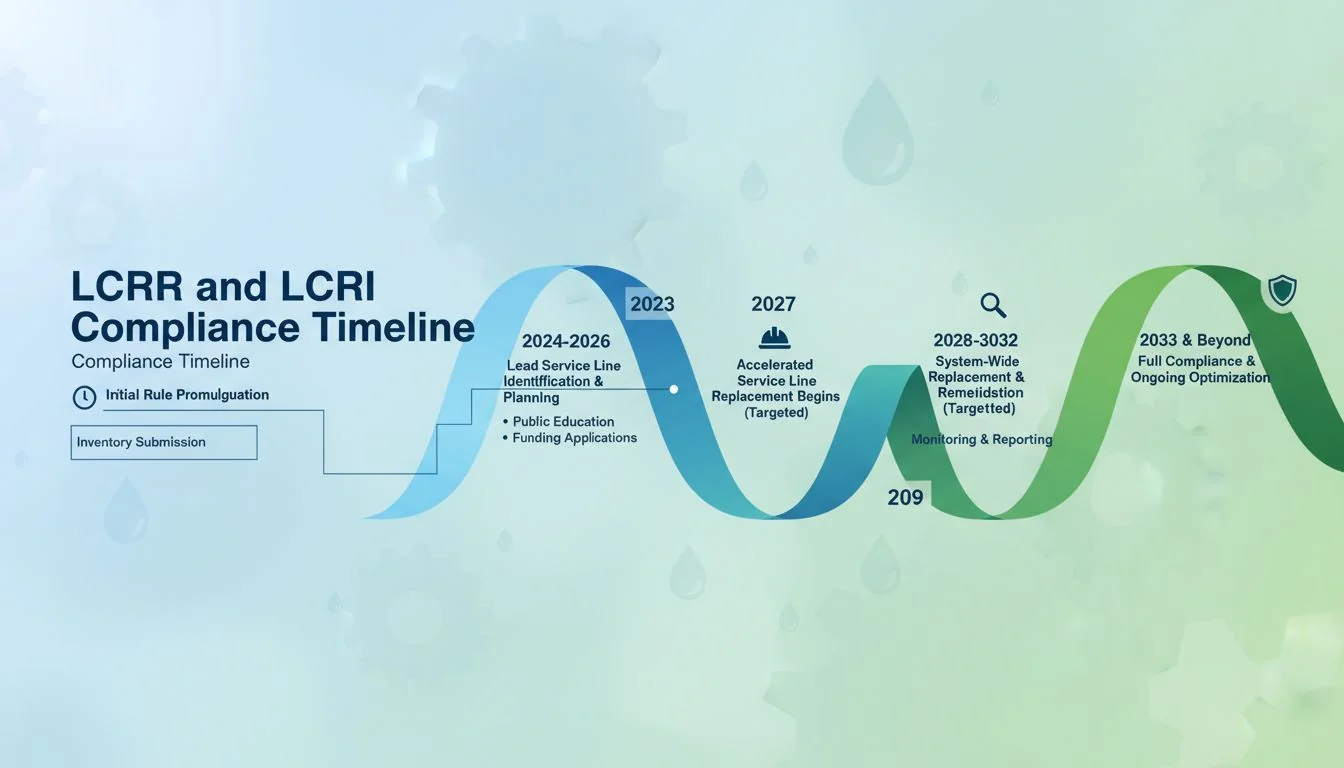
The 2026 baseline shifts K-12 filtration from optional spending to mandatory compliance. The LCRI enforces a strict 10-ppb lead limit and requires service line replacements. States add more rules, making proper system design and procurement essential to avoid legal trouble.
The Shift to Mandatory Action
When I design a plastic mold, I must follow strict tolerances. The EPA now applies this same strictness to school water. The Lead and Copper Rule Revisions (LCRR) started this by forcing schools to test 20% of their fixtures every year. Then, the Lead and Copper Rule Improvements2 (LCRI) made it harder. They dropped the action level to 10-ppb. They also demand full lead pipe replacement within ten years.
State-Level Overlays
Federal rules are just the start. Many states add their own laws. As a product designer, you know that local rules change how we build things.
| State | Specific Requirement |
|---|---|
| California (AB 746) | Mandates school testing and immediate remediation. |
| Illinois (SB 0550) | Requires testing in all pre-2000 buildings. |
| New York | Demands biennial testing and reporting. |
If a school fails a test, the damage is huge. Parents file lawsuits. The news ruins the school's reputation. The question is no longer if we install filters. We must ask how we design and buy them to meet these strict laws.
California AB 746 requires schools to test and fix their drinking water systems.Vero
This state-level overlay adds specific duties for California schools beyond federal EPA rules.
A single failed water test has no impact on a school district's public reputation.Falso
A failed test in local news causes measurable reputational damage and can lead to parent class-action lawsuits.
Deployment Architecture for District Retrofits — Hydration Stations vs. Point-of-Use vs. Centralized Treatment?
Choosing the wrong filter setup wastes money. A bad design leaves kids at risk. You must pick the right architecture before you even look at vendors.
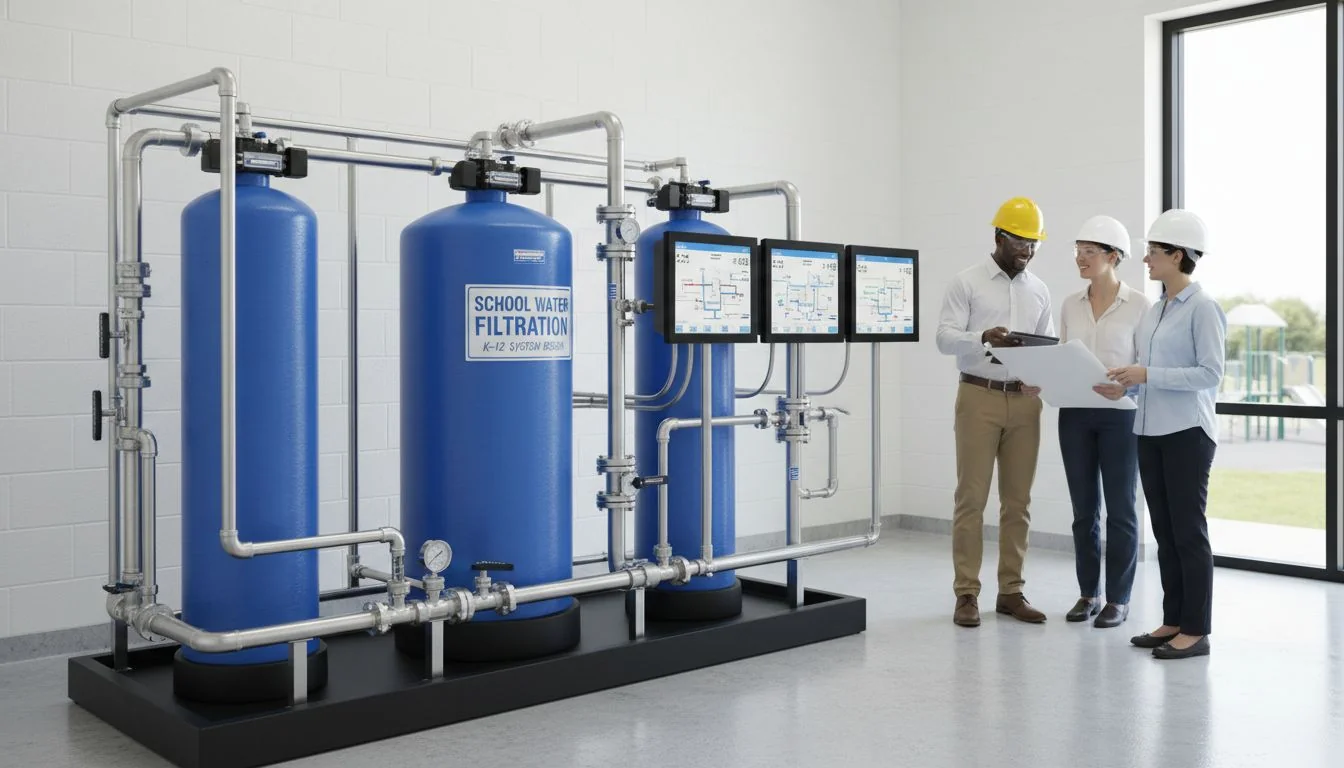
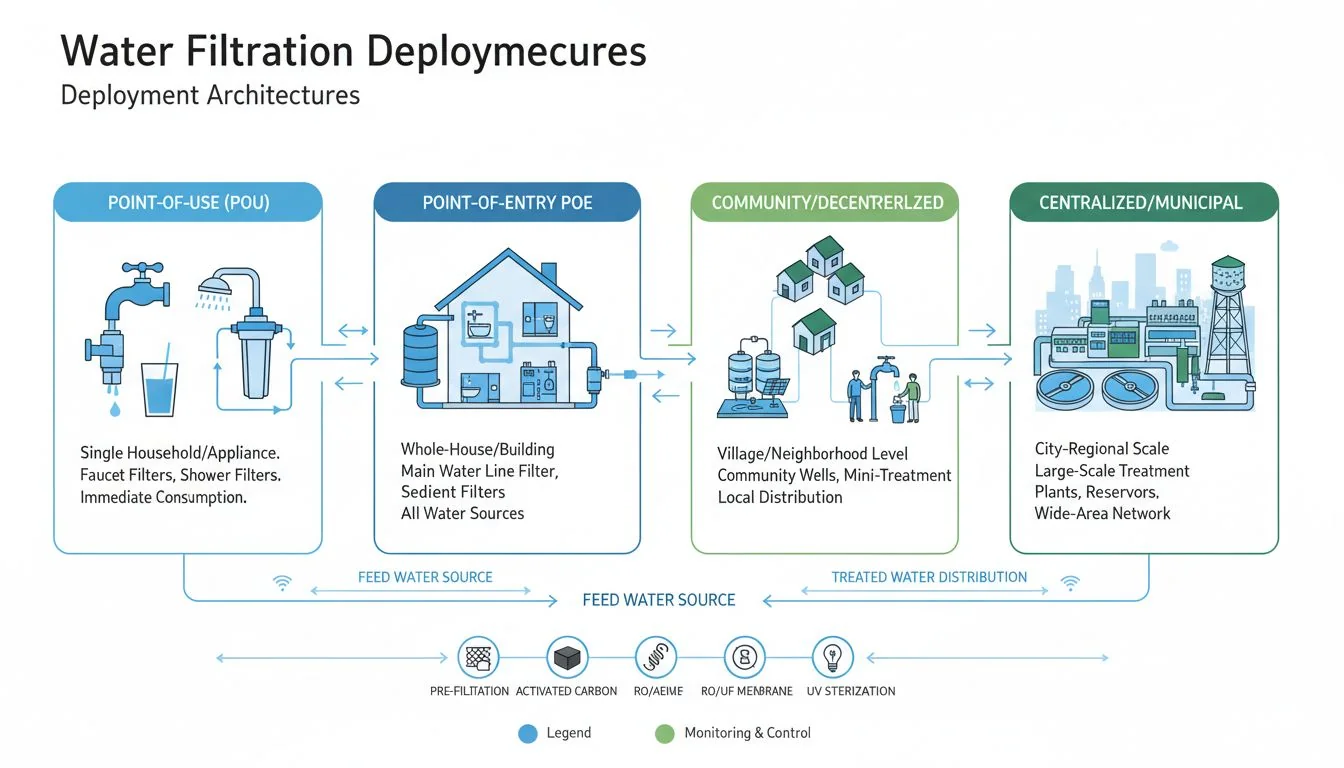
Districts use a hybrid approach. Hydration stations work best for busy hallways. Point-of-use (POU) filters fit classroom sinks. Centralized point-of-entry (POE) systems fix whole buildings with severe pipe issues. The best vendors supply all three types with one set of replacement cartridges.
Building the Hybrid System
In my CNC trading company, we never use one tool for every job. School water systems are the same. Districts usually mix two or three different setups. You must decide on the architecture first.
The Three Main Choices
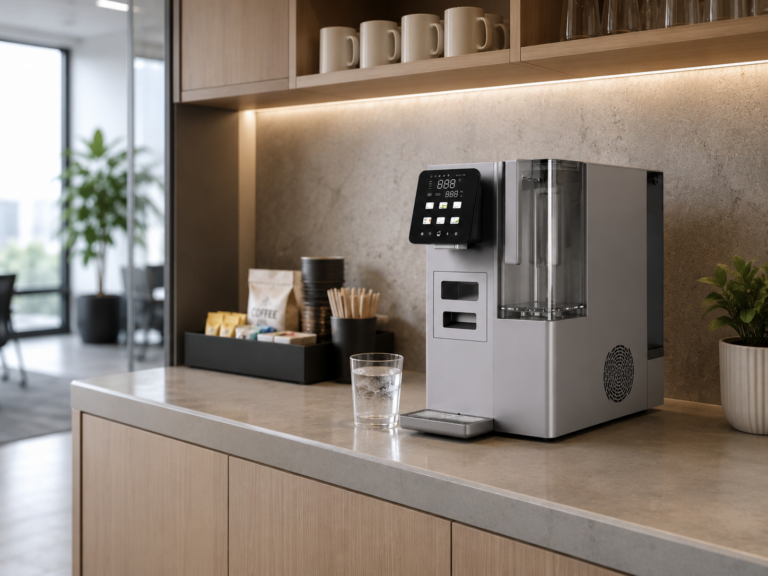
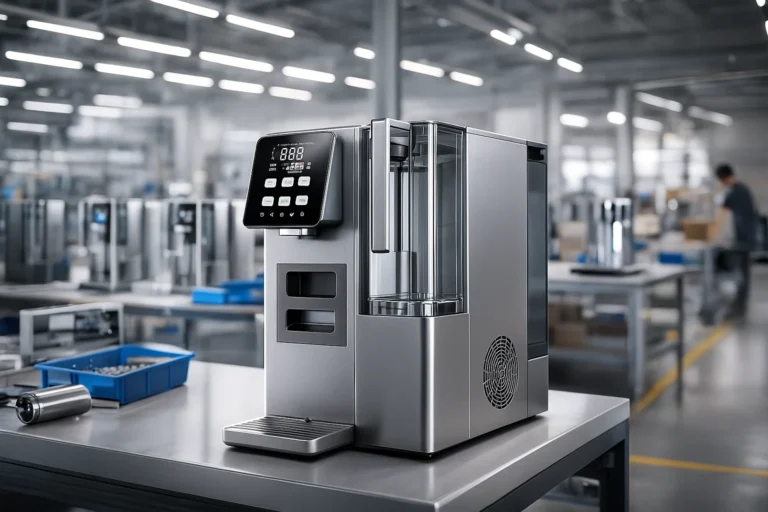
Hydration stations are the most popular. They cost between $1,500 and $4,500 installed. They chill the water and meet ADA rules. We put these in hallways and gyms. Point-of-use (POU) filters go under sinks. They cost $200 to $800. These are perfect for classrooms and nurse offices. Point-of-entry (POE) systems treat the whole building. They cost over $15,000. We only use POE when the whole building has old, bad pipes.
| Architecture Type | Best Location | Installed Cost |
|---|---|---|
| Hydration Station | Corridors, Cafeterias | $1,500 - $4,500 |
| Point-of-Use (POU) | Classrooms, Kitchens | $200 - $800 |
| Point-of-Entry (POE) | Whole Building | $15,000+ |
Pitcher filters are just a quick fix. Schools replace them within a year. A smart district buys from one vendor who makes all three systems. This means one service contract and one type of plastic filter cartridge to mold and replace.
Pitcher and faucet-mount filtration are considered permanent solutions for school water compliance.Falso
They are only acceptable as an interim response and are typically replaced within 12 months.
Point-of-use (POU) filtration is the right choice for classroom sinks and nurses' offices.Vero
POU systems are cost-effective for individual fixtures where full hydration stations are not feasible.
The Certification and Documentation Stack Every School Water Filtration RFP Should Demand?
Fake claims put your project in danger. Buying uncertified filters leads to failed audits. You need strict proof of certification to protect your funding and your students.
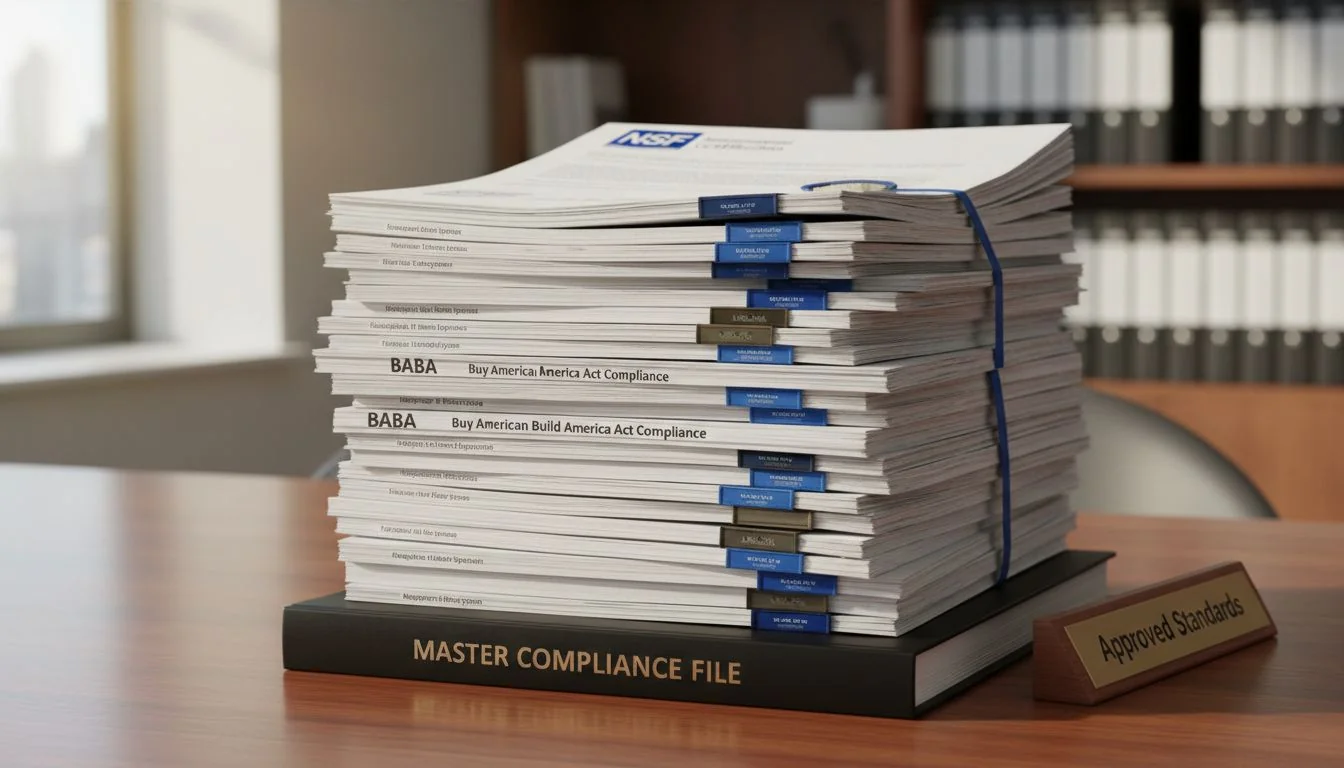
A complete RFP requires deep certification. You need NSF/ANSI 53 for lead, NSF/ANSI 401 for PFAS, and NSF/ANSI 372 for lead-free materials. Federal funds also require Build America Buy America (BABA) compliance. Vendors must provide audit-ready test reports and maintenance schedules.
Beyond Basic Claims
When I check a new mold design, I demand exact material specs. You must do the same for water filters. A simple "NSF certified" sticker is not enough. The documentation stack must be deep and verified.
Required Certifications
You must hit the 10-ppb lead target using NSF/ANSI 53. You also need NSF/ANSI 42 for chlorine and taste. Many states now demand NSF/ANSI 401 to stop PFAS chemicals. Every plastic and metal part must pass NSF/ANSI 372 to prove it is lead-free.
| Certificazione | What It Covers |
|---|---|
| NSF/ANSI 53 | Lead reduction (to 10-ppb or lower) |
| NSF/ANSI 401 | Emerging contaminants like PFAS |
| NSF/ANSI 372 | Lead-free wetted materials |
| BABA | Build America Buy America compliance |
If you use federal money, you must follow BABA rules. You cannot buy foreign-made equipment without a waiver. If you forget this in your RFP, the government will take their grant money back. The vendor must also give you clear manuals, public notice templates, and a five-year record plan.
NSF/ANSI 372 certification ensures that the wetted materials in the filter are lead-free.Vero
This is a mandatory certification for any product in the drinking water category.
Products manufactured outside the US can always be purchased with federal grant money.Falso
Federal funds require Build America Buy America (BABA) compliance, meaning non-US products need a specific waiver.
Funding the Retrofit — BIL Lead Service Line Replacement, WIIN Section 2107, ESSER Balances, State Grants, and Cooperative Purchasing?
Upgrading water systems costs a lot of money. Missing out on grants hurts your budget. You must match the right funding source to the right approved product.
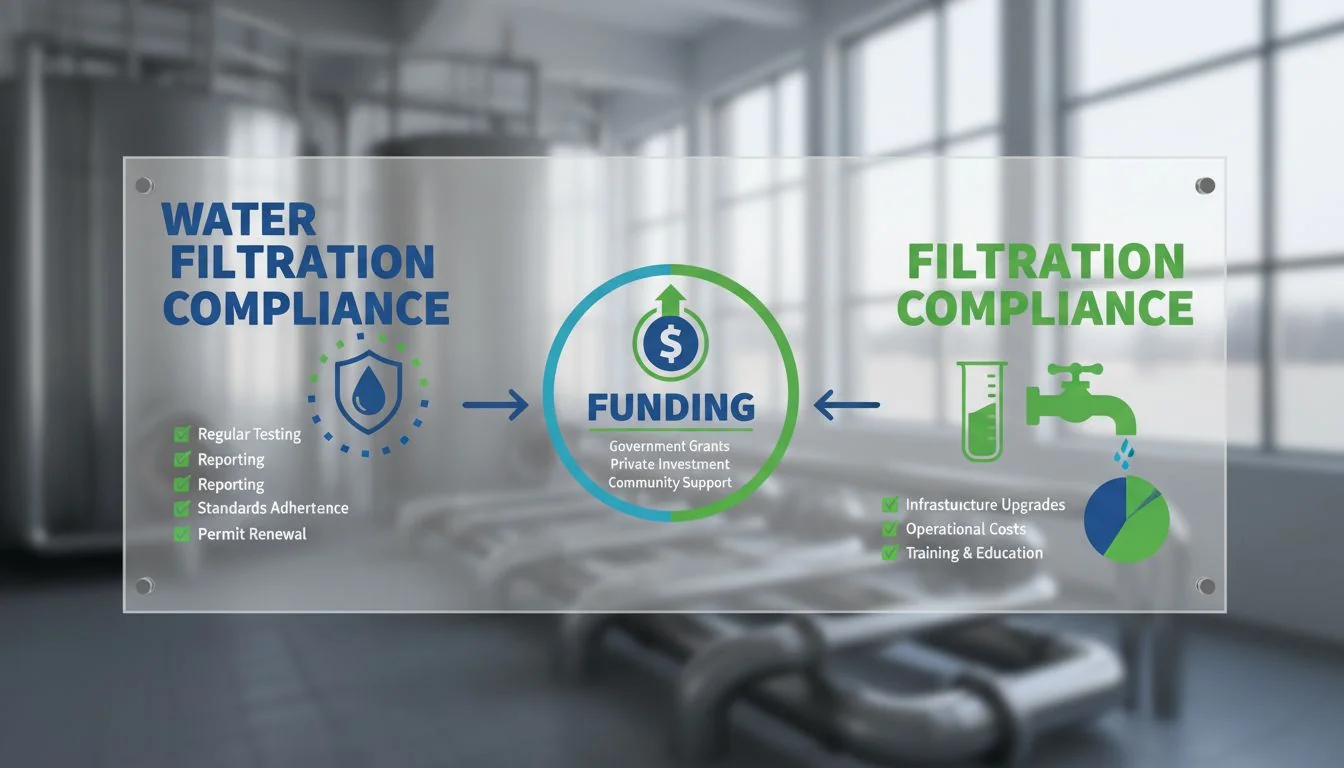
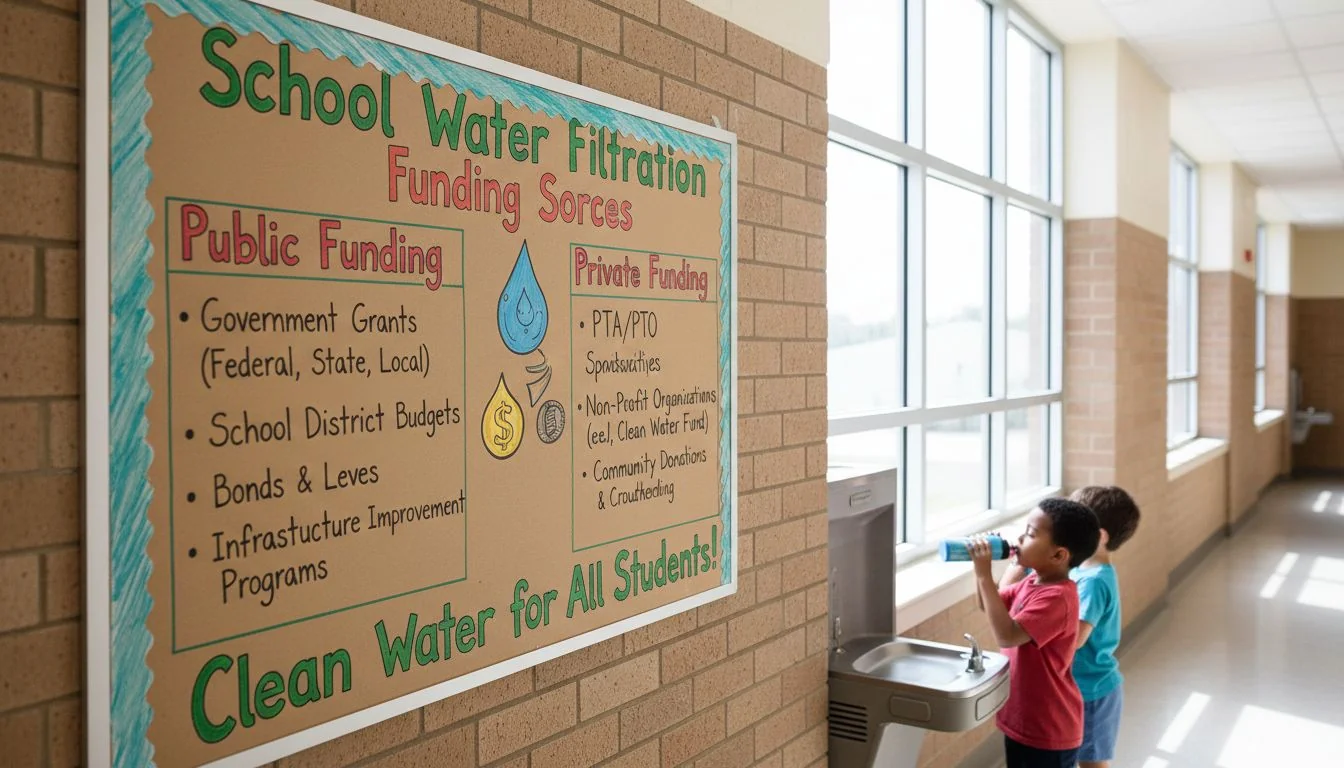
The 2026 funding landscape is huge. Districts can use BIL funds, WIIN grants, ESSER balances, and state programs. Cooperative purchasing groups like Sourcewell let schools skip long RFP processes. However, the funding source often dictates which specific products you are allowed to buy.
Navigating the Money Maze
In my trading business, matching the right buyer to the right factory is key. For schools, matching the funding to the product is just as critical. The Bipartisan Infrastructure Law3 (BIL) gives $15 billion for lead pipes. It also gives over $200 million a year for school testing.
Different Rules for Different Funds
WIIN Act Section 2107 offers dedicated grants. Many schools still have ESSER money. They must spend it fast by 2026. States like California and New York have their own cash pools.
| Funding Source | Key Characteristic |
|---|---|
| BIL / IIJA | Federal money, requires BABA compliance. |
| ESSER | Pandemic relief funds, strict 2026 deadlines. |
| State Grants | Often require state-registered products. |
| Co-op Purchasing | Bypasses full RFP, saves time (e.g., Sourcewell). |
Local bonds have fewer rules but take longer to approve. Cooperative purchasing groups save months of work. They offer pre-approved contracts. Remember, federal grants demand BABA compliance. State grants need state-approved items. A good vendor maps the funding to the right product early. This saves the district weeks of painful compliance checks.
Cooperative purchasing groups like Sourcewell require districts to run a full, new RFP process.Falso
Co-ops offer pre-competed contracts that allow districts to bypass the full RFP process, saving time.
The Bipartisan Infrastructure Law (BIL) authorized $15 billion for lead service line replacement.Vero
This massive federal funding pool is designed to help municipalities and schools upgrade their water infrastructure over 10 years.
Vendor Selection for a 5-Year Program — Why Cartridge Supply, Service Continuity, and Documentation Outweigh Initial Equipment Price?
Buying cheap equipment is a trap. High maintenance costs will destroy your budget later. You must choose a vendor based on long-term parts supply and service stability.
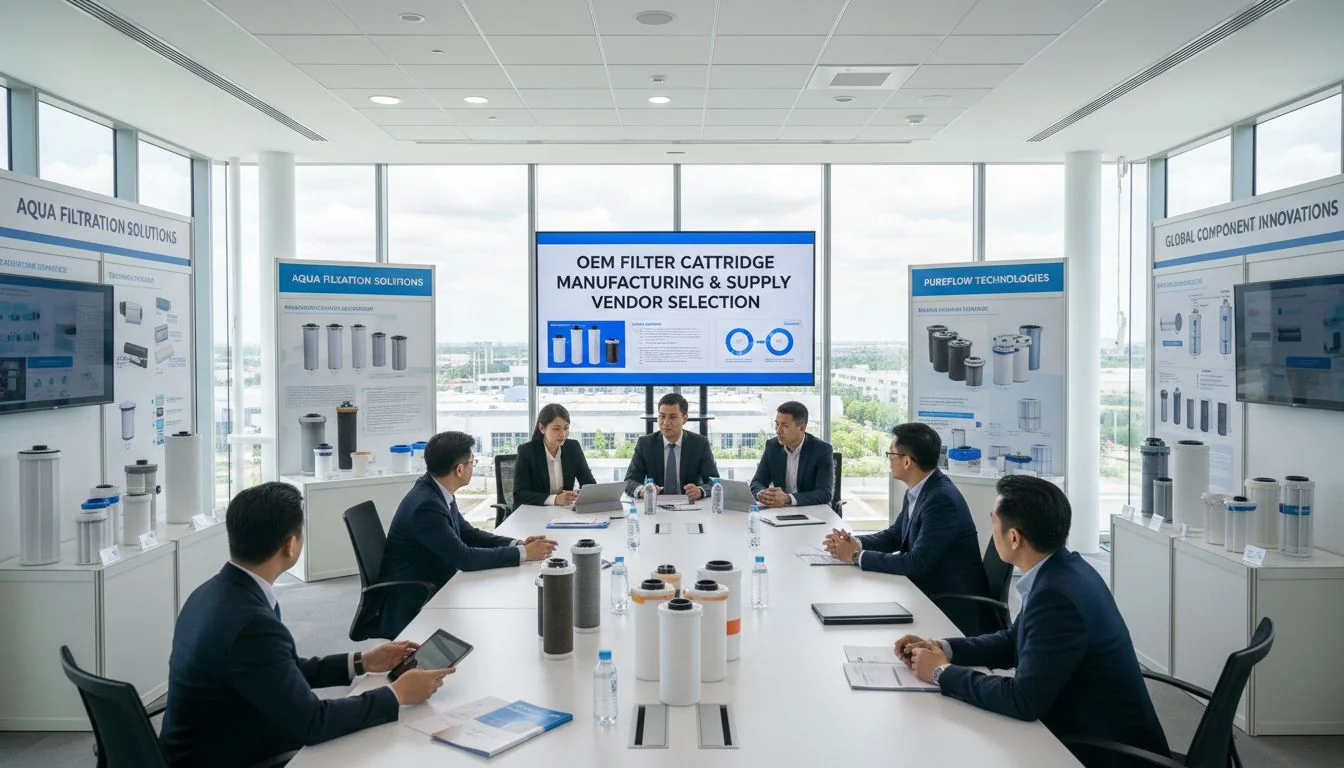
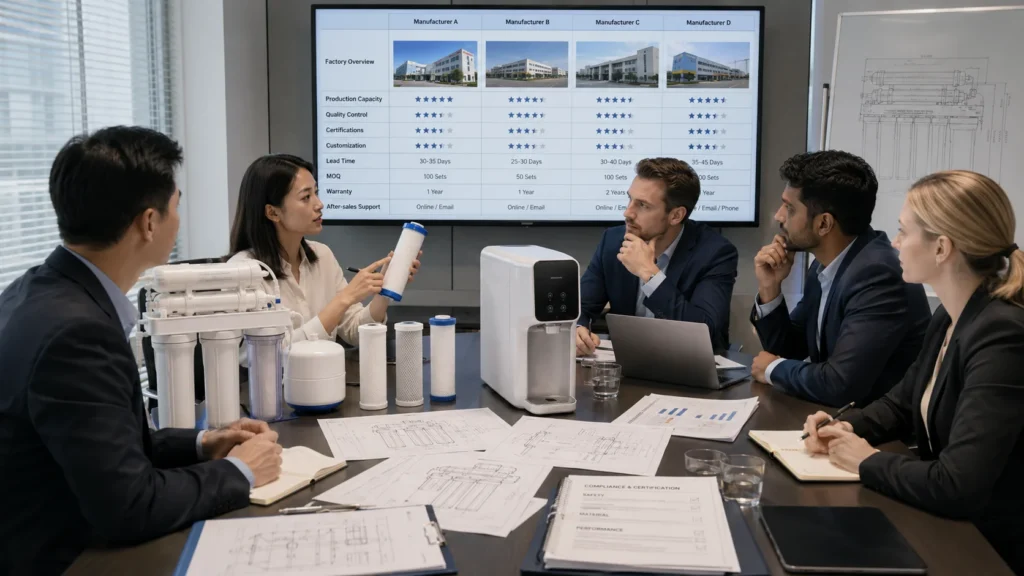
Initial equipment cost matters less than the 5-year program economics. Filter cartridge replacements and service contracts cost thousands annually. Districts need OEM-capable partners who guarantee cartridge supply, offer standard fittings, provide 5-to-7-year warranties, and manage compliance documentation to ensure long-term success.
The Hidden Costs of Maintenance
When I design a plastic part, I think about the cost to make one million of them. Districts must think the same way about filter cartridges. A district with 100 stations will use over 100 cartridges a year. At $40 to $120 each, that is up to $60,000 over five years. This often costs more than the machines themselves.
Why OEM Capability Matters
You must avoid vendor lock-in. Proprietary plastic fittings trap you into high prices. Standard fittings save money. Service contracts cost $50 to $200 per fixture every year because school staff cannot change hundreds of filters on time.
| Evaluation Factor | Why It Matters |
|---|---|
| Cartridge Supply | Ensures filters are available and prices stay stable. |
| Service Contracts | Keeps maintenance on schedule without burdening staff. |
| OEM Capability | Direct manufacturing means better quality and custom options. |
| Warranty Length | Schools need 5-7 years, not the standard 1-3 years. |
Many vendors jump into the K-12 market, raise prices, and leave. You need an OEM-capable manufacturing partner. They make the cartridges directly. They offer stable prices and handle the heavy paperwork. Long-term supply and service matter much more than the upfront price tag.
The cost of replacing filter cartridges over 5 years is usually much lower than the initial equipment cost.Falso
Cartridge replacement costs over 5 years often exceed the initial FOB total of the equipment.
An OEM-capable manufacturing partner provides better price and supply stability for filter cartridges.Vero
Direct manufacturing allows the vendor to control the supply chain, avoiding sudden price hikes or shortages.
Conclusione
Upgrading K-12 water systems requires smart design, strict compliance, and reliable OEM partners. Focus on long-term maintenance and proper funding to keep students safe and budgets secure.
References
-
Explore effective strategies for implementing K-12 water filtration systems to ensure compliance and safety. ↩
-
Understand the implications of the LCRI on school water safety and compliance requirements. ↩
-
Discover how federal funding from the BIL can help schools upgrade their water infrastructure. ↩

 English
  Français
  Español
  Italiano
  Deutsch
  Português
  Русский
  العربية
  日本語
日本語  한국어
한국어  Tiếng Việt

