
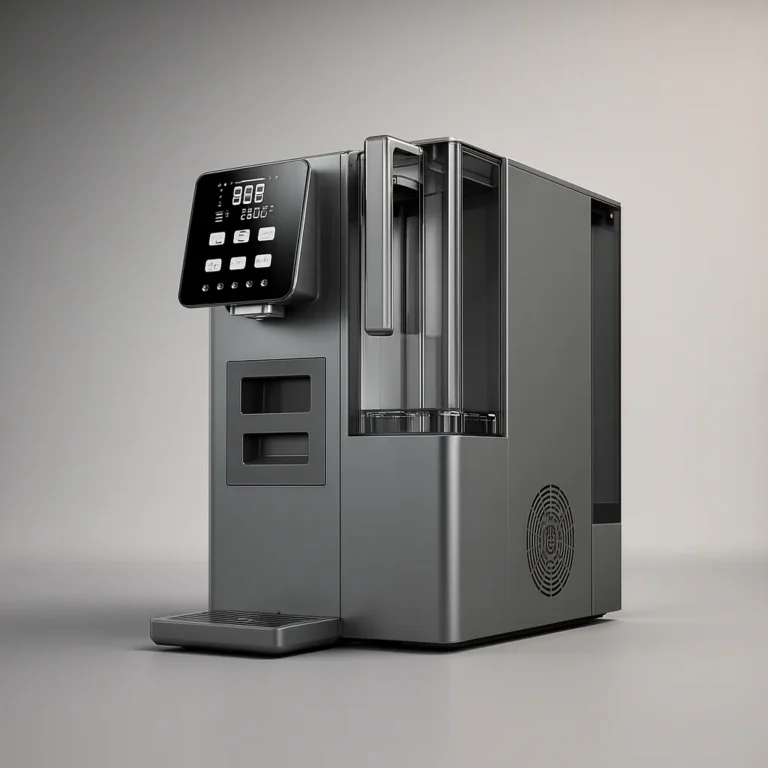
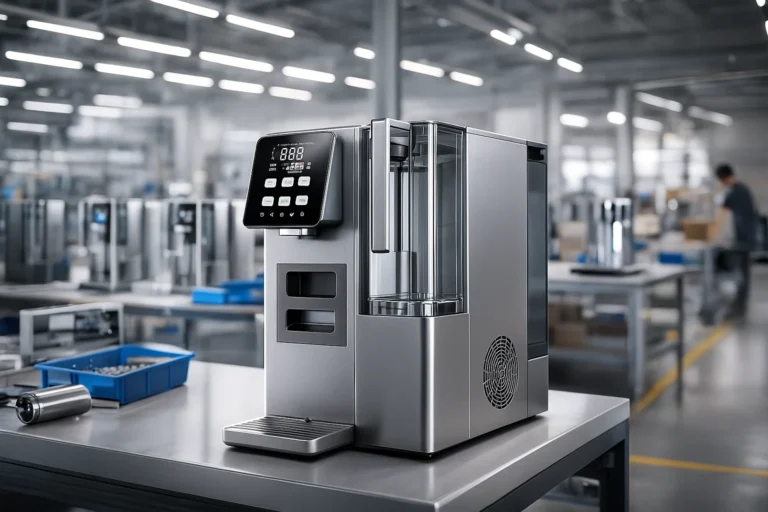
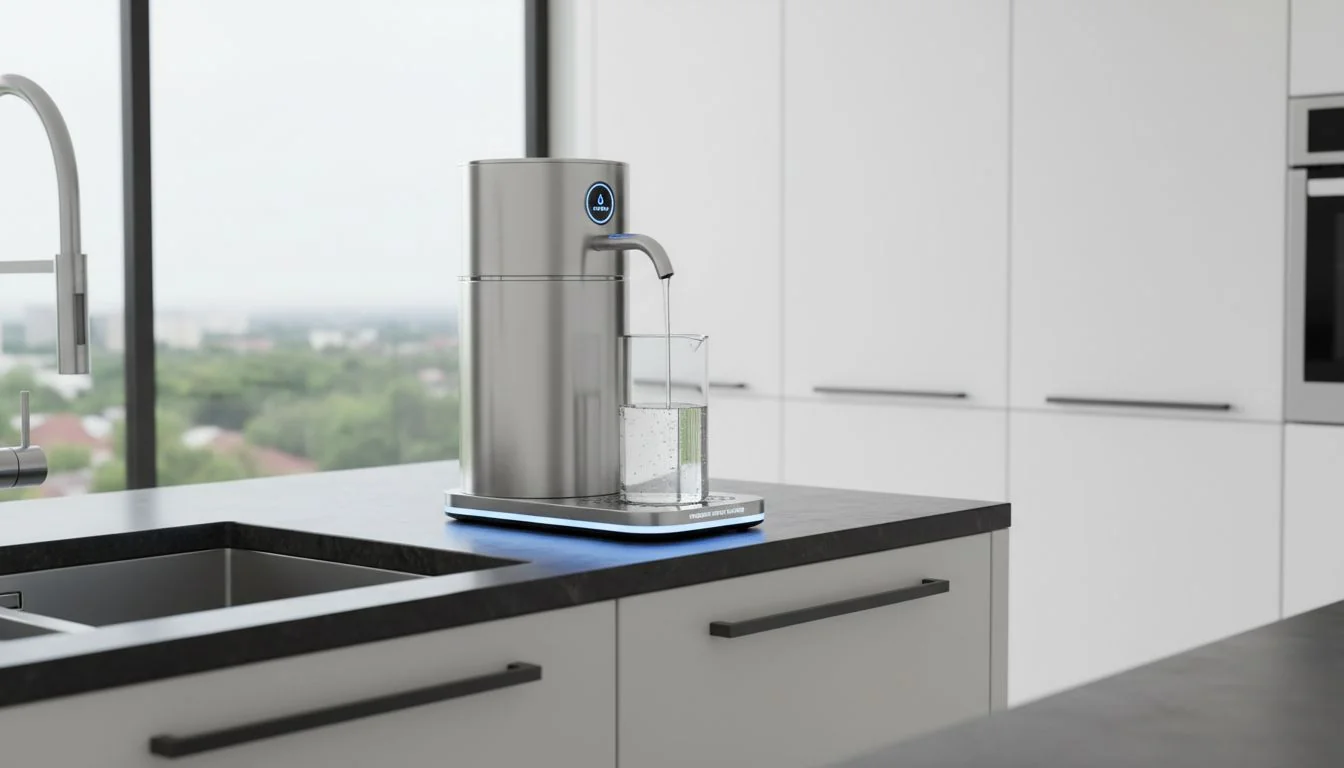
You design products every day. You know the struggle. How do you turn a cheap plastic utility item into a high-margin kitchen centerpiece? It is a massive design challenge.
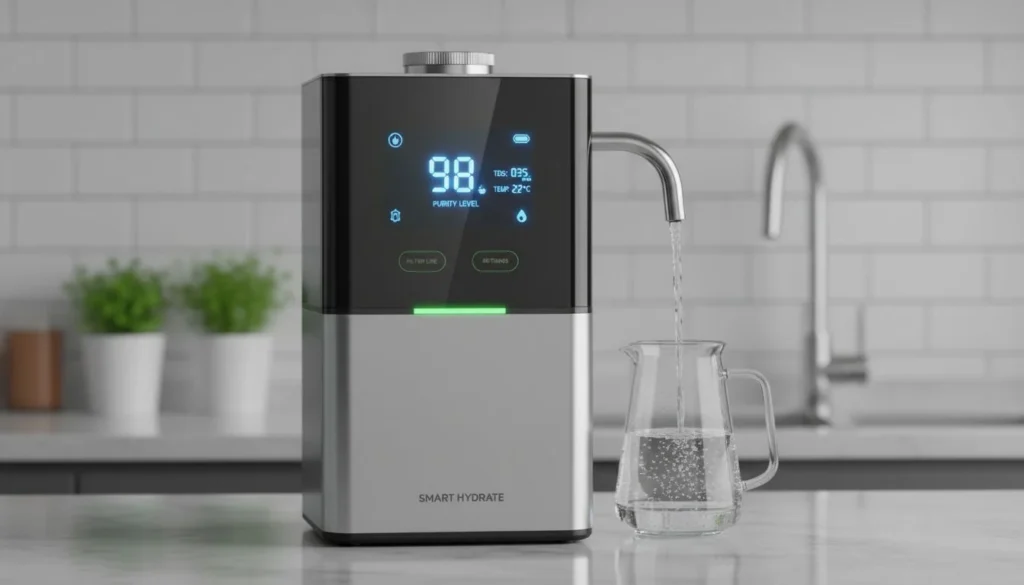
A premium countertop purifier transcends basic filtration by integrating Reverse Osmosis (RO), instant heating, and cooling into a standalone appliance. It replaces the kettle and pitcher, utilizing high-grade materials like stainless steel1 to justify a higher price point while offering installation-free convenience for modern renters.
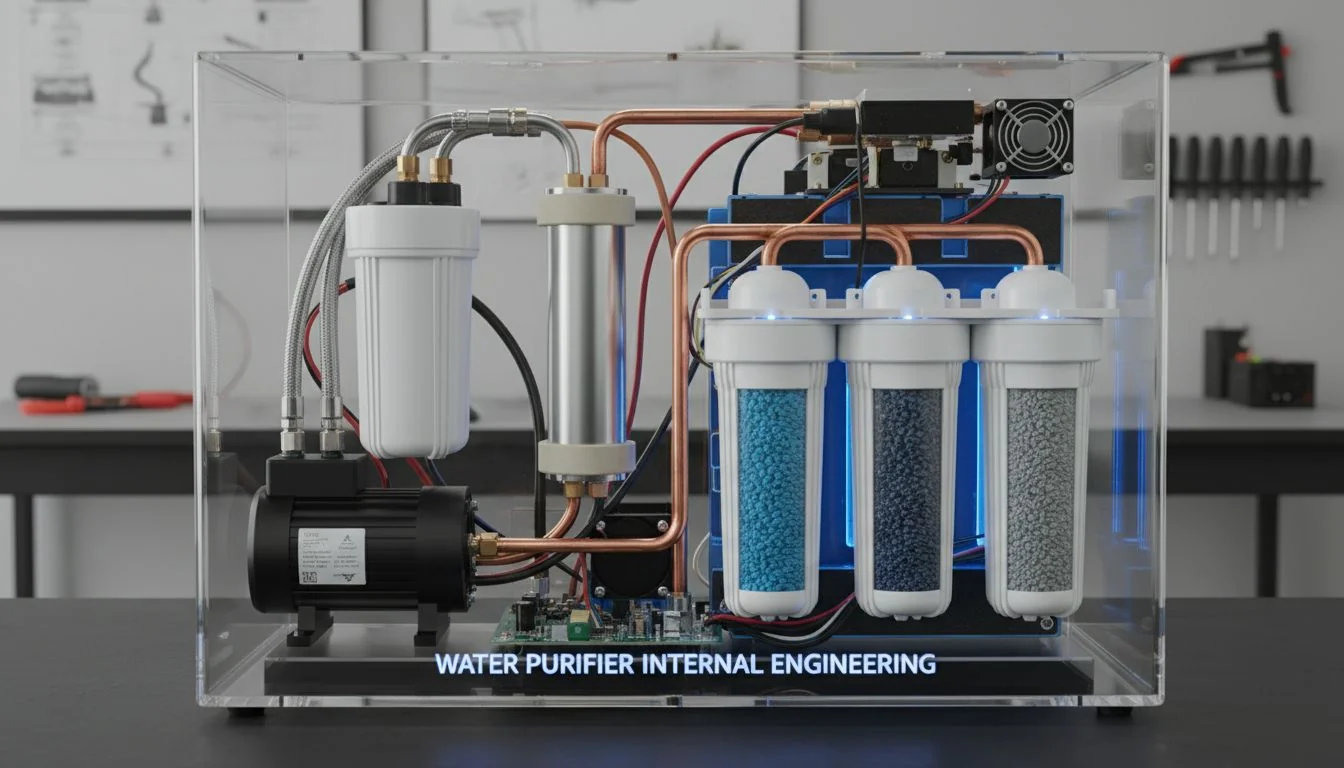
I used to look at water filters as simple commodities. I thought they were just plastic shells holding some carbon. But after years in the mold and manufacturing industry, I see the shift happening. We are moving away from cheap disposables. We are moving toward complex, permanent appliances. If you want to design a winner in this market, you cannot just make a better filter. You have to build a better machine. Here is how we break down that difference.
The global water purifier market is shifting towards premium, multifunctional devices.Vero
Market data shows a growing consumer preference for appliances that offer heating, cooling, and filtration in one unit.
Plastic pitchers filter water as effectively as RO systems.Falso
Pitchers usually only use carbon filters for taste, while RO systems remove dissolved solids and heavy metals.
Why Must We Move Beyond the Simple Plastic Pitcher?
Most water filters are cheap plastic jugs. They sit in the fridge and crack easily. As designers, we know this low-end market is saturated and boring.
Moving beyond the pitcher means shifting the product category from a consumable accessory to a permanent kitchen appliance2. This shift allows for higher profit margins, better durability, and the integration of complex features like pumps and heaters that simple gravity-fed pitchers cannot support.
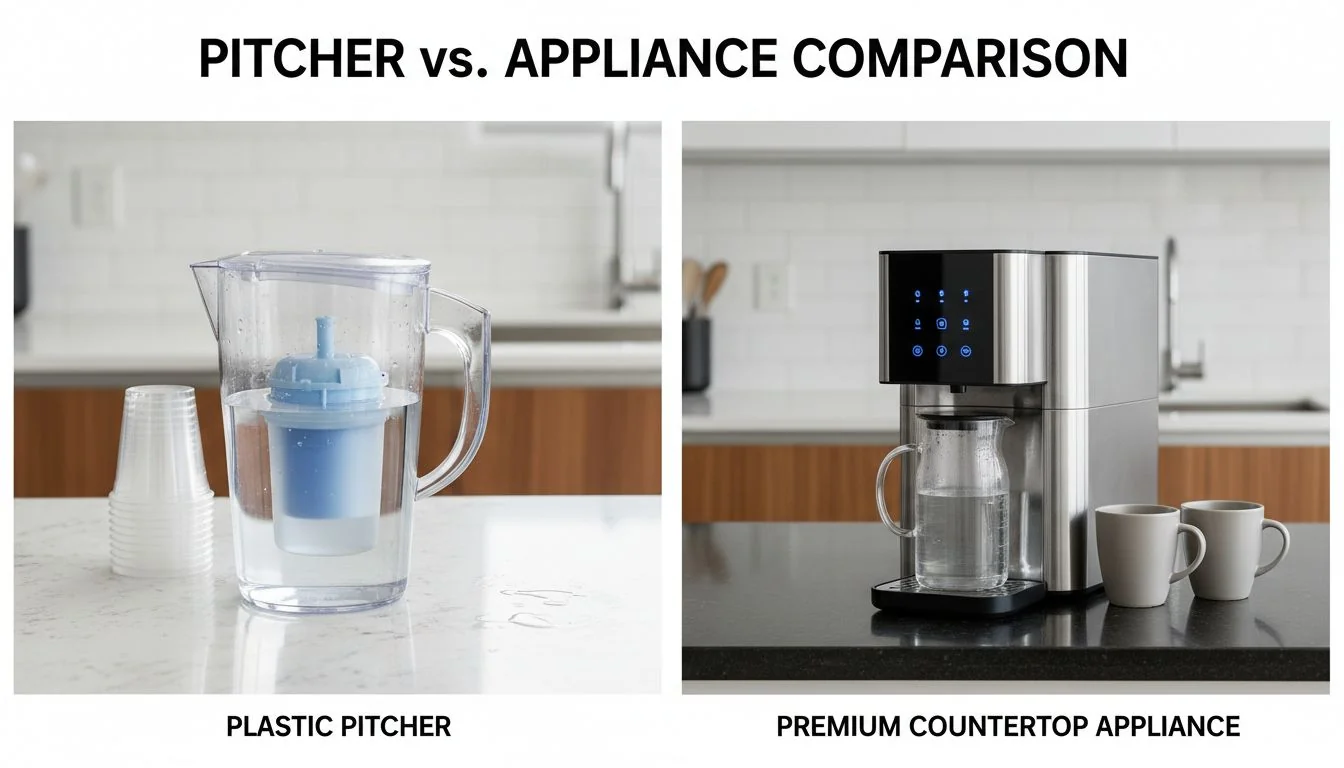
This is the most important shift in our mindset. Think about the price difference. A standard water filter pitcher costs about $30. A premium countertop appliance3 costs between $300 and $600. Why? It is the same logic as a coffee machine. You can buy instant coffee for pennies, or you can buy a Breville espresso machine for hundreds.
When we design a "premium" purifier, we are entering the "Kitchen Appliance" category. We are no longer competing with Brita. We are competing with Vitamix and KitchenAid. This means the design must be robust. It cannot feel hollow. It needs weight.
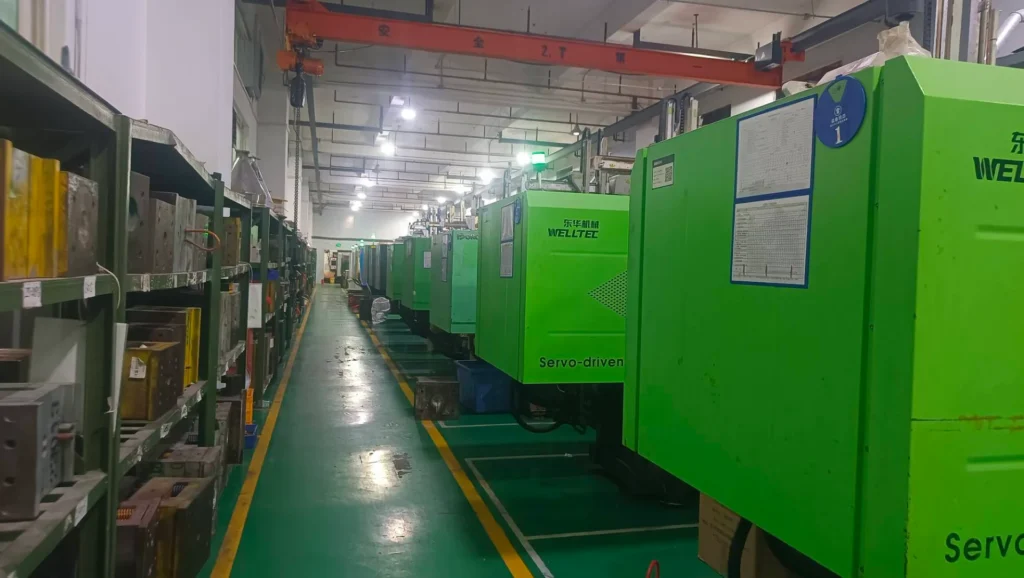
From a manufacturing perspective, this changes everything. We are not just molding a simple shell anymore. We are integrating electronics, pumps, and heating elements. We have to manage heat dissipation inside a plastic or metal housing. We have to worry about vibration dampening so the pump does not rattle on the counter. This complexity is what justifies the margin. If you design a simple plastic box, you get a low price. If you design a complex, integrated machine, you create value.
Consumers are willing to pay 10x more for an appliance than a simple accessory.Vero
Perceived value increases significantly when a product is categorized as an electric appliance rather than a manual tool.
Gravity-fed filters can produce water instantly.Falso
Gravity filtration is slow and relies on physical pressure, whereas powered appliances use pumps for speed.
Touch a plastic toaster. Now touch a stainless steel espresso machine. The feeling is different. Material selection is the fastest way to communicate value to a user.
Replacing ABS plastic with food-grade stainless steel signals durability and hygiene. In the appliance world, metal equates to "pro-sumer" quality. Using stainless steel for internal tanks and external housing prevents bacterial growth and elevates the aesthetic to match high-end kitchen environments.
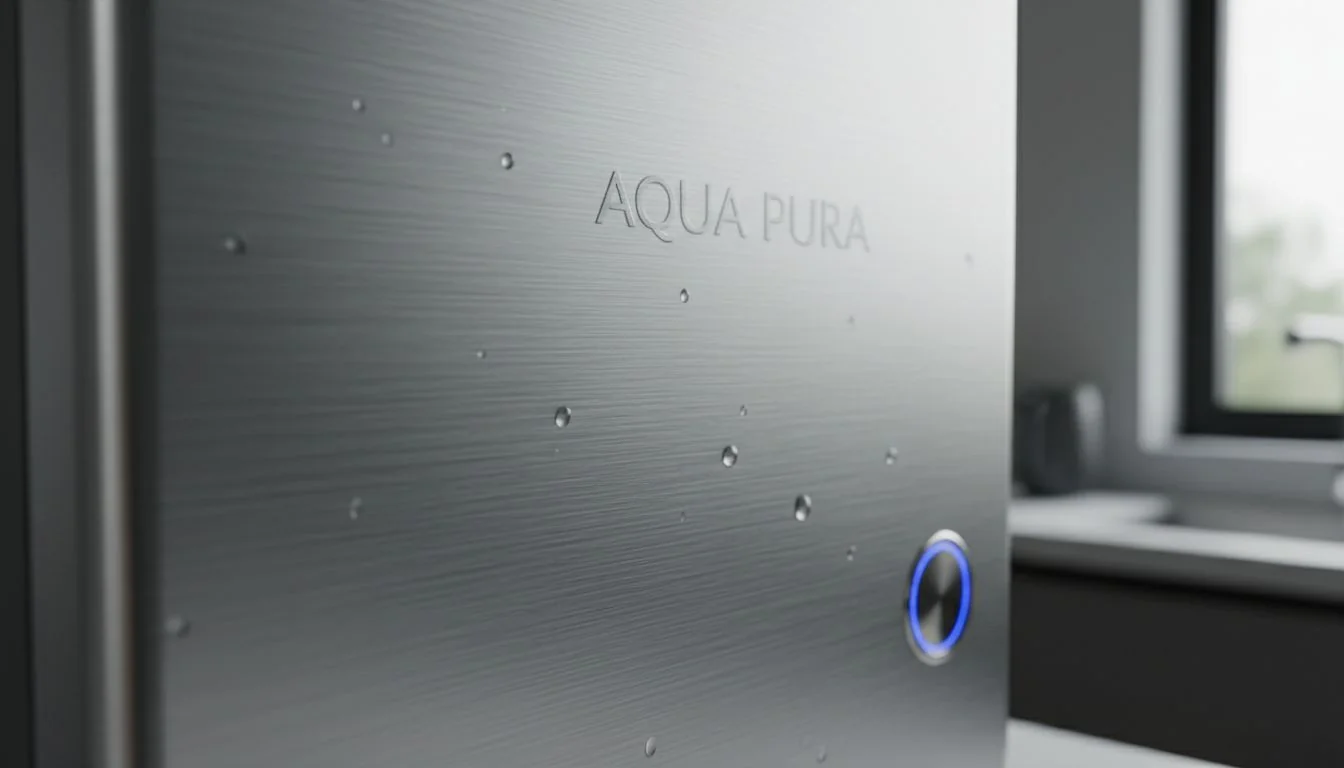
In the appliance world, there is a simple rule: Plastic equals cheap, and Metal equals premium. Look at the evolution of mixers. The cheap ones are white plastic. The expensive ones are die-cast metal or stainless steel.
For water purifiers, this is even more critical. Water sits in these tanks. Plastic tanks can develop biofilm over time. They can scratch during cleaning, and those scratches hide bacteria. Stainless steel is hygienic. It is sterile.
When I look at what companies like Hisoair are doing, they are using stainless steel technology to elevate the product. It is not just about the outside look. It is about the internal water path. As a mold designer, you know that molding a complex plastic tank is cheaper. But welding a stainless steel tank shows a commitment to quality.
This also solves a "perceived obsolescence" problem. Plastic yellows over time. It gets brittle. Steel looks the same after ten years. When a customer sees a steel body, they assume the motor and filters inside are also high quality. It builds trust before they even drink the water.
Stainless steel surfaces are more resistant to bacterial growth than scratched plastic.Vero
Steel is non-porous and harder to scratch, leaving fewer places for bacteria to hide.
Plastic housings are always more durable than metal.Falso
Plastic degrades with UV exposure and heat, while metal retains structural integrity much longer.
Why Is Deep Filtration More Than Just Taste?
A simple carbon filter removes chlorine smell. That is easy. But a premium device needs to do heavy lifting. It must handle invisible threats effectively.
Premium units utilize Reverse Osmosis (RO) to remove heavy metals and dissolved solids, followed by remineralization to restore taste. This multi-stage process requires precise internal engineering to manage pressure and flow, distinguishing it from simple flow-through filters that only trap large particles.
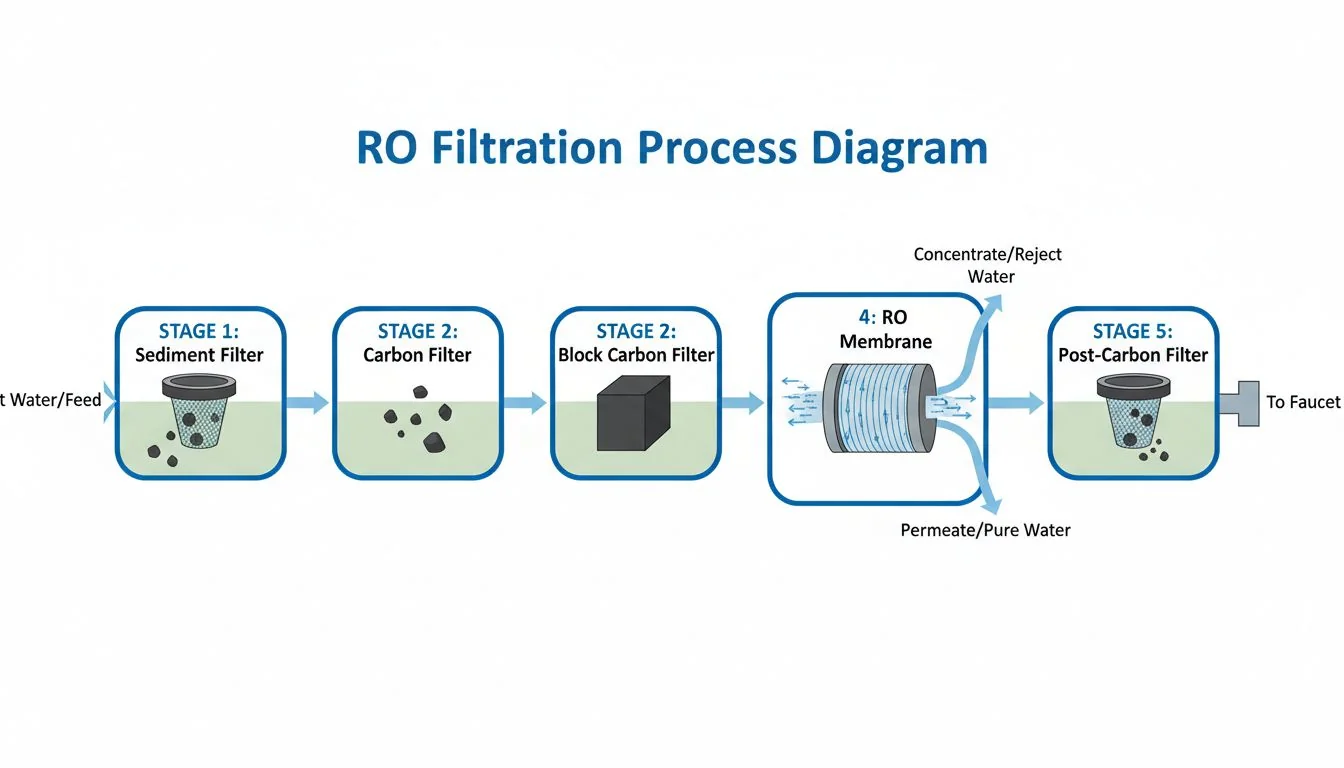
We need to talk about what is happening inside the box. A $30 pitcher uses activated carbon. It makes the water taste better, but it does not remove heavy metals or dissolved solids.
A premium countertop unit uses Reverse Osmosis (RO). This is a serious piece of engineering. You need a high-pressure pump to push water through a membrane. You need to manage the waste water. You need sensors to detect leaks.
But here is the catch: RO water can taste "flat" because it is too pure. It has no minerals. So, a true premium device adds a mineralization stage. It puts the good stuff (calcium, magnesium) back in.
Integrating this into a compact countertop unit is difficult. You have limited space. You have to route tubes without kinking. You have to make filter replacement easy for the user. This is where a partner like Hisoair becomes valuable. They have figured out how to pack a multi-stage industrial process into a sleek box. It is not just filtering; it is water processing.
Reverse Osmosis removes smaller particles than standard carbon filters.Vero
RO membranes have a pore size of 0.0001 microns, blocking viruses and dissolved salts.
Pure RO water always tastes the best to all consumers.Falso
Many consumers find pure RO water flat or acidic; remineralization is often needed for optimal taste.
Can One Device Really Replace the Electric Kettle?
Counter space is valuable real estate. Users hate clutter. If your design adds another box, it fails. If it removes two boxes, it wins.
By integrating instant heating4 and cooling, a premium purifier consolidates the kitchen counter. It functions as a purifier, a kettle, and a chilled pitcher in one device. This "3-in-1" functionality appeals to minimalists and justifies a higher price tag by offering immediate convenience.
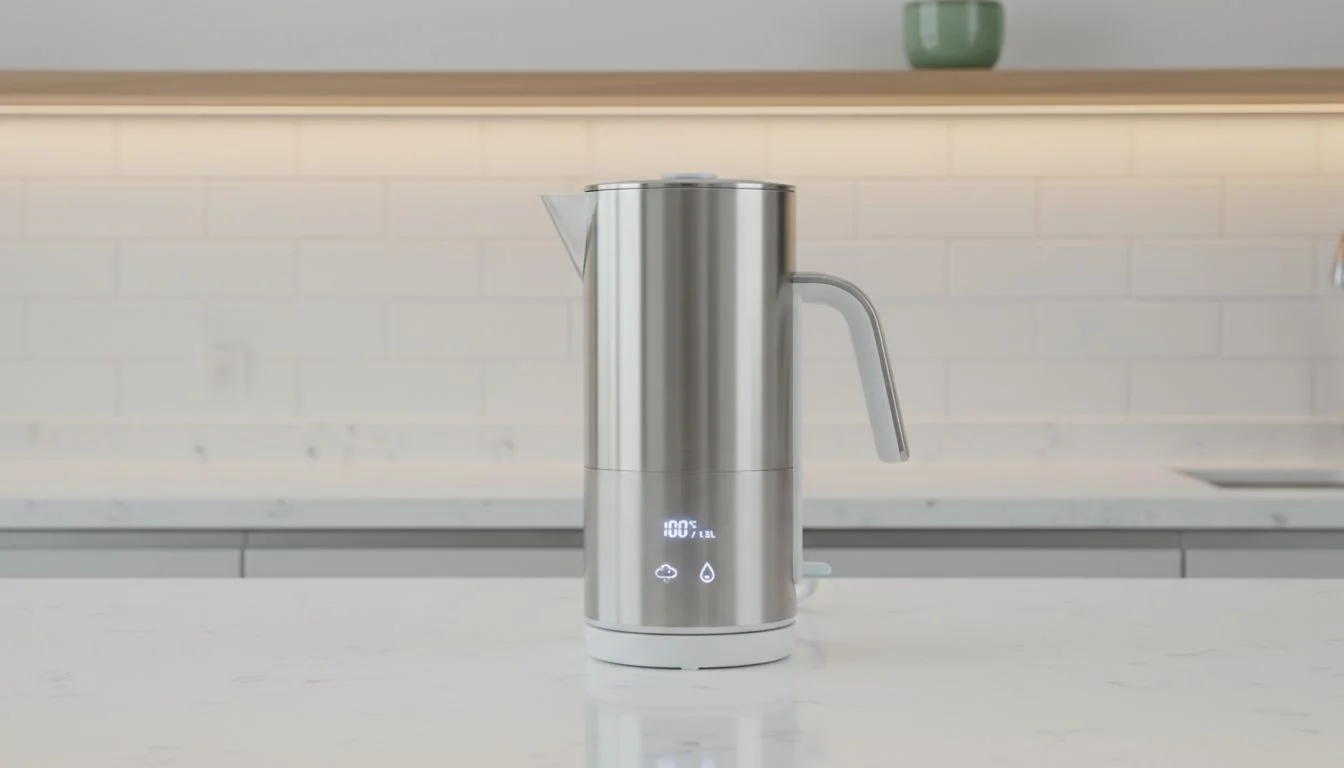
This is a huge selling point. We call it "Replacing the Kettle." In a modern kitchen, space is tight. People have a toaster, a coffee maker, a kettle, and a water pitcher. It is a mess.
A premium purifier attacks the electric kettle market directly. It offers "Instant Hot" water. You want tea? Press a button. You want baby formula at exactly 45°C? Press a button.
From a design standpoint, this adds thermal challenges. We are putting a heating element next to plastic components and electronic boards. We need precise temperature control. We need safety locks so kids do not burn themselves.
But the value proposition is undeniable. Minimalism sells. If I can tell a customer, "Buy this one device, and you can throw away your kettle and your pitcher," I have made their life simpler. That is worth $400. It transforms the device from a "health product" to a "convenience product."
Instant heating technology uses less energy than boiling a full kettle for one cup.Vero
Heating only the exact amount of water needed is more energy-efficient than boiling excess water.
Boiling water removes all impurities.Falso
Boiling kills bacteria but concentrates heavy metals and does not remove chemicals.
Under-sink systems are great. But you cannot drill holes in a rented apartment. High-income renters in cities like Toronto or New York need options too.
A "no-installation" countertop RO system requires no plumbing changes, making it ideal for renters who cannot modify their kitchens. It uses a feed tank system, offering the performance of an under-sink unit with the portability of a coffee maker, unlocking a massive, high-spending demographic.
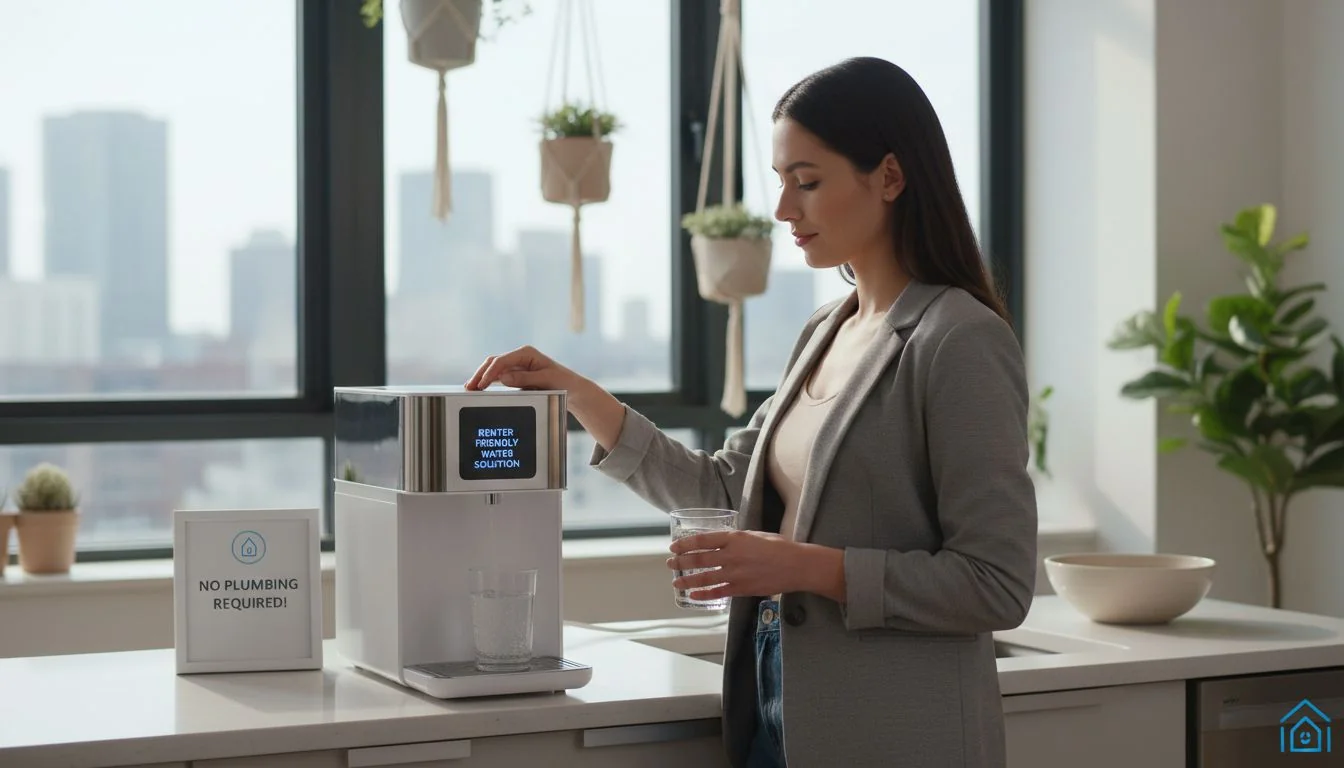
I have seen this demographic grow rapidly. Think about young professionals in London, Shanghai, or New York. They make good money. They care about health. But they rent their apartments.
They cannot install a traditional under-sink RO system. Their landlord will not allow them to drill a hole in the granite countertop for a dedicated faucet. They are stuck.
This is where the "Countertop RO" shines. It is drill-free. It is plug-and-play. You fill a tank, the machine filters it, and you drink. When they move to a new apartment, they unplug it and take it with them.
Designing for this market means focusing on the tank experience. The feed tank needs to be easy to lift and fill. The waste water tank needs to be easy to empty. The unit needs to look good from all angles because it sits out in the open. This is the perfect product for a high-spending group that the traditional plumbing industry ignores.
Renters are less likely to install permanent fixtures due to lease restrictions.Vero
Most lease agreements prohibit structural changes like drilling into countertops or modifying plumbing.
Countertop RO systems require a permanent water line connection.Falso
Modern countertop systems use removable tanks, requiring only an electrical outlet.
Why Should We Sell a "Hydration Station" Instead of a Filter?
We have looked at materials, mechanics, and markets. The final piece is the mindset. We are not selling a tool to clean water.
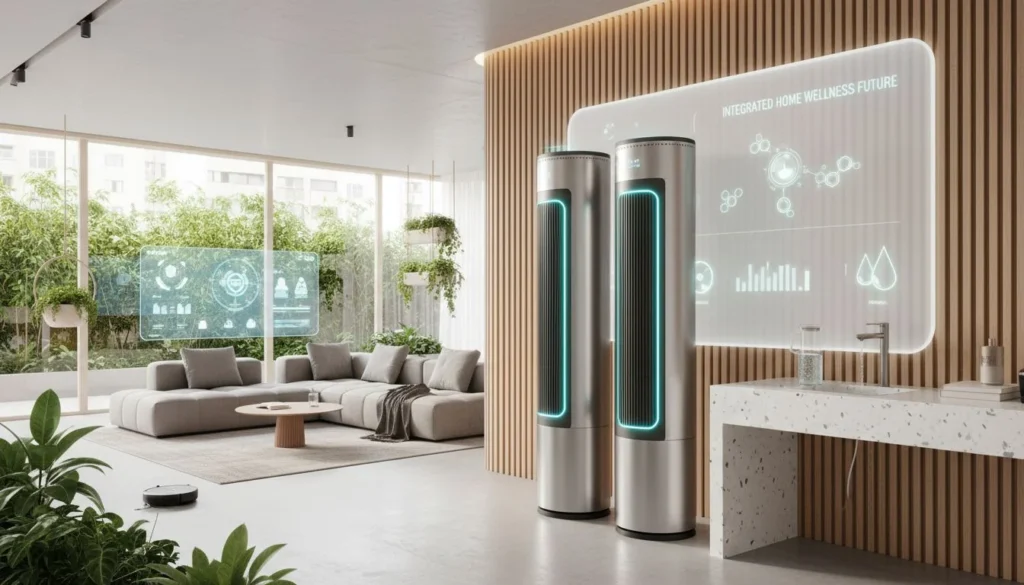
Selling a "hydration station5" frames the product as a lifestyle upgrade rather than a maintenance item. It focuses on the user experience of effortless, temperature-controlled water access. This branding strategy moves the conversation from "does it work?" to "how does it improve my daily life?"
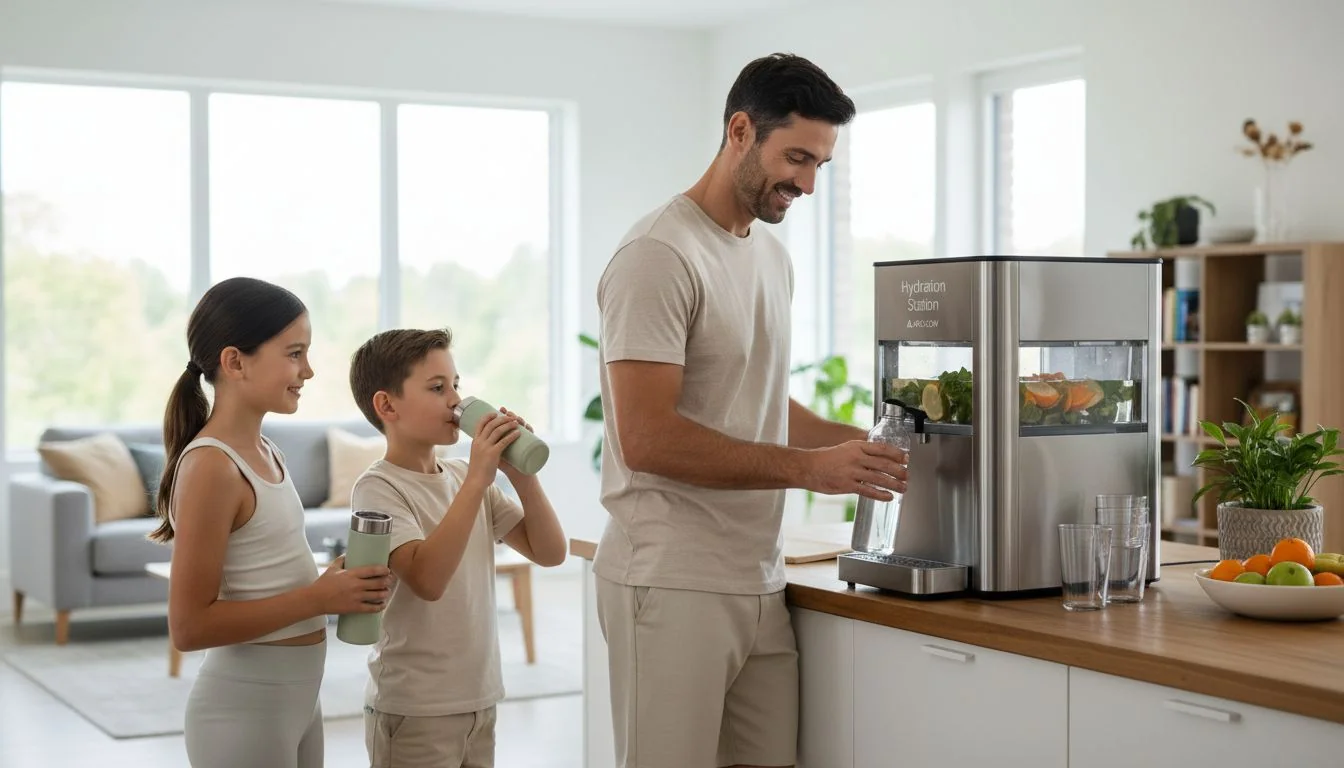
This is the conclusion of our design journey. If you market this product as a "filter," you are fighting a price war. Filters are boring. Filters are a chore.
But a "Hydration Station" is a luxury. It is about wellness. It is about convenience. It is about having cold water for your workout and hot water for your tea without waiting.
When we work with integration experts like Hisoair, we are building a complex system. We are combining heating, cooling, filtration, and premium materials6. We are solving the "renter problem." We are cleaning up the kitchen counter.
As designers, we need to respect the complexity of this device. It is not a plastic bucket. It is a precision appliance. When we treat it that way in our design and our marketing, the customer understands the value. They stop looking at the price tag and start looking at the benefits.
Lifestyle branding allows for higher profit margins.Vero
Products positioned as lifestyle enhancements compete on value and experience rather than just cost.
Customers only care about the technical specifications of filtration.Falso
While specs matter, convenience, design, and user experience are major drivers for premium purchases.
Conclusione
To build a premium purifier, we must combine steel materials, RO tech, and instant heating into a drill-free appliance. We are not selling filters; we are selling a better kitchen lifestyle.
References
-
Discover the advantages of stainless steel in terms of durability, hygiene, and aesthetic appeal in kitchen design. ↩
-
Delve into the characteristics that define kitchen appliances and their role in modern cooking and convenience. ↩
-
Learn about the features that elevate countertop appliances from basic to premium, enhancing kitchen functionality. ↩
-
Understand the mechanics and benefits of instant heating technology for convenience in modern kitchens. ↩
-
Explore the concept of hydration stations as lifestyle upgrades that offer convenience and wellness benefits. ↩
-
Understand how the choice of materials impacts product perception, quality, and consumer trust. ↩

 English
  Français
  Español
  Italiano
  Deutsch
  Português
  Русский
  العربية
  日本語
日本語  한국어
한국어  Tiếng Việt

