When it comes to premium water purification systems, A. O. Smith stands as a global leader, renowned for its commitment to innovation, quality, and customer satisfaction. For both business buyers seeking reliable supply chains and discerning direct-to-consumer (D2C) customers evaluating product origins, a fundamental question arises: where exactly are A. O. Smith water purifiers manufactured? The answer reveals a sophisticated blend of global manufacturing efficiency, regional customization, and market-driven innovation. This approach ensures A. O. Smith effectively addresses diverse water quality challenges and consumer preferences globally while maintaining stringent quality control.
Global Manufacturing Overview: A Strategic Footprint
A. O. Smith's water purifier manufacturing is strategically concentrated in Asia, specifically in Nanjing, China e Harohalli (Bengaluru), India. These advanced facilities serve as innovation and export hubs, driving the company's "In Country, For Country" strategy. This philosophy ensures products meet specific water quality challenges, consumer preferences, e requisiti normativi of each region. For instance, purifiers for high TDS areas incorporate specialized filtration technologies, while those for regions with microbial concerns feature advanced disinfection methods. This dual focus on global standards and local relevance is a key differentiator in the competitive water purification market.

Nanjing, China: High-Tech Manufacturing and Global Export
A. O. Smith's water purification manufacturing began in 2009 with the acquisition of Tianlong Holding Co. Ltd., establishing its state-of-the-art facility in Nanjing, China. This facility represents a substantial investment in advanced manufacturing capabilities and a profound commitment to the Asian market.
Key Highlights:
- Vertically Integrated Production: Over 95% of machine parts are developed and produced in-house, ensuring unparalleled quality control, precision, and efficiency. This reduces reliance on external suppliers and ensures a consistent, resilient supply chain that allows for rapid prototyping and immediate feedback loops.
- Comprehensive Product Scope: The Nanjing facility produces a wide array of water purification products, including advanced Reverse Osmosis (RO) purifiers, Ultraviolet (UV) disinfection systems, specialized RO membranes, water softeners, and integrated kitchen appliances. This broad portfolio caters to diverse consumer and commercial needs across different regions.
- Innovation Center: Serving as A. O. Smith China's corporate headquarters, it houses a cutting-edge Corporate Technology Center for intensive R&D. This ensures A. O. Smith remains at the forefront of water purification technology, developing effective, energy-efficient, and sustainable solutions with advancements in smart technology integration and filter longevity.
- Global Export Reach: While primarily serving China, Nanjing's advanced capabilities support the international export of purification components and finished systems globally. This establishes Nanjing as a critical node in A. O. Smith's global supply chain, vital for worldwide presence and efficient product delivery.
The Nanjing facility embodies A. O. Smith's dedication to localized, high-quality production combined with expansive global reach, contributing significantly to the global supply of advanced water purification solutions.
Harohalli, India: Tailored Solutions for South Asia's Unique Water Challenges
In contrast to its acquisition-led entry in China, A. O. Smith's presence in India was cultivated through an organic growth model, commencing operations in 2008. By 2014, the company expanded its Harohalli facility near Bengaluru to manufacture water purifiers specifically tailored to the complex Indian water conditions. This allowed for a profound understanding of challenges like exceptionally high TDS levels, pervasive microbial contamination, and varying water hardness.
Key Highlights:
- Customized Technologies for Local Needs: Products feature specialized technologies like Side-Stream RO Membranes (minimizing water wastage) and Silver Charged Membrane Technology (SCMT) (providing additional protection against bacteria and viruses). These innovations are critical for addressing India's unique water quality issues and demonstrate A. O. Smith's dedicated localized R&D efforts.
- Dedicated Local R&D: The Harohalli facility houses a dedicated R&D team focused on developing India-specific solutions. This ensures products are effective and relevant to India's environmental and usage contexts, adapting to real-world feedback and emerging water quality data for superior performance in challenging conditions.
- Significant Recent Growth: In 2024, A. O. Smith substantially expanded its market footprint in India and South Asia by acquiring Unilever's Pureit brand. This impactful acquisition effectively doubled A. O. Smith's regional presence, highlighting its aggressive growth strategy and commitment to solidifying its leadership in the dynamic South Asian water purification sector.
Today, Harohalli is the vibrant heart of A. O. Smith's South Asian operations, focusing on meticulously tailored solutions and continuous innovation, positioning A. O. Smith as a leader in providing effective and sustainable water purification technologies in one of the world's most demanding environments.
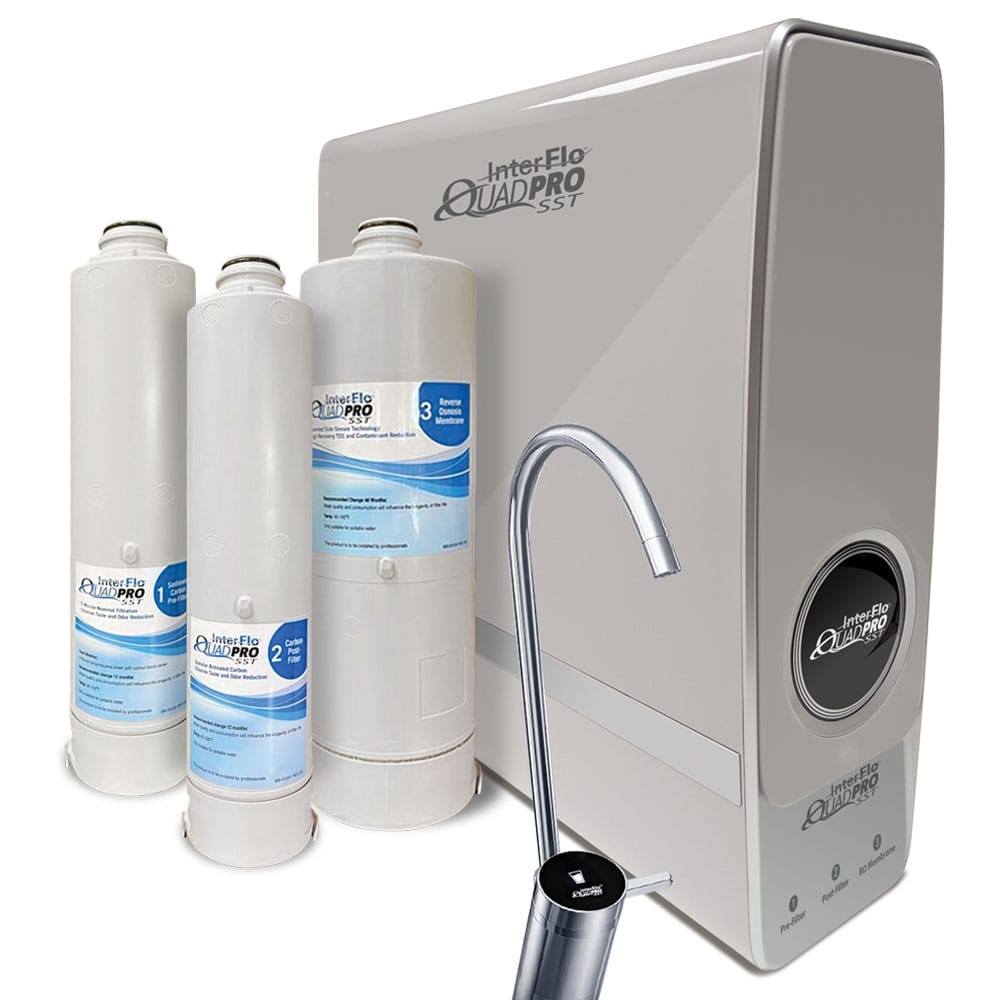
North America: Strategic Focus on Water Treatment, Not RO Manufacturing
In North America, A. O. Smith has built a robust water treatment business primarily through strategic acquisitions, rather than establishing local RO purifier manufacturing. This strategy reflects different market dynamics and water quality concerns compared to Asian markets. North American consumers often seek specialized solutions for water softening, advanced filtration, and targeted treatment for specific issues like hardness, chlorine, or sediment.
Key Acquisitions:
- Aquasana, Inc. (Texas): Acquired in 2016, Aquasana focuses on assembly and logistics for D2C water filtration products, including whole-house, drinking water, and shower filters. This bolstered A. O. Smith's D2C presence with high-quality, accessible solutions and effective digital marketing strategies.
- Water-Right, Inc. (Wisconsin): Acquired in 2019, Water-Right manufactures residential and commercial water treatment systems, distributed through professional dealer networks. This expanded A. O. Smith's reach into the professional channel, offering comprehensive solutions for various water issues including softening and iron removal.
- Hague Quality Water (Ohio): Acquired in 2017, Hague specializes in high-efficiency water softeners for retail and wholesale channels. This solidified A. O. Smith's position in the vital water softening market, addressing widespread hard water issues in North America.
- Mineral-Right (Kansas): This acquisition brought proprietary specialized filtration media (e.g., synthetic zeolites) into A. O. Smith, crucial for enhancing filtration performance and ensuring stringent control over critical components.
These U.S.-based facilities primarily support A. O. Smith's assembly, component production, and logistics for water treatment products. However, core RO technology and advanced membranes are largely imported from Nanjing, China. This strategic global sourcing balances scale with regional specialization, ensuring products are globally advanced in core technology and locally relevant in application.
Europe, Middle East & Africa (EMEA): Strategic Sales & Distribution Hubs
For the EMEA market, A. O. Smith does not currently manufacture water purifiers in these regions. Its strategy revolves around efficient sales, distribution, and service hubs. This approach leverages its extensive global manufacturing capabilities, focusing on market penetration, streamlined logistics, and comprehensive customer support across these diverse regions.
Its Veldhoven facility in the Netherlands serves as a critical sales, distribution, and service hub for the entire EMEA region, managing logistics, inventory, and customer service. Products for EMEA are primarily sourced from A. O. Smith's Asian and North American plants. This global sourcing ensures consistent access to high-quality, technologically advanced water purification systems optimized for local needs, without the overhead of regional manufacturing facilities. The emphasis is on efficient market delivery, robust after-sales support, and strong customer relationships.
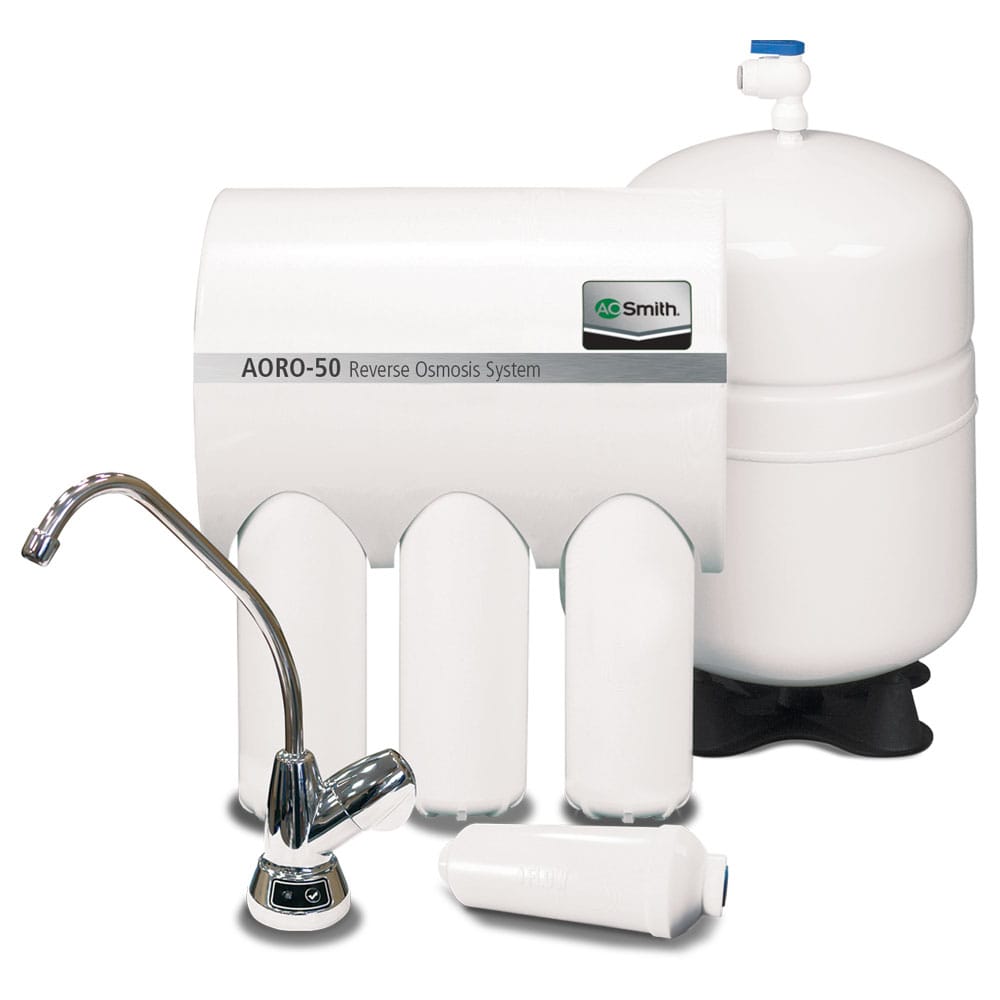
B2B and D2C Implications
Understanding A. O. Smith's global manufacturing and distribution strategy is crucial for both Business-to-Business (B2B) distributors and Direct-to-Consumer (D2C) buyers. This insight clarifies product origins, quality control, and strategic competitive advantages.
For B2B Distributors:
- Regional Product Tailoring: Specialized facilities in India (SCMT) and China (RO membranes) enable distributors to offer highly tailored and regionally relevant solutions for diverse water quality issues, enhancing credibility and market position.
- Strategic Acquisitions and Channel Support: Acquisitions in North America secure comprehensive channel-specific support for professional installer networks, wholesale partners, and specialized retail channels, ensuring appropriate technical support, training, and access to inventory.
- Global Supply Chain Reliability: The interconnected global manufacturing network provides a robust and resilient supply chain, mitigating risks from localized disruptions and ensuring consistent product availability and minimized lead times.
- Access to Continuous Innovation: B2B partners gain direct access to A. O. Smith's relentless innovation, with new technologies and patented solutions seamlessly integrated from global R&D centers, ensuring competitive edge.
For D2C Buyers:
- Strategic Assembly and Core Component Sourcing: RO purifiers are typically assembled in regional logistics hubs (e.g., Texas), but core components are sourced from Asia (primarily Nanjing). This blend ensures global manufacturing excellence in critical components and efficient localized distribution.
- Direct Benefit from Proprietary Innovations: Consumers benefit from A. O. Smith's investment in R&D, incorporating proprietary innovations like long-life filters, smart diagnostics, and multi-stage purification processes. These enhance functionality, user experience, and long-term cost-effectiveness.
- Unwavering Quality Assurance: High vertical integration in facilities like Nanjing (over 95% in-house parts) signifies rigorous quality control and stringent oversight. This, combined with extensive testing, ensures unparalleled precision, durability, and effectiveness.
- Tailored Solutions for Local Needs: Product design and features consider specific regional water conditions. For instance, purifiers in India address high TDS or microbial contamination, while North American products might emphasize hard water or specific chemical contaminants. This ensures optimal suitability and effectiveness.
Conclusion: A Global Strategy, Locally Executed
Da Nanjing's high-tech vertical integration to India's innovation-driven purification solutions, A. O. Smith's water purifiers are the product of a meticulously globally orchestrated manufacturing network. This intricate web of advanced facilities, strategic acquisitions, and localized R&D underpins a sophisticated approach to meeting diverse global water purification needs. The company's "In Country, For Country" strategy is a tangible commitment to understanding and addressing specific water quality challenges and consumer preferences.
By blending local expertise with global scale, A. O. Smith ensures its products are manufactured to the highest international standards and adapted for optimal performance in their intended markets. Vertical integration in Nanjing provides unparalleled quality control, while specialized R&D in Harohalli drives innovations for challenging environments. Strategic acquisitions in North America broaden the water treatment portfolio, maximizing market reach.
Ultimately, whether you are a B2B distributor or a D2C customer, understanding where A. O. Smith water purifiers are manufactured provides deeper confidence in their exceptional engineering, consistent performance, and enduring value. This commitment to transparency, coupled with adapting global excellence to local needs, firmly establishes A. O. Smith as a trusted leader in global water purification, ensuring clean and safe water worldwide.


 English
 Français
 Español
 Italiano
 Deutsch
 Português
 Русский
 العربية
 日本語
 한국어
 Tiếng Việt

