Abre num novo separador

Perspectivas do sector

Mensagens mais recentes

Onde são fabricados os purificadores de ar Levoit?

Os purificadores de ar Levoit são predominantemente produzidos na China, particularmente nas províncias de Fujian, Guangdong e Zhejiang. Esta escolha estratégica de fabrico apoia o seu forte mercado ...
Notícias

Onde são fabricados os purificadores de ar BlueAir?

Os purificadores de ar BlueAir são produzidos principalmente em Foshan, na China, aproveitando uma cadeia de fornecimento robusta que inclui fornecedores de Shenzhen e Dongguan. Após a aquisição pela Unilever, a BlueAir ...
Notícias

O que faz com que os purificadores de ar BlueAir sejam tão caros?

Os purificadores de ar BlueAir são conhecidos pelas suas etiquetas de preço elevado, atribuídas à sua tecnologia inovadora HEPASilent que combina a filtragem mecânica com a carga eletrostática para ...
Notícias

Uma sala de estar moderna que exibe um purificador de ar elegante entre mobiliário e plantas contemporâneos.

Porque é que os purificadores de ar com certificação CARB são essenciais para cumprir as normas de qualidade do ar interior?

Os purificadores de ar com certificação CARB são essenciais para manter a qualidade do ar interior segura. Cumprem as rigorosas normas de emissão definidas pelo California Air Resources Board, significativamente ...
Notícias
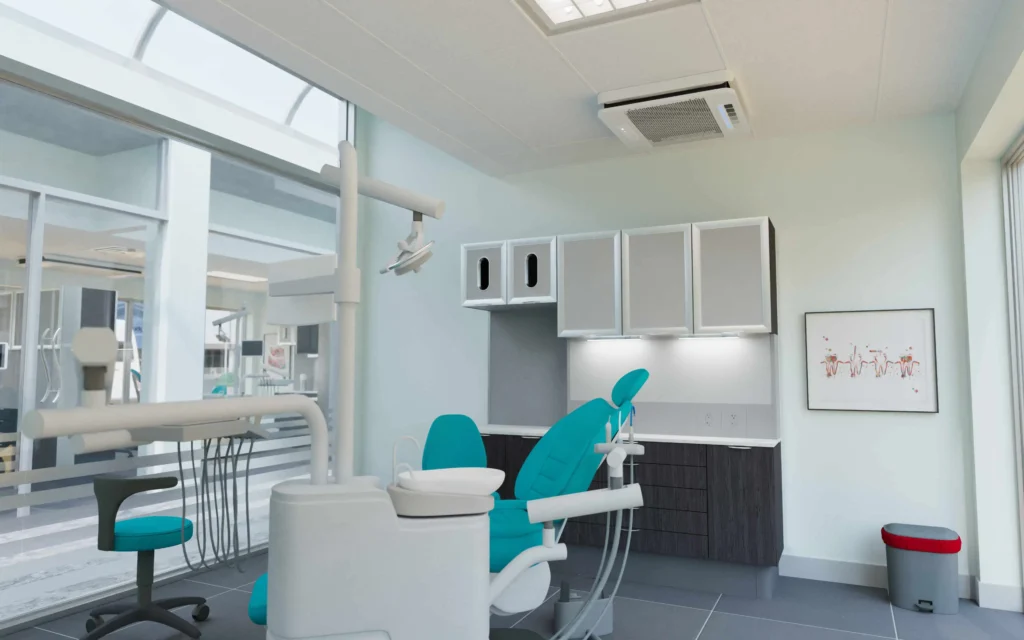
teto

Quais são os melhores purificadores de ar para um salão de unhas?

Os salões de manicura enfrentam desafios únicos em termos de qualidade do ar devido ao pó e aos fumos químicos dos produtos para unhas. Os purificadores de ar residenciais padrão muitas vezes não conseguem lidar com ...
Air purifier, News
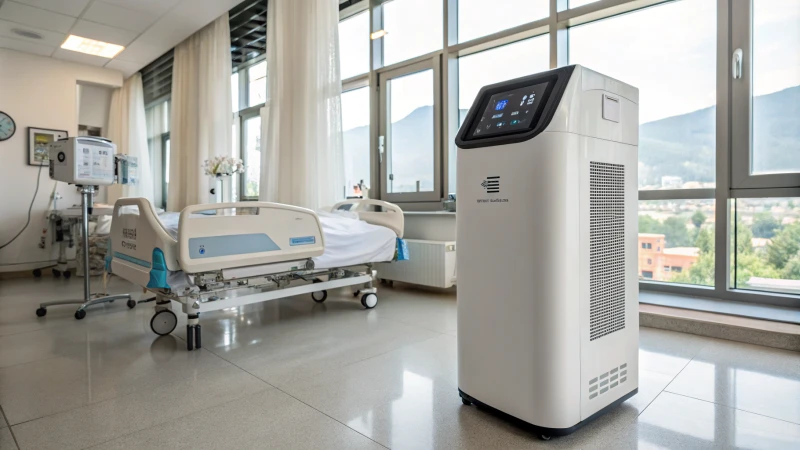
Um quarto de hospital moderno com um purificador de ar avançado e equipamento médico

Quais são os melhores purificadores de ar para hospitais e como escolhê-los?

Choosing the right air purifier for hospitals is crucial for maintaining a safe and clean environment. Medical-grade HEPA 14 filters effectively remove harmful bacteria and ...
Notícias
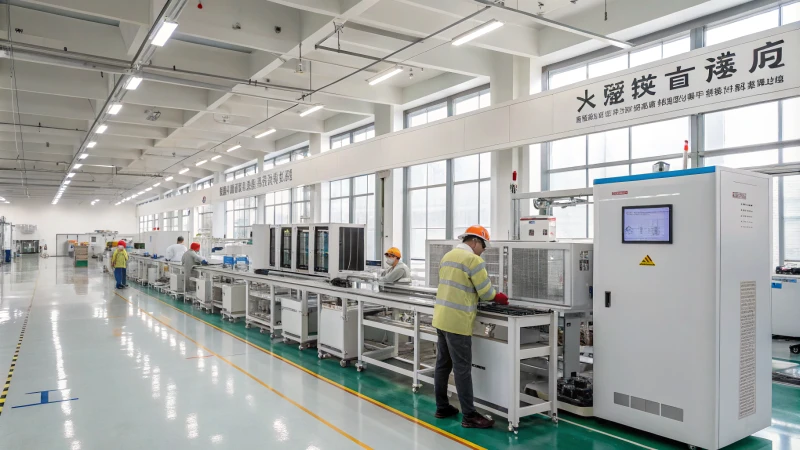
Interior de uma fábrica chinesa de purificadores de ar com trabalhadores a montar produtos.

Porque é que deve considerar trabalhar com fabricantes chineses de purificadores de ar?

Working with Chinese air purifier manufacturers provides numerous advantages including access to cutting-edge technology, lower production costs, and efficient supply chains. These manufacturers are known ...
Notícias
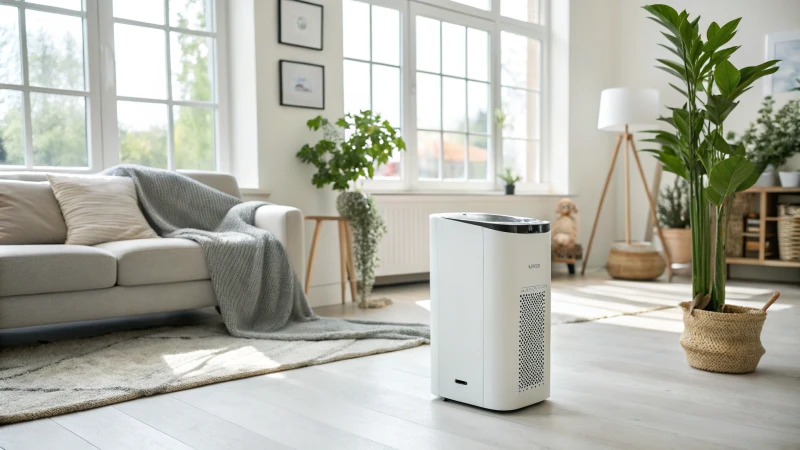
Um purificador de ar elegante numa sala de estar moderna e luminosa.

Porque é que deve considerar trabalhar com fabricantes chineses de purificadores de ar?

This blog post explores the advantages of partnering with Chinese air purifier manufacturers. It highlights their leadership in advanced technology, competitive pricing, and robust supply ...
Notícias
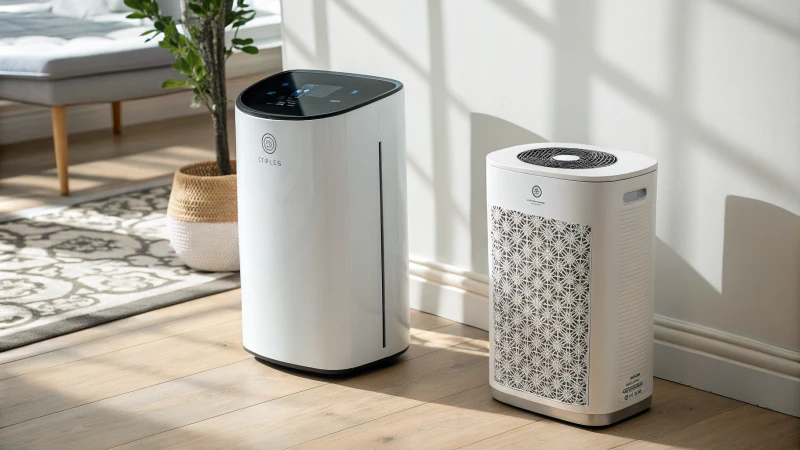
Uma comparação de dois purificadores de ar, um moderno e elegante, o outro tradicional e artesanal.

Que país produz melhores purificadores de ar: China ou Paquistão?

This article explores the competition between China and Pakistan in the air purifier market. China currently dominates production due to its advanced technology and efficient ...
Notícias
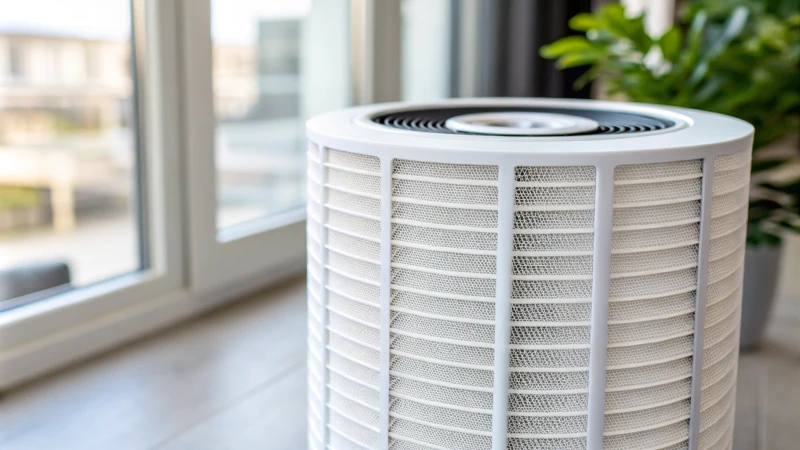
Grande plano de um filtro de purificador de ar mostrando as suas camadas

Porque é que os filtros de alta eficiência são essenciais para os purificadores de ar modernos?

High-efficiency filters such as HEPA 13 and HEPA 14 are essential in modern air purifiers, effectively trapping over 99.997% of airborne particles including dust and ...
Notícias
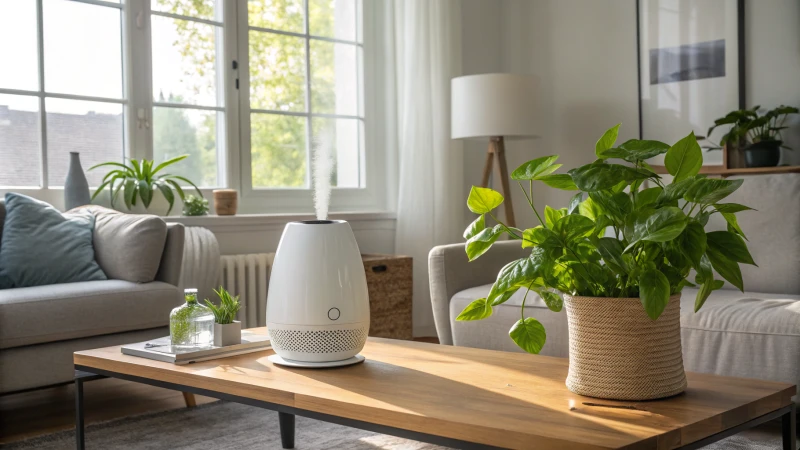
Uma sala de estar moderna com um purificador de ar e um humidificador sobre uma mesa de madeira

Como é que o seu humidificador afecta o seu purificador de ar?

The interaction between humidifiers and air purifiers is crucial for maintaining good indoor air quality. Ultrasonic humidifiers can release harmful particles that confuse air purifier ...
Notícias
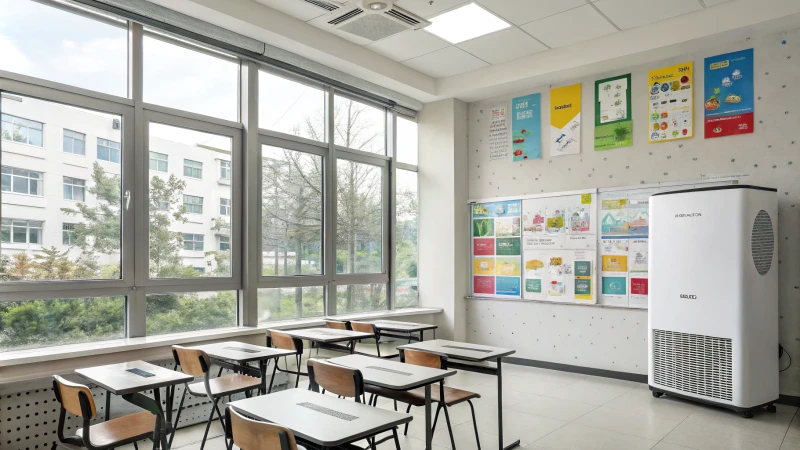
Uma sala de aula moderna e luminosa com um purificador de ar montado na parede e grandes janelas

Qual é o melhor purificador de ar para escolas e salas de aula?

Choosing the right air purifier for schools is crucial for maintaining a healthy learning environment. HisoAir models excel with their advanced filtration systems, quiet operation, ...
Notícias
Contaminant Engineering•3 min read

PFAS Water Filtration Technologies Explained: Carbon, Resin & RO

Key Takeaway:

PFAS reduction depends on the specific compounds present, treatment media, contact time, water chemistry, and system design. Activated carbon, ion exchange, and Reverse Osmosis address PFAS through different mechanisms.

PFAS are a large family of persistent fluorinated compounds that can occur in drinking-water supplies. Their treatment behavior varies significantly by molecular structure, chain length, functional group, concentration, and the chemistry of the source water.

Granular Activated Carbon (GAC) removes PFAS primarily through adsorption. It is generally more effective for many longer-chain PFAS, while shorter-chain compounds tend to break through more quickly. Carbon performance depends on media properties, Empty Bed Contact Time (EBCT), competing organic matter, loading, and replacement frequency.

Ion-exchange resins use charged functional sites to capture many PFAS compounds. Properly selected anion-exchange media can provide high capacity and may perform better than conventional activated carbon for some shorter-chain PFAS, although performance still depends on water chemistry and competing ions.

Reverse Osmosis (RO) uses membrane separation rather than adsorption. Properly designed RO systems can provide broad reduction across many PFAS compounds as well as dissolved salts and other contaminants. Unlike carbon or resin, however, RO also produces a concentrate stream that must be managed.

No single technology should be selected from a PFAS label alone. System design should consider which PFAS compounds are present, their concentrations, required reduction targets, flow rate, media life, and the applicable third-party certification or validation requirements.

HisoAir Water Technical Series
Product Discovery•3 min read

How to Choose an Under-Sink Water Purifier for Modern Kitchens

Key Takeaway:

Match the treatment technology to your water quality first, then evaluate cabinet space, faucet configuration, flow rate, drain and power requirements, and filter replacement needs.

Choosing an under-sink water purifier starts with water chemistry. Carbon filtration is well suited to chlorine, taste, odor, and many organic contaminants, while Reverse Osmosis is more appropriate when dissolved salts, fluoride, nitrates, or broader dissolved contaminants need to be reduced.

For compact kitchens, tankless RO systems eliminate the conventional storage tank and can significantly reduce the space required under the sink. However, membrane capacity stated in GPD does not directly equal faucet flow. When comparing systems, check the actual dispensing flow rate, inlet-pressure requirement, recovery ratio, and whether a booster pump is required.

Installation architecture also matters. Many RO systems require a drain connection, electrical power, and either a dedicated drinking-water faucet or a compatible multi-function faucet. High-flow carbon systems can often connect directly to the existing cold-water line with a simpler installation, but pressure drop and available faucet flow should still be verified.

RO also removes much of the naturally occurring dissolved mineral content. Where taste or mineral balance is a priority, a post-RO remineralization stage can be added. Filter life should be evaluated by both rated capacity and local water quality rather than replacement time alone.

The right system is therefore not simply the smallest or highest-GPD model. It is the configuration that matches the target contaminants, available cabinet space, desired faucet setup, peak dispensing demand, and maintenance expectations.

HisoAir Water Technical Series
Water Quality•2 min read

What Does TDS Mean in Drinking Water? Measurement vs Contaminant Reality

Key Takeaway:

A TDS meter estimates the overall concentration of dissolved ionic substances from electrical conductivity. It cannot identify specific contaminants or determine whether water is chemically safe.

Total Dissolved Solids (TDS) refers to the combined concentration of dissolved substances in water. Most handheld TDS meters do not measure TDS directly. Instead, they measure electrical conductivity (EC) and convert that reading into an estimated parts-per-million (ppm) value.

This means a TDS reading can indicate how much dissolved ionic material is present, but not what that material actually is. Calcium, magnesium, sodium, nitrates, and other dissolved ions can all contribute to conductivity, yet a simple TDS meter cannot distinguish between them.

TDS meters are also not suitable for detecting trace contaminants such as PFAS, many VOCs, pesticides, pharmaceuticals, or disinfection byproducts. These substances may be present at concentrations far below the level needed to noticeably change electrical conductivity.

A low TDS reading therefore does not guarantee safe drinking water, and a higher TDS reading does not automatically indicate contamination. Water-treatment decisions should be based on laboratory testing for specific contaminants of concern rather than TDS alone.

HisoAir Water Technical Series
Technology Selection•2 min read

RO vs UF Water Filtration: Understanding Pore Sizes & Dissolved Minerals

Key Takeaway:

Ultrafiltration can reduce bacteria, turbidity, and suspended particles while retaining most naturally occurring dissolved minerals. Reverse Osmosis provides much broader reduction of dissolved salts and smaller contaminants.

Ultrafiltration (UF) typically uses hollow-fiber membranes with pore sizes in the approximate 0.01–0.1 micron range. These membranes physically retain turbidity, suspended solids, colloids, and many microorganisms while allowing dissolved minerals and salts to remain in the water.

Reverse Osmosis (RO) operates at a much finer separation level. Unlike UF, RO can substantially reduce dissolved ions such as sodium, calcium, fluoride, nitrates, and other contributors to total dissolved solids (TDS). This makes RO more suitable when dissolved-salt reduction is a primary treatment objective.

UF generally requires less system pressure and produces little or no continuous concentrate stream in many point-of-use configurations. RO typically requires greater pressure and produces a reject-water stream, but delivers broader contaminant reduction.

For water with acceptable TDS and mineral content, UF can be a simpler mineral-retaining treatment option. Where dissolved salts, fluoride, nitrates, or broader dissolved contaminants are a concern, RO is generally the more appropriate technology.

HisoAir Water Technical Series
Technology Selection•4 min read

Carbon Block vs Reverse Osmosis: Which Fits Your Need?

Key Takeaway:

Choose RO for dissolved inorganic salts and heavy metals; choose Carbon Block for chemical taste/odor, no wastewater, and high line-pressure flow.

Reverse Osmosis (RO) and Carbon Block filtration represent two fundamentally different treatment methods: membrane separation and adsorption. Understanding these differences helps determine which technology is better suited to a specific water-quality requirement.

Reverse Osmosis uses a semi-permeable membrane with pore sizes of approximately 0.0001 microns. It can significantly reduce dissolved inorganic contaminants such as TDS, fluoride, nitrates, and certain heavy metals. Because water must be forced through the membrane, RO systems require sufficient pressure or a booster pump and generate a concentrated wastewater stream.

Carbon Block filtration relies primarily on adsorption through compressed activated carbon, commonly with nominal pore sizes around 0.5–5 microns. It is highly effective for chlorine, chloramines, VOCs, taste, and odor, while allowing substantially higher direct-flow rates without producing wastewater.

From an operating perspective, Carbon Block systems are generally simpler, require less energy, and avoid the water loss associated with RO. RO involves higher system complexity and operating cost, but provides substantially broader reduction of dissolved contaminants that Carbon Block alone cannot address.

HisoAir Water Technical Series