
Air filters, such as electrostatic and HEPA types, are crucial for combating common air pollutants like pollen, pet dander, and dust. Understanding the key differences between HEPA vs electrostatic filters is essential when choosing the right air purification solution for your space. This article will delve into the specifics of each technology, helping you decide which air filter is better for home or commercial use, especially considering factors like allergies and specific environmental needs.
What is an Electrostatic Air Filter?
Um electrostatic air filter is a permanent, low-resistance filter designed to capture airborne particles. It typically consists of an electrostatic media pad and expanded aluminum, securely riveted and enclosed in a heavy aluminum frame. These filters are made from media that has been "charged" to attract and trap particles.

How Does an Electrostatic Air Filter Work?
Electrostatic air filters operate by utilizing static electricity to charge particles as they enter the filter. As air passes through successive layers, this charge is released, causing particles to become trapped. This mechanism leverages static electricity. These filters often employ polyurethane and polypropylene layers, along with filtration media, to generate static electricity as air flows through them. For a deeper dive into air purification mechanisms, you can learn more about como funcionam os purificadores de ar.
Are Electrostatic Air Filters Worth It?
While washable electrostatic filters are among the most cost-effective options, they typically have a lower Classificação MERV. According to Air Oasis, electrostatic filters, on average, capture less than 20% of dust particles and are primarily effective at trapping larger particles. For residential homes, where common air pollutants are typically larger, electrostatic air filters can be a worthwhile investment.
How Long Do Electrostatic Air Filters Last?
Washable or electrostatic filters should be washed, dried, and reinstalled once a month. Properly cleaned and reused, these environmentally friendly filters can last anywhere from 5 to 10 years.
How Much Do Electrostatic Air Filters Cost?
Washable air filters are relatively inexpensive, typically costing around $50-60. They are considered a "permanent filter" because you generally only need to purchase one for the lifetime of your equipment, eliminating the need for frequent replacements.
Electrostatic Air Filters Pros
Investing in a purificador de ar de alta qualidade can significantly improve one's health. Here are the common advantages of having an electrostatic air purifier in your home:
- Cost-efficiency: Electrostatic filters do not require replacement, as they come as a permanent part of the system. Unlike HEPA air purifiers, you won't have to worry about routinely changing filters.
- Hassle-free Maintenance: The absence of routine filter replacement adds to the convenience of owning an electrostatic air purifier. This eliminates the headache of finding and purchasing specific replacement filters.
- Good Performance for Residential Use: Electrostatic air purifiers typically have MERV ratings of around 5 to 6, suitable for common residential air pollutants. For home settings, an electrostatic air filter can be a practical choice, whereas a HEPA air purifier might be considered overkill.
Electrostatic Air Filters Cons
Despite their benefits, electrostatic air filters also have some drawbacks:
- Monthly Maintenance: While they don't require replacement, electrostatic air filters do need routine cleaning and sanitation to ensure longevity and optimal performance.
- Limited Efficacy for Severe Air Quality Issues: Depending on the air quality, electrostatic air filters may only be effective in certain environments. If your area experiences worse air quality or you have specific health concerns, it might be wiser to opt for more robust solutions like Purificadores de ar HEPA.
- Less Effective for Very Small Particles: For individuals with respiratory issues, electrostatic air filters may not be the best option. Washable filters tend to perform better with larger dust particles rather than very fine particulates.
- Potential for Poor Airflow: If not maintained regularly, accumulated dirt and debris on the filter can restrict airflow, impacting the purifier's efficiency.

Are Electrostatic Air Filters Safe?
Electrostatic filters are generally safe, particularly in eliminating smaller particles found in the air. Their washable feature enhances effectiveness in removing pollutants like pet dander, dust, and other common allergens that can accumulate in a home.
Can Electrostatic Air Purifiers Work Against viruses?
Electrostatic air filters can help reduce the likelihood of cross-infection by trapping airborne particles. Their washable nature allows for consistent performance against various pollutants. To understand more about how air purifiers combat viruses, explore various methods of how air purifiers kill viruses.
Do Electrostatic Air Purifiers Restrict Airflow?
Electrostatic air purifiers do not restrict airflow when their filters are properly maintained. High airflow is achieved when there are no obstructions on the filter, such as tiny dust particles, pet dander, or pollen. Regular sanitation of your filters is crucial to ensure optimal airflow and performance.
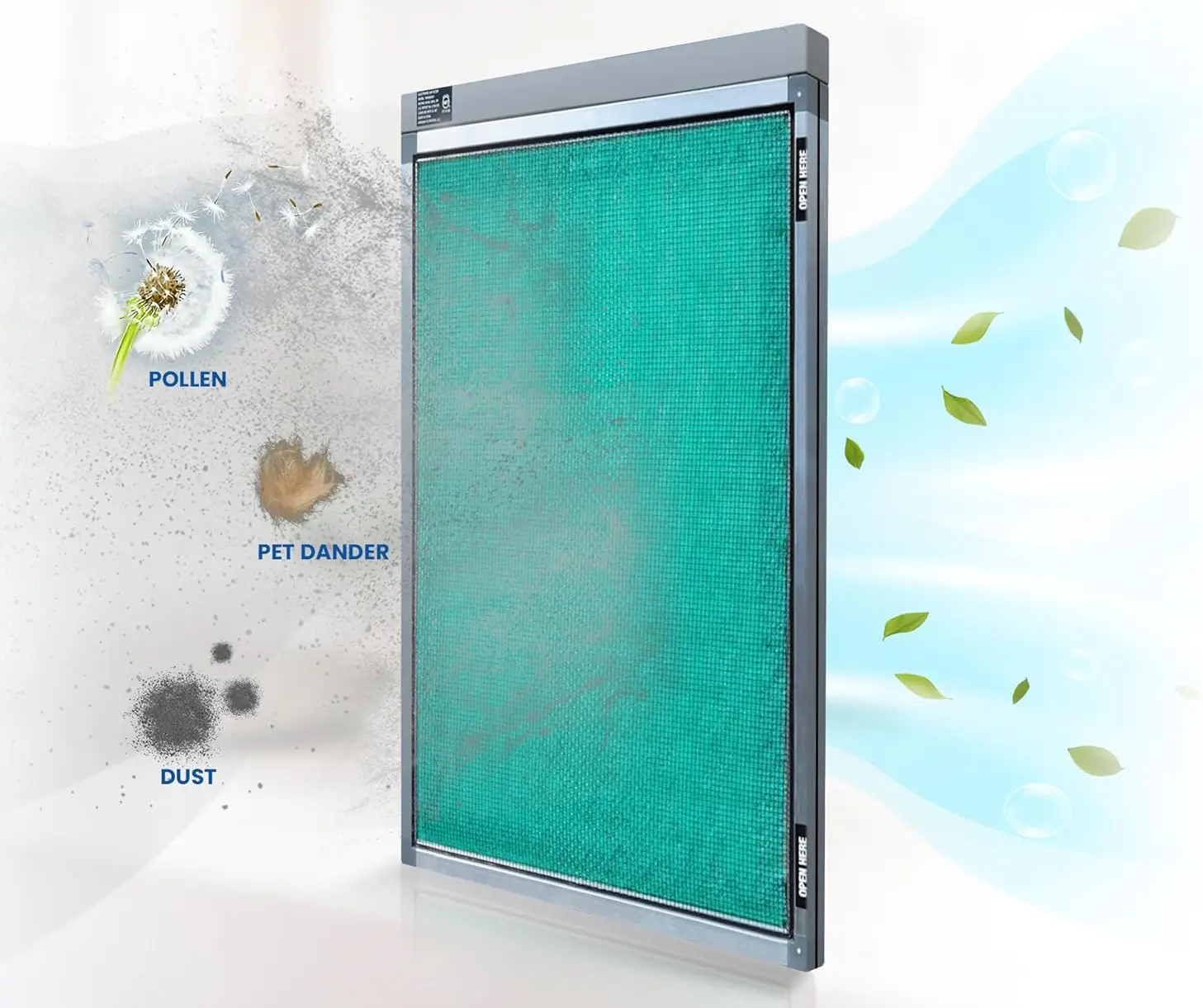
How Effective Are Electrostatic Air Filters?
The primary difference between electrostatic vs non-electrostatic air filters lies in their performance against airborne pollutants. Electrostatic air filters are effective with pollutants of certain sizes but may not be able to remove the tiniest particles. Non-electrostatic air filters, like HEPA, are designed to capture a broader range of particle sizes.
Electrostatic Air Filter vs HEPA Filter (Disposable)
According to Lake Air, electrostatic (reusable) and HEPA filters (disposable) are designed to address air pollutants while maximizing their unique features. Disposable filters, such as HEPA air filters, are often used in hospitals where dangerous viruses are likely to proliferate, making them an excellent choice for a HEPA air filter for hospitals. In commercial and residential settings, reusable electrostatic filters are often sufficient for air sanitation.
Electrostatic Air Filter vs Flat-Paneled Fiberglass Filter (Disposable)
According to Gross Heating, flat-paneled fiberglass filters typically have a lower MERV rating than electrostatic air filters. This indicates that electrostatic air filters generally perform better, capable of removing more air contaminants than their fiberglass counterparts.
Electrostatic Air Filter vs Pleated Media Filter
Pleated media filters, as noted by Gross Heating, vary in performance based on their quality. High-quality pleated media filters can outperform electrostatic air filters and are commonly used in commercial and hospital environments.
Electrostatic Air Filter vs Standard Air Purifier: Which Air Filter Type is Better for Use?
Air purifiers are essential for cleaning the air we breathe and improving overall health. Sanitized air circulation helps our bodies function properly by reducing irritants. For residential settings, an electrostatic air filter or a standard air purifier can perform well. If you're looking for a quality air purifier for your home, you might want to explore various marcas de purificadores de ar.

O que é um filtro HEPA?
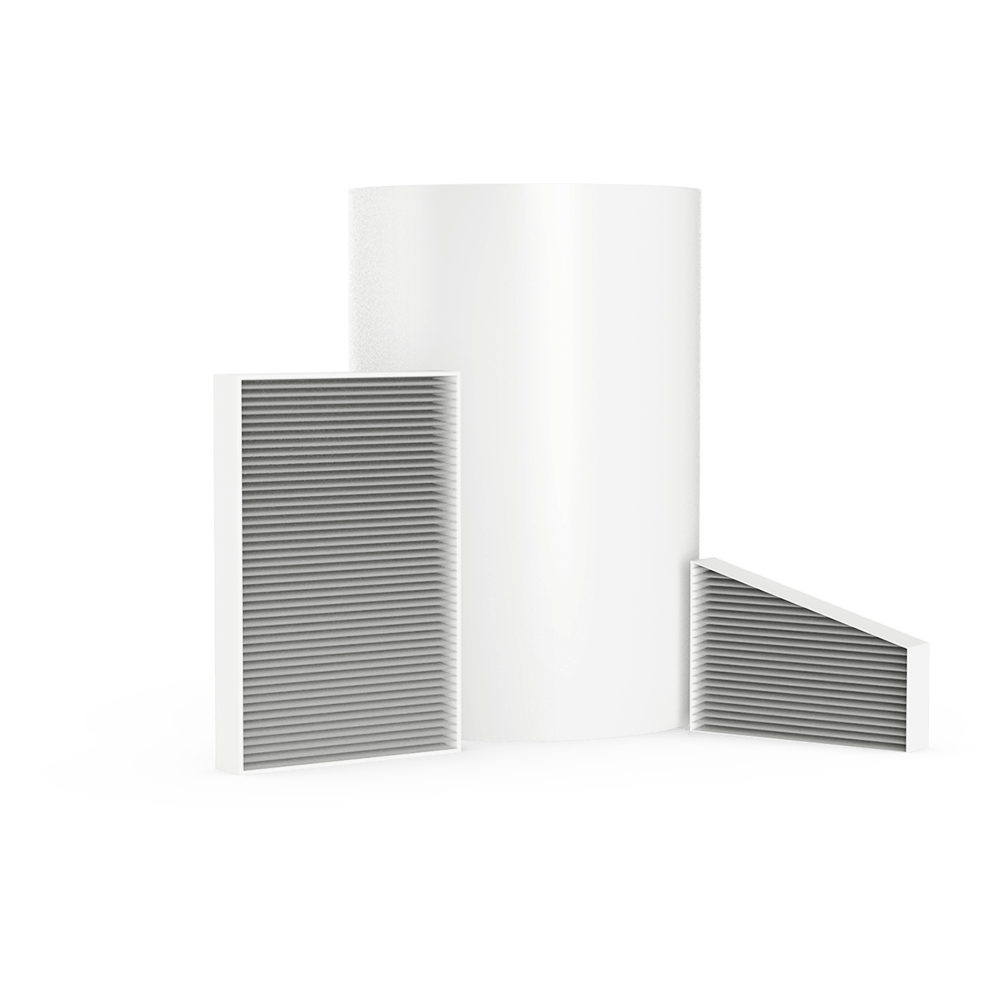
HEPA stands for High-Efficiency Particulate Air. A Filtro HEPA is a type of mechanical air filter that works by forcing air through a fine mesh that traps harmful particles such as pollen, pet dander, dust mites, and tobacco smoke. These filters are renowned for their ability to capture 99.97% of particles that are 0.3 microns in diameter.
How Does a HEPA Filter Work?
HEPA filters capture particles through a combination of three mechanisms: interception, impaction, and diffusion. Larger particles are intercepted as they pass close to a fiber. Medium-sized particles are impacted directly onto a fiber due to their inertia. The smallest particles, which move erratically due to Brownian motion, are diffused and eventually collide with a fiber and stick. This multi-mechanism approach allows HEPA filters to be highly effective across a wide range of particle sizes.
HEPA Filter Pros and Cons
HEPA Filter Pros
- Superior Filtration Efficiency: HEPA filters are highly effective at capturing a wide range of airborne particles, including allergens, mold spores, dust, and pet dander, down to 0.3 microns with 99.97% efficiency. This makes them ideal for individuals with allergies or respiratory conditions.
- Effective Against Viruses and Bacteria: Due to their ability to trap extremely small particles, HEPA filters can effectively capture many viruses and bacteria, making them suitable for sensitive environments like hospitals.
- No Ozone Production: Unlike some electrostatic or ionizer air purifiers, HEPA filters do not produce ozone, a lung irritant.
HEPA Filter Cons
- Requires Regular Replacement: HEPA filters need to be replaced periodically (typically every 6-12 months, depending on usage and air quality) to maintain efficiency. This adds to the long-term cost.
- Higher Operating Costs: The need for replacement filters can make HEPA air purifiers more expensive to operate over time compared to washable electrostatic filters.
- Can Restrict Airflow: As HEPA filters capture more particles, they can become clogged, leading to reduced airflow and increased energy consumption if not replaced.

Electrostatic vs HEPA Filter: A Direct Comparison
When comparing electrostatic vs HEPA filters, several factors come into play:
| Caraterística | Electrostatic Air Filter | HEPA Air Filter |
|---|---|---|
| Filtration Method | Uses static electricity to attract and trap particles. | Mechanical filtration through a dense fiber mesh. |
| Tamanho das partículas | More effective on larger particles (e.g., dust, pollen). | Captures 99.97% of particles 0.3 microns or larger. |
| Manutenção | Washable and reusable; requires regular cleaning. | Disposable; requires periodic replacement. |
| Custo | Lower initial and long-term costs (no replacement filters). | Higher long-term costs due to replacement filters. |
| Produção de ozono | Some types may produce trace amounts of ozone. | No ozone production. |
| Best Use Case | Residential settings, general dust and allergen control. | Hospitals, commercial spaces, severe allergies, smoke. |
This comparison highlights why understanding electrostatic vs HEPA filter for allergies is crucial, as HEPA filters offer superior capture of fine allergens.
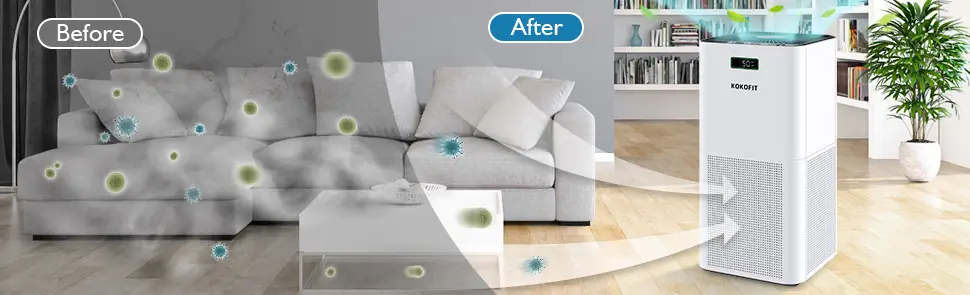
Which Air Filter is Better for Home, Hospital, or Office?
The choice between an electrostatic and a HEPA filter largely depends on the specific environment and air quality needs:
- For Homes: For general household dust, pet dander, and pollen, an electrostatic air filter can be a cost-effective and convenient choice due to its reusability. However, if you or family members suffer from severe allergies, asthma, or other respiratory issues, a HEPA air filter is generally recommended for its superior filtration of fine particles and allergens. This directly addresses the question of which air filter is better for home with specific health considerations.
- For Hospitals and Healthcare Facilities: Given the critical need for sterile environments and the presence of airborne pathogens, HEPA air filters are the gold standard. Their high efficiency in capturing viruses, bacteria, and other microscopic particles makes them indispensable for maintaining air quality in medical settings. This is where a HEPA air filter for hospitals truly shines.
- For Offices and Commercial Settings: The choice here can vary. For general office environments with moderate air quality concerns, electrostatic filters might suffice, offering a balance of cost and performance. However, for offices with high foot traffic, shared spaces, or specific air quality requirements (e.g., labs, clinics within an office building), HEPA filters would provide more comprehensive protection.
Cost and Maintenance Comparison
Electrostatic Filters:
- Initial Cost: Generally similar to or slightly higher than basic disposable filters.
- Maintenance Cost: Very low, as filters are washable and reusable. The primary cost is the time and effort for regular cleaning.
- Lifespan: Can last 5-10 years or more with proper care.
Filtros HEPA:
- Initial Cost: Air purifiers with HEPA filters can range widely, but the filters themselves are a recurring expense.
- Maintenance Cost: Higher due to the need for periodic replacement filters, which can range from $20 to $100+ per filter, depending on the model and brand.
- Lifespan: Filters typically last 6-12 months, though some extended-life filters can last longer.

Frequently Asked Questions (FAQs)
Q1: Can electrostatic air filters produce ozone?
Some older or lower-quality electrostatic air purifiers, particularly those that use ionization, can produce trace amounts of ozone as a byproduct. Modern designs and those that rely purely on static charge for filtration are less likely to produce significant ozone. Always check product specifications if ozone production is a concern.
Q2: Are HEPA filters effective against pet odors?
While HEPA filters are excellent at capturing pet dander (a common allergen), they are not designed to remove odors. For pet odors, an air purifier with an activated carbon filter in addition to a HEPA filter is recommended.
Q3: How often should I clean an electrostatic air filter?
Electrostatic air filters should be cleaned approximately once a month, or more frequently if you live in an area with high pollution or have pets.
Q4: Can I vacuum my HEPA filter to extend its life?
While some manufacturers claim their HEPA-like filters can be vacuumed, true HEPA filters are not designed to be cleaned this way. Vacuuming can damage the delicate fibers and reduce the filter's efficiency. It's best to replace true HEPA filters as recommended by the manufacturer.
Q5: What is MERV rating and how does it relate to HEPA and electrostatic filters?
MERV (Minimum Efficiency Reporting Value) is a standard that rates the overall effectiveness of air filters. Higher MERV ratings indicate better filtration. HEPA filters typically have a MERV rating of 17 or higher, while electrostatic filters usually range from MERV 5 to 6. This means HEPA filters are significantly more effective at capturing smaller particles.
Conclusion and Call to Action
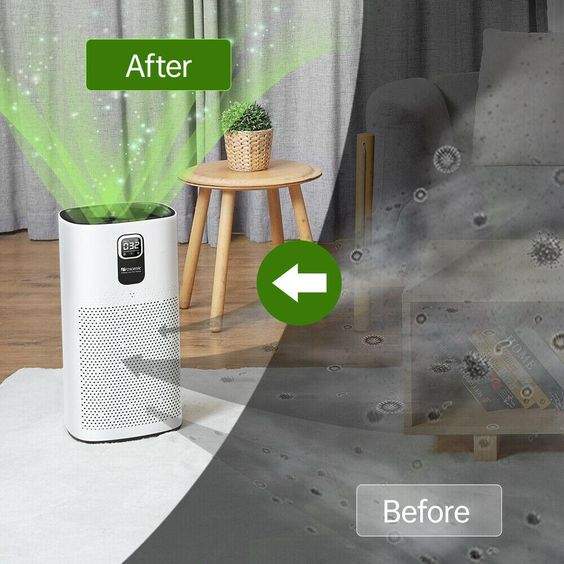
Choosing between an electrostatic air filter e um HEPA air filter depends on your specific needs, environment, and budget. While electrostatic filters offer a cost-effective, reusable solution ideal for general residential use, HEPA filters provide superior filtration for fine particles, making them indispensable for sensitive environments and individuals with severe allergies or respiratory conditions. Understanding the nuances of HEPA vs electrostatic filter empowers you to make an informed decision for cleaner, healthier air.



 English
 Français
 Español
 Italiano
 Deutsch
 Português
 Русский
 العربية
 日本語
 한국어
 Tiếng Việt

