

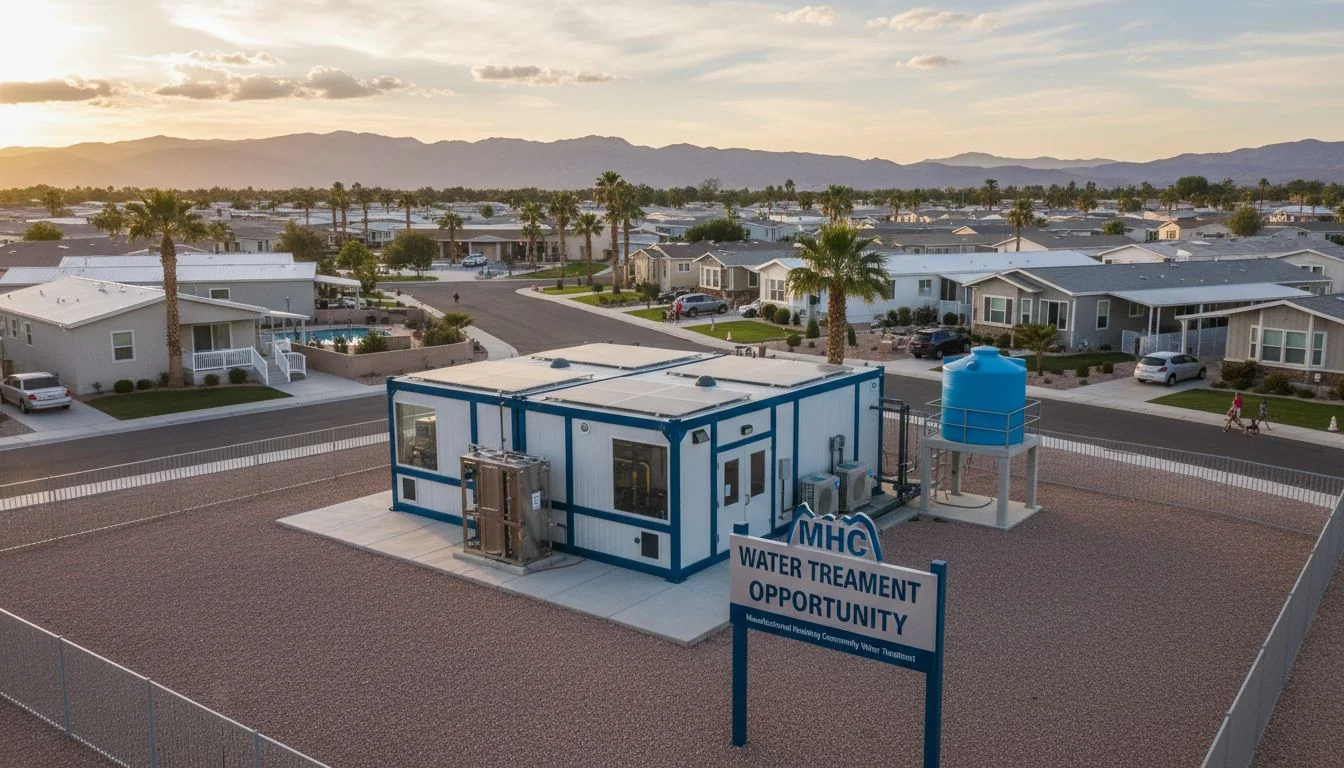
You struggle to find new manufacturing markets. Ignoring niche sectors leaves money on the table. I will show you how manufactured housing communities1 offer a massive water treatment opportunity.
Manufactured housing communities represent an untapped market for water treatment systems2. They need low-CAPEX, phased filtration solutions to upgrade aging infrastructure. By understanding their budget limits and maintenance needs, designers and manufacturers can create scalable, profitable products for this growing North American sector.
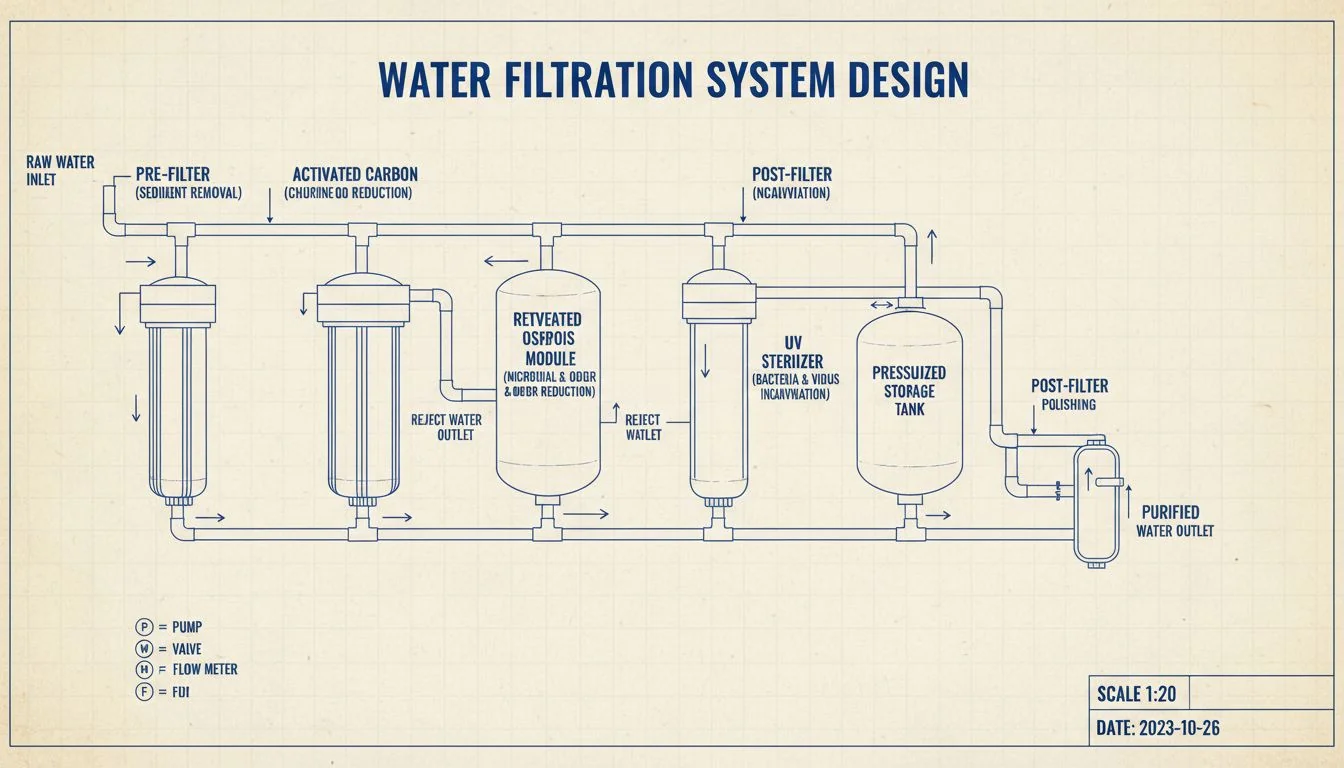
When I started my CNC trading company, I learned that the best opportunities often hide in plain sight. Let us explore why this specific market needs your design expertise and how you can build the right solutions.
Manufactured housing communities always have brand new water infrastructure.Falso
Most of these communities rely on aging infrastructure that requires significant upgrades and maintenance.
Water treatment in niche markets offers new product design opportunities.Verdadeiro
Designing specialized filtration systems for specific community needs creates new revenue streams for manufacturers.
Why Are Manufactured Housing Communities an Underserved Water Treatment Segment?
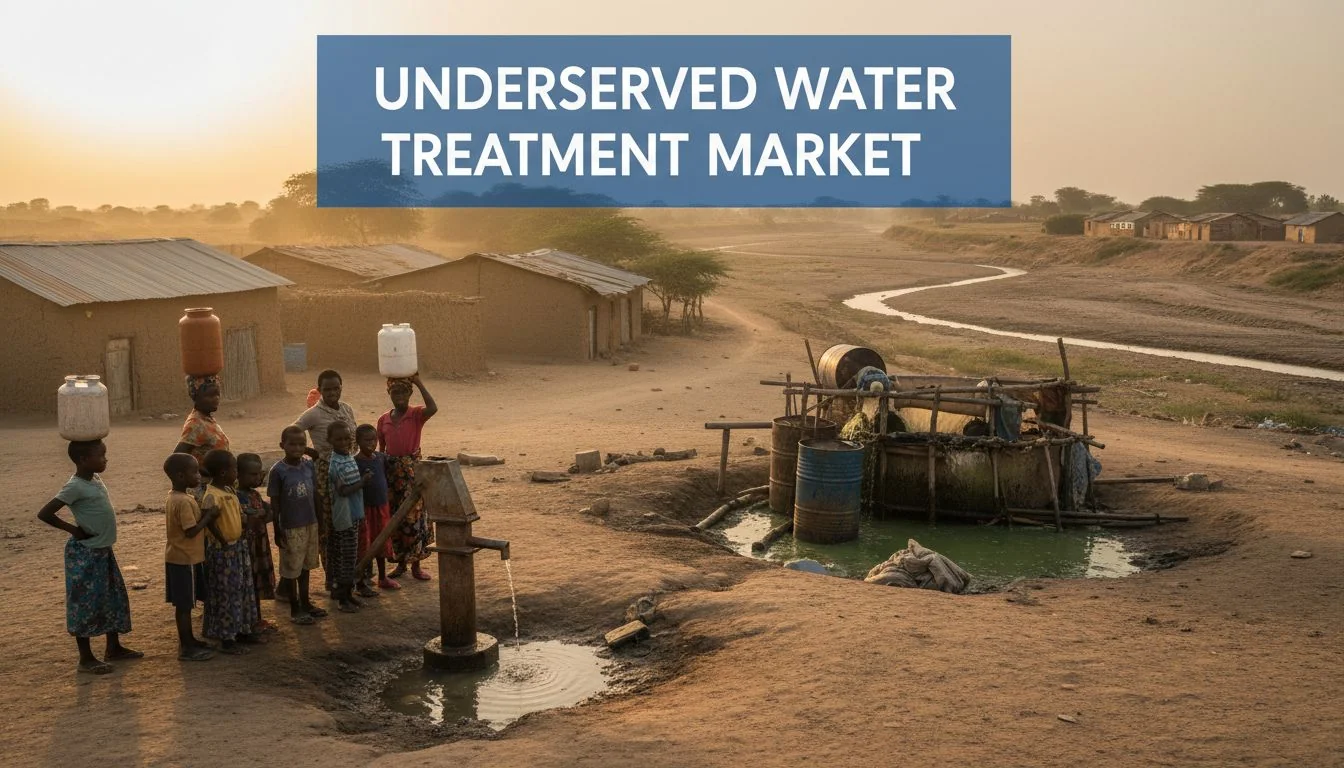
Big cities get all the water tech focus. Rural communities are left behind with old pipes. We can design simple, effective systems to fill this massive market gap.
These communities are underserved because they often fall outside municipal water grids and have strict budget limits. Manufacturers overlook them, assuming low profitability. However, their distributed locations and aging systems create a steady demand for affordable, easy-to-maintain water filtration products.
The Market Gap in MHCs
When I look at product design, I always look for gaps. Manufactured housing communities (MHCs) are a perfect example. Many designers focus on high-end consumer electronics or large municipal projects. They forget about the middle ground. MHCs often operate their own private water systems. These systems are old. They need help. But the operators do not have millions of dollars to spend. They need smart, cost-effective designs.
As a mold designer, you know how to optimize for large-scale production. You can apply this skill here. If we design standardized plastic components for water filters, we can lower the cost. This makes the product affordable for MHC owners. It also keeps our manufacturing margins healthy. We must think about the practical maintenance capacity of these communities. They do not have full-time engineers on site. The parts must be easy to replace.
| Foco no mercado | Budget Level | Maintenance Capacity | Design Need |
|---|---|---|---|
| Municipal | Elevado | Professional | Complex, custom |
| MHC | Low to Medium | Básico | Simple, modular |
| Residencial | Baixa | Nenhum | Plug-and-play |
By focusing on modular designs3, we can offer a low-CAPEX solution. This is how we turn an underserved segment into a profitable venture.
MHCs have unlimited budgets for water treatment upgrades.Falso
MHCs operate with strict budget limits and require low-CAPEX solutions.
Standardized plastic components can reduce manufacturing costs.Verdadeiro
Using standardized molds and parts lowers production costs and makes products more affordable.
What Are the Common Water Sources and Infrastructure in MHCs?
You might not know where MHC water comes from. This lack of knowledge leads to poor product design. Let us look at their specific water sources and pipe networks.
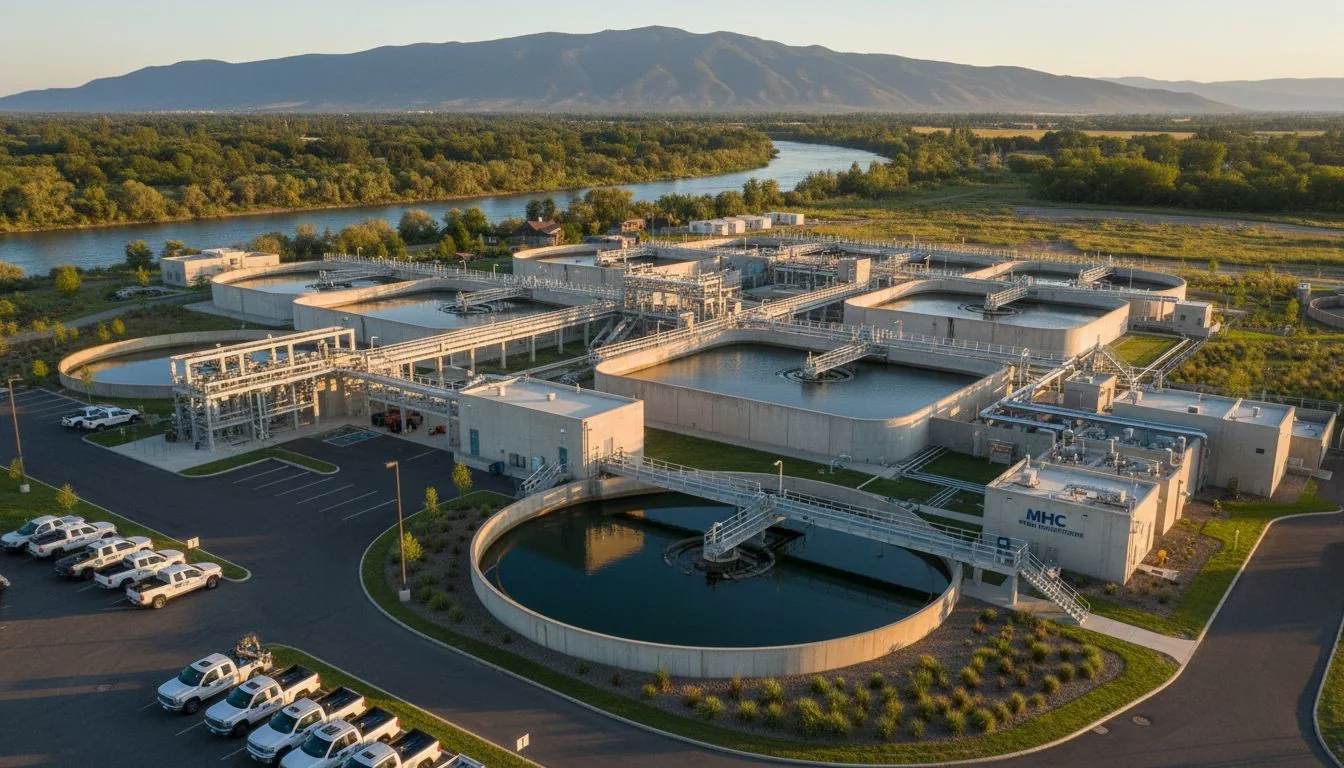
Most manufactured housing communities rely on private groundwater wells4 or aging connections to rural municipal supplies. Their infrastructure typically consists of older PVC or metal pipes spread across large, distributed locations. This setup requires durable, adaptable filtration systems that can handle varying water pressure and quality.
Understanding the Ground Level Setup
To design a good product, you must understand the environment. I learned this early in my mold factory days. If a plastic part cannot handle the local environment, it will fail. In MHCs, the environment is tough. The water often comes from private wells. Well water has different minerals and sediments than city water. The pipes carrying this water are often old. They might be made of degrading metal or early-generation plastics.
This means our water treatment designs must be robust. We need to select the right plastic materials for our molds. The housings must withstand pressure changes and mineral buildup. We also have to consider the distributed nature of these communities. The infrastructure is spread out over many acres.
| Water Source | Problemas comuns | Infrastructure Type | Design Requirement |
|---|---|---|---|
| Private Well | High minerals, sediment | Old PVC / Metal | Heavy-duty pre-filtration |
| Rural Municipal | Chlorine, pressure drops | Mixed materials | Pressure-regulating housings |
When you calculate mold shrinkage for these parts, you must account for thicker walls. Thicker walls provide the strength needed for these aging, unpredictable water networks.
All MHCs use brand new copper piping.Falso
Most MHCs use older PVC or metal pipes that are aging and prone to issues.
Well water often contains different minerals than treated city water.Verdadeiro
Groundwater from wells typically has higher mineral content and sediment levels.
Should We Use Community-Level or Unit-Level Treatment Approaches?
Choosing the wrong treatment scale wastes money. A mismatched system will fail to sell. We must compare central systems against individual home filters to find the best design path.
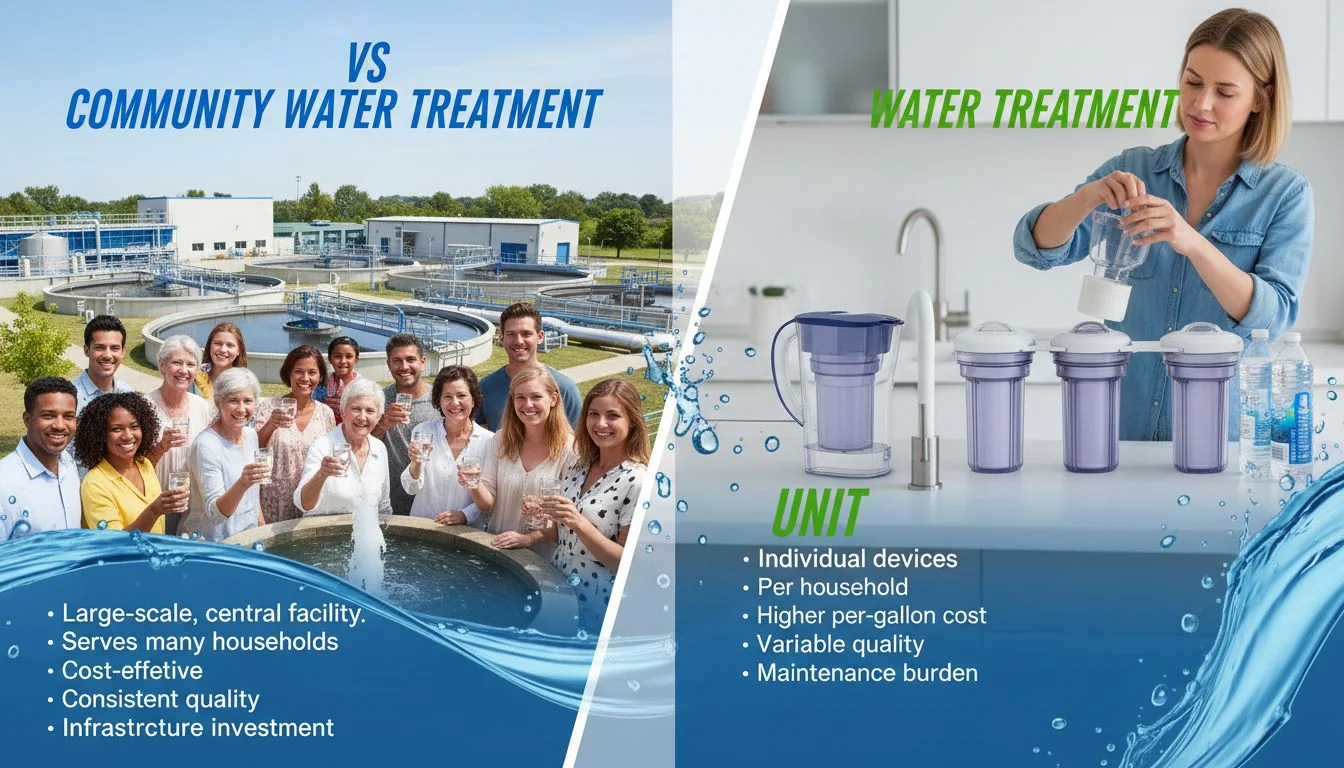
community-level treatment5 filters water at the main source, requiring larger, centralized equipment. Unit-level treatment places smaller filters at each individual home. A phased approach often works best, starting with unit-level filters for immediate results, then slowly upgrading the community-level infrastructure as budgets allow.
Scaling the Solution
In manufacturing, scale is everything. You face this every day when optimizing designs for large-scale production. For MHC water treatment, we have two main scales. We can build one big system for the whole community. Or, we can build hundreds of small systems for each house.
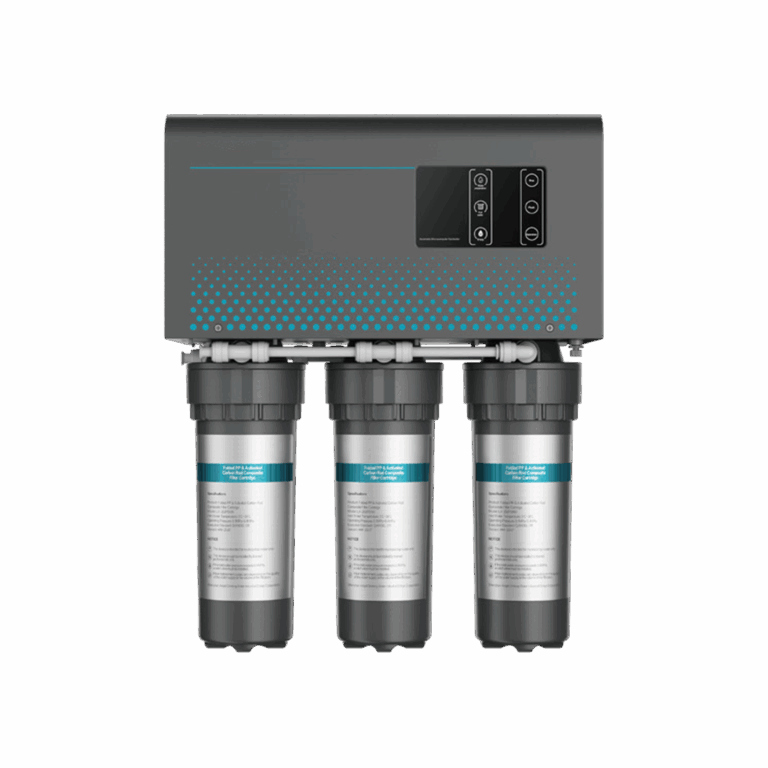
Community-level systems are efficient but require a high initial investment. MHC owners often do not have this cash upfront. Unit-level systems are cheaper to start. They allow for a phased procurement path. As a designer, unit-level systems are great. They require high-volume injection molding. This is where your skills shine. You can design a sleek, functional under-sink filter housing.
| Approach | Custo inicial | Manutenção | Manufacturing Volume |
|---|---|---|---|
| Community-Level | Elevado | Centralized | Low (Custom parts) |
| Unit-Level | Baixa | Distributed | High (Mass production) |
I always advise my clients to follow the volume. By designing unit-level products first, you educate the market. You show the MHC owners that water quality can improve without breaking the bank. Later, you can design the larger community-level components.
Community-level treatment is always the cheapest option to start.Falso
Community-level systems require a high initial capital expenditure compared to unit-level systems.
Unit-level systems require high-volume manufacturing.Verdadeiro
Because every home needs one, unit-level filters require mass production of components.
What Is the Investment Case for MHC Owners and Operators?
Owners hesitate to spend on unseen pipes. This stalls your product sales. We must show them how clean water increases property value and reduces long-term maintenance costs.
Upgrading water treatment is a smart investment for MHC owners. It reduces pipe corrosion, lowers emergency repair costs, and improves tenant satisfaction. By offering a low-CAPEX, phased installation plan, manufacturers can help owners see a clear return on investment without requiring massive upfront capital.

Building the Business Case
When I ran my trading company, I learned that a good design is not enough. You must prove the financial value. MHC owners are business people. They look at the bottom line. If we want them to buy our molded filtration products, we must present a strong investment case.
Clean water stops old pipes from rusting. This saves the owner money on emergency plumbing repairs. It also makes the community a better place to live. Happy tenants stay longer. This reduces turnover costs. We need to design our products to highlight these savings. For example, a clear plastic housing lets the owner see the filter working. This builds trust.
| Benefício | Direct Impact | Long-Term Value |
|---|---|---|
| Less Corrosion | Fewer pipe leaks | Extended infrastructure life |
| Better Water | Happier tenants | Lower vacancy rates |
| Phased Install | Low initial cost | Manageable cash flow |
We must keep the tone professional and opportunity-driven. We are not selling fear. We are selling a smart, phased upgrade path. This approach aligns perfectly with cost-reduction strategies in modern manufacturing.
Clean water has no impact on the lifespan of plumbing infrastructure.Falso
Properly treated water reduces corrosion and mineral buildup, extending the life of pipes.
Phased installations help manage cash flow for property owners.Verdadeiro
Breaking a project into phases allows owners to spread out the capital expenditure over time.
What Regulatory and Funding Factors Should We Watch?
Navigating water rules is confusing. Missing a grant opportunity costs you money. We need to track local regulations and government funding to make our products more attractive.
water quality regulations6 are becoming stricter across North America. At the same time, new government grants and infrastructure funds are available for rural communities. By designing products that meet these new standards, manufacturers can help MHC owners qualify for funding, making the purchase decision much easier.

Designing for Compliance
Regulations drive product design. You know this from working with consumer electronics. The same is true for water treatment. North America is updating its water safety rules. MHCs must comply with these new rules. This is a huge opportunity for us.
If we design our mold components to hold certified, high-grade filters, our products become essential. We must also watch the funding landscape. Governments are giving money to upgrade rural infrastructure. If our product meets the grant requirements, the government basically pays for it. This removes the budget limit barrier for the MHC owner.
| Fator | Impact on MHC | Impact on Product Design |
|---|---|---|
| Stricter Rules | Must upgrade systems | Need tighter tolerances, better seals |
| Gov Grants | More buying power | Must meet certification standards |
| Local Codes | Varying requirements | Need modular, adaptable designs |
I always tell designers to read the standards before opening their CAD software. Incorporating the latest design techniques to meet these regulations will set your product apart. It ensures your hard work translates into actual sales.
Government grants are never available for private manufactured housing communities.Falso
Many new infrastructure bills and rural development grants provide funding for private community water upgrades.
Meeting certification standards can help products qualify for government funding.Verdadeiro
Products that meet recognized safety and quality standards are often required for grant-funded projects.
How Do You Scope a Pilot Project?
Launching a massive project at once is risky. A failed launch ruins your reputation. We must start with a small, controlled pilot project7 to test our designs safely.
Scoping a pilot project involves selecting a small section of the community to test the water treatment solution. You must define clear success metrics, such as water flow rates and filter lifespan. This low-risk approach proves the concept and builds market education before a full-scale rollout.

Testing the Waters
In mold manufacturing, we always do a test run before mass production. We check the mold shrinkage and part quality. We must do the same with MHC water treatment. We call this a pilot project. A pilot project is the best way to introduce a new product to this market.
You start small. You pick ten homes in the community. You install your newly designed unit-level filters. Then, you monitor them. You check if the plastic housings hold up to the water pressure. You see if the maintenance is as easy as you planned. This provides real-world data.
| Pilot Phase | Action | Goal |
|---|---|---|
| 1. Selection | Pick 10-20 units | Isolate a test group |
| 2. Installation | Fit the new designs | Test ease of assembly |
| 3. Monitoring | Track performance | Gather data on durability |
| 4. Review | Show results to owner | Secure full community contract |
This method educates the market. It shows the MHC owner the value without a huge upfront cost. Once the pilot succeeds, you have a proven case study. This makes selling to the next community much easier.
A pilot project requires installing the system in every home at once.Falso
A pilot project is designed to test a small, manageable number of units before a full rollout.
Real-world testing helps identify design flaws before mass production.Verdadeiro
Testing products in actual use conditions reveals issues that might not appear in CAD simulations.
Conclusão
Manufactured housing communities offer a massive, untapped market for water treatment. By designing smart, low-cost, and modular solutions, we can solve real problems and build highly profitable manufacturing ventures.
References
-
Explore how manufactured housing communities can be a lucrative investment opportunity. ↩
-
Discover cutting-edge technologies that can enhance water treatment efficiency. ↩
-
Understand the advantages of modular designs in creating scalable water treatment solutions. ↩
-
Investigate the issues associated with private groundwater wells and their impact on water quality. ↩
-
Examine the benefits and drawbacks of centralized water treatment solutions. ↩
-
Stay informed about the latest regulations affecting water treatment practices. ↩
-
Learn the steps to effectively plan and execute a pilot project in water treatment. ↩



 English
  Français
  Español
  Italiano
  Deutsch
  Português
  Русский
  العربية
  日本語
日本語  한국어
한국어  Tiếng Việt

