
Step into a bustling pet-grooming salon the clipper’s buzz, blow dryer’s whirl, joyful barks, and that fresh-fur scent tell only half the story. Invisible dander, aerosolized hair shards, and grooming-spray fumes may be undermining staff health, stressing pets, and eroding your hard-won reputation. At HisoAir, we treat air quality with the same precision you give every haircut. This guide exposes the hidden pollutants unique to grooming environments, shows their real impact on people, pets, and profits, and delivers a clear, step-by-step plan for installing high-performance air purifiers that turn clean air into a competitive edge.
The Invisible Threat: Unmasking Pollutants in Your Grooming Salon
You might meticulously clean surfaces, sanitize tools, and ensure every corner of your salon sparkles. But what about the air itself? The reality is, a pet grooming salon is a unique environment where a cocktail of airborne pollutants is constantly generated. These aren't just minor irritants; they are microscopic particles and gases that, over time, can accumulate and pose significant health risks.
| Fonte | Key Pollutants | Quick Fact |
|---|---|---|
| Dogs & Cats | Micron-size dander, Can f 1 & Fel d 1 allergens | Animal allergens stay airborne for hours and drift to every corner of the shop. |
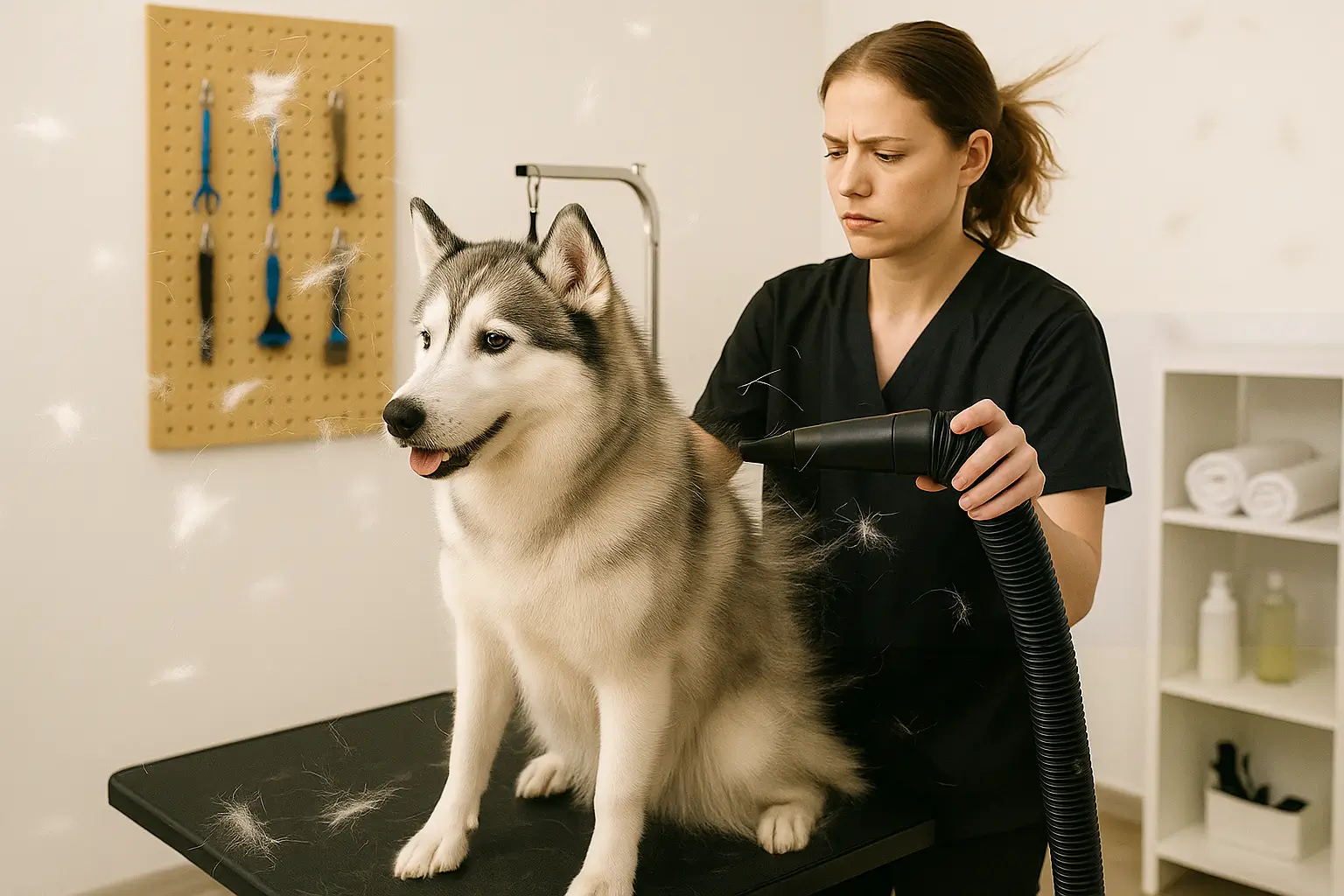
| Clipping & Blow-Drying | Sub-micron hair shards, PM₂.₅/PM₀.₁ “groomer dust” | Fine hair fragments are a primary contributor to Groomer’s Lung. |
| Shampoos, Perfumes, Disinfectants | VOCs (formaldehyde donors, limonene, quats), odors | Chemical vapors irritate airways and linger on fabrics, contributing to long-term health issues. |
| Humid Environment | Mold spores, bacteria | High humidity from bathing can lead to mold and mildew growth, releasing airborne spores. |
As you can see, the air in a grooming salon is far more complex than it appears. Pet dander, for instance, consists of microscopic skin flakes that carry potent allergens. These tiny particles, along with fine hair fragments and dust, become easily airborne during activities like brushing, clipping, and especially blow-drying. They can remain suspended in the air for hours, spreading throughout your entire facility. Beyond biological contaminants, the very products you use—shampoos, conditioners, perfumes, and disinfectants—release Volatile Organic Compounds (VOCs) into the air. These chemical vapors can irritate respiratory systems and contribute to long-term health issues for both humans and animals. Moreover, the humid conditions inherent in bathing areas can foster the growth of mold and mildew, releasing spores that further compromise air quality.
Beyond the Sniff Test: Real-World Consequences of Poor Air Quality
Ignoring the air quality in your salon isn't just about a lingering "wet dog" smell; it carries significant health, operational, and financial consequences that can directly impact your business's sustainability and growth.
Occupational Hazards for Staff: The Silent Epidemic of "Groomer’s Lung"
Perhaps the most critical concern is the health of your team. Groomers are constantly exposed to the airborne cocktail of dander, hair, and chemical fumes. This prolonged exposure can lead to a serious occupational illness known as "Groomer’s Lung", or more formally, hypersensitivity pneumonitis. This chronic condition can cause persistent coughing, wheezing, chest tightness, and fatigue. In severe cases, it can lead to chronic bronchitis, asthma flare-ups, and even irreversible lung scarring. As a business owner, ensuring a safe working environment is not just a moral imperative but a legal one.
Impact on Pet Welfare: Ensuring Comfort for Your Furry Clients
While pets are the source of some pollutants, they are also highly susceptible to poor air quality. Brachycephalic breeds, with their already compromised respiratory systems, can experience significant stress and breathing difficulties in dusty, chemical-laden environments. Allergic reactions and respiratory irritation in sensitive animals are also common. Providing a clean, fresh-air environment demonstrates your commitment to animal welfare, enhancing the overall experience for your furry clients.
Customer Experience & Brand Reputation: The Unseen Influence
First impressions matter. A salon with strong odors or visible "hair fog" immediately undermines a premium brand image, regardless of how skilled your groomers are. Customers associate cleanliness with quality and care. Lingering smells and airborne particles can deter new clients and even drive away loyal ones, directly impacting your customer retention and, ultimately, your revenue. Conversely, a fresh, clean-smelling salon creates a welcoming atmosphere that encourages repeat business and positive word-of-mouth referrals.
Regulatory Compliance & Legal Risks: Staying Ahead of the Curve
While specific air quality regulations for pet grooming salons might vary by region, the Occupational Safety and Health Administration (OSHA) in the U.S. has a "General Duty Clause" that requires employers to provide a workplace "free from recognized hazards". Poor indoor air quality, especially when it leads to documented health issues like Groomer's Lung, can fall under this clause, potentially leading to citations, fines, and even lawsuits. Proactively addressing IAQ not only protects your employees but also safeguards your business from potential legal and financial liabilities.
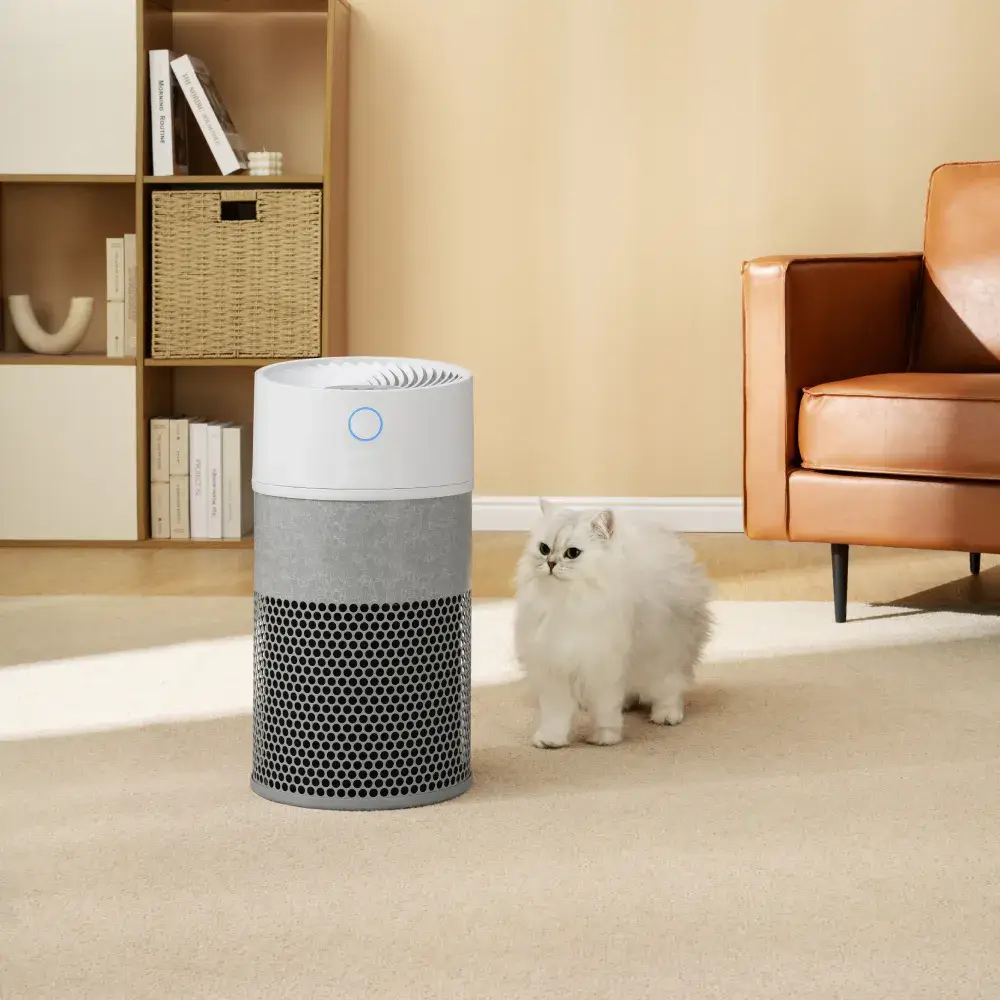
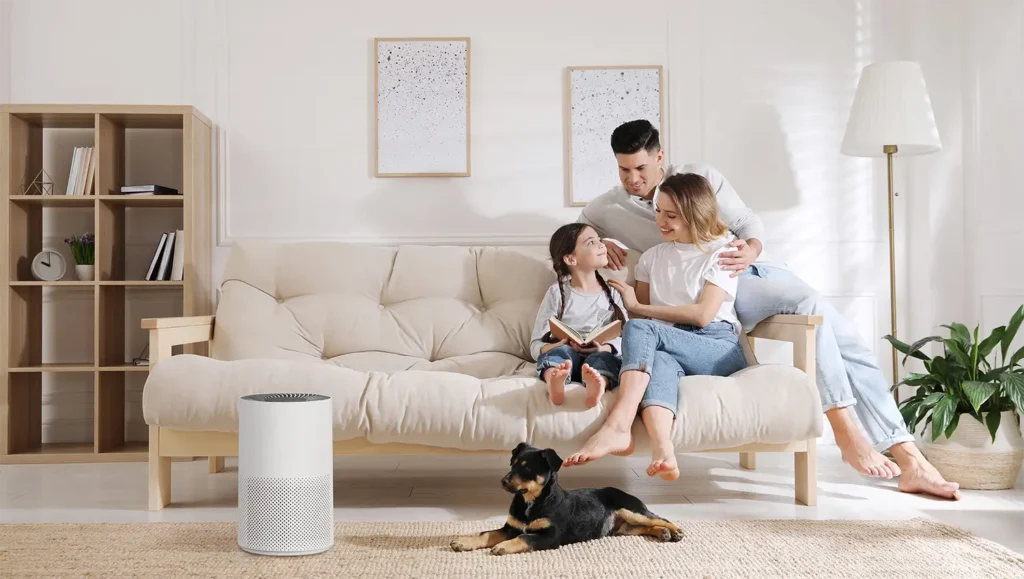
HisoAir - Pet Air purifier HA230
Why Air Purifiers are a Cut Above: Beyond Basic Ventilation
Many salon owners rely on ventilation systems, open windows, or exhaust fans to manage air quality. While these methods are important, they often fall short in a high-pollutant environment like a grooming salon. Ventilation primarily dilutes pollutants by bringing in outside air, but it doesn't actively remove them, nor does it address the constant generation of indoor contaminants. This is where high-performance air purifiers become indispensable.
Air purifiers actively filter and clean the air, removing pollutants rather than just moving them around. They are designed with advanced filtration technologies to tackle the specific challenges of a grooming salon:
| Caraterística | Benefit in a Grooming Context |
|---|---|
| True HEPA (H13/14) | Captures ≥99.97% of particles as small as 0.3 microns, including hair shards, dander, and mold spores. |
| Activated Carbon / Alumina | Adsorbs VOCs from sprays, shampoos, and disinfectants, effectively neutralizing urine and ammonia odors. |
| High CADR / Rapid ACH | Ensures rapid air cleaning, keeping particulate matter (PM) peaks in check during blow-dry bursts and high activity. |
| Optional UV-C / PECO | Reduces airborne pathogens like viruses, bacteria, and mold spores, crucial in multi-pet environments. |
Understanding CADR and ACH: The Science of Clean Air
When we talk about air purifiers, two key metrics are crucial: Clean Air Delivery Rate (CADR) and Air Changes Per Hour (ACH). CADR measures how quickly an air purifier removes pollutants from a room, expressed in cubic feet per minute (CFM). ACH, on the other hand, tells you how many times the entire volume of air in a room is replaced or filtered by the purifier each hour.
For a typical retail space or office, 2-3 ACH might suffice. However, a pet grooming salon is far from typical. Given the constant generation of dander, hair, and VOCs, a grooming salon often needs 6-8 air changes per hour to effectively manage airborne contaminants. This means selecting purifiers with a high CADR that can handle the volume of your salon space, ensuring that even during peak grooming periods, the air remains consistently clean. Relying solely on passive ventilation simply cannot achieve this level of active air purification.
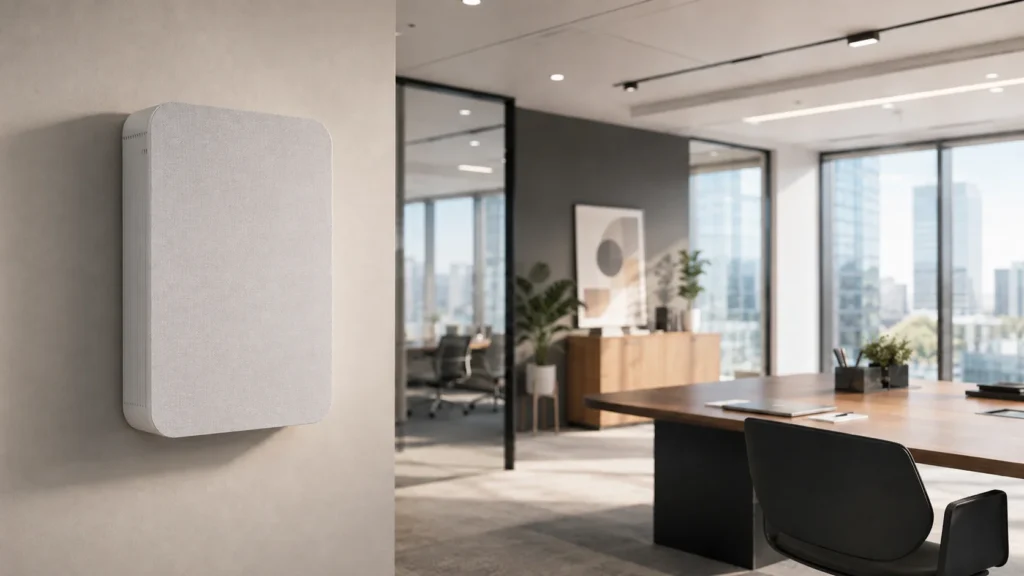
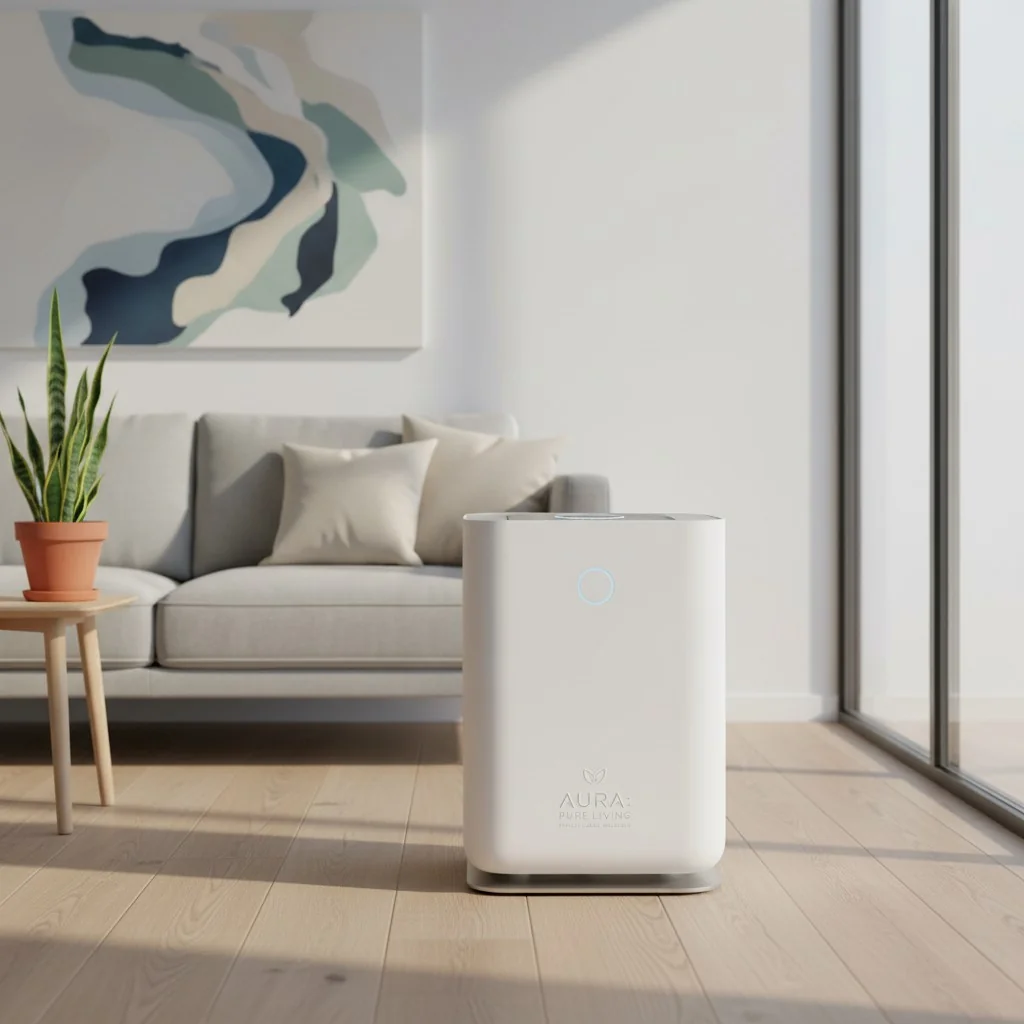
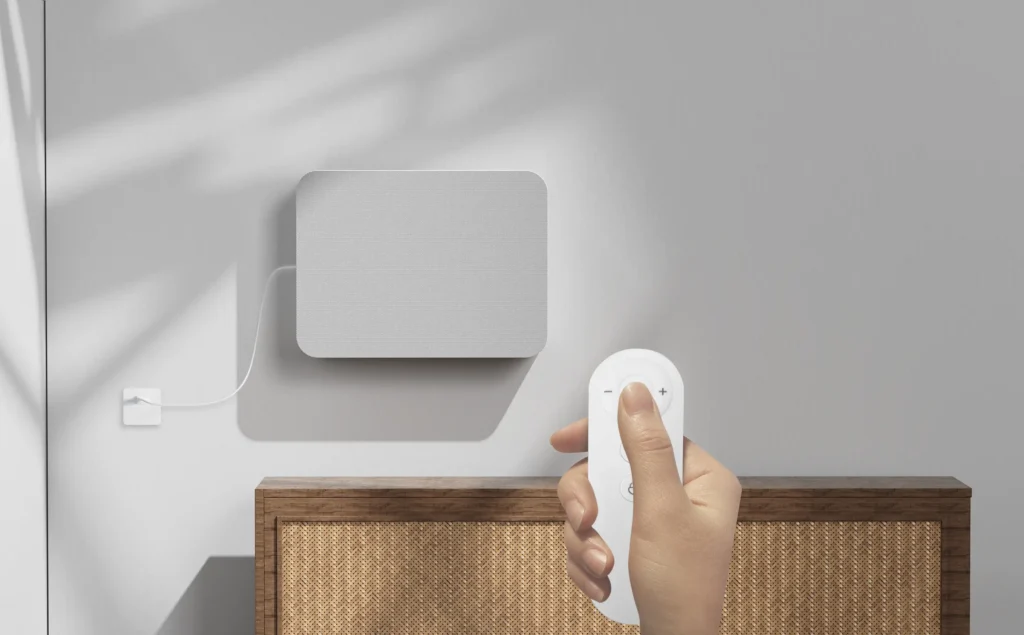
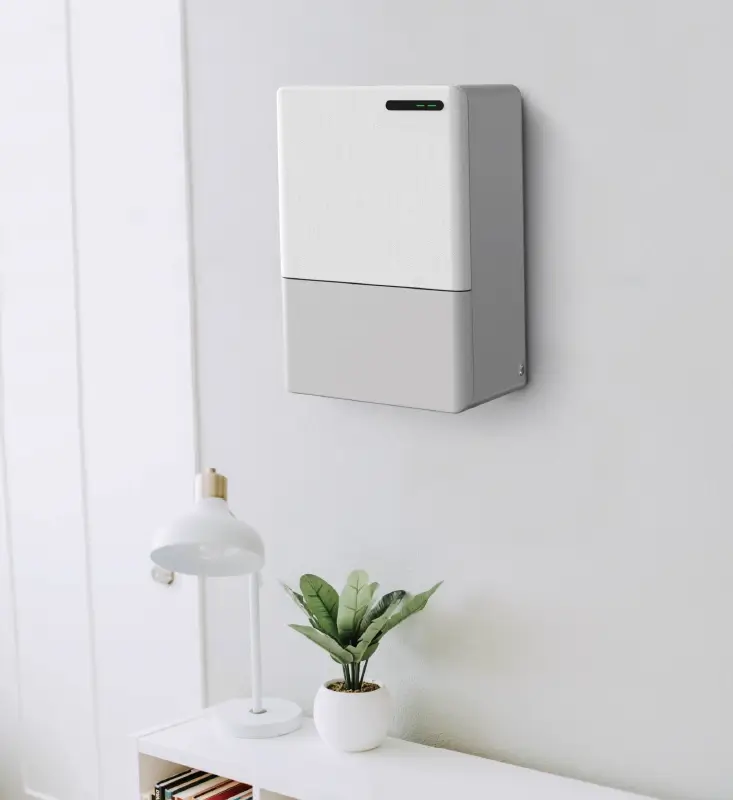
HisoAir - Standing & Wall-Mounted Air Purifier HA200/HA400(ABS Panel)
Choosing Your Champion: Selecting the Right Air Purifier for Your Salon
As a B2B partner, we at HisoAir understand that your investment in air purification needs to be strategic and effective. Choosing the right system isn't just about buying a box; it's about selecting a solution that integrates seamlessly into your operations and delivers tangible results. Here’s what we advise our clients to look for:
- Match CADR to Square Footage & Ceiling Height: This is fundamental. Calculate the cubic footage of your salon (length x width x height) and ensure the purifier's CADR is sufficient to achieve at least 6-8 ACH. If you have multiple grooming stations or distinct areas, consider a distributed system with several units rather than one large central unit.
- Look for a Multi-Stage Filter Stack: A robust filtration system is non-negotiable. This typically includes:
- Pré-filtro: Essential for capturing large particles like fur and dust, protecting the more delicate filters below.
- True HEPA filter (H13/14): For capturing microscopic dander, hair shards, and allergens.
- Filtro de carvão ativado: Crucial for adsorbing VOCs and eliminating persistent odors.
- 360° Air Intake + High CFM: Grooming salons experience unpredictable "fur storms." A purifier with 360° air intake can draw in pollutants from all directions, while a high Cubic Feet per Minute (CFM) rating ensures powerful air circulation and rapid cleaning, even during peak activity.
- Noise Rating ≤55 dB(A): Pets, especially nervous ones, can be sensitive to loud noises. A quiet purifier (ideally below 55 dB(A) on its highest effective setting) ensures a calm environment, preventing unnecessary stress for your furry clients.
- Tool-Free Filter Changes & Total Cost of Ownership: For a busy commercial environment, ease of maintenance is key. Look for units with tool-free filter access. Remember to factor in the cost and lifespan of replacement filters (typically every 3-6 months in a high-load environment) into your total cost of ownership. We focus on providing solutions that are not only high-performance but also cost-effective to maintain in the long run.
- Certifications that Matter:
- AHAM (Associação de Fabricantes de Electrodomésticos): Confirms CADR ratings.
- CARB (California Air Resources Board): Ensures the unit does not produce harmful ozone.
- UL 2998 Zero-Ozone Badge: Provides independent verification of zero ozone emissions.
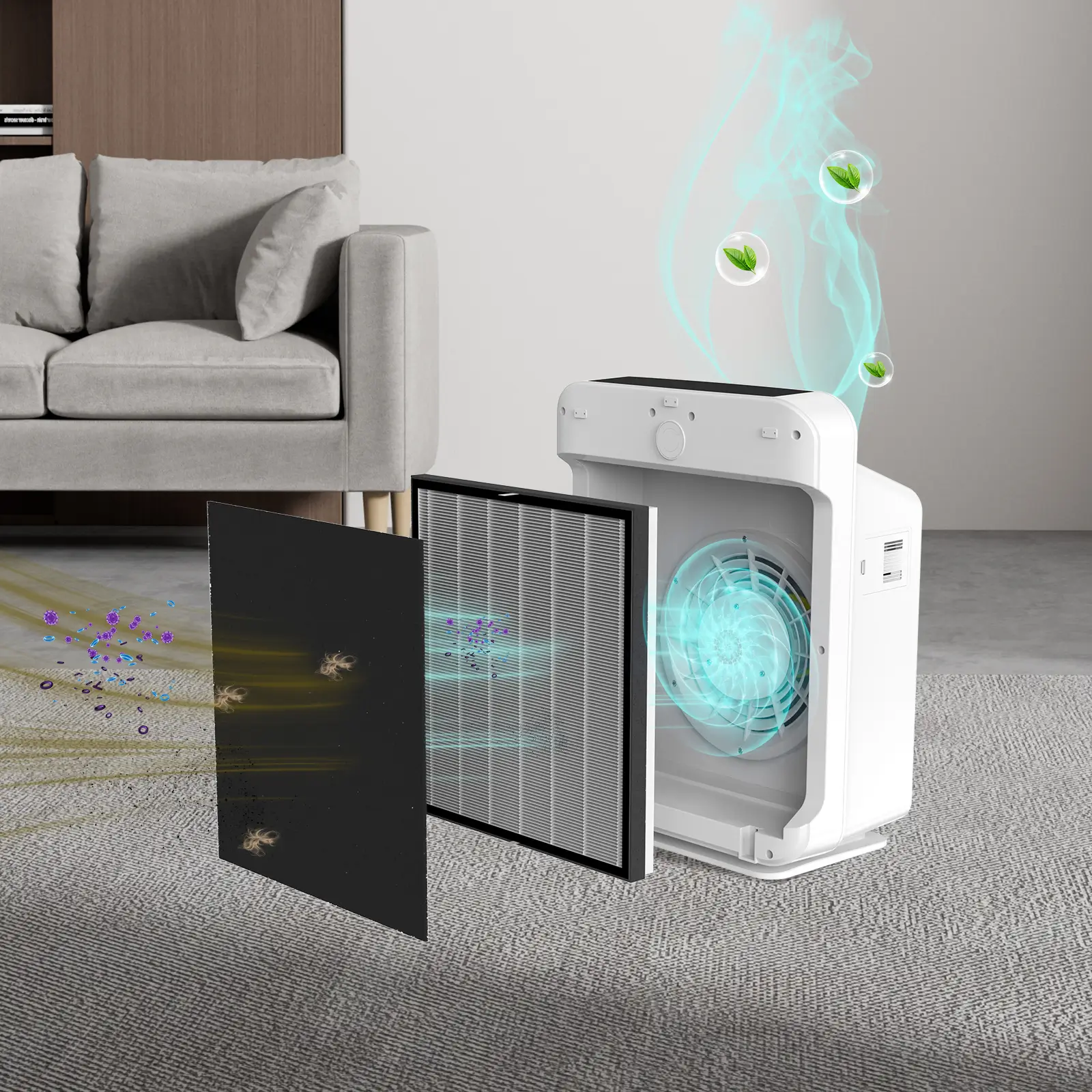
HisoAir - Pet Air Purifier HA360
Strategic Placement & Proactive Maintenance: Maximizing Your Air Quality Investment
Investing in a high-performance air purifier is just the first step. To truly maximize its effectiveness and ensure continuous clean air, strategic placement and consistent maintenance are paramount.
Optimal Placement for Maximum Impact
Think about where pollutants are generated most intensely and where clean air is most needed.
- Near Grooming Tables (Source Capture): Position one or more units close to your grooming stations. This allows for source capture, trapping hair, dander, and chemical aerosols right where they are produced, preventing them from spreading throughout the salon.
- Reception/Retail Area (Customer Comfort): Place another unit in your reception or retail space. This ensures that clients entering your salon are greeted by fresh, clean air, immediately reinforcing a positive brand image and enhancing their comfort.
- Avoid Obstructions: Ensure air inlets are at least 30 cm from walls and never blocked by towels, product bins, or furniture. Unrestricted airflow is crucial for optimal performance.
Proactive Maintenance: A Simple Routine for Lasting Benefits
Regular maintenance is key to your air purifier's efficiency and longevity.
- Create a Simple Filter-Change Log: Don't rely on guesswork. Implement a system, perhaps pairing QR codes on filters with your POS calendar, to track filter usage and schedule timely replacements. This ensures consistent performance and extends the life of your unit.
- Combine with Scheduled HVAC Purges: While air purifiers handle airborne particles, they complement your existing HVAC system. Regular HVAC maintenance, including duct cleaning and filter replacement, is still vital for overall indoor air quality.
- Routine Surface Cleaning: Air purifiers reduce settled dust and dander, but they don't eliminate the need for regular sweeping, vacuuming, and surface disinfection. A holistic approach to cleanliness, both airborne and surface-level, is always best.
By integrating these practices, you're not just buying a product; you're investing in a comprehensive air quality management system that supports the health of your business.
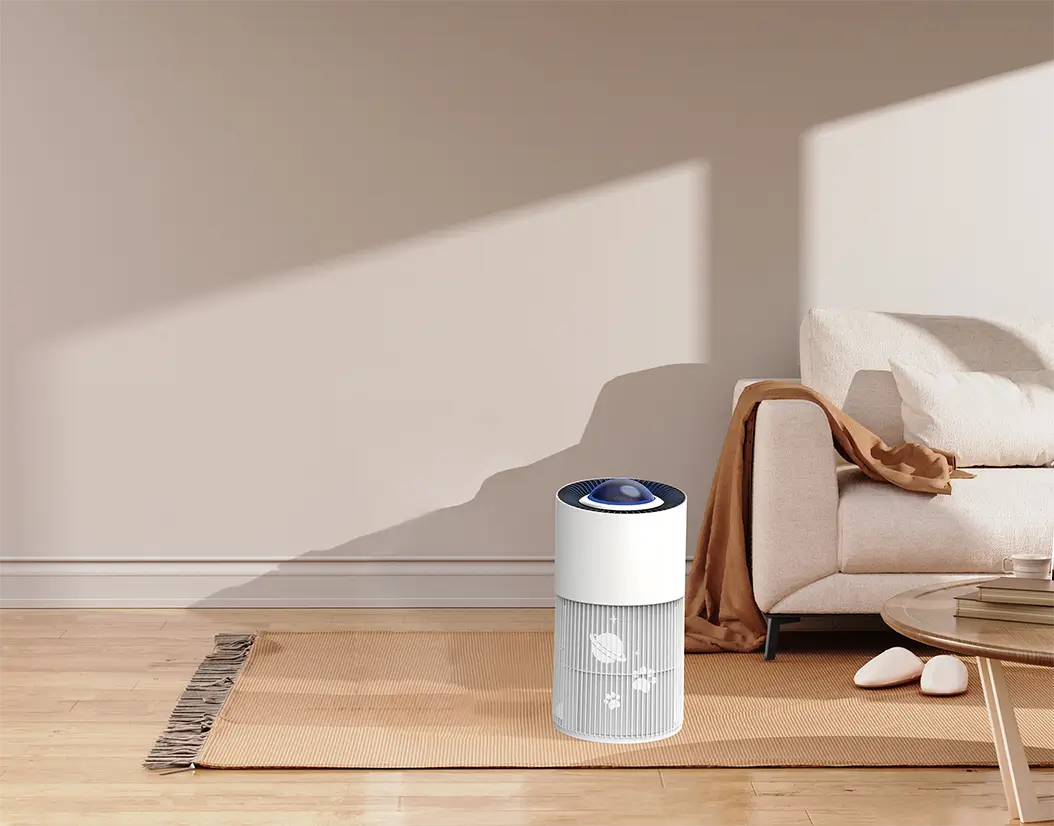
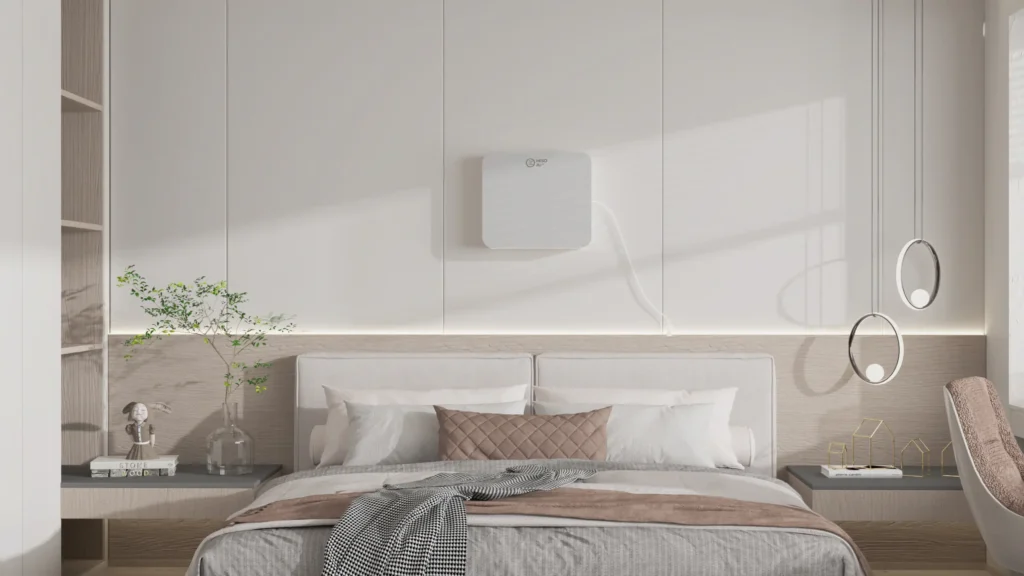
HisoAir - Pet Air purifier HA500
Real-World Success: A Mini Case Study – "Paws & Whiskers Grooming, Seattle"
We believe in tangible results. Let's look at how a real salon, "Paws & Whiskers Grooming" in Seattle, transformed its environment and business by prioritizing air quality with high-performance air purifiers.
| Metric | Before Purifier | 2 Weeks After |
|---|---|---|
| Peak PM₂.₅ during blow-dry (µg/m³) | 285 | 46 |
| TVOC (ppm) at closing time | 1.2 | 0.35 |
| Staff sick-day hours / month | 12 | 4 |
| Google review score | 4.2 ★ | 4.8 ★ |
"Before we installed the HisoAir purifiers, the air in our salon felt heavy, especially during busy periods. The 'wet dog' smell was persistent, and my team often complained of itchy eyes and congestion," says Sarah Chen, owner of Paws & Whiskers Grooming. "Within two weeks, the difference was remarkable. The air felt lighter, the odors were virtually gone, and my staff reported feeling much better. Our Google reviews started mentioning how fresh our salon smelled, and we even saw a noticeable drop in staff sick days. It's been a game-changer for our business and our team's well-being."
This case study illustrates that improving air quality isn't just about health; it's a direct driver of operational efficiency, employee satisfaction, and customer loyalty.
The Bottom Line: Calculating Your Return on Investment (ROI)
As a business owner, every investment must demonstrate a clear return. While the health benefits of clean air are invaluable, the financial ROI of high-performance air purifiers in a pet grooming salon is also compelling.
Consider a unit costing, for example, $600. How quickly can this investment pay for itself?
- Reduced Sick Leave: If your staff experiences fewer respiratory issues and sick days due to improved air quality, you save on lost productivity, temporary staffing costs, and potential overtime. Even a few reduced sick days per month can quickly offset the cost of a purifier.
- Improved Employee Retention: A healthier, more comfortable work environment leads to happier, more loyal employees. Reducing turnover saves significant costs associated with recruitment, training, and onboarding new staff.
- Enhanced Customer Satisfaction & Retention: A fresh, odor-free salon translates to more positive customer experiences, leading to repeat business and valuable word-of-mouth referrals. This directly impacts your revenue growth.
- Increased Retail Upsells: A pleasant environment encourages customers to linger longer, increasing the likelihood of impulse purchases from your retail section.
- Avoided Regulatory Fines & Legal Costs: Proactive IAQ management helps you stay compliant with health and safety standards, preventing costly fines and potential litigation.
While a precise ROI calculation depends on your specific salon's metrics, it's clear that the benefits quickly outweigh the initial investment. Many of our clients report that a high-quality air purification system pays for itself within months, not years, through a combination of these tangible and intangible benefits. We can help you explore how this investment translates into real savings and increased profitability for your unique business model.
Your Questions Answered: Air Purifier FAQs for Grooming Professionals
We often hear common questions from salon owners considering air purification. Here are some of the most frequent ones:
Do air purifiers remove “wet dog” smell completely?
While no solution can instantly eliminate every trace of odor from a freshly bathed dog, high-performance air purifiers with robust activated carbon filters are exceptionally effective at neutralizing the persistent "wet dog" smell and other pet-related odors. They actively adsorb the odor-causing molecules, significantly improving the overall freshness of your salon.
Will the unit scare nervous pets?
Modern commercial air purifiers are designed to operate quietly, especially on lower settings. Many models have noise ratings below 55 dB(A), which is comparable to a quiet conversation or refrigerator hum. We recommend choosing units with low noise levels to ensure a calm and stress-free environment for all pets, even the most anxious ones.
How often do I need to replace filters if I groom 20 dogs a day?
In a high-load environment like a busy grooming salon, filters will need to be replaced more frequently than in a typical home or office. While manufacturer guidelines might suggest 6-12 months, we generally recommend checking and potentially replacing pre-filters monthly and HEPA/carbon filters every 3-6 months, depending on your salon's volume and the specific unit's filter capacity. Regular monitoring is key.
Can one large purifier replace proper ventilation?
No, air purifiers are designed to complement, not replace, proper ventilation. Ventilation systems bring in fresh outdoor air and exhaust stale indoor air, which is crucial for managing humidity and some pollutants. Air purifiers, on the other hand, actively filter and clean the indoor air, removing particles and gases that ventilation alone cannot fully address. A combination of both provides the optimal indoor air quality solution.
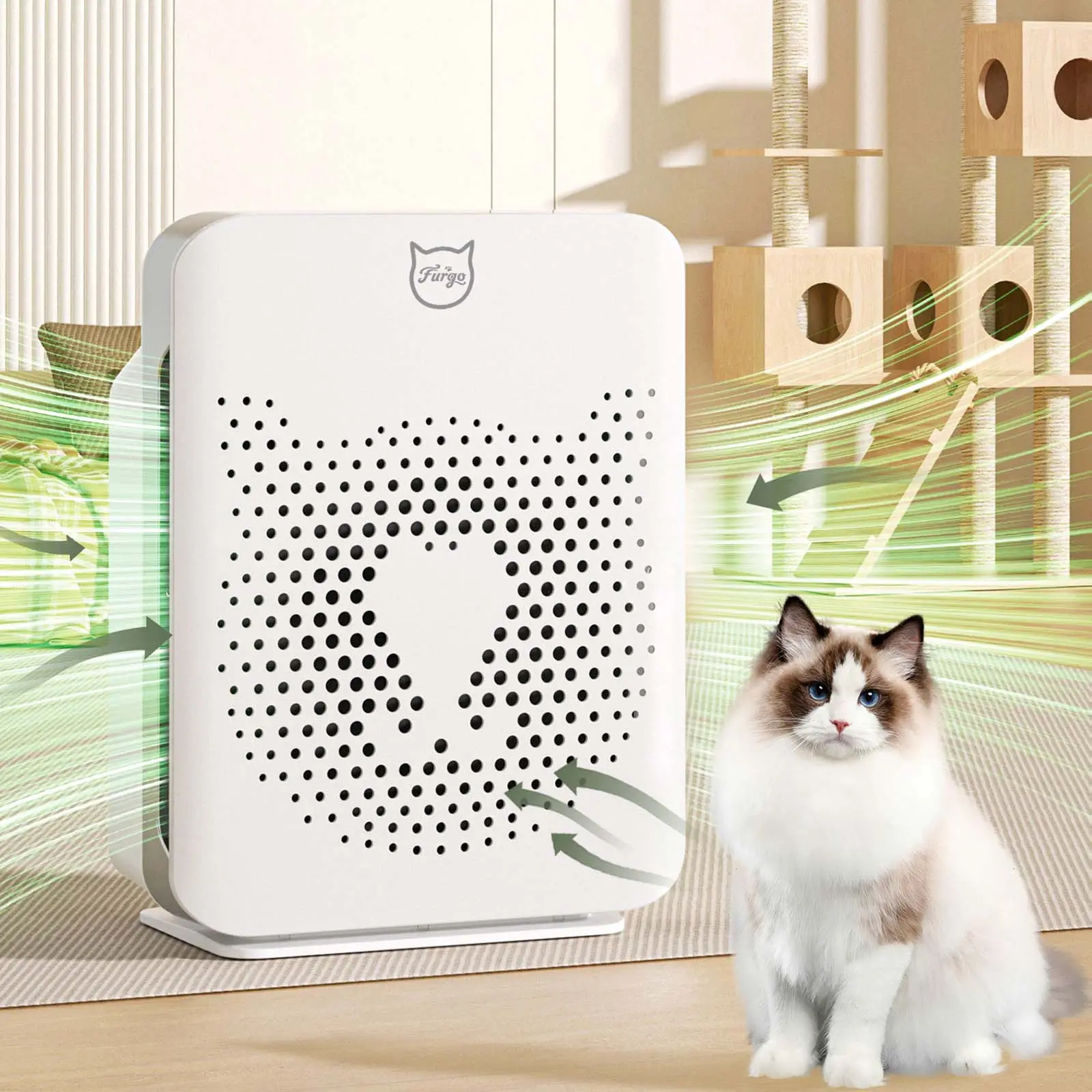
HisoAir - Pet Air Purifier HA360
Conclusion: Breathe Easy, Grow Your Business
The air in your pet grooming salon is more than just space; it's a critical component of your business's health, safety, and success. By proactively addressing indoor air quality, you achieve a powerful triple win: healthier staff who can perform at their best, happier pets who experience a more comfortable grooming session, and a better bottom line driven by improved customer satisfaction, reduced operational costs, and enhanced brand reputation.
At HisoAir, we are committed to providing top-quality, high-performance IAQ solutions tailored for commercial environments like yours. Our products are designed with large airflow, low noise, and strong aesthetic appeal, ensuring they not only perform exceptionally but also seamlessly integrate into your salon's design.

 English
  Français
  Español
  Italiano
  Deutsch
  Português
  Русский
  العربية
  日本語
日本語  한국어
한국어  Tiếng Việt

