
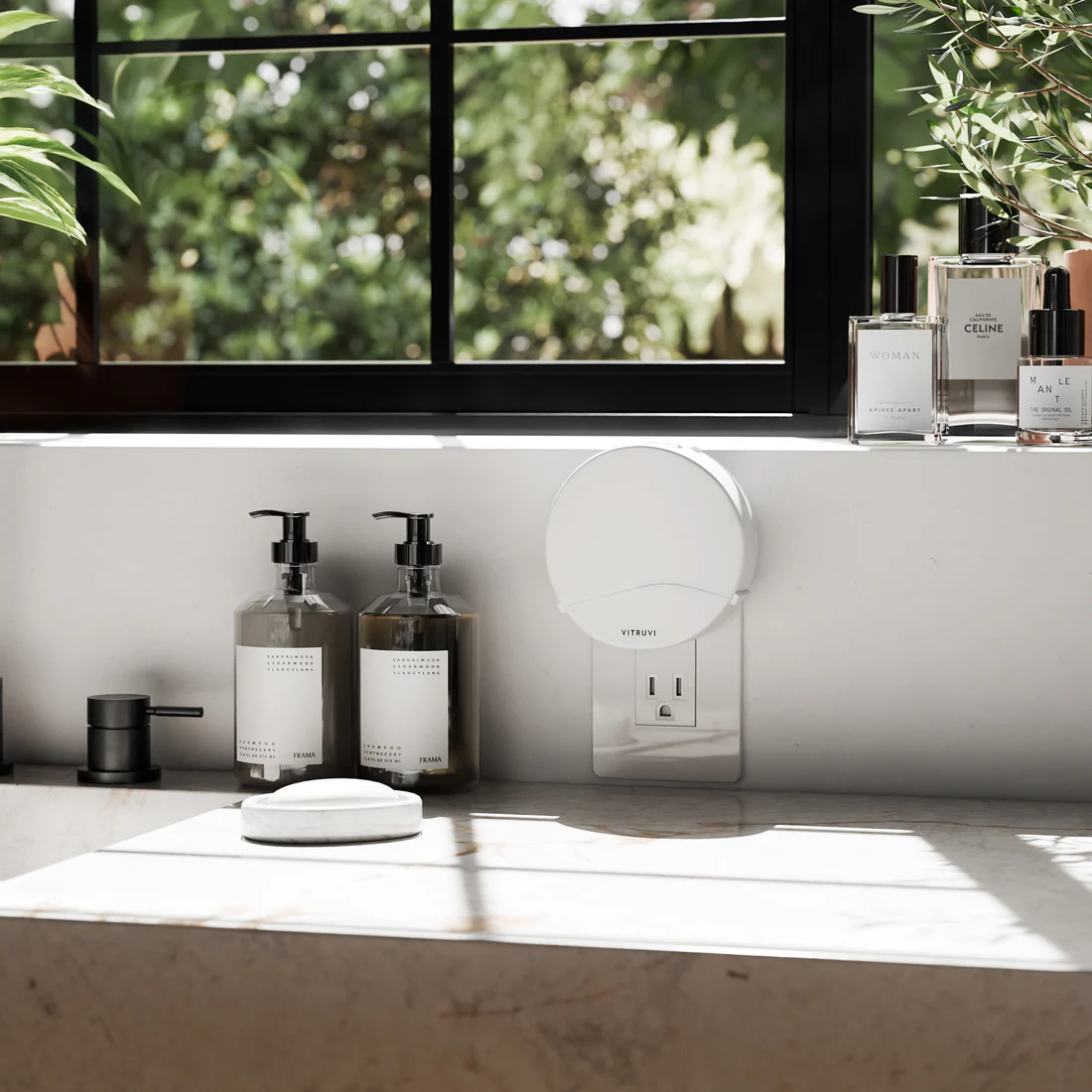
In the world of direct-to-consumer (D2C) wellness, few brands have captured the intersection of design, quality, and clean living as effectively as Vitruvi. Their iconic Stone Diffuser isn't just an appliance; it's a statement piece, a fixture in tastefully curated homes and a symbol of a mindful lifestyle. For any brand builder, retailer, or D2C entrepreneur, the question of "how they do it" is critical. And a central piece of that puzzle is understanding the physical journey of the product.
So, where are Vitruvi diffusers actually made?
The answer is not a simple one-liner. Instead, it reveals a sophisticated and highly strategic global supply chain that offers a masterclass in modern brand building. Vitruvi employs a bifurcated manufacturing model that anchors its brand identity in Canada while leveraging the specialized production powerhouses of Asia. This isn't just about logistics; it's a deliberate strategy that allows them to optimize for quality, cost, and—most importantly—brand perception.
This deep dive will unpack Vitruvi's operational blueprint, providing a clear-eyed view for D2C and B2B clients on how a premium brand can successfully navigate global manufacturing to build a beloved and profitable business.
The Power of "Designed in Vancouver"
To understand Vitruvi's manufacturing, you must first understand its brand. The company's identity is deeply rooted in its Canadian origins. Founded in 2014 by siblings Sara and Sean Panton, the brand's story begins in a small oceanside community on Vancouver Island. This narrative of a nature-centric upbringing provides an authentic foundation for a brand focused on non-toxic, plant-based wellness products.
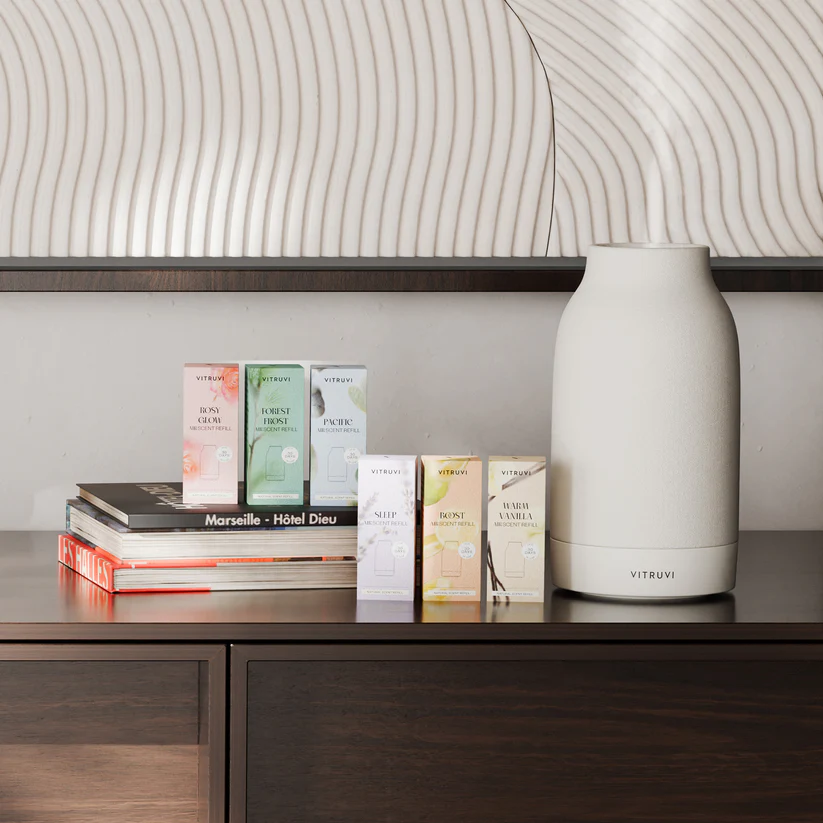
This isn't just marketing fluff. Vitruvi's headquarters is firmly planted in Vancouver, British Columbia, serving as the brand's creative and strategic nucleus. From this hub, the company manages its core intellectual property:
- Brand Strategy and Design: The entire aesthetic, from the product's form to the packaging and marketing, is conceived and directed from Vancouver. Co-founder Sara Panton has spoken about how the design for the original Stone Diffuser was inspired by ceramics she saw on a trip to Japan, a vision that was then brought to life by her Vancouver-based team.
- Product Development: The innovation pipeline, including the development of newer models like the Move and Stay diffusers, is driven by community feedback and managed by the leadership team in Canada.
- Corporate Management: All executive and strategic business decisions are made from the Canadian corporate office.
The tagline "designed in Vancouver," which appears on retailer product pages, is a crucial anchor. It associates the product with a city known for its health-conscious lifestyle and proximity to nature, reinforcing the brand's core values and building trust with a discerning consumer base.
A Tale of Two Supply Chains: Purity vs. Production
A critical element of Vitruvi's strategy is the deliberate separation between how it sources its hardware (the diffusers) and its consumables (the essential oils). This two-pronged approach is a masterstroke in managing brand perception.
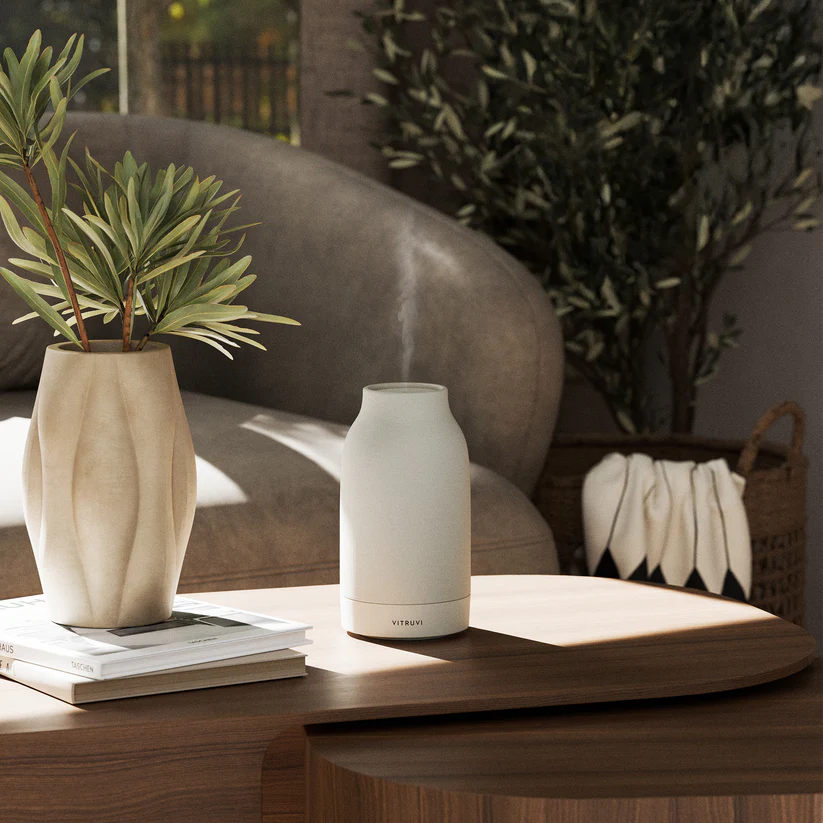
1. The Essential Oils: A Story of Global Purity
Vitruvi is incredibly transparent and vocal about the origins of its essential oils. The brand proudly states that its oils are sourced from over 30 countries, selecting botanicals from the regions where they grow best. They highlight sourcing from places like France and Madagascar and point to the quality of specific ingredients, like organic Jojoba oil from Argentina.
This global sourcing narrative is a powerful marketing tool. For a wellness brand, the purity and origin of the consumable ingredients are paramount to the consumer. By building a rich, transparent story around its botanical supply chain, Vitruvi assures customers of the product's quality and natural integrity.
2. The Hardware: A Focus on Function and Form
In stark contrast, the company is much more discreet about the manufacturing origin of its electronic hardware. This is not an oversight but a calculated decision. Vitruvi understands that for most consumers, the critical factors for the device itself are its aesthetic appeal, reliability, and safety. As long as the diffuser looks beautiful and works perfectly, the specific location of its assembly is a secondary concern.
By separating these two narratives, Vitruvi insulates its premium brand image from the complexities of offshore manufacturing. The story becomes one of "globally sourced purity" and "Vancouver-based design," allowing the physical assembly location to become a logistical footnote rather than a central brand attribute.
Pinpointing Production: A Multi-Locus Strategy in Asia
While Vitruvi's official channels are quiet on the subject, information from retail partners paints a clear picture. The evidence points not to a single factory but to a multi-supplier strategy that leverages the distinct capabilities of different manufacturing regions.
Evidence for Manufacturing in China
Multiple independent retail sources confirm that Vitruvi products are manufactured in China. The Boston General Store, an authorized retailer, explicitly states on its product page for the Stone Diffuser that it is "designed in Vancouver, made in China".
This aligns with the realities of the global consumer electronics industry. Mainland China offers an unparalleled ecosystem for small appliances, providing a combination of skilled labor, advanced facilities, and mature component supply chains that are essential for producing high-quality electronics at scale and at a competitive cost.
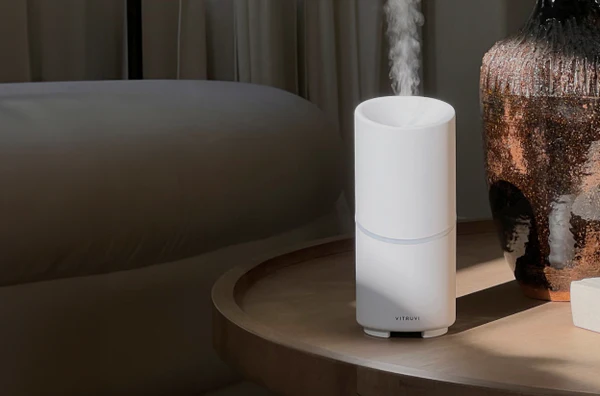
Evidence for Manufacturing in Taiwan
At the same time, there is specific and credible information pointing to production in Taiwan. A product page for the Vitruvi porcelain diffuser on the retailer website Hello Crisp states the device is "Designed + made in Taiwan out of the highest quality porcelain". The description further notes that the piece is "handcrafted," suggesting a focus on specialized artisanal skill.
This is also highly plausible. Taiwan has a long-standing reputation for producing high-quality ceramics and fine porcelain. For a product like the Stone Diffuser, where the material quality and craft-like finish are central to its premium positioning, partnering with a specialized Taiwanese manufacturer is a logical strategic move.
Reconciling the Data: The Multi-Supplier Hypothesis
The evidence for manufacturing in both China and Taiwan is not a contradiction. It strongly supports the hypothesis that Vitruvi uses a sophisticated, product-specific manufacturing strategy.
The most probable scenario is a segmentation based on material and craftsmanship:
- Taiwan for Specialty Ceramics: Vitruvi likely leverages Taiwan's specialized expertise for its flagship, design-led product—the Stone Diffuser. The brand's identity was built on this "iconic" piece, and sourcing its handcrafted porcelain cover from a region renowned for that craft aligns perfectly with its premium positioning.
- China for General Assembly and Other Materials: The more general "made in China" statements likely apply to other parts of the product line or to certain components. This would include models where mass production efficiencies are more critical, such as the all-plastic Glow Diffuser or the metal-bodied Move and Stay diffusers. China's manufacturing ecosystem is perfectly optimized for the high-volume assembly of these materials.
This dual-location approach reflects a mature supply chain strategy. Vitruvi makes deliberate, SKU-level decisions, prioritizing specialized craft for its hero product while leveraging cost-effective, high-volume production for other models.
The Business Logic: A Blueprint for D2C Success
Vitruvi's global supply chain is a highly intentional system designed to maximize brand value, product quality, and profitability. For other D2C brands, it offers a powerful blueprint.
1. The "Asset-Light" Advantage
Vitruvi operates on an "asset-light" model. By outsourcing capital-intensive manufacturing, the company avoids the immense financial investment of owning and operating factories. This capital can be deployed into higher-ROI activities for a consumer brand: marketing, customer experience, and product design. This model provides the flexibility to scale production up or down with market demand, a crucial advantage in the fast-moving D2C space.
2. Mastering Supply Chain Storytelling
The central challenge for a premium Canadian wellness brand selling products made in Asia is one of perception. Vitruvi navigates this through masterful control of its brand narrative. The company strategically emphasizes the parts of its value chain that build brand equity while de-emphasizing those that do not.
The story is built on three pillars:
- The Design Origin: "Designed in Vancouver" anchors the product's identity in a location associated with quality and wellness.
- The Authentic Founder Story: The narrative of the Panton siblings provides a relatable foundation for the brand's commitment to natural living.
- The Purity of Ingredients: The company is highly transparent about its global sourcing of essential oils, framing it as a quest for the best quality.
By focusing consumer attention on these powerful attributes, the physical point of assembly becomes a secondary detail. The story is not about where the circuits were assembled, but about the Canadian vision that conceived the product and the pure, global botanicals that give it life.
Conclusion: A Model for the Modern Global Brand
Vitruvi's operational structure is a quintessential model for a successful modern brand. It demonstrates a strategic disaggregation of the value chain, intelligently placing each function where it can be performed most effectively:
- Brand & Design: Anchored in a high-credibility Western location (Vancouver, Canada) to build brand equity.
- High-Value Ingredients: Sourced globally from the best possible origins to ensure quality and create a compelling marketing story.
- Capital-Intensive Manufacturing: Outsourced to specialized, cost-effective, and high-expertise hubs in Asia (Taiwan for specialty ceramics, China for general electronics).
This model allows Vitruvi to simultaneously optimize for brand perception, product quality, and profit margins. It proves that in today's global market, a brand's identity is a carefully curated construct, defined more by its story, design, and values than by the physical location of its factory floor. Vitruvi has successfully built a premium Canadian wellness brand by leveraging the best capabilities the world has to offer—a powerful lesson for any D2C or B2B client looking to build a lasting brand in the digital age.


 English
  Français
  Español
  Italiano
  Deutsch
  Português
  Русский
  العربية
  日本語
日本語  한국어
한국어  Tiếng Việt

