

Открывается в новой вкладке
Инновационные решения в области качества воздуха
HisoAir-Logo
Запрос сейчас

Новости

Коммерческие воздухоочистители в офисах, соответствующие стандартам OSHA

Как обеспечить соответствие очистителей воздуха стандартам OSHA для коммерческих объектов?

Навигация по стандартам OSHA для коммерческих воздухоочистителей включает в себя понимание показателей эффективности, требований безопасности и процедур обслуживания. Руководителям предприятий крайне важно убедиться в том, что эти устройства ...
Новости

Ритейлер анализирует прозрачные цены на воздухоочистители

Почему прозрачность цен от поставщиков воздухоочистителей имеет решающее значение для розничных продавцов?

Прозрачность цен, предлагаемая поставщиками воздухоочистителей, приносит большую пользу розничным продавцам. Она помогает принимать взвешенные решения, соответствует ожиданиям потребителей и способствует укреплению доверия. Эта статья ...
Новости
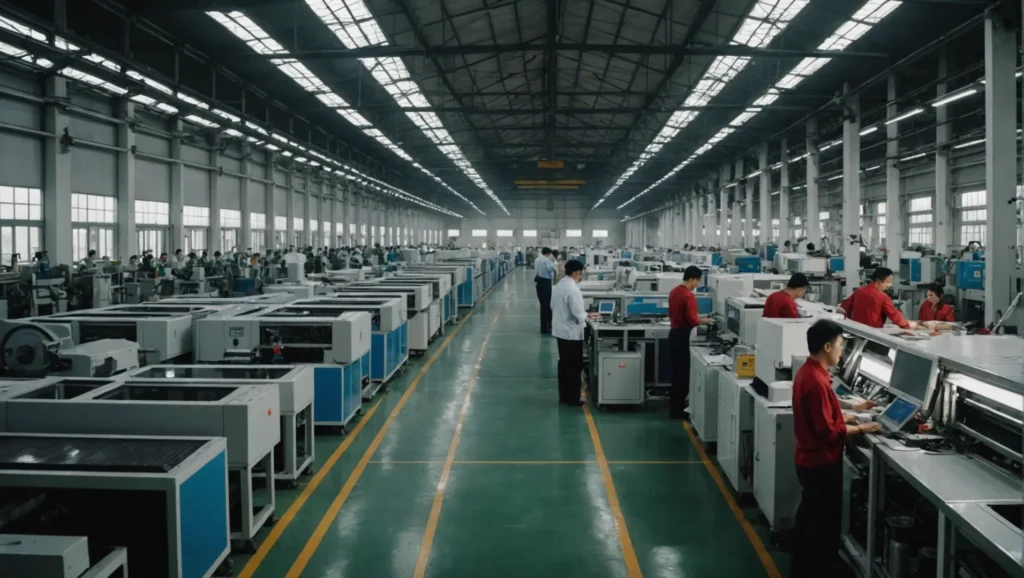
Рабочие фабрик по производству очистителей воздуха в Китае и Вьетнаме

Китай или Вьетнам лучше для производства воздухоочистителей?

Выяснение того, Китай или Вьетнам являются более стратегически важными для производства воздухоочистителей, включает изучение таких факторов, как стоимость, инфраструктура цепочки поставок и стандарты качества. Китай ...
Новости

Современное офисное пространство с потолочным очистителем воздуха Hisoair, зелеными шторами, белыми полками и минималистичной мебелью.

Что такое очиститель воздуха с фильтром HEPA?

Просторный, хорошо освещенный офис с потолочным воздухоочистителем Hisoair, установленным для улучшения качества воздуха. Введение HEPA-фильтры - популярный выбор в области очистки воздуха, ...
Новости
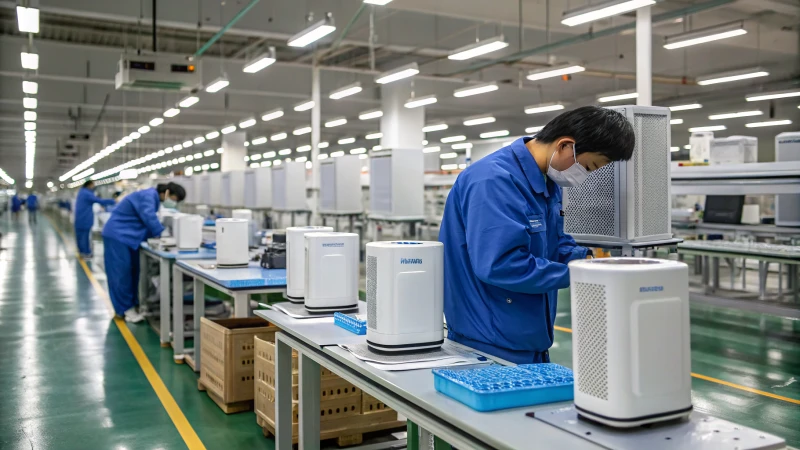
Рабочие собирают воздухоочистители на современном заводе

Как изготовить очиститель воздуха?

Производство воздухоочистителей включает в себя ряд сложных этапов, начиная с исследований и разработок (R&D) и заканчивая тестированием качества и массовым производством. По мере загрязнения воздуха и ...
Новости, Uncategorized
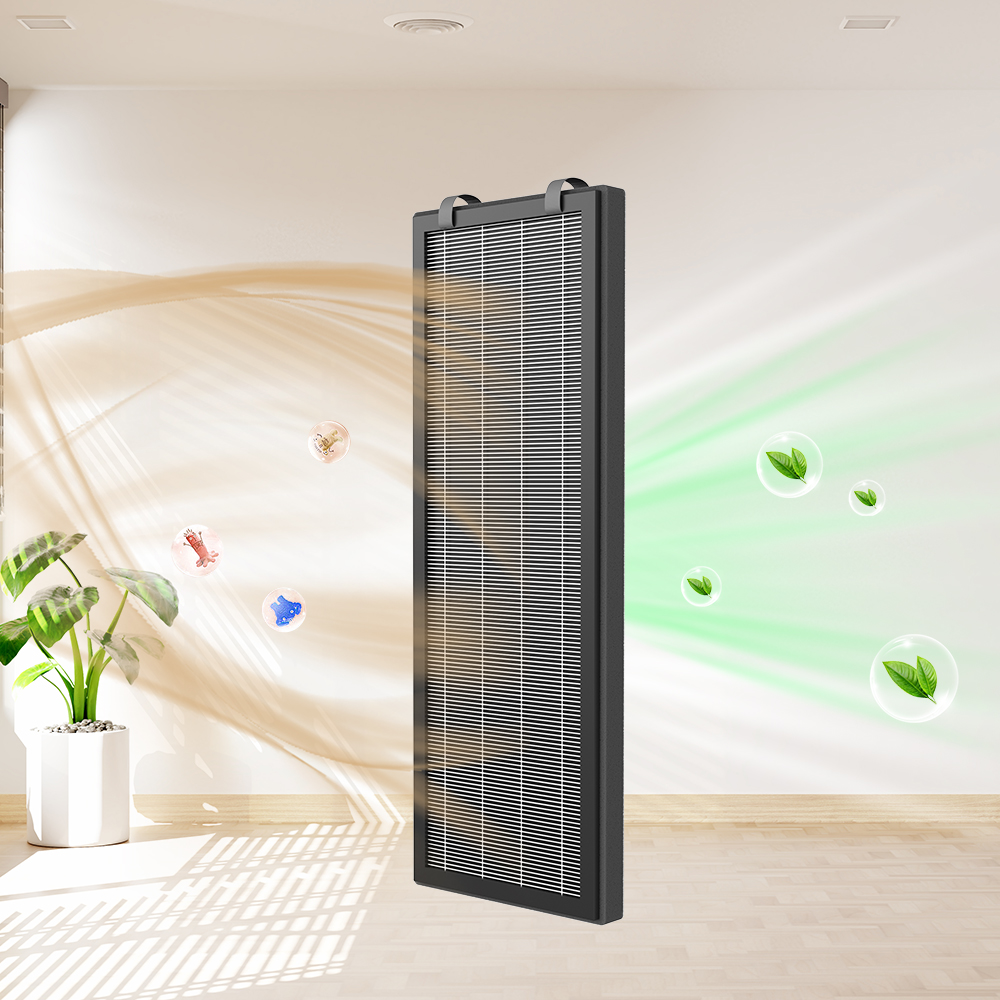
Высокоэффективный HEPA-фильтр для воздухоочистителей, удаляющий мелкие частицы и аллергены из воздуха в помещении

Что такое очиститель воздуха с фильтром HEPA?

HEPA-фильтры - популярный выбор в области очистки воздуха, используемый для эффективного улавливания частиц, находящихся в воздухе, и улучшения качества воздуха в различных средах. В последние годы ...
Новости
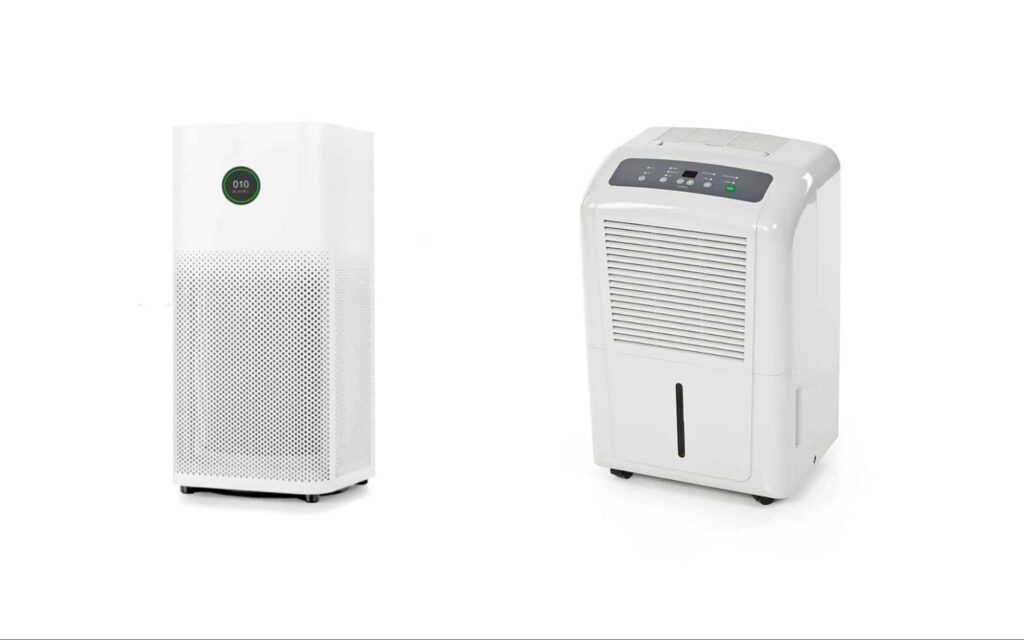
Очиститель и осушитель воздуха

Очиститель воздуха и осушитель: Сравнение и различия

Источник изображения: iStockPhoto Очистители и осушители воздуха - два популярных прибора для современных домов. Их главная задача - обеспечить чистоту воздуха в помещении.
Air purifier, Dehumidifier, News
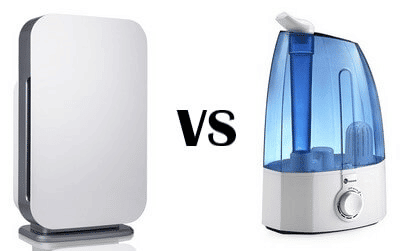
Очиститель воздуха против увлажнителя в 2022 году

Air purifier vs Air humidifier: Which is better?

Источник изображения: Home Air Advisor Очистители и увлажнители воздуха - типичные предметы домашнего обихода. Оба прибора имеют практическое применение и улучшают качество воздуха в помещении. Но ...
Air purifier, Humidifier, News

Девочка чихает

Лучшие и худшие штаты для аллергиков в США

Источник изображения: Новости медицины Каждая весна сопровождается массовыми приступами чихания, сопровождающимися слезящимися глазами, насморком и постоянным почесыванием. Для большинства людей эти ...
Air purifier, News
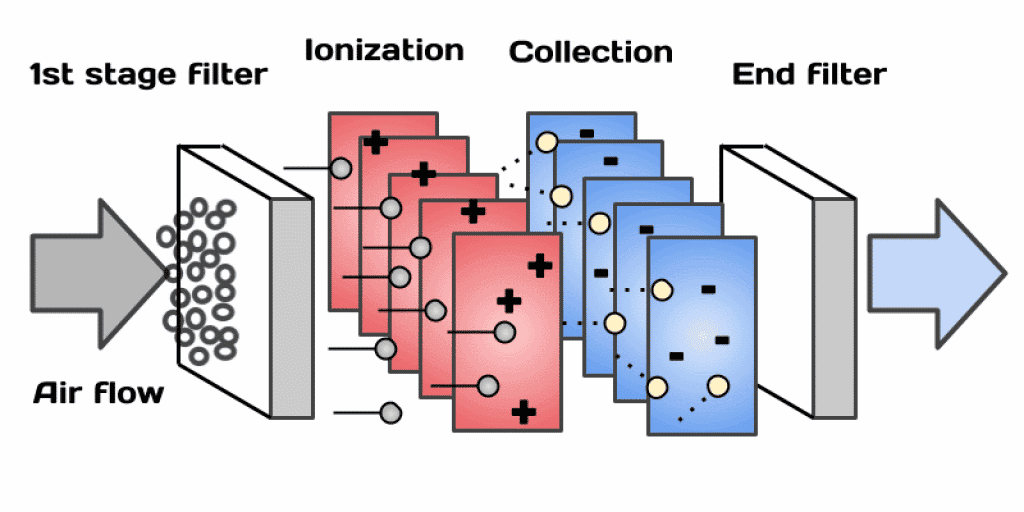
Схема работы электростатического воздушного фильтра

Замена фильтра: электростатический воздушный фильтр против HEPA

Air filters like wall mounted ones such as electrostatic and HEPA types are made to combat air pollutants such as pollen, pet dander, dust, etc. ...
Air purifier, News
преимущества ионного фильтра

Ионный очиститель воздуха против hepa: что лучше и безопаснее

Источник изображения: Pinterest Источник изображения: Hisoair Либо ионный очиститель воздуха для небольших помещений, либо HEPA-очиститель воздуха для больших помещений, популярные системы очистки воздуха обычно ...
Air purifier, News

Очиститель воздуха на 286 квадратных футов (Hisoair HA-380)

Лучшие мировые компании по производству очистителей воздуха

В наше время очистители воздуха остаются самым необходимым элементом в жилых помещениях. Вирусы и болезнетворные вещества в воздухе могут быть удалены с помощью правильного ...
Air purifier, News

Contaminant Engineering•3 min read

PFAS Water Filtration Technologies Explained: Carbon, Resin & RO

Key Takeaway:

PFAS reduction depends on the specific compounds present, treatment media, contact time, water chemistry, and system design. Activated carbon, ion exchange, and Reverse Osmosis address PFAS through different mechanisms.

PFAS are a large family of persistent fluorinated compounds that can occur in drinking-water supplies. Their treatment behavior varies significantly by molecular structure, chain length, functional group, concentration, and the chemistry of the source water.

Granular Activated Carbon (GAC) removes PFAS primarily through adsorption. It is generally more effective for many longer-chain PFAS, while shorter-chain compounds tend to break through more quickly. Carbon performance depends on media properties, Empty Bed Contact Time (EBCT), competing organic matter, loading, and replacement frequency.

Ion-exchange resins use charged functional sites to capture many PFAS compounds. Properly selected anion-exchange media can provide high capacity and may perform better than conventional activated carbon for some shorter-chain PFAS, although performance still depends on water chemistry and competing ions.

Reverse Osmosis (RO) uses membrane separation rather than adsorption. Properly designed RO systems can provide broad reduction across many PFAS compounds as well as dissolved salts and other contaminants. Unlike carbon or resin, however, RO also produces a concentrate stream that must be managed.

No single technology should be selected from a PFAS label alone. System design should consider which PFAS compounds are present, their concentrations, required reduction targets, flow rate, media life, and the applicable third-party certification or validation requirements.

HisoAir Water Technical Series
Product Discovery•3 min read

How to Choose an Under-Sink Water Purifier for Modern Kitchens

Key Takeaway:

Match the treatment technology to your water quality first, then evaluate cabinet space, faucet configuration, flow rate, drain and power requirements, and filter replacement needs.

Choosing an under-sink water purifier starts with water chemistry. Carbon filtration is well suited to chlorine, taste, odor, and many organic contaminants, while Reverse Osmosis is more appropriate when dissolved salts, fluoride, nitrates, or broader dissolved contaminants need to be reduced.

For compact kitchens, tankless RO systems eliminate the conventional storage tank and can significantly reduce the space required under the sink. However, membrane capacity stated in GPD does not directly equal faucet flow. When comparing systems, check the actual dispensing flow rate, inlet-pressure requirement, recovery ratio, and whether a booster pump is required.

Installation architecture also matters. Many RO systems require a drain connection, electrical power, and either a dedicated drinking-water faucet or a compatible multi-function faucet. High-flow carbon systems can often connect directly to the existing cold-water line with a simpler installation, but pressure drop and available faucet flow should still be verified.

RO also removes much of the naturally occurring dissolved mineral content. Where taste or mineral balance is a priority, a post-RO remineralization stage can be added. Filter life should be evaluated by both rated capacity and local water quality rather than replacement time alone.

The right system is therefore not simply the smallest or highest-GPD model. It is the configuration that matches the target contaminants, available cabinet space, desired faucet setup, peak dispensing demand, and maintenance expectations.

HisoAir Water Technical Series
Water Quality•2 min read

What Does TDS Mean in Drinking Water? Measurement vs Contaminant Reality

Key Takeaway:

A TDS meter estimates the overall concentration of dissolved ionic substances from electrical conductivity. It cannot identify specific contaminants or determine whether water is chemically safe.

Total Dissolved Solids (TDS) refers to the combined concentration of dissolved substances in water. Most handheld TDS meters do not measure TDS directly. Instead, they measure electrical conductivity (EC) and convert that reading into an estimated parts-per-million (ppm) value.

This means a TDS reading can indicate how much dissolved ionic material is present, but not what that material actually is. Calcium, magnesium, sodium, nitrates, and other dissolved ions can all contribute to conductivity, yet a simple TDS meter cannot distinguish between them.

TDS meters are also not suitable for detecting trace contaminants such as PFAS, many VOCs, pesticides, pharmaceuticals, or disinfection byproducts. These substances may be present at concentrations far below the level needed to noticeably change electrical conductivity.

A low TDS reading therefore does not guarantee safe drinking water, and a higher TDS reading does not automatically indicate contamination. Water-treatment decisions should be based on laboratory testing for specific contaminants of concern rather than TDS alone.

HisoAir Water Technical Series
Technology Selection•2 min read

RO vs UF Water Filtration: Understanding Pore Sizes & Dissolved Minerals

Key Takeaway:

Ultrafiltration can reduce bacteria, turbidity, and suspended particles while retaining most naturally occurring dissolved minerals. Reverse Osmosis provides much broader reduction of dissolved salts and smaller contaminants.

Ultrafiltration (UF) typically uses hollow-fiber membranes with pore sizes in the approximate 0.01–0.1 micron range. These membranes physically retain turbidity, suspended solids, colloids, and many microorganisms while allowing dissolved minerals and salts to remain in the water.

Reverse Osmosis (RO) operates at a much finer separation level. Unlike UF, RO can substantially reduce dissolved ions such as sodium, calcium, fluoride, nitrates, and other contributors to total dissolved solids (TDS). This makes RO more suitable when dissolved-salt reduction is a primary treatment objective.

UF generally requires less system pressure and produces little or no continuous concentrate stream in many point-of-use configurations. RO typically requires greater pressure and produces a reject-water stream, but delivers broader contaminant reduction.

For water with acceptable TDS and mineral content, UF can be a simpler mineral-retaining treatment option. Where dissolved salts, fluoride, nitrates, or broader dissolved contaminants are a concern, RO is generally the more appropriate technology.

HisoAir Water Technical Series
Technology Selection•4 min read

Carbon Block vs Reverse Osmosis: Which Fits Your Need?

Key Takeaway:

Choose RO for dissolved inorganic salts and heavy metals; choose Carbon Block for chemical taste/odor, no wastewater, and high line-pressure flow.

Reverse Osmosis (RO) and Carbon Block filtration represent two fundamentally different treatment methods: membrane separation and adsorption. Understanding these differences helps determine which technology is better suited to a specific water-quality requirement.

Reverse Osmosis uses a semi-permeable membrane with pore sizes of approximately 0.0001 microns. It can significantly reduce dissolved inorganic contaminants such as TDS, fluoride, nitrates, and certain heavy metals. Because water must be forced through the membrane, RO systems require sufficient pressure or a booster pump and generate a concentrated wastewater stream.

Carbon Block filtration relies primarily on adsorption through compressed activated carbon, commonly with nominal pore sizes around 0.5–5 microns. It is highly effective for chlorine, chloramines, VOCs, taste, and odor, while allowing substantially higher direct-flow rates without producing wastewater.

From an operating perspective, Carbon Block systems are generally simpler, require less energy, and avoid the water loss associated with RO. RO involves higher system complexity and operating cost, but provides substantially broader reduction of dissolved contaminants that Carbon Block alone cannot address.

HisoAir Water Technical Series

ЗАПРОСИТЬ ЦИТАТУ