
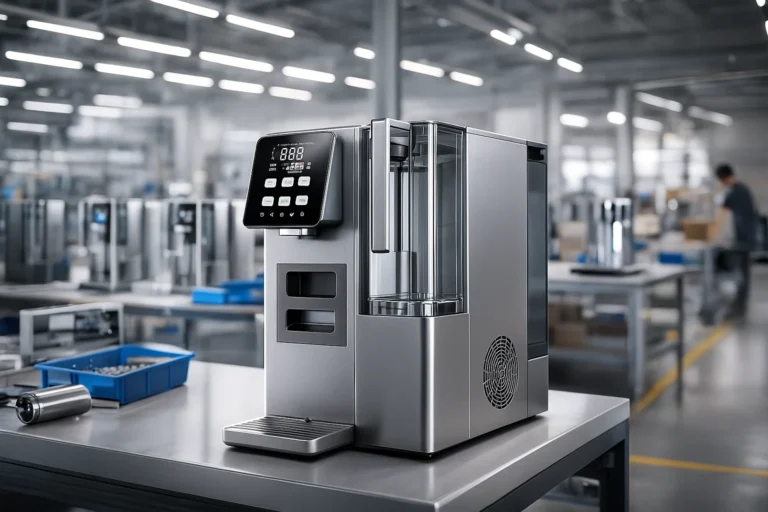
The global landscape of water purification is undergoing a significant transformation. What was once a simple filtration tool is rapidly evolving into a sophisticated "health hub" within our homes and businesses. This shift is driven by increasing consumer awareness of water quality, coupled with rapid advancements in technology. The market for water purifiers is experiencing robust growth, with projections indicating a substantial increase in market size. For instance, the global water purifier market was estimated at USD 45.7 billion in 2024 and is expected to grow to USD 48.1 billion in 2025, with continued expansion projected to reach USD 88.8 billion by 2034. This upward trajectory presents immense opportunities for businesses looking to innovate and capitalize on emerging trends in the countertop water purifier sector.
Trend 1: How Will AI & IoT Redefine Smart Hydration?
In 2025, the integration of Artificial Intelligence (AI) and the Internet of Things (IoT) is fundamentally reshaping how we interact with our water purifiers, transforming them into intelligent hydration companions. This trend moves beyond basic filtration, offering personalized experiences and proactive maintenance. AI-powered water purifiers and smart hydration systems are becoming increasingly common, leveraging data to optimize water quality and consumption habits.
One of the key advancements is the ability of these systems to provide personalized drinking recommendations. By analyzing factors such as user activity levels, local weather conditions, and even individual health data (when integrated with wearables), AI algorithms can suggest optimal hydration schedules and water intake targets. This level of personalization ensures users are not just drinking clean water, but are drinking the right amount at the right time for their specific needs.
Furthermore, the Matter protocol is playing a crucial role in enabling seamless connectivity between water purifiers and other smart home devices. This interoperability allows for a more cohesive smart home ecosystem, where your water purifier can communicate with your smart thermostat to adjust water temperature based on room climate, or with your smart lighting to remind you to drink water at certain intervals. This interconnectedness enhances user convenience and integrates hydration into the broader smart living experience.
Another significant aspect of this trend is the emergence of automated filter replacement business models. Smart water purifiers can monitor filter life in real-time, predicting when a replacement is needed based on water usage and quality data. This predictive capability allows manufacturers and service providers to automatically dispatch new filters to customers, ensuring continuous access to clean water and creating a recurring revenue stream. This proactive approach not only benefits consumers by eliminating the need for manual monitoring but also provides a stable business model for B2B partners.
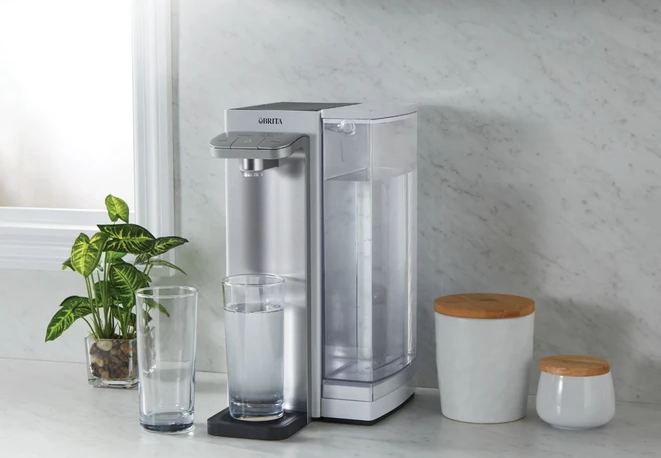
Trend 2: How Are Purifiers Evolving from Basic Filtration to Functional Water?
The evolution of countertop water purifiers in 2025 extends beyond mere contaminant removal; it's about transforming ordinary tap water into functional water with added health benefits. This trend is driven by a growing consumer interest in wellness and preventative health, leading to a demand for water that does more than just hydrate. Key technologies driving this trend include alkaline water, hydrogen infusion, and remineralization cartridges.
Alkaline water purifiers are gaining traction due to their ability to raise the pH level of water, making it less acidic. Proponents suggest that alkaline water can help neutralize acid in the body, improve hydration, and offer antioxidant properties. Many new models in 2025 incorporate advanced alkaline boost technology to achieve optimal pH levels.
Hydrogen infusion technology is another significant development. These purifiers enrich water with molecular hydrogen, which is believed to act as a powerful antioxidant, reducing oxidative stress and inflammation in the body. Portable hydrogen water generators are also becoming popular, allowing users to create hydrogen-rich water on the go.
Remineralization cartridges are being integrated into many advanced filtration systems, especially those utilizing Reverse Osmosis (RO). While RO is highly effective at removing impurities, it can also strip water of beneficial minerals. Remineralization cartridges reintroduce essential minerals like calcium, magnesium, and potassium, improving the taste of the water and restoring its natural mineral balance. This addresses a common concern with RO systems and enhances the overall health benefits of the purified water.
This shift towards functional water is also influencing product strategies, with many manufacturers adopting a "Good-Better-Best" tiered approach. The "Good" tier might offer basic filtration with some functional water features, the "Better" tier could include more advanced functional water technologies like hydrogen infusion, and the "Best" tier would encompass comprehensive purification with multiple functional water enhancements, such as RO, UV sterilization, hydrogen, and electrolysis technologies. This tiered structure allows businesses to cater to a wider range of customer needs and price points, maximizing market penetration.
Trend 3: Why Are Design & Multi-functionality Becoming Key Differentiators?
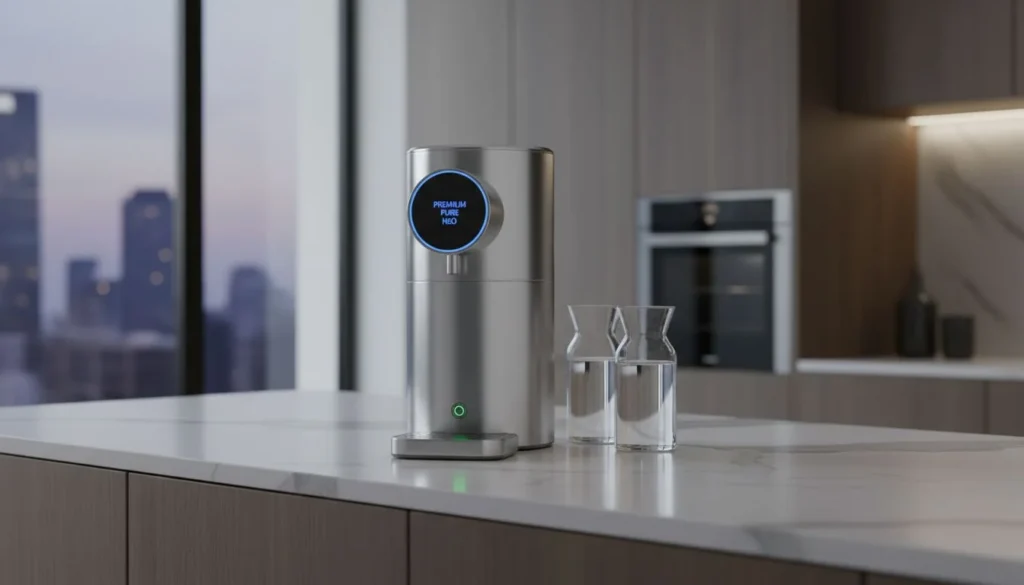
In 2025, countertop water purifiers are no longer just utilitarian appliances; they are becoming integral parts of modern kitchen aesthetics and smart home ecosystems. Design and multi-functionality are emerging as key differentiators, influencing consumer purchasing decisions and driving innovation in the market. The demand for hot and cold RO dispensers and minimalist kitchen water appliances is on the rise, reflecting a desire for both convenience and sophisticated design.
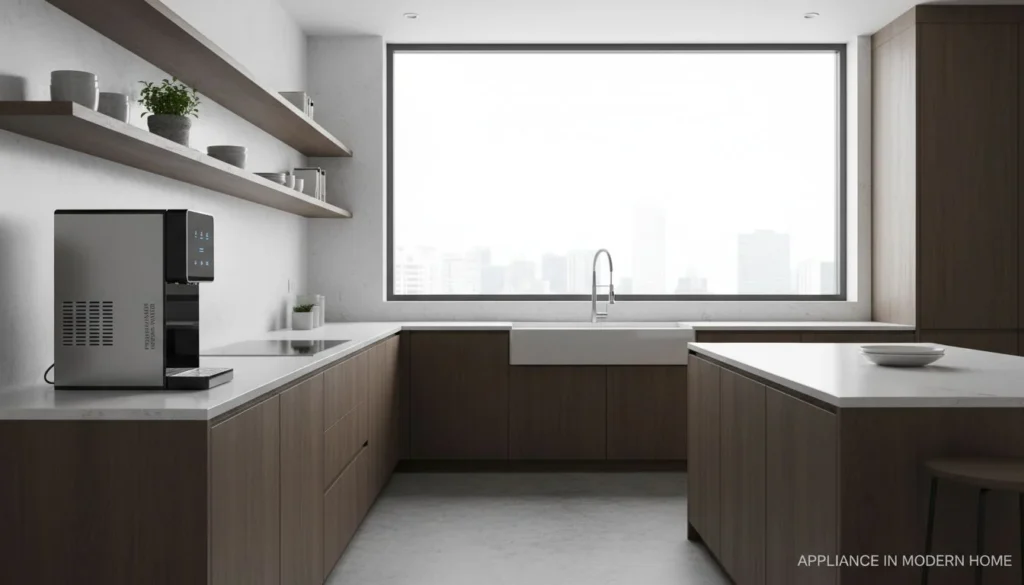
Modern consumers seek appliances that seamlessly blend with their interior design, offering sleek lines, premium finishes, and compact footprints. Manufacturers are responding by focusing on design aesthetics, offering a variety of colors and materials to match diverse kitchen styles. The emphasis is on creating devices that are not only efficient but also visually appealing, transforming them from simple water filters into statement pieces.
Beyond aesthetics, multi-functionality is a significant driver. Today's countertop purifiers often integrate features such as heating, cooling, and even one-touch tea brewing. A hot and cold RO dispenser, for instance, provides instant access to purified water at various temperatures, eliminating the need for separate kettles or chillers. This consolidation of functions saves counter space and streamlines daily routines, offering unparalleled convenience to users.
This trend also highlights the importance of user experience (UX). Intuitive controls, easy-to-understand displays, and minimal maintenance requirements are crucial. The goal is to provide a hassle-free experience, where users can enjoy purified water with minimal effort. The combination of elegant design and versatile functionality positions countertop water purifiers as essential, high-value appliances in contemporary homes and offices.
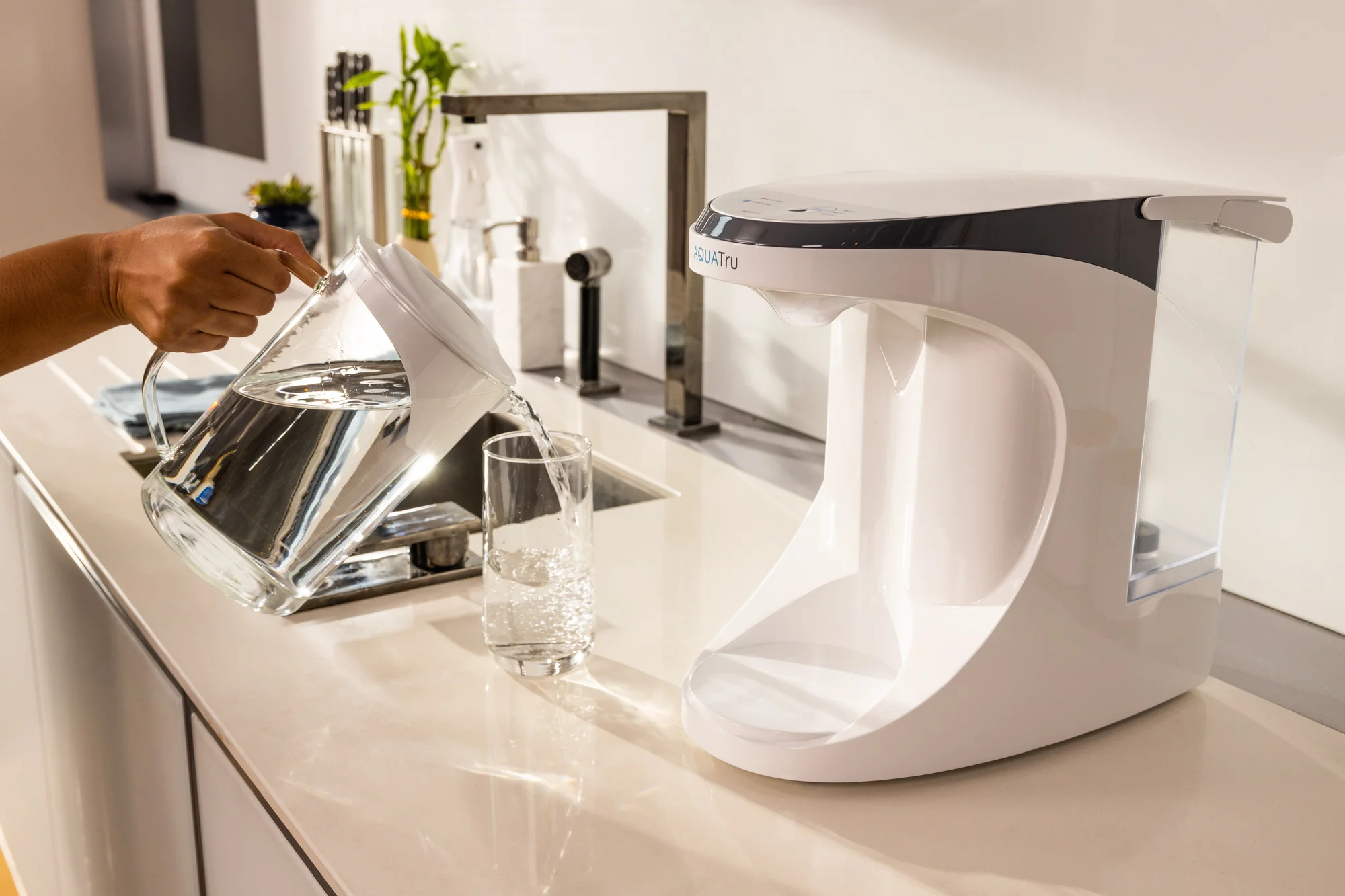
Trend 4: How Is Sustainability Driving Purchase Decisions?
Sustainability is no longer a niche concern but a mainstream driver of consumer and business purchasing decisions in 2025. This is particularly true for countertop water purifiers, where eco-conscious consumers are actively seeking solutions that minimize environmental impact. The focus is on reducing plastic waste, improving water efficiency, and emphasizing the Total Cost of Ownership (TCO).
One of the most significant aspects of this trend is the reduction of single-use plastic bottles. Countertop purifiers offer a convenient and cost-effective alternative to bottled water, significantly reducing plastic waste. Manufacturers are also exploring sustainable materials for their products and packaging, further minimizing their environmental footprint.
Water efficiency is another critical factor. Traditional RO systems can generate a significant amount of wastewater. However, advancements in technology are leading to the development of eco-water purifiers with low TDS waste ratios, meaning more purified water is produced with less wastewater. This not only conserves water but also reduces the environmental impact associated with water treatment.
The emphasis on TCO extends beyond the initial purchase price to include the long-term costs associated with filter replacements and energy consumption. Reusable filters and long-lasting filter cartridges are gaining popularity, as they reduce waste and offer cost savings over time. Additionally, energy-efficient designs are becoming standard, further contributing to the overall sustainability of these appliances.
For businesses, embracing sustainability in their water purification offerings can be a significant competitive advantage. It aligns with corporate social responsibility initiatives and appeals to a growing segment of environmentally conscious consumers. By providing eco-friendly solutions, businesses can not only contribute to a healthier planet but also enhance their brand image and attract a broader customer base.
Trend 5: Why Do Trust, Certification & Calm UX Matter More Than Ever?
In an increasingly complex and interconnected world, trust and transparency are paramount, especially when it comes to products that directly impact health and well-being. In 2025, consumers are placing a higher value on certified water purifiers and a calm, intuitive user experience (UX). This trend reflects a desire for reassurance regarding product performance and a rejection of overly complex or intrusive technology.
Certifications from reputable organizations, such as NSF International, are becoming non-negotiable for many consumers. NSF certified purifiers provide independent verification that a product meets stringent standards for water quality, material safety, and structural integrity. This third-party validation builds trust and confidence, assuring consumers that the purifier will perform as advertised and effectively remove contaminants. For B2B buyers, offering NSF certified products can significantly enhance their credibility and market appeal.
Alongside certification, a "Calm UX" is gaining prominence. This refers to a design philosophy that prioritizes simplicity, clarity, and ease of use, avoiding overwhelming users with excessive data or unnecessary features. In the context of water purifiers, this means intuitive controls, clear indicators for filter life and water quality, and minimal need for user intervention. The goal is to provide a seamless and stress-free experience, allowing users to enjoy clean water without feeling constantly monitored or bombarded with information. This is particularly relevant for those seeking a "digital detox water system," where the technology works quietly and efficiently in the background without demanding constant attention.
This trend underscores the importance of balancing advanced technology with user-centric design. While AI and IoT bring powerful capabilities, their implementation should always prioritize the user's peace of mind and convenience. By focusing on robust certifications and a calm, intuitive user experience, manufacturers can build stronger relationships with their customers and differentiate their products in a competitive market.
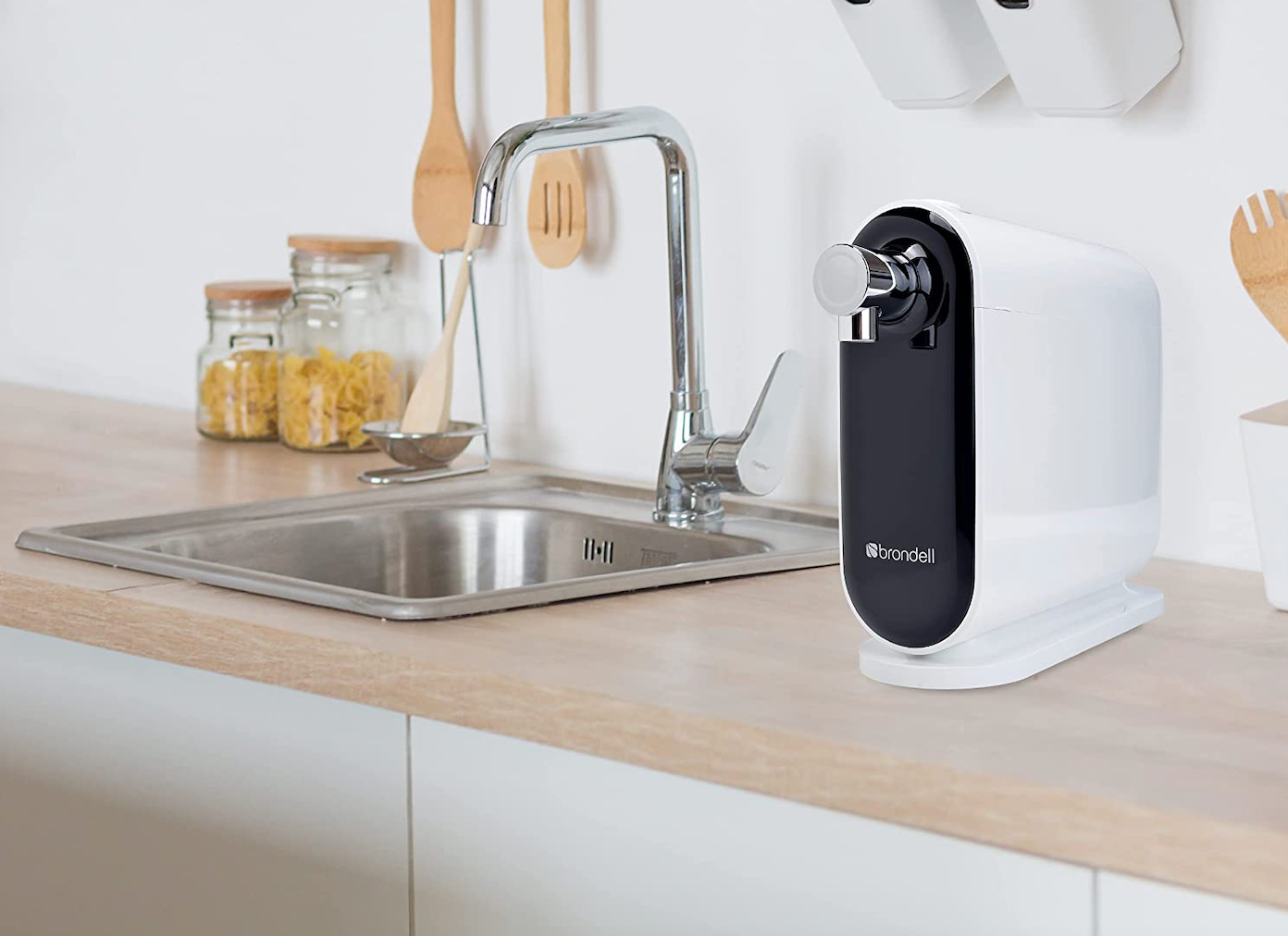
Market Forecast & Competitive Landscape
The countertop water purifier market is poised for significant growth, driven by the trends outlined above. As consumers become more health-conscious and technologically savvy, the demand for advanced and convenient water purification solutions will continue to rise. The global water purifier market, which includes countertop models, is projected to reach substantial figures in the coming years.
Table: Market Overview and Key Trends (2025)
| Feature/Category | Market Size (2025 Est.) | Key Drivers | Emerging Technologies | Leading Brands (Examples) |
|---|---|---|---|---|
| Overall Water Purifier Market | USD 48.1 Billion | Health awareness, technological advancements, urbanization | AI, IoT, advanced filtration membranes | AquaTru, Waterdrop, Brita, PUR |
| Countertop RO Systems | Growing Segment | Convenience, high purification efficiency, functional water features | Tankless designs, smart monitoring, remineralization | Waterdrop, AquaTru, Viomi |
| Hydrogen Water Purifiers | Niche, but rapidly growing | Wellness trends, antioxidant benefits, portability | SPE/PEM technology, integrated filtration | AquaTru, various specialized brands |
| Alkaline Water Purifiers | Steady Growth | pH balance, mineral enrichment, perceived health benefits | Advanced alkaline boost technology, mineral cartridges | Life Ionizer, AquaTru, Viomi |
Note: Market sizes are estimates and can vary based on different research methodologies. Leading brands are illustrative examples and not exhaustive.
The competitive landscape is dynamic, with both established players and innovative startups vying for market share. Companies that can effectively integrate AI and IoT, offer diverse functional water options, prioritize sustainable practices, and deliver a calm, trustworthy user experience will be well-positioned for success. The market is also seeing a rise in specialized products, such as best countertop RO systems 2025 and hydrogen vs alkaline purifier, catering to specific consumer preferences and health goals.
B2B Strategic Insights: How to Capitalize on These Trends
For businesses in the water purification industry, understanding and leveraging these emerging trends is crucial for sustained growth and market leadership. Here are strategic insights on how to capitalize on the evolving landscape of countertop water purifiers:
- Develop Tiered Product Portfolios: Offer a range of products from basic filtration to advanced functional water systems (e.g., alkaline, hydrogen-infused) to cater to diverse customer needs and budgets. This allows for broader market penetration and upselling opportunities.
- Embrace Subscription-Based Consumable Models: Implement subscription services for filter replacements and maintenance. This not only creates a stable recurring revenue stream but also enhances customer loyalty and ensures optimal product performance over time. AI and IoT integration can automate this process, predicting replacement needs and streamlining delivery.
- Target Niche Markets with Customized Models: Design and market specialized countertop water purifiers for specific segments such as small offices, RVs, or rental properties. These models can be tailored to meet unique space constraints, usage patterns, and aesthetic preferences, opening up new market opportunities.
- Prioritize Certifications and Transparent Communication: Emphasize product certifications (e.g., NSF) and clearly communicate the benefits and performance of your purifiers. Building trust through transparency is vital for B2B relationships, as corporate buyers prioritize reliability and compliance.
- Invest in User Experience (UX) Design: Focus on creating intuitive and hassle-free user experiences. Simple installation, easy maintenance, and clear digital interfaces will appeal to businesses looking for efficient and low-maintenance solutions for their employees or tenants.
- Highlight Sustainability Benefits: Promote the eco-friendly aspects of your products, suchs as reduced plastic waste and water efficiency. Businesses are increasingly seeking sustainable solutions to align with their corporate social responsibility goals, making this a strong selling point.
- Leverage Smart Technology for Predictive Maintenance and Support: Utilize AI and IoT to offer proactive customer support, including remote diagnostics and predictive maintenance alerts. This reduces downtime for businesses and enhances the overall value proposition of your products.
Conclusion + CTA
The year 2025 marks a pivotal moment for the countertop water purifier market, transitioning from basic filtration to sophisticated wellness technologies. The convergence of AI and IoT, the rise of functional waters, the emphasis on design and multi-functionality, the imperative of sustainability, and the growing demand for trust and calm UX are collectively shaping a dynamic and opportunity-rich landscape. For businesses, understanding and strategically responding to these trends is not just about staying competitive; it's about leading the charge in providing healthier, smarter, and more sustainable hydration solutions.
💬 Looking to Launch or OEM Smart Water Purifiers for 2025?
HisoAir specializes in high-performance countertop water purification systems, including RO, hydrogen, and alkaline models. With our expertise in OEM & ODM solutions, premium quality products, and focus on innovation, we are your ideal partner to navigate these evolving market trends. Свяжитесь с нами today to explore your options and elevate your product offerings for the future of hydration.



 English
  Français
  Español
  Italiano
  Deutsch
  Português
  Русский
  العربية
  日本語
日本語  한국어
한국어  Tiếng Việt

