
Many air purifier manufacturers exist in the market today. Here, we are going to feature Alen, as it is an integral producer of highly-ergonomic air purifiers. Check and see all of its air cleaners now!
Alen is a reputable manufacturer of commercial and residential air purifiers. Many homes, businesses, and buildings have been using its air purifiers due to their efficiency in indoor air purification.
In this blog, we have listed some of the most notable air cleaners under the Alen brand. Specifically, the majority of these air purifiers are under Alen's BreatheSmart line-up. Read on and see these devices.
Table of Contents
- List Of The Best Alen BreatheSmart Air Purifiers
- Best Alen BreatheSmart Air Purifier HEPA Reviews
- Alen BreatheSmart 75i True HEPA Air Purifier Reviews - Best Alen Air Purifier
- Alen BreatheSmart 45i True HEPA Air Purifier Reviews - Best for Allergen Removal
- Alen BreatheSmart Classic Air Purifier HEPA Reviews - Best HEPA Air Purifier
- Alen T300 HEPA UV Tower Air Purifier Reviews - Best Tower Air Purifier
- Alen A350 Energy Star HEPA Air Purifier Reviews - Best for Energy-Efficiency
- Beginner’s Guide on Alen Air Purifiers
-
-
- Filter Type
- CADR Rating
- Room Coverage
- Noise Level
-
- Where Are Alen Air Purifiers Manufactured
- Where To Buy Alen Air Purifiers
- How To Use Alen Air Purifiers
- How Does Alen Air Purifiers Work
- Are Alen Air Purifiers Any Good
- How Often Should You Change Alen Air Filters
- HisoAir Air Purifiers
-
-
- Private Label Air Purifiers
-
- Conclusion
List Of The Best Alen BreatheSmart Air Purifiers
The table below gives the quick rundown of the top air purifiers Alen has manufactured over the years. These air purifiers have remarkable construction. They are ergonomic, durable, and efficient in removing airborne contaminants. See and compare them now.
Best Alen BreatheSmart Air Purifier HEPA Reviews
This part showcases the individual product reviews for the Alen air purifiers that we listed above. We recommend that you check each of the reviews below so that you will be able to compare the respective performance and capabilities of the said air cleaners.
1. Alen BreatheSmart 75i True HEPA Air Purifier Reviews
Best Alen Air Purifier
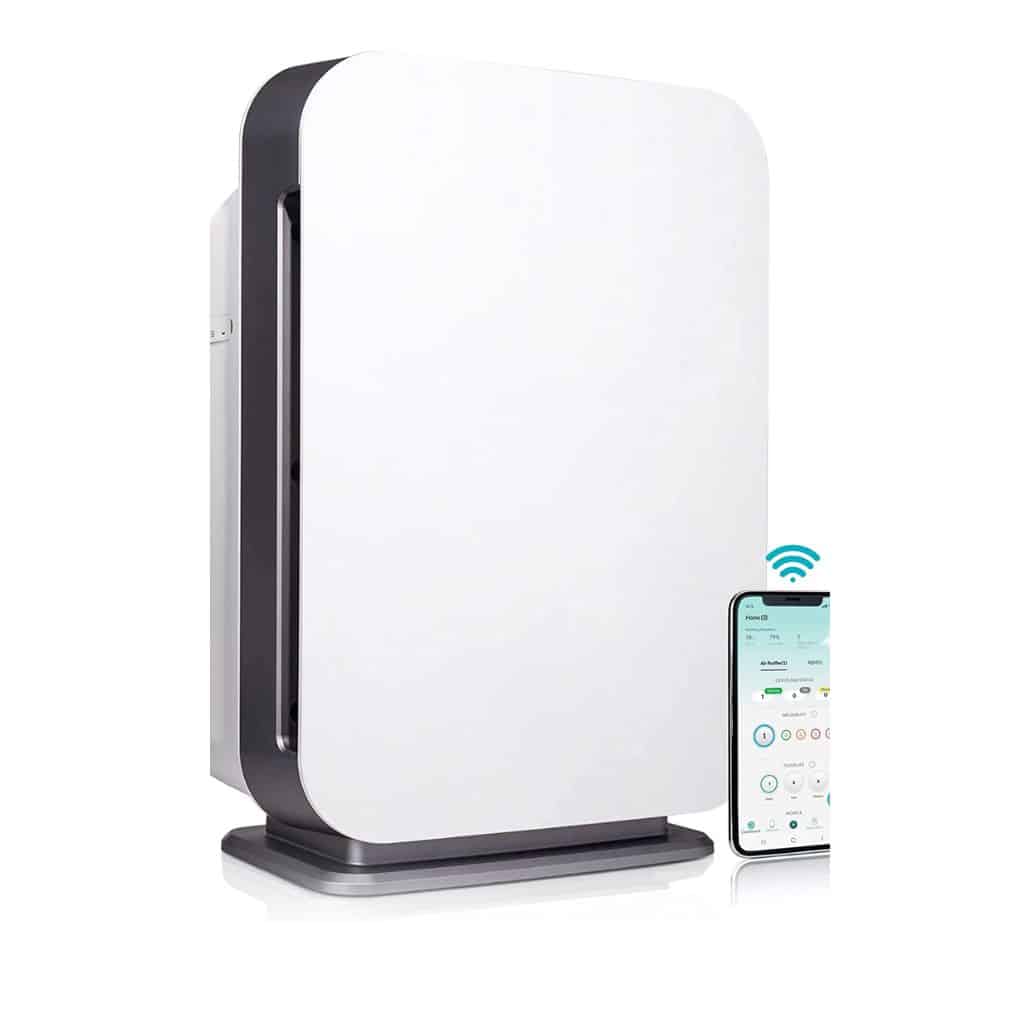
Image Source: Alen
The Alen Breathesmart 75i is an astounding air cleaning system. It can serve both residential and commercial purposes, thanks to its encompassing room coverage.
Product Features
- This device can clean the air of 1,300 square-foot rooms every 30 minutes.
- It utilizes a specialized HEPA B7 Pure Filter that offers medical-grade protection.
- The latter captures 99.99 percent of particles that are as small as 0.1 microns.
- Air purifier is quiet and doesn’t vibrate.
- It can be controlled remotely with its Smart App.
Alen BreatheSmart 75i Air Purifier |
|
| PROS | CONS |
|
|
User Review on Amazon
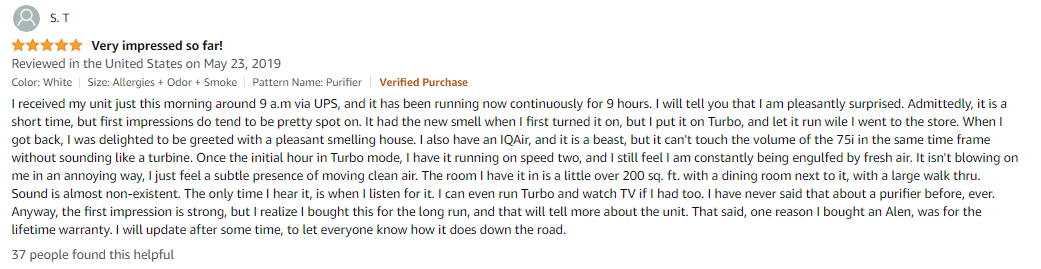
Notably, many people mentioned that this air purifier had met their expectations. It is an effective air cleaning system that can capture different contaminants in the air. At the same time, people can feel the impact of its airflow, indicating that the device distributes and absorbs air properly.
2. Alen BreatheSmart 45i True HEPA Air Purifier Reviews
Best Alen Air Purifier for Allergen Removal
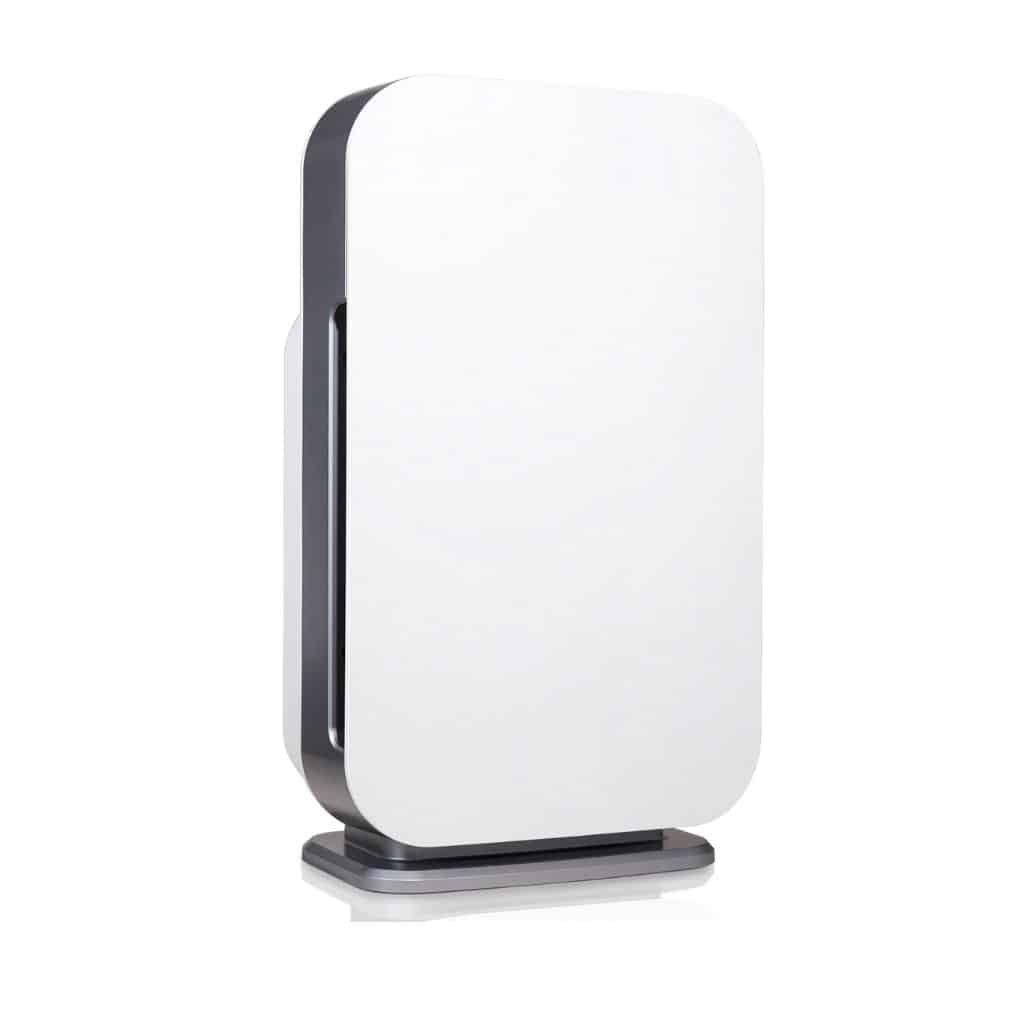
Image Source: Alen
The Alen BreatheSmart 45i is the smaller version of the BreatheSmart 45i. It is also one of the best-selling air purifiers of Alen. But keep in mind that the performance of this air purifier doesn't go low.
Product Features
- It operates quietly; certified by SleepScore Labs since it helps people sleep faster.
- Suitable for medium- to large-sized rooms; effective coverage is 800 square feet
- Its B4-Pure filter offers medical-grade protection.
- It also includes a high-quality activated carbon filter.
- Comes with a Laser Smart Sensor that measures the current air quality of rooms.
Alen BreatheSmart 45i Air Purifier |
|
| PROS | CONS |
|
|
User Review on Amazon
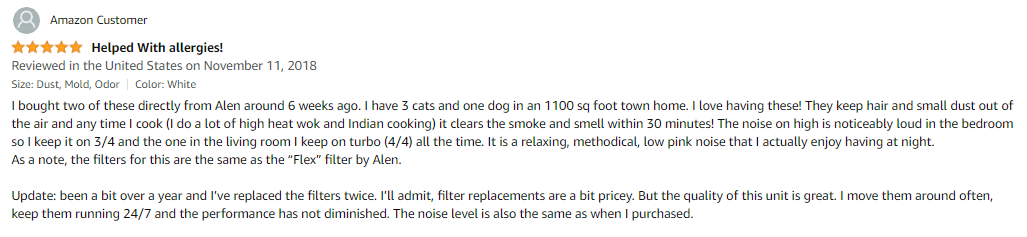
It is safe to say that the Alen BreatheSmart 45i is the “smaller” version of the BreatheSmart 75i. Despite this, the air purifier is still effective in removing airborne pollutants. However, many said this air purifier is quite loud, so it is not advisable for small bedrooms.
3. Alen BreatheSmart Classic Air Purifier HEPA Reviews
Best Alen HEPA Air Purifier
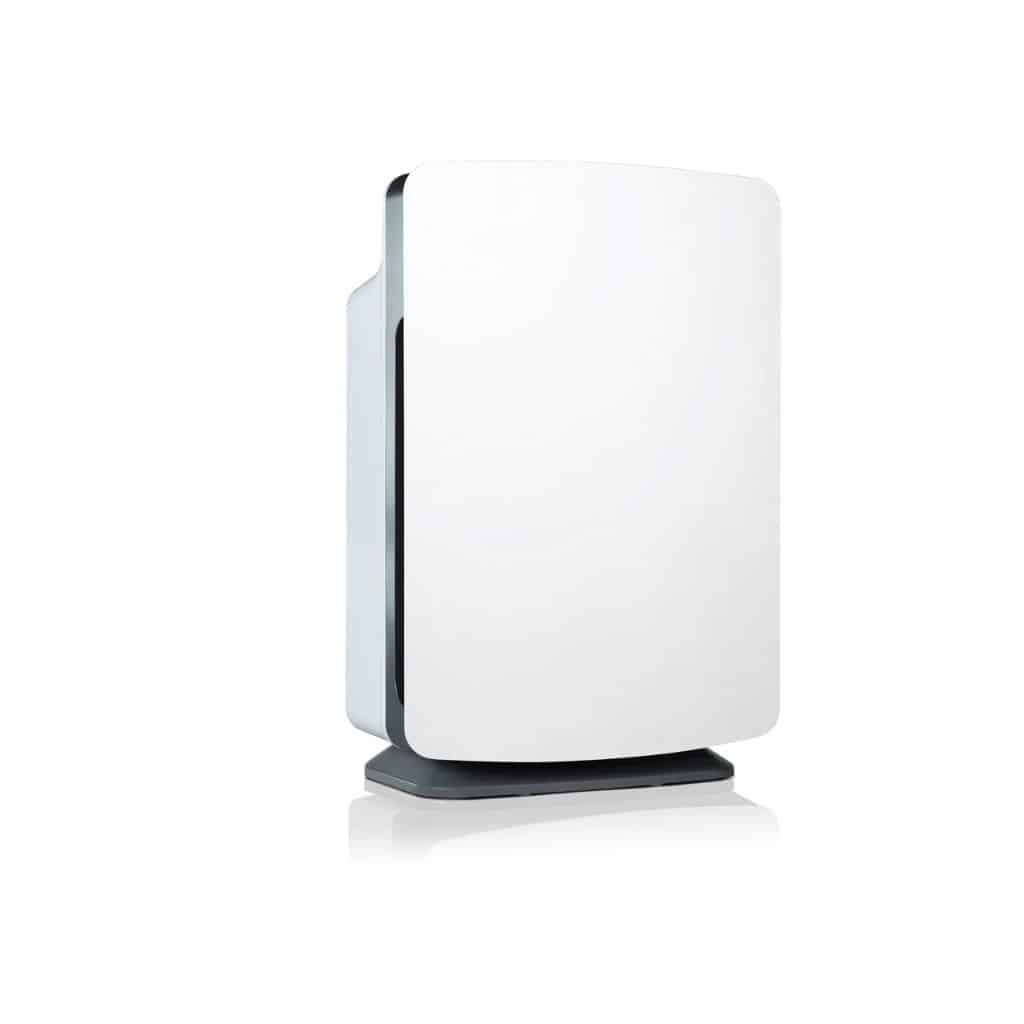
Image Source: Alen|
The Alen BreatheSmart Classic is one of the first air purifiers that Alen produced under the BreatheSmart models. It has an excellent performance, especially for homes that are suffering from indoor air pollution caused by dander, allergens, dust, and odors.
Product Features:
- Effective coverage is up to 1,100 square feet.
- Its true HEPA filtration features the use of a medical-grade H13 HEPA filter.
- Its HEPA filter can last 3 to 5 months longer than its counterparts.
- Equipped with a high-quality sensor for constant air monitoring.
- Capable of automatic fan speed adjustment
Alen BreatheSmart Classic Air Purifier |
|
| PROS | CONS |
|
|
User Review on Amazon

As one of the first digital air purifiers under the BreatheSmart series, the BreatheSmart Classic remains to be popular. Many consider it one of the best residential air purifiers there is. It can make a difference in your air quality. It absorbs pollutants rapidly and works silently.
4. Alen T300 HEPA UV Tower Air Purifier Reviews
Best Alen Tower Air Purifier
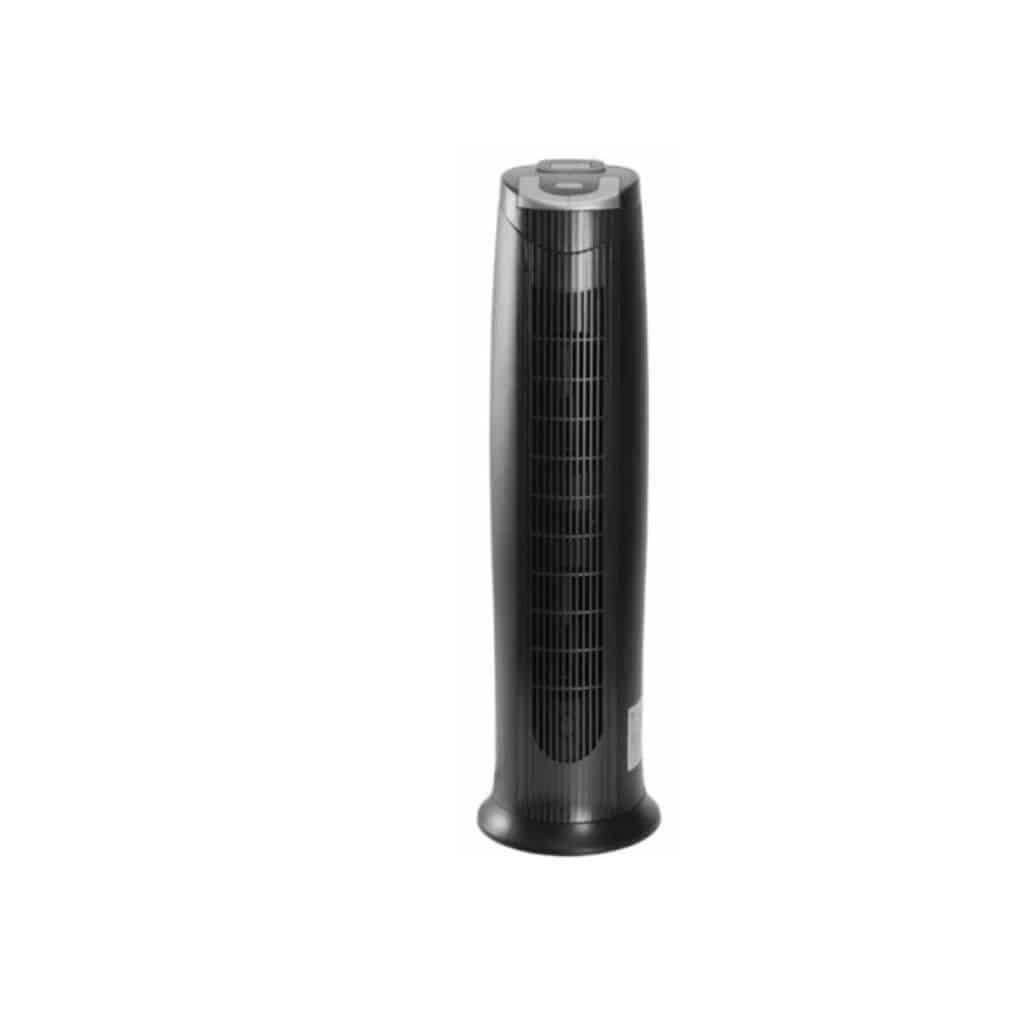
Image Source: Alen
The Alen T300 is a tower air purifier. It is among the first air purifiers that the brand manufactured, alongside the Alen A350.
Product Features:
- Excels in absorbing and distributing air in high-ceilings rooms.
- Equipped with medical-grade HEPA filters.
- Has an advanced UV lamp for bacterial control.
- It also includes activated carbon filters for odor and VOC removal.
- Replacement filters are inexpensive.
- Offers four fan speed settings and 12-hour timer.
Alen T300 Air Purifier |
|
| PROS | CONS |
|
|
User Review on Amazon

This tower air purifier from Alen has already impressed many homeowners. The device is exceptionally good at removing pollutants in small rooms; it helps alleviate symptoms of allergies, such as nasal congestion. Its only downside is that it is difficult to find since it has been discontinued apparently.
5. Alen A350 Energy Star HEPA Air Purifier Reviews
Best Alen Air Purifier for Energy Efficiency
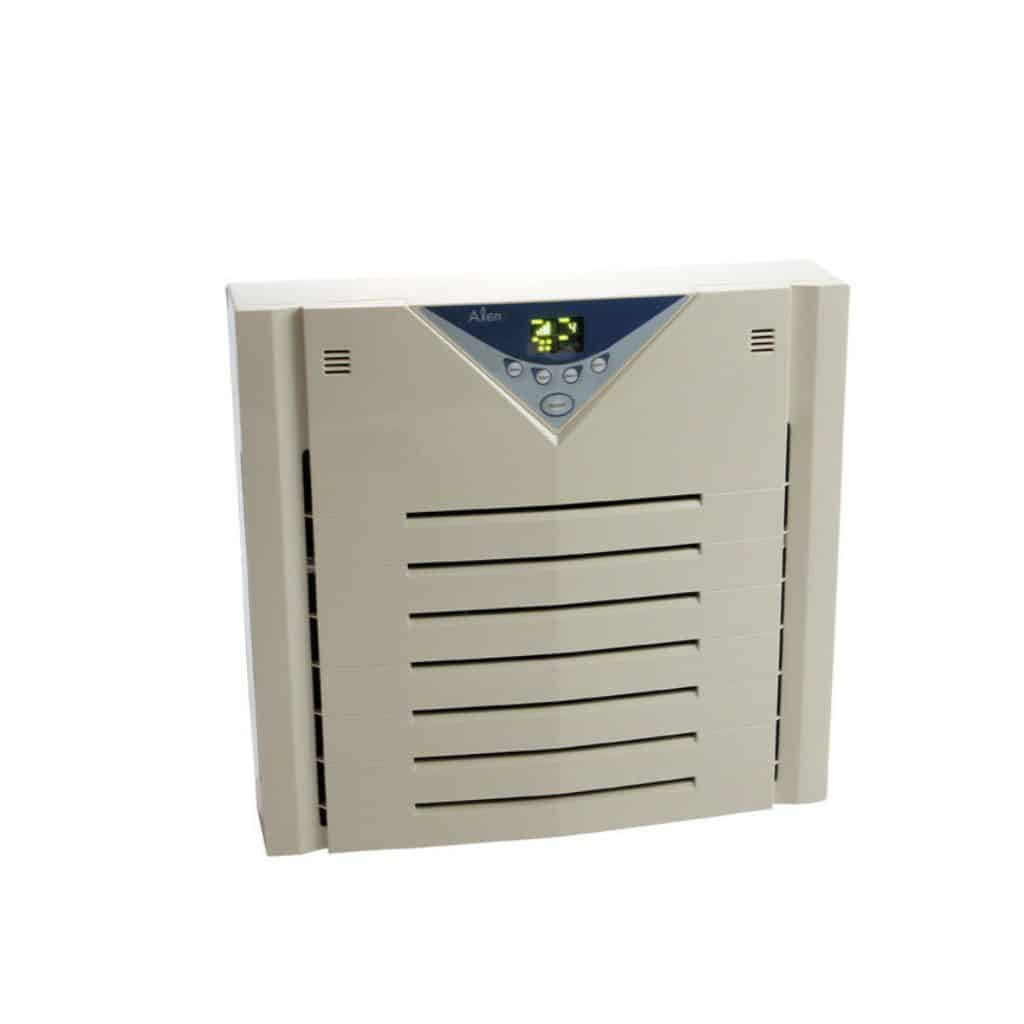
Image Source: Alen
If you are searching for an energy-efficient air purifier, we recommend that you check the Alen A350. This air purifier has Energy Star certification, indicating that it can operate continuously without significantly increasing your power bill.
Product Features
- UsesHEPA-type filtration for capturing microscopic contaminants.
- Its activated carbon filter traps chemicals and light sources of odors.
- Arrives with an ionizer for enhanced air filtration.
- This device includes a 12-hour timer for controlled air purification.
- Features a wall-mountable design
Alen A350 Air Purifier |
|
| PROS | CONS |
|
|
User Review on Amazon
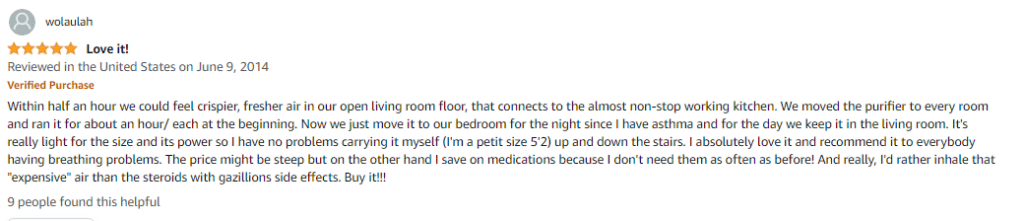
A significant number of Alen A350 users said that the device excels in allergen and pathogen removal. Within its ideal setting, the air purifier guarantees that airborne pollutants won’t be able to escape. The added wall-mounting option is also a plus.
Beginner’s Guide on Alen Air Purifiers
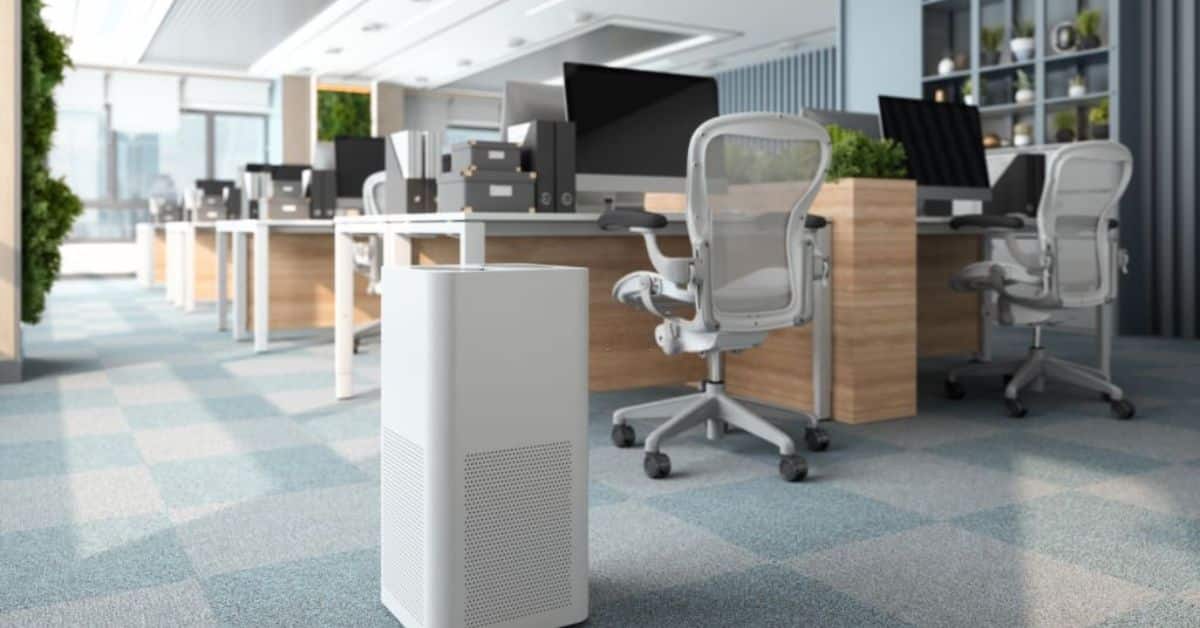
Image Source: iStockphoto
Consumers should include the following aspects into consideration so that they can get the most optimal air purifier model or unit for them.
Filter Type
The standard air purifiers include three fundamental filters: HEPA filter, carbon filter, and pre-filter. With these three filters around, you can ensure that the air purifier can do comprehensive filtration.
Meanwhile, Alen has specific filters that enhance the performance of its air purifiers. It offers various replacement filters for its products. For instance, the BreatheSmart model has the B7-Pure, B7-Fresh, and B7-MP-Pet/Odor.
CADR Rating
The CADR, or Clean Air Delivery Rate, is a technical term directly associated with air purifiers. In a nutshell, this rating specifies the volume of air that an air purifier can filter.
Alen air purifiers have high CADR ratings. They have powerful airflow and optimal filtration systems that keep airborne pollutants in check.
Room Coverage
Alen air purifiers are designed for residential applications. Some air purifiers are for small rooms while air purifiers are for large rooms. The BreatheSmart 75i and BreatheSmart 45i models are suitable for large rooms and open concept designs.
Noise Level
Of course, Alen ensured that its air purifiers don’t generate excessive noises and vibrations while running. They are constructed to ensure that they can be used in noise-sensitive environments. Their lowest setting lets you use them in noise-sensitive environments.
Where Are Alen Air Purifiers Manufactured
As mentioned earlier, Alen is a US-based company. Its headquarters is situated in Austin, Texas. However, most of its products are outsourced..
Specifically, its air purifiers are manufactured in China. It works with companies that provide OEM/ODM services for private label brands. HisoAir is the notable air purifier manufacturer in China that produces Alen air purifiers.
Where To Buy Alen Air Purifiers
You can buy Alen air purifiers on various online retailers today such as Amazon. Other international stores also sell them. Of course, you are also free to directly purchase it on its website. You may also try your local malls if they sell these products.
How To Use Alen Air Purifiers
Using Alen air purifiers is easy. These devices are designed to be user-friendly in the first place. They have easy-to-find, properly labeled controls. Hit the power button to have these air purifiers running. You can also configure their speed and settings.
How Does Alen Air Purifiers Work
Alen air purifiers are using the tested-and-tried filter-based filtration. They work by absorbing the air in the surroundings. Once the air is inside, it will pass through several layers of filters to capture as many pollutants as possible. They release the air back and repeat the process continuously.
Are Alen Air Purifiers Any Good
Yes. These air purifiers have proven themselves many times already. Based on the customer reviews for this brand, it is evident that its products delivered what they promised. For residential air purifiers or commercial air purifiers, you can rely on Alen air purifiers.
How Often Should You Change Alen Air Filters
It depends. Typically, HEPA and carbon filters have a 3 to 6 months lifespan. But if you are dealing with severe indoor air pollution, you might need to replace them as frequently as a month. As a general rule, you should change the filters once build-up is already visible on them.
HisoAir Air Purifiers
Alen isn't the only reputable air purifier maker today. If you are searching for alternative international manufacturers, we recommend that you check out HisoAir.
HisoAir is a premier source of China air purifiers. It has a long list of air purifiers that you can use for residential, commercial, and industrial applications. This company also offers OEM / ODM services to other popular air purifier brands, such as Carrier, Haier, and TCL. In fact, several Alen air purifiers are outsourced from HisoAir.
Below are some of HisoAir air purifiers that serve as alternatives for the medical-grade air purifiers of Alen.
| Product Name | Product Image | Product
Rating |
Filter
Type |
CADR | Room Coverage | Noise Level |
| Air purifier for 2000 square feet | 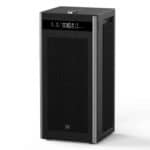 |
5 | Pre-filter, HEPA filter,
Carbon filter |
1,500 m3/h | 1,937 square feet | 38 - 66 decibels |
| Air purifier for 1500 square feets | 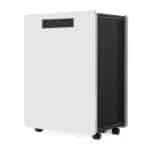 |
5 | Pre-filter, HEPA filter,
Carbon filter |
1,500 m3/h | 1,600 square feet | 26 - 49 decibels |
| Air Purifier for 1000 square feet | 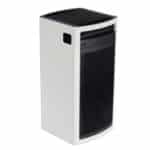 |
5 | Pre-filter, HEPA filter, | 800 m3/h | 1,011 square feet | 26 - 56 decibels |
HisoAir are medical-grade air purifiers. It has been used in hospitals, offices, academies, and residential applications.
They excel in removing airborne pollutants that can cause pulmonary diseases. These devices have been equipped with a comprehensive filtration system that captures allergens, pathogens, chemicals, and VOCs.
Private Label Air Purifiers
Air purifiers are no longer optional amenities. Today, the prevalence of indoor air pollution is already undeniable. Airborne pollutants from outside and inside your homes or buildings can threaten your health if you don't do something about them.
Ordinary cleaning methods can't remove these particles, chemicals, and pathogens in the air. The thing is, only air purifiers can do that job. And here, we recommend you check out the series of air cleaners that HisoAir provides.
Conclusion
The Alen Breathesmart Air Purifier HEPA reviews we listed in this blog have proven the quality of Alen air purifiers. These devices have medical-grade filtration systems similar to HisoAir. At the same time, they offer powerful airflow that optimize their performance.
Meanwhile, HisoAir is an excellent alternative for the major air purifier brands today. As an experienced air cleaning system manufacturer, HisoAir guarantees comprehensive removal of airborne pollutants. It has a plethora of offerings, as well. See HisoAir's commercial and residential air purifiers by visiting its website.
Check these other air purifier reviews in our blog!


 English
  Français
  Español
  Italiano
  Deutsch
  Português
  Русский
  العربية
  日本語
日本語  한국어
한국어  Tiếng Việt

