
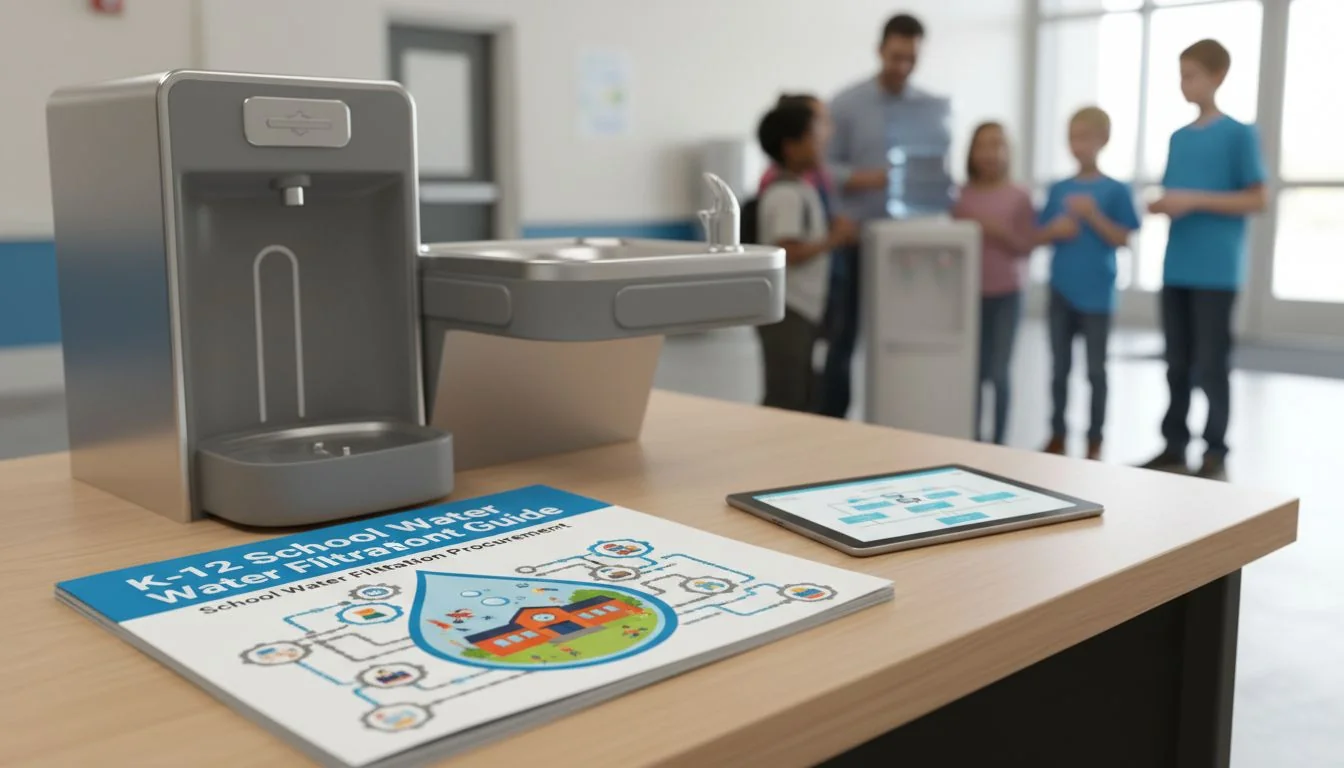
Schools face strict rules for water quality. Outdated systems fail to filter lead and PFAS. I will show you how to manage procurement and meet safety standards easily.
K-12 districts manage lead and PFAS by procuring certified filtration systems1 like bottle fillers and fountains. You must verify NSF/ANSI 53 and 42 standards, plan phased rollouts, and keep clear maintenance records. This ensures compliance, secures funding, and provides transparent data for school boards and parents.
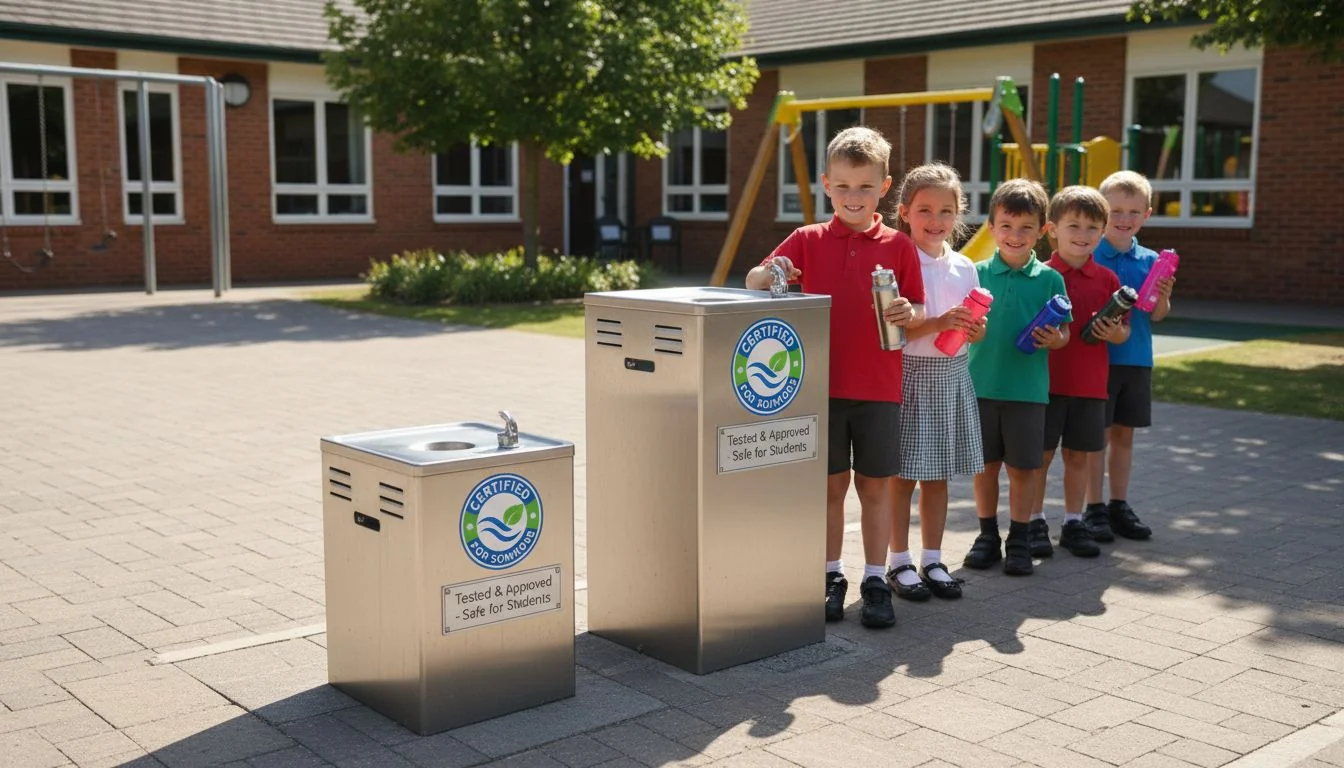
You might think buying water filters is just a simple catalog order. But if you ignore the strict testing standards and phased planning, you will waste school budgets and face angry parents. Let us look at the exact steps to get this right.
Lead and PFAS are water-quality parameters that require medical treatment plans from school districts.False
Schools manage these as facility water-quality parameters through filtration and testing, not through medical advice or treatment.
NSF/ANSI 53 is a recognized standard for reducing specific health-related contaminants in drinking water.True
NSF/ANSI 53 certifies that a water filtration system reduces specific contaminants like lead and PFAS to acceptable limits.
Why Are Lead and PFAS Procurement Priorities for K-12 Districts?
Aging school pipes often contain lead. New rules target PFAS chemicals. You need a solid procurement plan to upgrade these fixtures before compliance deadlines hit.
Lead and PFAS are critical water-quality parameters. K-12 districts prioritize them to meet updated facility standards. Upgrading to certified filtration systems ensures schools provide clean water while avoiding costly emergency replacements later.
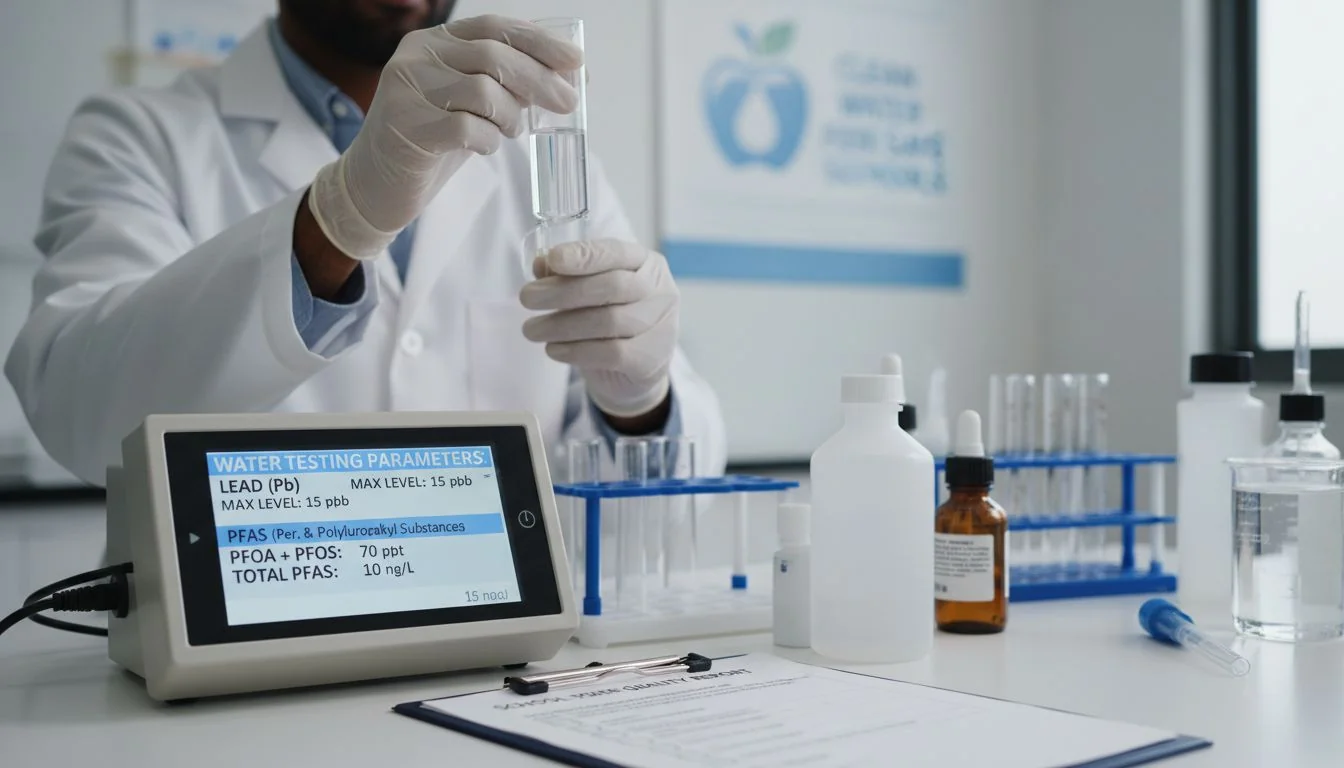
Understanding Water Quality Parameters
When I started designing plastic molds for plumbing fixtures, I learned that water quality drives product requirements. Lead and PFAS are not just buzzwords. They are specific parameters that facility managers must test and control. Schools have older buildings. These buildings often have old pipes and brass fittings. Water sitting in these pipes can absorb lead. PFAS comes from local water supplies. You must treat these as facility maintenance issues, not medical emergencies.
The Impact on Product Design and Procurement
For designers like Jacky, and for school buyers, this means every new fountain or bottle filler must handle these parameters. You cannot just install a basic plastic spout. You need systems built for advanced filters.
| Parameter | Source in Schools | Procurement Focus |
|---|---|---|
| Lead | Old pipes, brass fittings, solder | Point-of-use filters, lead-free plastics |
| PFAS | Municipal water supply | Advanced carbon filtration units |
Schools prioritize these upgrades to stay ahead of testing schedules. They use planned budgets to replace old units. This keeps the facility compliant and the water safe.
PFAS in school water only comes from the plastic pipes inside the school building.False
PFAS typically enters the school's system through the municipal water supply, not from the building's internal plumbing.
Older school buildings are more likely to have lead in their water due to aging plumbing materials.True
Older pipes, solder, and brass fittings degrade over time and can leach lead into the sitting water.
What is the Regulatory and Funding Context for School Water Projects?
Budgets are tight. New water rules demand expensive upgrades. You must understand state funding and federal grants to pay for these new filtration systems without draining school funds.
School water projects rely on federal and state grants designed for infrastructure upgrades. Districts must align their procurement with specific regulatory testing guidelines. Using approved vendors and certified products ensures the school qualifies for this external funding.
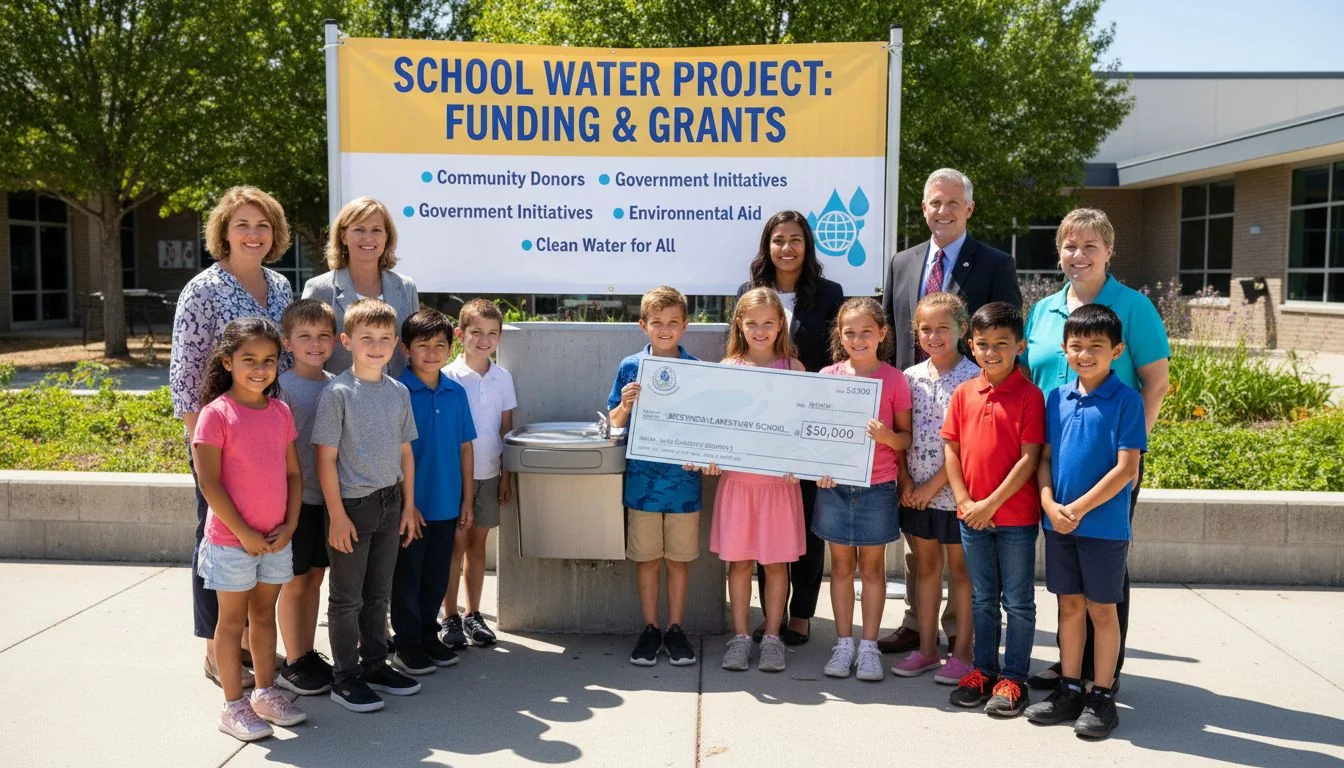
Navigating State and Federal Rules
Regulations change often. States now require schools to test water at every drinking tap. If the test shows high lead or PFAS, the school must fix it. I remember helping a client design a filter housing. We had to make sure it met the exact rules for a state grant. If the product failed the rule, the school could not buy it.
Securing the Budget
Schools do not use their normal daily budget for this. They apply for infrastructure grants. To get the money, the procurement team must prove they are buying the right equipment.
| Funding Source | Typical Use | Requirement for Approval |
|---|---|---|
| Federal EPA Grants | Large district-wide upgrades | Strict compliance with EPA testing limits |
| State Programs | Replacing old fountains | Use of certified point-of-use filters |
| Local Bonds | New school construction | Approved vendor lists and public bidding |
Designers and buyers must work together. The product must fit the grant rules. This makes the procurement process smooth and fully funded.
Schools must use their daily operating budget to pay for all water filtration upgrades.False
Schools typically rely on federal grants, state programs, and local bonds to fund major infrastructure and water filtration upgrades.
State regulations often require schools to test water at every drinking tap.True
Many states have implemented strict testing protocols that require sampling at all point-of-use drinking fixtures in schools.
Where Does Filtration Fit Among Fixtures, Fountains, and Bottle Fillers?
Schools have hundreds of water outlets. Replacing all of them is impossible. You need to know exactly which fixtures need filters to protect the water effectively.
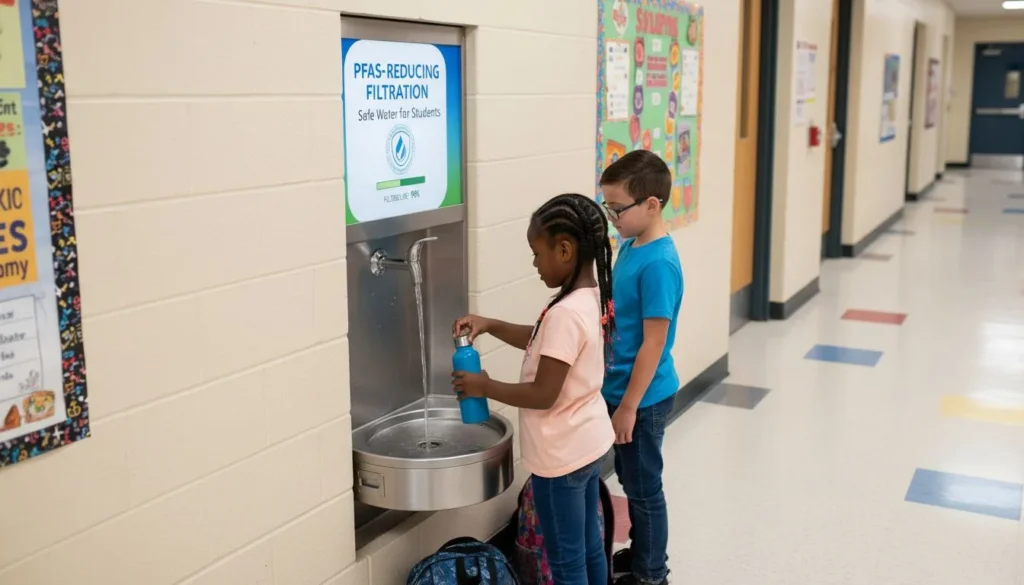
Filtration fits best at the point of use. Schools should install filters inside modern water fountains and bottle filling stations. Sinks used for drinking or cooking also need under-counter filters. This targeted approach controls costs and ensures clean water where students actually drink.
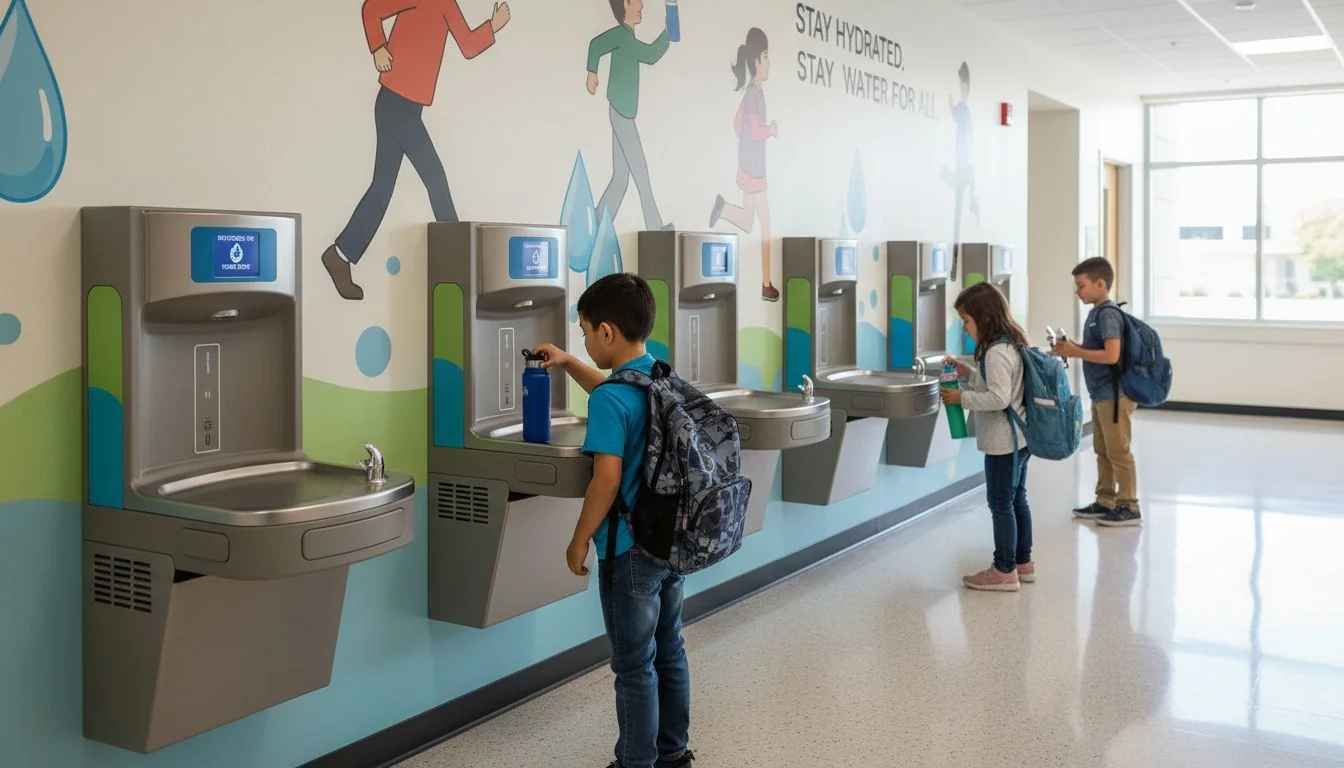
Point-of-Use vs. Whole-Building Systems
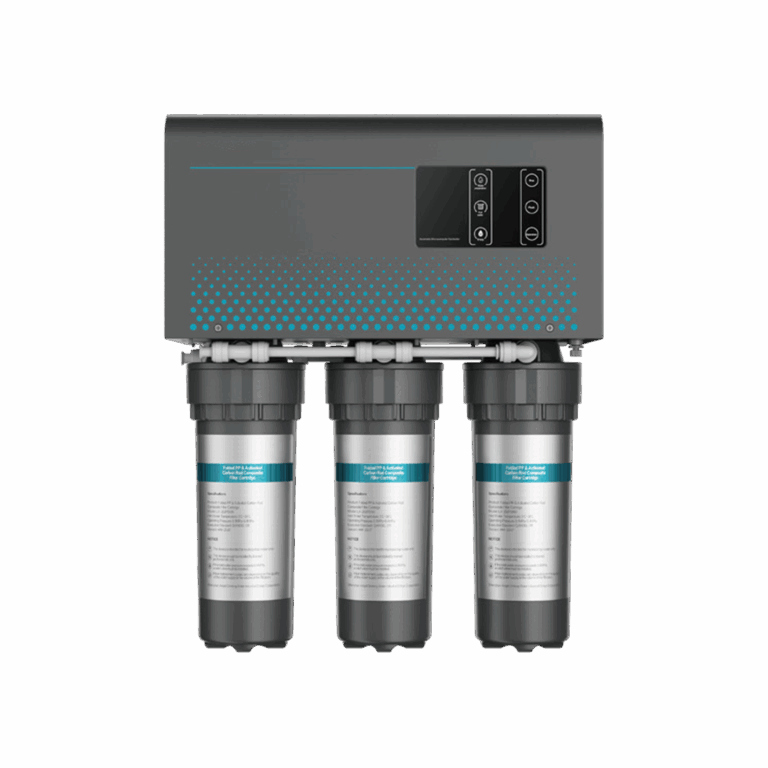
You cannot easily filter all the water entering a large school. It costs too much. The water also travels through old pipes after the main filter. This defeats the purpose. Instead, schools use point-of-use filtration2. This means the filter sits right where the water comes out.
Designing for the Right Location
When we design plastic molds for these units, we focus on space. A bottle filler needs a hidden compartment for the filter.
| Fixture Type | Filtration Method | Best Use Case |
|---|---|---|
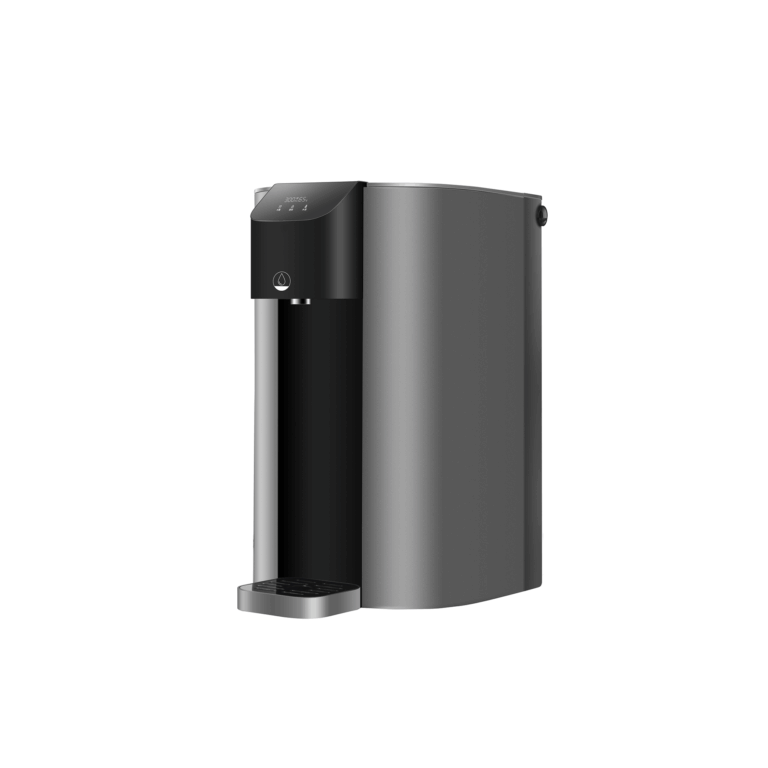
| Bottle Fillers | Integrated internal filter | High-traffic hallways, gyms |
| Water Fountains | Retrofit filter kits | Classrooms, older building wings |
| Kitchen Sinks | Under-counter filter systems | Cafeteria food prep areas |
| Bathroom Sinks | No filter needed | Handwashing only (add warning signs) |
By targeting specific fixtures, procurement teams save money. They only buy filters for drinking water. They shut off or label taps that are only for washing hands.
Whole-building water filtration is the cheapest and most effective way to remove lead from old school pipes.False
Whole-building filters do not prevent lead leaching from old pipes inside the building. Point-of-use filters are more effective and cost-efficient.
Point-of-use filtration treats the water right before it is dispensed from the fixture.True
Point-of-use systems are installed directly at the fountain or sink to catch contaminants right before consumption.
Which Certifications Should You Require Like NSF/ANSI 53 and 42?
Fake filters flood the market. Buying uncertified units puts water quality at risk. You must demand strict third-party certifications to guarantee the filters actually remove lead and PFAS.
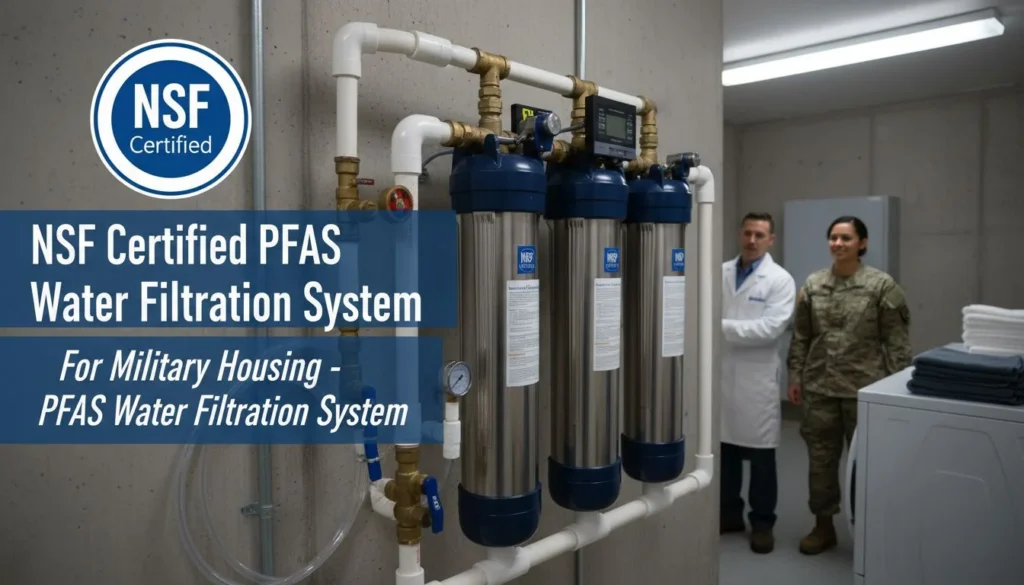
Procurement teams must require NSF/ANSI 533 and NSF/ANSI 42 certifications. Standard 42 covers taste and odor. Standard 53 guarantees the reduction of specific health-related contaminants like lead and PFAS. Always ask vendors for official third-party testing documents before signing a contract.
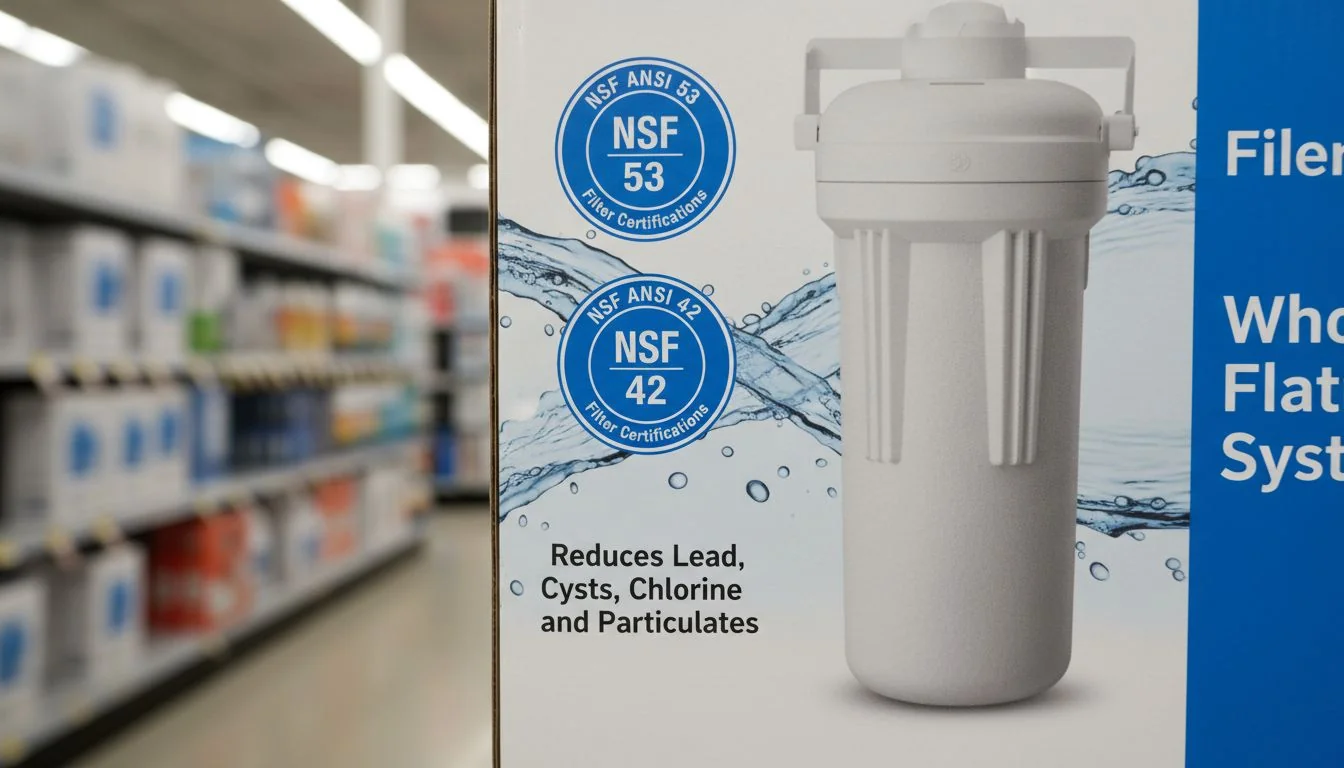
The Importance of Third-Party Standards
In the mold and manufacturing industry, we rely on strict tolerances. Water filters are the same. You cannot trust a marketing label that says a product removes lead. You need proof. This proof comes from NSF International or similar third-party labs. They test the filters under harsh conditions.
Breaking Down the Standards
If you are a designer like Jacky, you must select filter media that passes these tests. If you are a school buyer, you must put these numbers in your bid documents.
| Certification | What It Covers | Why Schools Need It |
|---|---|---|
| NSF/ANSI 42 | Aesthetic effects (chlorine, taste, odor) | Makes water taste good so students drink it |
| NSF/ANSI 53 | Health effects (lead, specific PFAS) | Ensures safety and meets regulatory limits |
| NSF/ANSI 372 | Lead-free plumbing components | Proves the fixture itself does not add lead |
Always collect the official certificates. Keep them in your files. This protects the school if anyone questions the water quality later.
NSF/ANSI 42 certification guarantees that a filter will remove lead and PFAS from drinking water.False
NSF/ANSI 42 only covers aesthetic effects like taste and odor. NSF/ANSI 53 is required for health effects like lead and PFAS.
NSF/ANSI 372 certification ensures that the plumbing components are manufactured to be lead-free.True
Standard 372 verifies that the materials used in the plumbing products meet the lead-free requirements of the Safe Drinking Water Act.
How to Build a Phased Procurement Plan Across Multiple Schools?
Upgrading a whole district is overwhelming. Trying to do it all at once causes delays. You need a phased plan to manage inventory, installation, and budgets smoothly.
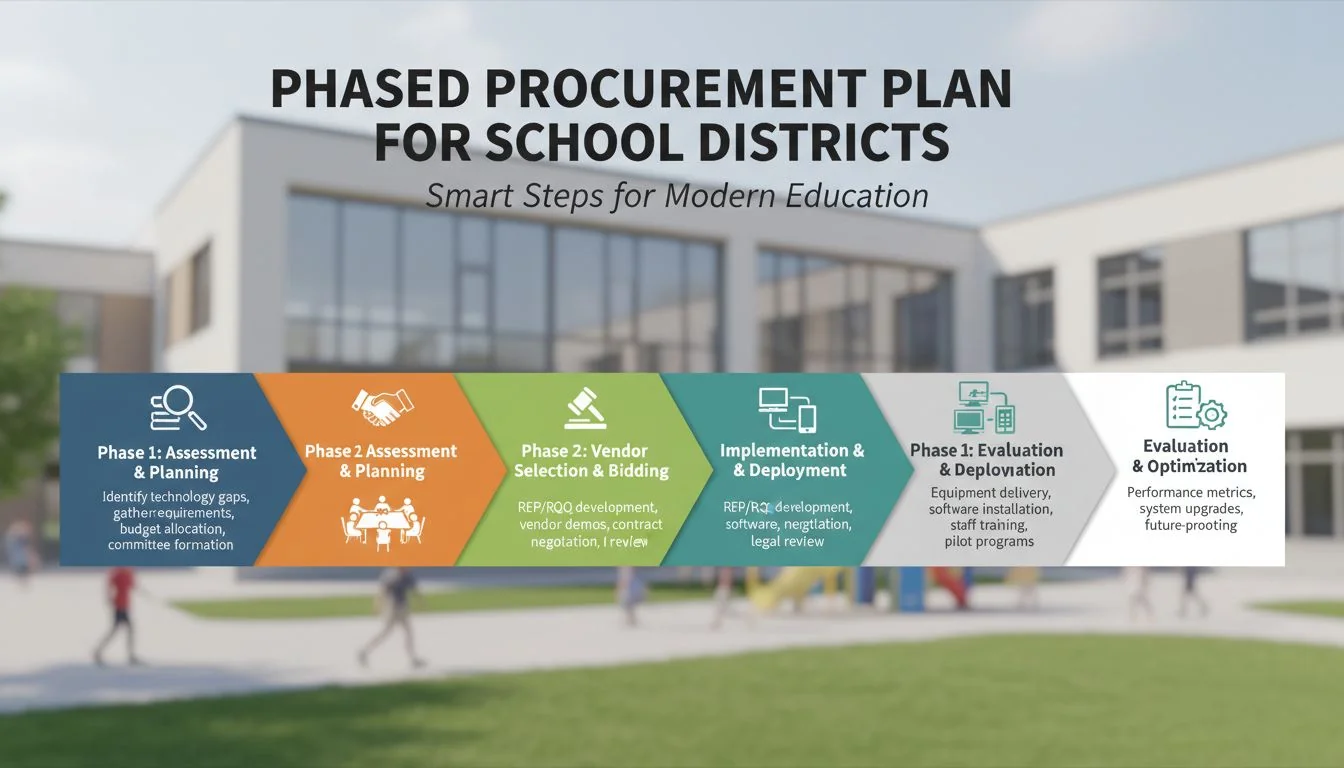
Build a phased procurement plan4 by auditing all current fixtures first. Rank schools based on water test results and building age. Buy and install systems in batches. This step-by-step approach matches your annual budget, keeps maintenance teams from burning out, and ensures steady progress.
Starting with a Facility Audit
You cannot buy what you do not measure. I always tell my manufacturing clients to count their inventory first. Schools must do the same. Send the maintenance team to count every fountain, sink, and bottle filler. Note the brand, age, and location.
Creating the Rollout Phases
Once you have the data, you can plan the purchases. Do not buy 500 units at once if your team can only install 50 a month.
| Phase | Action Step | Focus Area |
|---|---|---|
| Phase 1 | Emergency replacements | Fixtures that failed recent water tests |
| Phase 2 | High-traffic upgrades | Gyms, cafeterias, and main hallways |
| Phase 3 | Classroom retrofits | Sinks and older fountains in rooms |
| Phase 4 | Standardization | Replacing mixed brands with one standard model |
A phased plan helps designers and suppliers, too. It gives the factory time to mold the plastic parts and assemble the units. It keeps the supply chain moving without stress.
A phased procurement plan requires schools to buy all necessary water filters at the exact same time.False
A phased plan spreads purchases and installations over time based on priority, budget, and labor capacity.
Auditing current fixtures helps districts prioritize which water fountains need replacement first.True
An audit provides data on fixture age, location, and condition, allowing schools to target the most critical needs first.
What is the Best Documentation and Verification for Board and Parent Reporting?
Parents worry about their children. School boards demand clear answers. If you lack proper records, you will face anger and distrust. You must maintain transparent documentation.
Keep detailed records of all water test results, filter certifications, and maintenance logs. Share this data openly with the school board and parents through a public dashboard or regular reports. Transparent documentation builds trust and proves the district is actively managing water quality parameters5.
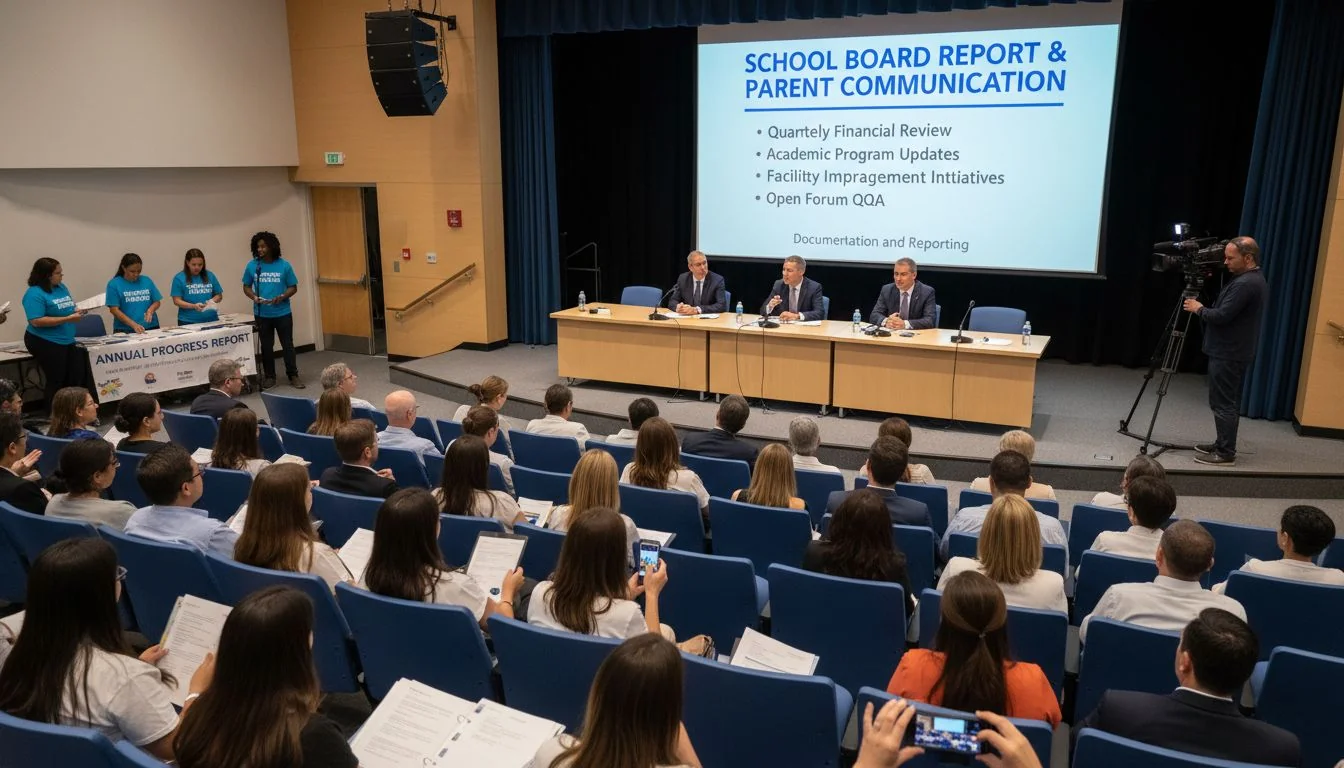
Building a Transparent Record System
In my trading company, keeping good records solves most problems. For schools, records are even more critical. You are dealing with sensitive water parameters. You must show exactly what you bought, when you installed it, and when you changed the filter.
Communicating with Stakeholders
Do not use medical terms or fear-based language. Talk about facility standards and maintenance schedules. Show the parents that you have a controlled process.
| Document Type | What It Shows | Who Needs to See It |
|---|---|---|
| Lab Test Results | Lead and PFAS levels before and after filtration | State regulators, School Board |
| NSF Certificates | Proof the filters meet safety standards | Procurement team, Parents |
| Maintenance Logs | Dates of filter replacements | Facility managers, Public Dashboard |
When you post a simple table on the school website showing filter change dates, parents feel safe. They see the standards. They see the verification. This makes the procurement team look professional and responsible.
Schools should use fear-based medical language to convince parents that water filters are necessary.False
Schools should use objective, standards-based language focusing on facility maintenance and water-quality parameters to build trust.
Sharing maintenance logs and filter change dates on a public dashboard helps build trust with parents.True
Transparency regarding maintenance schedules proves to parents that the school is actively managing and monitoring water safety.
Conclusion
Managing school water filtration requires certified products, phased planning, and clear records. By following these procurement steps, districts ensure safe water, stay on budget, and build trust with parents.
References
-
Explore the importance of certified filtration systems in ensuring safe drinking water for students. ↩
-
Learn about the advantages of point-of-use filtration systems in providing safe drinking water. ↩
-
Learn how NSF/ANSI 53 certification guarantees the reduction of harmful contaminants in drinking water. ↩
-
Discover effective strategies for implementing a phased procurement plan to upgrade school water systems. ↩
-
Understand the critical water quality parameters that schools must monitor to ensure student safety. ↩

 English
  Français
  Español
  Italiano
  Deutsch
  Português
  Русский
  العربية
  日本語
日本語  한국어
한국어  Tiếng Việt

